


Home » What is a Rigid Box?
What is a Rigid Box?
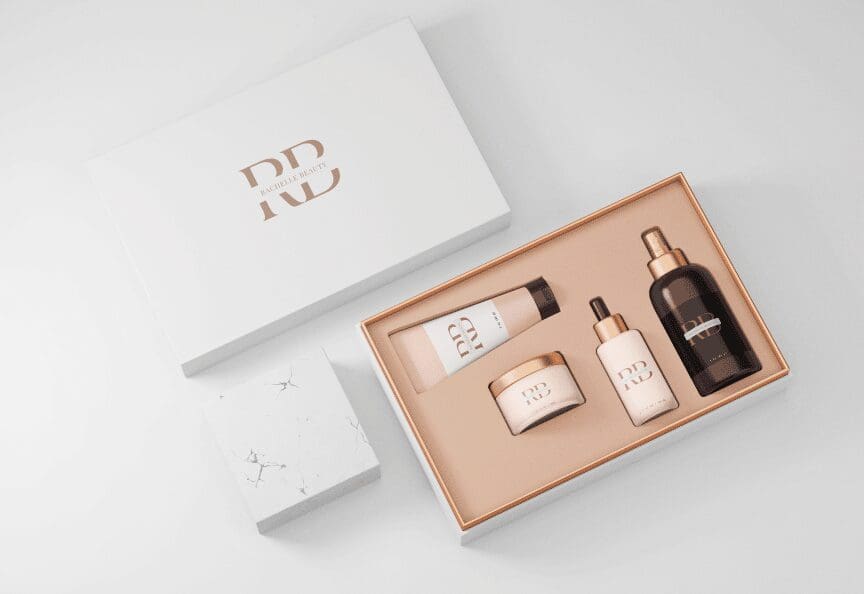
A rigid box, often referred to as a setup box, stands out in the packaging world due to its robust and durable design. Made from dense paperboard that is considerably thicker than the material used in standard folding cartons, rigid boxes are not just packaging but a statement of quality and luxury. They are fully customizable, often involving complex construction processes and high-quality materials, making them synonymous with premium branding and product presentation.
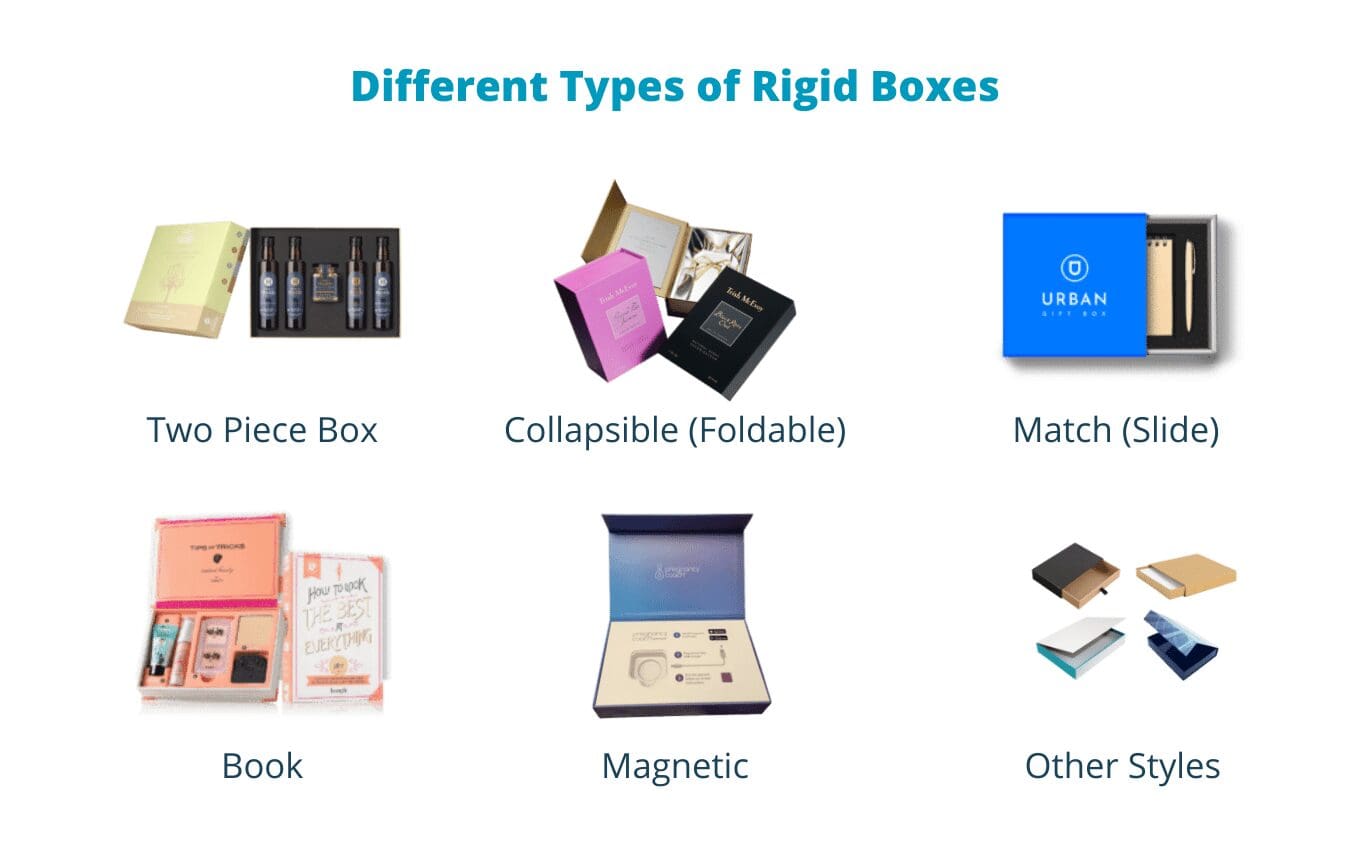
Comprehensive Overview of Rigid Box Styles
Rigid boxes are celebrated for their versatility and elegance in design. Here’s a deeper look into the various styles and their functional aesthetics:
Two-Piece Box
The quintessential model in rigid box design, the two-piece consists of a base and a lid. Simple yet elegant, this style is highly favored for its classic appearance and ease of use. It’s widely used across various industries, from high-end electronics to gourmet foods.
Collapsible (Foldable)
Innovative and practical, collapsible rigid boxes are designed to lay flat for economical storage and shipping, yet they can be easily assembled into a sturdy, structured box. This design is particularly favored by businesses looking to reduce logistical costs without compromising on packaging quality.
Match (Slide)
The match style features a tray that slides into a sleeve, offering a dynamic unboxing experience that is both smooth and engaging. It’s perfect for products that require an extra touch of interaction, such as artisanal gifts or bespoke jewelry.
Book
Mimicking the opening of a book, this style adds a narrative element to the packaging, enhancing the unboxing experience. It is ideal for special editions, collector’s items, or high-value publications.
Magnetic
Incorporating magnets for a secure and satisfying closure, magnetic boxes offer an upscale feel, often used for premium products such as designer accessories and luxury cosmetics. The magnets add a level of sophistication and functionality, ensuring the contents are safely enclosed. Learn more about magnetic boxes.
Other Innovations
Beyond these common types, rigid boxes can also be crafted with unique features like hinged/flip lids, shoulder/neck constructions, or even round shapes, tailored to specific product dimensions and brand aesthetics.
Applications and Uses of Rigid Boxes
Due to their sturdy construction and elegant appearance, rigid boxes are predominantly used for:
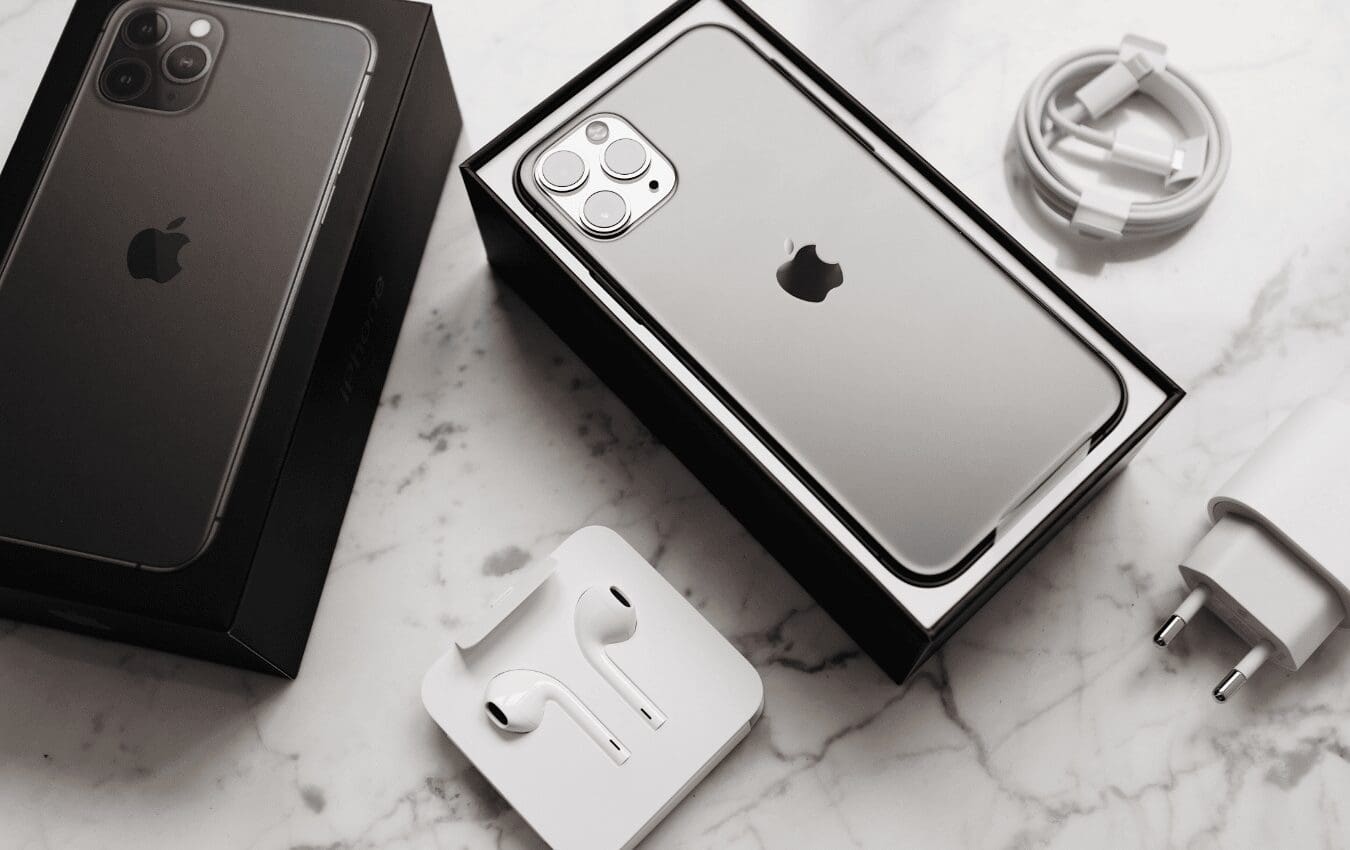
- High-End Electronics: Providing excellent protection and a premium unboxing experience for gadgets.
- Luxury Cosmetics: Enhancing the brand value and shelf presence of beauty products.
- Fine Jewelry: Offering a secure and attractive packaging solution that matches the item’s luxury.
- Gifts and Specialties: Making occasions more memorable through beautifully designed packaging.
Advantages of Choosing Rigid Boxes
Choosing a rigid box for your product packaging brings several benefits:
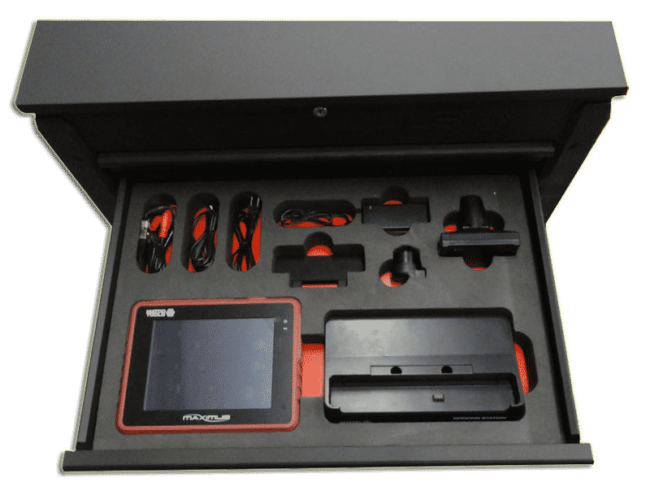
- Enhanced Product Protection: The sturdy construction ensures that contents are well-protected against impacts and compression.
- Elevated Brand Perception: The quality and elegance of rigid boxes enhance the perceived value of the contents, influencing customer satisfaction and loyalty.
- Customization Opportunities: From size and shape to finishes and printing techniques, every aspect can be tailored to create a unique packaging solution that reflects the brand’s identity.
- Sustainable Options: Many rigid boxes can be produced using recycled materials and can be recyclable themselves, aligning with eco-friendly brand values.
Key Considerations for Rigid Box Packaging
While rigid boxes offer unparalleled elegance and protection, they come with considerations that may impact their suitability:
- Cost: The premium materials and customized manufacturing processes can make rigid boxes more expensive than other types of packaging.
- Practicality: For some products, especially those that are low-cost or require frequent access, a rigid box may not be the most practical choice.
- Minimum Order Quantities: Custom rigid box manufacturers often require large minimum orders, which can be a barrier for smaller businesses or those requiring limited runs.
Conclusion: The Strategic Value of Rigid Boxes
Rigid boxes are not just packaging; they are a strategic tool for enhancing brand prestige and improving customer experience. They are best suited for products that require a high level of protection or brands aiming to make a strong impact on the market. With the ability to fully customize the design and features, rigid boxes offer a packaging solution that truly stands out.
If you are considering this type of packaging, partnering with a specialized provider like Brown Packaging will ensure that your packaging not only meets your aesthetic and functional needs but also aligns with your strategic branding objectives.
Corrugated board comes in multiple flute sizes and wall grades, each designed to balance strength, weight, and cost. Selecting the wrong grade can lead to
As tariff changes reshape global trade, packaging buyers moving production from China to the U.S. or nearshore regions face a new challenge: supplier qualification. Transitioning
With new tariff proposals and continued trade uncertainty, 2026 is shaping up to be another pivotal year for packaging sourcing strategy. Many companies that shifted
Following multiple rounds of tariff changes and trade policy adjustments, 2026 marks a turning point for U.S. packaging buyers. Many who previously transitioned from China
Shifting packaging production from China to the U.S. can help stabilize costs, reduce tariff exposure, and shorten lead times. But the transition process requires careful
RSC boxes are known for their efficiency and versatility, but their performance ultimately comes down to strength. Buyers often see numbers like ECT, BCT, and
Home » What is a Rigid Box?

Custom packaging stands as a pivotal element for brands looking to differentiate their products in a crowded market. It is tailored specifically to meet the

When most buyers think of packaging design, they picture logos, colors, and graphics—but what’s often overlooked is structural design: the way your box is shaped,

For retail brands, Point of Purchase (POP) displays are crucial for maximizing product visibility and driving sales. Ensuring that these displays are retail-ready is key