Home » Top 8 Benefits of Pouches
Top 8 Benefits of Pouches
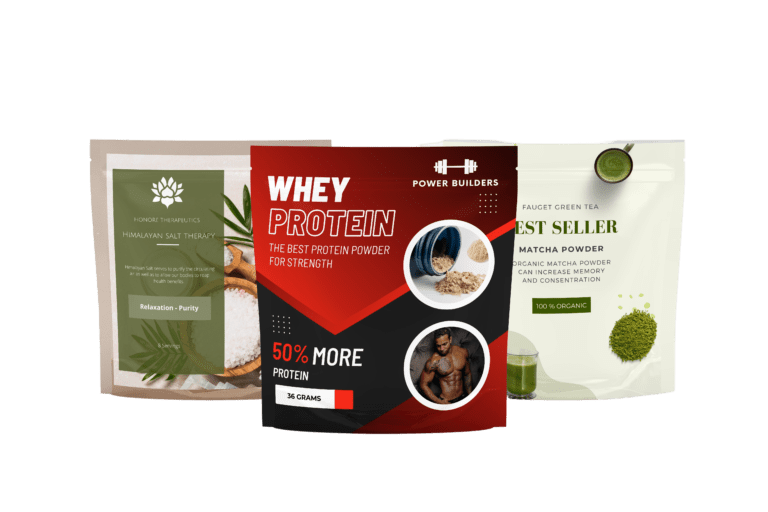
Effective packaging can play a critical role in the success of any business. The right type of packaging can make all the difference when it comes to product protection, ease of transport, and customer satisfaction. In recent years, there has been a growing trend towards the use of pouches as a more convenient and eco-friendly option.
Here are some of the main advantages of using these innovative pouches.
Lightweight and Easy to Store
Compared to traditional packaging materials like glass or metal, pouches are incredibly lightweight. This makes them ideal for businesses that need to transport and store products over long distances or in large quantities. Furthermore, because they require less material to produce, pouches are also a more cost-effective solution that reduces environmental impact.
Durable and Protective
The high-quality materials used to make pouches ensure that they are puncture-resistant and can withstand wear and tear during shipping or handling. For this reason, they are an ideal option for products that need extra protection, such as food, pharmaceuticals, and electronics. The water-resistant properties of these pouches also help prevent moisture damage to products.
Preserve Product Freshness
Pouches are known for their ability to keep products fresh for longer periods. Their airtight seal design helps prevent oxygen and moisture from entering the package, which is particularly important for products that are sensitive to air and moisture, such as food and pharmaceuticals. By preserving products, companies can reduce waste and increase customer satisfaction.
Flexibility and Customization
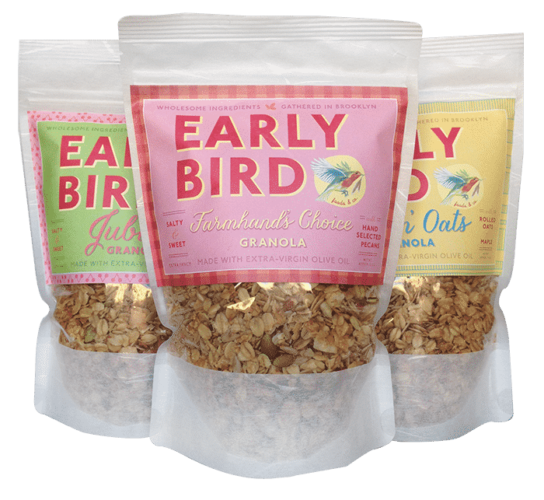
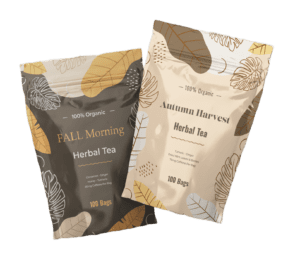
Poches come in various sizes, shapes, and designs, making them an ideal packaging option for companies that require different quantities and sizes. This flexibility allows businesses to tailor their packaging to specific product needs, ensuring that packaging is optimized and efficient. Customization options such as adding a resealable zipper or a spout can make them even more functional and convenient for customers.
Building Brand Recognition
Customizing pouches with a company’s logo or design can increase brand visibility and make products more recognizable to customers. This can help businesses build brand recognition and stand out in a crowded market.
Customization Options
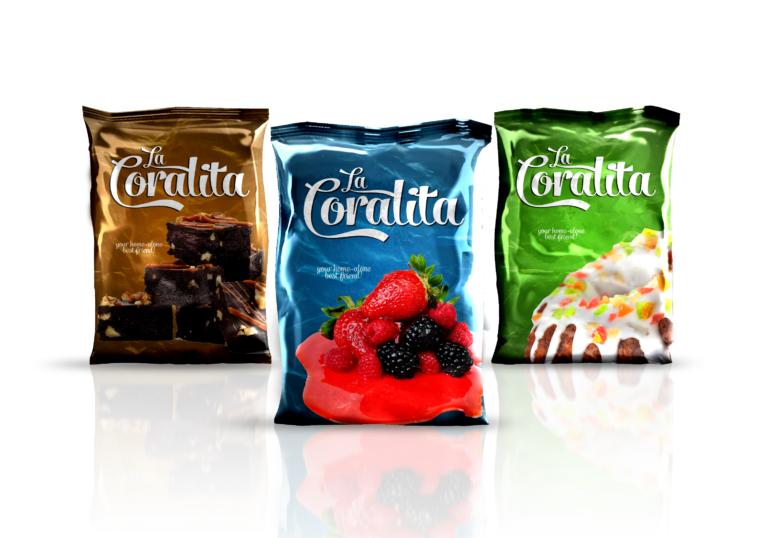
Customization is one of the major benefits of using pouches for packaging, which can help a product stand out on store shelves and create a unique experience for customers.
For instance, a company that sells coffee could use a it with a valve to keep the coffee fresh while allowing customers to smell the aroma. Similarly, a company that sells nuts could use it with a clear window to showcase the product’s natural appeal.
Cost-Effective Packaging
Pouches are also cost-effective. They require less material to produce than other types of packaging, which can reduce costs. Additionally, they are lightweight, which reduces shipping costs. Customizing the pouches means that companies can create packaging that fits their specific needs, reducing the likelihood of waste or excess packaging.
Versatile Packaging Option
Pouches are a versatile packaging option that can be used for various products. They are commonly used to package food products like snacks, pet food, and coffee, as well as non-food products like laundry detergent and personal care products. Their flexibility in size and shape makes them ideal for packaging different quantities and sizes.
This type of packaging is often as a secondary packaging option. For example, a company that sells frozen food products could use it as an outer layer to protect the product during shipping and a smaller pouch inside for individual servings.
If you are interested in custom pouches, then partner with Brown Packaging today to get started.
In 2026, sustainability is no longer just a trend—it’s a buyer expectation. Forest Stewardship Council (FSC) certification has become a key benchmark for responsible packaging, signaling that materials are sourced from responsibly managed forests. For packaging buyers, FSC certification is more than a compliance checkbox—it’s a brand value that influences purchasing decisions, retailer acceptance, and customer loyalty. What Is FSC Certification? The Forest Stewardship Council certifies that paper-based packaging materials are sourced from forests managed for environmental responsibility, social benefit, and economic viability. FSC Mix: Packaging contains a blend of FSC-certified and controlled wood. FSC Recycled: Packaging is made entirely from recycled fiber. FSC 100%: Packaging is sourced only from FSC-certified forests. Why FSC Matters to Buyers in 2026 Retail access: Many major retailers now require FSC-certified packaging. Sustainability goals: Aligns with corporate ESG and carbon reduction commitments. Consumer trust: Customers recognize the FSC label and view it as credible. Global compliance: Meets international sustainability regulations. How FSC Certification Strengthens Brand Value Differentiation: Stand out with certified sustainable packaging. Marketing advantage: FSC logos reinforce eco-friendly messaging. Risk reduction: Verified sourcing prevents greenwashing claims. Customer loyalty: Environmentally conscious buyers prefer certified products. Challenges in FSC Implementation Limited supply of certain FSC substrates. Higher costs compared to non-certified materials. Need for supplier audits and documentation. Packaging Solutions with Brown Packaging Brown Packaging partners with buyers to integrate FSC-certified materials into corrugated boxes, folding cartons, and retail packaging. Our solutions support sustainability while maintaining cost efficiency and protection. Contact us to strengthen your brand with FSC-certified packaging. References Forest Stewardship Council (FSC). (2023). FSC Certification Guidelines for Packaging. Retrieved from https://fsc.orgSustainable Packaging Coalition. (2023). Consumer Insights on Sustainable Packaging. Retrieved from https://sustainablepackaging.orgSoroka, W. (2009). Fundamentals of Packaging Technology (4th ed.). Institute of Packaging Professionals. (714)300-0650 request@brownpackaging.com Most Recent Posts: Subscribe To Our Newsletter By submitting your information, you agree to our terms and conditions and privacy policy. Sustainable Packaging Facebook Twitter LinkedIn Pinterest Relevant Posts
Sustainability is now a top priority for packaging buyers. Retailers, regulators, and consumers are all demanding packaging solutions that reduce environmental impact without sacrificing performance. In 2026, buyers must balance eco-friendly materials, cost, and compliance to build programs that are both effective and future-ready. What Buyers Need to Know About Sustainable Packaging Regulatory pressure: Governments are enforcing stricter rules on recyclability and plastic use. Retail mandates: FSC certification and recyclable packaging are becoming standard requirements. Consumer expectations: Customers increasingly choose brands with visible sustainability commitments. Sustainable Material Options Recycled corrugated: High recycled content while maintaining compression strength. Compostable films: Suitable for select food and retail applications. Molded pulp inserts: Replace foam or plastic for protective packaging. Water-based coatings: Enhance moisture resistance without harmful chemicals. Balancing Cost and Performance Right-size packaging: Reduces material waste and shipping costs. Hybrid solutions: Combine eco-materials with corrugated for balance. Life cycle analysis: Evaluate true environmental impact, not just marketing claims. How to Evaluate Sustainable Suppliers Verify FSC, SPC, or ISO certifications. Request testing data for durability and recyclability. Audit supply chains for consistency and transparency. Ensure claims meet local and international compliance standards. Packaging Solutions with Brown Packaging Brown Packaging helps buyers implement sustainable packaging programs that balance cost, performance, and compliance. From recycled corrugated to eco-friendly coatings and inserts, we deliver solutions that meet 2026 sustainability goals. Contact us to explore sustainable packaging options. References Forest Stewardship Council (FSC). (2023). FSC Certification Guidelines for Packaging. Retrieved from https://fsc.orgSustainable Packaging Coalition. (2023). Packaging Sustainability Trends and Buyer Insights. Retrieved from https://sustainablepackaging.orgSoroka, W. (2009). Fundamentals of Packaging Technology (4th ed.). Institute of Packaging Professionals. (714)300-0650 request@brownpackaging.com Most Recent Posts: Categories: Corrugated Ecommerce ESD Design Display Flexible Packaging Foam Folding Carton Packaging Plastic Packaging Pouch Printing Protection Retail Rigid Box Thermoform Sustainability Subscribe To Our Newsletter By submitting your information, you agree to our terms and conditions and privacy policy. Sustainable Packaging Facebook Twitter LinkedIn Pinterest Relevant Posts
Choosing the right packaging material is one of the most important decisions buyers face. Single-material packaging offers simplicity and recyclability, while multi-material designs provide enhanced performance and protection. Understanding the trade-offs helps companies balance cost, functionality, and sustainability goals in 2026. What Is Single-Material Packaging? Single-material packaging uses one substrate—such as corrugated board, folding carton, or plastic—for the entire structure. Advantages: Easier to recycle and dispose. Lower material costs in many cases. Streamlined sourcing and inventory. Supports sustainability messaging. Disadvantages: Limited barrier protection. Less customization for fragile or complex products. May require added thickness for strength, increasing weight. What Is Multi-Material Packaging? Multi-material packaging combines two or more substrates—such as corrugated with foam, or paperboard laminated with film—to achieve specific performance outcomes. Advantages: Greater protection against moisture, oxygen, and impact. Allows for premium finishes and enhanced graphics. Ideal for fragile or high-value products. Customizable for unique supply chain conditions. Disadvantages: More difficult to recycle due to material separation. Higher cost and longer lead times. Complex sourcing and inventory management. When to Use Each Approach Single-material packaging: Best for products with low fragility, strong sustainability requirements, or cost-driven programs. Multi-material packaging: Best for high-value, fragile, or regulated products requiring advanced protection. Balancing Performance and Sustainability Buyers must weigh performance needs against eco goals: Use recyclable coatings to extend single-material performance. Choose hybrid designs that separate easily for recycling. Apply multi-material solutions only where risk of damage outweighs cost. Packaging Solutions with Brown Packaging Brown Packaging helps buyers evaluate when to use single- vs. multi-material packaging. Our team balances sustainability, performance, and cost to deliver solutions tailored to your supply chain. Contact us to explore the right approach for your products. References Forest Stewardship Council (FSC). (2023). FSC Packaging Certification Guidelines. Retrieved from https://fsc.orgSoroka, W. (2009). Fundamentals of Packaging Technology (4th ed.). Institute of Packaging Professionals.Sustainable Packaging Coalition. (2022). Design for Recyclability and Multi-Material Packaging Report. Retrieved from https://sustainablepackaging.org (714)300-0650 request@brownpackaging.com Most Recent Posts: Categories: Corrugated Ecommerce ESD Design Display Flexible Packaging Foam Folding Carton Packaging Plastic Packaging Pouch Printing Protection Retail Rigid Box Thermoform Sustainability Subscribe To Our Newsletter By submitting your information, you agree to our terms and conditions and privacy policy. Custom Packaging Facebook Twitter LinkedIn Pinterest Relevant Posts
One of the biggest challenges in sustainable packaging is balancing environmental responsibility with product protection. Buyers often worry that switching to eco-friendly materials means sacrificing durability or driving up costs. In 2026, new material technologies allow brands to meet sustainability goals without compromising strength or supply chain performance. Why Protection Still Matters Damaged products create more waste than packaging ever could. Returns increase logistics costs and carbon emissions. Retailers and e-commerce platforms expect packaging to deliver both sustainability and reliability. Eco-Friendly Material Options Recycled corrugated: Maintains stacking strength while reducing virgin fiber use. Molded pulp inserts: Cushion fragile items while replacing plastic foam. Water-based barrier coatings: Add moisture resistance without plastic films. Compostable films: Ideal for short shelf-life or single-use applications. Paper-based mailers: Replace poly mailers for e-commerce shipments. How to Balance Eco Goals and Protection Use right-sizing to reduce material volume while improving fit. Apply hybrid solutions (corrugated + pulp) for high-value goods. Conduct ISTA testing to validate protective performance. Match material choice to product fragility and supply chain conditions. Examples in Action Electronics: Molded pulp trays replacing EPS foam. Food and beverage: FSC-certified corrugated with recyclable coatings. Retail e-commerce: Recycled paper mailers protecting apparel. Packaging Solutions with Brown Packaging Brown Packaging develops eco-friendly solutions that protect products while meeting sustainability requirements. From recycled corrugated to innovative coatings, our team ensures you never trade protection for environmental impact. Contact us to explore eco-material options. References Forest Stewardship Council (FSC). (2023). FSC Certification Guidelines for Packaging. Retrieved from https://fsc.orgSustainable Packaging Coalition. (2023). Eco-Friendly Packaging Materials and Case Studies. Retrieved from https://sustainablepackaging.orgASTM International. (2023). ASTM D4169: Standard Practice for Performance Testing of Shipping Containers and Systems. (714)300-0650 request@brownpackaging.com Most Recent Posts: Subscribe To Our Newsletter By submitting your information, you agree to our terms and conditions and privacy policy. Custom Packaging Facebook Twitter LinkedIn Pinterest Relevant Posts
In today’s competitive market, packaging affordability doesn’t start with cheaper materials — it starts with smarter design. Every score, fold, and insert decision affects not only how a box looks and feels, but how efficiently it’s made, shipped, and used. Structural engineering is the silent driver of cost efficiency — optimizing strength, space, and performance before the first sheet is ever printed. Why Structure Matters More Than You Think The most impactful cost savings in packaging rarely come from supplier discounts; they come from structural efficiency.A box that uses 10% less board but maintains the same compression strength directly reduces both material and freight cost. A redesigned insert that eliminates the need for secondary packaging saves time and labor at the line. Every cut line and fold path tells a story of cost, sustainability, and brand care — and when those align, affordability becomes part of your brand’s DNA. Designing for Efficiency, Not Excess In a market saturated with overbuilt packaging, engineering restraint is a competitive advantage. Structural teams now rely on 3D CAD modeling and virtual prototyping to simulate performance before production — identifying unnecessary material use and structural redundancies. Through precision die-line planning, engineers can improve sheet yield, reduce assembly time, and minimize void space — the dead air that drives up freight bills.It’s not about doing less; it’s about doing smarter. Balancing Protection and Presentation The temptation to “overprotect” products is common — especially in fragile or high-value goods. But protection doesn’t have to mean bulk. Strategic reinforcements, engineered fluting, and interlocking designs can maintain crush resistance and shock absorption while reducing total board weight. For e-commerce and shelf packaging alike, brands can achieve premium presentation with structural simplicity — a key to making packaging both sustainable and affordable. Prototyping to Prevent Waste Prototyping isn’t just for aesthetics — it’s a safeguard against costly production errors.With short-run sample testing and performance mockups, brands can evaluate fit, function, and protection early in development. Adjusting dimensions by fractions of an inch can save thousands in material waste and prevent rejected runs down the line. Smart packaging buyers now view prototyping not as an expense, but as a cost-control strategy that pays dividends in scale. How Structural Design Supports Brand and Budget Affordable design doesn’t mean compromising brand identity — it means integrating brand goals into structure. A well-engineered box reinforces trust, ensures product consistency, and communicates value through precision and fit. When structure, design, and production align, packaging stops being a cost and starts becoming a business asset. That’s where the real savings live — and where long-term brand equity begins. The Brown Packaging Difference At Brown Packaging, every packaging solution starts with structural intent — not guesswork.Our engineering and design teams collaborate to create packaging that performs across shipping, retail, and automation lines, balancing protection, brand visibility, and cost efficiency. We don’t cut corners; we cut waste.That’s how our clients achieve packaging that’s not just affordable — it’s engineered to perform. References Soroka, W. (2009). Fundamentals of Packaging Technology (4th ed.). Institute of Packaging Professionals. PMMI. (2024). Optimizing Structural Design for Packaging Efficiency. Packaging World. (2025). Engineering the Future of Cost-Effective Packaging. Smithers. (2025). Packaging Innovation and Material Efficiency Trends. (714)300-0650 request@brownpackaging.com Most Recent Posts: Categories: Corrugated Ecommerce ESD Design Display Flexible Packaging Foam Folding Carton Packaging Plastic Packaging Pouch Printing Protection Retail Rigid Box Thermoform Sustainability Subscribe To Our Newsletter By submitting your information, you agree to our terms and conditions and privacy policy. Custom Packaging Facebook Twitter LinkedIn Pinterest Relevant Posts
Every brand is feeling the squeeze — higher raw material costs, volatile freight rates, and a consumer base more price-conscious than ever. But cutting packaging budgets blindly can lead to damaged goods, compliance issues, and eroded brand value. Smart brands aren’t chasing cheaper boxes — they’re making smarter packaging decisions that balance performance, cost, and perception. The difference between saving money and losing value comes down to how you evaluate your packaging, not just what you pay for it. Beyond Unit Price: Understanding Total Packaging Cost A low unit price might look great on paper — until you factor in assembly time, damage rates, and freight efficiency. Smart packaging evaluation considers the total cost of ownership, including: Material yield (how efficiently sheets convert into boxes) Pallet and trailer utilization (freight optimization) Labor efficiency (ease of assembly or automation compatibility) Product protection (damage rates, replacements, and returns) When buyers assess all these metrics, the lowest-cost box often isn’t the best-value box. Material Selection That Saves in the Long Run Switching materials isn’t just about cutting cost — it’s about reducing waste and improving performance. For instance, moving from double-wall to a high-performance single-wall with better flute structure can cut weight and shipping cost without sacrificing protection. In folding cartons, substrate optimization — using a lighter caliper SBS or switching to coated recycled board — can yield savings that scale across production runs. And for rigid boxes, structural tweaks like thinner chipboard paired with strong wrap papers can preserve presentation while reducing material use. Every small change adds up when you scale across thousands of units. Design Efficiency: The Overlooked Cost Saver A smart structural design can eliminate cost before production even starts. Simplifying folds, reducing glue flaps, or reengineering inserts can cut assembly time and material waste. Modern packaging engineers use CAD-based dieline analysis to optimize layouts — ensuring maximum sheet yield and minimal offcut. For e-commerce and retail brands alike, right-sizing packaging improves shipping efficiency and reduces filler materials while maintaining the brand’s polished look. It’s not just design — it’s design that earns its keep Printing Smart: Matching the Process to the Purpose Not every job needs premium litho or complex spot varnishes. A good packaging partner matches print method to scale and brand intent: Flexo printing for high-volume, cost-efficient runs. Digital printing for short runs, personalization, and multi-SKU campaigns. Litho laminating for high-end visuals in rigid or premium retail displays. By choosing the right print method early, brands can avoid over-engineering — saving both time and money without compromising quality. Data-Driven Decisions: The New Standard for Packaging Buyers Leading companies now use data to guide packaging spend. Damage rate metrics, SKU-level freight analysis, and consumer perception studies all contribute to smarter choices. Smart buyers are no longer asking, “What’s the cheapest box?” They’re asking, “What’s the most efficient box that protects the product, ships well, and supports brand goals?” This mindset shift is what separates cost-cutting from cost control. The Brown Packaging Approach At Brown Packaging, we help brands make smarter packaging decisions by combining engineering analysis, supplier network leverage, and real-world testing. Our process aligns packaging performance with total cost goals — from box design to print selection and logistics. The result: stronger packaging, lower waste, and sustainable cost savings that scale with your business. Because in today’s market, smart packaging isn’t just a cost center — it’s a competitive advantage. References PMMI. (2025). Operational Cost Efficiency in Packaging and Logistics. McKinsey & Company. (2024). Total Cost of Ownership in Consumer Goods Packaging. Packaging World. (2025). Data-Driven Decisions in Packaging Sourcing. Soroka, W. (2009). Fundamentals of Packaging Technology (4th ed.). (714)300-0650 request@brownpackaging.com Most Recent Posts: Categories: Corrugated Ecommerce ESD Design Display Flexible Packaging Foam Folding Carton Packaging Plastic Packaging Pouch Printing Protection Retail Rigid Box Thermoform Sustainability Subscribe To Our Newsletter By submitting your information, you agree to our terms and conditions and privacy policy. Custom Packaging Facebook Twitter LinkedIn Pinterest Relevant Posts
Home » Top 8 Benefits of Pouches

In recent years, sustainability has become a key focus in various industries, including packaging. As companies strive to minimize their environmental footprint, innovative solutions are being developed to promote sustainable practices. One such solution is the use of edge protectors in the packaging industry. Edge protectors not only provide structural support and protection for packaged goods, but they also contribute significantly to enhancing sustainability. This blog explores the various ways in which edge protectors are enhancing sustainability in the packaging industry. Understanding Edge Protectors Before delving into their sustainable benefits, let’s understand what edge protectors are. Edge protectors, also known as corner protectors, are typically made from materials like cardboard, paperboard, or plastic. They are designed to reinforce and protect the edges and corners of packaging, preventing damage during transit and handling. Edge protectors are available in various sizes and configurations to suit different packaging needs. Reducing Material Waste One of the significant advantages of using edge protectors is their ability to reduce material waste in the packaging industry. By reinforcing the edges and corners of packages, they minimize the risk of damage during transportation. This reduces the need for excessive cushioning materials, such as foam or bubble wrap, which are often used to protect vulnerable areas. Edge protectors act as a first line of defense, enabling packaging to withstand external pressures and reducing the overall material waste. Enhancing Product Protection Another way edge protectors contribute to sustainability is by enhancing product protection. When packaged goods are damaged during transit, they often end up as waste, resulting in financial losses for businesses and environmental impact. By providing additional structural support, edge protectors minimize the likelihood of product damage. This not only reduces the waste generated but also extends the lifespan of the packaged goods, leading to a more sustainable approach. Facilitating Reusability and Recyclability Edge protectors are often made from recyclable materials such as cardboard or paperboard. This makes them highly suitable for reuse and recycling. Unlike some other packaging materials, edge protectors can be easily separated from the primary packaging and recycled separately. This promotes a circular economy, where materials are reused and recycled rather than disposed of after a single use. By incorporating recyclable edge protectors, companies can minimize their environmental impact and contribute to sustainable packaging practices. Optimizing Packaging Efficiency Efficiency plays a crucial role in sustainable packaging practices. Edge protectors can help optimize packaging efficiency by allowing for better stacking and utilization of space. By reinforcing the edges and corners, packages can be stacked more securely, reducing the risk of collapse and maximizing the use of available storage and transportation space. This, in turn, leads to fewer trips required for transportation, reduced fuel consumption, and lower carbon emissions. By improving packaging efficiency, edge protectors contribute to overall sustainability efforts. Supporting Lightweight Packaging With the rising focus on reducing carbon emissions and transportation costs, lightweight packaging has gained prominence. Edge protectors enable the use of lighter packaging materials by providing structural integrity to the package. By reinforcing the edges and corners, edge protectors allow companies to use thinner materials without compromising the protection of the packaged goods. This helps reduce the overall weight of the packaging, leading to lower transportation costs and reduced energy consumption during transportation. Summary: Edge Protectors and Sustainability Edge protectors play a vital role in enhancing sustainability within the packaging industry. They not only reduce material waste but also enhance product protection, facilitate reusability and recyclability, optimize packaging efficiency, and support lightweight packaging. As companies increasingly adopt sustainable practices, incorporating edge protectors into their packaging solutions becomes an essential step towards reducing environmental impact. By embracing edge protectors, businesses can contribute to a greener future and promote a more sustainable packaging industry overall. If you are interested in edge protectors and/or sustainable solutions, then partner with Brown Packaging today to get started. (714)300-0650 request@brownpackaging.com Most Recent Posts: Categories: Corrugated Ecommerce ESD Design Display Flexible Packaging Foam Folding Carton Packaging Plastic Packaging Pouch Printing Protection Retail Rigid Box Thermoform Sustainability Subscribe To Our Newsletter By submitting your information, you agree to our terms and conditions and privacy policy. Edge Protectors Facebook Twitter LinkedIn Pinterest Relevant Posts

Tampering and theft are significant concerns for manufacturers and consumers alike. Tampered products can pose health and safety risks, while theft results in financial losses. To ensure the integrity of your products and packaging, as well as protect against theft, it’s essential to implement effective tamper-resistant and theft-deterrent measures. In this blog, we’ll explore various strategies and best practices to help you protect your packaging against tampering and theft effectively. Understanding the Threat Before we delve into protective measures, it’s crucial to understand the potential risks associated with tampering and theft: Safety Hazard: Tampered products can become contaminated or altered, posing health and safety risks to consumers. Loss of Consumer Trust: Incidents of tampering can lead to a loss of consumer trust in your brand and result in reputational damage. Regulatory Violations: Tampering incidents may lead to legal and regulatory issues, including recalls and fines. Financial Loss: Theft of products during transit or from store shelves can result in significant financial losses for manufacturers and retailers. Protective Measures To safeguard your packaging against tampering and theft, consider implementing the following protective measures: Tamper-Evident Packaging: Incorporate tamper-evident features into your packaging design. These features provide visible evidence of tampering, making it evident if a package has been compromised. Common tamper-evident features include: Shrink Bands: Applied around the cap or lid, shrink bands break or distort when tampered with. Tear Strips: These strips are designed to be broken for package access and leave visible evidence when torn. Breakable Seals: Seals that must be broken to open the package. Frangible Components: Components that break or shatter when manipulated. Security Labels and Stickers: Apply security labels or stickers to packaging surfaces. These labels are designed to leave a visible mark or message when removed, indicating tampering. Some labels even feature holograms or unique identifiers for added security. Serialization and Track-and-Trace Systems: Implement serialization and track-and-trace systems to monitor and authenticate product movement through the supply chain. These systems help identify anomalies and potential tampering incidents and can aid in tracking stolen products. Employee Training: Train your staff to recognize signs of tampering and follow proper security procedures. Encourage them to report any suspicious activities or findings promptly. Regulatory Compliance: Adhere to industry and regulatory standards for tamper-evident packaging. Compliance ensures that your products meet safety and security requirements. Theft-Deterrent Packaging: Design packaging to deter theft. Utilize features like clear plastic clamshells, locking mechanisms, or security tags that activate alarms when removed. Security Cameras and Alarms: Implement security measures in storage facilities and retail spaces, including security cameras and alarm systems. These systems can deter theft and provide evidence in case of incidents. Package Design Considerations: Design packaging with tamper resistance and theft deterrence in mind. Use materials that are difficult to tamper with or require specialized tools for opening. Consider tamper-resistant closures and packaging that can’t be easily concealed or stolen. Collaboration with Retailers: Work closely with retailers to implement anti-theft measures. Retailers can use anti-shoplifting devices, secure shelving, and trained staff to deter theft. Regular Inspections and Testing: Maintain a proactive approach to protection by regularly inspecting products for tampering and theft. Conduct theft tests to identify vulnerabilities and make necessary adjustments. Vigilance and Continuous Improvement Protecting your packaging against tampering and theft is an ongoing effort. Continuously assess your packaging solutions and gather feedback from consumers, retailers, and regulatory agencies. Stay vigilant and proactive in addressing any potential vulnerabilities or emerging threats. By implementing these strategies and maintaining a proactive approach to packaging protection, you can significantly reduce the risk of tampering and theft incidents, enhance the safety and trustworthiness of your products, and safeguard your financial interests. If you are interested in protection against tampering and theft for your packaging, then partner with Brown Packaging today to get started. (714)300-0650 request@brownpackaging.com Most Recent Posts: Categories: Corrugated Ecommerce ESD Design Display Flexible Packaging Foam Folding Carton Packaging Plastic Packaging Pouch Printing Protection Retail Rigid Box Thermoform Sustainability Subscribe To Our Newsletter By submitting your information, you agree to our terms and conditions and privacy policy. Custom Packaging Facebook Twitter LinkedIn Pinterest Relevant Posts

Packaging is an essential aspect of product design, as it helps to protect the contents and enhance their shelf life. One of the most versatile types of packaging is pouches, which can be used for a wide range of products, from food items to personal care products. Pouches are lightweight, portable, and come in various shapes and sizes. They are also customizable, allowing businesses to showcase their brand with unique graphics and designs. The material used to make pouches can significantly impact their functionality and performance. In this blog, we will explore the different types of materials used to make pouches and their benefits and drawbacks. Plastic Pouches Plastic is one of the most common materials used to make pouches. It is versatile, durable, and lightweight, making it an ideal material for packaging. There are several types of plastic films used in the production of pouches, such as polyethylene, polypropylene, and polyester. Polyethylene (PE) is a widely used plastic film that is suitable for packaging food items, such as snacks, baked goods, and frozen foods. It is affordable, has excellent moisture and oxygen barrier properties, and is easy to print on. Polyethylene films come in different thicknesses, with high-density polyethylene (HDPE) being more robust than low-density polyethylene (LDPE). Polypropylene (PP) is another type of plastic film commonly used to make pouches. It is more durable than PE and has a higher melting point, making it suitable for hot-fill applications. PP films offer good moisture and oxygen barrier properties and are resistant to punctures and tears. Polyester (PET) is a strong, high-clarity plastic film that is suitable for packaging products that require high barrier properties, such as coffee, snacks, and dried fruits. It is also suitable for packaging products that require microwaveable or oven-able pouches. Plastic pouches are customizable, allowing businesses to showcase their brand with high-quality graphics and designs. However, plastic pouches are not biodegradable and can contribute to environmental pollution. They also have limited heat resistance and are not suitable for high-temperature applications. Paper Pouches Paper is a natural and biodegradable material that is becoming increasingly popular for pouch packaging. Paper pouches are lightweight, portable, and eco-friendly, making them an ideal option for dry food items such as nuts, seeds, and snacks. Paper pouches are typically made from kraft paper, which is a sturdy and tear-resistant material. They are also customizable and can be printed with unique designs and graphics. However, paper pouches are not suitable for products that require high barrier properties, such as liquids and perishable food items. Aluminum Foil Pouches Aluminum foil is a high barrier material that is commonly used for packaging perishable food items, such as meat, dairy products, and beverages. Foil pouches offer excellent moisture and oxygen barrier properties, preventing spoilage and extending the shelf life of the product. Aluminum foil pouches are puncture-resistant and tamper-evident, making them an ideal option for high-value products. They are also heat-sealable, ensuring the contents remain fresh and protected from external factors. However, aluminum foil pouches are not suitable for microwave or oven-able applications. They are also not biodegradable and can contribute to environmental pollution. Biodegradable Pouches As consumers become more environmentally conscious, biodegradable pouches are becoming increasingly popular. These pouches are made from materials such as corn starch, sugarcane, and other natural fibers. Biodegradable pouches break down quickly in the environment, leaving no harmful residues. They are also suitable for food items and offer similar barrier properties as traditional plastic pouches. However, biodegradable pouches are more expensive than traditional plastic pouches and have limited availability. They may also have lower barrier properties than other materials, making them less suitable for certain products. Composite Pouches Composite pouches are made by combining different materials to create a customized packaging solution. For example, a composite pouch might combine plastic and aluminum foil to create a high barrier pouch suitable for packaging liquids and powders. Composite pouches offer a range of benefits, such as increased durability, enhanced barrier properties, and improved product shelf life. Composite pouches are customizable and can be printed with high-quality graphics and designs. They are also tamper-evident, ensuring the contents remain fresh and protected from external factors. However, composite pouches are more expensive than traditional plastic pouches and may not be suitable for all products. The use of multiple materials in composite pouches may also make them more difficult to recycle. Summary: Which Pouch Material Should You Choose? In conclusion, the choice of material used to make pouches depends on the product being packaged, the required barrier properties, and environmental considerations. From plastic and paper to aluminum foil and biodegradable materials, there are several options available for creating the perfect pouch for your product. By understanding the benefits and drawbacks of each material, businesses can make informed decisions about the best type of pouch packaging for their products. If you are looking for custom pouches, then contact Brown Packaging today to get started. (714)300-0650 request@brownpackaging.com Most Recent Posts: Categories: Corrugated Ecommerce ESD Design Display Flexible Packaging Foam Folding Carton Packaging Plastic Packaging Pouch Printing Protection Retail Rigid Box Thermoform Sustainability Subscribe To Our Newsletter By submitting your information, you agree to our terms and conditions and privacy policy. Pouches Facebook Twitter LinkedIn Pinterest Relevant Posts