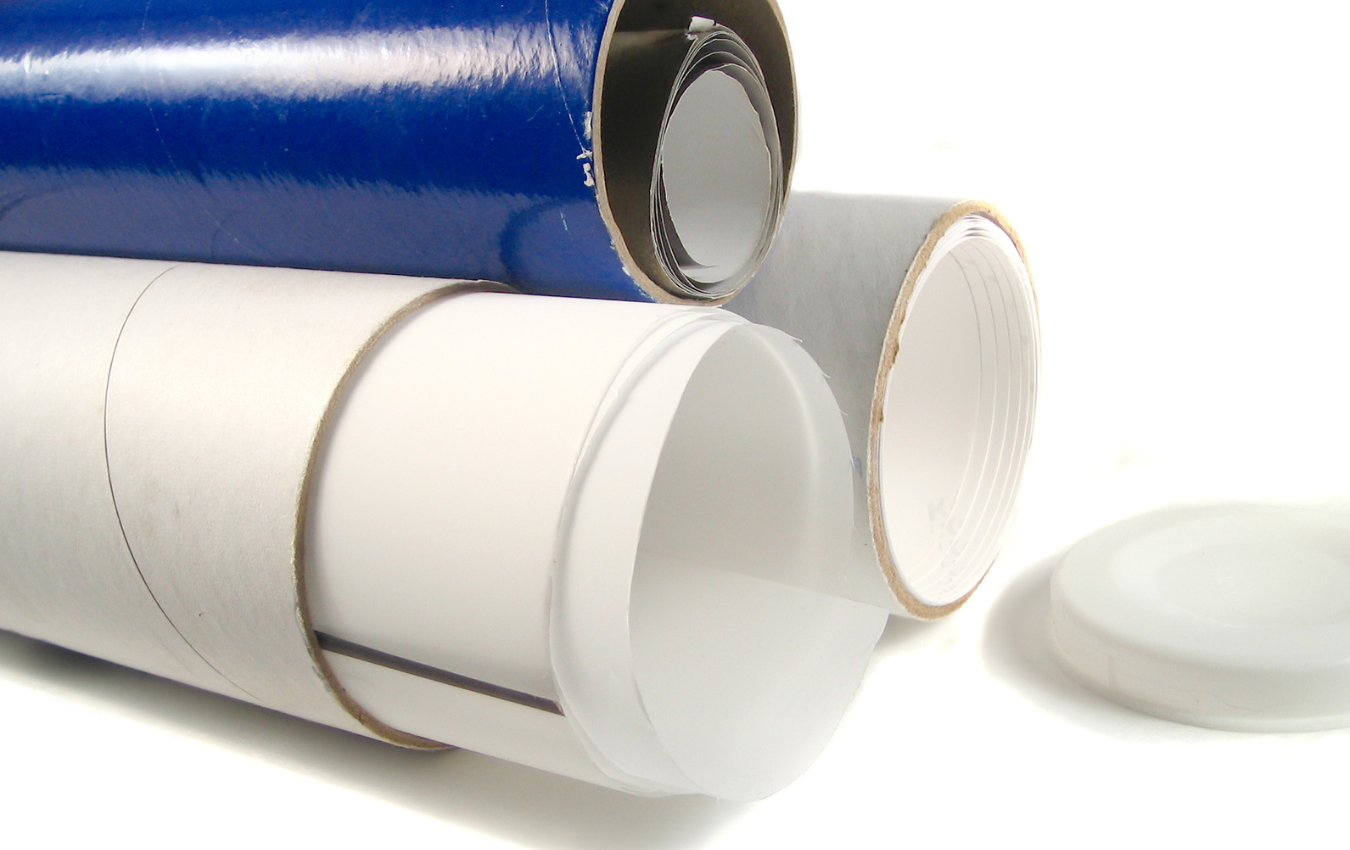
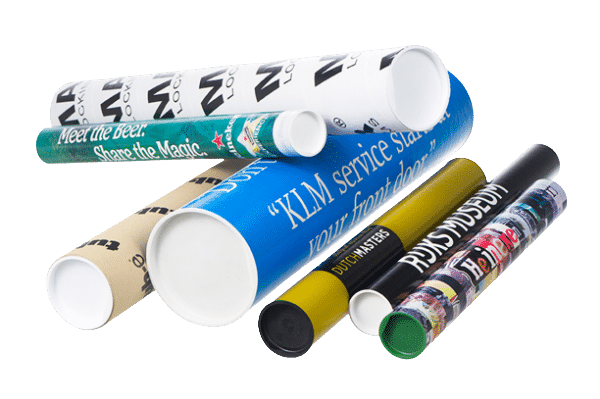
The packaging industry has continuously evolved throughout history, striving to develop solutions that are practical, reliable, and cost-effective. Among these, mailing tubes have emerged as a key player, ensuring safe transport for a variety of items from posters to blueprints.
This blog takes a deep dive into the evolution of mailing tubes and explores their applications across different industries.
The Genesis of Mailing Tubes
Early Innovations
The genesis of mailing tubes can be traced back to the 19th century when they were initially employed in mailing systems to transport long, rolled documents such as maps and blueprints. These humble paper-based cylinders, offering an optimal balance of robustness and weight, revolutionized the world of packaging and shipping.
Technological Advancements and Material Diversification
Over the years, significant advancements in materials science and manufacturing processes have refined the design and durability of mailing tubes. The first major shift was the transition from paper to cardboard, which offered superior strength and durability.
In the late 20th century, plastics entered the scene, providing an alternative for water-sensitive items. Plastic mailing tubes proved highly resilient, providing increased protection from environmental factors. Today, we find mailing tubes made from materials like Kraft paper, cardboard, plastics, and even metals, each tailored to specific use-cases.
Understanding the Design Evolution
Mailing tubes started as simple cylindrical containers, but as demand grew and diversified, so too did their designs. Today, we have adjustable tubes, telescopic tubes, square tubes, and triangular mailing tubes, each designed to cater to particular needs.
The Impact of Sustainability
The turn of the 21st century marked a seismic shift towards sustainability in all aspects of life, including packaging. This shift led to a surge in the production of biodegradable and recyclable mailing tubes. Today, many companies opt for eco-friendly mailing tubes made of recycled cardboard or biodegradable materials, aligning their operations with environmentally conscious values.
Mailing Tubes Across Industries
Graphic Arts and Printing Industry
In the graphic arts and printing industry, mailing tubes are indispensable. They provide a secure, cost-effective, and practical solution for shipping posters, large format prints, canvases, and blueprints. These items can be rolled without damage, making cylindrical mailing tubes the perfect fit.
Manufacturing and Construction Industry
In manufacturing and construction industries, mailing tubes serve a key role in transporting blueprints, schematics, and detailed plans. These tubes offer the necessary protection for such crucial documents during transit.
E-commerce
The e-commerce industry has embraced mailing tubes as a shipping solution for a variety of products, from rolled clothing items to yoga mats. Not only do they protect the product, but their unique shape also provides an interesting unboxing experience for the customer.