




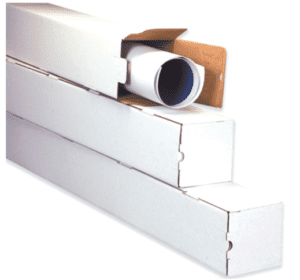
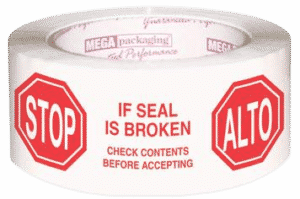
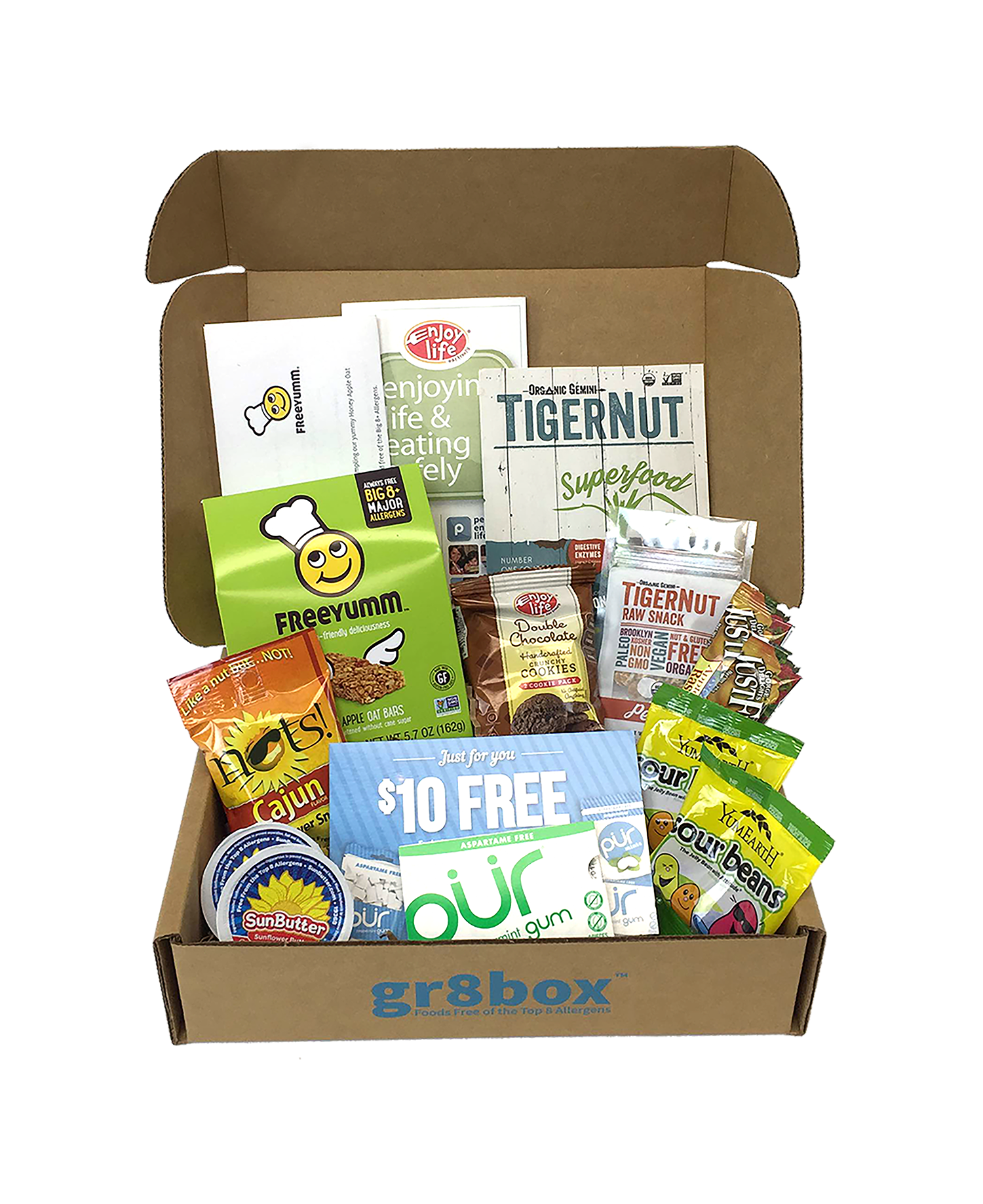
Stock Packaging
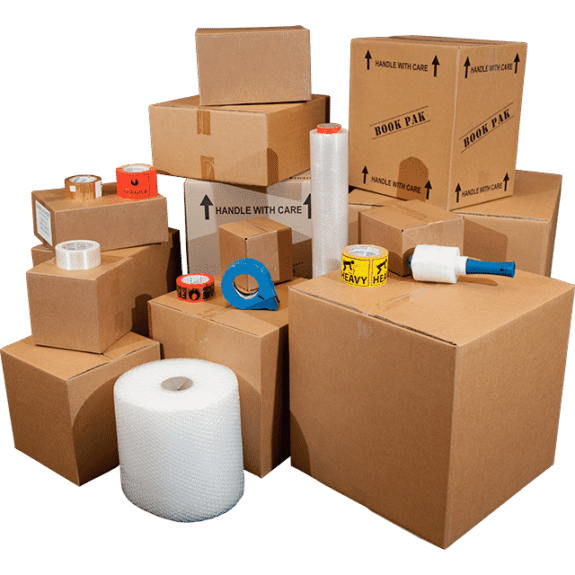
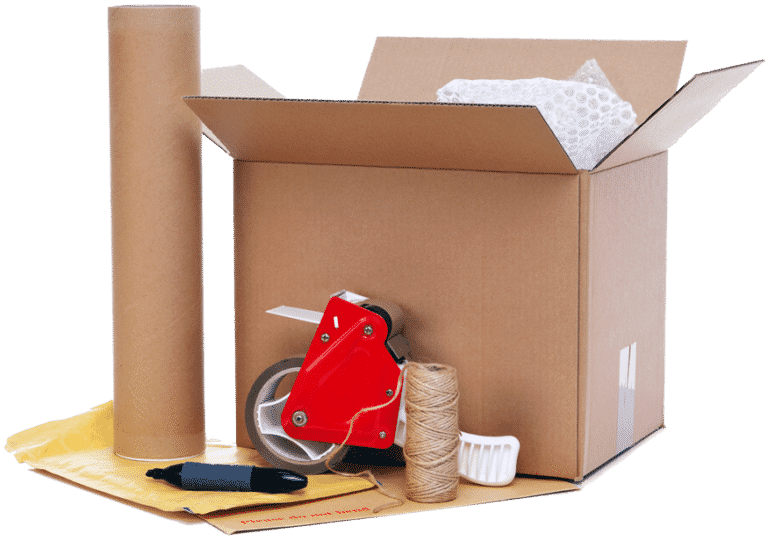
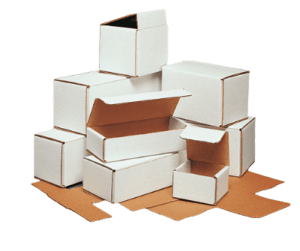
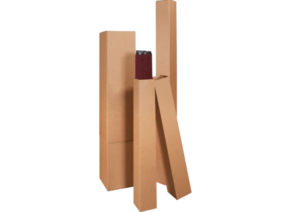
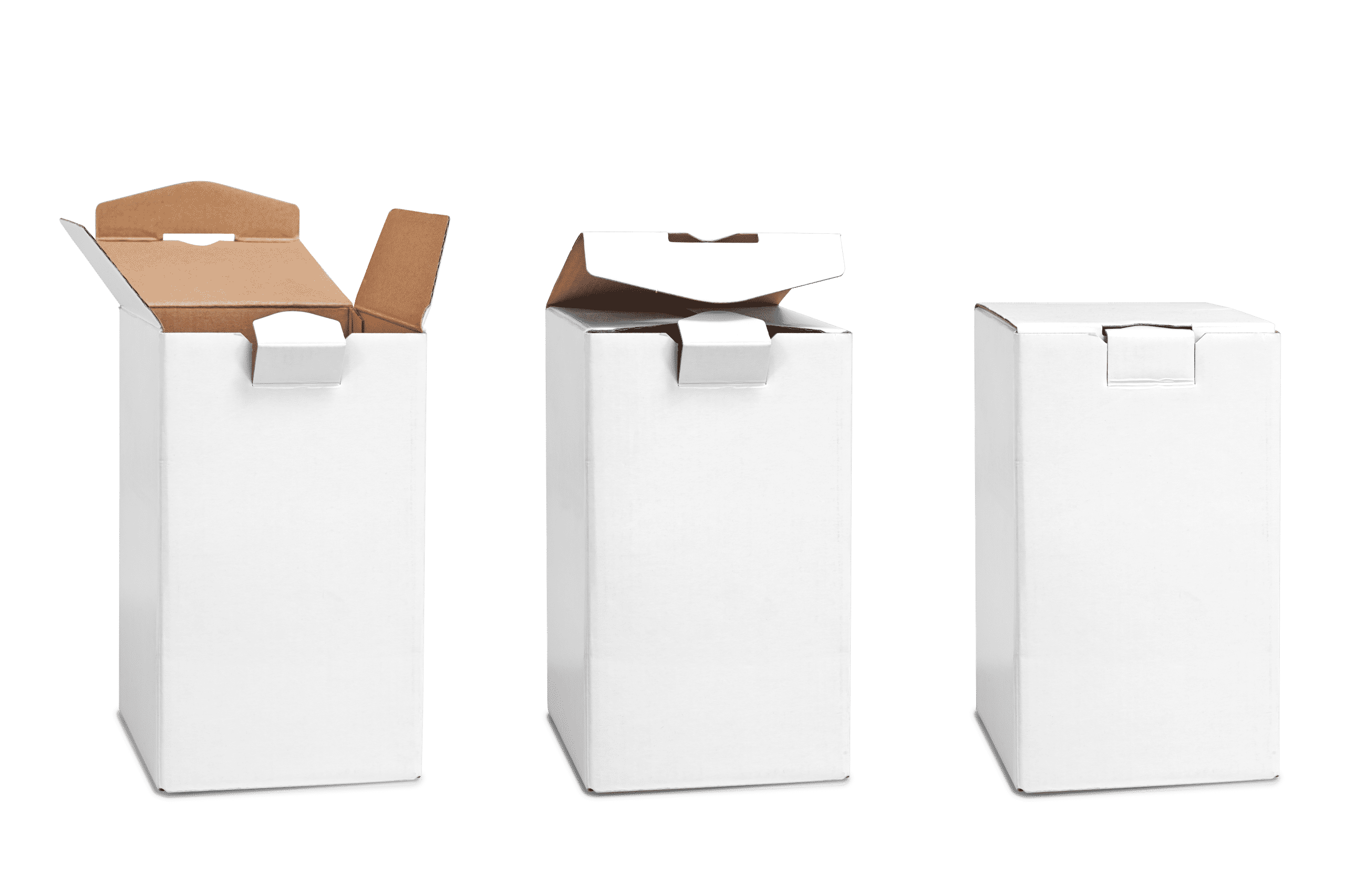
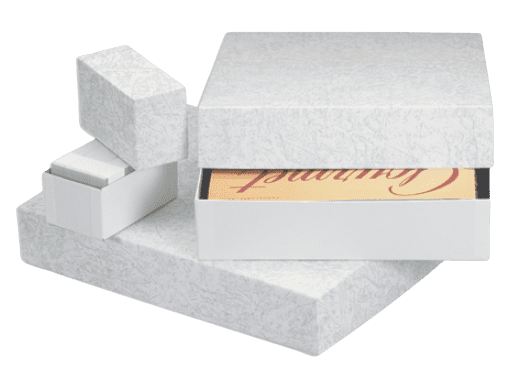
We supply businesses with a wide selection of essential packaging, shipping, and warehouse supplies. Get any standard packaging product by dimension or style from boxes, tubes, tapes, labels, and more. If you are unsure on what type of packaging you will need, then contact us for an expert consultation.


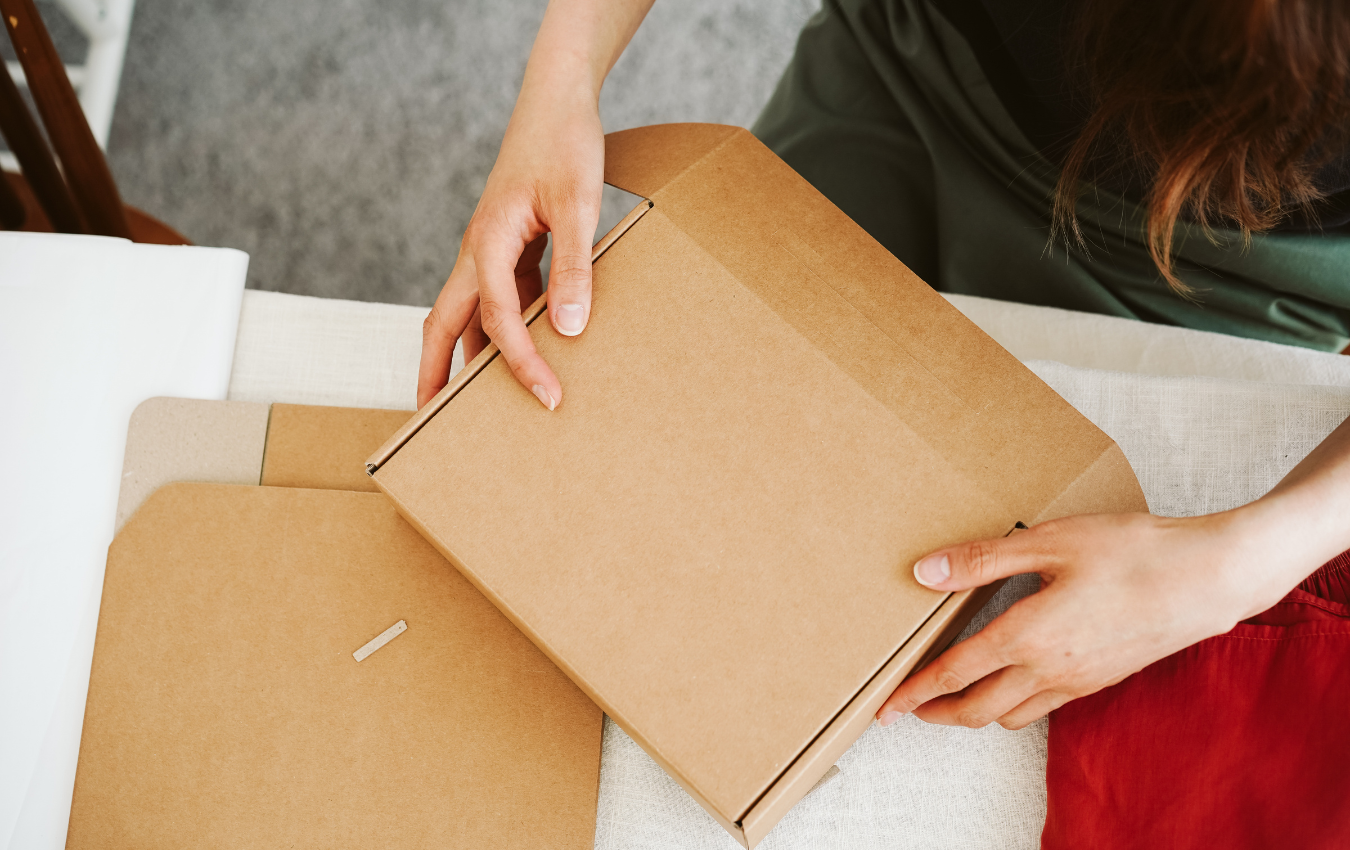
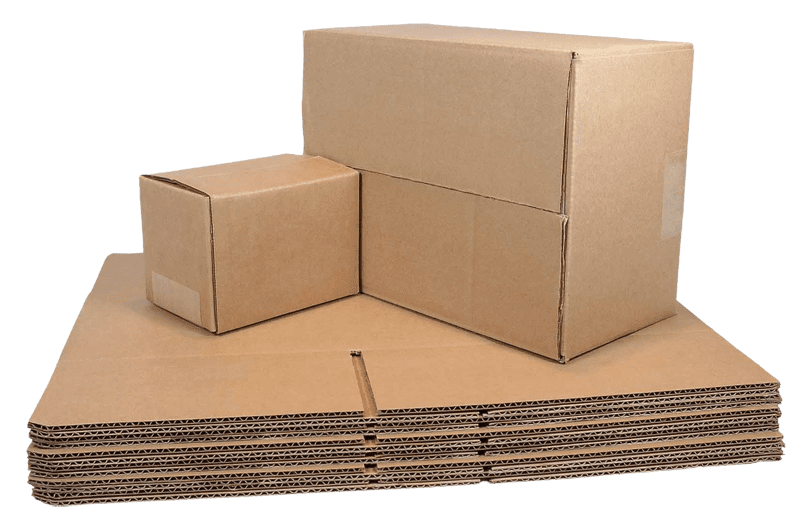
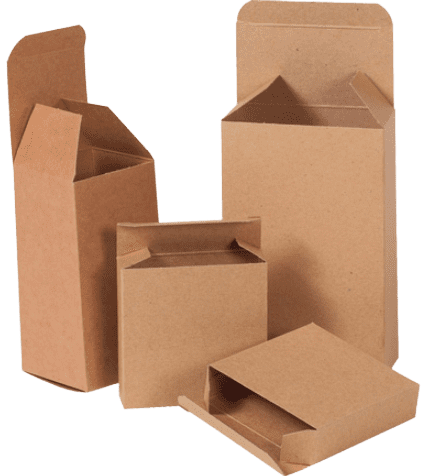
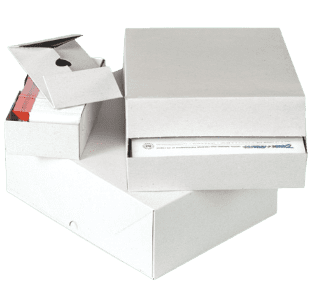
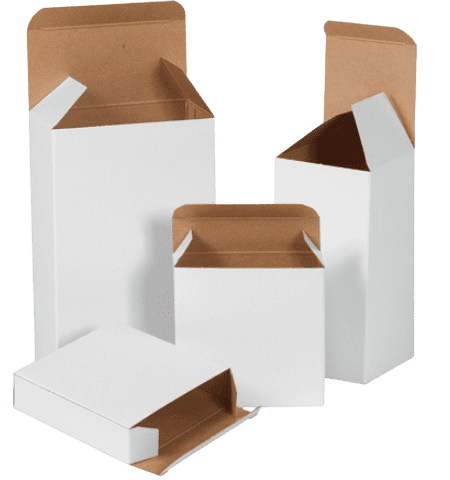
Stock packaging refers to pre-made, ready-to-ship packaging solutions like corrugated boxes, mailers, and protective materials that are designed to meet a wide range of standard needs across shipping, retail, and storage. Unlike custom packaging, stock options offer quick availability and reliable protection without the need for extensive design or production time, making them ideal for businesses needing efficient, high-quality solutions with fast lead times.
At Brown Packaging, we focus on providing durable, performance-driven stock packaging that supports our clients’ operational needs. Our stock products are sourced to ensure consistent quality and cost-effectiveness, offering a practical solution to keep operations running smoothly and on schedule. With an emphasis on reliability, we help our clients quickly access packaging solutions that meet their specific needs while maintaining quality across every order.
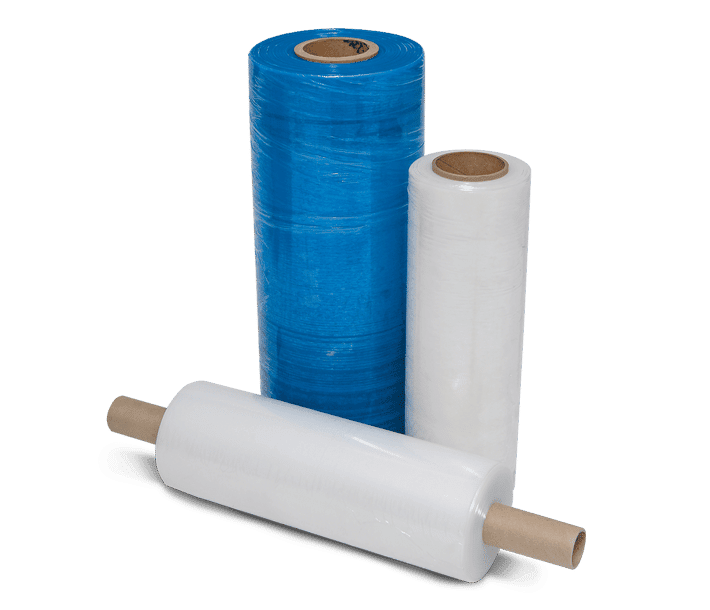
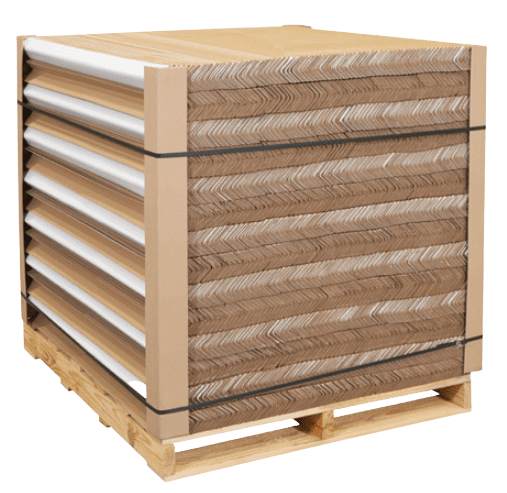
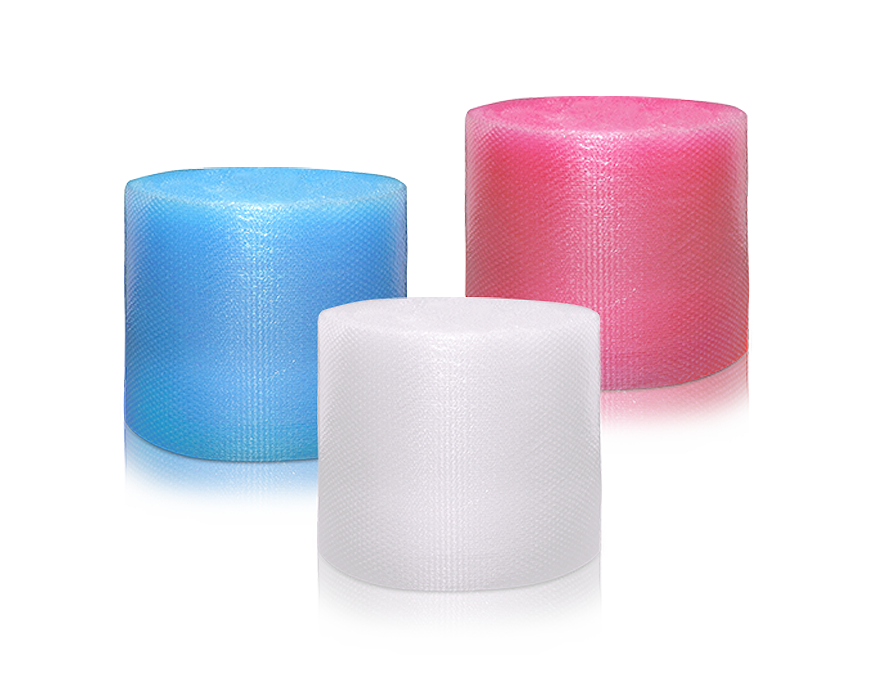
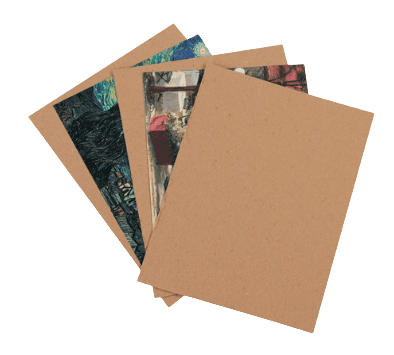
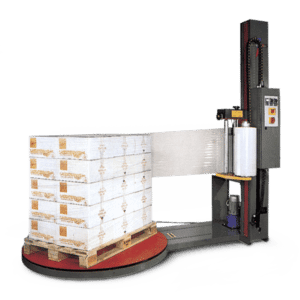
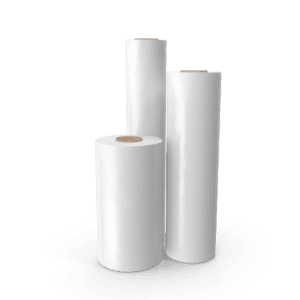
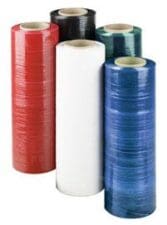
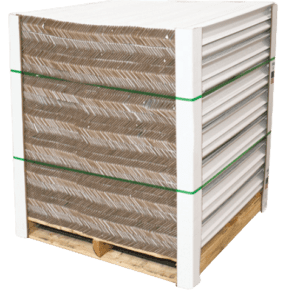
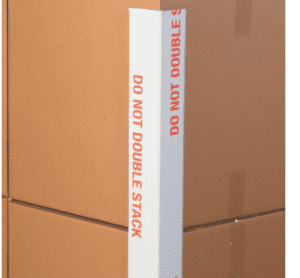
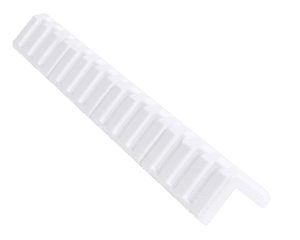
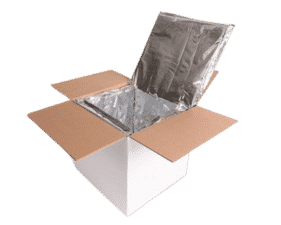
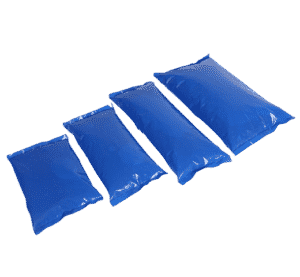
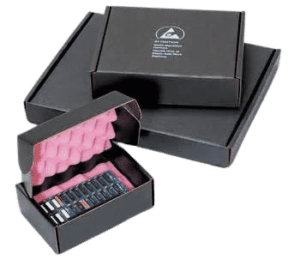
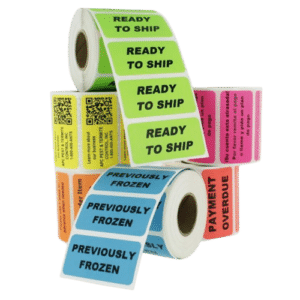
Our stock packaging products, from corrugated boxes to stretch film, offer a wide selection, including essentials like tape, edge protectors, labels, and more, with quick turnaround times to meet your packaging needs efficiently.


If you need any assistance with your packaging or have a question, then contact us directly at request@brownpackaging.com or (714)300-0650. Learn more about custom packaging by reading our blog posts on new and trending topics.

Storage is an essential aspect of our daily lives, be it for personal use or in the professional sector. The need for effective and efficient storage has led to the development of various storage solutions. In this blog, we will delve deep into a comparison between corrugated bin boxes and one of the most popular storage alternatives – plastic bins. Our primary focus will be on durability and lifespan. What are Corrugated Bin Boxes? Corrugated bin boxes are made from corrugated cardboard. They are commonly used in warehouses, offices, and retail settings for sorting and storing small items. The design is simple: a rectangular open-top box that can be easily labeled and stacked. The primary material – corrugated cardboard – comprises fluted or arched layers sandwiched between two linerboards, which provides strength and rigidity. What are Plastic Bins? Plastic bins are storage containers made of different types of plastic materials. They come in a myriad of sizes, colors, and designs, ranging from small organizational bins to large tote containers. Their use spans from households to industrial settings, with special designs like stackable or lidded options available based on needs. Durability: Plastic Bins vs. Corrugated Bin Boxes Plastic Bins Strength: Plastic bins are generally stronger and more resilient than corrugated bin boxes. They can handle rougher treatment, such as being tossed around or holding heavier items. Weather Resistance: Plastic bins offer better protection against moisture, humidity, and other environmental factors. They can be used in settings where corrugated bin boxes might deteriorate quickly, such as damp basements or outdoor storage. Wear and Tear: Plastic is resistant to tearing, denting, and breaking, making plastic bins more durable in environments with frequent handling or movement. Corrugated Bin Boxes Strength: While corrugated bin boxes provide reasonable strength due to their fluted structure, they are not as robust as plastic bins. They are best suited for lighter items and gentler handling. Weather Resistance: Corrugated boxes are susceptible to moisture and can degrade if exposed to water or high humidity for extended periods. Wear and Tear: Over time, corrugated boxes may start to wear out, especially at the edges or corners. They are also more prone to tearing if mishandled. Lifespan: Plastic Bins vs. Corrugated Bin Boxes Plastic Bins: The lifespan of plastic bins can range from several years to decades, depending on the quality of the plastic and the conditions in which they’re used. High-quality, heavy-duty plastic bins can last a very long time, especially if they’re not exposed to direct sunlight (which can degrade certain plastics) or extreme temperatures. Corrugated Bin Boxes: The lifespan of a corrugated bin box is generally shorter than that of a plastic bin. Under optimal conditions, they can last several years. However, frequent use, exposure to moisture, or heavy contents can significantly shorten their life. They are often considered a more temporary or recyclable solution compared to plastic bins. Conclusion Both plastic bins and corrugated bin boxes offer unique advantages. The choice between the two will largely depend on your specific needs. If you require a more durable, long-lasting, and weather-resistant solution, plastic bins are the way to go. On the other hand, if you are looking for a more eco-friendly, recyclable, or temporary storage solution, corrugated bin boxes might be the better choice. Regardless of the option you select, always consider the storage environment, the items you’re storing, and the frequency of use to make the most informed decision. If you are interested in corrugated bin boxes, then partner with Brown Packaging today to get started. (714)300-0650 request@brownpackaging.com Most Recent Posts: Categories: Corrugated Ecommerce ESD Design Display Flexible Packaging Foam Folding Carton Packaging Plastic Packaging Pouch Printing Protection Retail Rigid Box Thermoform Sustainability Subscribe To Our Newsletter By submitting your information, you agree to our terms and conditions and privacy policy. Bin Boxes Facebook Twitter LinkedIn Pinterest Relevant Posts

In the realm of packaging, the size and weight of a package are more than just physical dimensions; they are critical factors that influence a range of business operations, from logistics to customer satisfaction. This blog post delves into the multifaceted impacts of packaging size and weight, highlighting challenges and opportunities for businesses. Shipping and Transportation Costs The size and weight of packaging have a direct bearing on shipping costs. Carriers often charge based on dimensional weight, which considers both size and actual weight. Heavier and bulkier packages typically lead to higher shipping fees, affecting the overall cost-efficiency of product distribution. Storage and Warehousing Demands Packaging size and weight significantly affect warehousing strategies. Larger and heavier packages require more storage space and might necessitate specialized handling equipment, impacting warehouse design, operations, and cost. Environmental Considerations Sustainability is a key concern in packaging decisions. Larger and heavier packages consume more resources and contribute to higher carbon emissions during transportation. Sustainable packaging strategies often focus on minimizing size and weight to lessen environmental impact. Packaging Design and Material Selection Choices in packaging design and materials directly impact size and weight. Innovative design can reduce packaging size without compromising protection or aesthetic appeal. Lightweight yet durable materials can minimize package weight while ensuring product safety. Product Safety and Protection While the primary function of packaging is to protect the product, over-sizing or adding unnecessary weight can be counterproductive. Tailored packaging that fits the product’s dimensions and fragility can provide optimal protection without excessive size or weight. Customer Experience and Brand Perception The size and weight of packaging affect the unboxing experience and, by extension, brand perception. Bulky or heavy packaging can be cumbersome for customers, potentially leading to a negative unboxing experience. Conversely, compact and lightweight packaging can enhance customer convenience and satisfaction. Compliance with Shipping Regulations Packaging must adhere to various shipping regulations, especially for international trade. These regulations often include restrictions on package size and weight, making compliance a key consideration in packaging design. Cost Implications and Efficiency Efficiently designed packaging can lead to cost savings in several areas, including material usage, shipping, and storage. Balancing the size and weight of packaging with the need for product protection and customer appeal is crucial for operational efficiency. If you are interested in optimizing the size and weight of your packaging, then partner with Brown Packaging today to get started. (714)300-0650 request@brownpackaging.com Most Recent Posts: Categories: Corrugated Ecommerce ESD Design Display Flexible Packaging Foam Folding Carton Packaging Plastic Packaging Pouch Printing Protection Retail Rigid Box Thermoform Sustainability Subscribe To Our Newsletter By submitting your information, you agree to our terms and conditions and privacy policy. Custom Packaging Facebook Twitter LinkedIn Pinterest Relevant Posts

In the enchanting world of newborn toys, the packaging is more than just a protective layer; it’s a vital component of the product experience. From safety considerations to psychological impacts, toy packaging for newborns requires a delicate balance of practicality and appeal. In this blog, we’ll explore the multifaceted aspects of toy packaging for the youngest of consumers. Understanding the Target Audience: Newborns and Parents Before delving into the specifics of packaging, it’s crucial to understand the dual audience: the newborns and their parents. While the babies are the end-users, parents are the decision-makers. Thus, the packaging must be designed to appeal to adult aesthetics and sensibilities while being safe and suitable for infants. Safety First: Non-Toxic Materials and Design Material Safety: The foremost consideration is safety. Packaging materials must be non-toxic and free from harmful chemicals. Since newborns tend to explore with their mouths, ensuring that inks, dyes, and plastics are safe for potential mouthing is essential. Choking Hazards: Small parts are a strict no-no. All elements of the packaging should be large enough to not pose a choking hazard. Durability and Protection: While the packaging should be sturdy to protect the toy, it also shouldn’t be too hard or have sharp edges that could harm the baby. Sensory Appeal: Engaging the Newborn’s Senses Visual Stimulation: Bright, high-contrast colors and patterns are known to be more engaging for newborns, aiding in visual development. Textural Elements: Incorporating various textures can stimulate tactile exploration, an important aspect of newborn development. Educational Aspect: Early Learning Opportunities Packaging that incorporates basic shapes, numbers, or letters can subtly introduce educational elements. This not only adds value but also appeals to parents who are keen on early learning. Environmental Responsibility: Eco-Friendly Options With increasing awareness of environmental issues, eco-friendly packaging is highly appealing. Biodegradable, recyclable, or reusable packaging resonates with environmentally conscious parents. Practicality for Parents: Ease of Opening and Storage Ease of Opening: Parents appreciate packaging that is easy to open, especially when juggling the demands of a newborn. Storage and Reusability: Packaging that doubles as storage for the toy, or can be repurposed, adds practical value. Marketing and Branding: Communicating Values and Trust Clear Information: Parents look for clear information on age appropriateness, safety standards, and educational benefits. Aesthetic Appeal: Elegant, minimalistic designs can be very appealing to modern parents. The packaging should reflect the brand’s values and quality. Innovations in Packaging: Technology and Trends Smart Packaging: QR codes or augmented reality elements can provide additional information or interactive experiences. Sensory Experience Enhancements: Some brands are experimenting with gentle sounds or mild scents in packaging to enhance the sensory experience. If you are interested in toy packaging for newborn products, then partner with Brown Packaging today to get started. (714)300-0650 request@brownpackaging.com Most Recent Posts: Categories: Corrugated Ecommerce Design Display Flexible Packaging Foam Folding Carton Packaging Plastic Packaging Printing Retail Sustainability Subscribe To Our Newsletter By submitting your information, you agree to our terms and conditions and privacy policy. Custom Packaging Facebook Twitter LinkedIn Pinterest Relevant Posts