




Stock Packaging
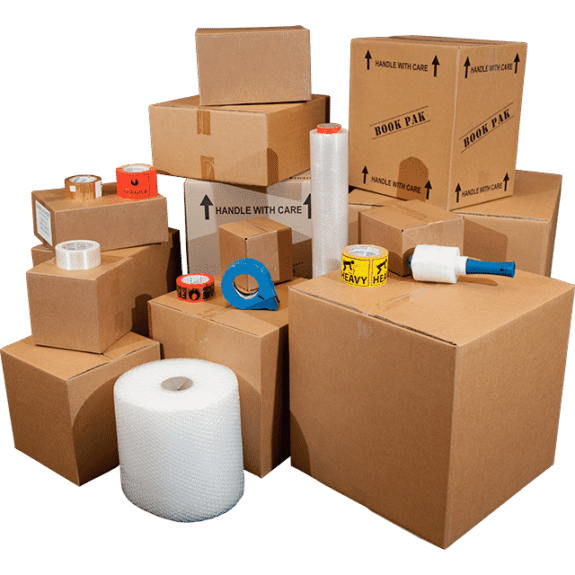
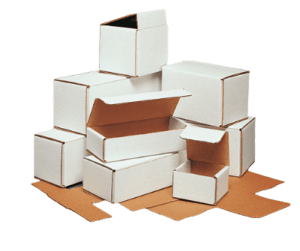
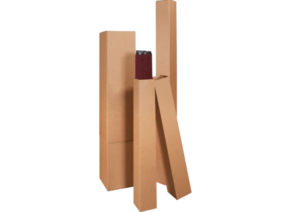
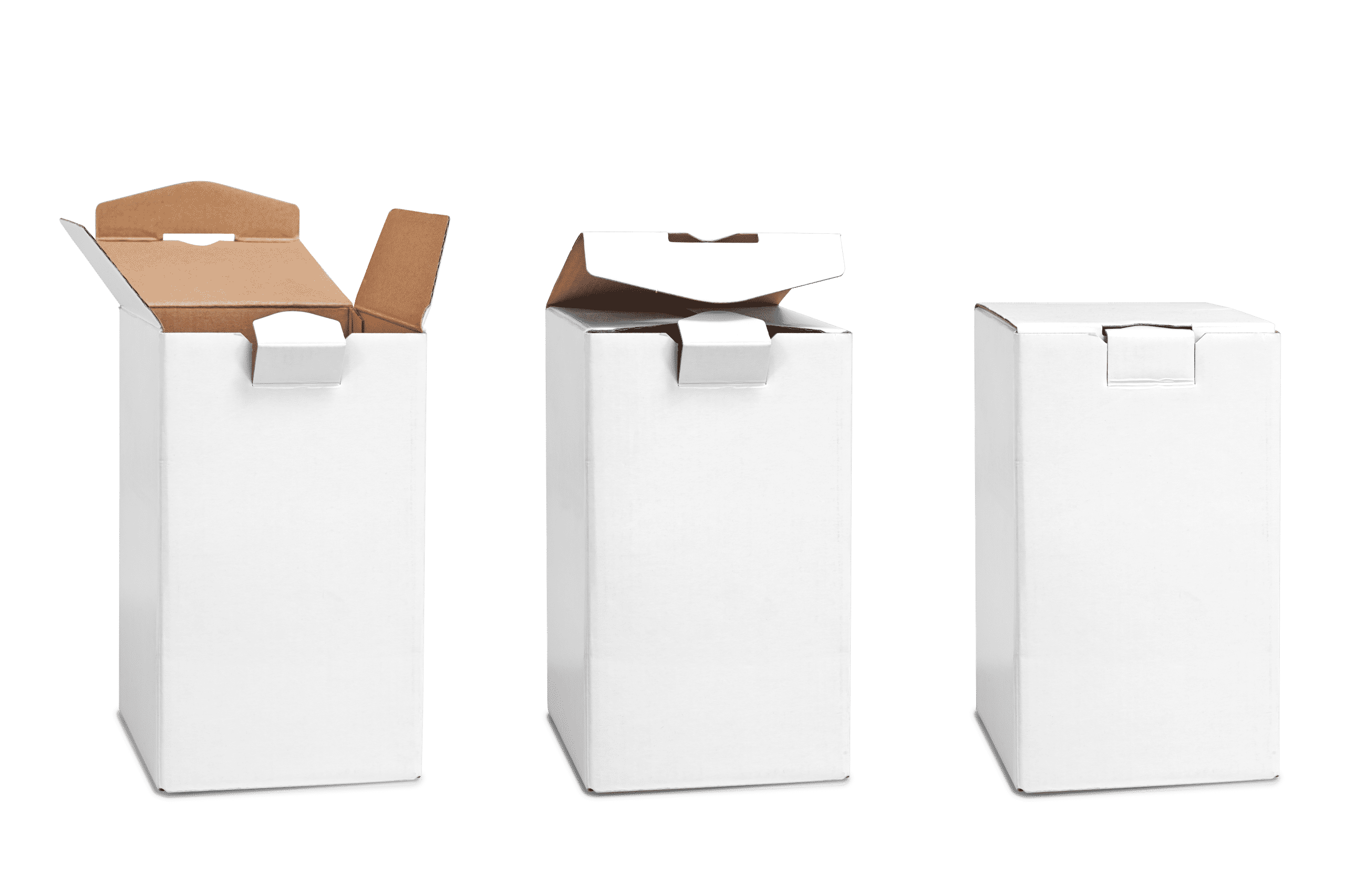
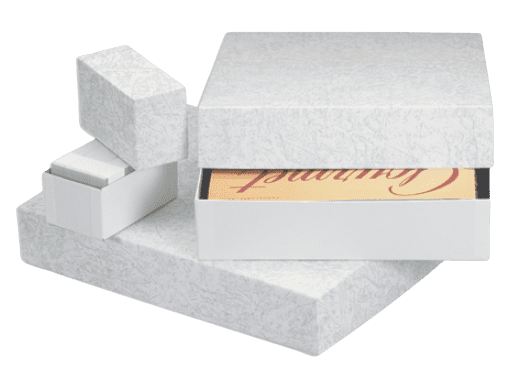
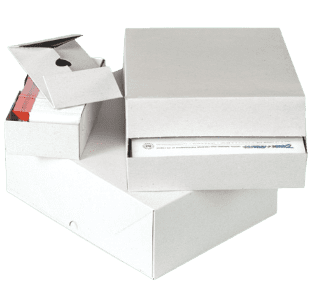
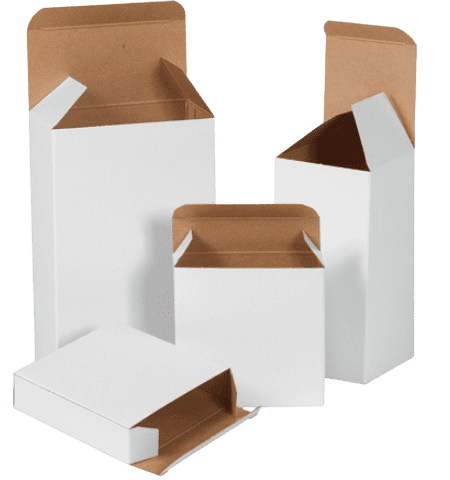
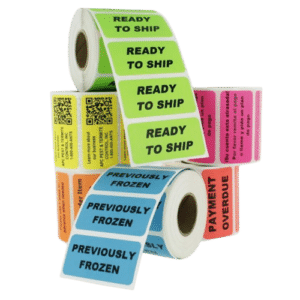
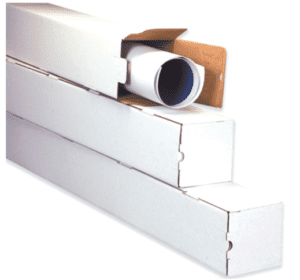
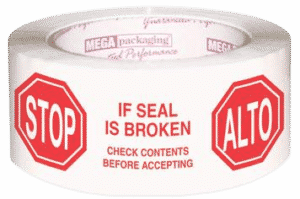
We supply businesses with a wide selection of essential packaging, shipping, and warehouse supplies. Get any standard packaging product by dimension or style from boxes, tubes, tapes, labels, and more. If you are unsure on what type of packaging you will need, then contact us for an expert consultation.


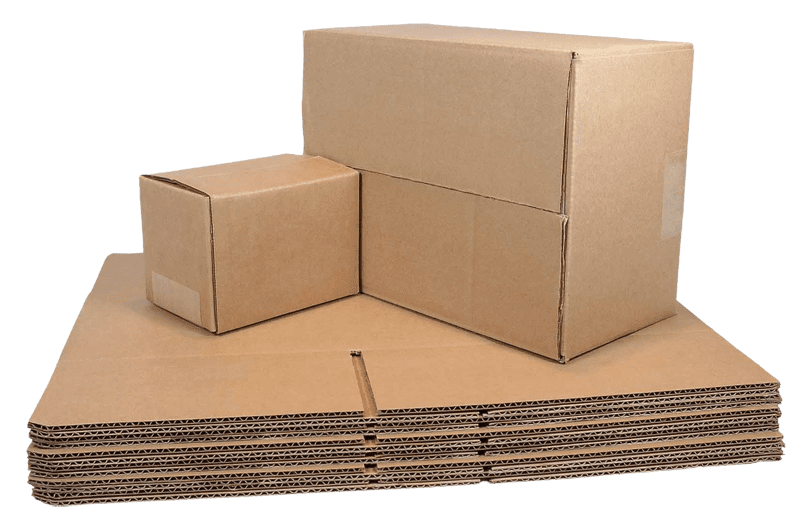
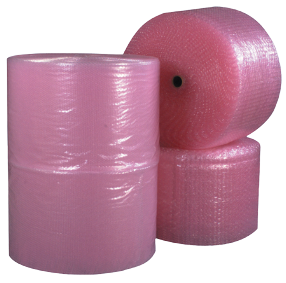
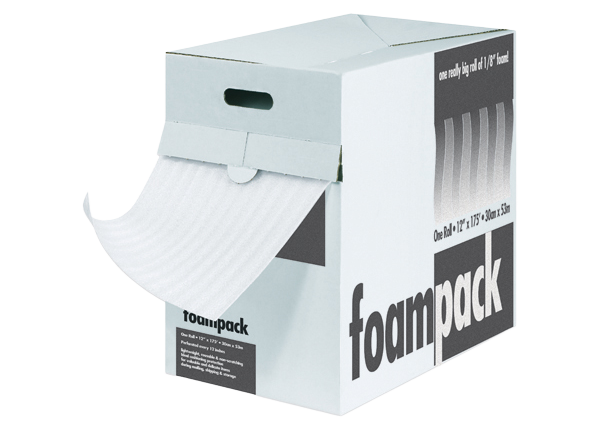
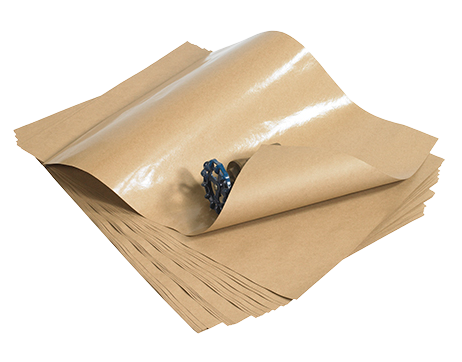
Stock packaging refers to pre-made, ready-to-ship packaging solutions like corrugated boxes, mailers, and protective materials that are designed to meet a wide range of standard needs across shipping, retail, and storage. Unlike custom packaging, stock options offer quick availability and reliable protection without the need for extensive design or production time, making them ideal for businesses needing efficient, high-quality solutions with fast lead times.
At Brown Packaging, we focus on providing durable, performance-driven stock packaging that supports our clients’ operational needs. Our stock products are sourced to ensure consistent quality and cost-effectiveness, offering a practical solution to keep operations running smoothly and on schedule. With an emphasis on reliability, we help our clients quickly access packaging solutions that meet their specific needs while maintaining quality across every order.
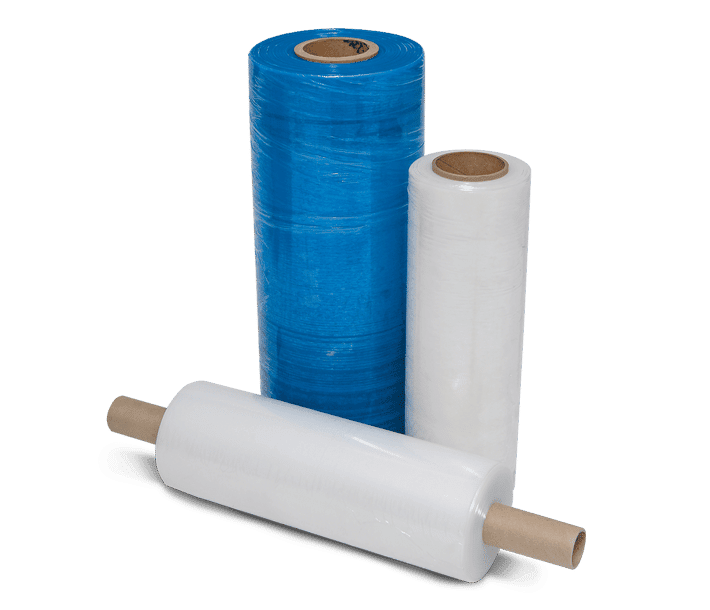
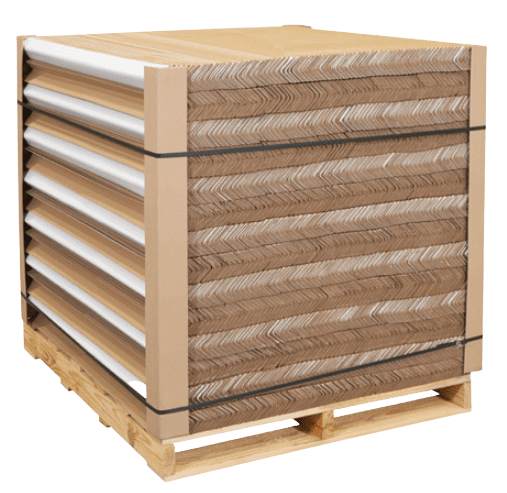
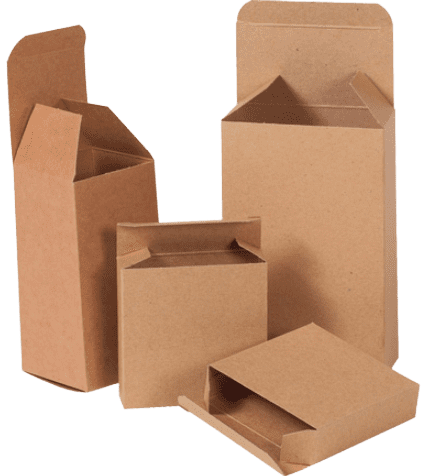
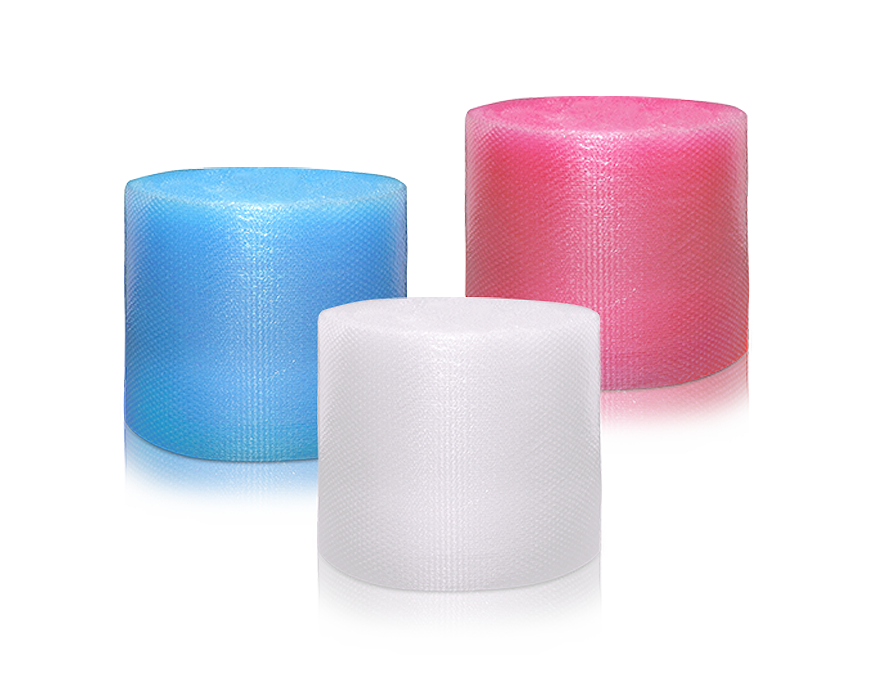
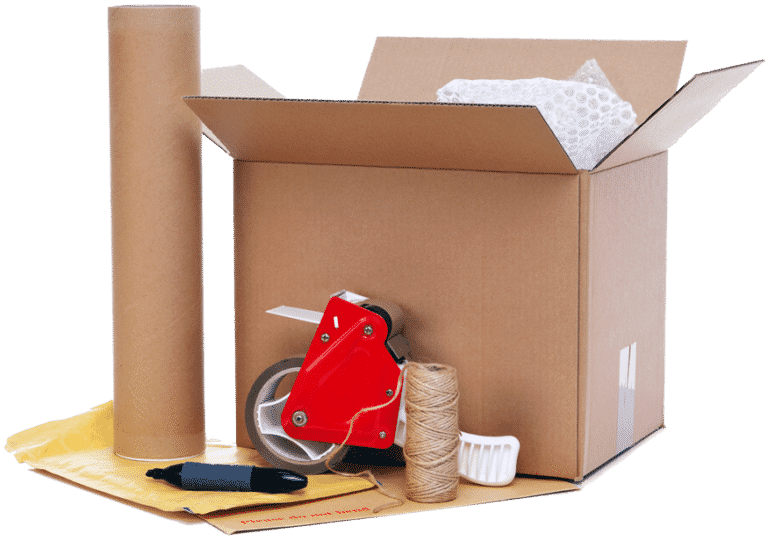
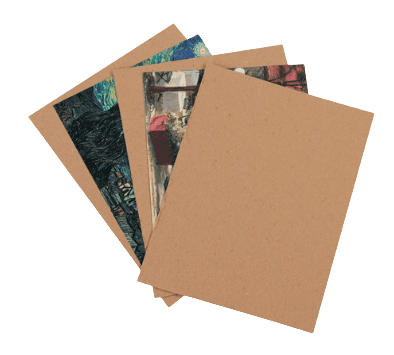
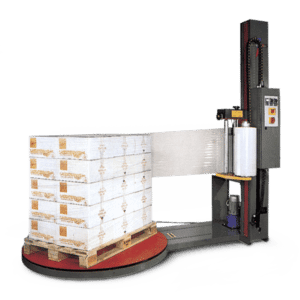
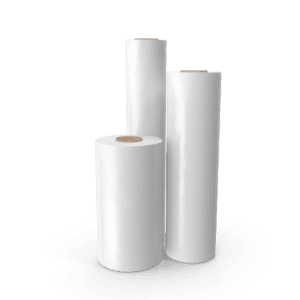
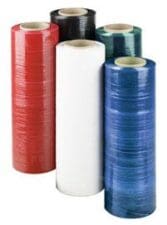
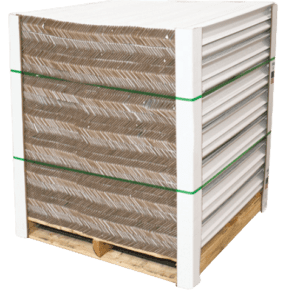
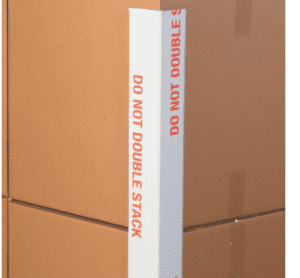
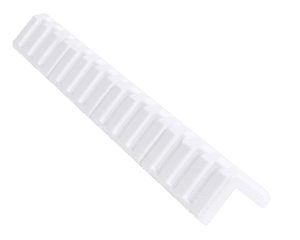
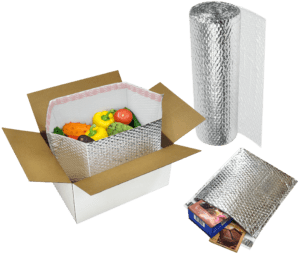
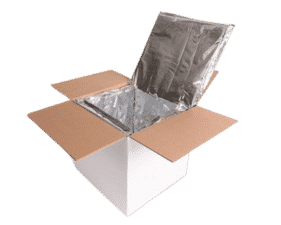
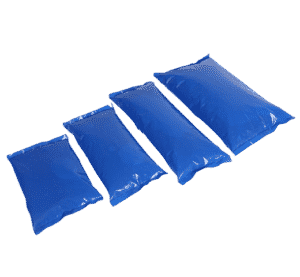
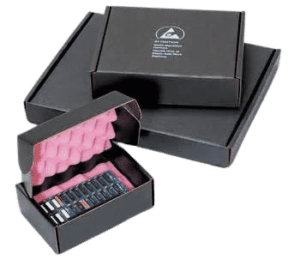
Our stock packaging products, from corrugated boxes to stretch film, offer a wide selection, including essentials like tape, edge protectors, labels, and more, with quick turnaround times to meet your packaging needs efficiently.


If you need any assistance with your packaging or have a question, then contact us directly at request@brownpackaging.com or (714)300-0650. Learn more about custom packaging by reading our blog posts on new and trending topics.

California has long been a pioneer in environmental protection, and its stringent packaging laws are a testament to its commitment to sustainability. Among these regulations, the Rigid Plastic Packaging Container (RPPC) Act stands out as a game-changer. This law not only promotes eco-friendly packaging but also holds manufacturers accountable for reducing packaging waste. In this blog, we will delve into the RPPC Act, exploring its key provisions, impact, and implications for businesses and consumers. Understanding the RPPC Act The RPPC Act, enacted in 1991, places specific requirements on manufacturers of rigid plastic packaging containers sold in California. Its primary objective is to minimize packaging waste and promote recycling. Here are the key provisions of the RPPC Act: Minimum Recycled Content: One of the fundamental requirements of the RPPC Act is that manufacturers must use a minimum percentage of recycled content in the production of rigid plastic packaging containers. This provision encourages the use of post-consumer recycled materials in packaging, reducing the demand for virgin plastics. Recycling Symbols: To enhance recycling efforts and raise consumer awareness, the RPPC Act mandates that qualifying containers bear specific recycling symbols. These symbols provide valuable information to consumers about the recyclability of the packaging. Compliance and Penalties: Non-compliant products, those that do not meet the RPPC Act’s requirements, may face penalties. Manufacturers are obligated to ensure that their packaging adheres to the law’s provisions to avoid potential fines and legal repercussions. Impact on Packaging Sustainability The RPPC Act has had a profound impact on packaging sustainability in California and serves as a model for other states and regions. Here’s how this law has contributed to a greener and more sustainable packaging landscape: Encouraging the Use of Recycled Materials: By mandating a minimum percentage of recycled content in rigid plastic packaging containers, the RPPC Act incentivizes manufacturers to incorporate recycled materials into their products. This reduces the demand for new plastic production and conserves resources. Promoting Recycling Education: The requirement for specific recycling symbols on packaging helps educate consumers about proper recycling practices. When consumers see these symbols, they are more likely to participate in recycling programs, diverting more packaging waste from landfills. Reducing Packaging Waste: Perhaps the most significant impact of the RPPC Act is its role in reducing packaging waste. By setting recycling standards and encouraging the use of recycled materials, the law minimizes the environmental footprint of packaging. Implications for Businesses and Consumers Compliance Challenges for Manufacturers: Manufacturers operating in California must invest in research, development, and production processes that align with the RPPC Act’s requirements. This may involve sourcing recycled materials, redesigning packaging, and ensuring proper labeling. Competitive Advantage: Businesses that proactively comply with the RPPC Act gain a competitive advantage in California’s environmentally conscious market. They can market their products as eco-friendly and responsible choices. Consumer Empowerment: Consumers benefit from the RPPC Act through increased awareness of recycling symbols and access to more sustainable packaging options. They can make informed choices that align with their environmental values. If you are interested in California packaging compliant solutions, then partner with Brown Packaging today to get started. (714)300-0650 request@brownpackaging.com Most Recent Posts: Categories: Corrugated Ecommerce ESD Design Display Flexible Packaging Foam Folding Carton Packaging Plastic Packaging Pouch Printing Protection Retail Rigid Box Thermoform Sustainability Subscribe To Our Newsletter By submitting your information, you agree to our terms and conditions and privacy policy. Custom Packaging Facebook Twitter LinkedIn Pinterest Relevant Posts

Packaging labels and graphics serve as the face of a product, making them an integral part of brand identity and consumer appeal. However, the longevity of these visual elements can be compromised by factors such as UV radiation, moisture, temperature fluctuations, and physical handling. In this blog, we’ll explore effective strategies to safeguard packaging labels and graphics, ensuring they retain their vibrancy and impact throughout the product’s lifecycle. Understanding the Challenge Before we delve into preventive measures, it’s important to understand why packaging labels and graphics fade: UV Radiation: Exposure to ultraviolet (UV) radiation, whether from sunlight or artificial light sources, can break down the pigments and dyes in inks, causing colors to fade over time. Oxygen and Moisture: Oxidation and moisture exposure can lead to chemical reactions that alter the properties of inks and substrates, resulting in fading and degradation. Temperature Fluctuations: Rapid temperature fluctuations can cause materials to expand and contract, potentially leading to cracks, tears, and peeling of labels and graphics. Abrasion and Physical Handling: Rough handling during transportation and storage can cause labels and graphics to rub against surfaces or other packaging materials, leading to wear and tear. Effective Strategies for Prevention To ensure that packaging labels and graphics remain visually appealing and informative, consider implementing the following preventive measures: UV-Resistant Inks: Choose UV-resistant inks designed to withstand exposure to UV radiation. These inks are formulated to be less susceptible to fading and degradation. Protective Coatings: Apply protective coatings, such as UV-resistant varnishes or laminates, over labels and graphics. These coatings create a barrier that shields against UV radiation, moisture, and abrasion. Thoughtful Material Selection: Opt for packaging materials that offer inherent UV protection. UV-resistant films and substrates can serve as a barrier to minimize the impact of UV radiation on labels and graphics. Controlled Storage and Display: Educate retailers and consumers on the importance of storing products away from direct sunlight and fluorescent lighting to minimize UV exposure. Proper storage conditions can significantly extend the life of labels and graphics. Quality Inks and Printing Processes: Invest in high-quality printing processes and inks that are less prone to fading. Options may include pigment-based inks and digital printing technologies known for their durability. Regular Quality Control: Implement regular quality control checks to ensure that printing and labeling processes meet industry standards and are resistant to fading. Consistent quality assurance is essential. Temperature and Humidity Control: Maintain controlled environmental conditions in storage and display areas to prevent extreme temperature fluctuations and humidity levels that can damage labels and graphics. Gentle Handling: Train employees and handlers to practice gentle and careful product handling to avoid physical damage to labels and graphics during transportation and storage. Ensuring Long-Lasting Impact Preventing packaging labels and graphics from fading is not just a matter of aesthetics; it’s an investment in preserving brand identity, consumer trust, and the overall appeal of a product. By implementing these proactive strategies, businesses can ensure that their packaging remains vibrant and impactful, reinforcing brand recognition and delivering a positive consumer experience throughout the product’s journey from production to purchase. If you are interested in labels and custom packaging, then partner with Brown Packaging today to get started. (714)300-0650 request@brownpackaging.com Most Recent Posts: Categories: Corrugated Ecommerce ESD Design Display Flexible Packaging Foam Folding Carton Packaging Plastic Packaging Pouch Printing Protection Retail Rigid Box Thermoform Sustainability Subscribe To Our Newsletter By submitting your information, you agree to our terms and conditions and privacy policy. Custom Packaging Facebook Twitter LinkedIn Pinterest Relevant Posts

Thermoform inserts are a versatile and essential component in various industrial and consumer applications. They are produced through a process called thermoforming, where a plastic sheet is heated to a pliable forming temperature, formed to a specific shape in a mold, and trimmed to create a usable product. In this blog, we’ll delve into the properties, applications, and other relevant aspects of thermoform inserts. Properties of Thermoform Inserts Material Flexibility: Thermoform inserts can be made from a wide range of plastics, including like PVC, PET and HIPS. Each material offers different characteristics like rigidity, clarity, and resistance to impact and chemicals. Durability: These inserts are known for their strength and durability. They can withstand significant impact and are resistant to many chemicals, making them suitable for protective purposes. Lightweight: Despite their strength, thermoform inserts are relatively lightweight, which is beneficial for reducing shipping and handling costs. Customizability: The thermoforming process allows for high levels of customization. Inserts can be formed into virtually any shape and size, accommodating a wide range of products. Aesthetic Appeal: Thermoform inserts can have smooth or textured surfaces, and can be transparent or colored. This makes them visually appealing and suitable for display purposes. Applications of Thermoform Inserts Packaging Solutions: One of the most common uses of thermoform inserts is in product packaging. They are used to securely hold products in place, often seen in the packaging of electronics, cosmetics, and pharmaceuticals. Medical Industry: In the medical field, thermoform inserts are used for packaging sterile medical devices and equipment due to their ability to be sterilized and their contaminant-free nature. Automotive Industry: They are also used in the automotive industry for creating durable and lightweight parts, such as dashboards, door panels, and interior consoles. Food Industry: Thermoform inserts are used for food packaging, given their ability to be sealed for freshness and their compliance with food safety standards. Retail Display: Retail industries use these inserts for aesthetically pleasing product displays that protect the product while showcasing it effectively. Advantages and Considerations Cost-Effective: Thermoforming is a cost-effective production process, especially for medium to large runs, making thermoform inserts a budget-friendly option. Environmental Considerations: Many thermoform plastics are recyclable, which is a crucial consideration in today’s environmentally conscious market. However, the choice of material and recycling programs available can affect this aspect. Design and Prototyping: The flexibility in design makes thermoform inserts ideal for custom applications. Rapid prototyping is often possible, allowing for quick turnaround from design to production. Limitations: While versatile, there are limitations in terms of the depth and complexity of shapes that can be achieved compared to other forming processes like injection molding. Conclusion Thermoform inserts play a crucial role in various industries due to their unique properties like durability, lightweight nature, and customizability. Their applications range from packaging to automotive parts, showcasing their versatility. When considering thermoform inserts for a project, it’s essential to weigh factors like material properties, environmental impact, and design requirements to ensure they meet the specific needs of the application. With ongoing advancements in materials and thermoforming technology, the potential uses and benefits of thermoform inserts continue to expand. (714)300-0650 request@brownpackaging.com Most Recent Posts: Categories: Corrugated Ecommerce ESD Design Display Flexible Packaging Foam Folding Carton Packaging Plastic Packaging Pouch Printing Protection Retail Rigid Box Thermoform Sustainability Subscribe To Our Newsletter By submitting your information, you agree to our terms and conditions and privacy policy. Thermoform Insert Facebook Twitter LinkedIn Pinterest Relevant Posts