








window.uetq = window.uetq || []; window.uetq.push(‘event’, ‘submit_lead_form’,{ event_label:‘SUBMIT MESSAGE’ }); window.lintrk('track', { conversion_id: 10271009 }); window.lintrk('track', { conversion_id: 10271017 });

Stock Packaging

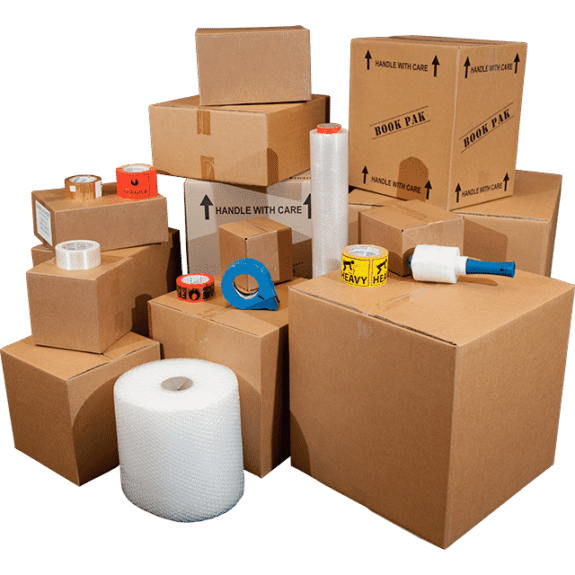
We supply businesses with a wide selection of essential packaging, shipping, and warehouse supplies. Get any standard packaging product by dimension or style from boxes, tubes, tapes, labels, and more. If you are unsure on what type of packaging you will need, then contact us for an expert consultation.


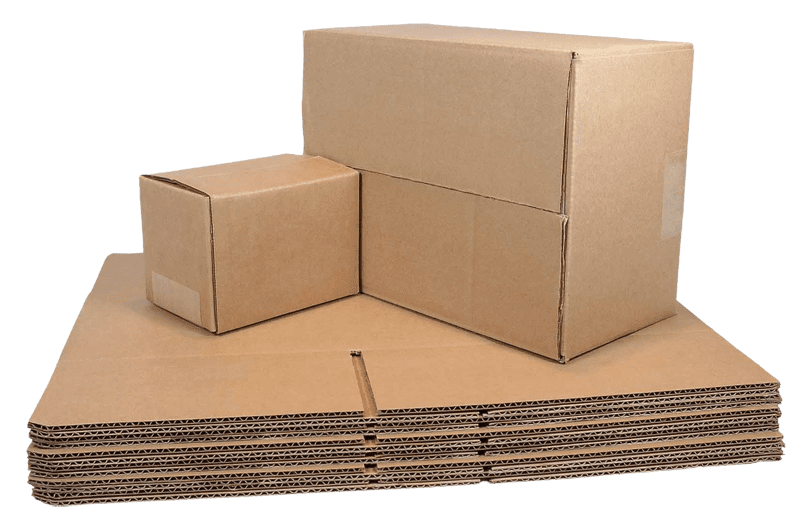
Stock packaging refers to pre-made, ready-to-ship packaging solutions like corrugated boxes, mailers, and protective materials that are designed to meet a wide range of standard needs across shipping, retail, and storage. Unlike custom packaging, stock options offer quick availability and reliable protection without the need for extensive design or production time, making them ideal for businesses needing efficient, high-quality solutions with fast lead times.

At Brown Packaging, we focus on providing durable, performance-driven stock packaging that supports our clients’ operational needs. Our stock products are sourced to ensure consistent quality and cost-effectiveness, offering a practical solution to keep operations running smoothly and on schedule. With an emphasis on reliability, we help our clients quickly access packaging solutions that meet their specific needs while maintaining quality across every order.

stock packaging products

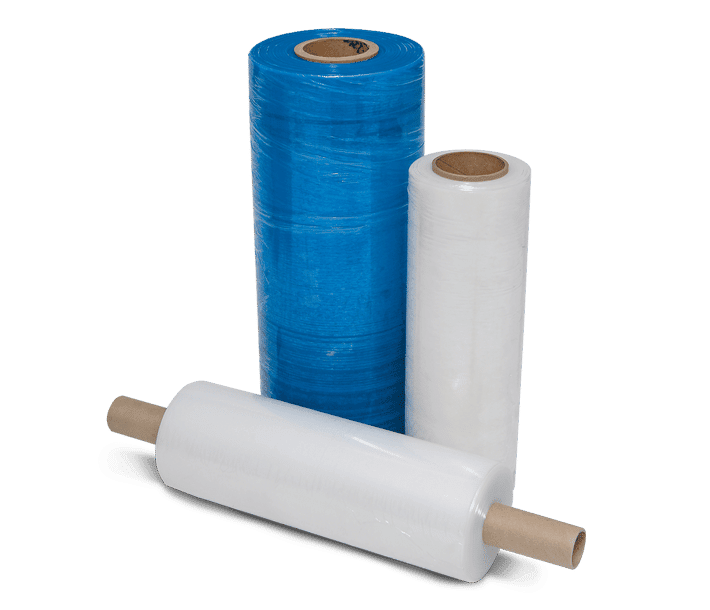
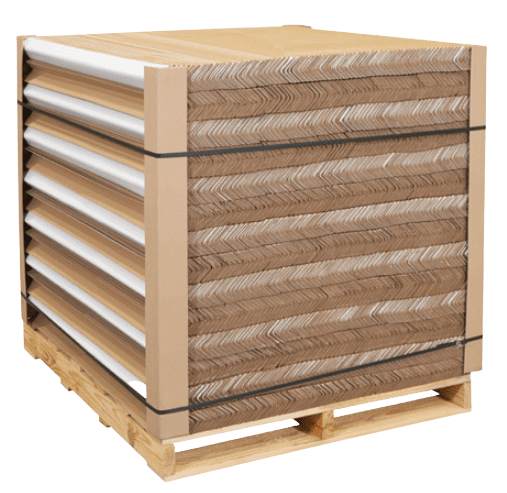
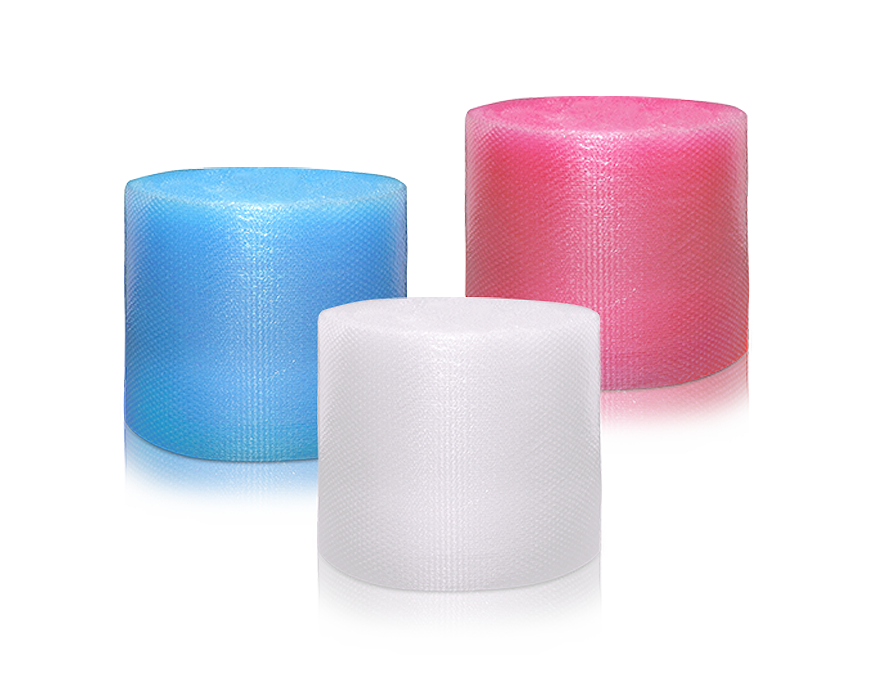
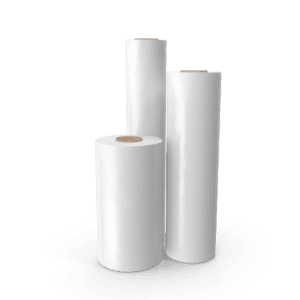
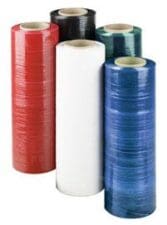
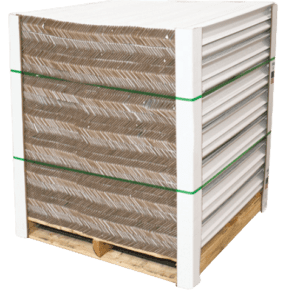
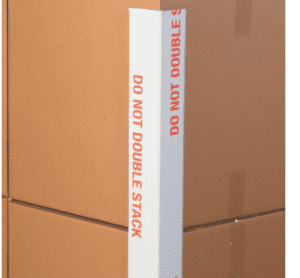
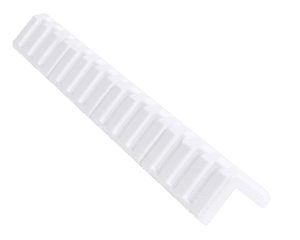
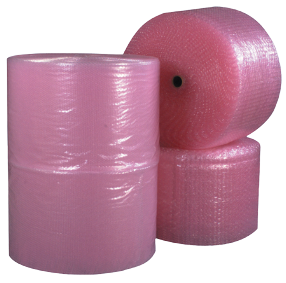
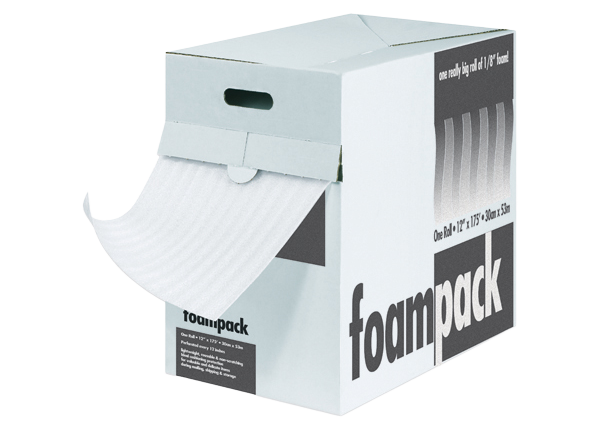
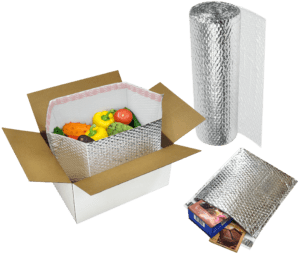
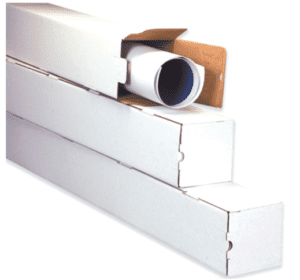
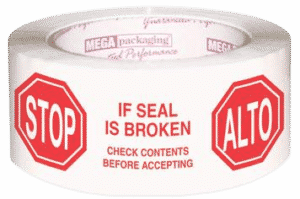
Our stock packaging products, from corrugated boxes to stretch film, offer a wide selection, including essentials like tape, edge protectors, labels, and more, with quick turnaround times to meet your packaging needs efficiently.

Edit Content
Edit Content
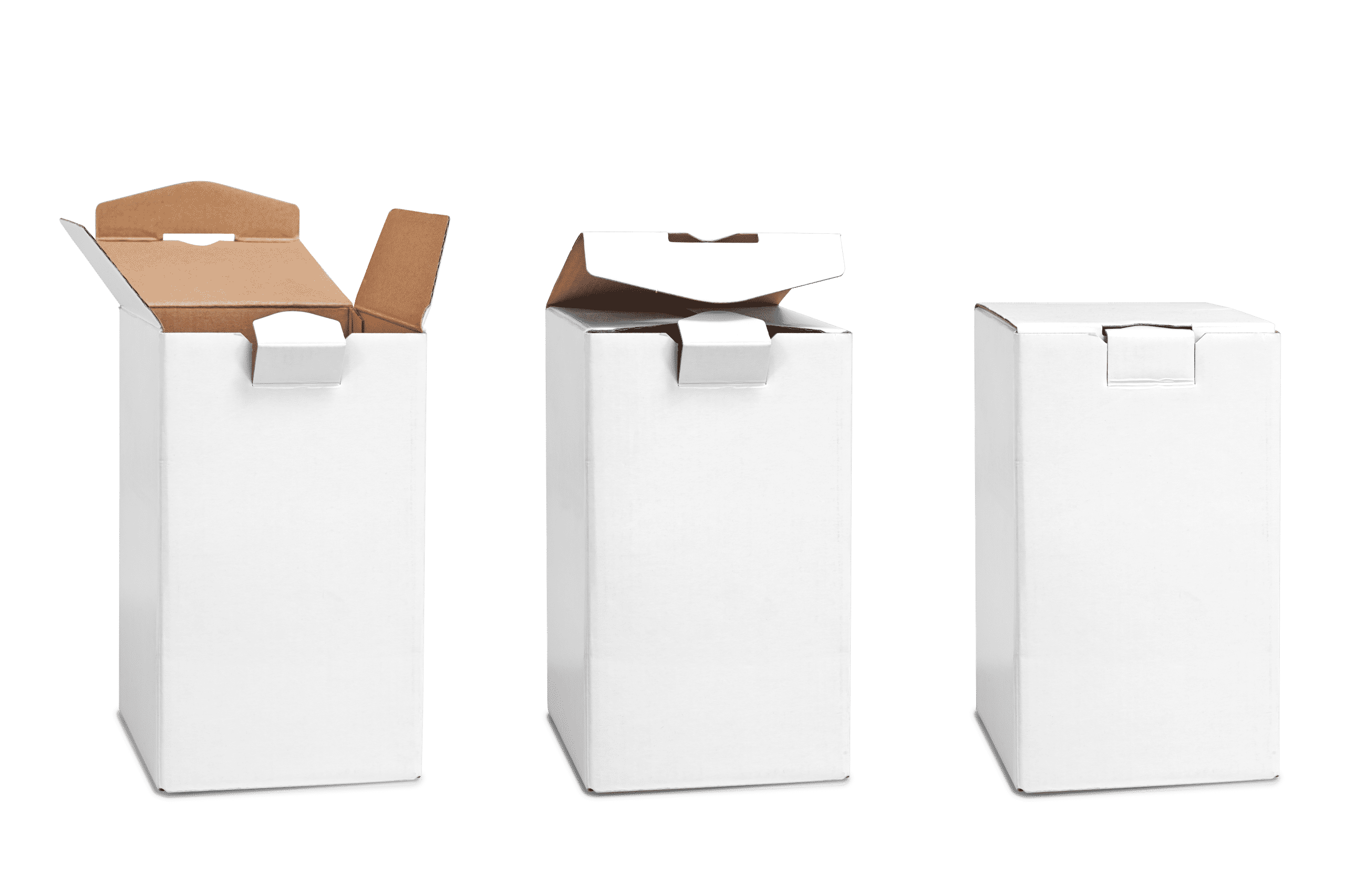
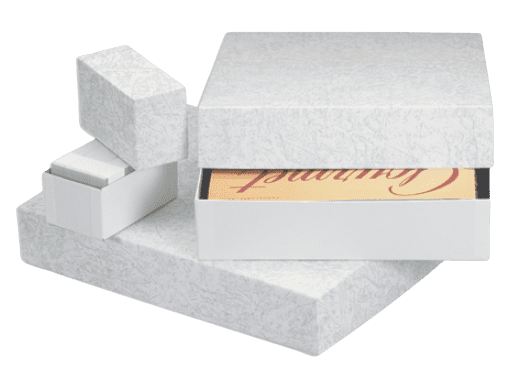
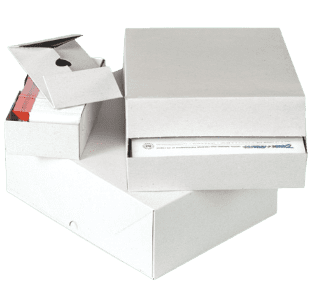
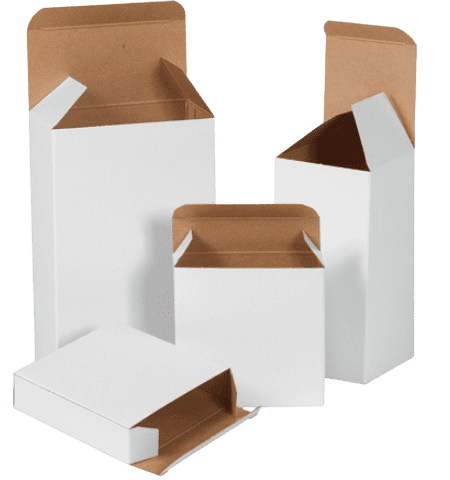
Folding Cartons
Pads
Apparel Boxes
Jewelry Boxes
Setup Cartons
Stationary Cartons
Edit Content
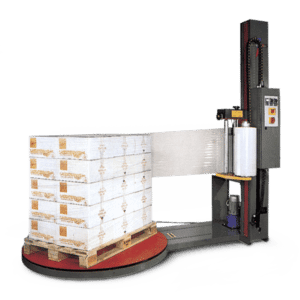
Cast Film
Blown Film
Conventional Film
Engineered Film
Pre-Stretched Film
Hand Film
Machine Film
Edit Content
Light Duty
Medium Duty
Heavy Duty
Foam
Strapping
Frame Protectors
Edit Content
Edit Content
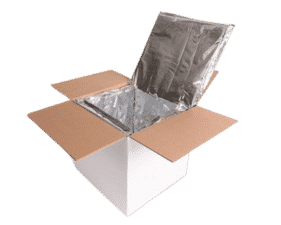
Box Liner
Metalized Pouch
Foam Cooler
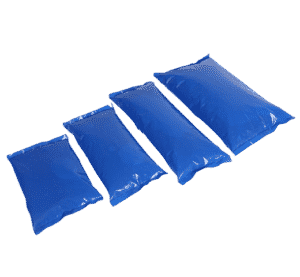
Ice Pack
Gel Pack
Edit Content
Edit Content
Edit Content
Folding Cartons
Pads
Apparel Boxes
Jewelry Boxes
Setup Cartons
Stationary Cartons
Edit Content
Cast Film
Blown Film
Conventional Film
Engineered Film
Pre-Stretched Film
Hand Film
Machine Film
Edit Content
Click on the Edit Content button to edit/add the content.
Edit Content
Edit Content
Box Liner
Metalized Pouch
Foam Cooler
Ice Pack
Gel Pack
Edit Content

If you need any assistance with your packaging or have a question, then contact us directly at request@brownpackaging.com  or  (714)300-0650. Learn more about custom packaging by reading our blog posts on new and trending topics.

Bulk Packaging vs. Storage Space: Finding the Right Balance
Corrugated
brownpackaging
Compression Strength Loss Over Time in Warehouse Storage

Corrugated boxes lose a significant portion of their original compression strength during prolonged storage, especially under load. Understanding the mechanics of compression creep and the environmental factors at play allows packaging engineers to design boxes that maintain structural integrity throughout their intended shelf life. Why Compression Strength Declines Material Creep: Fibers gradually deform under constant load, reducing box stiffness. Humidity Impact: Elevated RH accelerates creep, with potential strength losses of 40–60% in humid conditions. Stacking Configuration: Poor pallet patterns or uneven weight distribution compound stress points. Testing and Standards ASTM D4577: Measures compressive creep over time in shipping containers. ASTM D642: Evaluates initial compression strength, serving as a baseline before long-term storage. Design Strategies to Reduce Loss Select Higher ECT Boards: Provides a stronger starting point, delaying the drop below critical load thresholds. Moisture Control: Use desiccants, ventilation, or moisture-barrier coatings in high-humidity warehouses. Pallet Pattern Optimization: Uniform stacking prevents concentrated stress on corner posts. Application Considerations Long-term storage in non-climate-controlled facilities should factor in 30–50% compression loss for safety margins. Double-wall or reinforced designs are advised for seasonal inventory stored for extended periods. References ASTM International. (2015). ASTM D4577-15: Standard test method for compressive creep of shipping containers. ASTM International. https://www.astm.org/d4577-15.htmlASTM International. (2015). ASTM D642-15: Standard test method for determining compressive resistance of shipping containers. ASTM International. https://www.astm.org/d0642-15.html (714)300-0650 request@brownpackaging.com Most Recent Posts: Subscribe To Our Newsletter By submitting your information, you agree to our terms and conditions and privacy policy. Custom Corrugated Boxes Facebook Twitter LinkedIn Pinterest Relevant Posts

Read More »
custom corrugated mailer boxes, roll end tuck top (RETT) with cherry locks and dust flaps, folding cartons, golf and sporting goods packaging
Ecommerce
brownpackaging
Designing Folding Cartons for E-Commerce Shipping Durability

E-commerce exposes folding cartons to more handling points, longer transit times, and harsher mechanical stresses than traditional retail distribution. Designing for these conditions requires careful material selection, structural reinforcement, and testing to ensure the product arrives intact and presentable. Understanding E-Commerce Transit Hazards Small-parcel shipping subjects cartons to conditions outside typical retail supply chains: Multiple Sorting Touchpoints: Each transfer increases the risk of edge crush and panel denting. High Vibration: Long delivery routes and conveyor systems cause sustained shaking. Compression Loads: Cartons may be stacked under heavier mixed-weight items in transport. Environmental Variability: Temperature and humidity swings in delivery trucks and sorting centers. (ASTM D4169 simulates these hazards for performance testing.) Material Selection CUK (Coated Unbleached Kraft): Higher tear and puncture resistance, ideal for heavier or rigid products. High-Caliper SBS: Provides a smooth print surface while increasing crush resistance. Poly-Coated or Moisture-Barrier Boards: Essential for humid climates or cold-chain shipments. Tip: Avoid over-specifying — choose the lightest grade that meets drop, compression, and vibration requirements. Structural Reinforcements Full Seal End (FSE): Seals both ends for maximum tamper resistance and panel rigidity. Auto Bottom: Improves stacking strength while enabling faster manual packing. Reinforced Glue Flaps: Wider flaps or added tear-resistant tape in high-stress zones. Double-Panel Sides: Layering board at impact-prone edges to reduce corner crushing. Coatings and Finishes Scuff-Resistant Varnish: Maintains appearance after multiple handling points. Water-Resistant Coatings: Prevent fiber swelling from rain or condensation. Matte Finishes: Reduce visible wear compared to high gloss in transit. Testing and Validation Drop Tests: Simulate handling from waist height at multiple orientations. Vibration Testing: Identify structural weaknesses under sustained shaking (ASTM D4728). Compression Tests: Ensure cartons can withstand stacking in mixed-weight loads (TAPPI T804). Environmental Conditioning: Test under humidity and temperature extremes before market launch. Cost–Performance Balance Over-engineering increases per-unit cost and shipping weight. The most durable e-commerce cartons balance material and style to meet ISTA or ASTM testing requirements without exceeding budget targets. References ASTM International. (2016). ASTM D4169-16: Standard practice for performance testing of shipping containers and systems. ASTM International. https://doi.org/10.1520/D4169-16ASTM International. (2016). ASTM D4728-06(2016): Random vibration testing of shipping containers. ASTM International. https://doi.org/10.1520/D4728-06R16TAPPI. (2017). T 804: Compression test of fiberboard shipping containers. TAPPI Press.Soroka, W. (2014). Fundamentals of packaging technology (5th ed.). Institute of Packaging Professionals. ISBN: 978-1-930268-37-2Twede, D., & Goddard, R. (2021). Cartons, crates and corrugated board: Handbook of paper and wood packaging technology (2nd ed.). DEStech Publications. ISBN: 978-1-60595-120-5 (714)300-0650 request@brownpackaging.com Most Recent Posts: Categories: Corrugated Ecommerce ESD Design Display Flexible Packaging Foam Folding Carton Packaging Plastic Packaging Pouch Printing Protection Retail Rigid Box Thermoform Sustainability Subscribe To Our Newsletter By submitting your information, you agree to our terms and conditions and privacy policy. Folding Cartons Facebook Twitter LinkedIn Pinterest Relevant Posts

Read More »
How To Maximize The Durability of Corrugated Boxes
Corrugated
brownpackaging
Edge Crush Test (ECT) Optimization for E-Commerce Shipments

The Edge Crush Test (ECT) is a critical performance metric for corrugated boxes, directly correlating to stacking strength and load-bearing capacity. In the high-stress world of e-commerce shipping, where packages face frequent handling, multi-stop routes, and varying climates, optimizing ECT values without over-engineering is essential for cost efficiency and product protection. Why ECT Matters in E-Commerce Stacking Strength: Determines how well boxes can withstand vertical loads in warehouse racking or trailer stacking. Material Efficiency: Allows engineers to achieve performance targets with lighter weight liners or mediums, reducing costs. Regulatory Alignment: Certain carriers and industry sectors specify minimum ECT ratings for compliance. Balancing ECT and Basis Weight ECT vs. Mullen Burst: ECT measures column strength; Mullen measures resistance to puncture/tearing. E-commerce often favors ECT for stacked pallet loads. Lightweighting Strategies: Use high-performance recycled fiber blends to maintain stiffness. Incorporate higher-grade outer liners for localized reinforcement. Design Variables That Influence ECT Flute Profile: B- and C-flutes offer different stiffness profiles. B-flute generally yields higher ECT for the same board weight. Adhesive Quality: Uniform glue lines prevent micro-buckling under compression. Moisture Resistance: High humidity can reduce ECT by up to 50%; moisture-resistant coatings help maintain performance. Testing and Standards ASTM D642: Measures box compression strength. TAPPI T839: Determines edgewise compressive strength of corrugated fiberboard using the clamp method. ISTA Series: Full-scale distribution simulation, including drop, vibration, and compression under varying conditions. Optimization in Practice Case Example: Switching from 44 ECT double-wall to 32 ECT single-wall with enhanced flute medium reduced material cost by 14% without increasing damage claims in a 90-day trial. Prototyping: Lab ECT data should be validated through route-specific field testing before large-scale rollout. ReferencesASTM International. (2015). ASTM D642-15: Standard test method for determining compressive resistance of shipping containers. ASTM International. https://www.astm.org/d0642-15.htmlTechnical Association of the Pulp and Paper Industry. (2018). TAPPI T839 om-18: Edgewise compressive strength of corrugated fiberboard using the clamp method. TAPPI. https://www.tappi.org/content/store/shared/T839.htmlInternational Safe Transit Association. (2018). ISTA 6-Series transit tests. ISTA. https://ista.org/ (714)300-0650 request@brownpackaging.com Most Recent Posts: Categories: Corrugated Ecommerce ESD Design Display Flexible Packaging Foam Folding Carton Packaging Plastic Packaging Pouch Printing Protection Retail Rigid Box Thermoform Sustainability Subscribe To Our Newsletter By submitting your information, you agree to our terms and conditions and privacy policy. Custom Corrugated Boxes Facebook Twitter LinkedIn Pinterest Relevant Posts

Read More »