











window.uetq = window.uetq || []; window.uetq.push(‘event’, ‘submit_lead_form’,{ event_label:‘SUBMIT MESSAGE’ }); window.lintrk('track', { conversion_id: 10271009 }); window.lintrk('track', { conversion_id: 10271017 });

Stock Packaging

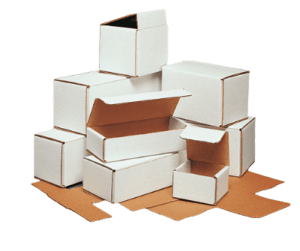
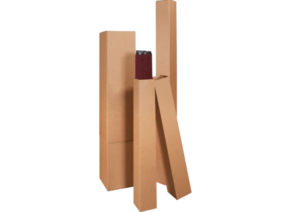
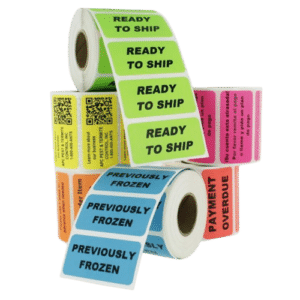
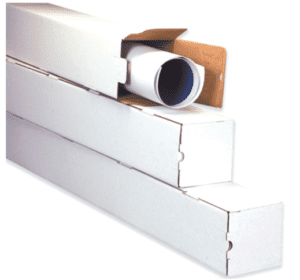
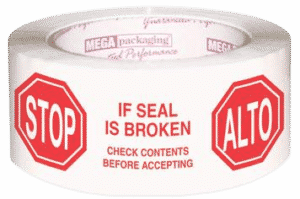
We supply businesses with a wide selection of essential packaging, shipping, and warehouse supplies. Get any standard packaging product by dimension or style from boxes, tubes, tapes, labels, and more. If you are unsure on what type of packaging you will need, then contact us for an expert consultation.


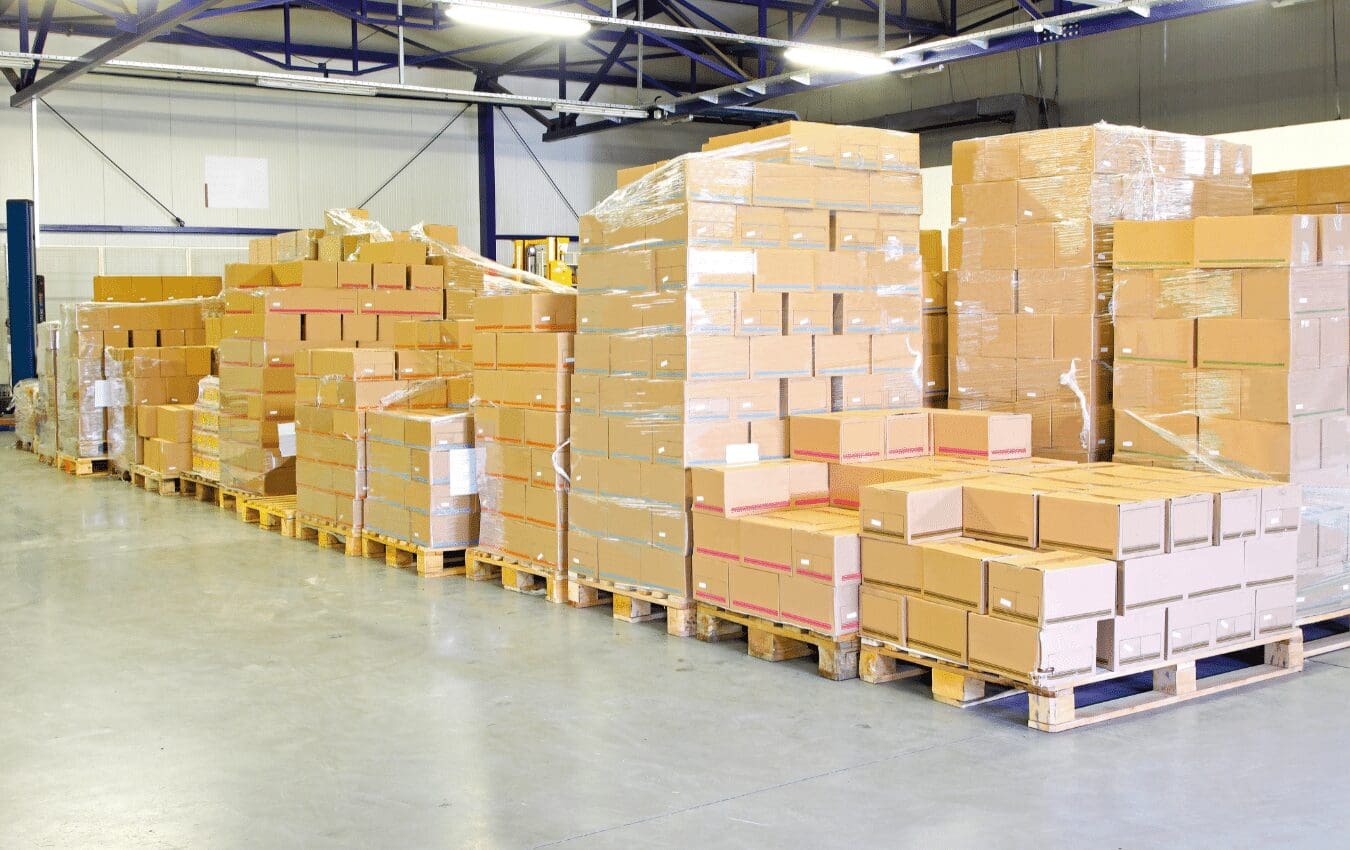
Stock packaging refers to pre-made, ready-to-ship packaging solutions like corrugated boxes, mailers, and protective materials that are designed to meet a wide range of standard needs across shipping, retail, and storage. Unlike custom packaging, stock options offer quick availability and reliable protection without the need for extensive design or production time, making them ideal for businesses needing efficient, high-quality solutions with fast lead times.

At Brown Packaging, we focus on providing durable, performance-driven stock packaging that supports our clients’ operational needs. Our stock products are sourced to ensure consistent quality and cost-effectiveness, offering a practical solution to keep operations running smoothly and on schedule. With an emphasis on reliability, we help our clients quickly access packaging solutions that meet their specific needs while maintaining quality across every order.

stock packaging products

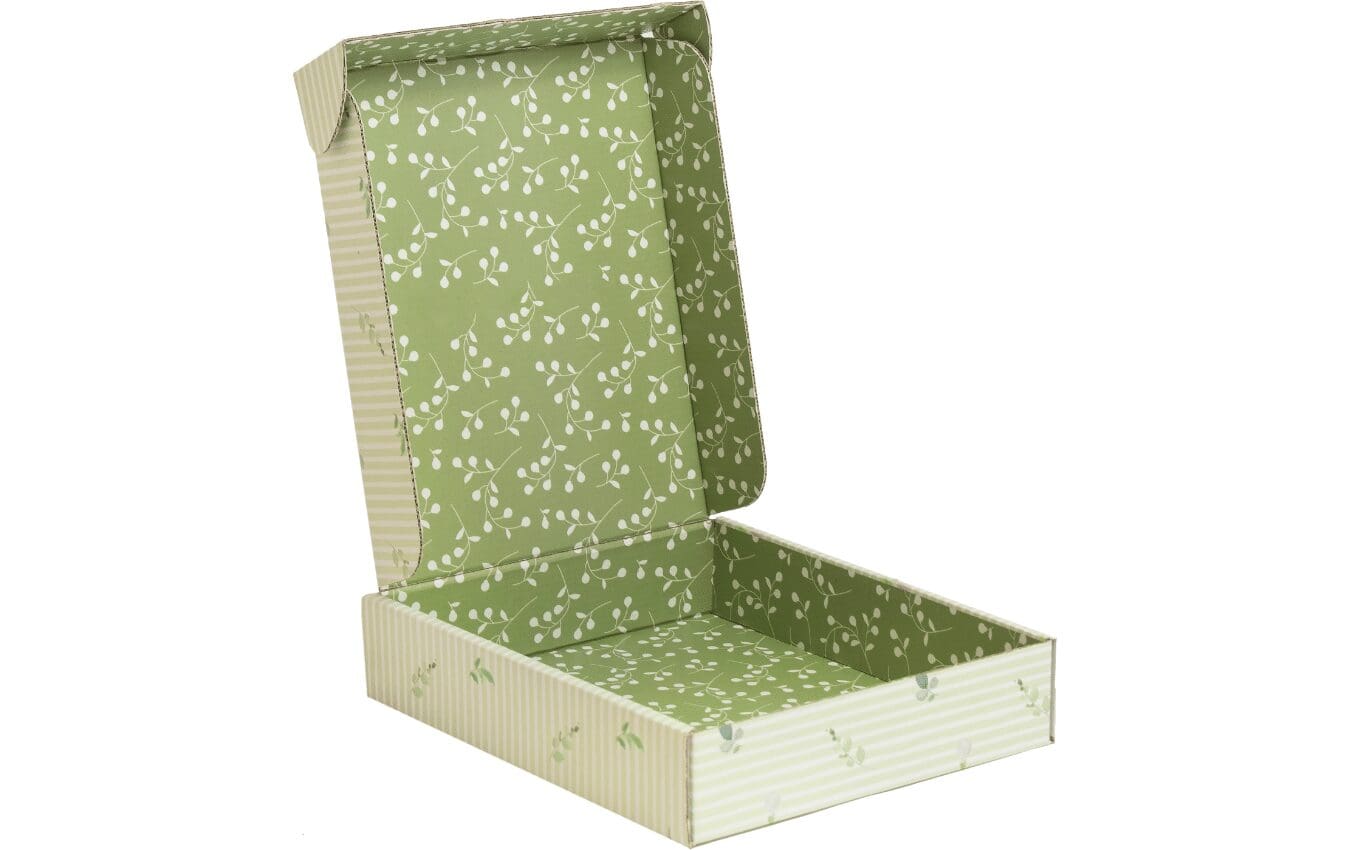
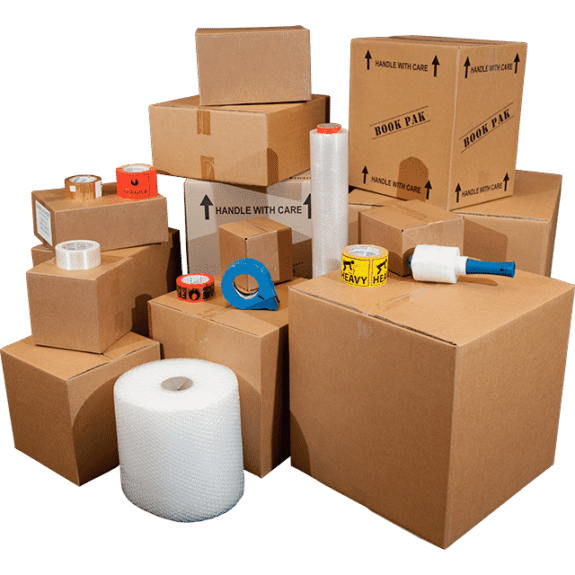
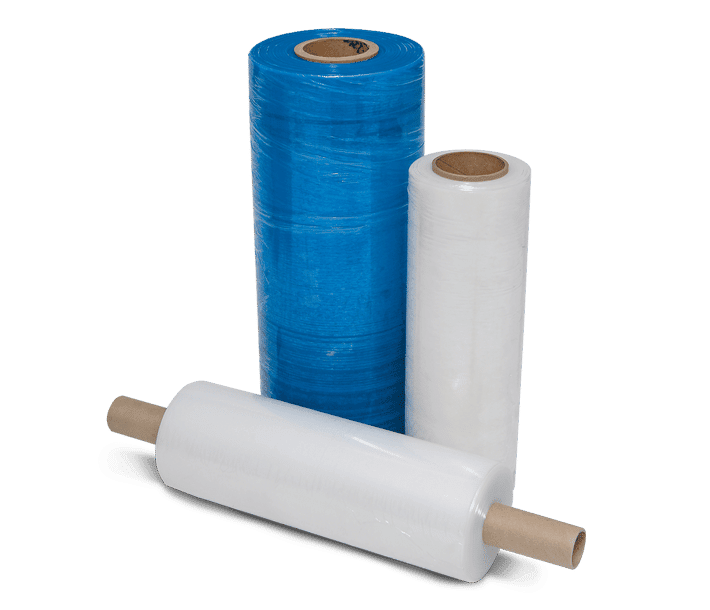
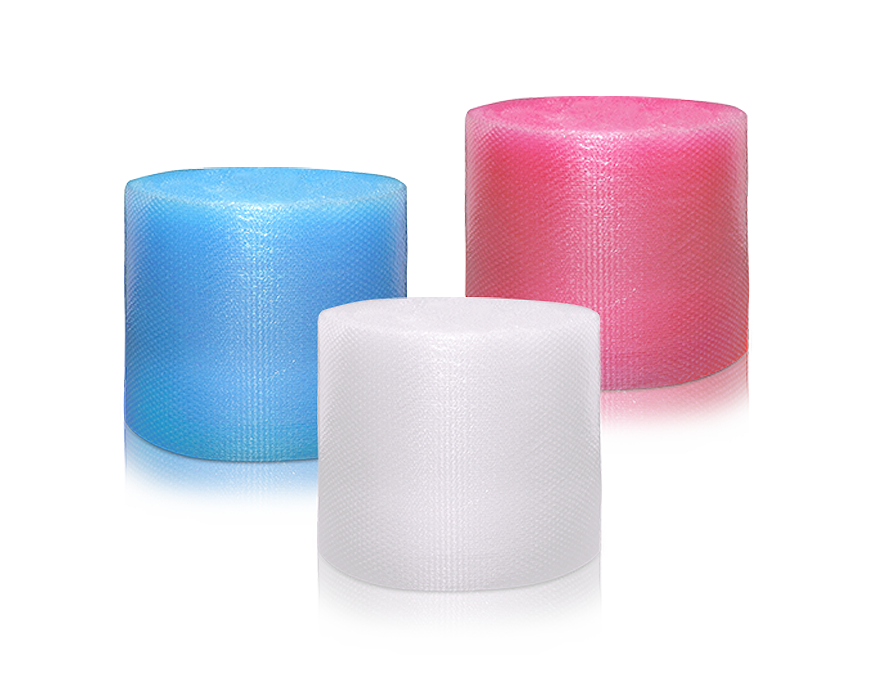
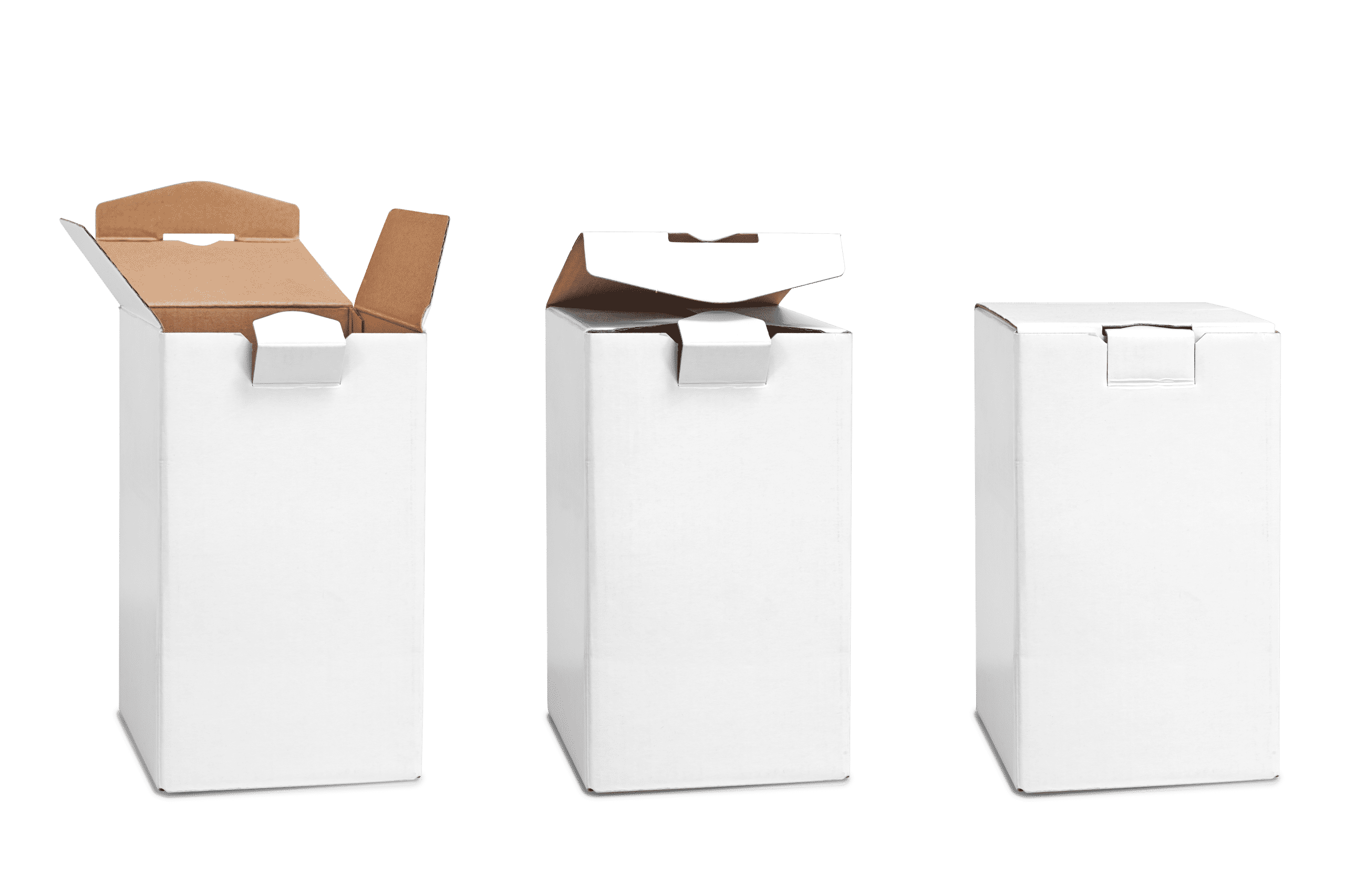
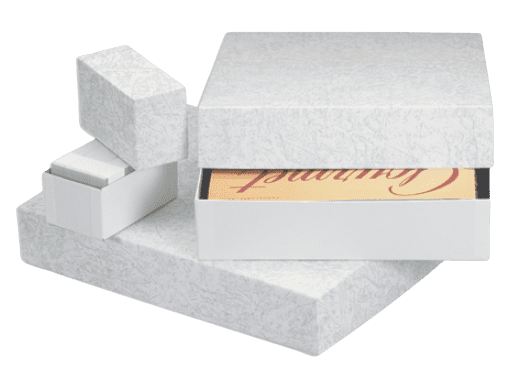
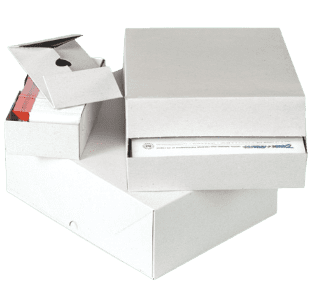
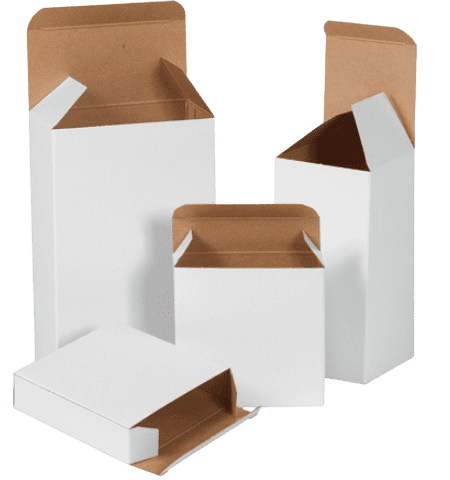
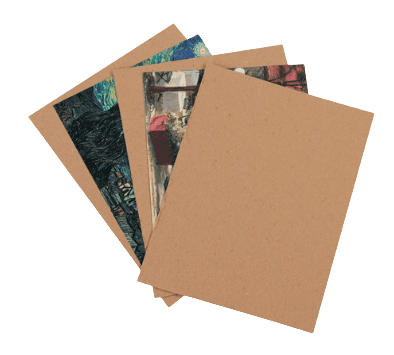
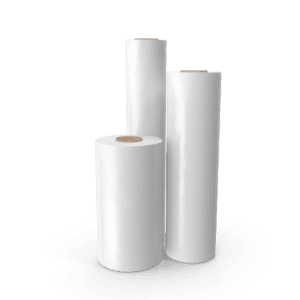
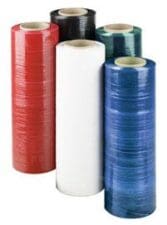
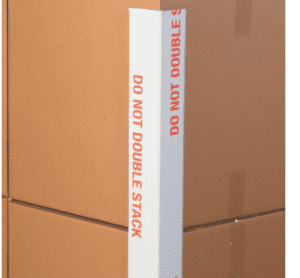
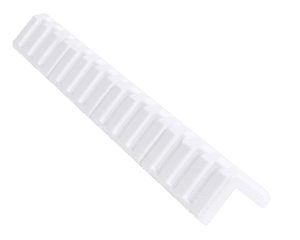
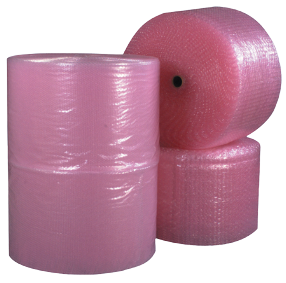
Our stock packaging products, from corrugated boxes to stretch film, offer a wide selection, including essentials like tape, edge protectors, labels, and more, with quick turnaround times to meet your packaging needs efficiently.

Edit Content
Edit Content
Folding Cartons
Pads
Apparel Boxes
Jewelry Boxes
Setup Cartons
Stationary Cartons
Edit Content
Cast Film
Blown Film
Conventional Film
Engineered Film
Pre-Stretched Film
Hand Film
Machine Film
Edit Content
Light Duty
Medium Duty
Heavy Duty
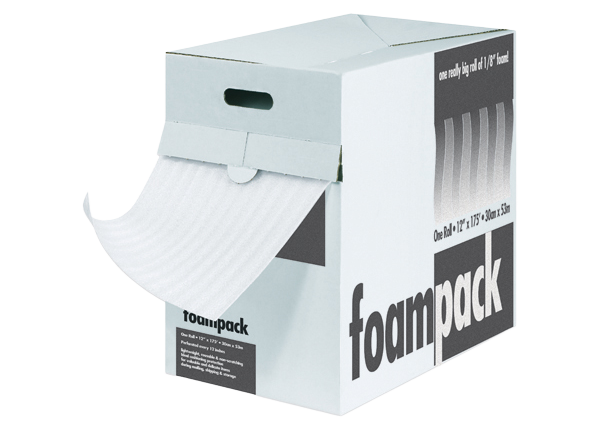
Foam
Strapping
Frame Protectors
Edit Content
Edit Content
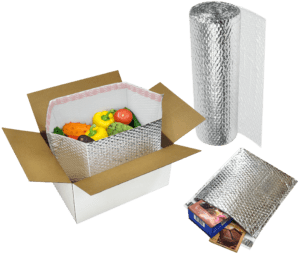
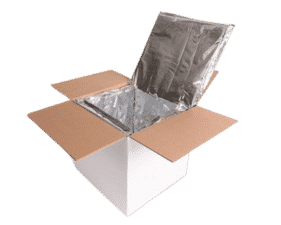
Box Liner
Metalized Pouch
Foam Cooler
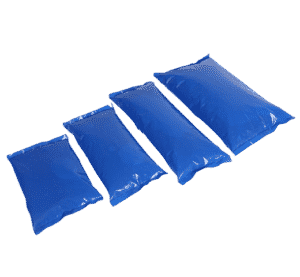
Ice Pack
Gel Pack
Edit Content
Edit Content
Edit Content
Folding Cartons
Pads
Apparel Boxes
Jewelry Boxes
Setup Cartons
Stationary Cartons
Edit Content
Cast Film
Blown Film
Conventional Film
Engineered Film
Pre-Stretched Film
Hand Film
Machine Film
Edit Content
Click on the Edit Content button to edit/add the content.
Edit Content
Edit Content
Box Liner
Metalized Pouch
Foam Cooler
Ice Pack
Gel Pack
Edit Content

If you need any assistance with your packaging or have a question, then contact us directly at request@brownpackaging.com  or  (714)300-0650. Learn more about custom packaging by reading our blog posts on new and trending topics.

stock packaging products
Packaging
brownpackaging
6 Things To Consider When Selecting Packaging Materials

Selecting the right packaging materials is a critical decision for businesses, impacting everything from product protection and shelf life to brand perception and sustainability. With a variety of materials available, each offering different benefits and challenges, understanding what to consider when choosing packaging options can greatly influence your business outcomes. Here are six essential factors to evaluate when selecting packaging materials for your products. Durability and Quality Budget Lead Time Tamper Evident and Secure Sustainability and Compliance Understanding Your Customer Durability and Quality The durability and quality of your packaging are paramount as they protect your product throughout the supply chain and influence customer perceptions of your brand. Considerations for Durability and Quality: Product Requirements: Evaluate the size, shape, weight, and vulnerability of your product. Heavier and more fragile items might require sturdier materials like corrugated fiberboard or thick plastics, whereas lighter items may be sufficiently protected with lighter materials such as paperboard or thin plastic. Protection Needs: Determine the level of protection required against factors such as moisture, UV rays, and mechanical damage. This may influence the choice of material as well as the need for additional protective features like coatings or reinforcements. Budget Your budget will significantly influence the type of packaging materials you can afford. It’s crucial to balance cost with the quality and functionality needed to protect and sell your product effectively. Budgetary Considerations: Material Costs: Compare the cost of various materials and consider their trade-offs in terms of durability and aesthetics. For example, while corrugated solutions might be more expensive than paperboard, they offer enhanced protection. Long-Term Savings: Consider investing in higher-quality materials that might reduce the need for replacements or returns due to damage, potentially saving money in the long run. Lead Time The time it takes to produce and deliver your packaging can impact your ability to meet market demands and maintain inventory levels. Lead Time Factors: Production Schedules: Choose materials that align with your production schedules and inventory needs. High-demand periods may require materials with shorter lead times. Supplier Reliability: Ensure your supplier can consistently meet your lead time requirements to avoid disruptions in your supply chain. Tamper Evident and Secure Securing your products against tampering is crucial for maintaining customer trust and ensuring the integrity of your products upon delivery. Security Features: Tamper-Evident Seals: Consider materials and designs that incorporate tamper-evident features such as seals, shrink wraps, or security tapes. Durability of Seals: Ensure that the materials selected are compatible with security features and will hold up under normal handling conditions. Sustainability and Compliance With increasing consumer and regulatory demands for environmental responsibility, selecting sustainable packaging materials is more important than ever. Sustainable Packaging Choices: Recyclable Materials: Opt for materials that are easily recyclable within most municipal systems, such as certain plastics, paperboard, and corrugated fiberboard. Biodegradable Options: Consider biodegradable or compostable materials if they meet the protective requirements of your products. Understanding Your Customer Knowing your target market is essential in selecting the right packaging materials that resonate with your consumers’ values and expectations. Customer-Centric Packaging: Market Preferences: Tailor your packaging materials to the preferences of your market. Luxury consumers may prefer high-end materials that reflect the quality of the product, whereas eco-conscious consumers may prioritize sustainable materials. User Convenience: Consider ease of use, such as easy-open features or resealable packages, which can enhance the customer experience and satisfaction. Choosing the right packaging materials involves a careful balance of functional, aesthetic, and economic factors. By considering these six aspects, businesses can select materials that not only protect their products effectively but also align with brand values, meet consumer expectations, and stay within budget constraints. Partnering with an experienced packaging provider like Brown Packaging can help navigate these choices, ensuring you select the best materials for your products’ specific needs. Contact Brown Packaging for expert guidance and to explore a wide range of packaging solutions tailored to your business requirements. (714)300-0650 request@brownpackaging.com Most Recent Posts: Categories: Corrugated Folding Carton Display Packaging Rigid Box Subscribe To Our Newsletter By submitting your information, you agree to our terms and conditions and privacy policy. Custom Packaging Facebook Twitter LinkedIn Pinterest Relevant Posts

Read More »
Blister Pack Vs Clamshell
Thermoform
brownpackaging
Blister Packs Vs Clamshells: Which Should You Choose?

When it comes to product packaging, choosing between blister packaging and clamshell packaging can often be confusing, as they both originate from the thermoforming process and can appear quite similar on retail shelves. However, each has distinct features and benefits, making it crucial to understand their differences to make an informed decision that aligns with your product needs and packaging goals. Understanding Blister Packs and Clamshells What is a Blister Pack? Blister packs are predominantly used to encase products within a pre-formed plastic cavity, sealed against a backing material such as paperboard, foil, or plastic. This packaging is favored for its robustness and ability to clearly display the product. Features of Blister Packs Custom Cavities: Tailored to snugly fit the product, ensuring it remains securely in place. Hanging Tabs: Often included for easy retail display. Sealing Options: Can be heat-sealed or cold-sealed, enhancing tamper resistance. Material Versatility: Available in various materials including PET, HDPE, PP, and PVC. Graphic Customization: Allows for the addition of logos, branding, and product information directly on the backing. Advantages of Blister Packaging Product Visibility: Provides clear visibility of the product, enhancing buyer appeal. Tamper Evident: The sealing process helps prevent tampering and ensures product integrity. Cost-Efficiency: Generally less expensive on a per-unit basis, especially suitable for high-volume products. Consumer Trust: Consumers can view the product without opening the packaging, increasing trust and reducing the decision-making time. Applications of Blister Packs Pharmaceuticals: Ideal for tablets, capsules, and other medications. Electronics: Protects components like batteries, earbuds, and cables. Consumer Goods: Suitable for small items such as toys, hardware accessories, and cosmetics. Clamshells Clamshell packaging consists of a single piece of thermoform plastic that hinges together to enclose the product completely. This type of packaging is resealable and provides a robust shield against external factors. Features of Clamshells Snap Closures: Allows for the packaging to be securely closed and easily reopened. Stackability: Designed to be stacked for efficient transport and display. Visibility Inserts: Accommodates inserts for additional product information and branding. Material Flexibility: Made from a variety of plastics such as PET, HDPE, PP, and even more sustainable options like paperboard or bioplastics. Advantages of Clamshell Packaging Enhanced Protection: Offers superior protection from crushing and puncturing, ideal for delicate items. Versatility: Can be designed to fit a wide range of product shapes and sizes. Consumer Convenience: Easy to open and reseal, enhancing user satisfaction. Brand Presentation: Offers ample space for branding and is highly customizable to fit marketing needs. Applications of Clamshells Food Industry: Commonly used for fruits, salads, and bakery items. Retail Products: Effective for multi-component products or gift sets. Electronics: Provides a secure environment for gadgets, ensuring they remain free from damage. Which Should You Choose? The choice between blister packs and clamshells should be based on specific product requirements, customer handling expectations, and marketing objectives: Consider Blister Packs if: You need cost-effective packaging for high-volume products where visibility and tamper resistance are key. Opt for Clamshells if: Your product requires robust protection, especially if it’s high-value or delicate, and you want to enhance the consumer unboxing experience. Both packaging types can be tailored to meet the specific needs of your products, and choosing the right type can significantly impact your product’s market success. Understanding the unique properties of blister packs and clamshells is crucial for selecting the right packaging solution. Each has its own set of features, advantages, and suitable applications that can align with different product types and business goals. For expert guidance and custom packaging solutions that fit your needs, consider partnering with a specialized provider like Brown Packaging.   (714)300-0650 request@brownpackaging.com Most Recent Posts: Categories: Corrugated Folding Carton Display Packaging Rigid Box Subscribe To Our Newsletter By submitting your information, you agree to our terms and conditions and privacy policy. Blister Packaging Facebook Twitter LinkedIn Pinterest Relevant Posts

Read More »
personal care labels and packaging
Design
brownpackaging
What Does The Color of Your Packaging Say About Your Product

Color plays a pivotal role in product packaging, serving not just an aesthetic purpose but also communicating values, emotions, and expectations to the consumer. Effective use of color in custom packaging can significantly influence customer perception, enhance brand recognition, and ultimately drive purchasing decisions. Let’s delve into how different colors can convey various messages about your products and how they can be strategically used to achieve your business goals. The Impact of Color in Packaging Overview of Color Psychology in Packaging Colors are a powerful tool in packaging design because they have the ability to trigger different emotional responses and convey specific attributes of a brand or product. Understanding the psychology behind colors can help businesses strategically choose hues that align with their brand identity and appeal to their target audience. Below are a list of the most popular colors used in custom packaging and what they say about your product: White Black Blue Red  Orange  Green  Yellow Purple Pink Using Multiple Colors Shades Of Colors Common Colors Used in Custom Packaging and Their Meanings White Implications: White symbolizes purity, cleanliness, and simplicity. It is often used to create a perception of safety and sterility, which is ideal for healthcare and personal care products. Applications: Commonly used as a background color to make text and graphics pop, enhancing readability and highlighting important product information. Black Implications: Black is associated with sophistication, luxury, and seriousness. It suggests a premium quality and is often used in packaging for high-end products to convey elegance and exclusivity. Applications: Effective for creating contrast and making other elements stand out, particularly in luxury goods packaging. Blue Implications: Blue evokes feelings of trust, security, and calmness. It’s preferred universally and is deemed reliable and dependable. Applications: Widely used in products that aim to promote relaxation and trust, such as in the wellness and financial sectors. Red Implications: Red is a bold color that stimulates excitement, passion, and urgency. It can increase heart rate, which is why it’s commonly used to attract attention and encourage impulse purchases. Applications: Often used to highlight calls to action or special offers on packaging. Orange Implications: Orange combines the energy of red and the happiness of yellow, representing enthusiasm, creativity, and affordability. Applications: Frequently used to draw attention in retail settings and signal affordability without sacrificing quality. Green Implications: Green is synonymous with nature, health, and renewal. Darker greens are associated with wealth and luxury, while lighter greens are used to promote eco-friendly or natural products. Applications: Ideal for products that want to emphasize organic or sustainable attributes Yellow Implications: Yellow is a cheerful color that exudes optimism and youthfulness. It’s also attention-grabbing and can be used to make packaging more eye-catching. Applications: Effective for products targeting young demographics or those looking to convey affordability and fun. Purple Implications: Purple is often associated with creativity, luxury, and spirituality. It tends to attract attention with a sense of mystery and prestige. Applications: Used in beauty and luxury goods to suggest sophistication and rarity. Pink Implications: Pink is traditionally linked to femininity, warmth, and romance. It ranges from playful shades to more serious, muted tones. Applications: Common in products aimed at the female market, particularly in cosmetics and children’s products, to evoke softness and warmth. Using Multiple Colors Utilizing multiple colors in packaging needs a balanced approach to maintain brand integrity and ensure clear communication. Complementary colors can create vibrant dynamics and enhance visual appeal, but they should be used judiciously to avoid overwhelming consumers and diluting the brand message. Shades of Colors The intensity and shade of a color can alter its impact. Darker shades often convey a more professional and luxurious feel, while lighter shades can appear more accessible and soft. Choosing the right shade is crucial in aligning the packaging with the product’s target audience and brand values. Summary: What Does Color of Your Packaging Say About Your Product The color of your packaging is a direct communication tool with your consumers. It not only influences how your product is perceived but can also significantly impact its market performance. By carefully selecting appropriate colors, businesses can effectively position their products, enhance consumer experience, and meet specific market needs. For personalized guidance on leveraging the power of color in your packaging strategy, partnering with packaging experts like Brown Packaging can ensure that your packaging colors align with your brand identity and marketing goals, maximizing the impact of your products on the shelves. (714)300-0650 request@brownpackaging.com Most Recent Posts: Categories: Corrugated Folding Carton Display Packaging Rigid Box Subscribe To Our Newsletter By submitting your information, you agree to our terms and conditions and privacy policy. Custom Packaging Facebook Twitter LinkedIn Pinterest Relevant Posts

Read More »