







window.uetq = window.uetq || []; window.uetq.push(‘event’, ‘submit_lead_form’,{ event_label:‘SUBMIT MESSAGE’ }); window.lintrk('track', { conversion_id: 10271009 }); window.lintrk('track', { conversion_id: 10271017 });

Stock Packaging

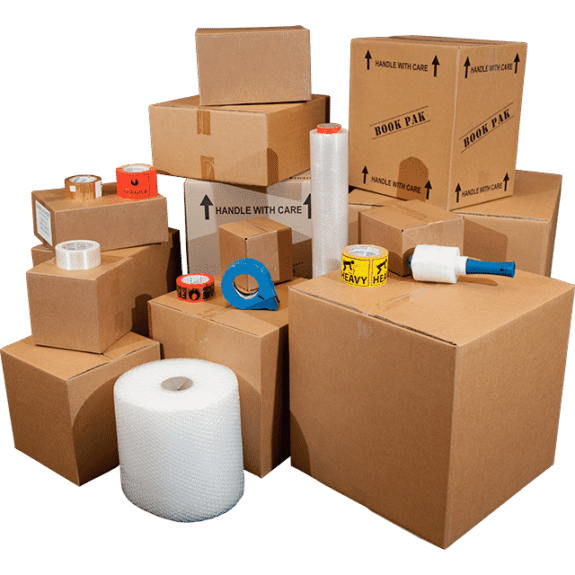
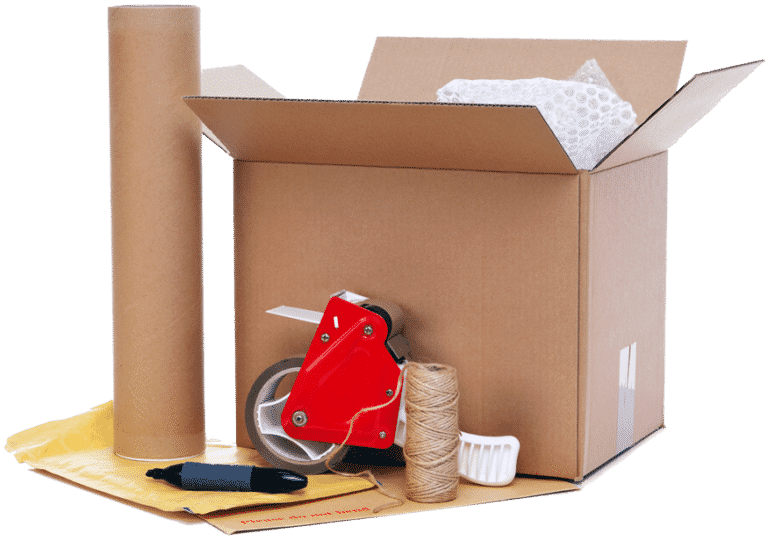
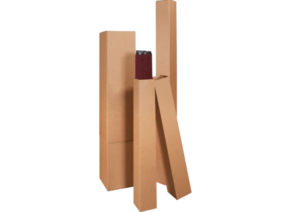
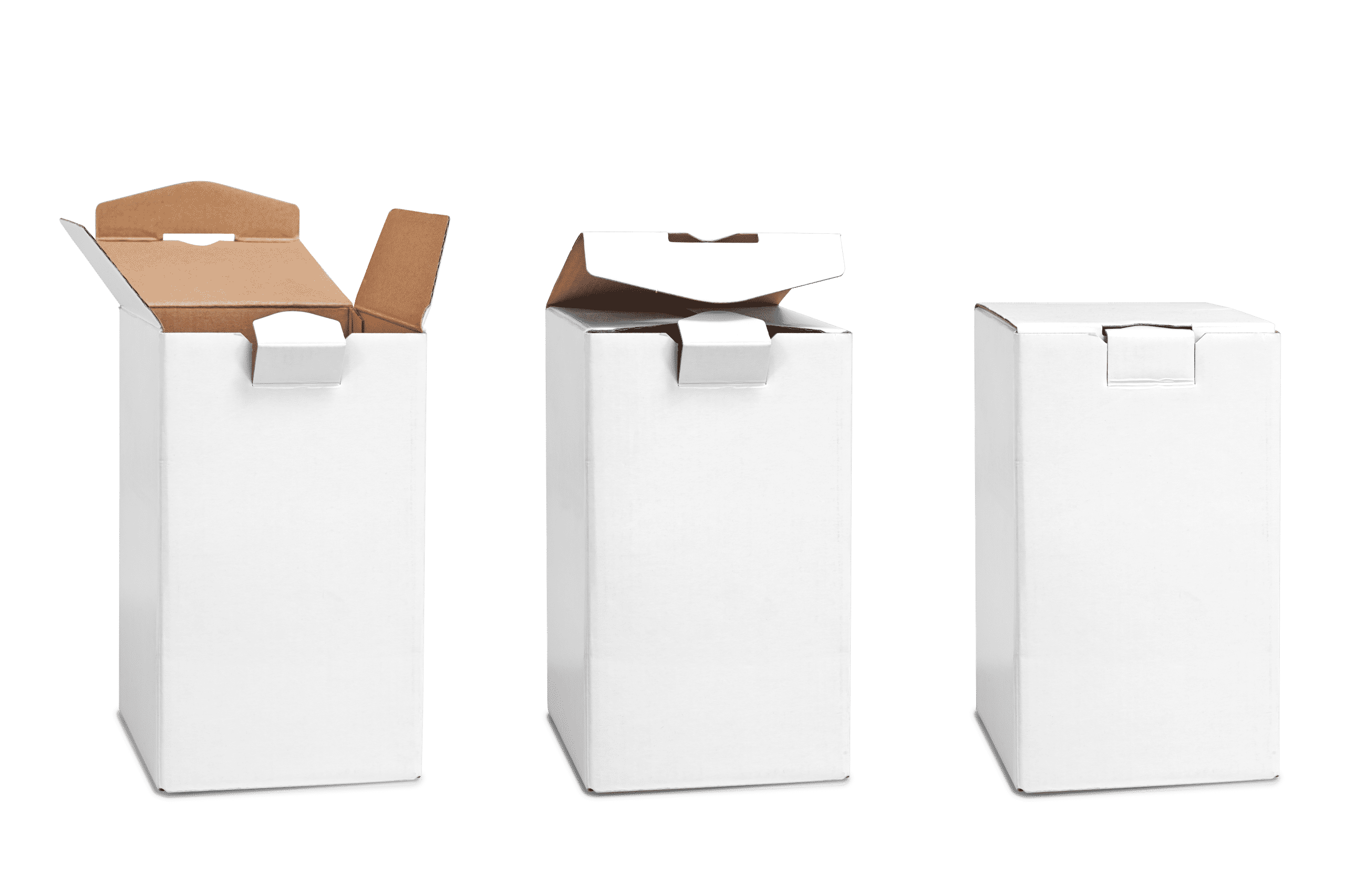
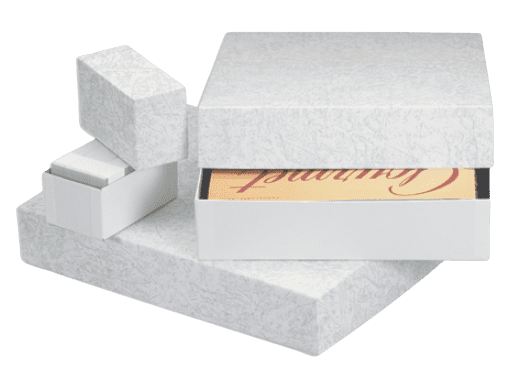
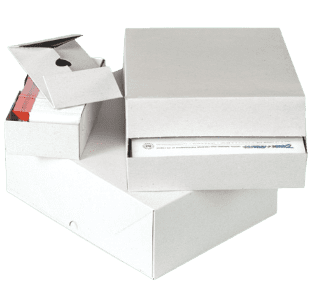
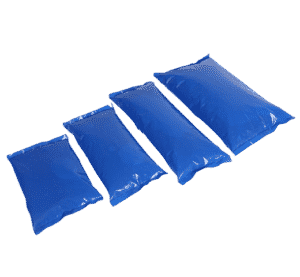
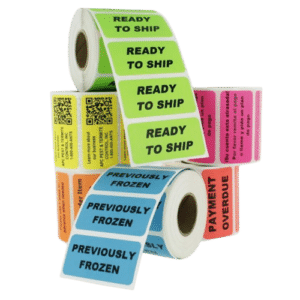
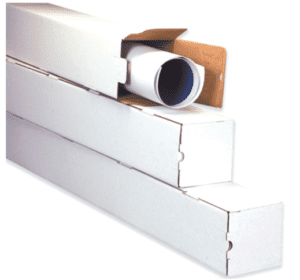
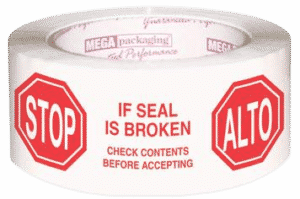
We supply businesses with a wide selection of essential packaging, shipping, and warehouse supplies. Get any standard packaging product by dimension or style from boxes, tubes, tapes, labels, and more. If you are unsure on what type of packaging you will need, then contact us for an expert consultation.


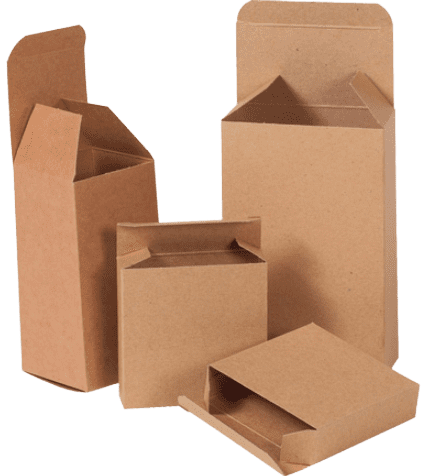
Stock packaging refers to pre-made, ready-to-ship packaging solutions like corrugated boxes, mailers, and protective materials that are designed to meet a wide range of standard needs across shipping, retail, and storage. Unlike custom packaging, stock options offer quick availability and reliable protection without the need for extensive design or production time, making them ideal for businesses needing efficient, high-quality solutions with fast lead times.

At Brown Packaging, we focus on providing durable, performance-driven stock packaging that supports our clients’ operational needs. Our stock products are sourced to ensure consistent quality and cost-effectiveness, offering a practical solution to keep operations running smoothly and on schedule. With an emphasis on reliability, we help our clients quickly access packaging solutions that meet their specific needs while maintaining quality across every order.

stock packaging products

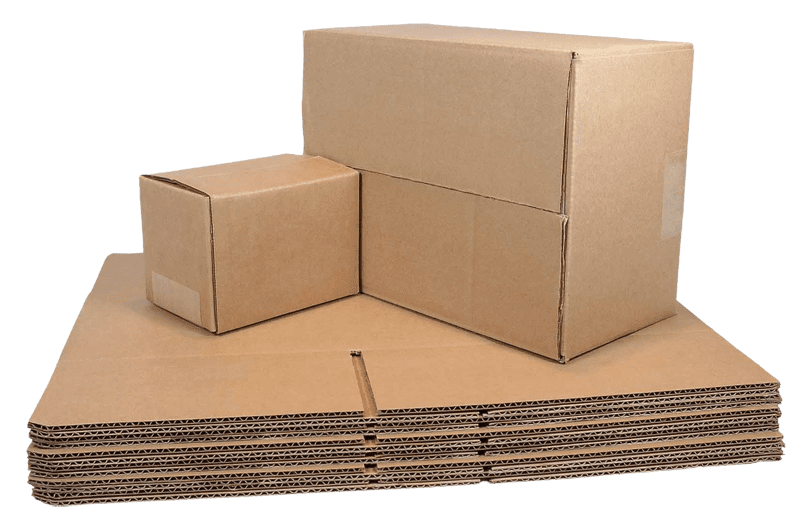
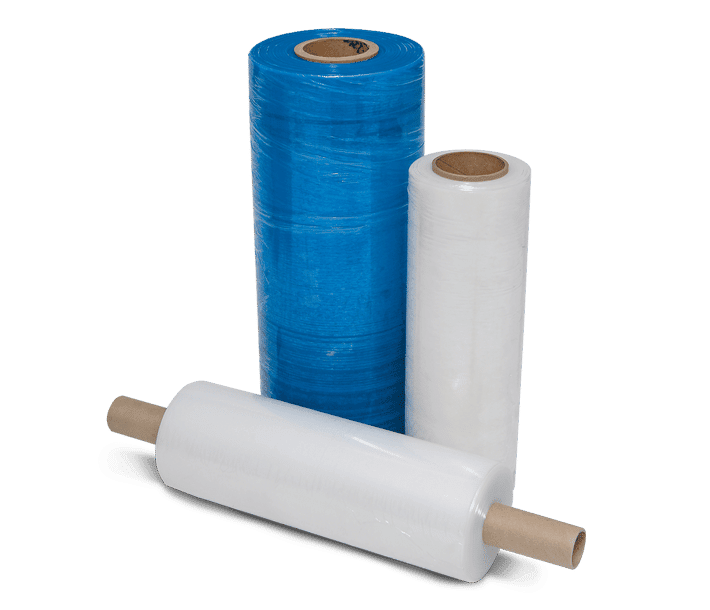
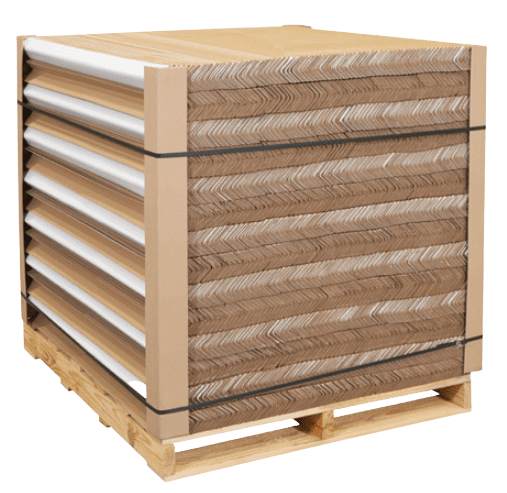
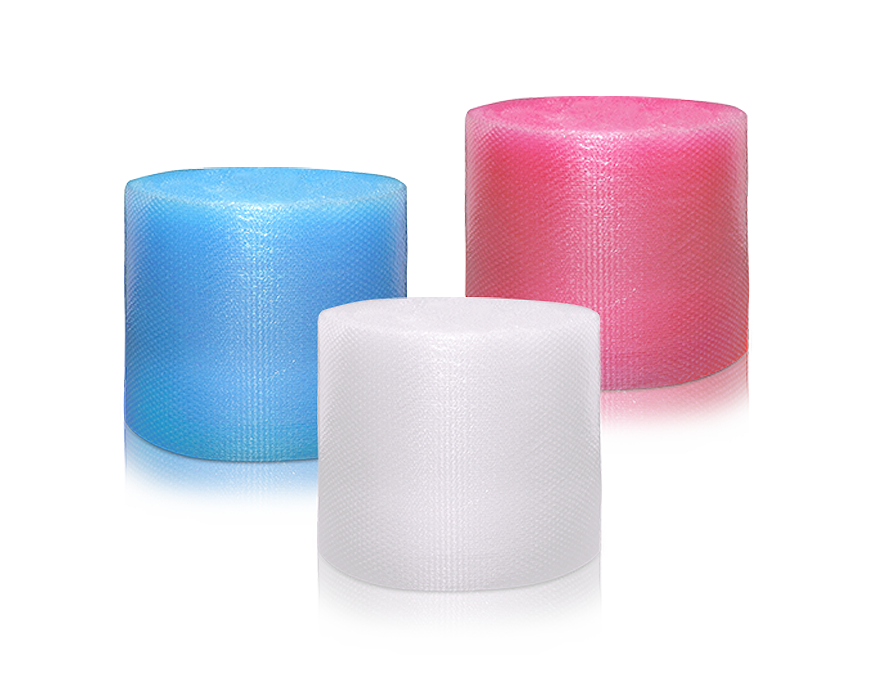
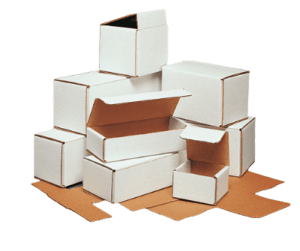
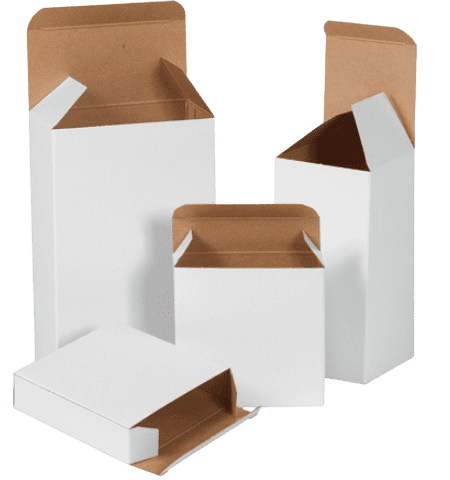
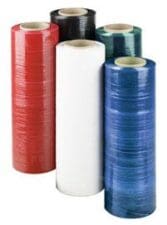
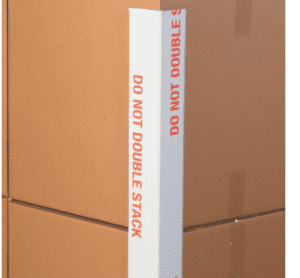
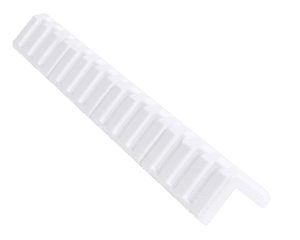
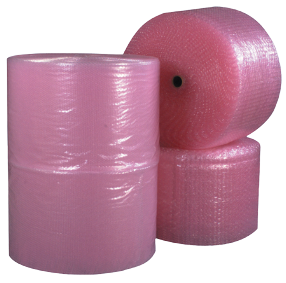
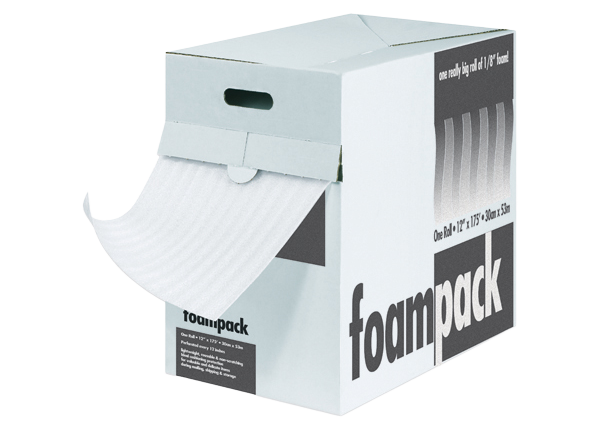
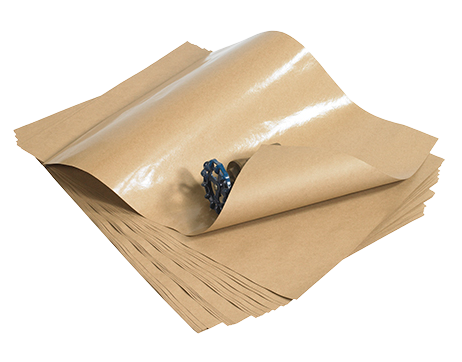
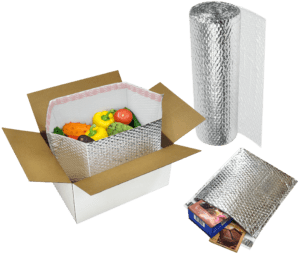
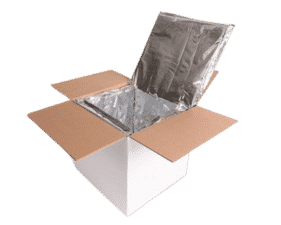
Our stock packaging products, from corrugated boxes to stretch film, offer a wide selection, including essentials like tape, edge protectors, labels, and more, with quick turnaround times to meet your packaging needs efficiently.

Edit Content
Edit Content
Folding Cartons
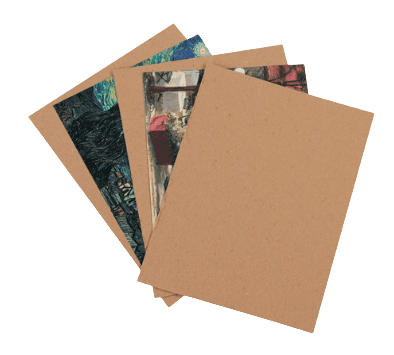
Pads
Apparel Boxes
Jewelry Boxes
Setup Cartons
Stationary Cartons
Edit Content
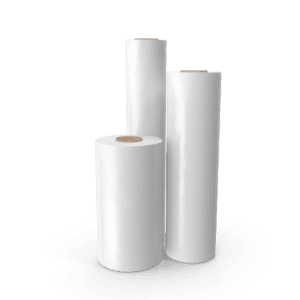
Cast Film
Blown Film
Conventional Film
Engineered Film
Pre-Stretched Film
Hand Film
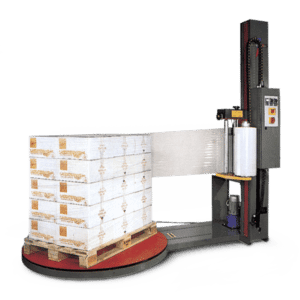
Machine Film
Edit Content
Light Duty
Medium Duty
Heavy Duty
Foam
Strapping
Frame Protectors
Edit Content
Edit Content
Box Liner
Metalized Pouch
Foam Cooler
Ice Pack
Gel Pack
Edit Content
Edit Content
Edit Content
Folding Cartons
Pads
Apparel Boxes
Jewelry Boxes
Setup Cartons
Stationary Cartons
Edit Content
Cast Film
Blown Film
Conventional Film
Engineered Film
Pre-Stretched Film
Hand Film
Machine Film
Edit Content
Click on the Edit Content button to edit/add the content.
Edit Content
Edit Content
Box Liner
Metalized Pouch
Foam Cooler
Ice Pack
Gel Pack
Edit Content

If you need any assistance with your packaging or have a question, then contact us directly at request@brownpackaging.com  or  (714)300-0650. Learn more about custom packaging by reading our blog posts on new and trending topics.

Blister Packs vs. Other Packaging Options: A Comparative Analysis
Packaging
brownpackaging
Blister Packs vs. Other Packaging Options: A Comparative Analysis

In the world of packaging, different products require different packaging solutions. With myriad options available today, companies can be selective about which suits their needs best. One prominent packaging option used across industries is blister packaging. Yet, how does blister packaging stack up against other packaging types? This blog post aims to provide a comprehensive analysis of blister packs in comparison to other prevalent packaging options. Understanding Blister Packs Blister packs, or clamshell packages, are pre-formed plastic packages mainly used for small consumer goods, pharmaceuticals, and medical devices. They have two main components – the cavity or pocket made from a formable web, usually plastic, and the lid, made from a lidding seal, generally aluminum foil, chipboard, corrugated or plastic. Advantages of Blister Packs Product Visibility: Blister packs allow consumers to visually examine the product without opening the packaging. This feature can be crucial for products where design, color, or size matters to the consumer. Tamper Evident: Blister packs are designed to show clear signs of tampering, enhancing consumer trust. Protection: They provide robust protection from moisture, light, and oxygen, preserving the product’s quality. Cost-effective: Blister packs can be more affordable compared to other packaging options. Other Packaging Options Bottles & Jars These types of packaging are commonly used for beverages, pharmaceuticals, cosmetics, and food items. Advantages of Bottles & Jars Reusable: Unlike blister packs, bottles and jars can be reused, offering a sustainable alternative. Aesthetics: With options for material and shape customization, bottles and jars can enhance a product’s aesthetic appeal. Serving Size Flexibility: They offer more flexibility in terms of serving size, particularly important in the food and beverage industry. Pouches & Bags Flexible packaging like pouches and bags is gaining popularity due to its lightweight nature and convenience. Advantages of Pouches & Bags Portability: Lightweight and space-efficient, these are ideal for on-the-go consumption. Customizable: They offer a broad spectrum of design possibilities and can be resealable. Boxes Boxes are ubiquitous in packaging, ranging from shipping heavy equipment to enclosing tiny jewelry items. Advantages of Boxes Durability: Cardboard and corrugated boxes provide robust protection, ideal for shipping. Versatility: Boxes can be customized to fit a wide array of products. Blister Packs vs. Other Packaging Options: Comparative Analysis Cost While the exact cost will vary based on size and design, blister packs tend to be more affordable than bottles, jars, and boxes, making them a popular choice for businesses aiming to minimize packaging expenses. Pouches and bags, on the other hand, are often similarly priced to blister packs. Environmental Impact Plastic blister packs may not be as environmentally friendly as boxes, pouches, and bags that use biodegradable or recyclable materials. Glass bottles and jars, while recyclable, have a higher carbon footprint due to their weight and the energy required to produce them. Product Protection Blister packs provide excellent protection against external factors, rivalling that offered by bottles, jars, and boxes. Pouches and bags may provide less protection, depending on the material used. Consumer Convenience While blister packs offer product visibility and tamper evidence, they can be difficult to open. In comparison, bottles, jars, boxes, and especially resealable pouches and bags, provide easier access to the product. Product Presentation While blister packs excel in presenting the product visually, they lack the design versatility offered by boxes, pouches, and bags. Glass bottles and jars have a premium aesthetic appeal that blister packs may not match. If you are interested in blister packs or other packaging options, then partner with Brown Packaging today to get started. (714)300-0650 request@brownpackaging.com Most Recent Posts: Categories: Corrugated Ecommerce ESD Design Display Flexible Packaging Foam Folding Carton Packaging Plastic Packaging Pouch Printing Protection Retail Rigid Box Thermoform Sustainability Subscribe To Our Newsletter By submitting your information, you agree to our terms and conditions and privacy policy. Blister Packaging Facebook Twitter LinkedIn Pinterest Relevant Posts

Read More »
8 Packaging Trends for 2024: What to Expect
Packaging
brownpackaging
8 Packaging Trends for 2024: What to Expect

As we approach 2024, the packaging industry continues to evolve, responding to both technological advancements and shifting consumer preferences. From sustainable materials to smart packaging, let’s dive into the anticipated trends and what brands and consumers can expect in the coming year. Sustainability at the Forefront Smart & Connected Packaging Minimalistic Designs Flexibility in Packaging Health & Safety Innovations Increased Transparency Return and Reuse Systems Localized Production Sustainability at the Forefront The clamor for sustainable packaging solutions has never been louder. Here’s what to anticipate: Biodegradable and Compostable Materials: More brands are expected to replace traditional plastics with materials like Polylactic Acid (PLA), mushrooms, seaweed, and other plant-based derivatives. Refill Stations: Embracing the zero-waste movement, some stores will offer refill stations, allowing customers to replenish their products without buying new packaging. Recycled Materials: Expect a rise in Post-Consumer Recycled (PCR) content in packaging materials, helping to reduce the carbon footprint. Smart & Connected Packaging Smart packaging is set to revolutionize consumer interaction with products: QR and AR Integration: Scanning codes will not only provide product information but also offer immersive Augmented Reality (AR) experiences, deepening brand engagement. Anti-Counterfeit Features: NFC chips and unique identifiers can ensure product authenticity, addressing the counterfeit market challenges. Sensors and Indicators: For perishable goods, expect packaging with freshness indicators or sensors that notify users of product quality or any potential issues. Minimalistic Designs With consumers seeking simplicity, packaging designs will veer towards clean, straightforward aesthetics. This not only reduces printing costs but also caters to the demand for transparency and authenticity. Flexibility in Packaging Flexibility in packaging design allows for: Personalization: With on-demand printing technologies, companies can offer personalized packaging for special occasions or personalized gifts. Adaptable Packaging: For e-commerce, flexible packaging that can adjust to different product sizes will become more prevalent, optimizing shipping and reducing waste. Health & Safety Innovations In the wake of global health concerns: Antimicrobial Packaging: Materials that can resist or kill microbial growth will become more popular, ensuring longer shelf life and enhanced safety. Touchless Delivery: For e-commerce, innovations in packaging that facilitate touchless delivery and receipt will gain traction. Increased Transparency Consumers are demanding to know more about their products: Transparent Labels: Labels will provide more than just ingredients or materials. They will also dive into the product’s origin, environmental impact, and the company’s social responsibility initiatives. Clear Packaging: The use of clear or transparent packaging materials will rise, letting consumers see exactly what they are buying. Return and Reuse Systems Building on the circular economy concept: Package Return Schemes: Companies will set up systems for consumers to return packaging, which can then be cleaned and reused, reducing waste. Multi-use Packaging: Designing packaging that consumers can repurpose or use for other functions post-unwrapping will become more popular. Localized Production With global supply chain challenges: Localized Material Sourcing: Brands will source packaging materials closer to home, reducing transportation costs and environmental impact. Localized Production: Embracing 3D printing and other technologies will enable localized packaging production, shortening lead times. Conclusion The packaging trends for 2024 point towards a future that’s not only eco-friendly but also tech-savvy, flexible, and consumer-centric. For brands, it’s time to adapt and innovate; for consumers, the future holds a promise of more mindful, engaging, and dynamic packaging solutions. As always, the intersection of technology and consumer demand will continue to shape this industry’s direction. If you are interested in custom or stock packaging, then partner with Brown Packaging today to get started. (714)300-0650 request@brownpackaging.com Most Recent Posts: Categories: Corrugated Ecommerce ESD Design Display Flexible Packaging Foam Folding Carton Packaging Plastic Packaging Pouch Printing Protection Retail Rigid Box Thermoform Sustainability Subscribe To Our Newsletter By submitting your information, you agree to our terms and conditions and privacy policy. Custom Packaging Facebook Twitter LinkedIn Pinterest Relevant Posts

Read More »
Advantages of Using Corrugated Packaging for Shipping
Corrugated
brownpackaging
Advantages of Using Corrugated Packaging for Shipping: A Comprehensive Guide

In the highly competitive realm of shipping and freight, one packaging material consistently stands out from the crowd – corrugated packaging. Known for its ribbed center, also known as “fluting,” sandwiched between two linerboards, corrugated packaging has emerged as the go-to solution for various industries seeking secure, efficient, and eco-friendly shipping options. This in-depth guide will elucidate the multitude of advantages associated with using corrugated packaging for shipping. Cost-Effectiveness Arguably, one of the most compelling advantages of corrugated packaging is its cost-effectiveness. The primary raw materials used to produce corrugated packaging are inexpensive, renewable, and readily available. Therefore, when businesses are seeking to package large volumes of goods without significantly inflating their operational costs, corrugated packaging becomes a financially savvy choice. Durability and Strength Contrary to what its lightweight nature may suggest, corrugated packaging boasts remarkable durability. This durability is primarily attributed to the unique structure of the corrugated sheet, with the fluting design imparting exceptional strength and rigidity. The fluting forms a series of connected arches, renowned for their ability to withstand considerable external pressures. This structural stability ensures the integrity of the goods within the packaging, even amidst the bumps and knocks that come with the transportation process. Versatility The versatility of corrugated packaging is yet another significant asset. Not only can corrugated packaging be easily cut, folded, and molded into an array of shapes and sizes to suit different products, but it can also be customized to reflect the branding of a business. This customization can include the use of specific colors, logos, and printed messages, serving a dual purpose of product protection and brand promotion. Moreover, there are different types of corrugated packaging available, such as single-wall, double-wall, or triple-wall, to cater to the varied needs of businesses. Unrivalled Protection Few packaging materials offer the level of protection that corrugated packaging provides. The corrugated sheet’s fluted layer forms an insulating buffer that safeguards products from potential damage due to impact, vibration, and even temperature fluctuations. This protection is critical in the shipping industry, where goods are often exposed to less-than-ideal handling and environmental conditions. Sustainability In our progressively environmentally conscious world, the eco-friendly nature of corrugated packaging offers a significant competitive advantage. The primary material in corrugated packaging, wood pulp, is a renewable resource. Furthermore, corrugated boxes are recyclable and biodegradable, contributing to waste reduction and promoting a circular economy. This environmental stewardship aligns with the increasing consumer demand for sustainable business practices, adding a valuable feather to a business’s sustainability cap. Ease of Use and Storage Lastly, the ease of use and storage associated with corrugated packaging should not be underestimated. These boxes are quick to assemble, easy to fill, secure, and even reuse. Their lightweight nature simplifies handling and transportation, reducing labor requirements and associated costs. Furthermore, when not in use, they can be easily collapsed and stored, saving valuable warehouse space and offering readiness for future use. Final Thoughts: Why Embrace Corrugated Packaging for Shipping? In conclusion, the multifaceted benefits of corrugated packaging for shipping are hard to ignore. From its affordability and impressive durability to its vast versatility, exceptional protective qualities, eco-friendly characteristics, and straightforward usage, corrugated packaging is a comprehensive solution to diverse shipping needs. Whether you’re transporting fragile items, heavy goods, or anything in between, corrugated packaging promises to deliver reliable, efficient, and sustainable results that contribute to business success. (714)300-0650 request@brownpackaging.com Most Recent Posts: Categories: Corrugated Ecommerce ESD Design Display Flexible Packaging Foam Folding Carton Packaging Plastic Packaging Pouch Printing Protection Retail Rigid Box Thermoform Sustainability Subscribe To Our Newsletter By submitting your information, you agree to our terms and conditions and privacy policy. Stock Corrugated Packaging Facebook Twitter LinkedIn Pinterest Relevant Posts

Read More »