






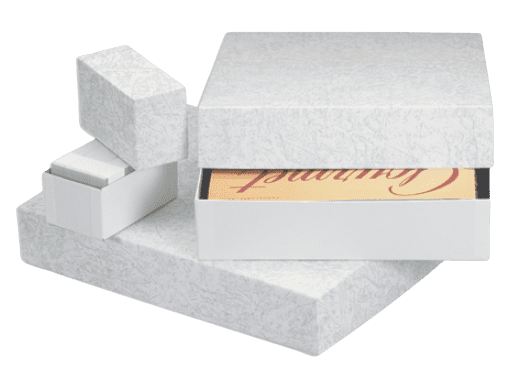
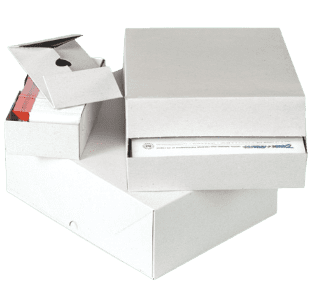
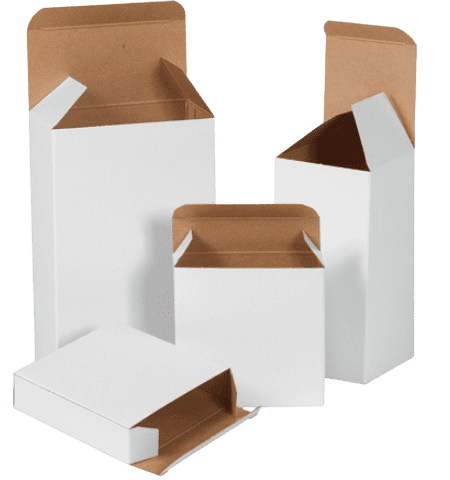
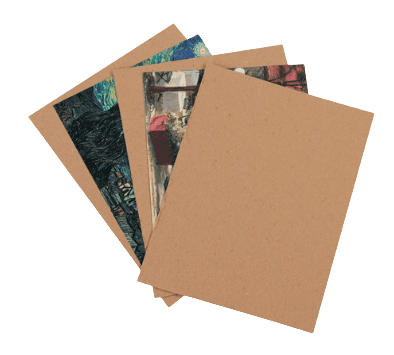


Stock Packaging
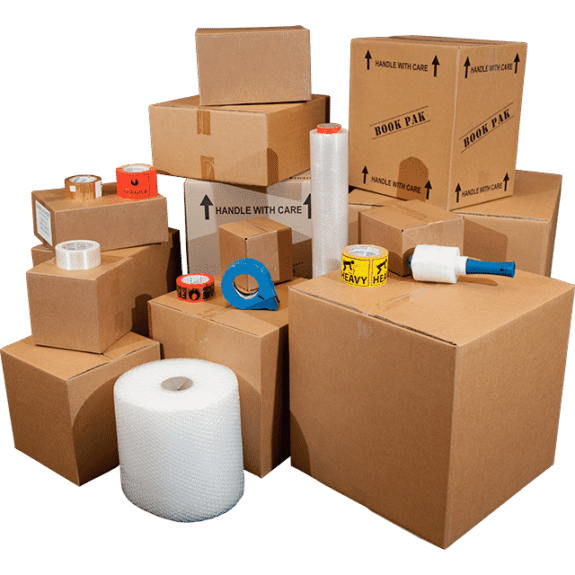
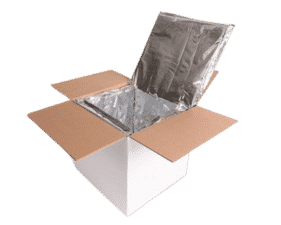
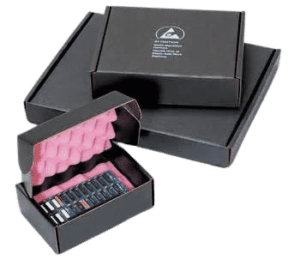
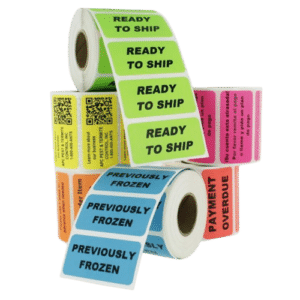
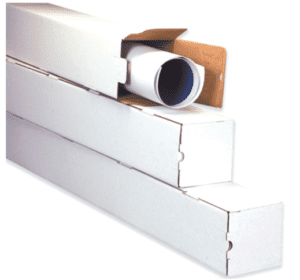
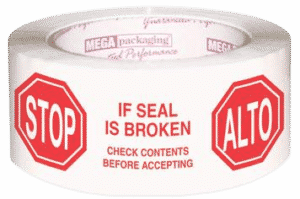
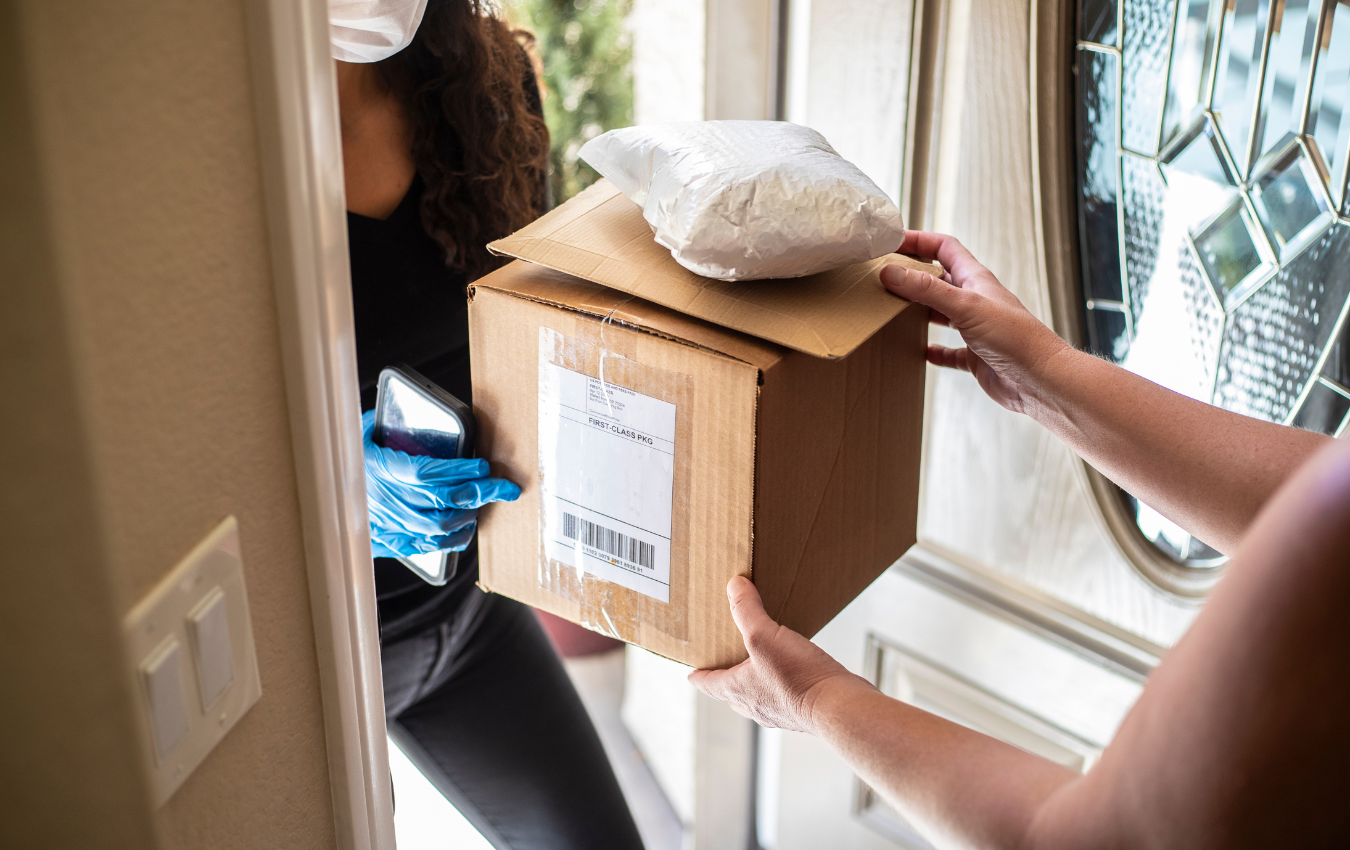
We supply businesses with a wide selection of essential packaging, shipping, and warehouse supplies. Get any standard packaging product by dimension or style from boxes, tubes, tapes, labels, and more. If you are unsure on what type of packaging you will need, then contact us for an expert consultation.


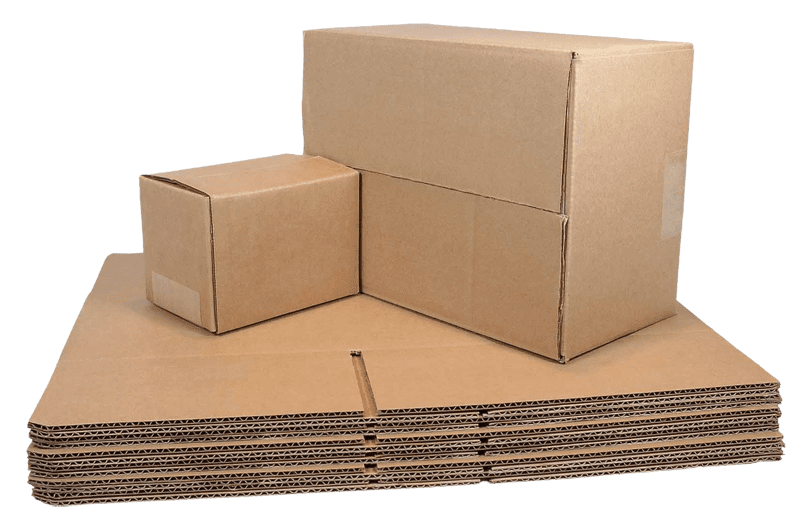
Stock packaging refers to pre-made, ready-to-ship packaging solutions like corrugated boxes, mailers, and protective materials that are designed to meet a wide range of standard needs across shipping, retail, and storage. Unlike custom packaging, stock options offer quick availability and reliable protection without the need for extensive design or production time, making them ideal for businesses needing efficient, high-quality solutions with fast lead times.
At Brown Packaging, we focus on providing durable, performance-driven stock packaging that supports our clients’ operational needs. Our stock products are sourced to ensure consistent quality and cost-effectiveness, offering a practical solution to keep operations running smoothly and on schedule. With an emphasis on reliability, we help our clients quickly access packaging solutions that meet their specific needs while maintaining quality across every order.
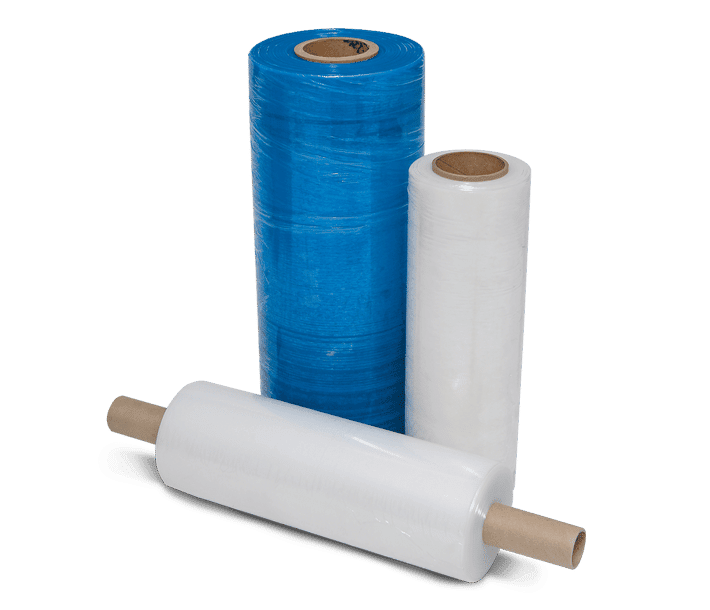
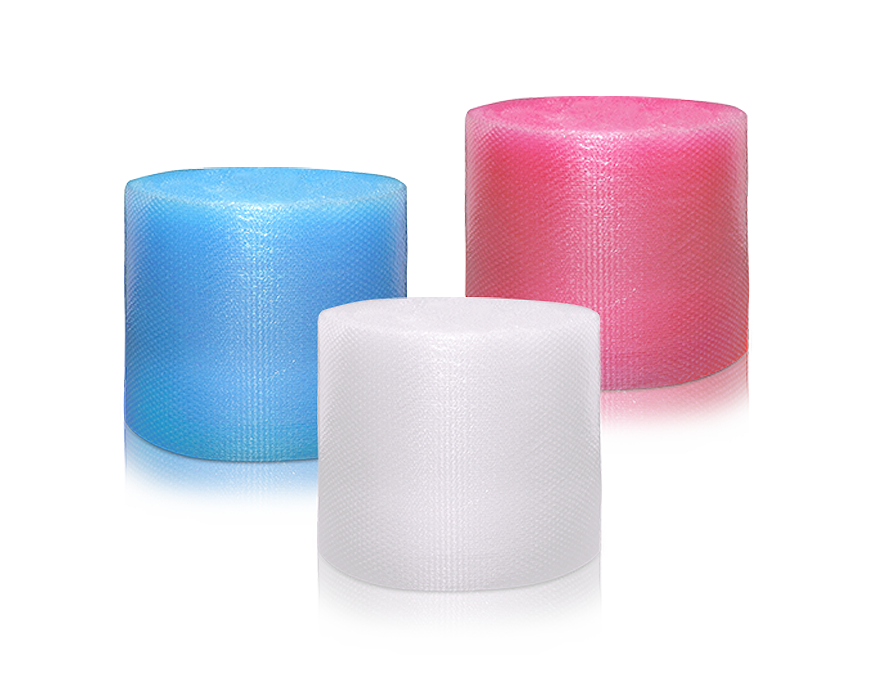
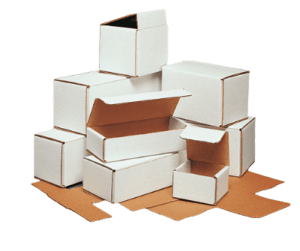
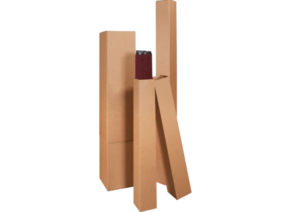
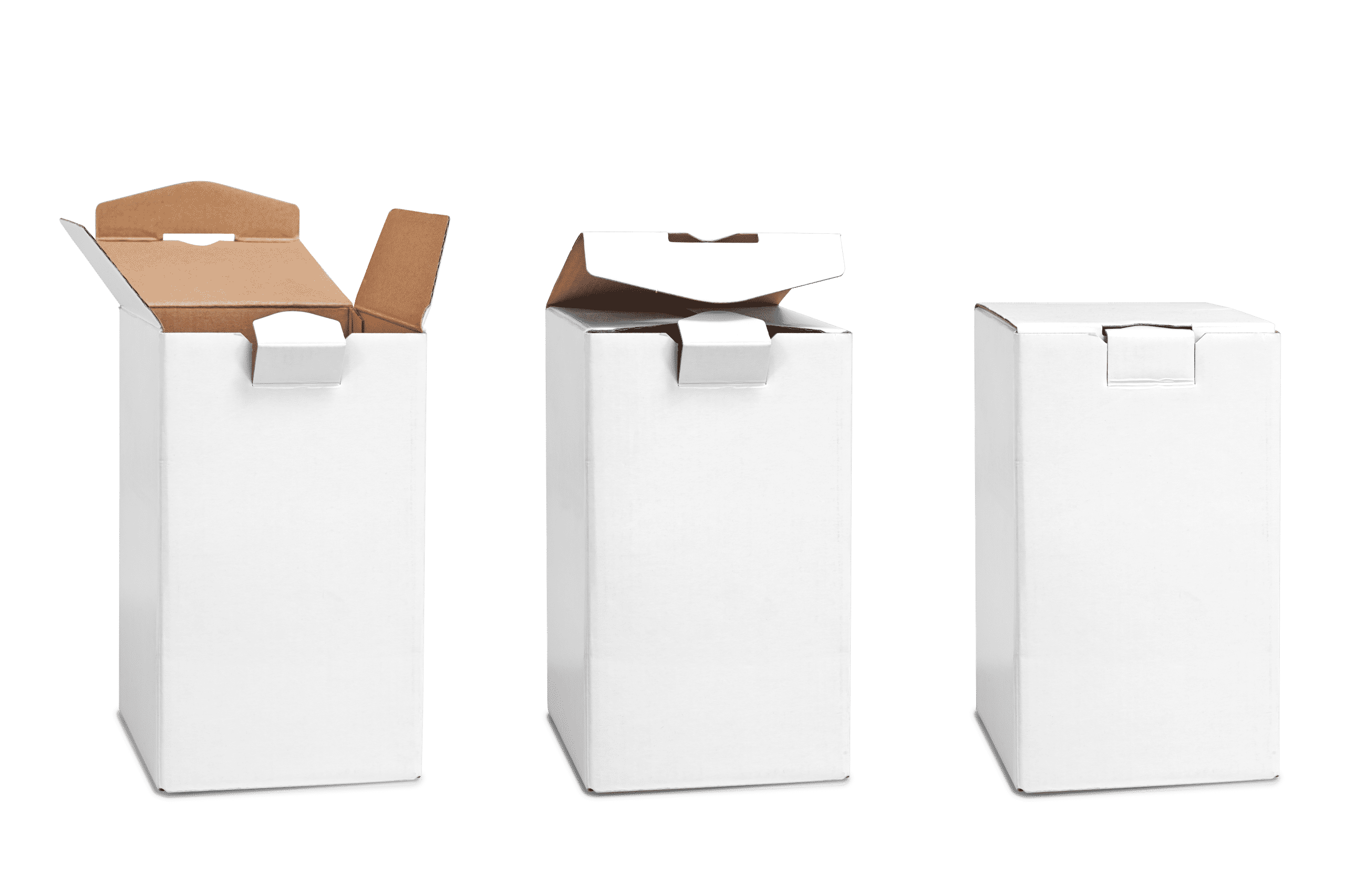
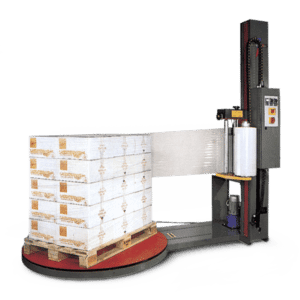
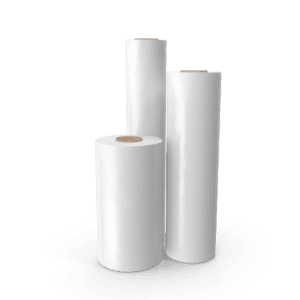
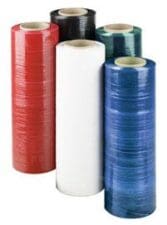
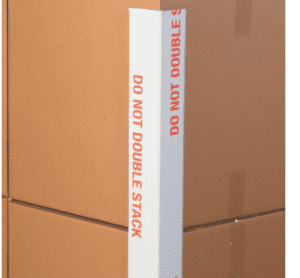
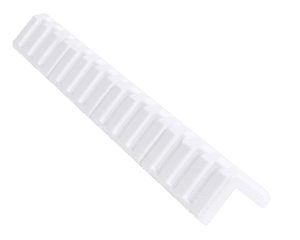
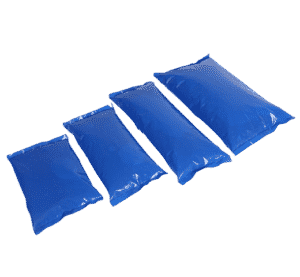
Our stock packaging products, from corrugated boxes to stretch film, offer a wide selection, including essentials like tape, edge protectors, labels, and more, with quick turnaround times to meet your packaging needs efficiently.


If you need any assistance with your packaging or have a question, then contact us directly at request@brownpackaging.com or (714)300-0650. Learn more about custom packaging by reading our blog posts on new and trending topics.

Generation Z, typically defined as those born from 1997 onwards, is rapidly becoming a significant force in the consumer market. This digitally savvy and socially conscious group has its own unique set of values and preferences that influence their purchasing decisions. In this blog post, we explore effective packaging strategies that resonate with Gen Z consumers, helping brands connect with this emerging demographic. Understanding Gen Z Consumer Values To design packaging that appeals to Gen Z, it’s essential to understand their core values: Digital Natives: Gen Z has grown up in a digital world, comfortable with technology and social media. Social Responsibility: This generation is highly conscious of social, environmental, and ethical issues. Desire for Authenticity: Gen Z values authenticity and transparency from brands. Preference for Personalization: They appreciate personalized experiences and products. Eco-Conscious Packaging Solutions Environmental concerns are at the forefront for Gen Z consumers. Sustainable Materials: Utilize environmentally friendly materials like recycled or upcycled content. Reduce Plastic Use: Minimize the use of plastics or switch to bioplastics. Clear Sustainability Messaging: Communicate your brand’s commitment to the environment on your packaging. Leveraging Technology and Interactivity Being digital natives, Gen Z consumers are receptive to tech-integrated packaging. Augmented Reality (AR): Implement AR features in packaging for an interactive experience. QR Codes: Use QR codes to connect consumers to online content such as product information, tutorials, or brand stories. Social Media Engagement: Design packaging that is ‘Instagrammable’ and encourages sharing on social media platforms. Authentic and Transparent Design Gen Z is drawn to brands that are genuine and transparent. Honest Branding: Maintain transparency in your packaging about your product’s ingredients, sourcing, and production processes. Storytelling: Use packaging to tell your brand’s story or the journey of the product in an engaging way. Personalization and Customization Personalization is key to capturing the attention of Gen Z consumers. Customizable Packaging: Offer options for consumers to personalize their packaging. Limited Editions: Create limited edition packaging for special occasions or collaborations, which can also encourage collectability. Bold and Creative Visuals Gen Z appreciates creativity and boldness in design. Eye-Catching Graphics: Use bright colors, bold patterns, and innovative designs to stand out. Interactive Elements: Include elements that encourage interaction or playfulness in the packaging design. Inclusivity and Diversity Reflecting inclusivity in packaging design can resonate well with Gen Z’s values. Diverse Imagery: Use imagery and language that embrace diversity and inclusivity. Gender-Neutral Design: Consider gender-neutral packaging, moving away from traditional gender-specific color schemes and imagery. If you are interested in packaging solutions for generation z, then partner with Brown Packaging today to get started. (714)300-0650 request@brownpackaging.com Most Recent Posts: Categories: Corrugated Ecommerce ESD Design Display Flexible Packaging Foam Folding Carton Packaging Plastic Packaging Pouch Printing Protection Retail Rigid Box Thermoform Sustainability Subscribe To Our Newsletter By submitting your information, you agree to our terms and conditions and privacy policy. Custom Packaging Facebook Twitter LinkedIn Pinterest Relevant Posts

In the world of packaging, ensuring the safety and integrity of products during transit is paramount. This is where the corrugated box drop test comes into play. It’s a critical evaluation method used to determine the durability and protective qualities of corrugated boxes, which are widely used in shipping various goods. This blog post delves into the details of the corrugated box drop test, its importance, and how it is conducted. The Importance of the Corrugated Box Drop Test Drop testing is an essential part of quality control in packaging. It simulates the impacts a package may endure during handling and shipping, including being dropped, knocked, or jostled. For businesses, ensuring that their product packaging can withstand such treatment is crucial to avoid damage during shipping, which can lead to financial losses and affect customer satisfaction. What is a Corrugated Box Drop Test? The corrugated box drop test is a systematic procedure where a packed corrugated box is dropped from a specific height to observe how well the packaging protects its contents. This test is typically performed under controlled conditions following standardized guidelines, such as those set by ASTM or ISTA. How is the Drop Test Conducted? Preparation of the Test Sample: The corrugated boxes are prepared with the actual product inside, or a dummy package that simulates the weight and dimensions of the real product. The boxes are sealed as they would be for normal distribution. Determination of Drop Height: The height from which the box is dropped depends on the package’s weight and the standards being followed. Typically, the higher the package’s weight, the lower the drop height. Execution of the Drop: The box is dropped onto a solid, flat surface. The drops are conducted on different faces of the box, including corners and edges, to simulate various real-world scenarios. Each drop is observed and recorded, noting any visible damage to the box and its contents. Assessment Post-Drop: After the test, the box is examined for any signs of structural failure, such as tears, ruptures, or punctures. The contents are checked for damage or breakage. Interpreting Test Results Pass/Fail Criteria: The criteria for passing the test can vary but generally include no significant damage to the box or its contents. Data Analysis: The results are analyzed to determine if the packaging design needs to be improved. This could involve enhancing the box’s material strength, adding protective cushioning inside, or altering the box design. Why is the Drop Test Crucial? Consumer Confidence: Ensuring product safety during shipping builds consumer trust and satisfaction. Cost-Effectiveness: It’s more cost-effective to invest in proper packaging than to bear the costs of damaged goods and returns. Brand Reputation: Consistently delivering products in excellent condition enhances a brand’s reputation. Technological Advances in Drop Testing Automated Drop Test Equipment: Some companies use advanced, automated equipment to conduct more precise and repeatable drop tests. Simulation Software: Technological advancements allow for computer simulations of drop tests, providing an additional layer of analysis. Conclusion The corrugated box drop test is a vital tool in the packaging industry, serving as a frontline check for packaging integrity. Regularly conducting these tests helps businesses ensure that their products are well-protected through the rigors of shipping and handling. In the end, the drop test is not just about maintaining product integrity; it’s about upholding customer satisfaction and preserving the brand’s reputation in a competitive marketplace. If you are interested in corrugated boxes and require assistance in passing a drop test, then partner with Brown Packaging today to get started. (714)300-0650 request@brownpackaging.com Most Recent Posts: Categories: Corrugated Ecommerce ESD Design Display Flexible Packaging Foam Folding Carton Packaging Plastic Packaging Pouch Printing Protection Retail Rigid Box Thermoform Sustainability Subscribe To Our Newsletter By submitting your information, you agree to our terms and conditions and privacy policy. Custom Corrugated Boxes Facebook Twitter LinkedIn Pinterest Relevant Posts

Ultraviolet (UV) rays can have detrimental effects on product packaging, leading to faded colors, weakened materials, and compromised product integrity. In industries where products are frequently exposed to sunlight, such as in retail storefronts or during transportation, safeguarding packaging from UV damage is crucial. This blog post delves into various strategies and solutions for protecting packaging from the harmful effects of UV rays. Understanding UV Damage in Packaging UV rays can cause various types of damage to packaging materials. Common issues include discoloration of inks and dyes, degradation of plastic materials, and weakening of structural integrity. Over time, this can result in unappealing product presentation and potential product spoilage, which can adversely affect consumer perception and brand reputation. Materials Resistant to UV Damage Choosing the right materials is the first line of defense against UV damage. UV-Resistant Plastics: Some plastics are formulated to resist UV damage. Materials like PET and certain grades of polyethylene can offer better protection against sunlight. UV Inhibitors: For plastic packaging, consider using materials treated with UV inhibitors. These additives absorb or block UV radiation, helping to prevent degradation. Metal and Glass Packaging: In some cases, opting for metal or glass packaging can be beneficial as they are less susceptible to UV damage compared to certain plastics. Protective Coatings and Laminates Applying protective coatings or laminates can significantly enhance a package’s resistance to UV rays. UV-Curable Coatings: These coatings provide a protective layer that shields the packaging from UV rays. They are often used for printed and colored packaging to prevent fading. Laminates: Laminates can act as a barrier against UV light. They can be applied to both paper and plastic packaging to extend longevity and preserve print quality. Ink and Printing Considerations The choice of inks and printing techniques can influence a package’s susceptibility to UV damage. UV-Stable Inks: Utilize inks that are formulated to be resistant to UV radiation. These inks are less likely to fade when exposed to sunlight. Overprint Varnishes: Applying an overprint varnish can protect the printed areas from UV exposure and physical wear. Designing for UV Protection Design elements can also play a role in minimizing UV damage. Color Choices: Some colors are more prone to fading under UV exposure. Opt for UV-stable pigments and consider using lighter colors that show less visible fading. Minimalistic Design: Reduce the use of extensive colored areas in packaging design to limit the impact of potential fading. Storage and Display Strategies How you store and display your products can impact their exposure to UV rays. Shade and Shelter: Store products away from direct sunlight. Utilize shaded areas in warehouses and avoid window displays where products are exposed to prolonged sunlight. UV-Protective Window Films: For retail spaces with windows, consider installing UV-protective films to reduce sun exposure. Regular Testing and Monitoring Conduct periodic testing to assess the UV resistance of your packaging. This can involve exposing samples to simulated sunlight and evaluating the effects. If you are interested in UV packaging, then partner with Brown Packaging today to get started. Sustainability Matters Today’s consumers are increasingly eco-conscious, and sustainable packaging design can be a significant selling point. Consider the following: Eco-friendly materials: Explore sustainable packaging materials such as recycled paper, biodegradable plastics, or reusable containers. Reduce waste: Minimize excess packaging and opt for minimalist designs that reduce material consumption. Communicate your efforts: Highlight your commitment to sustainability on the packaging to resonate with environmentally conscious consumers. (714)300-0650 request@brownpackaging.com Most Recent Posts: Categories: Corrugated Ecommerce Design Flexible Packaging Folding Carton Packaging Plastic Packaging Pouch Printing Protection Retail Rigid Box Subscribe To Our Newsletter By submitting your information, you agree to our terms and conditions and privacy policy. Custom Packaging Facebook Twitter LinkedIn Pinterest Relevant Posts