






window.uetq = window.uetq || []; window.uetq.push(‘event’, ‘submit_lead_form’,{ event_label:‘SUBMIT MESSAGE’ }); window.lintrk('track', { conversion_id: 10271009 }); window.lintrk('track', { conversion_id: 10271017 });

Stock Packaging

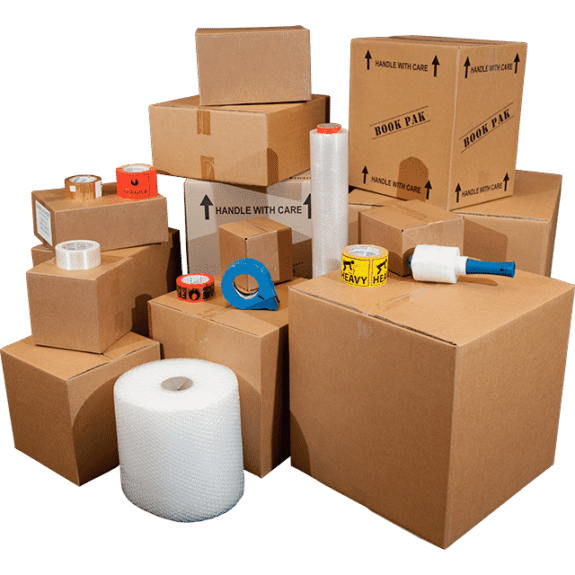
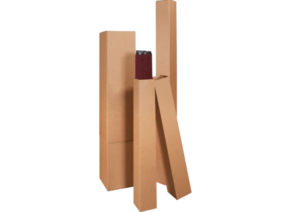
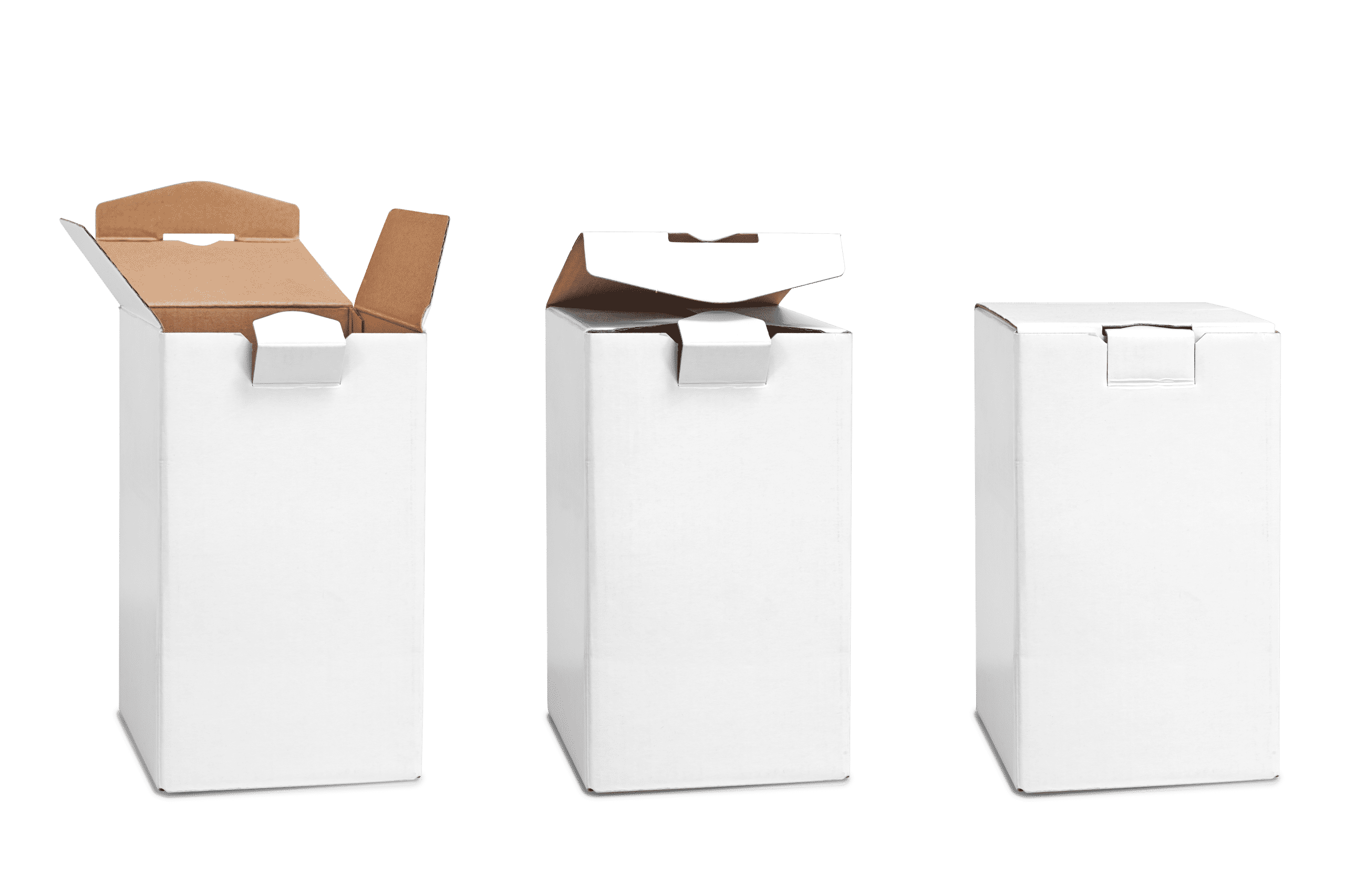
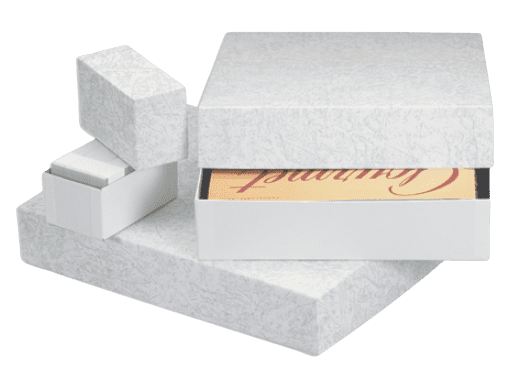
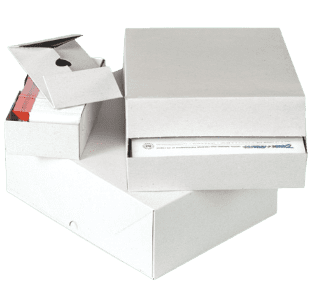
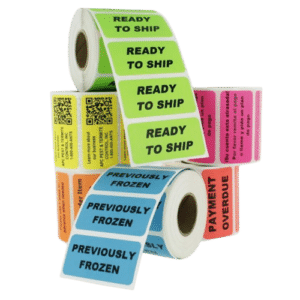
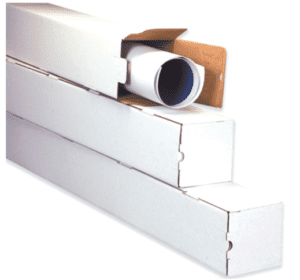
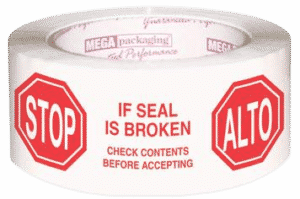
We supply businesses with a wide selection of essential packaging, shipping, and warehouse supplies. Get any standard packaging product by dimension or style from boxes, tubes, tapes, labels, and more. If you are unsure on what type of packaging you will need, then contact us for an expert consultation.


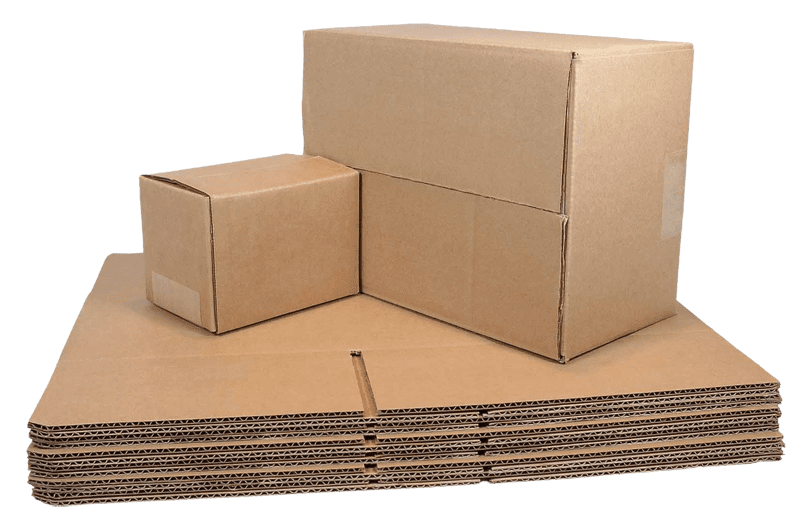
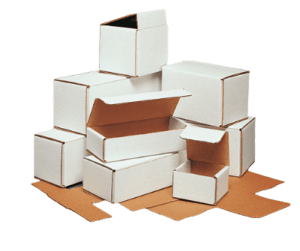
Stock packaging refers to pre-made, ready-to-ship packaging solutions like corrugated boxes, mailers, and protective materials that are designed to meet a wide range of standard needs across shipping, retail, and storage. Unlike custom packaging, stock options offer quick availability and reliable protection without the need for extensive design or production time, making them ideal for businesses needing efficient, high-quality solutions with fast lead times.

At Brown Packaging, we focus on providing durable, performance-driven stock packaging that supports our clients’ operational needs. Our stock products are sourced to ensure consistent quality and cost-effectiveness, offering a practical solution to keep operations running smoothly and on schedule. With an emphasis on reliability, we help our clients quickly access packaging solutions that meet their specific needs while maintaining quality across every order.

stock packaging products

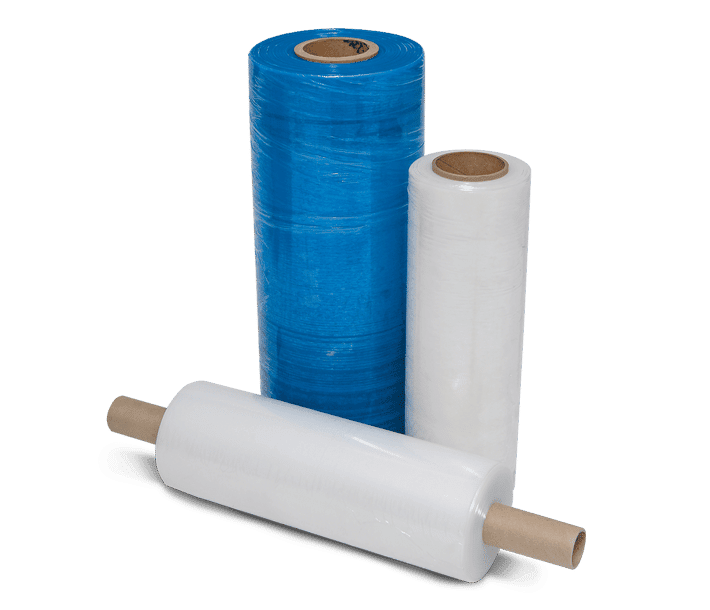
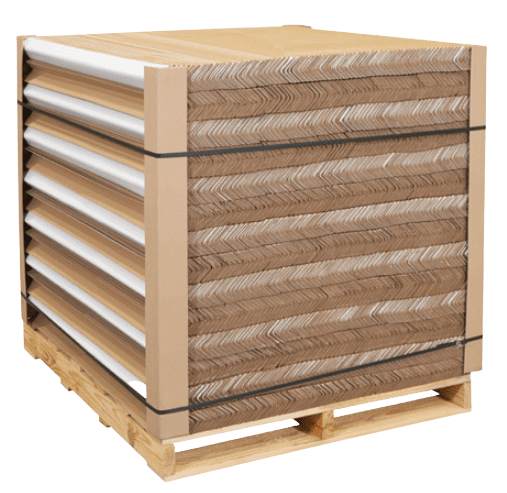
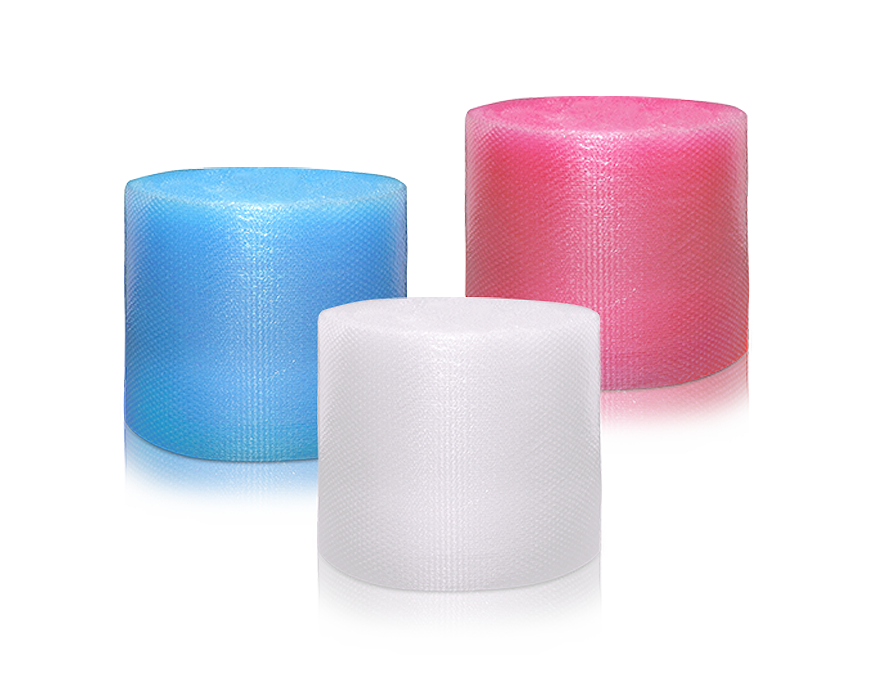
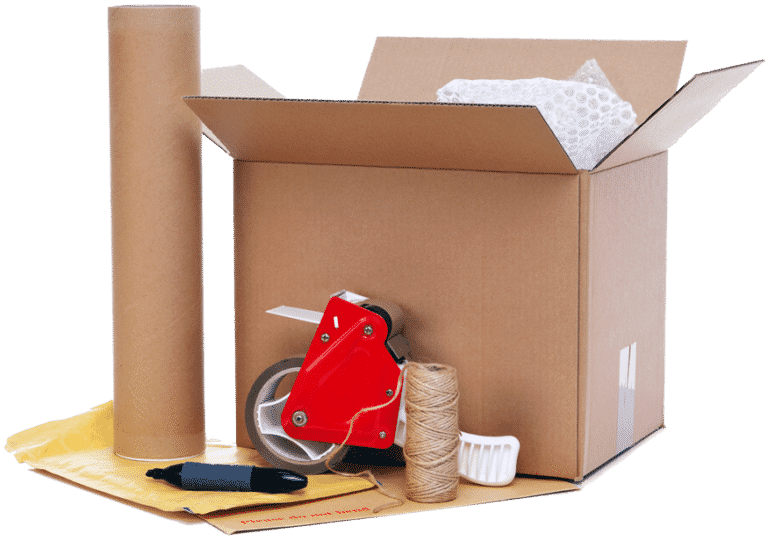
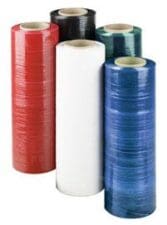
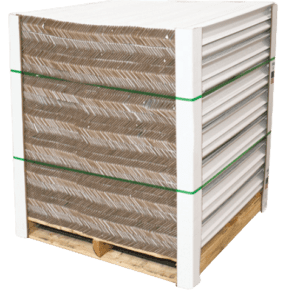
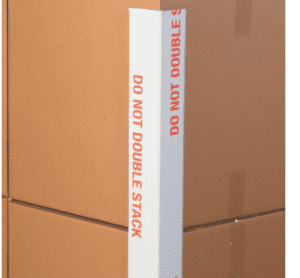
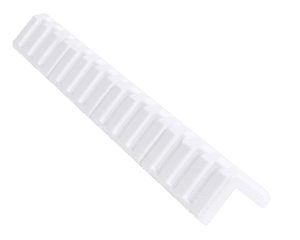
Our stock packaging products, from corrugated boxes to stretch film, offer a wide selection, including essentials like tape, edge protectors, labels, and more, with quick turnaround times to meet your packaging needs efficiently.

Edit Content
Edit Content
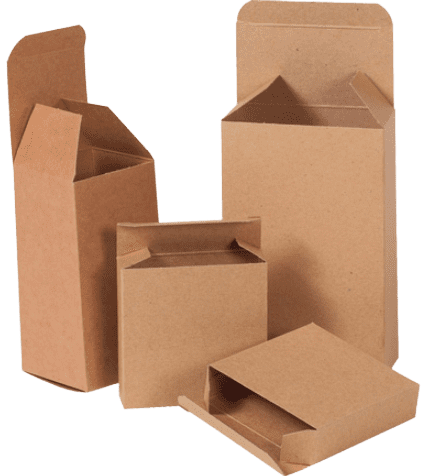
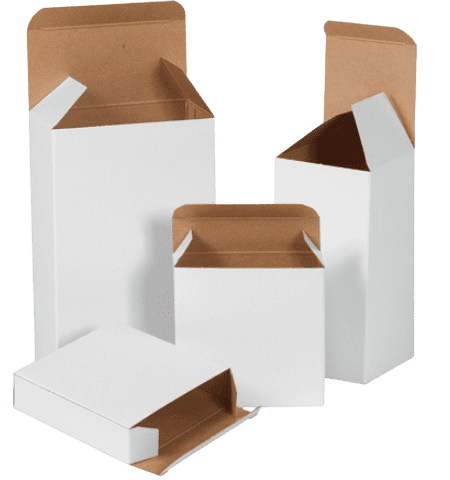
Folding Cartons
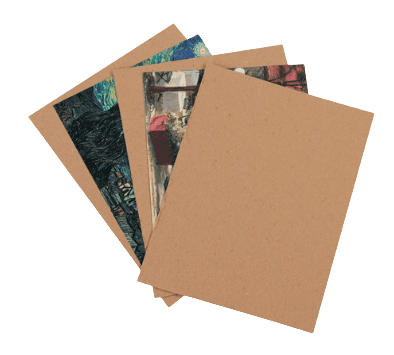
Pads
Apparel Boxes
Jewelry Boxes
Setup Cartons
Stationary Cartons
Edit Content
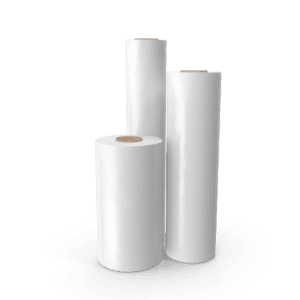
Cast Film
Blown Film
Conventional Film
Engineered Film
Pre-Stretched Film
Hand Film
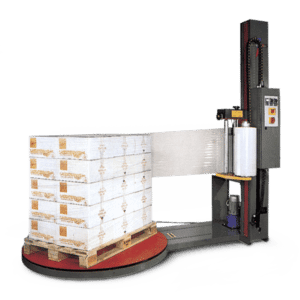
Machine Film
Edit Content
Light Duty
Medium Duty
Heavy Duty
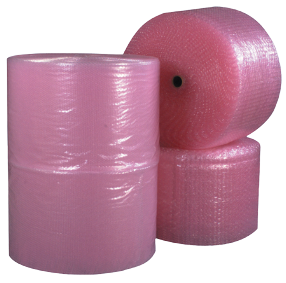
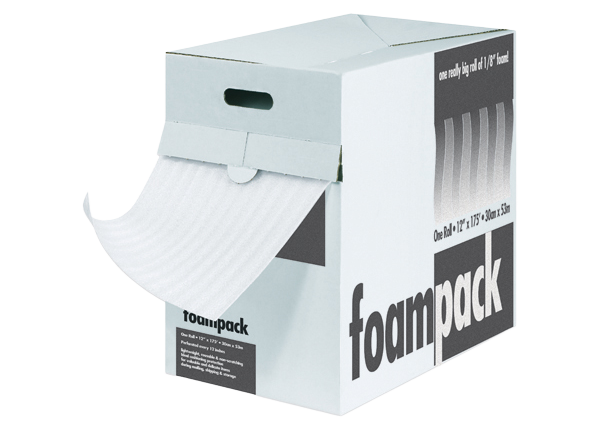
Foam
Strapping
Frame Protectors
Edit Content
Edit Content
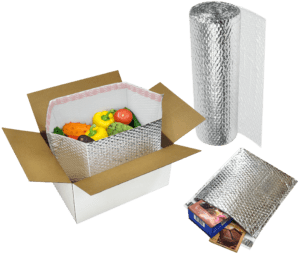
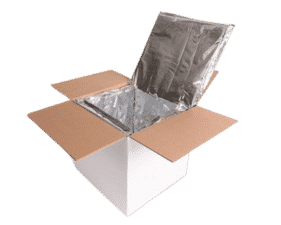
Box Liner
Metalized Pouch
Foam Cooler
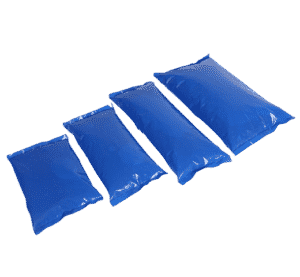
Ice Pack
Gel Pack
Edit Content
Edit Content
Edit Content
Folding Cartons
Pads
Apparel Boxes
Jewelry Boxes
Setup Cartons
Stationary Cartons
Edit Content
Cast Film
Blown Film
Conventional Film
Engineered Film
Pre-Stretched Film
Hand Film
Machine Film
Edit Content
Click on the Edit Content button to edit/add the content.
Edit Content
Edit Content
Box Liner
Metalized Pouch
Foam Cooler
Ice Pack
Gel Pack
Edit Content

If you need any assistance with your packaging or have a question, then contact us directly at request@brownpackaging.com  or  (714)300-0650. Learn more about custom packaging by reading our blog posts on new and trending topics.

regular slotted container (RSC) box
Corrugated
brownpackaging
Shipping RSC Boxes: Best Approaches for Success

In the world of logistics and e-commerce, shipping is a critical aspect of business operations. Among the various packaging options, the Regular Slotted Container (RSC) box stands out as a versatile choice for shipping a wide range of products. To ensure your shipping endeavors with RSC boxes are both effective and efficient, it’s crucial to follow best practices and strategies. In this article, we’ll explore the key approaches to successfully ship RSC boxes. Choose the Right RSC Box Size Selecting the appropriate box size is essential when using RSC boxes for shipping. Oversized boxes waste space and may lead to higher shipping costs, while undersized boxes risk damaging your products. Therefore, it’s vital to measure your items carefully and opt for an RSC box that provides a snug fit with minimal extra space. Quality Matters Invest in high-quality RSC boxes. Boxes made from sturdy corrugated cardboard with durable seams and proper adhesive are crucial for protecting your products during transit. Quality boxes ensure that your goods reach their destination in optimal condition, without suffering damage due to external forces such as crushing or impacts. Proper Packing Material In addition to selecting the right RSC box, choosing the appropriate packing materials is equally important. Use cushioning materials like bubble wrap, packing peanuts, corrugated or foam inserts to safeguard your products from shocks and vibrations during shipping. Ensure there’s an adequate buffer between the product and the inner walls of the box. Seal Boxes Securely Properly sealing your RSC boxes is vital to prevent any unintended openings during shipping. Use high-quality packing tape to securely seal both the top and bottom flaps of the box. Ensure that the seams are tightly sealed, with no gaps or openings that could compromise the integrity of the box. Labeling and Documentation Clearly label each RSC box with essential information, including the recipient’s address, your return address, and any special handling instructions. Employ high-quality labels that won’t smudge or peel during transit. Additionally, don’t forget to include any required shipping documentation, such as packing slips, invoices, or customs forms, especially when shipping internationally. Weight Distribution Evenly distribute the weight of your products within the RSC box. Avoid placing heavy items on top of delicate ones. Utilize dividers or partitions if necessary to prevent items from shifting during transit. This practice helps maintain the structural integrity of the box and ensures that the products remain secure. Consider Environmental Impact Incorporate eco-friendly practices into your shipping process. Opt for recyclable and biodegradable packing materials whenever possible. Additionally, choose RSC boxes made from sustainable or recycled materials to reduce your environmental footprint. Shipping Carrier Selection Select a reputable shipping carrier that aligns with your business needs. Factors to consider include shipping speed, cost, reliability, and coverage. Negotiating shipping rates and exploring bulk shipping options can help reduce shipping costs. Track Shipments Utilize tracking services provided by shipping carriers. This enables you to monitor the progress of your shipments, provide customers with accurate delivery estimates, and promptly address any issues that may arise during transit. If you are interested in RSC Boxes, custom or stock, then partner with Brown Packaging today to get started. (714)300-0650 request@brownpackaging.com Most Recent Posts: Categories: Corrugated Ecommerce ESD Design Display Flexible Packaging Foam Folding Carton Packaging Plastic Packaging Pouch Printing Protection Retail Rigid Box Thermoform Sustainability Subscribe To Our Newsletter By submitting your information, you agree to our terms and conditions and privacy policy. Custom RSC Boxes Facebook Twitter LinkedIn Pinterest Relevant Posts

Read More »
Factors Influencing the Cost of Custom Corrugated Boxes
Corrugated
brownpackaging
Factors Influencing the Cost of Custom Corrugated Boxes

Custom corrugated boxes are a staple in the packaging industry, serving as a reliable means to protect and present various products. The cost of these boxes can vary significantly based on several factors. Understanding what influences the cost of custom corrugated boxes is crucial for businesses looking to strike a balance between quality and budget. Box Size and Dimensions The size and dimensions of custom corrugated boxes are perhaps the most fundamental factors affecting their cost. Larger boxes generally require more raw material (corrugated cardboard) and manufacturing time, resulting in higher costs. Conversely, smaller boxes are typically more affordable. Box Style and Complexity The style and complexity of the box design can greatly influence its cost. Custom boxes come in various styles, including regular slotted containers (RSC), tuck-top boxes, mailer boxes, and more. Intricate box designs with multiple flaps, unique openings, or custom die-cut shapes require specialized manufacturing processes and are usually more expensive than standard box styles. Material Quality The type and quality of corrugated material used play a significant role in determining box cost. Corrugated cardboard comes in different grades, with single-wall, double-wall, and triple-wall being common options. Higher-quality, thicker material provides better structural integrity and protection but comes at a higher cost compared to thinner alternatives. Printing and Customization Customization options such as printing, branding, and special finishes can add to the cost of corrugated boxes. Full-color printing, embossing, foil stamping, and matte or gloss finishes all require additional processes and materials, making the boxes more expensive. However, these customization features can enhance the visual appeal and branding of the product. Quantity and Order Volume The quantity of custom corrugated boxes ordered has a direct impact on the cost per unit. Generally, ordering in larger quantities can lower the per-box cost due to economies of scale. Smaller orders, on the other hand, may incur higher unit costs as they are less efficient to produce. Lead Time and Rush Orders The lead time or turnaround time for custom box production can also influence costs. Rush orders often come with premium pricing because they require expedited production, potentially causing disruptions to the manufacturer’s regular schedule. Planning well in advance and avoiding rush orders can help keep costs down. Special Features and Add-Ons If you require special features or add-ons like handles, windows, or inserts within the corrugated boxes, be prepared for additional expenses. These features require extra materials, labor, and manufacturing time, contributing to higher costs. Shipping and Handling Requirements Consider the logistics and shipping requirements when calculating the overall cost of custom corrugated boxes. If your products need extra protection during transit, you might require additional inserts, padding, or even double-boxing, all of which can increase the total cost. Environmental Considerations As environmental awareness grows, more businesses are opting for eco-friendly packaging solutions. While sustainable materials and designs can contribute to higher upfront costs, they may attract eco-conscious consumers and reduce long-term environmental impact. If you are looking for cost effective stock or custom corrugated boxes, then partner with Brown Packaging today to get started. (714)300-0650 request@brownpackaging.com Most Recent Posts: Categories: Corrugated Ecommerce ESD Design Display Flexible Packaging Foam Folding Carton Packaging Plastic Packaging Pouch Printing Protection Retail Rigid Box Thermoform Sustainability Subscribe To Our Newsletter By submitting your information, you agree to our terms and conditions and privacy policy. Stock Corrugated Facebook Twitter LinkedIn Pinterest Relevant Posts

Read More »
Understanding and Preventing Breakage in Packaging
Protection
brownpackaging
Understanding and Preventing Breakage in Packaging

In the world of packaging and shipping, one of the most critical concerns is breakage – the damage that occurs to products during transit. This not only results in financial losses but can also tarnish a brand’s reputation. This blog post explores what breakage is in the context of packaging, its implications, and effective strategies to prevent it. What is Breakage in Packaging? Breakage refers to the damage that products sustain while being stored, handled, or transported. It can range from minor cosmetic damage to complete functional failure. Breakage is a significant issue in industries where products are fragile, such as electronics, glassware, or ceramics. Implications of Breakage The consequences of breakage are multifaceted: Financial Losses: The direct costs include the loss of the damaged goods and the additional shipping costs for replacements. Customer Dissatisfaction: Receiving damaged goods leads to customer dissatisfaction, impacting brand loyalty and repeat business. Reputation Damage: Frequent breakage issues can harm a company’s reputation, affecting long-term business prospects. Causes of Breakage Understanding the causes is key to prevention: Inadequate Packaging Materials: Using materials that don’t provide enough cushioning or support can lead to breakage. Poor Packaging Design: Design that doesn’t account for the product’s shape, size, or fragility can increase the risk of damage. Rough Handling: Mishandling during loading, unloading, and transit can cause breakage, especially if the packaging isn’t designed to withstand such conditions. Environmental Factors: Extreme temperatures, humidity, or pressure changes can also lead to product damage. Preventing Breakage: Best Practices Choose the Right Packaging Materials: Utilize high-quality, durable materials that provide adequate cushioning and support. Consider materials like bubble wrap, foam inserts, or corrugated padding for added protection. Design Packaging with the Product in Mind: Custom-fit packaging can significantly reduce the risk of movement and impact. Ensure the packaging design considers the product’s weight, shape, and fragility. Test Your Packaging: Conduct drop tests and other simulations to assess the durability of your packaging under various conditions. Use the results to make necessary adjustments to your packaging design and materials. Label Packages Appropriately: Clearly label packages as ‘Fragile’ or ‘Handle with Care’ to encourage careful handling. Use directional labels if the product needs to be kept in a specific orientation. Educate and Train Staff: Provide training for staff in proper packaging techniques. Emphasize the importance of careful handling at all stages of the distribution process. Monitor and Adapt: Regularly review and analyze any instances of breakage to identify patterns or common issues. Be prepared to adapt your packaging strategies based on feedback and new challenges. Work with Reliable Shipping Partners: Partner with reputable carriers known for handling goods carefully. Consider insurance options for high-value items to mitigate financial risks.   If you are interested in packaging with optimal protection from breakage, then partner with Brown Packaging today to get started. (714)300-0650 request@brownpackaging.com Most Recent Posts: Categories: Corrugated Ecommerce ESD Design Display Flexible Packaging Foam Folding Carton Packaging Plastic Packaging Pouch Printing Protection Retail Rigid Box Thermoform Sustainability Subscribe To Our Newsletter By submitting your information, you agree to our terms and conditions and privacy policy. Custom Packaging Facebook Twitter LinkedIn Pinterest Relevant Posts

Read More »