








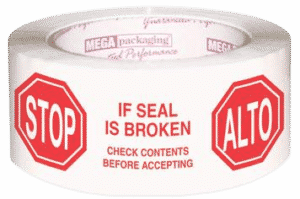
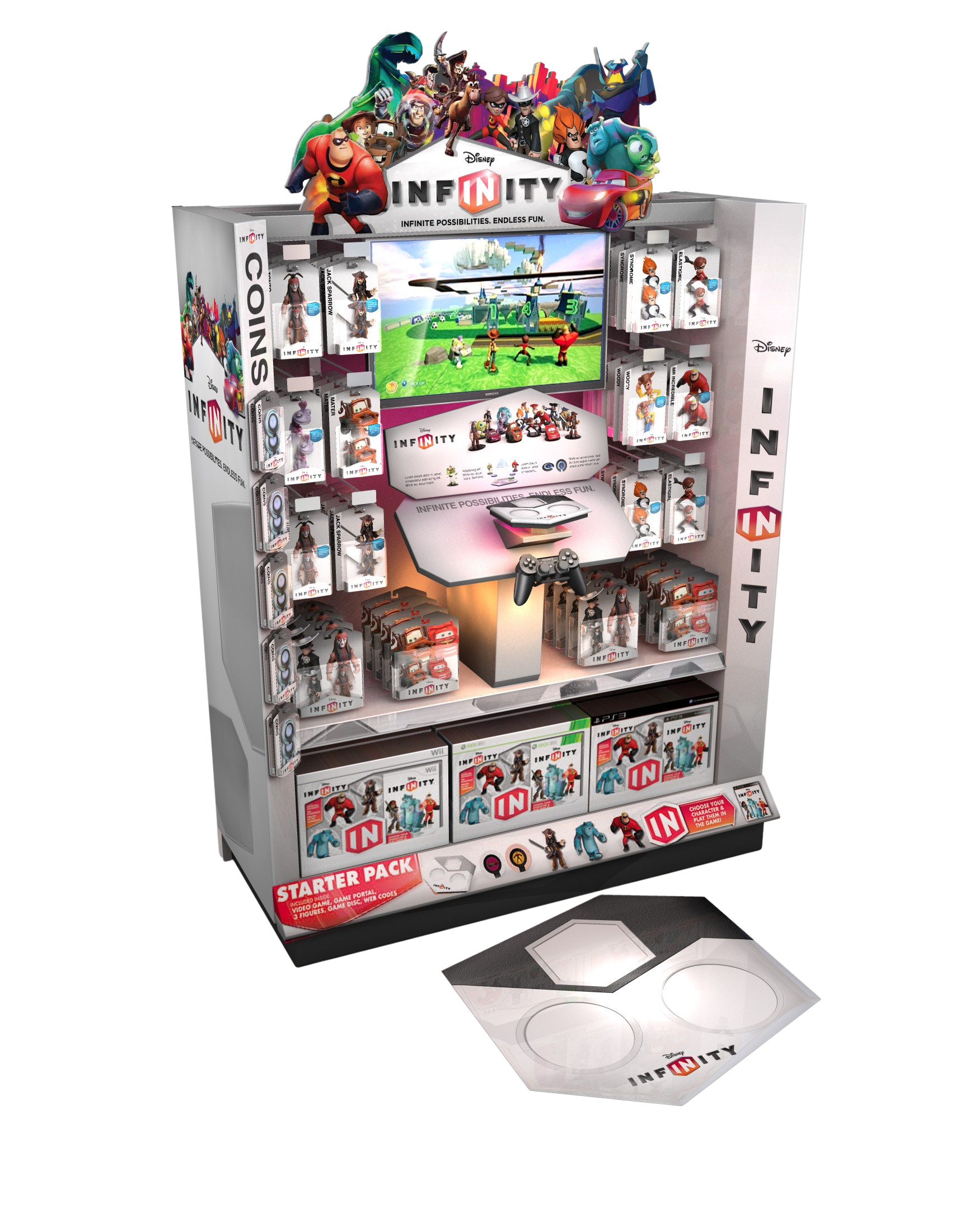
Stock Packaging
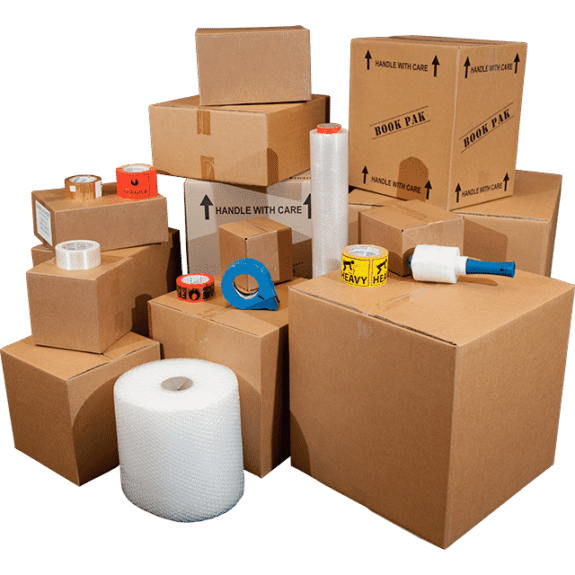
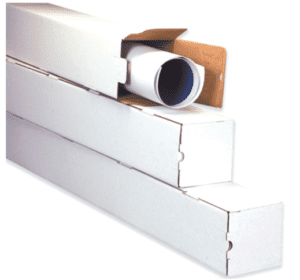
We supply businesses with a wide selection of essential packaging, shipping, and warehouse supplies. Get any standard packaging product by dimension or style from boxes, tubes, tapes, labels, and more. If you are unsure on what type of packaging you will need, then contact us for an expert consultation.


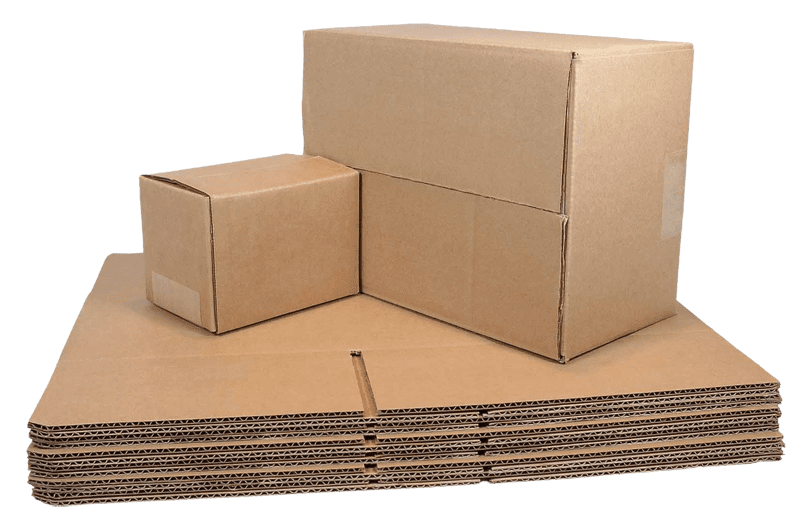
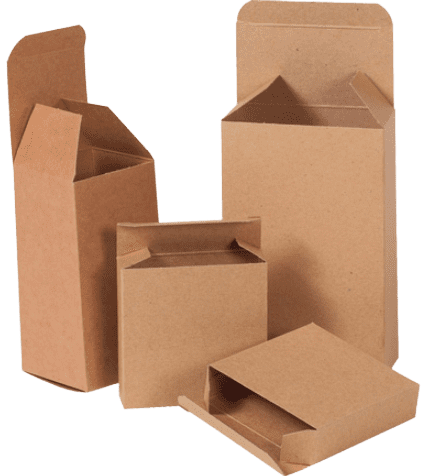
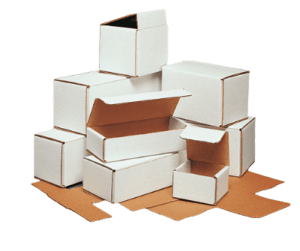
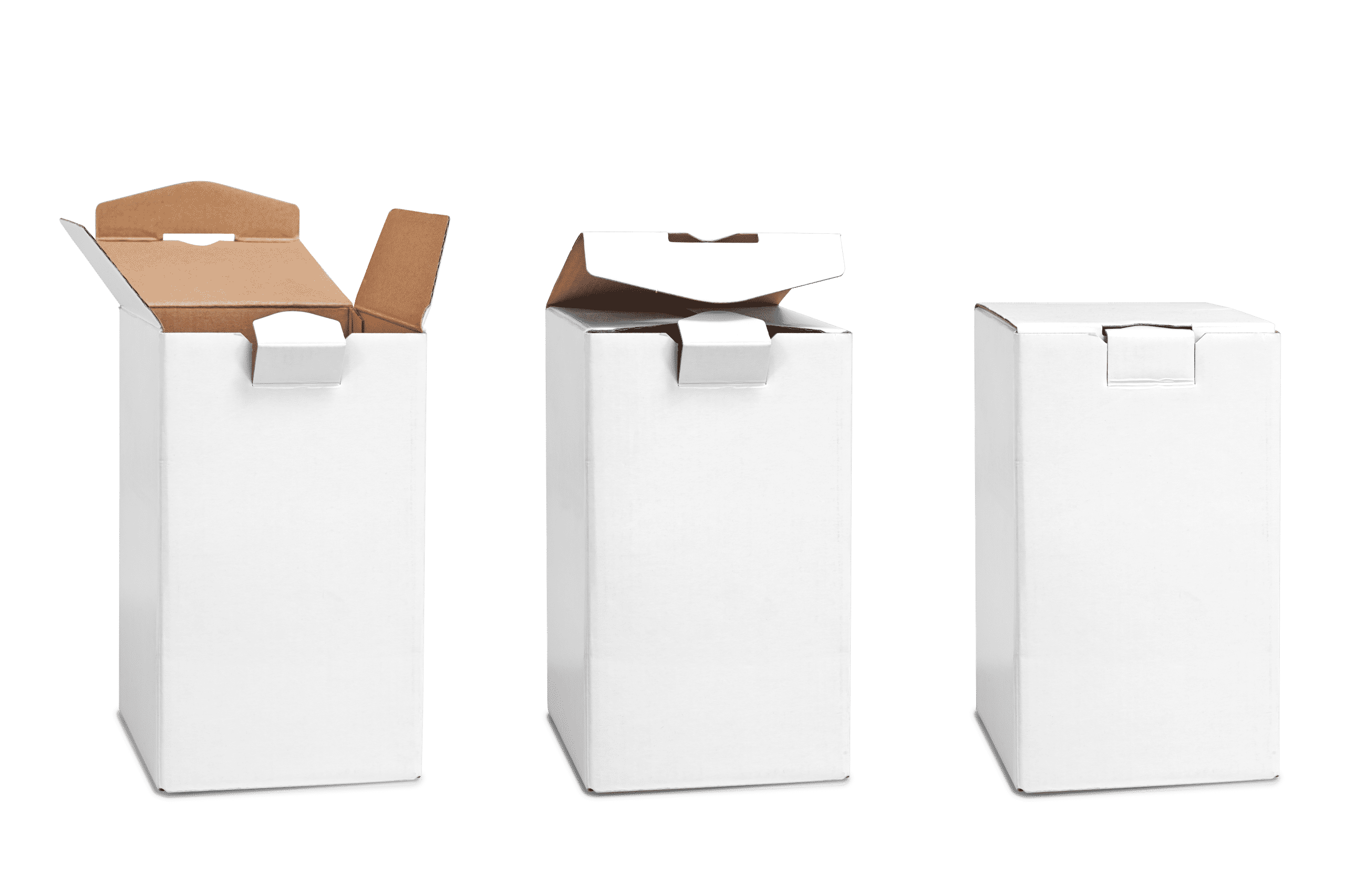
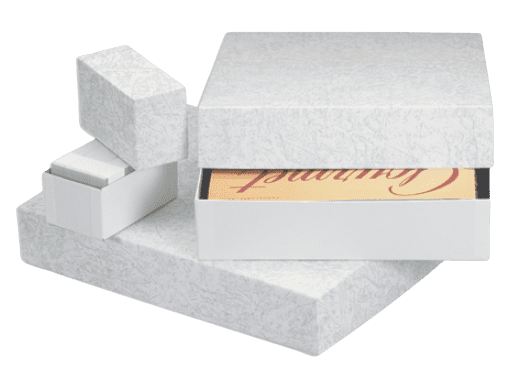
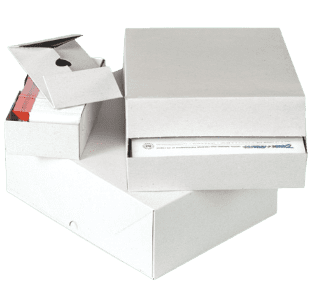
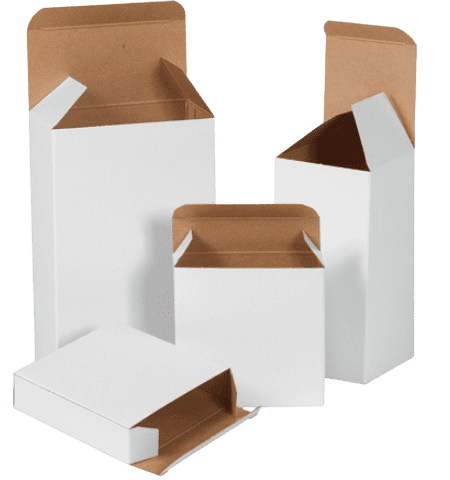
Stock packaging refers to pre-made, ready-to-ship packaging solutions like corrugated boxes, mailers, and protective materials that are designed to meet a wide range of standard needs across shipping, retail, and storage. Unlike custom packaging, stock options offer quick availability and reliable protection without the need for extensive design or production time, making them ideal for businesses needing efficient, high-quality solutions with fast lead times.
At Brown Packaging, we focus on providing durable, performance-driven stock packaging that supports our clients’ operational needs. Our stock products are sourced to ensure consistent quality and cost-effectiveness, offering a practical solution to keep operations running smoothly and on schedule. With an emphasis on reliability, we help our clients quickly access packaging solutions that meet their specific needs while maintaining quality across every order.
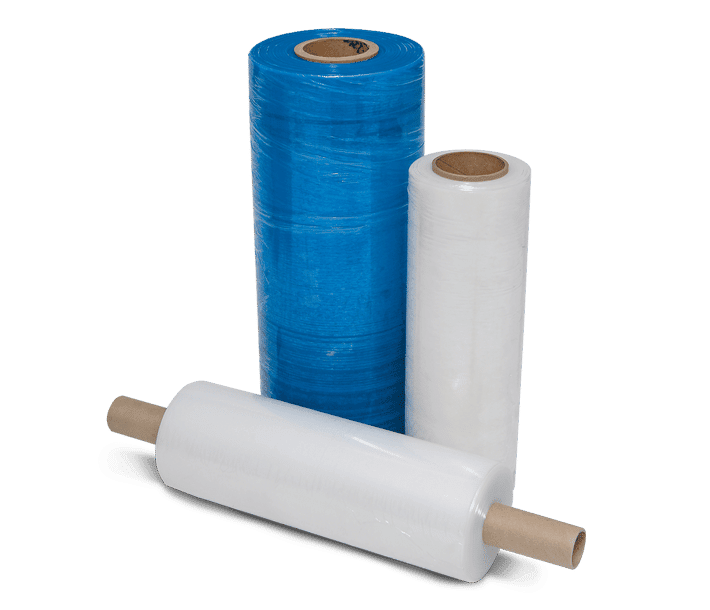
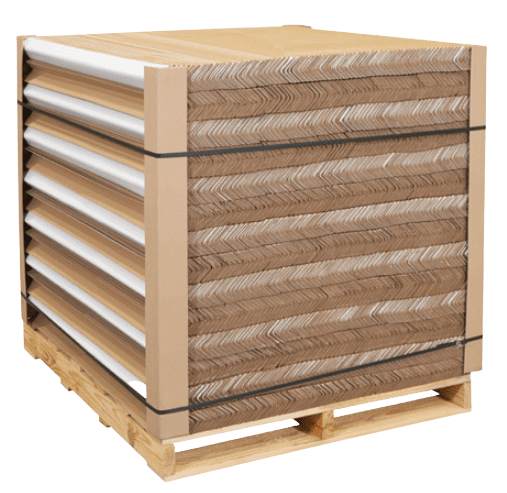
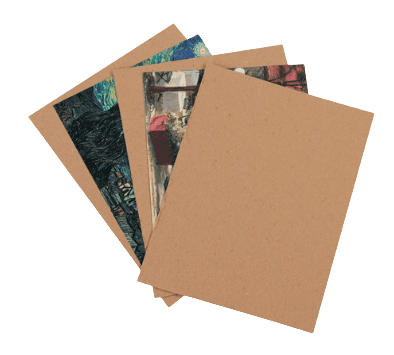
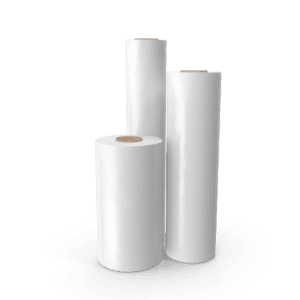
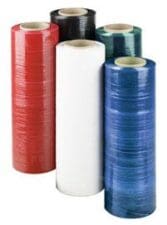
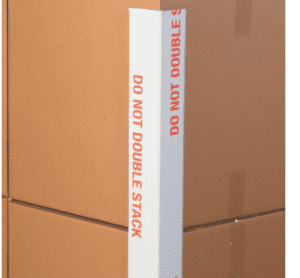
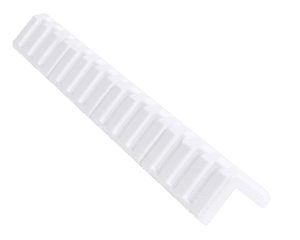
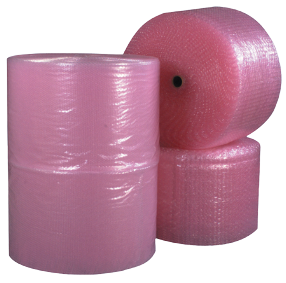
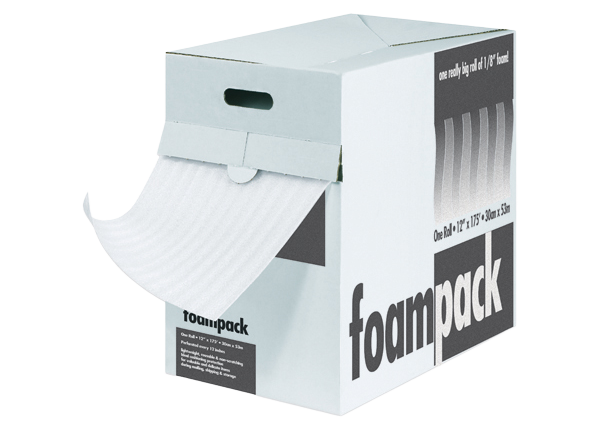
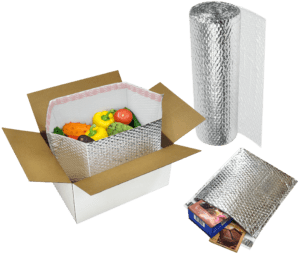
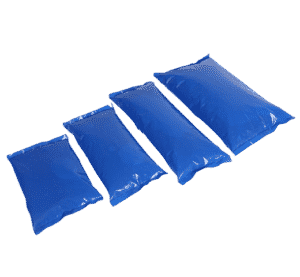
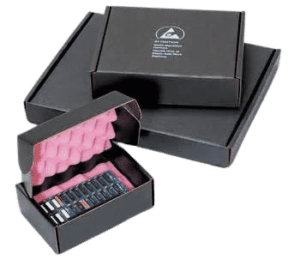
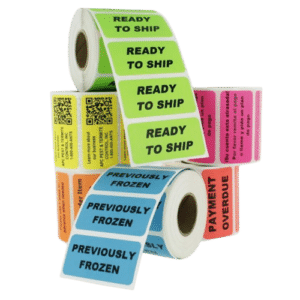
Our stock packaging products, from corrugated boxes to stretch film, offer a wide selection, including essentials like tape, edge protectors, labels, and more, with quick turnaround times to meet your packaging needs efficiently.


If you need any assistance with your packaging or have a question, then contact us directly at request@brownpackaging.com or (714)300-0650. Learn more about custom packaging by reading our blog posts on new and trending topics.

For buyers across industries, determining the right packaging is a crucial aspect of product management. It’s essential to balance functionality, cost, aesthetic appeal, and sustainability. This guide provides an in-depth look at how buyers can effectively assess their packaging needs. Understanding the Product Requirements Proper packaging starts with a clear understanding of the product. Product Analysis: Evaluate the size, weight, fragility, and any special handling needs of the product. Consider environmental factors that may affect the product, like temperature or humidity. Target Market and Consumer Preferences: Understand the expectations of your target market. Keep abreast of trends, especially increasing preferences for sustainable packaging. Evaluating Packaging Materials The choice of materials can make or break your packaging strategy. Material Options: Compare materials like cardboard, plastic, glass, or metal. Consider factors like durability, cost, and environmental impact. Specialized materials might be necessary for certain products. Sustainability Considerations: Opt for environmentally friendly materials where possible and consider the full lifecycle of the packaging materials. Design and Branding Packaging is a critical aspect of your brand identity and marketing. Design Aesthetics: Ensure the packaging design is aligned with your brand and appeals to your target audience. The color scheme, typography, and imagery should reflect your brand’s values. Functionality and User Experience: Packaging should be user-friendly and offer a positive unboxing experience. Cost Analysis Understanding and managing the cost of packaging is crucial. Budgeting: Balance the cost of packaging with the need for quality and functionality. Consider long-term savings from durable or waste-reducing materials. Volume and Scalability: Assess how the quantity of packaging needed may change with your business’s growth. Logistics and Supply Chain Management Consider how packaging will impact the logistics of your product. Storage and Transportation: Evaluate the impact of packaging on storage and transportation costs. Supplier Selection: Choose suppliers based on quality, reliability, sustainability, and innovation. Regulatory Compliance and Standards Ensure your packaging meets all industry regulations and standards. Legal Requirements: Stay updated on laws and regulations, particularly for specific industries like food and pharmaceuticals. Feedback and Continuous Improvement Regularly assess your packaging and make improvements based on feedback. Collect Feedback: Use customer and stakeholder feedback to refine your packaging strategy. If you are interested in accessing your packaging needs and require packaging, then partner with Brown Packaging today to get started. (714)300-0650 request@brownpackaging.com Most Recent Posts: Categories: Corrugated Ecommerce ESD Design Display Flexible Packaging Foam Folding Carton Packaging Plastic Packaging Pouch Printing Protection Retail Rigid Box Thermoform Sustainability Subscribe To Our Newsletter By submitting your information, you agree to our terms and conditions and privacy policy. Custom Packaging Facebook Twitter LinkedIn Pinterest Relevant Posts

In the diverse world of retail and e-commerce, managing multiple Stock Keeping Units (SKUs) can be a daunting task, especially when it comes to packaging. Multi-SKU packaging requires a strategic approach to ensure efficiency, cost-effectiveness, and brand consistency across various products. This detailed guide is designed to help buyers navigate the complexities of multi-SKU packaging and make informed decisions. Understanding Multi-SKU Packaging Multi-SKU packaging involves creating packaging solutions for a range of products, each with its own unique SKU. It requires a careful balance between standardized packaging processes and the need to cater to the specific requirements of each individual product. Challenges in Multi-SKU Packaging Managing a diverse range of packaging designs and materials. Ensuring brand consistency across different products and packaging styles. Balancing cost-efficiency with the need for customization. 10 Strategies for Effective Multi-SKU Packaging Standardization Where Possible Modular Design Approach Efficient Inventory Management Focus on Scalability Cost-Effective Customization Sustainability Considerations Supplier Selection and Relationships Quality Control Consumer and Market Research Legal and Compliance Aspects Standardization Where Possible: Identify elements of packaging that can be standardized across SKUs, such as material types, box styles, or branding elements. Standardization can lead to bulk purchasing benefits and reduce complexity in the packaging process. Modular Design Approach: Adopt a modular design approach where a basic packaging format can be slightly altered or expanded to accommodate different products. This approach helps in maintaining a degree of uniformity while allowing for the necessary customization. Efficient Inventory Management: Implement an efficient inventory management system to keep track of different packaging materials for various SKUs. Utilize software and technology tools for inventory forecasting to avoid overstocking or stockouts. Focus on Scalability: Choose packaging solutions that can easily be scaled up or down based on demand fluctuations for different SKUs. Scalability is crucial to adapt to market changes without incurring significant costs. Cost-Effective Customization: For products requiring unique packaging, explore cost-effective customization options such as custom labels or inserts instead of entirely custom boxes. Digital printing can offer a cost-effective way to customize packaging for different SKUs. Sustainability Considerations: Incorporate sustainable packaging practices, which can be a selling point across all SKUs. Consider materials that are recyclable, biodegradable, or made from renewable resources. Supplier Selection and Relationships: Partner with packaging suppliers who can handle the diversity of multi-SKU packaging efficiently. Establish strong relationships with suppliers for better negotiation power and service reliability. Quality Control: Implement stringent quality control measures to ensure packaging consistency and integrity across all SKUs. Regularly review and update quality standards as per product and market needs. Consumer and Market Research: Conduct thorough consumer and market research to understand packaging preferences across different product categories. Stay updated on packaging trends and innovations that could be applied to multi-SKU packaging. Legal and Compliance Aspects: Ensure that packaging for all SKUs complies with relevant industry regulations and standards. Pay attention to labeling requirements, especially for products with specific legal guidelines such as food or pharmaceuticals. If you are looking for multi-SKU packaging, then partner with Brown Packaging today to get started. (714)300-0650 request@brownpackaging.com Most Recent Posts: Categories: Corrugated Ecommerce ESD Design Display Flexible Packaging Foam Folding Carton Packaging Plastic Packaging Pouch Printing Protection Retail Rigid Box Thermoform Sustainability Subscribe To Our Newsletter By submitting your information, you agree to our terms and conditions and privacy policy. Custom Packaging Facebook Twitter LinkedIn Pinterest Relevant Posts

In the complex journey of consumer decision-making, packaging plays a more significant role than many businesses might realize. It’s not merely a container for your product; it’s a crucial communication tool that can influence customer decisions at various stages. This blog post delves into the consumer decision-making process and examines how product packaging can sway these decisions, ultimately impacting sales and brand loyalty. Understanding the Consumer Decision-Making Process The consumer decision-making process typically involves several stages: recognizing a need, searching for information, evaluating alternatives, making the purchase decision, and post-purchase behavior. At each of these stages, packaging can have a profound impact. Need Recognition Attracting Attention: Eye-catching packaging design can stimulate the recognition of a need or desire. Unique shapes, colors, or designs can draw consumers’ attention in a crowded retail environment, prompting them to consider a purchase they hadn’t previously planned. Information Search Providing Key Information: Packaging serves as a primary source of information for consumers. Clear, concise, and visible information about the product, such as its uses, benefits, and any unique selling points, can facilitate the consumer’s information search process. Evaluation of Alternatives Differentiating from Competitors: In this stage, consumers compare your product with others. Packaging that stands out in terms of design, functionality, or sustainability can give your product a competitive edge. Conveying Quality: High-quality packaging can create a perception of a high-quality product, influencing the consumer’s evaluation favorably. Purchase Decision Emotional Influence: Packaging can evoke emotions and feelings that sway the purchase decision. For instance, packaging that resonates with a consumer’s values (like eco-friendliness) can be the deciding factor in choosing one product over another. Ease and Convenience: Functional aspects of packaging, such as ease of use, resealability, or portability, can also play a critical role in the final purchase decision. Post-Purchase Behavior Ensuring Satisfaction: The role of packaging doesn’t end at the point of purchase. How the packaging performs in terms of protecting the product, ease of storage, and disposal can affect the customer’s overall satisfaction. Influencing Repurchase and Loyalty: Positive experiences with a product’s packaging can lead to repeat purchases and brand loyalty. Conversely, packaging that is difficult to open, store, or dispose of can deter future purchases. Packaging as a Tool for Building Brand Identity Reflecting Brand Values: Packaging that aligns with your brand’s identity and values can strengthen your brand image in the consumer’s mind. Creating Brand Recognition: Consistent packaging design across different products can aid in brand recognition, making it easier for consumers to identify your products in the future. If you are interested in packaging solutions tailored to attract and acquire your customers, then partner with Brown Packaging today to get started. (714)300-0650 request@brownpackaging.com Most Recent Posts: Categories: Corrugated Ecommerce ESD Design Display Flexible Packaging Foam Folding Carton Packaging Plastic Packaging Pouch Printing Protection Retail Rigid Box Thermoform Sustainability Subscribe To Our Newsletter By submitting your information, you agree to our terms and conditions and privacy policy. Custom Packaging Facebook Twitter LinkedIn Pinterest Relevant Posts