









window.uetq = window.uetq || []; window.uetq.push(‘event’, ‘submit_lead_form’,{ event_label:‘SUBMIT MESSAGE’ }); window.lintrk('track', { conversion_id: 10271009 }); window.lintrk('track', { conversion_id: 10271017 });

Brown Packaging

With over 30 years of experience, Brown Packaging has been a trusted partner for businesses of all sizes, providing custom and stock packaging solutions tailored to their needs. Our in-house services ensure personalized support, guiding you from concept to completion for a seamless experience. Whether you need innovative designs or sustainable options, we work with you every step of the way to deliver exceptional packaging results.

Custom Packaging Products Brown Packaging

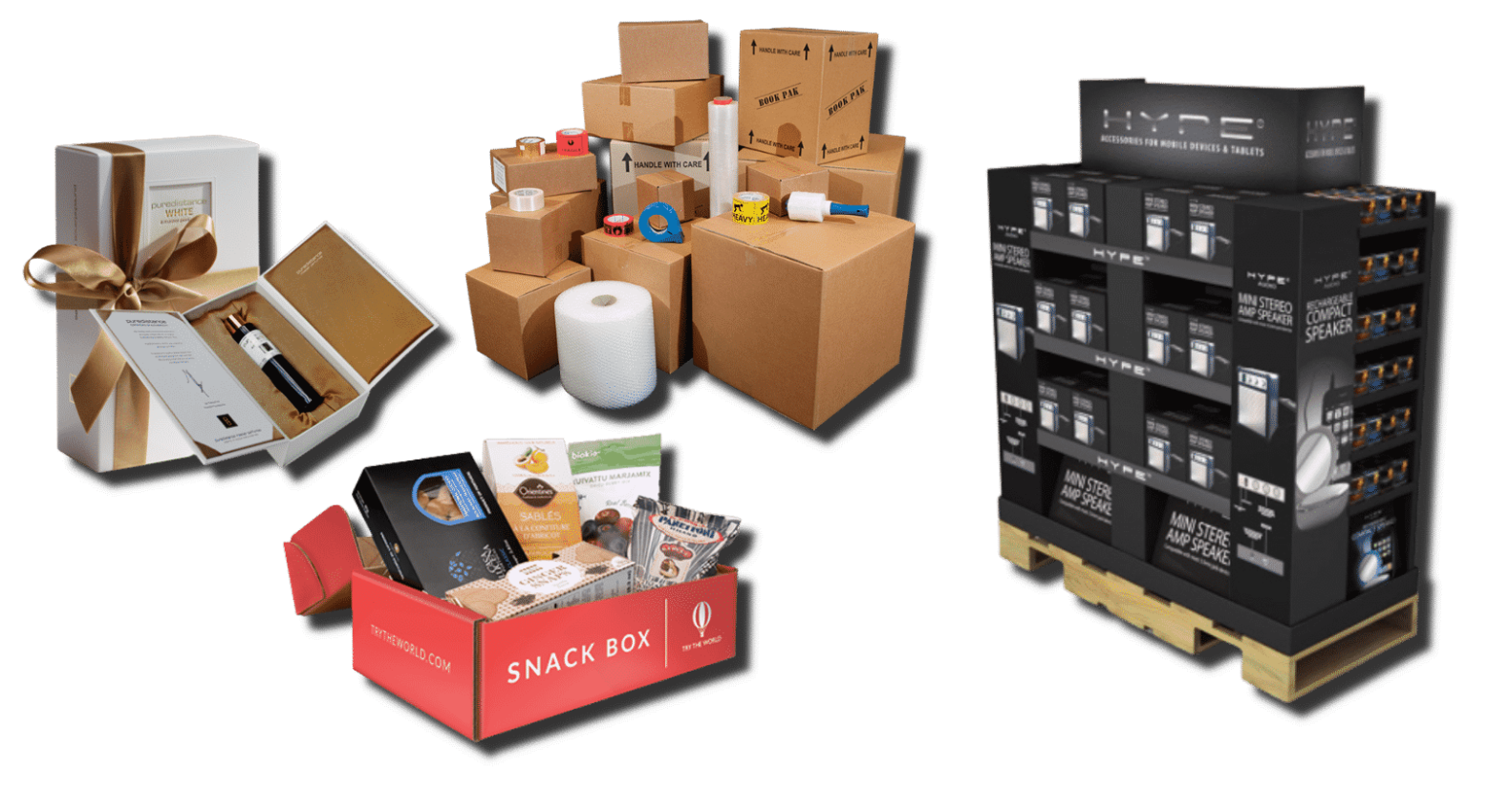
We offer a variety of custom packaging products and solutions to meet all your packaging needs in one place. You’ll work directly with a dedicated project specialist to customize your package according to your specifications, including branding, features, and design.

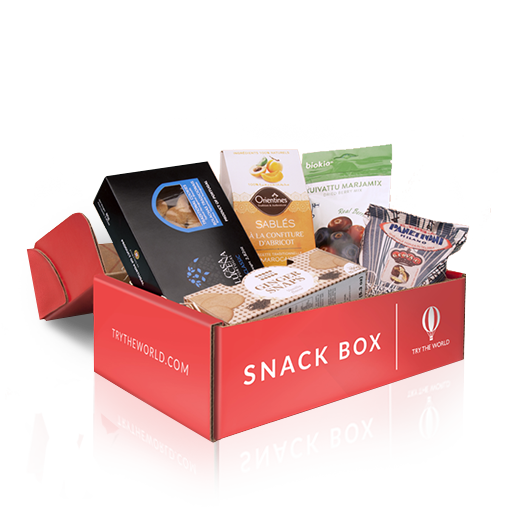
Custom Corrugated Box

Corrugated Boxes

Corrugated boxes are durable, recyclable, strong, and widely used in packaging applications.
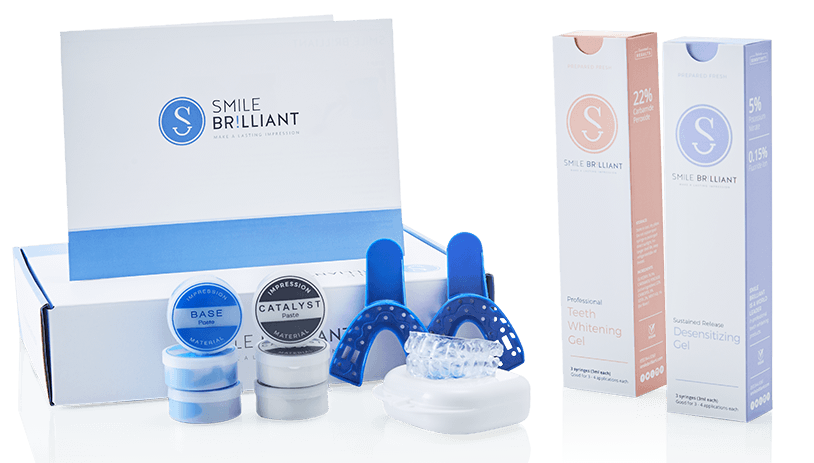
custom folding cartons

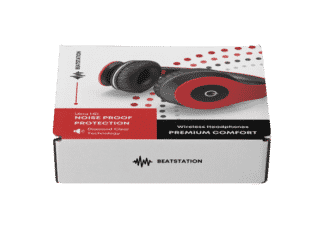
Folding Cartons

Thin and flexible paperboard or chipboard cartons used in packaging lightweight products.

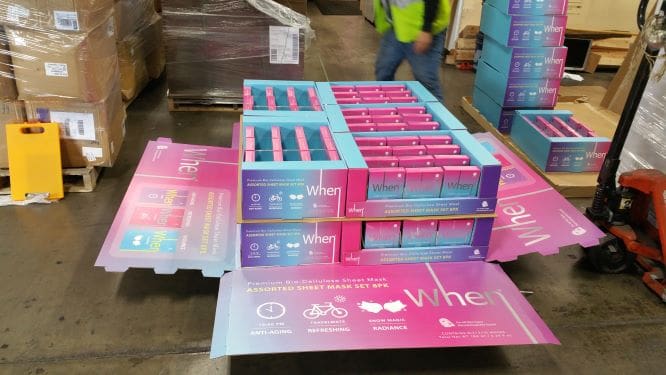
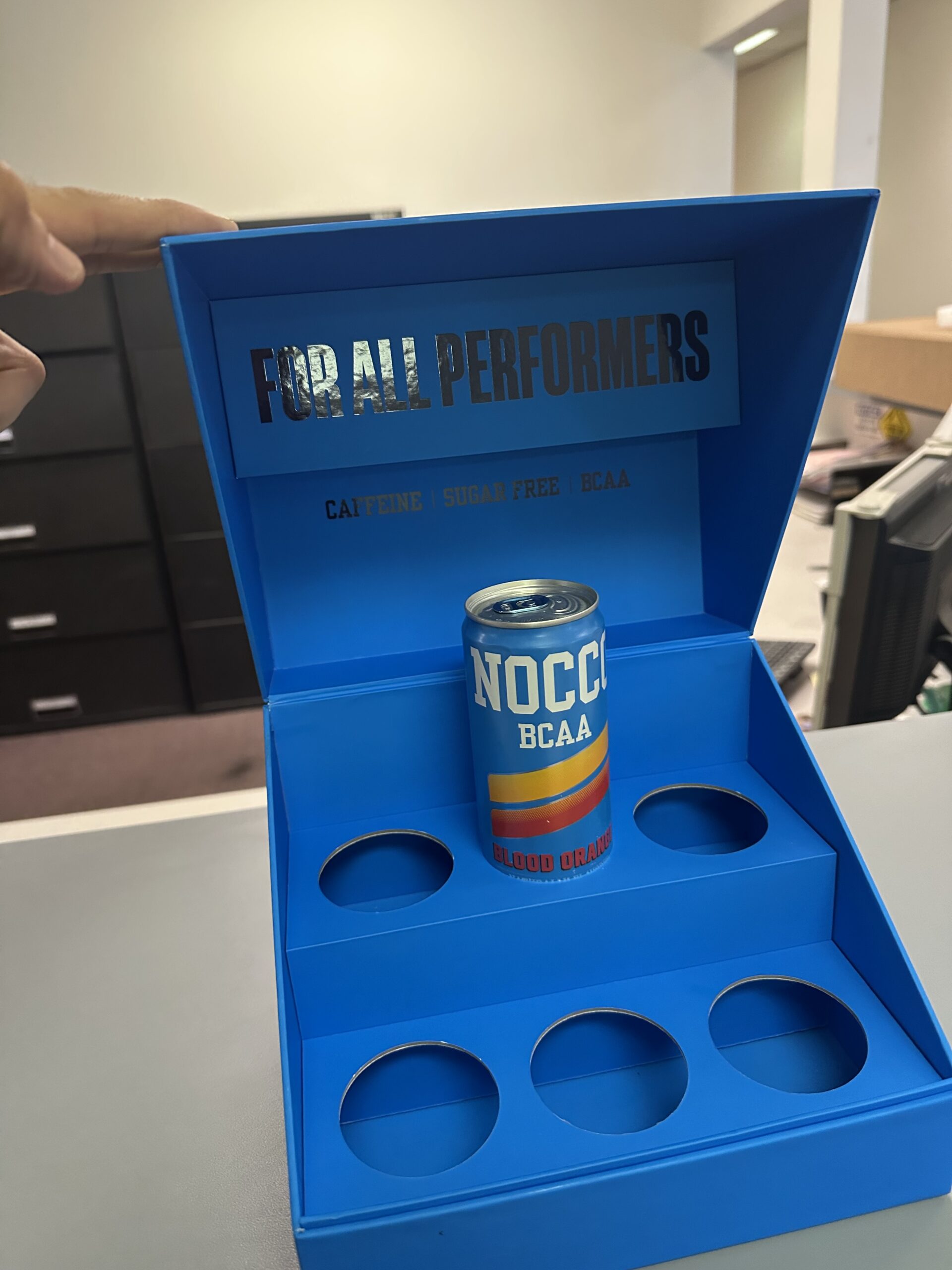
POP Displays

Showcase your products on the retail floor, counter-top, or shelf with point of purchase (POP) Displays.
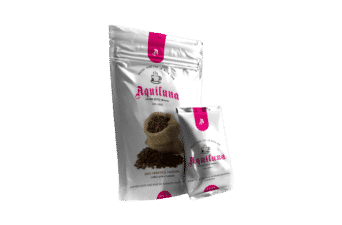
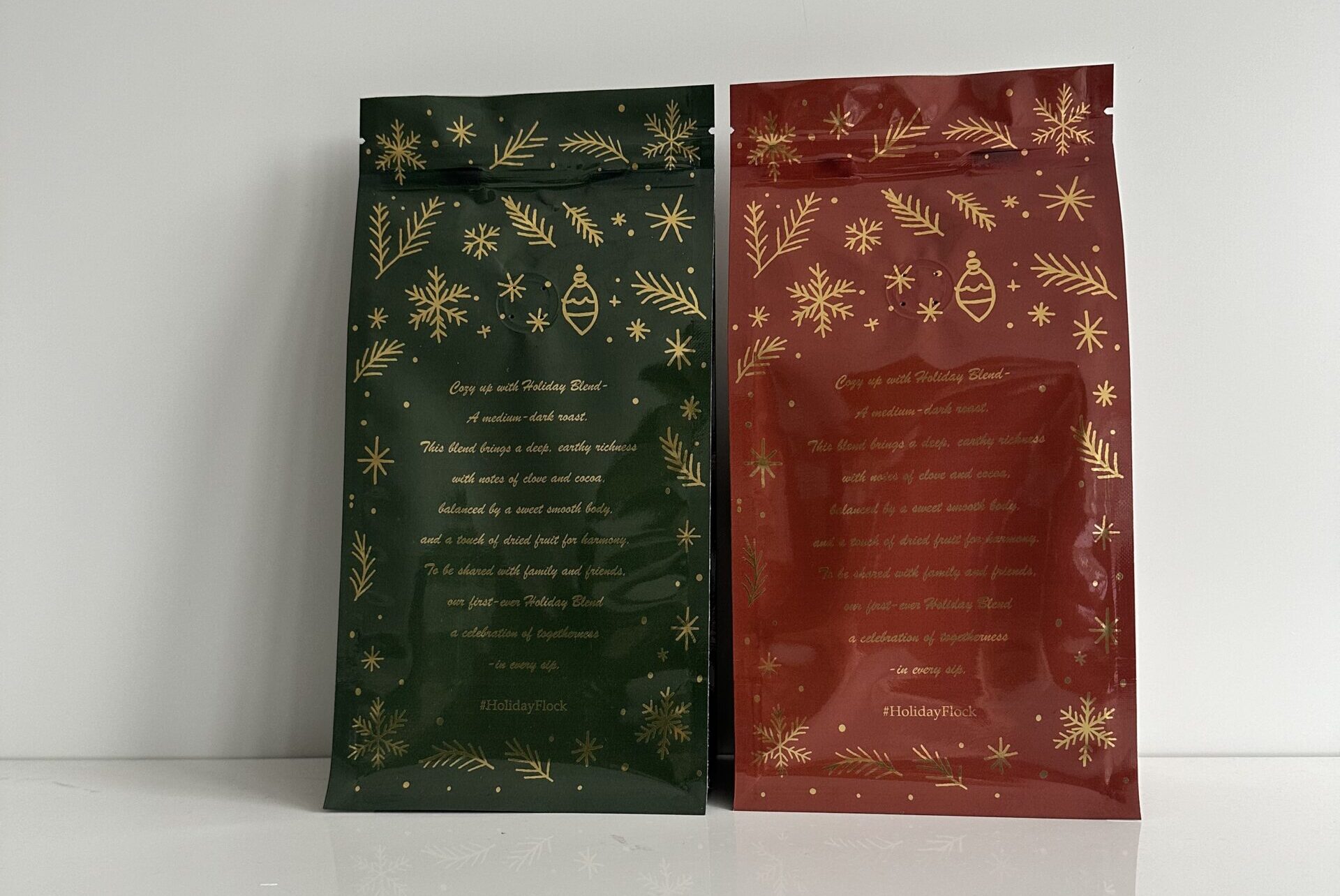
Custom Food-Pouch and Sample Packaging-

Pouches

Multilayered film and plastic used to store and display lightweight products.

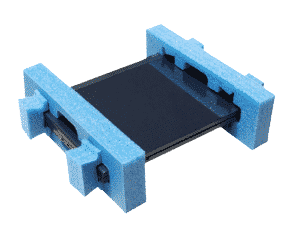
Foam

Protect your product with custom cut foam inserts and edge protectors.

Additional Packaging

Blister packs, clamshells, roll stock, thermoform, mailers and more.

Our stock packaging products, from corrugated boxes to stretch film, offer a wide selection, including essentials like tape, edge protectors, labels, and more, with quick turnaround times to meet your packaging needs efficiently.

We help businesses bring their products to retail with compliant solutions.

Optimize your packaging’s durability, security, branding, cost, unboxing experience and more.

We build durable and efficient packaging for simple to the most complex products.

Sterilization, clean room and medical compliant packaging products and solutions.

Federal and Drug Administration (FDA) compliant packaging and solutions.

We serve a wide variety of businesses including: pet, toy, cosmetic, electronic and more.

At Brown Packaging, we help our clients create unique packages that reflect their brand and produce results. As a result, we look to add as much value to your packaging experience and product as possible with our services.

Edit Content
structural design concepts

Optimize Your Packaging with Structural Design Services

Our structural design services optimize your packaging by enhancing durability and reducing material use, which leads to cost savings and increased sustainability. By focusing on efficient design, we help improve product protection, reduce shipping costs, and minimize environmental impact. These tailored solutions also boost your brand’s shelf presence, making your packaging both functional and attractive.

Edit Content
Packaging Graphic Design Services

Elevate Your Packaging with Graphic Design Services

Our graphic design services enhance your packaging by creating visually appealing designs that strengthen branding and attract customer attention. By focusing on cohesive brand identity and impactful visuals, we ensure your products stand out on the shelf and resonate with your target audience. Thoughtfully designed packaging not only improves shelf appeal but also reinforces brand recognition and loyalty. Let us help you make a lasting impression with packaging that truly represents your brand.

Edit Content
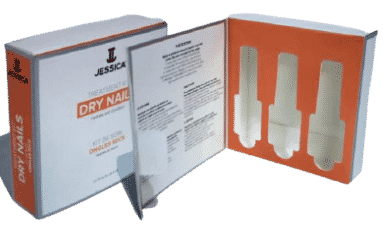
Dental Packaging Folding Carton

Perfect Your Packaging with Sampling and Prototyping Services

Our sampling and prototyping services provide both digital and physical packaging samples, allowing you to see and feel your design before full production. We offer high-quality digital prints for precise visualization and physical samples to ensure the packaging meets your expectations in terms of design, fit, and function. This process helps you make informed decisions and refine your packaging to perfection before committing to large-scale production. Whether you need to test a concept or showcase a final design, our sampling and prototyping services ensure your packaging is ready for market.

Edit Content
Packout and Fulfillment

Streamline Your Packaging with Fulfillment and Contract Services

Our fulfillment and contract packaging services offer comprehensive solutions, including assembly, kitting, pack-out displays, and co-packing. We handle every step of the process, ensuring your products are expertly assembled, packaged, and ready for distribution. Whether you need custom kitting, retail-ready displays, or efficient co-packing, our services are designed to streamline your operations and get your products to market quickly and efficiently. Trust us to manage the details, so you can focus on growing your business.

Edit Content
Packaging and Material Drop Test Services

Ensure Quality with Product and Material Testing Services

Our product and material testing services ensure your packaging meets the highest standards of quality and durability. We rigorously test packaging materials to confirm they can withstand the demands of shipping, handling, and storage, protecting your products from damage. In addition, we assist in obtaining key certifications, such as ISTA and others, to ensure compliance with industry standards. By evaluating both the product and its packaging, we help you identify potential issues before they reach the market, ensuring reliability and customer satisfaction.

Edit Content
structural design concepts

Optimize Your Packaging with Structural Design Services

Our structural design services optimize your packaging by enhancing durability and reducing material use, which leads to cost savings and increased sustainability. By focusing on efficient design, we help improve product protection, reduce shipping costs, and minimize environmental impact. These tailored solutions also boost your brand’s shelf presence, making your packaging both functional and attractive.

Edit Content
Packaging Graphic Design Services

Elevate Your Packaging with Graphic Design Services

Our graphic design services enhance your packaging by creating visually appealing designs that strengthen branding and attract customer attention. By focusing on cohesive brand identity and impactful visuals, we ensure your products stand out on the shelf and resonate with your target audience. Thoughtfully designed packaging not only improves shelf appeal but also reinforces brand recognition and loyalty. Let us help you make a lasting impression with packaging that truly represents your brand.

Edit Content
Dental Packaging Folding Carton

Perfect Your Packaging with Sampling and Prototyping Services

Our sampling and prototyping services provide both digital and physical packaging samples, allowing you to see and feel your design before full production. We offer high-quality digital prints for precise visualization and physical samples to ensure the packaging meets your expectations in terms of design, fit, and function. This process helps you make informed decisions and refine your packaging to perfection before committing to large-scale production. Whether you need to test a concept or showcase a final design, our sampling and prototyping services ensure your packaging is ready for market.

Edit Content
Packout and Fulfillment

Streamline Your Packaging with Fulfillment and Contract Services

Our fulfillment and contract packaging services offer comprehensive solutions, including assembly, kitting, pack-out displays, and co-packing. We handle every step of the process, ensuring your products are expertly assembled, packaged, and ready for distribution. Whether you need custom kitting, retail-ready displays, or efficient co-packing, our services are designed to streamline your operations and get your products to market quickly and efficiently. Trust us to manage the details, so you can focus on growing your business.

Edit Content
Packaging and Material Drop Test Services

Ensure Quality with Product and Material Testing Services

Our product and material testing services ensure your packaging meets the highest standards of quality and durability. We rigorously test packaging materials to confirm they can withstand the demands of shipping, handling, and storage, protecting your products from damage. In addition, we assist in obtaining key certifications, such as ISTA and others, to ensure compliance with industry standards. By evaluating both the product and its packaging, we help you identify potential issues before they reach the market, ensuring reliability and customer satisfaction.

Our sustainable packaging products are designed to minimize environmental impact while maintaining top-notch quality and durability. Choose from a variety of eco-friendly materials, inks, prints and other customizable options to meet your sustainability goals.

At Brown Packaging, we specialize in providing innovative, fully customizable packaging solutions to meet all your business needs. With over 30 years of experience, we offer the capabilities of a large supplier while delivering personalized service and cost-efficient options. From concept to completion, we are committed to sustainability and offer a wide range of eco-friendly packaging solutions.

Full-Service Packaging

Get all your packaging needs from one supplier, guiding you from concept to completion.

Flexible Solutions

We offer packaging options to suit the needs of any brand and budget.

Expert Assistance

Work one on one with a dedicated project manager from concept to completion.

Compliant Solutions

Our packaging solutions meet both retailer requirements and government regulations.

Aaron Meneses went above and beyond servicing our company for our specific needs, and delivered on all his promises for the job. The outcome of the product went above our expectations and delivered ON TIME!

Shawn Ferguson

I have found Brown Packaging to be our number one supplier for packaging for years! They have designed our product packaging and Alex has been an exceptional representative and always supported our efforts and his design team is exceptional. I would highly recommend them to anyone.

Bert Rhine

Brown Packaging fulfilled many of our orders with competitive pricing and always provided a quick turn around time. Keith Thomas personally assisted me on several projects and helped walk me though all of the important ordering details. I will be contacting Keith again as new projects come my way!

Amber Meyer

Alex is super attentive and detail oriented. My deadlines were met and print quality is superb.

Blake Blair

Timely, professional, and most importantly - their products deliver. The account manager Keith Thomas is a pleasure to work with.

Neil Hefler

Good Customer Service, when placing an order they deliver on the next business Day.

Sergi Sanchez
Corrugated Mailer

Full-Service Packaging

Get all your packaging needs from one supplier, guiding you from concept to completion.

Flexible Solutions

We offer packaging options to suit the needs of any brand and budget.

Expert Assistance

Work one on one with a dedicated project manager from concept to completion.

Compliant Solutions

Our packaging solutions meet both retailer requirements and government regulations.

Aaron Meneses went above and beyond servicing our company for our specific needs, and delivered on all his promises for the job. The outcome of the product went above our expectations and delivered ON TIME!

Shawn Ferguson

I have found Brown Packaging to be our number one supplier for packaging for years! They have designed our product packaging and Alex has been an exceptional representative and always supported our efforts and his design team is exceptional. I would highly recommend them to anyone.

Bert Rhine

Brown Packaging fulfilled many of our orders with competitive pricing and always provided a quick turn around time. Keith Thomas personally assisted me on several projects and helped walk me though all of the important ordering details. I will be contacting Keith again as new projects come my way!

Amber Meyer

Alex is super attentive and detail oriented. My deadlines were met and print quality is superb.

Blake Blair

Timely, professional, and most importantly - their products deliver. The account manager Keith Thomas is a pleasure to work with.

Neil Hefler

Good Customer Service, when placing an order they deliver on the next business Day.

Sergi Sanchez

If you need any assistance with your packaging or have a question, then contact us directly at request@brownpackaging.com  or  (714)300-0650. Learn more about packaging by reading our blog posts on new and trending topics.

9 Top Foam Packaging Trends for 2025
Foam
brownpackaging
Foam Density Selection for Heavy vs. Light Products

Choosing the right foam density isn’t about “soft” versus “hard” — it’s about controlling shock transmission and matching the foam’s cushioning curve to the product’s fragility. Using the wrong density can cause more damage than using no foam at all. Understanding Foam Density Definition: Density is the mass per unit volume (lb/ft³ or kg/m³) and directly affects stiffness, energy absorption, and weight. Not the Same as Firmness: Firmness (indentation force deflection) can vary independently of density depending on foam chemistry. How Density Affects Shock Absorption Low-Density Foam: Better for light, delicate products where over-compression could cause crushing. May bottom out under heavy loads, losing protection. High-Density Foam: Better for heavy items, spreading impact force over a longer deceleration period. Can be too stiff for fragile, lightweight products, causing rebound shock. Product Fragility For fragile electronics (fragility rating ~30–50 G), choose foam that keeps transmitted forces below the product limit. For rugged machinery parts (~100+ G), higher density foam can provide adequate protection with minimal thickness. Environmental Factors Temperature Sensitivity: Some foams stiffen in cold storage, increasing G-force transmission. Moisture Uptake: Certain foams lose energy absorption properties when saturated. Testing and Standards ASTM D1596: Determines cushioning characteristics of packaging materials. ASTM D4168: Measures shock cushioning performance in simulated transit. Best Practices for Selection Always test with actual product weight and packaging configuration. Avoid relying solely on density — evaluate density + cushioning curve together. Consider hybrid solutions, such as layering low- and high-density foams for mixed load shipments. References ASTM International. (2014). ASTM D1596-14: Standard test method for dynamic shock cushioning characteristics of packaging materials. ASTM International. https://www.astm.org/d1596-14.htmlASTM International. (2014). ASTM D4168-14: Standard test method for transmitting shock through packaging materials. ASTM International. https://www.astm.org/d4168-14.html (714)300-0650 request@brownpackaging.com Most Recent Posts: Categories: Corrugated Ecommerce ESD Design Display Flexible Packaging Foam Folding Carton Packaging Plastic Packaging Pouch Printing Protection Retail Rigid Box Thermoform Sustainability Subscribe To Our Newsletter By submitting your information, you agree to our terms and conditions and privacy policy. Custom Foam Facebook Twitter LinkedIn Pinterest Relevant Posts

Read More »
Corrugated plastic REFT with Black Foam insert
Packaging
brownpackaging
Moisture Resistance and Dimensional Stability in Inserts

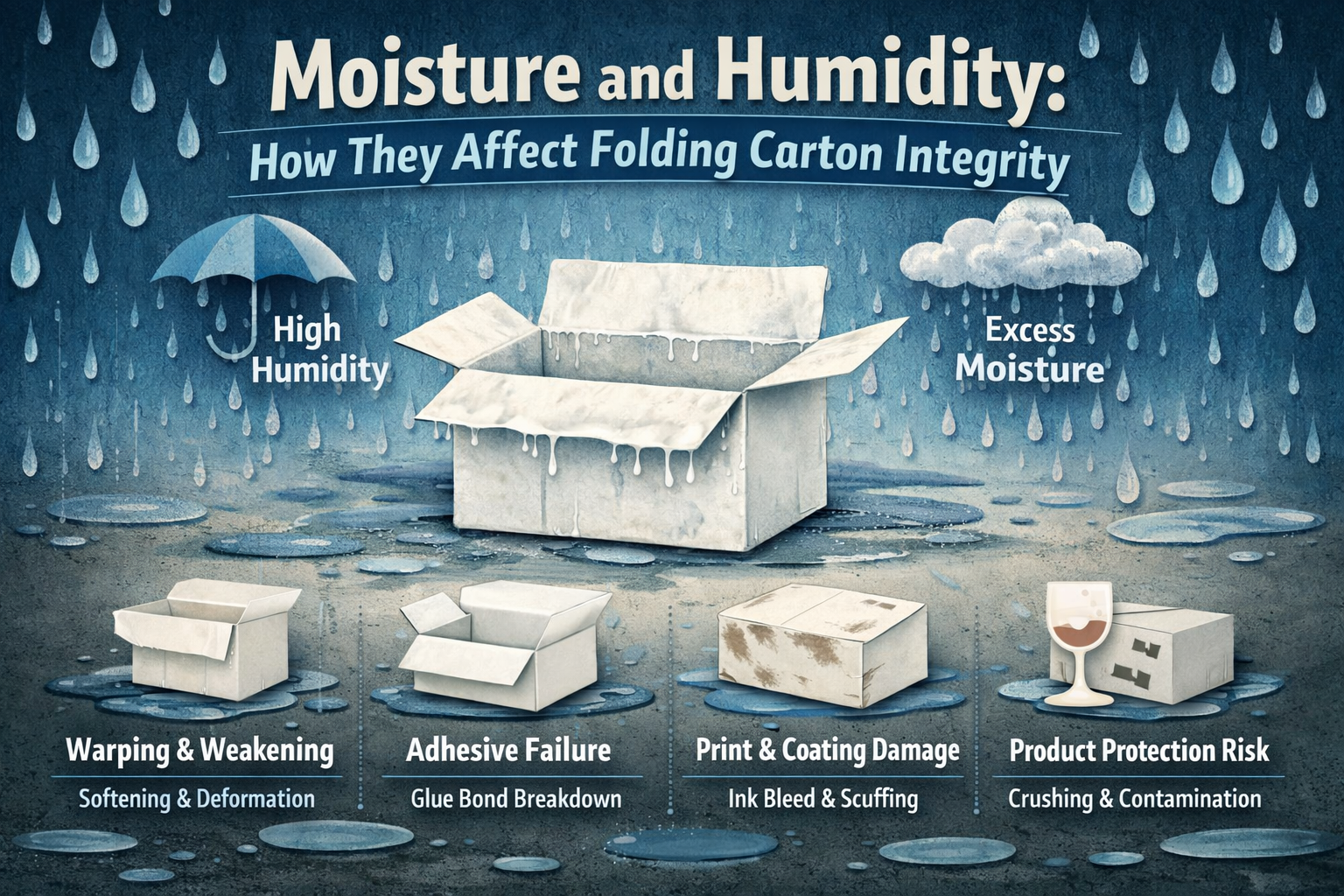
Moisture resistance and dimensional stability are critical performance factors for custom inserts, especially when products are shipped or stored in variable climates. Both foam and corrugated materials react differently to humidity, temperature, and long-term environmental exposure, which can impact product fit, cushioning performance, and structural integrity. Impact of Humidity on Corrugated Inserts Corrugated fiberboard is hygroscopic, meaning it naturally absorbs and releases moisture from the surrounding air. This affects compression strength, warping, and dimensional accuracy. In high-humidity environments, standard kraft liners can lose up to 50% of their stacking strength. Coatings, wax treatments, or the use of water-resistant adhesives (meeting TAPPI T-829 standards) can improve performance. Foam Behavior in Moist Environments Closed-cell foams, such as polyethylene (PE) and cross-linked polyethylene (XLPE), resist water absorption and retain their shape under exposure to moisture. Open-cell foams, like polyurethane (PU), are more prone to water ingress, leading to swelling, microbial growth, and loss of cushioning capacity. For products with moisture sensitivity, designers often specify closed-cell foams or integrate vapor-barrier laminations. Dimensional Stability Under Temperature Shifts Foam inserts, particularly those with high thermal expansion coefficients, can either loosen or increase compression on the product. Testing under ASTM D4332 (conditioning) ensures the insert maintains performance across the expected temperature range. Combined Material Designs When foam and corrugated are combined in a hybrid insert, dimensional stability depends on matching materials with similar expansion and contraction profiles. Mismatched materials can cause warping or delamination over time. Selecting adhesives that remain flexible in varying humidity is critical for long-term stability. Designing for Real-World Conditions Inserts should be designed and tested to withstand the extremes of their distribution cycle — from humid seaports to dry inland warehouses. This may involve ISTA 3A/6A testing protocols combined with accelerated aging tests to simulate months of exposure within a compressed timeframe. References American Society for Testing and Materials. (2014). ASTM D4332-14: Standard Practice for Conditioning Containers, Packages, or Packaging Components for Testing. https://doi.org/10.1520/D4332-14International Safe Transit Association. (2018). ISTA 3A Packaged-Products for Parcel Delivery System Shipment 70 kg (150 lb) or Less. https://ista.org/TAPPI. (2023). T-829 Water Resistance of Paperboard by Wax Treatment. https://www.tappi.org/content/store/shared/T829.htmlSoroka, W. (2016). Fundamentals of Packaging Technology (5th ed.). Institute of Packaging Professionals. Key Compliance Requirements Structural standards: Packaging must meet durability and palletization guidelines. Labeling accuracy: GS1-compliant barcodes and proper product details. Sustainability mandates: FSC certification or recyclability requirements from major retailers. Testing protocols: ISTA or ASTM performance tests to validate protection. Packaging Solutions with Brown Packaging Brown Packaging partners with companies to design packaging that meets retailer requirements. From GS1 labeling to FSC-certified materials and ISTA-tested corrugated, we help buyers reduce chargebacks and protect retail relationships. Contact us to improve your retail compliance program. References GS1. (2024). Global Standards for Packaging and Labeling. Retrieved from https://www.gs1.orgInternational Safe Transit Association (ISTA). (2023). ISTA Testing Procedures for Transport Packaging. Retrieved from https://ista.orgForest Stewardship Council (FSC). (2023). FSC Packaging Certification Guidelines. Retrieved from https://fsc.org (714)300-0650 request@brownpackaging.com Most Recent Posts: Subscribe To Our Newsletter By submitting your information, you agree to our terms and conditions and privacy policy. Custom Inserts Facebook Twitter LinkedIn Pinterest Relevant Posts

Read More »
Sustainable Pet Food Packaging Options
Packaging
brownpackaging
Sustainable Pet Food Packaging Options

Sustainability in pet food packaging is not just about recyclability—it’s about reducing environmental impact across the entire lifecycle. For products with high barrier needs like dry kibble, wet food, and treats, material selection and package design must balance performance with end-of-life recovery options. Recyclable Mono-Material Films Description: Stand-up pouches made entirely from polyethylene (PE) or polypropylene (PP), eliminating the mixed-material layers that complicate recycling. Benefits: Compatible with store drop-off or curbside recycling (where accepted). Limitations: Barrier performance may be lower than multi-material laminates; suitable for short-to-medium shelf life SKUs. Example Specs: PE/PE or BOPP PE structures with EVOH for oxygen barrier. Post-Consumer Recycled (PCR) Content Description: Incorporating recycled resin into packaging layers. Benefits: Reduces virgin resin use and carbon footprint. Limitations: PCR clarity and odor control can be challenging for food-contact layers; often used in non-contact outer layers. Compliance: Must meet FDA or EFSA standards for food contact when used in inner layers. Compostable Packaging Description: Materials that break down under industrial or home composting conditions, such as PLA films or paper-based laminates. Benefits: Diverts waste from landfill. Limitations: Limited barrier performance; industrial composting infrastructure is not widely available in all regions. Use Case: Small pet treat pouches or sample packs with short shelf life. Paper-Based Pet Food Bags Description: Multiwall paper sacks with an inner moisture barrier (e.g., PLA, PE, or EVOH-coated papers). Benefits: Renewable resource, strong branding potential. Limitations: Inner barrier layer may reduce recyclability; requires proper sealing to maintain freshness. Application: Bulk dry food and farm animal feed. Lightweighting Strategies Description: Reducing film thickness or container wall gauge without compromising barrier performance. Benefits: Less material use per unit, lower transport emissions. Techniques: Resin down-gauging, structural ribbing in rigid containers, optimized pouch dimensions. Design for Recovery Mono-Material Construction: Eliminates separation challenges at recycling facilities. Removable Labels/Windows: Improves yield in recycling streams. Standardized Resins: PET, HDPE, and LDPE have the most established recovery pathways. References ASTM International. (2018). ASTM D6400-19: Standard specification for labeling of plastics designed to be aerobically composted in municipal or industrial facilities. ASTM International. https://doi.org/10.1520/D6400-19Food and Drug Administration. (2023). Recycled plastics in food packaging. U.S. Food and Drug Administration. https://www.fda.gov/food/packaging-food-contact-substances-fcs/recycled-plastics-food-packagingEuropean Food Safety Authority. (2023). Safety assessment of recycled plastics for food contact use. European Food Safety Authority. https://www.efsa.europa.eu/en/topics/topic/plastics (714)300-0650 request@brownpackaging.com Most Recent Posts: Categories: Corrugated Ecommerce ESD Design Display Flexible Packaging Foam Folding Carton Packaging Plastic Packaging Pouch Printing Protection Retail Rigid Box Thermoform Sustainability Subscribe To Our Newsletter By submitting your information, you agree to our terms and conditions and privacy policy. Pet Packaging Facebook Twitter LinkedIn Pinterest Relevant Posts

Read More »
corrugated packaging distributor
Packaging
brownpackaging
Building Packaging Supply Chain Resilience After 2026 Tariffs

Following multiple rounds of tariff changes and trade policy adjustments, 2026 marks a turning point for U.S. packaging buyers. Many who previously transitioned from China to domestic or nearshore suppliers are now focusing on resilience — ensuring their packaging supply chains remain cost-stable, flexible, and disruption-proof. Tariffs are no longer short-term events; they’re recurring elements of global trade. The companies best positioned for 2026 and beyond are those that treat sourcing diversification and operational agility as core business functions rather than reactive cost-saving measures. Understanding Supply Chain Resilience in Packaging In the packaging industry, resilience means more than just having backup suppliers. It’s about structuring your network, data, and materials so that tariff or freight changes don’t interrupt production or retail fulfillment. A resilient supply chain ensures: Predictable lead times regardless of policy shifts or port congestion. Stable material access through multi-region substrate sourcing. Financial control via cost forecasting that accounts for tariffs, duties, and logistics volatility. Key Strategies to Strengthen Packaging Supply Chains in 2026 Multi-Regional Sourcing Networks Single-country dependence has proven to be one of the highest risks for packaging buyers. Instead of choosing between China, Mexico, or the U.S., the strongest programs build multi-regional sourcing portfolios. For example: Corrugated and carton production split between U.S. and Mexico. Litho-laminated displays or kitting handled domestically for compliance and speed. Paperboard substrates sourced from Canada or domestically for FSC® reliability. This approach balances cost, agility, and compliance while keeping freight predictable. Data-Driven Forecasting and Visibility 2026 buyers are leveraging ERP and procurement software that integrate freight, tariff, and material indices directly into cost projections.Modern systems now automate: Tariff impact simulation based on HS codes. Freight rate modeling across domestic and nearshore routes. Inventory optimization tied to seasonal demand. With this data visibility, procurement teams can react to cost changes in real time — not months after they’ve impacted margins. Inventory and Production Flexibility Flexibility protects against both tariff and logistics shocks. Packaging programs should evaluate: Dual production capability (domestic + nearshore). Dynamic safety stock levels at regional DCs. Modular design formats that adapt to multiple production sites without retooling. Domestic manufacturers now frequently support JIT and kanban systems that align directly with nearshore runs, allowing seamless scale adjustments without full requalification. Strengthening Supplier Collaboration Resilience depends on supplier transparency and shared planning. In 2026, the best-performing packaging networks operate more like strategic partnerships than vendor relationships. Strong collaboration practices include: Quarterly forecasting and capacity reviews. Shared visibility into material allocation and lead times. Mutual quality metrics and audit reporting. Early communication of regulatory or cost changes. These practices reduce last-minute disruptions and build long-term trust across regions. Sustainability as a Risk-Reduction Tool Sustainability and resilience now intersect. FSC® or SFI® certification, recycled substrate sourcing, and verified carbon reporting protect buyers not just from reputational risk but from supply volatility.Sustainability-linked packaging programs typically benefit from: Priority access to certified board mills. Simplified compliance under U.S. and USMCA trade rules. Lower exposure to international environmental tariffs or surcharges. Contingency Planning and Scenario Modeling Resilient supply chains are built on “what if” planning. By modeling multiple tariff and freight outcomes, buyers can determine thresholds for shifting production without disruption. Scenario modeling examples: What if tariffs on imported adhesives rise 20%? What if freight rates increase 15% due to fuel surcharges? What if domestic demand outpaces capacity during Q4 retail season? Companies with contingency playbooks can rebalance production before costs escalate or supply falters. The Role of U.S. Distributors in a Resilient Network Many packaging buyers are centralizing supplier management under one domestic distributor capable of coordinating corrugated, carton, label, and display manufacturing across multiple facilities. This approach: Reduces administrative overhead. Maintains consistent quality across SKUs. Simplifies tariff classification and compliance tracking. Distributors with domestic and nearshore partnerships can dynamically shift production between regions based on lead time, cost, and capacity — ensuring resilience without complexity. Final Takeaway for 2026 Tariff realignment is reshaping global packaging procurement, but it’s also driving modernization. By combining data visibility, diversified sourcing, and strong supplier collaboration, packaging buyers can convert uncertainty into competitive advantage. The future of packaging resilience isn’t about avoiding tariffs — it’s about designing a network that thrives despite them. References U.S. International Trade Administration (ITA). 2026 Packaging Trade and Tariff Outlook. Institute of Packaging Professionals (IoPP). Supply Chain Resilience Framework. Forest Stewardship Council (FSC®). Certification and Traceability Guidelines. Soroka, W. Fundamentals of Packaging Technology. 6th ed. Institute of Packaging Professionals. (714)300-0650 request@brownpackaging.com Most Recent Posts: Categories: Corrugated Ecommerce ESD Design Display Flexible Packaging Foam Folding Carton Packaging Plastic Packaging Pouch Printing Protection Retail Rigid Box Thermoform Sustainability Subscribe To Our Newsletter By submitting your information, you agree to our terms and conditions and privacy policy. Custom Packaging Facebook Twitter LinkedIn Pinterest Relevant Posts

Read More »
How to Transition Packaging Sourcing from China to USA
Packaging
brownpackaging
How to Transition Packaging Sourcing from China to USA

Shifting packaging production from China to the U.S. can help stabilize costs, reduce tariff exposure, and shorten lead times. But the transition process requires careful planning. For packaging buyers, the key is to maintain product consistency and supply reliability while minimizing operational disruption. Why Buyers Are Moving Away from China Trade policy volatility and freight instability have pushed many U.S. companies to rethink their packaging sourcing strategy. Rising import duties on corrugated boxes, folding cartons, and flexible films have narrowed the price gap between overseas and domestic suppliers. Primary drivers include: Tariff risk: Section 301 duties on many packaging materials remain in place. Freight volatility: Ocean container rates fluctuate significantly, adding uncertainty. Lead times: Global shipping delays and port congestion disrupt timelines. Quality oversight: Longer supply chains make corrective actions harder to implement. As a result, many buyers are transitioning to U.S. packaging suppliers for improved cost control, compliance, and visibility. Step 1: Evaluate Current Exposure Start by identifying which SKUs, materials, or vendors are tied to China. Document: Country of origin for all packaging components. Annual spend and volumes by supplier. Tariff classification (HTS code) for each SKU. Freight, duty, and logistics costs per shipment. This baseline allows you to calculate your total landed cost, not just unit pricing, and shows where domestic sourcing offers the biggest impact. Step 2: Identify Viable U.S. Suppliers Work with suppliers that can deliver both structural and graphic packaging capabilities within the U.S. Confirm: Available converting and printing processes (flexo, litho-lam, digital). Access to sustainable materials (FSC-certified, post-consumer recycled). Proximity to fulfillment centers or distribution hubs. Experience transitioning overseas programs without downtime. Brown Packaging partners with domestic manufacturers across the U.S. to meet these standards and ensure full program continuity. Step 3: Test and Validate Packaging Before committing to a full rollout, pilot your packaging with a short production run to confirm performance. Match material specs to existing overseas designs. Validate durability under ISTA and ASTM transport testing. Review print registration, color, and finish consistency. Confirm pallet optimization and packing line compatibility. Testing ensures a seamless switch without affecting retail presentation or customer experience. Step 4: Adjust Forecasting and Lead Times Domestic production typically reduces lead times from months to weeks, but requires tighter inventory planning. Build in short buffer windows for material procurement. Align forecasts with your new supplier’s production cadence. Recalculate safety stock based on faster replenishment cycles. This shift improves responsiveness and reduces warehouse carrying costs over time. Step 5: Communicate Internally and Externally Transitioning packaging affects purchasing, logistics, marketing, and compliance teams. Update specifications and vendor databases. Revise packaging artwork to include “Made in USA” where appropriate. Inform key customers of improvements to delivery and reliability. Transparency helps ensure all departments adapt smoothly and maintain consistent packaging performance. Why It Matters for Buyers Transitioning from China to U.S. packaging is a strategic move toward long-term cost stability and supply chain control. Beyond tariff avoidance, it allows for stronger oversight, sustainable sourcing, and improved customer satisfaction. Brown Packaging supports this process by helping businesses identify high-risk imports, match U.S. equivalents, and test performance before scaling.Contact us to start evaluating your packaging transition plan. References Packaging Dive. (2025). Tariffs Continue to Reshape U.S. Packaging Sourcing Strategies. U.S. International Trade Commission. (2025). Section 301 Duty Updates on Packaging Materials. ASTM International. (2023). ASTM D4169: Performance Testing of Shipping Containers. ISTA. (2023). Testing Procedures for Transport Packaging. Fibre Box Association. (2024). Corrugated Packaging Handbook. (714)300-0650 request@brownpackaging.com Most Recent Posts: Categories: Corrugated Ecommerce ESD Design Display Flexible Packaging Foam Folding Carton Packaging Plastic Packaging Pouch Printing Protection Retail Rigid Box Thermoform Sustainability Subscribe To Our Newsletter By submitting your information, you agree to our terms and conditions and privacy policy. Custom Packaging Facebook Twitter LinkedIn Pinterest Relevant Posts

Read More »