
Home » Packaging on a Budget: How Your Budget Can Affect Your Packaging Design
Packaging on a Budget: How Your Budget Can Affect Your Packaging Design

In today’s competitive marketplace, packaging has become one of the most crucial elements of any product. It not only protects the product but also plays a significant role in the marketing and branding of the product. However, creating a packaging design that effectively represents your brand while keeping costs under control can be challenging. Therefore, creating a budget for your packaging design is a critical aspect that should be considered by any business owner.
Quick Overview: 10 Ways Your Budget Is Impacting Your Packaging Design
In this blog post, we will explore how a budget can affect your packaging design.
Material Selection
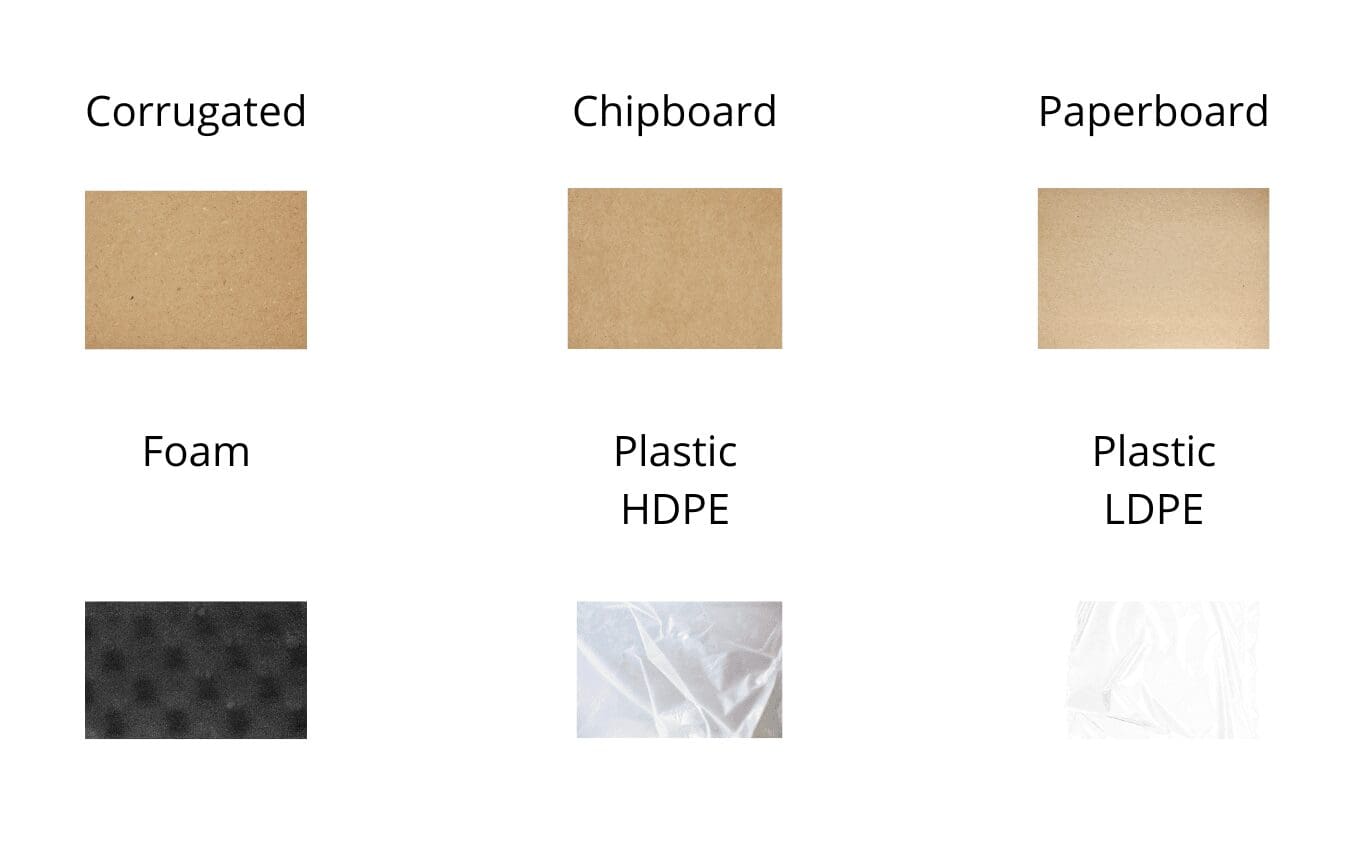
The materials used for packaging can vary significantly in cost. If you have a low budget, you may opt for less expensive materials such as paper or cardboard, while a higher budget may allow for more luxurious materials such as metal or glass. Additionally, different materials can have different benefits and drawbacks, such as eco-friendliness or durability, so it’s important to consider your budget when selecting materials.
Printing and Finishing
Packaging design can be enhanced with different printing and finishing techniques such as embossing, foil stamping, and spot UV printing. These techniques can add a significant visual impact to your packaging but can also be costly. Therefore, it’s crucial to consider the budget when deciding which printing and finishing techniques to use.
Customization
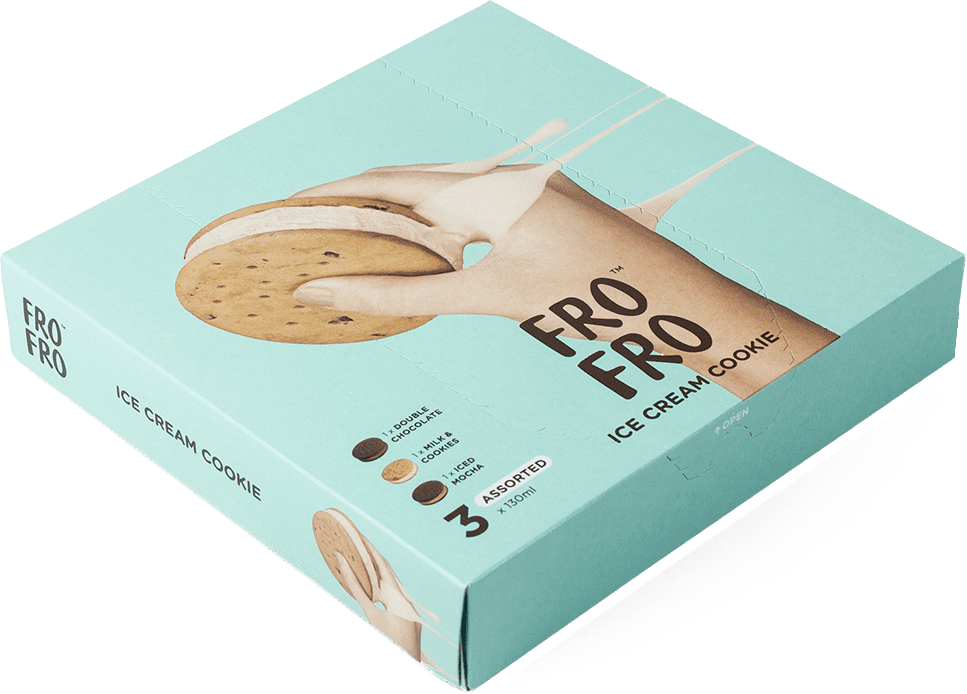
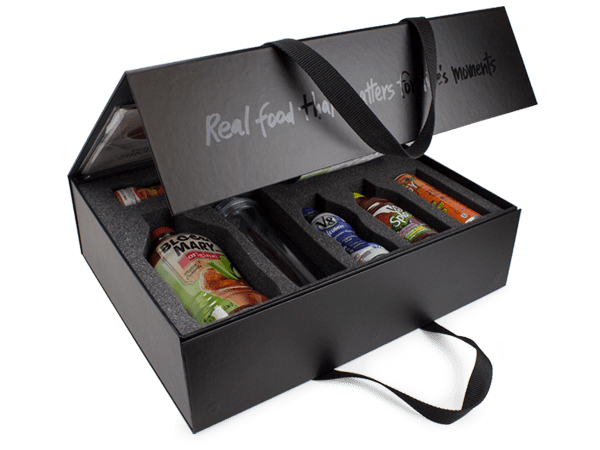
Customized packaging can help your brand stand out in a crowded market. However, customization can also increase costs significantly. The level of customization required will depend on your brand and the product being sold. For example, a luxury brand may require more custom packaging than a standard product. It’s essential to understand the level of customization required and its impact on the budget.
Quantity
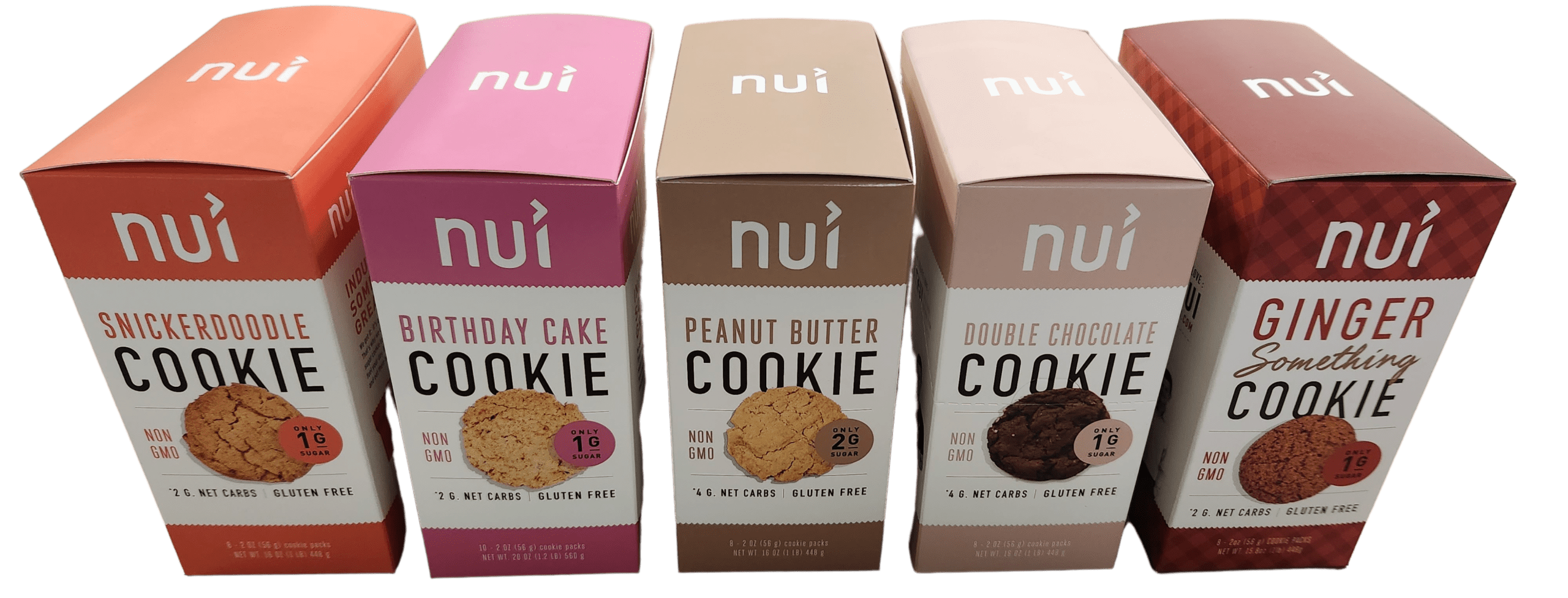
The quantity of packaging produced can also impact the budget. Larger quantities can often lead to economies of scale, resulting in lower per-unit costs. Therefore, it’s crucial to determine the optimal quantity for your packaging design while considering your budget.
Logistics
The logistics of packaging can also affect the budget. The cost of shipping, warehousing, and storage should all be taken into account when creating a packaging budget. Additionally, any potential delays or issues in the supply chain can also impact the budget and should be considered when creating the budget.
Size and Shape
The size and shape of your packaging can have an impact on the budget. More intricate or unusual shapes may require custom tooling, which can be costly. Similarly, larger sizes may require more materials, increasing the overall cost. Therefore, it’s important to consider the size and shape of your packaging when creating a budget.
Design Complexity
The complexity of your packaging design can also impact the budget. More complex designs may require more time and resources to create, increasing the overall cost. Additionally, complex designs may require more materials or customization, which can further increase costs. Therefore, it’s important to consider the level of design complexity when creating a budget.
Branding Elements
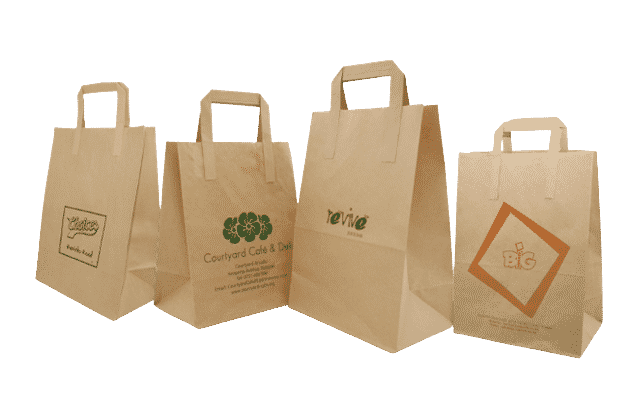
Packaging is an important branding tool, and incorporating branding elements into your packaging can help build brand recognition and loyalty. However, incorporating branding elements into your packaging design can also increase costs. For example, using custom colors or adding a special color logo can increase printing costs. Therefore, it’s important to consider the branding elements you want to include in your packaging design when creating a budget.
Sustainable Materials
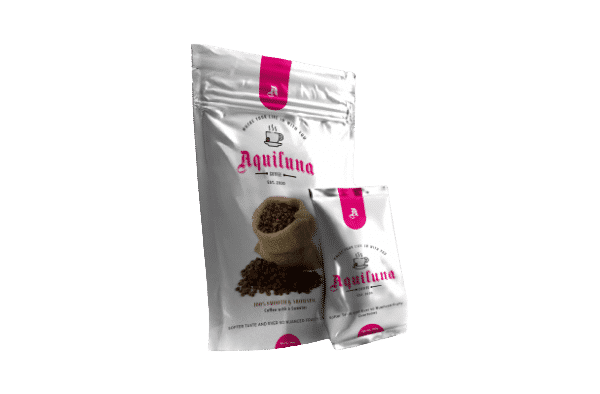
Sustainable packaging has become increasingly popular in recent years, as consumers become more environmentally conscious. However, sustainable materials can be more expensive than traditional materials, impacting the budget. Therefore, it’s important to consider the use of sustainable materials when creating a packaging budget.
Regulatory Compliance
Different products may have different regulatory requirements that impact the packaging design. For example, some products may require specific warning labels or safety features. Ensuring compliance with these regulations can impact the budget, as additional design elements or materials may be required. Therefore, it’s important to consider regulatory compliance when creating a budget for your packaging design.
Summary: Budgeting and Packaging Design
In conclusion, creating a packaging design that effectively represents your brand while staying within budget constraints is crucial. A budget can impact various elements of packaging design, such as material selection, printing techniques, customization, quantity, logistics, size and shape, design complexity, branding elements, sustainable materials, regulatory compliance, shipping and handling, target audience, industry standards, seasonal changes, and multilingual design.
As a result, businesses must carefully consider each of these factors when creating a packaging budget to ensure that they can create a packaging design that meets their needs and budget constraints. By doing so, businesses can not only create an effective packaging design but also save costs and improve their bottom line.
If you are interested in getting the best packaging solutions for your budget, then contact Brown Packaging today to get started.
Supplier contracts can make or break a packaging program. Without the right terms, buyers risk price volatility, missed lead times, and inconsistent product quality. In 2026, negotiating smart contracts is essential for controlling costs, securing reliable supply, and meeting compliance requirements. Why Packaging Contracts Matter Cost stability: Protects against sudden raw material price spikes. Supply security: Ensures availability during peak demand. Quality control: Aligns suppliers with testing and compliance standards. Operational efficiency: Streamlines purchasing and reduces administrative burden. Key Terms Buyers Should Negotiate Volume commitments: Secure better pricing with accurate forecasts. Price adjustment clauses: Define when and how costs can change. Lead times and delivery windows: Avoid shortages and production delays. Testing and compliance: Require ISTA, ASTM, or FSC certification where applicable. Sustainability commitments: Ensure suppliers align with environmental goals. Risks of Weak Contracts Paying inflated prices during market fluctuations. Receiving inconsistent corrugated strength or print quality. Missed shipments leading to costly expedited freight. Difficulty meeting retailer or regulatory compliance. Best Practices for Buyers in 2026 Leverage data: Use past order history to negotiate realistic volumes. Dual sourcing: Maintain backup suppliers for risk management. Annual reviews: Reassess terms to reflect changes in demand and compliance. Collaborative approach: Treat suppliers as partners, not just vendors. Packaging Solutions with Brown Packaging Brown Packaging helps buyers secure strong supplier contracts that balance cost, quality, and supply chain reliability. Our partnerships and industry expertise ensure your packaging program is protected for 2026 and beyond. Contact us to discuss supplier solutions. References Soroka, W. (2009). Fundamentals of Packaging Technology (4th ed.). Institute of Packaging Professionals.Fiber Box Association. (2024). Corrugated Packaging Market Outlook. Retrieved from https://www.fibrebox.orgSustainable Packaging Coalition. (2023). Supplier Standards for Sustainable Packaging. Retrieved from https://sustainablepackaging.org (714)300-0650 request@brownpackaging.com Most Recent Posts: Categories: Corrugated Ecommerce ESD Design Display Flexible Packaging Foam Folding Carton Packaging Plastic Packaging Pouch Printing Protection Retail Rigid Box Thermoform Sustainability Subscribe To Our Newsletter By submitting your information, you agree to our terms and conditions and privacy policy. Custom Packaging Facebook Twitter LinkedIn Pinterest Relevant Posts

Packaging compliance is no longer optional—it’s a requirement for accessing retail shelves, shipping networks, and international markets. In 2026, buyers must navigate evolving regulations around sustainability, labeling, and testing to avoid costly fines, rejected shipments, or damaged customer relationships. Why Compliance Matters in 2026 Retail requirements: Major retailers demand FSC, ISTA, and sustainability certifications. E-commerce standards: Carriers enforce dimensional weight and package testing rules. Global trade: Export packaging must comply with ISPM 15, ASTM, and ISO guidelines. Consumer trust: Transparency in packaging claims impacts purchasing decisions. Key Compliance Areas for Buyers Material sourcing: FSC-certified corrugated and board for sustainability. Labeling standards: GS1-compliant barcodes and accurate product details. Durability testing: ISTA and ASTM protocols for drop, vibration, and compression. Sustainability regulations: Requirements for recyclable or compostable materials. Chemical restrictions: Compliance with FDA, EU, or state-specific standards. Common Compliance Challenges Keeping up with frequent regulatory changes. Managing multiple certifications across suppliers. Balancing compliance with cost-efficiency. Verifying supplier claims for sustainability. Best Practices for Staying Compliant Audit suppliers annually to confirm certification validity. Run internal packaging tests before scaling. Track regulatory updates for each region you ship to. Work with experienced partners who understand industry compliance. Packaging Solutions with Brown Packaging Brown Packaging helps buyers meet 2026 compliance standards with FSC-certified materials, ISTA-tested designs, and regulatory expertise. Our team ensures your packaging meets retailer, carrier, and sustainability requirements. Contact us to keep your program compliant. References Forest Stewardship Council (FSC). (2023). FSC Certification Guidelines for Packaging. Retrieved from https://fsc.orgInternational Safe Transit Association (ISTA). (2023). ISTA Testing Procedures for Transport Packaging. Retrieved from https://ista.orgGS1. (2024). Global Standards for Packaging and Labeling. Retrieved from https://www.gs1.org (714)300-0650 request@brownpackaging.com Most Recent Posts: Categories: Corrugated Ecommerce ESD Design Display Flexible Packaging Foam Folding Carton Packaging Plastic Packaging Pouch Printing Protection Retail Rigid Box Thermoform Sustainability Subscribe To Our Newsletter By submitting your information, you agree to our terms and conditions and privacy policy. Custom Packaging Facebook Twitter LinkedIn Pinterest Relevant Posts
In 2026, sustainability is no longer just a trend—it’s a buyer expectation. Forest Stewardship Council (FSC) certification has become a key benchmark for responsible packaging, signaling that materials are sourced from responsibly managed forests. For packaging buyers, FSC certification is more than a compliance checkbox—it’s a brand value that influences purchasing decisions, retailer acceptance, and customer loyalty. What Is FSC Certification? The Forest Stewardship Council certifies that paper-based packaging materials are sourced from forests managed for environmental responsibility, social benefit, and economic viability. FSC Mix: Packaging contains a blend of FSC-certified and controlled wood. FSC Recycled: Packaging is made entirely from recycled fiber. FSC 100%: Packaging is sourced only from FSC-certified forests. Why FSC Matters to Buyers in 2026 Retail access: Many major retailers now require FSC-certified packaging. Sustainability goals: Aligns with corporate ESG and carbon reduction commitments. Consumer trust: Customers recognize the FSC label and view it as credible. Global compliance: Meets international sustainability regulations. How FSC Certification Strengthens Brand Value Differentiation: Stand out with certified sustainable packaging. Marketing advantage: FSC logos reinforce eco-friendly messaging. Risk reduction: Verified sourcing prevents greenwashing claims. Customer loyalty: Environmentally conscious buyers prefer certified products. Challenges in FSC Implementation Limited supply of certain FSC substrates. Higher costs compared to non-certified materials. Need for supplier audits and documentation. Packaging Solutions with Brown Packaging Brown Packaging partners with buyers to integrate FSC-certified materials into corrugated boxes, folding cartons, and retail packaging. Our solutions support sustainability while maintaining cost efficiency and protection. Contact us to strengthen your brand with FSC-certified packaging. References Forest Stewardship Council (FSC). (2023). FSC Certification Guidelines for Packaging. Retrieved from https://fsc.orgSustainable Packaging Coalition. (2023). Consumer Insights on Sustainable Packaging. Retrieved from https://sustainablepackaging.orgSoroka, W. (2009). Fundamentals of Packaging Technology (4th ed.). Institute of Packaging Professionals. (714)300-0650 request@brownpackaging.com Most Recent Posts: Subscribe To Our Newsletter By submitting your information, you agree to our terms and conditions and privacy policy. Sustainable Packaging Facebook Twitter LinkedIn Pinterest Relevant Posts
Sustainability is now a top priority for packaging buyers. Retailers, regulators, and consumers are all demanding packaging solutions that reduce environmental impact without sacrificing performance. In 2026, buyers must balance eco-friendly materials, cost, and compliance to build programs that are both effective and future-ready. What Buyers Need to Know About Sustainable Packaging Regulatory pressure: Governments are enforcing stricter rules on recyclability and plastic use. Retail mandates: FSC certification and recyclable packaging are becoming standard requirements. Consumer expectations: Customers increasingly choose brands with visible sustainability commitments. Sustainable Material Options Recycled corrugated: High recycled content while maintaining compression strength. Compostable films: Suitable for select food and retail applications. Molded pulp inserts: Replace foam or plastic for protective packaging. Water-based coatings: Enhance moisture resistance without harmful chemicals. Balancing Cost and Performance Right-size packaging: Reduces material waste and shipping costs. Hybrid solutions: Combine eco-materials with corrugated for balance. Life cycle analysis: Evaluate true environmental impact, not just marketing claims. How to Evaluate Sustainable Suppliers Verify FSC, SPC, or ISO certifications. Request testing data for durability and recyclability. Audit supply chains for consistency and transparency. Ensure claims meet local and international compliance standards. Packaging Solutions with Brown Packaging Brown Packaging helps buyers implement sustainable packaging programs that balance cost, performance, and compliance. From recycled corrugated to eco-friendly coatings and inserts, we deliver solutions that meet 2026 sustainability goals. Contact us to explore sustainable packaging options. References Forest Stewardship Council (FSC). (2023). FSC Certification Guidelines for Packaging. Retrieved from https://fsc.orgSustainable Packaging Coalition. (2023). Packaging Sustainability Trends and Buyer Insights. Retrieved from https://sustainablepackaging.orgSoroka, W. (2009). Fundamentals of Packaging Technology (4th ed.). Institute of Packaging Professionals. (714)300-0650 request@brownpackaging.com Most Recent Posts: Categories: Corrugated Ecommerce ESD Design Display Flexible Packaging Foam Folding Carton Packaging Plastic Packaging Pouch Printing Protection Retail Rigid Box Thermoform Sustainability Subscribe To Our Newsletter By submitting your information, you agree to our terms and conditions and privacy policy. Sustainable Packaging Facebook Twitter LinkedIn Pinterest Relevant Posts
Choosing the right packaging material is one of the most important decisions buyers face. Single-material packaging offers simplicity and recyclability, while multi-material designs provide enhanced performance and protection. Understanding the trade-offs helps companies balance cost, functionality, and sustainability goals in 2026. What Is Single-Material Packaging? Single-material packaging uses one substrate—such as corrugated board, folding carton, or plastic—for the entire structure. Advantages: Easier to recycle and dispose. Lower material costs in many cases. Streamlined sourcing and inventory. Supports sustainability messaging. Disadvantages: Limited barrier protection. Less customization for fragile or complex products. May require added thickness for strength, increasing weight. What Is Multi-Material Packaging? Multi-material packaging combines two or more substrates—such as corrugated with foam, or paperboard laminated with film—to achieve specific performance outcomes. Advantages: Greater protection against moisture, oxygen, and impact. Allows for premium finishes and enhanced graphics. Ideal for fragile or high-value products. Customizable for unique supply chain conditions. Disadvantages: More difficult to recycle due to material separation. Higher cost and longer lead times. Complex sourcing and inventory management. When to Use Each Approach Single-material packaging: Best for products with low fragility, strong sustainability requirements, or cost-driven programs. Multi-material packaging: Best for high-value, fragile, or regulated products requiring advanced protection. Balancing Performance and Sustainability Buyers must weigh performance needs against eco goals: Use recyclable coatings to extend single-material performance. Choose hybrid designs that separate easily for recycling. Apply multi-material solutions only where risk of damage outweighs cost. Packaging Solutions with Brown Packaging Brown Packaging helps buyers evaluate when to use single- vs. multi-material packaging. Our team balances sustainability, performance, and cost to deliver solutions tailored to your supply chain. Contact us to explore the right approach for your products. References Forest Stewardship Council (FSC). (2023). FSC Packaging Certification Guidelines. Retrieved from https://fsc.orgSoroka, W. (2009). Fundamentals of Packaging Technology (4th ed.). Institute of Packaging Professionals.Sustainable Packaging Coalition. (2022). Design for Recyclability and Multi-Material Packaging Report. Retrieved from https://sustainablepackaging.org (714)300-0650 request@brownpackaging.com Most Recent Posts: Categories: Corrugated Ecommerce ESD Design Display Flexible Packaging Foam Folding Carton Packaging Plastic Packaging Pouch Printing Protection Retail Rigid Box Thermoform Sustainability Subscribe To Our Newsletter By submitting your information, you agree to our terms and conditions and privacy policy. Custom Packaging Facebook Twitter LinkedIn Pinterest Relevant Posts
One of the biggest challenges in sustainable packaging is balancing environmental responsibility with product protection. Buyers often worry that switching to eco-friendly materials means sacrificing durability or driving up costs. In 2026, new material technologies allow brands to meet sustainability goals without compromising strength or supply chain performance. Why Protection Still Matters Damaged products create more waste than packaging ever could. Returns increase logistics costs and carbon emissions. Retailers and e-commerce platforms expect packaging to deliver both sustainability and reliability. Eco-Friendly Material Options Recycled corrugated: Maintains stacking strength while reducing virgin fiber use. Molded pulp inserts: Cushion fragile items while replacing plastic foam. Water-based barrier coatings: Add moisture resistance without plastic films. Compostable films: Ideal for short shelf-life or single-use applications. Paper-based mailers: Replace poly mailers for e-commerce shipments. How to Balance Eco Goals and Protection Use right-sizing to reduce material volume while improving fit. Apply hybrid solutions (corrugated + pulp) for high-value goods. Conduct ISTA testing to validate protective performance. Match material choice to product fragility and supply chain conditions. Examples in Action Electronics: Molded pulp trays replacing EPS foam. Food and beverage: FSC-certified corrugated with recyclable coatings. Retail e-commerce: Recycled paper mailers protecting apparel. Packaging Solutions with Brown Packaging Brown Packaging develops eco-friendly solutions that protect products while meeting sustainability requirements. From recycled corrugated to innovative coatings, our team ensures you never trade protection for environmental impact. Contact us to explore eco-material options. References Forest Stewardship Council (FSC). (2023). FSC Certification Guidelines for Packaging. Retrieved from https://fsc.orgSustainable Packaging Coalition. (2023). Eco-Friendly Packaging Materials and Case Studies. Retrieved from https://sustainablepackaging.orgASTM International. (2023). ASTM D4169: Standard Practice for Performance Testing of Shipping Containers and Systems. (714)300-0650 request@brownpackaging.com Most Recent Posts: Subscribe To Our Newsletter By submitting your information, you agree to our terms and conditions and privacy policy. Custom Packaging Facebook Twitter LinkedIn Pinterest Relevant Posts
Home » Packaging on a Budget: How Your Budget Can Affect Your Packaging Design

Packaging plays a crucial role in safeguarding products from various hazards that can compromise their quality, safety, and integrity. From the manufacturing floor to the store shelves and throughout the supply chain, products face several risks that can damage or spoil them if not properly addressed. In this blog, we will explore 7 of the biggest hazards to packaging and how to mitigate them effectively. Physical Impact Moisture and Humidity Temperature Fluctuations Contamination Tampering and Theft UV and Light Exposure Oxygen and Air Exposure Physical Impact Impact during Handling and Transport: Products often endure a series of impacts during handling and transportation. They may be dropped, bumped, or stacked under heavy loads, which can result in physical damage. To mitigate this hazard: Choose durable packaging materials that can withstand external pressure. Use cushioning materials like bubble wrap, foam, or corrugated inserts to protect fragile items. Ensure proper stacking and handling instructions for products during transit. Moisture and Humidity Exposure to Moisture: Exposure to moisture and humidity can lead to product spoilage, mold growth, and label deterioration. Common sources of moisture include condensation, humidity, or exposure to rain. To protect against moisture: Use moisture-resistant packaging materials, such as laminated films or barrier coatings. Include desiccants or humidity control products inside the packaging. Store products in a controlled environment with proper ventilation and dehumidification. Temperature Fluctuations Temperature Extremes: Extreme temperatures, both high and low, can adversely affect product quality and shelf life. Frozen or overheated products can spoil, change texture, or lose flavor. To mitigate temperature-related hazards: Utilize insulated packaging or temperature-controlled containers when necessary. Follow recommended storage and transportation temperature guidelines. Consider phase-change materials or gel packs for temperature-sensitive items. Contamination External Contaminants: Products can be exposed to external contaminants such as dust, dirt, and chemicals, leading to contamination risks. To minimize contamination hazards: Choose packaging materials that offer a protective barrier against external contaminants. Implement good manufacturing practices (GMP) and hygiene protocols during production and packaging. Regularly clean packaging equipment and storage areas. Tampering and Theft Tampering and Theft Prevention: Tampering and theft are serious concerns, especially for food and pharmaceutical products. Tampering can lead to safety risks, while theft results in financial losses. To prevent tampering and theft: Implement tamper-evident packaging features like shrink bands, breakable seals, or tear strips. Use security labels that leave a visible mark when removed. Employ serialization and track-and-trace systems to monitor product movement. UV and Light Exposure UV and Light Damage: Exposure to ultraviolet (UV) and visible light can cause product degradation, discoloration, and loss of quality. This is particularly relevant for light-sensitive items like pharmaceuticals and certain food products. To counter UV and light exposure hazards: Use opaque or UV-resistant packaging materials. Consider tinted or amber containers for light-sensitive items. Store products away from direct sunlight or fluorescent lighting. Oxygen and Air Exposure Oxygen and Oxidation: Certain products, such as perishable foods, pharmaceuticals, and sensitive chemicals, can deteriorate when exposed to oxygen. Oxygen can lead to oxidation, spoilage, or chemical reactions. To minimize oxygen exposure: Utilize oxygen barrier packaging materials to restrict oxygen permeation. Vacuum-seal products to remove air from the package. Implement nitrogen flushing or gas flushing to displace oxygen. By addressing these major hazards to packaging, you can enhance the protection of your products throughout their journey from production to the hands of consumers. Tailoring your packaging solutions to specific product characteristics and understanding the risks involved is essential for maintaining product quality, safety, and customer satisfaction. If you are interested in safe and proper packaging, then partner with Brown Packaging today to get started. (714)300-0650 request@brownpackaging.com Most Recent Posts: Categories: Corrugated Ecommerce ESD Design Display Flexible Packaging Foam Folding Carton Packaging Plastic Packaging Pouch Printing Protection Retail Rigid Box Thermoform Sustainability Subscribe To Our Newsletter By submitting your information, you agree to our terms and conditions and privacy policy. Custom Packaging Facebook Twitter LinkedIn Pinterest Relevant Posts

In today’s competitive business landscape, every company needs to utilize all potential avenues to get its brand and products noticed. One such avenue that often gets overlooked is the power of packaging. Packaging can do far more than just encase a product for shipment or storage. It can be an invaluable marketing tool to increase brand visibility, perception, and ultimately, customer loyalty. In this article, we’ll delve into how businesses can leverage custom packaging as a tool for brand promotion. Packaging as a Silent Salesman Often referred to as the “silent salesman,” packaging communicates about the brand even before the product does. Custom packaging can catch the eye of potential customers in a store, and with e-commerce on the rise, it can create an appealing unboxing experience for online shoppers. Color schemes, text fonts, and designs on the packaging can help tell a brand’s story, transmit its values, and even influence the customer’s perception of the product’s worth. For example, Apple, known for its sleek design and attention to detail, extends this philosophy to its packaging with minimalist designs and premium materials. Brand Differentiation In a crowded marketplace, standing out is key. When a product is placed alongside its competitors, having unique packaging can grab a customer’s attention, making them more likely to choose your product over others. Custom packaging allows a brand to showcase its unique personality and differentiating factors. Consider the Tiffany Blue Box from Tiffany & Co. The distinctive robin’s egg blue packaging is instantly recognizable and creates a sense of luxury and exclusivity, setting Tiffany’s products apart from other jewelry brands. Building Brand Recognition Brand recognition is crucial in fostering customer loyalty. The more frequently customers see a brand, the more likely they are to remember it. Thus, businesses should strive to create a distinctive and memorable packaging design that reflects their brand identity. One of the most successful examples of this is Coca-Cola. Its iconic contoured bottle and red and white color scheme are known worldwide, even without the logo visible. Enhancing Customer Experience Custom packaging provides a prime opportunity to enhance the customer’s unboxing experience. With the rise of e-commerce and social media, unboxing has become a social event. Customers often share their unboxing experiences on platforms like YouTube and Instagram, effectively giving brands free advertising. For instance, companies can include personalized thank you notes, discounts for future purchases, or small freebies. These small touches can greatly enhance the customer experience, promote customer loyalty, and encourage word-of-mouth advertising. Sustainability as a Brand Value Increasingly, consumers are becoming more eco-conscious and prefer to support brands that demonstrate sustainability. By using eco-friendly materials in your packaging, you can show your commitment to the environment, which could attract these consumers. Brands like Patagonia are leading the way in this area. The outdoor clothing company has long been committed to sustainability, and this commitment is reflected in its packaging, which is minimal, recyclable, and often made from recycled materials. Best Practices for Custom Packaging Align With Brand Identity: The packaging design should be consistent with your brand’s identity. The colors, fonts, and imagery should all reflect your brand’s style and values. Prioritize Quality: The quality of your packaging reflects on your brand. Using high-quality materials can create a sense of luxury and signal to customers that your products are high quality too. Incorporate Practicality: While aesthetics is important, practicality shouldn’t be neglected. The packaging should protect the product, be easy to open, and ideally, be reusable or recyclable. Experiment and Innovate: Don’t be afraid to think outside the box (pun intended). Unique and innovative packaging designs can create a buzz around your product and make your brand memorable. Consider Unboxing: Keep the unboxing experience in mind. The process of opening the package should be enjoyable, not frustrating, and should ideally offer a surprise or extra value to the customer. Be Mindful of Sustainability: In a world increasingly conscious of environmental issues, consider using recyclable or biodegradable materials in your packaging. It’s not only good for the environment but can also enhance your brand’s image among eco-conscious consumers. Final Thoughts In an era of intense competition, businesses need to leverage every opportunity to distinguish themselves and connect with their customers. Custom packaging is a potent tool that can serve to amplify your brand’s visibility, convey its uniqueness, enhance customer experience, and underline its commitment to sustainability. By considering packaging as more than just a protective casing and instead as a silent salesman, businesses can open a world of marketing opportunities. However, remember that while packaging can indeed enhance brand perception, it must ultimately align with the quality of the product it contains. As in every aspect of business, consistency is key. Only when the product experience matches the packaging promise, will the brand flourish. If you are interested positioning your custom packaging to promote your brand, then partner with Brown Packaging to get started. (714)300-0650 request@brownpackaging.com Most Recent Posts: Categories: Corrugated Ecommerce ESD Design Display Flexible Packaging Foam Folding Carton Packaging Plastic Packaging Pouch Printing Protection Retail Rigid Box Thermoform Sustainability Subscribe To Our Newsletter By submitting your information, you agree to our terms and conditions and privacy policy. Custom Packaging Facebook Twitter LinkedIn Pinterest Relevant Posts

In a diverse consumer market, the effectiveness of your packaging strategy can hinge on how well it resonates with specific customer segments. Customization for different segments in packaging allows brands to tailor their approach to meet the unique preferences and needs of various consumer groups. This blog post continues to explore the strategies and benefits of segment-specific packaging customization. Demographic-Based Customization Age Groups: Packaging for different age groups requires distinct design elements. Bright, bold designs may attract a younger audience, while older consumers might prefer sleek, sophisticated packaging. Gender-Specific Design: While moving towards more gender-neutral designs is a growing trend, some products might still benefit from gender-specific packaging, using color schemes and imagery that traditionally appeal more to men or women. Lifestyle and Interest Customization Hobby or Interest-Based Packaging: Products aimed at specific hobbies or interests can benefit from customized packaging that reflects these activities. For instance, sports equipment packaging can feature athletic imagery and dynamic designs. Cultural and Geographic Tailoring: Customizing packaging to reflect local cultures, languages, and symbols can significantly increase its appeal in different geographic markets. Customization Based on Consumer Behavior Eco-Conscious Packaging: For environmentally conscious consumers, using sustainable materials and minimalist designs can make the product more appealing. Luxury and Premium Packaging: High-end products can benefit from packaging that exudes luxury through high-quality materials, elegant designs, and exclusive finishes. Personalization: The Ultimate Customization Individualized Packaging: Advances in printing technology have made it possible to create personalized packaging, such as including a customer’s name or a personalized message, which can greatly enhance the customer experience and loyalty. Technological Integration for Targeted Segments Smart Packaging Elements: Incorporating technology like QR codes or augmented reality can appeal to tech-savvy segments, offering them an interactive and informative packaging experience. Testing and Consumer Feedback Market Testing: Before fully committing to a new packaging design for a specific segment, conduct market tests to gauge consumer response. Feedback Loops: Regularly collecting and analyzing consumer feedback can provide insights into how well your packaging resonates with different segments and what improvements can be made. Challenges in Segment-Specific Customization Balancing Cost and Benefit: While customization can significantly increase appeal, it can also raise production costs. It’s crucial to balance the level of customization with the potential return on investment. Avoiding Stereotypes: It’s important to base customization on genuine consumer insights and avoid reinforcing stereotypes that might be offensive or outdated. If you are interested in customer packaging, then partner with Brown Packaging today to get started. (714)300-0650 request@brownpackaging.com Most Recent Posts: Categories: Corrugated Ecommerce ESD Design Display Flexible Packaging Foam Folding Carton Packaging Plastic Packaging Pouch Printing Protection Retail Rigid Box Thermoform Sustainability Subscribe To Our Newsletter By submitting your information, you agree to our terms and conditions and privacy policy. Custom Packaging Facebook Twitter LinkedIn Pinterest Relevant Posts