

Home » Maximizing the Impact of Custom Packaging in Physical Retail Spaces
Maximizing the Impact of Custom Packaging in Physical Retail Spaces
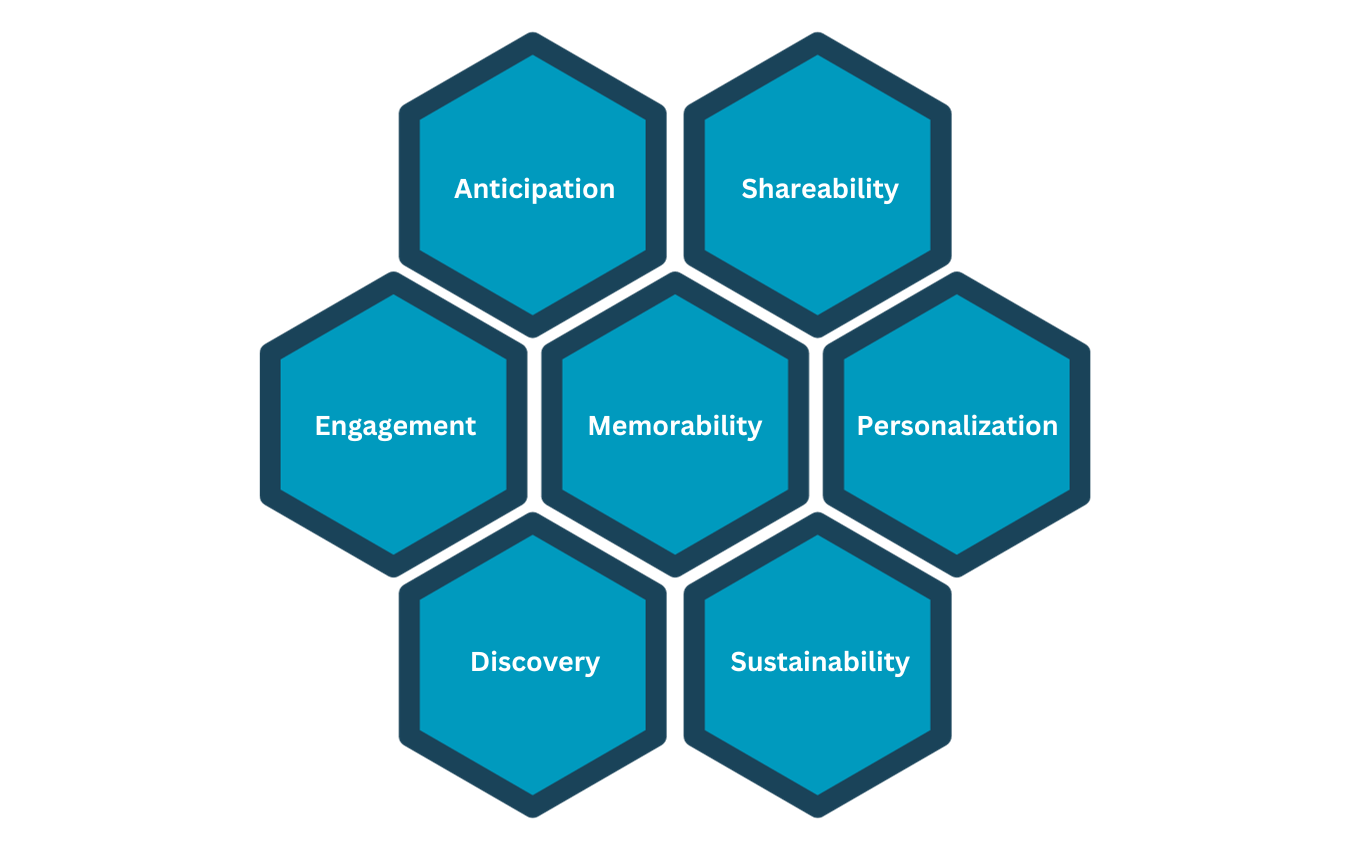
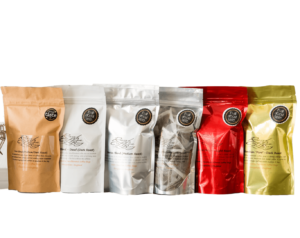
In the highly competitive world of physical retail, every tiny detail counts when it comes to attracting customers and encouraging them to purchase your products. One such crucial aspect that retailers can’t afford to overlook is custom packaging. Packaging is not just a protective measure, but also a powerful marketing tool that speaks volumes about your brand. This blog will focus on how to maximize the impact of custom packaging in physical retail spaces.
Understanding the Power of Packaging
Before we delve into strategies to enhance your custom packaging, it is vital to comprehend why packaging holds such importance in the retail environment.
Communicates Brand Values
Your packaging is the first physical interaction a potential buyer has with your product. It should clearly communicate your brand values, from quality and reliability to sustainability and creativity.
Creates a Lasting Impression
An attractive, well-thought-out package design can leave a lasting impression, stimulating repeat purchases and cultivating brand loyalty.
Influences Buying Decisions
Research indicates that approximately 70% of in-store purchases are impulsive. Effective packaging can stimulate these impulse buys by attracting and captivating shoppers’ attention.
With the significance of packaging well understood, let’s move on to how to maximize its impact.
Strategies for Maximizing the Impact of Custom Packaging
The following are some strategic approaches to make your custom packaging more impactful in a physical retail space:
Reflect Your Brand Identity
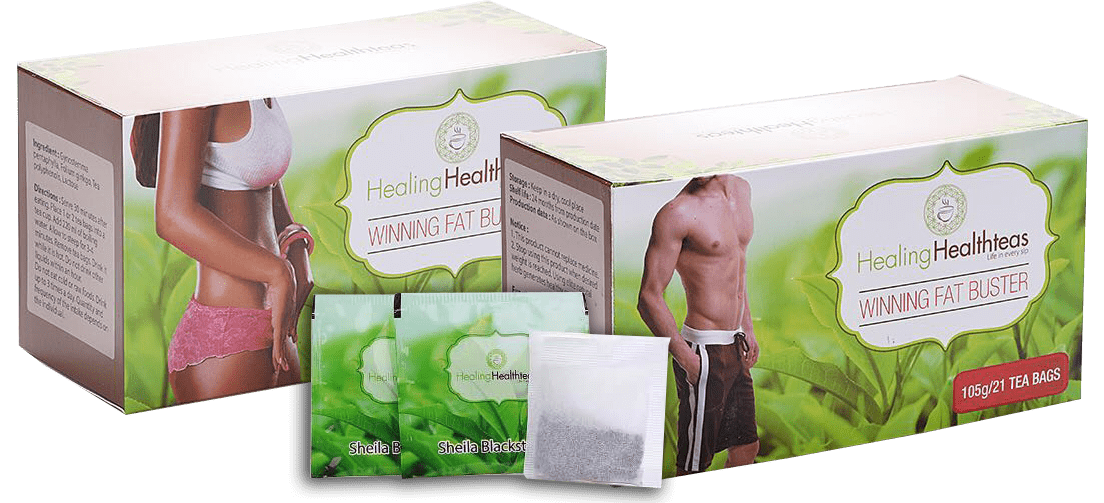
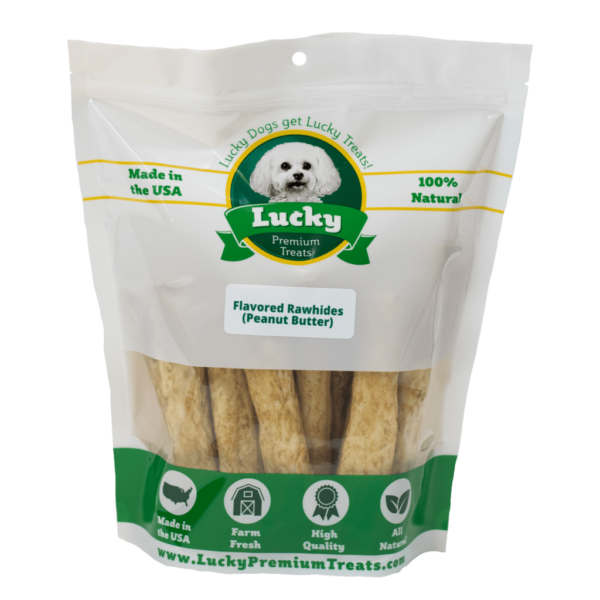
Your packaging should be a mirror image of your brand identity. It must reflect the ethos and aesthetics of your brand, using the right combination of colors, shapes, sizes, and materials.
Stand Out on the Shelves
In a physical store, your product is usually surrounded by competitors. Your packaging must stand out to attract customers.
Innovate with Shapes and Structures:
Try using innovative shapes and structures that differ from the norm. These can pique curiosity and draw attention.
Use Bold Colors and Patterns:
Bright, bold colors and patterns can make your packaging pop on the shelves. However, it’s essential to maintain consistency with your brand colors.
Leverage Sensory Appeal
Texture and material can enhance the tactile experience of your packaging, making it more memorable.
Soft-touch Coatings and Embossing:
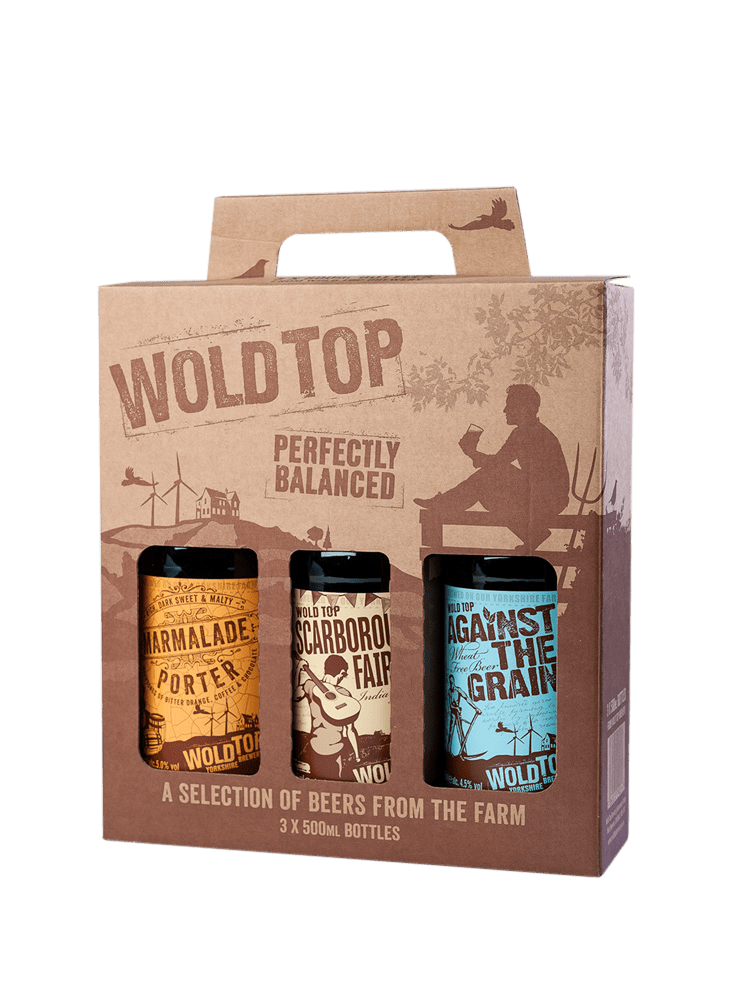
These can give a more luxurious feel, while corrugated or craft paper can communicate eco-friendliness.
Opt for Sustainable Packaging
Sustainability is no longer an optional selling point; it’s a requirement. Many consumers are willing to pay more for products with eco-friendly packaging.
Materials Matter:
Opt for recycled or biodegradable materials. Not only are they better for the environment, but they also show your commitment to sustainability.
Make it Functional and Convenient
While aesthetics are important, functionality and convenience shouldn’t be compromised. A well-designed, functional package can enhance the user experience, increasing the chances of repurchase.
Easy to Open:
No one enjoys struggling with overly complex packaging. Make sure your packaging is easy to open.
Reusability:
Consider if your packaging can be reused in some way. This not only adds value for the customer but also contributes to sustainability.
Summary: Custom Packaging in Retail Space
Custom packaging offers a significant opportunity to make a lasting impression and motivate purchase decisions in physical retail spaces. By understanding the power of packaging and applying the above strategies, you can create impactful, appealing, and memorable packaging that resonates with your customers and stands out on the shelves.
If you’re interested in custom packaging, then partner with Brown Packaging today to get started.
Retail packaging continues to evolve as brands balance sustainability, supply chain performance, and consumer experience. In 2026, buyers face new challenges shaped by material innovation, compliance requirements, and rising consumer expectations. Understanding these trends helps companies stay competitive while aligning packaging programs with industry standards. Sustainability Becomes Non-Negotiable Greater use of recyclable and compostable substrates. Retailers pushing suppliers toward FSC-certified materials. Minimalist designs that reduce waste without losing impact. Smarter Packaging for Supply Chains Increased adoption of right-sizing to reduce freight costs. Boxes designed for automation and faster fulfillment. Stronger corrugated grades to withstand long e-commerce journeys. Enhanced Consumer Experience Custom graphics for seasonal campaigns and limited editions. Tear strips, resealable closures, and window cutouts for convenience. Premium finishes that elevate gift packaging at retail. Growth of Hybrid Packaging Formats Combining corrugated strength with folding carton graphics. Modular designs for multi-SKU and club store environments. Packaging engineered to serve both e-commerce and in-store needs. Compliance and Testing Standards Retailers demanding ISTA and ASTM testing for packaging durability. Supply chain audits on recyclability and sustainability claims. More pressure for transparent reporting on environmental impact. Retail Packaging Solutions with Brown Packaging Brown Packaging helps brands adapt to evolving retail packaging trends. From sustainable substrates to automation-friendly designs, our solutions balance branding, durability, and compliance for 2026. Contact us to prepare your packaging program for the year ahead. References Forest Stewardship Council (FSC). (2023). FSC Packaging Certification Guidelines. Retrieved from https://fsc.orgSustainable Packaging Coalition. (2023). Packaging Trends and Consumer Insights. Retrieved from https://sustainablepackaging.orgSoroka, W. (2009). Fundamentals of Packaging Technology (4th ed.). Institute of Packaging Professionals. (714)300-0650 request@brownpackaging.com Most Recent Posts: Categories: Corrugated Ecommerce ESD Design Display Flexible Packaging Foam Folding Carton Packaging Plastic Packaging Pouch Printing Protection Retail Rigid Box Thermoform Sustainability Subscribe To Our Newsletter By submitting your information, you agree to our terms and conditions and privacy policy. Custom Packaging Facebook Twitter LinkedIn Pinterest Relevant Posts
Supplier contracts can make or break a packaging program. Without the right terms, buyers risk price volatility, missed lead times, and inconsistent product quality. In 2026, negotiating smart contracts is essential for controlling costs, securing reliable supply, and meeting compliance requirements. Why Packaging Contracts Matter Cost stability: Protects against sudden raw material price spikes. Supply security: Ensures availability during peak demand. Quality control: Aligns suppliers with testing and compliance standards. Operational efficiency: Streamlines purchasing and reduces administrative burden. Key Terms Buyers Should Negotiate Volume commitments: Secure better pricing with accurate forecasts. Price adjustment clauses: Define when and how costs can change. Lead times and delivery windows: Avoid shortages and production delays. Testing and compliance: Require ISTA, ASTM, or FSC certification where applicable. Sustainability commitments: Ensure suppliers align with environmental goals. Risks of Weak Contracts Paying inflated prices during market fluctuations. Receiving inconsistent corrugated strength or print quality. Missed shipments leading to costly expedited freight. Difficulty meeting retailer or regulatory compliance. Best Practices for Buyers in 2026 Leverage data: Use past order history to negotiate realistic volumes. Dual sourcing: Maintain backup suppliers for risk management. Annual reviews: Reassess terms to reflect changes in demand and compliance. Collaborative approach: Treat suppliers as partners, not just vendors. Packaging Solutions with Brown Packaging Brown Packaging helps buyers secure strong supplier contracts that balance cost, quality, and supply chain reliability. Our partnerships and industry expertise ensure your packaging program is protected for 2026 and beyond. Contact us to discuss supplier solutions. References Soroka, W. (2009). Fundamentals of Packaging Technology (4th ed.). Institute of Packaging Professionals.Fiber Box Association. (2024). Corrugated Packaging Market Outlook. Retrieved from https://www.fibrebox.orgSustainable Packaging Coalition. (2023). Supplier Standards for Sustainable Packaging. Retrieved from https://sustainablepackaging.org (714)300-0650 request@brownpackaging.com Most Recent Posts: Categories: Corrugated Ecommerce ESD Design Display Flexible Packaging Foam Folding Carton Packaging Plastic Packaging Pouch Printing Protection Retail Rigid Box Thermoform Sustainability Subscribe To Our Newsletter By submitting your information, you agree to our terms and conditions and privacy policy. Custom Packaging Facebook Twitter LinkedIn Pinterest Relevant Posts
Packaging compliance is no longer optional—it’s a requirement for accessing retail shelves, shipping networks, and international markets. In 2026, buyers must navigate evolving regulations around sustainability, labeling, and testing to avoid costly fines, rejected shipments, or damaged customer relationships. Why Compliance Matters in 2026 Retail requirements: Major retailers demand FSC, ISTA, and sustainability certifications. E-commerce standards: Carriers enforce dimensional weight and package testing rules. Global trade: Export packaging must comply with ISPM 15, ASTM, and ISO guidelines. Consumer trust: Transparency in packaging claims impacts purchasing decisions. Key Compliance Areas for Buyers Material sourcing: FSC-certified corrugated and board for sustainability. Labeling standards: GS1-compliant barcodes and accurate product details. Durability testing: ISTA and ASTM protocols for drop, vibration, and compression. Sustainability regulations: Requirements for recyclable or compostable materials. Chemical restrictions: Compliance with FDA, EU, or state-specific standards. Common Compliance Challenges Keeping up with frequent regulatory changes. Managing multiple certifications across suppliers. Balancing compliance with cost-efficiency. Verifying supplier claims for sustainability. Best Practices for Staying Compliant Audit suppliers annually to confirm certification validity. Run internal packaging tests before scaling. Track regulatory updates for each region you ship to. Work with experienced partners who understand industry compliance. Packaging Solutions with Brown Packaging Brown Packaging helps buyers meet 2026 compliance standards with FSC-certified materials, ISTA-tested designs, and regulatory expertise. Our team ensures your packaging meets retailer, carrier, and sustainability requirements. Contact us to keep your program compliant. References Forest Stewardship Council (FSC). (2023). FSC Certification Guidelines for Packaging. Retrieved from https://fsc.orgInternational Safe Transit Association (ISTA). (2023). ISTA Testing Procedures for Transport Packaging. Retrieved from https://ista.orgGS1. (2024). Global Standards for Packaging and Labeling. Retrieved from https://www.gs1.org (714)300-0650 request@brownpackaging.com Most Recent Posts: Categories: Corrugated Ecommerce ESD Design Display Flexible Packaging Foam Folding Carton Packaging Plastic Packaging Pouch Printing Protection Retail Rigid Box Thermoform Sustainability Subscribe To Our Newsletter By submitting your information, you agree to our terms and conditions and privacy policy. Custom Packaging Facebook Twitter LinkedIn Pinterest Relevant Posts
In 2026, sustainability is no longer just a trend—it’s a buyer expectation. Forest Stewardship Council (FSC) certification has become a key benchmark for responsible packaging, signaling that materials are sourced from responsibly managed forests. For packaging buyers, FSC certification is more than a compliance checkbox—it’s a brand value that influences purchasing decisions, retailer acceptance, and customer loyalty. What Is FSC Certification? The Forest Stewardship Council certifies that paper-based packaging materials are sourced from forests managed for environmental responsibility, social benefit, and economic viability. FSC Mix: Packaging contains a blend of FSC-certified and controlled wood. FSC Recycled: Packaging is made entirely from recycled fiber. FSC 100%: Packaging is sourced only from FSC-certified forests. Why FSC Matters to Buyers in 2026 Retail access: Many major retailers now require FSC-certified packaging. Sustainability goals: Aligns with corporate ESG and carbon reduction commitments. Consumer trust: Customers recognize the FSC label and view it as credible. Global compliance: Meets international sustainability regulations. How FSC Certification Strengthens Brand Value Differentiation: Stand out with certified sustainable packaging. Marketing advantage: FSC logos reinforce eco-friendly messaging. Risk reduction: Verified sourcing prevents greenwashing claims. Customer loyalty: Environmentally conscious buyers prefer certified products. Challenges in FSC Implementation Limited supply of certain FSC substrates. Higher costs compared to non-certified materials. Need for supplier audits and documentation. Packaging Solutions with Brown Packaging Brown Packaging partners with buyers to integrate FSC-certified materials into corrugated boxes, folding cartons, and retail packaging. Our solutions support sustainability while maintaining cost efficiency and protection. Contact us to strengthen your brand with FSC-certified packaging. References Forest Stewardship Council (FSC). (2023). FSC Certification Guidelines for Packaging. Retrieved from https://fsc.orgSustainable Packaging Coalition. (2023). Consumer Insights on Sustainable Packaging. Retrieved from https://sustainablepackaging.orgSoroka, W. (2009). Fundamentals of Packaging Technology (4th ed.). Institute of Packaging Professionals. (714)300-0650 request@brownpackaging.com Most Recent Posts: Subscribe To Our Newsletter By submitting your information, you agree to our terms and conditions and privacy policy. Sustainable Packaging Facebook Twitter LinkedIn Pinterest Relevant Posts
Sustainability is now a top priority for packaging buyers. Retailers, regulators, and consumers are all demanding packaging solutions that reduce environmental impact without sacrificing performance. In 2026, buyers must balance eco-friendly materials, cost, and compliance to build programs that are both effective and future-ready. What Buyers Need to Know About Sustainable Packaging Regulatory pressure: Governments are enforcing stricter rules on recyclability and plastic use. Retail mandates: FSC certification and recyclable packaging are becoming standard requirements. Consumer expectations: Customers increasingly choose brands with visible sustainability commitments. Sustainable Material Options Recycled corrugated: High recycled content while maintaining compression strength. Compostable films: Suitable for select food and retail applications. Molded pulp inserts: Replace foam or plastic for protective packaging. Water-based coatings: Enhance moisture resistance without harmful chemicals. Balancing Cost and Performance Right-size packaging: Reduces material waste and shipping costs. Hybrid solutions: Combine eco-materials with corrugated for balance. Life cycle analysis: Evaluate true environmental impact, not just marketing claims. How to Evaluate Sustainable Suppliers Verify FSC, SPC, or ISO certifications. Request testing data for durability and recyclability. Audit supply chains for consistency and transparency. Ensure claims meet local and international compliance standards. Packaging Solutions with Brown Packaging Brown Packaging helps buyers implement sustainable packaging programs that balance cost, performance, and compliance. From recycled corrugated to eco-friendly coatings and inserts, we deliver solutions that meet 2026 sustainability goals. Contact us to explore sustainable packaging options. References Forest Stewardship Council (FSC). (2023). FSC Certification Guidelines for Packaging. Retrieved from https://fsc.orgSustainable Packaging Coalition. (2023). Packaging Sustainability Trends and Buyer Insights. Retrieved from https://sustainablepackaging.orgSoroka, W. (2009). Fundamentals of Packaging Technology (4th ed.). Institute of Packaging Professionals. (714)300-0650 request@brownpackaging.com Most Recent Posts: Categories: Corrugated Ecommerce ESD Design Display Flexible Packaging Foam Folding Carton Packaging Plastic Packaging Pouch Printing Protection Retail Rigid Box Thermoform Sustainability Subscribe To Our Newsletter By submitting your information, you agree to our terms and conditions and privacy policy. Sustainable Packaging Facebook Twitter LinkedIn Pinterest Relevant Posts
Choosing the right packaging material is one of the most important decisions buyers face. Single-material packaging offers simplicity and recyclability, while multi-material designs provide enhanced performance and protection. Understanding the trade-offs helps companies balance cost, functionality, and sustainability goals in 2026. What Is Single-Material Packaging? Single-material packaging uses one substrate—such as corrugated board, folding carton, or plastic—for the entire structure. Advantages: Easier to recycle and dispose. Lower material costs in many cases. Streamlined sourcing and inventory. Supports sustainability messaging. Disadvantages: Limited barrier protection. Less customization for fragile or complex products. May require added thickness for strength, increasing weight. What Is Multi-Material Packaging? Multi-material packaging combines two or more substrates—such as corrugated with foam, or paperboard laminated with film—to achieve specific performance outcomes. Advantages: Greater protection against moisture, oxygen, and impact. Allows for premium finishes and enhanced graphics. Ideal for fragile or high-value products. Customizable for unique supply chain conditions. Disadvantages: More difficult to recycle due to material separation. Higher cost and longer lead times. Complex sourcing and inventory management. When to Use Each Approach Single-material packaging: Best for products with low fragility, strong sustainability requirements, or cost-driven programs. Multi-material packaging: Best for high-value, fragile, or regulated products requiring advanced protection. Balancing Performance and Sustainability Buyers must weigh performance needs against eco goals: Use recyclable coatings to extend single-material performance. Choose hybrid designs that separate easily for recycling. Apply multi-material solutions only where risk of damage outweighs cost. Packaging Solutions with Brown Packaging Brown Packaging helps buyers evaluate when to use single- vs. multi-material packaging. Our team balances sustainability, performance, and cost to deliver solutions tailored to your supply chain. Contact us to explore the right approach for your products. References Forest Stewardship Council (FSC). (2023). FSC Packaging Certification Guidelines. Retrieved from https://fsc.orgSoroka, W. (2009). Fundamentals of Packaging Technology (4th ed.). Institute of Packaging Professionals.Sustainable Packaging Coalition. (2022). Design for Recyclability and Multi-Material Packaging Report. Retrieved from https://sustainablepackaging.org (714)300-0650 request@brownpackaging.com Most Recent Posts: Categories: Corrugated Ecommerce ESD Design Display Flexible Packaging Foam Folding Carton Packaging Plastic Packaging Pouch Printing Protection Retail Rigid Box Thermoform Sustainability Subscribe To Our Newsletter By submitting your information, you agree to our terms and conditions and privacy policy. Custom Packaging Facebook Twitter LinkedIn Pinterest Relevant Posts
Home » Maximizing the Impact of Custom Packaging in Physical Retail Spaces

When it comes to packaging and shipping, having the right type of tape can make all the difference. Not only does it ensure that your packages stay secure during transit, but it also helps to protect the contents inside. But with so many different types of packaging tape available, it can be difficult to know which one to choose. In this blog post, we’ll take a closer look at the 7 most commonly used types of packaging tape and their unique properties, so you can make an informed decision when it comes to your packaging needs. 7 Most Commonly Used Packaging Tapes: Clear Brown Flatback Masking Duct Water Activated Film Double-Sided Clear Tape Clear tape, also known as transparent tape, is a pressure-sensitive tape that is made from polypropylene or polyester. It is a versatile tape that is suitable for a wide range of packaging applications, including sealing boxes, envelopes, and bags. Clear tape is a great option for packaging items that need to be visible, as it does not obstruct the view of the contents inside. Advantages Versatile, suitable for a wide range of packaging applications Transparent, does not obstruct the view of the contents inside Affordable Disadvantages Not as strong as other types of tape Not suitable for heavy duty applications Brown Flatback Tape Brown flatback tape, also known as paper packaging tape, is a type of pressure-sensitive tape that is made from strong paper. It is a strong and durable tape that is commonly used for sealing boxes and other packaging materials. Flatback tape is a great option for heavy duty packaging applications as it is strong, sustainable and durable. Advantages Strong and durable Suitable for heavy duty packaging applications Sustainable Disadvantages Not transparent, can obstruct the view of the contents inside Not suitable for applications where visibility is important Masking Tape Masking tape is a type of pressure-sensitive tape made from a thin and easy-to-tear paper. It is often used for light-duty packaging, sealing and bundling applications. The adhesive on masking tape is not very strong, making it easy to remove and reposition. It is available in a variety of widths and lengths, and colors. Examples: Packaging and sealing boxes, temporarily holding items together, labeling items. Advantages Easy to tear by hand Can be repositioned easily Easy to remove without leaving residue Available in a variety of widths and lengths Available in different colors Disadvantages Not suitable for heavy-duty applications Not water-resistant Duct Tape Duct tape is a heavy-duty, water-resistant tape made from a combination of cloth and plastic. It is often used for industrial and commercial packaging applications, as well as for home repairs and DIY projects. It is available in a variety of widths and lengths. Examples: Sealing boxes and bags, bundling items, reinforcing packaging Advantages Strong and durable Water-resistant Can be used for a variety of applications Available in a variety of widths and lengths Disadvantages Not as easy to tear by hand as other types of tape Can leave residue if removed Can be difficult to remove if left on for an extended period of time. Water-Activated Tape (WAT) WAT is a type of paper tape that is activated by water, making it an ideal option for sealing heavy-duty boxes and packages. The tape is made of a thick, kraft paper material and has a water-activated adhesive on one side. This type of tape is often used in industrial and commercial packaging applications and is known for its strength and durability. Customization options include printing company logos or branding on the tape. Advantages Water-activated adhesive provides a strong bond, making it suitable for heavy-duty packages Made of durable kraft paper material Reinforced version available Customizable with company branding or logos Disadvantages Requires a water-activated dispenser to apply the tape Not as versatile as other types of tape, as it can only be used for specific packaging applications Film Tape Film tape is a type of tape that is made of a thin, clear plastic material. It is often used in packaging applications where visibility of the package’s contents is important, such as with retail packaging. The tape has a strong adhesive that is suitable for a variety of packaging materials. Customization options include printing company logos or branding on the tape. Advantages Clear plastic material allows for visibility of package contents Strong adhesive suitable for a variety of packaging materials Customizable with company branding or logos Disadvantages Not as durable as other types of tape Can be easily torn or punctured Double-Sided Tape Double-sided tape is a type of tape that has adhesive on both sides, making it ideal for attaching items together without leaving a residue. This tape is often used in packaging applications where a clean and professional look is desired, such as with retail packaging. The tape can be made of a variety of materials, such as paper, plastic, or foam. Advantages Adhesive on both sides allows for attaching items together without leaving residue Can be made of a variety of materials Disadvantages Not suitable for heavy-duty packaging applications Can be difficult to remove without leaving residue Summary: Which Packaging Tape Should You Choose? In conclusion, there are many different types of packaging tape available, each with their own unique advantages and disadvantages. It’s important to choose the right type of tape for your specific packaging application, whether it be a light-duty package or a heavy-duty package, a clean and professional look or a durable and strong hold. With the right tape, you can ensure that your packages are secure and protected during transit and storage. And if you want to add your branding on the tape, it is a good way to make your brand more memorable to the customers. If you are interested in packaging tape, stock or custom, then contact Brown Packaging today for assistance. (714)300-0650 request@brownpackaging.com Most Recent Posts: Categories: Corrugated Ecommerce ESD Design Display Flexible Packaging Foam Folding Carton Packaging Plastic Packaging Pouch Printing Protection Retail Rigid Box Thermoform Sustainability Subscribe To Our

With tariffs set to reshape the U.S. packaging industry in 2025, packaging buyers must understand their potential benefits and challenges. Tariffs aim to encourage domestic sourcing and manufacturing, but their effects can be complex. This blog examines the pros and cons of tariffs for packaging buyers, offering a neutral and informative perspective to help navigate the changing landscape. What Are Tariffs and How Do They Affect Packaging? Tariffs are taxes imposed on imported goods, designed to incentivize businesses to source domestically. For the packaging industry, this can lead to increased costs for materials and finished products sourced internationally. At the same time, tariffs may promote local manufacturing and strengthen domestic supply chains. The Pros of Tariffs on Packaging Encourages Domestic Manufacturing Tariffs make imported goods more expensive, driving demand for U.S.-produced materials and packaging products. Benefits for Buyers: Strengthened local supply chains reduce dependency on international markets. Shorter transportation distances can improve delivery reliability and speed. Opportunities to work with domestic suppliers who align with sustainability and quality standards. Reduces Exposure to Global Disruptions The COVID-19 pandemic and other global events highlighted vulnerabilities in international supply chains. Tariffs encourage buyers to source locally, mitigating risks from international shipping delays or geopolitical tensions. Drives Investment in Innovation As demand for domestic packaging grows, U.S. manufacturers may invest in new technologies and materials to remain competitive. Examples of Innovation: Development of cost-effective, eco-friendly packaging options. Automation to improve production efficiency and reduce lead times. Potential Environmental Benefits Local sourcing reduces the need for long-distance shipping, which can lower carbon emissions associated with packaging production and transportation. The Cons of Tariffs on Packaging Increased Costs The most immediate impact of tariffs is higher prices for imported materials and products. These costs can affect buyers in several ways: Material Price Increases: Tariffs on imported paperboard, plastics, or aluminum can drive up the cost of packaging solutions like corrugated boxes, flexible films, and beverage cans. Pass-Through Costs: Suppliers may pass tariff-related expenses onto buyers, increasing procurement costs. Supply Chain Bottlenecks The shift to domestic sourcing can create short-term challenges as manufacturers ramp up to meet increased demand. Potential Issues: Limited production capacity among domestic suppliers. Longer lead times due to initial supply shortages. Limited Supplier Options In some cases, buyers may struggle to find domestic suppliers offering the same quality, pricing, or product variety as their international counterparts. Complexity in Procurement Tariffs add an extra layer of complexity to procurement processes, requiring buyers to: Monitor tariff changes and their impacts. Evaluate the cost-benefit of domestic vs. international sourcing. Navigate customs regulations and compliance requirements for any remaining imports. Balancing the Pros and Cons Packaging buyers can weigh the benefits and drawbacks of tariffs by aligning their sourcing strategies with business goals. Consider these key factors: When Tariffs Can Be a Positive Change: Your business values a resilient, local supply chain. Sustainability is a priority, and reducing transportation emissions aligns with your goals. You’re looking to foster long-term partnerships with domestic manufacturers. When Tariffs May Pose Challenges: Your packaging relies on specialized materials or products not widely available in the U.S. Cost increases would significantly impact your pricing or profitability. You operate in an industry where margins are already tight. Preparing for Tariffs in the Packaging Industry To navigate the impact of tariffs effectively, packaging buyers can take proactive steps to mitigate challenges while capitalizing on opportunities: Evaluate Supplier Relationships: Build partnerships with domestic manufacturers to ensure reliable sourcing. Invest in Cost Management: Optimize packaging designs and explore alternative materials to reduce expenses. Stay Updated: Monitor tariff policies and industry trends to make informed decisions. Leverage Technology: Use supply chain management tools to enhance forecasting, inventory management, and sourcing strategies. Final Thoughts Tariffs on packaging present a mixed picture for buyers, offering both opportunities and obstacles. While they can drive innovation and strengthen domestic supply chains, they also introduce cost pressures and logistical challenges. By understanding the pros and cons of tariffs and preparing strategically, packaging buyers can adapt to these changes while maintaining operational efficiency. If you are interested in maximizing the benefits of tariffs on your packaging and limiting the challenges, then partner with Brown Packaging today to get started. (714)300-0650 request@brownpackaging.com Most Recent Posts: Categories: Corrugated Ecommerce ESD Design Display Flexible Packaging Foam Folding Carton Packaging Plastic Packaging Pouch Printing Protection Retail Rigid Box Thermoform Sustainability Subscribe To Our Newsletter By submitting your information, you agree to our terms and conditions and privacy policy. Custom Packaging Facebook Twitter LinkedIn Pinterest Relevant Posts

Effective packaging plays a crucial role in product presentation and protection across various industries. Among the many packaging options available, blister packaging stands out as a versatile and valuable choice. Blister packs find widespread use in sectors such as pharmaceuticals, electronics, toys, and consumer goods. In this comprehensive guide, we’ll delve into the top 10 reasons why blister packaging should be a strong consideration for your product packaging needs. Enhanced Product Visibility Reliable Protection from Contamination Tamper-Evident Features Extensive Customization Options Exceptional Durability Cost-Effective Solution Space Efficiency Sustainability Considerations Shelf-Life Extension Versatile Packaging Solution Enhanced Product Visibility Blister packaging excels in showcasing your product. Its transparent plastic shell offers a clear view of the item within. This visibility builds consumer trust and confidence as customers can precisely see the product they are purchasing, reducing the likelihood of misunderstandings or dissatisfaction. Reliable Protection from Contamination One of the primary advantages of blister packs is their superior protection against external contaminants. The sealed plastic shell encases the product securely, shielding it from dust, moisture, and handling. This ensures that your product remains clean and intact until it is opened by the end-user. Tamper-Evident Features Blister packaging can be designed to incorporate tamper-evident features, such as perforated edges or prominently printed warnings. These elements reassure customers that the product has not been tampered with, enhancing safety and trust in your brand. Extensive Customization Options Blister packs offer ample room for customization. You can tailor the packaging to precisely fit the shape and size of your product, allowing you to add branding elements, labels, or eye-catching graphics. This level of customization creates a unique and visually appealing presentation that sets your product apart. Exceptional Durability Blister packs are renowned for their durability. They can withstand the rigors of handling, transportation, and storage. The robust plastic shell resists tearing, ensuring that your products reach customers in excellent condition. Cost-Effective Solution Blister packaging is often a cost-effective choice, particularly for high-volume production. The efficiency of the packaging process and material options can help reduce overall packaging costs while maintaining quality. Space Efficiency Blister packs are space-efficient, making them ideal for retailers and businesses with limited shelf or storage space. The compact design allows for easy stacking and storage, optimizing space usage. Sustainability Considerations Blister packaging can be designed with sustainability in mind. Many blister pack materials are recyclable, contributing to eco-friendly packaging practices. By choosing sustainable options, you can reduce your environmental footprint and appeal to environmentally conscious consumers. Shelf Life Extension Blister packs can be designed to extend the shelf life of products that require protection from moisture, light, or oxygen. This is particularly crucial for industries such as pharmaceuticals and food, where product freshness and integrity are paramount. Versatile Packaging Solution Blister packaging’s versatility is one of its standout features. It is suitable for a wide range of products, spanning pharmaceuticals, cosmetics, small electronics, hardware, and more. Its adaptability and compatibility with diverse product types make it a popular choice across various industries. Blister packaging offers a multitude of advantages, making it an attractive and versatile option for product packaging. Its transparency, contamination protection, tamper-evident features, customization possibilities, durability, cost-effectiveness, and space efficiency are some of the key reasons businesses opt for blister packaging. Additionally, blister packs can contribute to sustainability goals, extend product shelf life, and accommodate a wide array of products. Whether you operate in the pharmaceutical, electronics, or consumer goods industry, exploring the benefits of blister packaging can enhance your product’s appeal, protection, and marketability. If you are interested in blister packaging, then partner with Brown Packaging today to get started. (714)300-0650 request@brownpackaging.com Most Recent Posts: Categories: Corrugated Ecommerce ESD Design Display Flexible Packaging Foam Folding Carton Packaging Plastic Packaging Pouch Printing Protection Retail Rigid Box Thermoform Sustainability Subscribe To Our Newsletter By submitting your information, you agree to our terms and conditions and privacy policy. Custom Corrugated Boxes Facebook Twitter LinkedIn Pinterest Relevant Posts