Home » How Packaging Buyers Can Prepare for Tariffs in 2025
How Packaging Buyers Can Prepare for Tariffs in 2025
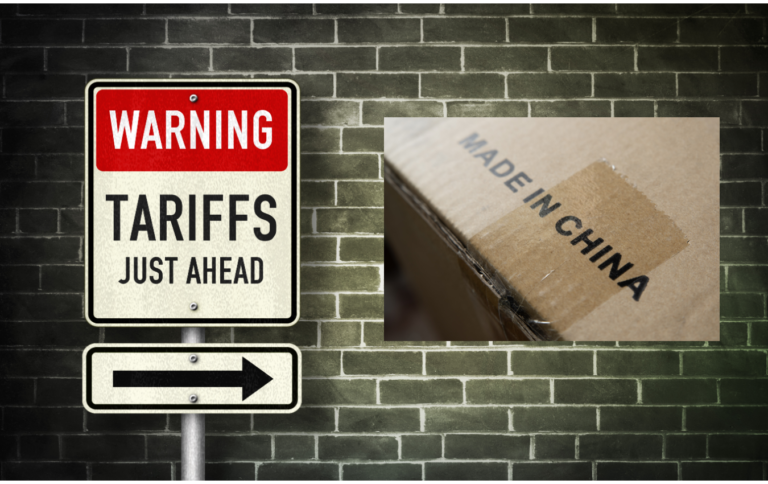
As 2025 approaches, the U.S. packaging industry faces a new reality with tariffs that aim to prioritize domestic sourcing and manufacturing. These changes could disrupt supply chains, increase costs, and reshape procurement strategies for packaging buyers. Preparing for these tariffs now can help businesses minimize challenges and capitalize on potential opportunities. Here’s a comprehensive guide to getting your packaging operations ready for the evolving landscape.
Understanding the Impact of Tariffs on Packaging
Tariffs are taxes on imported goods designed to encourage domestic production. While these measures can boost local manufacturing, they also bring challenges:
- Higher Costs for Imported Materials: Common materials like corrugated board, flexible plastics, and metals may become more expensive due to tariffs.
- Supply Chain Adjustments: Companies that rely on international suppliers must rethink their sourcing strategies to mitigate delays and costs.
- Uncertain Market Dynamics: Tariff-induced price changes may lead to shifts in supplier relationships and product availability.
To stay competitive, packaging buyers need to adapt their processes, relationships, and strategies proactively.

Strategies to Prepare for Tariffs
Evaluate Your Current Supply Chain
The first step in preparing for tariffs is understanding your current supply chain. Assess where your materials and products come from and identify potential tariff-affected areas.
Key Questions to Ask:
- Are your suppliers located internationally or domestically?
- Which materials or products are likely to face tariff increases?
- What alternatives are available in the domestic market?
This evaluation will help pinpoint vulnerabilities and guide your next steps.
Strengthen Relationships with Domestic Suppliers
Tariffs are expected to increase demand for U.S.-based packaging suppliers. Building strong relationships now can secure your position as a priority customer and ensure access to materials.
Action Steps:
- Reach out to domestic manufacturers to discuss capacity and lead times.
- Negotiate long-term contracts to lock in pricing and availability.
- Explore local sourcing options for commonly used materials.

Diversify Your Supplier Base
Relying on a single supplier or region for your packaging needs can leave you vulnerable to tariff-related disruptions. Diversification ensures flexibility and reduces risk.
How to Diversify:
- Identify backup suppliers both domestically and internationally.
- Split orders among multiple vendors to avoid over-reliance on one source.
- Work with distributors who can provide access to a variety of suppliers.
Optimize Packaging Design
Innovative packaging design can help reduce material costs and simplify production, making it easier to adapt to tariff-related changes.
Design Adjustments to Consider:
- Lightweight: Use thinner or lighter materials to reduce overall costs.
- Simplified Components: Opt for mono-material designs that are easier to source domestically.
- Right-Sizing: Tailor packaging dimensions to minimize material waste.

Focus on Cost Management
Tariffs may increase expenses, but careful cost management can help offset their impact.
Cost-Saving Measures:
- Consolidate orders to take advantage of bulk discounts.
- Streamline inventory management to avoid overstocking or last-minute purchases.
- Negotiate payment terms with suppliers to improve cash flow.

Leverage Technology for Planning
Advanced technology can provide valuable insights and improve decision-making during times of change.
Useful Tools:
- Supply Chain Analytics: Identify risks and optimize sourcing strategies.
- Inventory Management Systems: Monitor stock levels and forecast future needs accurately.
- Tariff Calculators: Estimate the financial impact of tariffs on your materials and products.
Stay Informed About Policy Changes
Tariff policies can evolve, and staying updated is crucial to making informed decisions. Monitor industry news and maintain open communication with suppliers and trade associations.
How to Stay Updated:
- Subscribe to packaging industry publications.
- Attend trade shows and seminars focusing on tariff and supply chain management.
- Build relationships with customs brokers and trade consultants for expert advice.
Opportunities Amid the Challenges
While tariffs may present hurdles, they also create opportunities for growth and innovation within the packaging industry:
- Domestic Sourcing Incentives: Strengthening local supply chains can reduce reliance on global markets and enhance long-term stability.
- Sustainability Improvements: Transitioning to local, eco-friendly materials can align with both regulatory requirements and consumer demand.
- Market Differentiation: Companies that adapt quickly can position themselves as reliable partners in the new tariff landscape.
Action Plan for Packaging Buyers
To prepare for tariffs effectively, packaging buyers should focus on the following:
- Conduct a Supply Chain Audit: Identify potential vulnerabilities and alternatives.
- Collaborate with Suppliers: Build strong relationships with domestic partners.
- Plan for Flexibility: Diversify suppliers and inventory to remain adaptable.
- Invest in Innovation: Optimize packaging design and explore cost-saving measures.
- Stay Proactive: Monitor policy updates and engage with industry experts.
Conclusion
Preparing for tariffs in 2025 requires strategic planning and proactive decision-making. By understanding their impact and taking steps to adapt, packaging buyers can mitigate risks and position their businesses for success. Whether it’s optimizing your supply chain, exploring new materials, or leveraging technology, the key is to act now and embrace the changes ahead.
If you are interested in preparing or adjusting to tariffs for your packaging, then partner with Brown Packaging today to get started.
Subscription packaging continues to expand across beauty, food, lifestyle, and specialty products. Buyers must balance branding, protection, and sustainability while keeping fulfillment efficient. This checklist highlights the critical areas buyers
As budgets tighten in 2026, packaging buyers are under pressure to reduce costs without increasing damage rates. Cutting too aggressively can lead to product loss, higher return rates, and frustrated
Product damage is one of the most expensive risks in packaging. Beyond replacement costs, damaged goods lead to lost sales, returns, and reputational harm. In 2026, complex e-commerce, global shipping,
Retail packaging continues to evolve as brands balance sustainability, supply chain performance, and consumer experience. In 2026, buyers face new challenges shaped by material innovation, compliance requirements, and rising consumer
Home » How Packaging Buyers Can Prepare for Tariffs in 2025

Lithography and digital print are two of the most commonly used methods in packaging printing. They both have unique advantages and disadvantages, and understanding these differences can help you make an informed decision about which method is best for your packaging needs. In this blog, we’ll compare and contrast digital print and lithography in packaging. Lithography Lithography, also known as offset printing, is a traditional printing process that has been used for over a century. It involves the transfer of ink from a printing plate to a rubber blanket, which is then pressed onto the paper or packaging material. Lithography is a high-quality printing method that produces sharp, crisp, and detailed images with consistent color and density. Advantages of Lithography Lithography is a high-quality printing method that has been used for over a century and is known for its superior print quality. It is widely used in packaging printing for a variety of reasons, including its versatility, consistency, and cost-effectiveness for large runs. Here are some advantages of lithography in more detail: High-Quality Prints: Lithography produces high-quality prints with accurate color reproduction, sharp images, and consistent color and density. The printing plates used in lithography are carefully prepared, ensuring that each print is of the same quality as the first. Versatility: Lithography can be used on a wide range of packaging materials, including paper, corrugated and plastic. It is also suitable for printing on various shapes and sizes of packaging, making it a versatile option for packaging printing. Consistency: Because lithography uses printing plates, each print is consistent in quality and color. This makes it an ideal choice for large runs where consistency is essential. Cost-Effective for Large Runs: Lithography becomes more cost-effective for large runs because the cost of the printing plates can be spread over a large number of prints. This makes lithography a popular choice for large packaging orders. Excellent Detail and Resolution: Lithography produces prints with excellent detail and resolution, making it the ideal choice for printing complex designs and fine text. Disadvantages of Lithography While lithography has many advantages, it also has some disadvantages that should be considered when deciding whether to use this printing method for packaging. Here are some disadvantages of lithography in more detail: High Setup Costs: Lithography has a high setup cost because it requires the creation of a printing plate and the preparation of the printing press. This can make it less cost-effective for smaller runs of packaging. Long Lead Times: The setup process for lithography can take a long time, which can be a disadvantage when you need your packaging printed quickly. The process of creating the printing plates and preparing the printing press can take several days or even weeks, depending on the complexity of the design and the size of the print run. Limited Customization: Lithography is not the best choice for highly customized packaging as it requires the creation of a new printing plate for each design. This can be time-consuming and expensive, making lithography less suitable for small runs of packaging with different designs. Environmental Concerns: Lithography is not the most environmentally friendly printing method. The process uses chemicals and produces a lot of waste, including used ink, paper waste, and printing plates, which can be harmful to the environment if not disposed of properly. Digital Printing Digital printing is a newer printing technology that has been rapidly gaining popularity in recent years. It involves the direct transfer of digital files to the printing press, eliminating the need for printing plates. Advantages of Digital Print Digital print offers a range of advantages over traditional printing methods like lithography, making it an attractive option for many packaging applications. Here are some advantages of digital printing in more detail: Quick Turnaround: Digital printing has a much faster setup time than lithography, which means that your packaging can be printed quickly. There is no need to create printing plates, which eliminates the time-consuming process of plate making and setup. Cost-Effective for Small Runs: Digital printing is cost-effective for small runs of packaging because there are no setup costs associated with the printing plates. This makes digital printing an ideal choice for startups or small businesses that need a smaller number of packaging prints. Customization: Digital printing allows for a high degree of customization, making it ideal for unique and personalized packaging. Each print can be different without any additional costs, which is perfect for packaging with multiple versions or personalized designs. High-Quality Prints: While digital printing may not match the print quality of lithography, it has come a long way in recent years and can produce high-quality prints with accurate color reproduction, sharp images, and excellent detail and resolution. Versatility: Digital printing is suitable for a wide range of packaging materials, including paper, corrugated, plastic, and some types of metal. This makes it a versatile option for packaging printing that can be used in a variety of applications. Disadvantages of Digital Print Although digital printing has many advantages, it also has some disadvantages that should be considered when deciding whether to use this printing method for packaging. Here are some disadvantages of digital printing in more detail: Lower Print Quality: While digital printing has come a long way in recent years, it still cannot match the print quality of lithography. Digital printing can produce high-quality prints, but the color reproduction, sharpness, and detail may not be as accurate or consistent as lithography. Limited Versatility: While digital printing is suitable for a wide range of packaging materials, it may not be the best choice for all materials. Digital printing may not be suitable for some packaging materials like glass or some types of metal. Additionally, digital printing may not be able to achieve some specialty finishes, such as metallic inks or embossing. Inconsistent Color Matching: Because digital printing does not use the same ink as lithography, color matching can be challenging, especially when it comes to Pantone colors. Variations in temperature, humidity, and the printing substrate can also

When it comes to packaging and transporting bicycles, one type of corrugated box stands out as the ideal choice: Full-Overlap (FOL) Corrugated Boxes. These specially designed boxes offer superior protection and structural integrity, ensuring that your valuable bikes reach their destination in perfect condition. In this detailed blog, we’ll explore why Full-Overlap Corrugated Boxes are the right choice for bikes, discussing their unique features, benefits, and why they outshine other packaging options. Understanding Full-Overlap Corrugated Boxes Full-Overlap Corrugated Boxes are a type of corrugated packaging specifically engineered for robustness and durability. They are characterized by their design, which involves flaps that fully overlap when the box is closed. This design provides exceptional strength and protection, making them ideal for safeguarding items like bicycles during transit. Why Full-Overlap Corrugated Boxes Are Ideal for Bikes Superior Protection: FOL Boxes provide a high level of protection due to their sturdy construction. They effectively shield bikes from impacts, vibrations, and external forces during shipping. Structural Integrity: The overlapping flaps of these boxes enhance their structural integrity, preventing crushing or deformation, which is crucial when shipping bicycles. Customizable Sizing: FOL Corrugated Boxes are available in various sizes, ensuring a snug fit for different bicycle types and sizes. Custom sizing minimizes excess space, reducing the risk of damage due to movement during transit. Shock Absorption: These boxes are designed to absorb shocks and vibrations, preventing potential damage to delicate bicycle components like gears, brakes, and frames. Secure Closure: Full-Overlap Corrugated Boxes typically feature secure closures, such as adhesive tape or strapping, ensuring that the box remains closed throughout the shipping process. Cost-Efficient: Despite their advanced protection capabilities, Full-Overlap Corrugated Boxes are cost-effective, providing a balance between safeguarding your bikes and managing shipping expenses. Eco-Friendly Options: Many Full-Overlap Corrugated Boxes are made from recyclable materials, aligning with eco-conscious packaging practices. Branding Opportunities: These boxes can be customized with your brand logo and information, enhancing your company’s visibility and professionalism. Other Considerations for Bike Packaging While FOL Corrugated Boxes are the ideal choice for bike packaging, it’s essential to consider a few additional factors: Padding and Cushioning: Use appropriate cushioning materials, such as foam and corrugated inserts or bubble wrap, to further protect delicate bike components. Customization: Consider customizing the interior of the box to accommodate specific bike models or accessories securely. Labeling and Documentation: Clearly label the boxes with shipping information and handling instructions. Include relevant documentation, such as assembly instructions or warranty information, if applicable. Shipping Method: Choose a reliable shipping method and carrier to ensure that your bikes are handled with care during transit.Top of Form If you are interested in bike packaging, then partner with Brown Packaging today to get started. (714)300-0650 request@brownpackaging.com Most Recent Posts: Categories: Corrugated ESD Design Foam Folding Carton Packaging Plastic Packaging Pouch Printing Protection Retail Sustainability Subscribe To Our Newsletter By submitting your information, you agree to our terms and conditions and privacy policy. Bike Boxes Facebook Twitter LinkedIn Pinterest Relevant Posts
Summer is a season of warm weather and outdoor activities that brings joy to many people. However, for businesses that rely on packaging to transport and store their products, summer can be a challenging season. The high temperatures can have a significant impact on packaging, leading to damage and even product loss. Quick Overview: Summer Heat Vs Packaging In this article, we will discuss the following topics: Understanding the Impact of Heat on Packaging Common Types of Packaging Materials and Their Vulnerability to Heat The Impact of Heat on Different Types of Products Tips for Mitigating the Risks of Heat on Packaging Impact of Heat on Packaging Costs Environmental Impact of Heat-Damaged Packaging Regulations and Standards for Heat-Resistant Packaging Emerging Technologies for Heat-Resistant Packaging Importance of Effective Communication with Customers By the end of this article, you will have a better understanding of the steps you can take to safeguard your products during the summer months and maintain your reputation for quality and reliability. Understanding the Impact of Heat on Packaging Packaging is designed to protect products from various environmental factors, such as moisture, light, and temperature. However, extreme heat can compromise the integrity of the packaging and make it less effective in safeguarding the product. When exposed to high temperatures, packaging materials can shrink, warp, or melt, leading to leaks, cracks, or breaks. This can result in product spoilage, contamination, or even loss. Common Types of Packaging Materials and Their Vulnerability to Heat Different packaging materials have varying degrees of susceptibility to heat damage. Plastic packaging, for example, is widely used because it is durable, lightweight, and cost-effective. However, plastic is vulnerable to heat, and exposure to high temperatures can cause it to warp or melt, compromising the product’s safety. Glass packaging is popular for products such as beverages, sauces, and jams. While glass is less susceptible to heat damage than plastic, it can still crack or break when exposed to extreme temperatures, leading to product loss. Metal packaging, such as cans and tins, is sturdy and can withstand high temperatures. The Impact of Heat on Different Types of Products Different types of products have varying degrees of vulnerability to heat damage. For example, food and beverage products are highly susceptible to spoilage and contamination when exposed to high temperatures. Heat-sensitive products, such as pharmaceuticals and cosmetics, can lose their efficacy or even become hazardous when exposed to extreme heat. Tips for Mitigating the Risks of Heat on Packaging Businesses can take several steps to mitigate the risks of heat damage on packaging. Choosing packaging materials that are resistant to heat, such as metal or insulated packaging, can be effective. Storing products in temperature-controlled environments, such as refrigerators or air-conditioned rooms, can help prevent heat damage. Using protective packaging, such as bubble wrap or foam inserts, can provide an extra layer of insulation and protection for products during transportation and storage. Regular monitoring and tracking of products can help identify any signs of heat damage early and take appropriate action to prevent product loss or spoilage. Impact of Heat on Packaging Costs Heat damage to packaging can lead to product loss, which can result in increased costs for businesses. For example, businesses may need to replace damaged packaging, reship products, or issue refunds to customers. In addition, heat damage can also result in delays in product delivery, which can further impact business costs. Understanding the financial impact of heat damage on packaging can help businesses prioritize investments in heat-resistant packaging materials and temperature-controlled storage. Environmental Impact of Heat-Damaged Packaging Heat-damaged packaging can also have environmental implications. For example, products that spoil or become contaminated due to heat damage may need to be disposed of, leading to waste. In addition, heat-damaged packaging may not be recyclable, further contributing to environmental issues. Businesses can reduce their environmental impact by choosing packaging materials that are recyclable, biodegradable, or compostable and implementing sustainable packaging practices. Regulations and Standards for Heat-Resistant Packaging Regulations and standards for heat-resistant packaging vary depending on the type of product and industry. For example, the US Food and Drug Administration (FDA) has specific regulations for packaging materials used for food and drug products. Understanding regulatory requirements and industry standards for heat-resistant packaging can help businesses ensure their products meet safety and quality standards. Emerging Technologies for Heat-Resistant Packaging Advances in technology have led to the development of new packaging materials that are more resistant to heat damage. For example, researchers are exploring the use of nanotechnology to create heat-resistant packaging materials that can protect products from high temperatures. Other innovations include the use of biodegradable or compostable materials that are both environmentally friendly and heat-resistant. Keeping abreast of emerging technologies in heat-resistant packaging can help businesses stay competitive and improve product quality. Importance of Effective Communication with Customers Effective communication with customers is crucial in ensuring they understand the risks associated with summer heat and packaging. Businesses can use various channels, such as social media, email, or packaging inserts, to inform customers about the importance of proper storage and handling of products during summer months. By educating customers, businesses can minimize the risk of product loss or damage due to heat, leading to increased customer satisfaction and loyalty. Summary: Summer Heat Vs Packaging In conclusion, summer heat can have a significant impact on packaging, leading to product loss, contamination, or spoilage. Businesses must understand the risks associated with heat damage and take appropriate steps to mitigate them. By choosing heat-resistant packaging materials, storing products in temperature-controlled environments, using protective packaging, and monitoring products regularly, businesses can safeguard their products and improve their bottom line. Additionally, businesses should prioritize sustainability, stay up-to-date with emerging technologies, and communicate effectively with customers to minimize the environmental and financial impact of heat-damaged packaging. By taking these measures, businesses can ensure that their products reach customers in the best possible condition and maintain their reputation for quality and reliability. If you are interested with packaging solutions with reliable durability to summer heat, then