Home » Dust Flaps in Roll End Tuck Top Boxes Explained
Dust Flaps in Roll End Tuck Top Boxes Explained
In the realm of packaging solutions, roll end tuck top (RETT) boxes are hailed for their durability and versatile design. Yet, among their many attributes, the inclusion of dust flaps stands out as an essential feature. In this blog, we will delve into the intricacies of dust flaps within the context of RETT boxes, exploring their design, features, benefits, and when it is prudent to consider incorporating dust flaps into your packaging strategy.
Understanding Dust Flaps
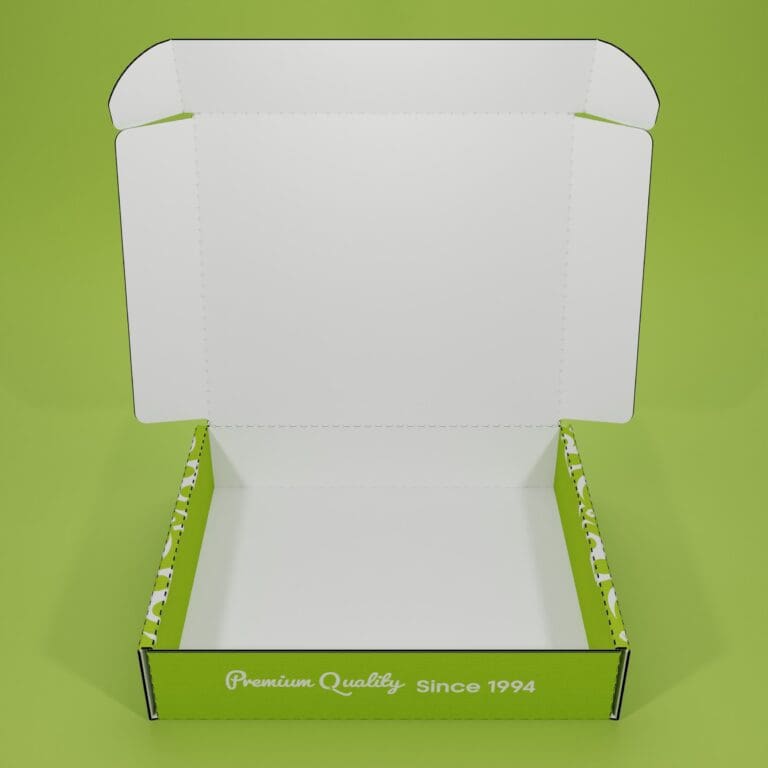
Dust flaps are an ingenious addition to packaging, serving a dual purpose of protection and presentation. In the context of RETT boxes, these flaps are designed to extend from the top of the box when closed. Here’s a closer look at their design and features:
- Extended Protection: Dust flaps, as the name suggests, act as shields against dust, dirt, and contaminants, safeguarding the contents from external pollutants. This is especially critical for products that require pristine condition upon arrival.
- Enhanced Security: Beyond their protective role, dust flaps add an extra layer of security to the package, ensuring the contents remain untouched and undamaged during transit and storage.
- Aesthetic Appeal: When the box is opened, the dust flaps contribute to the overall visual appeal, lending a polished and professional appearance to the unpacking experience. This aspect is particularly valuable for products with a premium or luxury image.
Benefits of Dust Flaps
Dust flaps offer a multitude of advantages, making them a valuable addition to your RETT boxes:
- Maintaining Cleanliness: Dust flaps help maintain the cleanliness and integrity of the contents, ensuring they arrive in pristine condition, free from any external contaminants.
- Added Security: By preventing tampering and unauthorized access, dust flaps enhance the security of your products, providing peace of mind to both businesses and customers.
- Improved Presentation: The presence of dust flaps elevates the unboxing experience, making it more elegant and sophisticated, which can significantly impact customer perception.
- Customization Options: Dust flaps can be customized with branding elements, product information, or decorative designs, further enhancing the visual appeal and reinforcing brand identity.
When to Consider Adding Dust Flaps to RETT Boxes
Now, let’s explore when it’s advisable to include dust flaps in your RETT boxes:
- Fragile or Sensitive Products: If your products are delicate or sensitive to external factors like dust or humidity, incorporating dust flaps is a prudent choice to ensure their protection.
- Premium or Luxury Items: For businesses offering premium or luxury goods, dust flaps can elevate the packaging’s overall aesthetics and convey a sense of exclusivity.
- E-commerce Packaging: When shipping products through e-commerce channels, dust flaps add an extra layer of security and professionalism to the unboxing experience, enhancing customer satisfaction.
- Branding Emphasis: If branding and presentation are paramount to your marketing strategy, dust flaps provide a canvas to display your brand logo, messaging, and visuals.
Conclusion
Roll end tuck top boxes are renowned for their versatility and sturdiness, but it is the addition of dust flaps that truly sets them apart as an exceptional packaging solution. Understanding the design, features, benefits, and when to incorporate dust flaps into your RETT boxes can make a significant difference in how your products are perceived and protected. Whether you are safeguarding delicate items, emphasizing branding, or aiming to enhance the customer unboxing experience, dust flaps are a thoughtful consideration that can elevate your packaging strategy to new heights.
If you are interested in roll end tuck top boxes with dust flaps, then partner with Brown Packaging today to get started.
Retail packaging continues to evolve as brands balance sustainability, supply chain performance, and consumer experience. In 2026, buyers face new challenges shaped by material innovation, compliance requirements, and rising consumer
Supplier contracts can make or break a packaging program. Without the right terms, buyers risk price volatility, missed lead times, and inconsistent product quality. In 2026, negotiating smart contracts is
Packaging compliance is no longer optional—it’s a requirement for accessing retail shelves, shipping networks, and international markets. In 2026, buyers must navigate evolving regulations around sustainability, labeling, and testing to
In 2026, sustainability is no longer just a trend—it’s a buyer expectation. Forest Stewardship Council (FSC) certification has become a key benchmark for responsible packaging, signaling that materials are sourced
Home » Dust Flaps in Roll End Tuck Top Boxes Explained

Packaging is not merely a practical aspect of shipping; it’s also a statement about your brand’s commitment to quality and protection. When it comes to safeguarding your products during transportation, two commonly utilized materials for packaging inserts are corrugated and foam. In this detailed exploration, we will delve into the nuances that set these two options apart, helping you make an informed choice that aligns with your specific packaging needs. Corrugated Inserts Material Composition: Corrugated inserts, the stalwarts of the packaging world, owe their strength to the clever combination of three layers – an inner layer, an outer layer, and a fluted middle layer. This design ensures remarkable durability while maintaining a lightweight profile. Customization: The versatility of corrugated inserts is impressive. They can be intricately die-cut into various shapes and sizes, perfectly tailored to cradle your products. Cost-Effectiveness: If budget constraints are a concern, corrugated inserts offer a cost-effective solution, ensuring that your products are protected without breaking the bank. Eco-Friendly: With environmental consciousness on the rise, corrugated cardboard stands out as an eco-friendly choice. Its recyclability and biodegradability resonate well with eco-conscious customers. Protection: Corrugated inserts provide reliable protection against common shipping hazards like impacts and vibrations, making them ideal for products with moderate fragility. Stackability: Their stackable nature makes corrugated inserts efficient for storage, a feature that can significantly optimize warehouse space. Foam Inserts Material Composition: Foam inserts come in various formulations, including polyethylene (PE) foam, polyurethane (PU) foam, and ethylene-vinyl acetate (EVA) foam. These foams are revered for their cushioning properties. Customization: Like their corrugated counterparts, foam inserts can be precision-cut to match the unique contours and shapes of your products, ensuring a snug and secure fit. Superior Cushioning: Foam inserts are the champions of cushioning, excelling in cradling delicate items with an extra layer of protection. They are often the go-to choice for high-value electronics, precision instruments, and delicate medical devices. Density Options: The availability of various foam densities allows you to select the level of cushioning that precisely matches your product’s fragility and weight. Reusability: Foam inserts, being more durable, can be reused multiple times. This can be a cost-effective option for businesses dealing with returns or shipments to multiple destinations. Weight: It’s worth noting that foam inserts are more bulkier than corrugated inserts, which may contribute to the overall space required of the package and potentially affect shipping costs, especially for international deliveries. Conclusion In the packaging world, one size does not fit all. Your choice between corrugated inserts and foam inserts hinges on several factors, including the fragility of your products, budget constraints, and your commitment to environmental sustainability. Sometimes, a hybrid approach works best – employing corrugated inserts for the outer packaging and foam inserts within to offer a comprehensive solution that marries cost-effectiveness and superior cushioning. Remember, your packaging reflects your brand’s dedication to quality, so choose wisely to ensure your products arrive safely and leave a lasting impression on your customers. If you are interested in corrugated, foam or other packaging inserts, then partner with Brown Packaging today to get started. (714)300-0650 request@brownpackaging.com Most Recent Posts: Categories: Corrugated Ecommerce ESD Design Foam Folding Carton Packaging Protection Retail Rigid Box Sustainability Subscribe To Our Newsletter By submitting your information, you agree to our terms and conditions and privacy policy. Packaging Inserts Facebook Twitter LinkedIn Pinterest Relevant Posts

Ensuring that products arrive in perfect condition is a top priority for e-commerce businesses, as damaged items can lead to returns, bad reviews, and loss of customer trust. To prioritize durability and protection in your e-commerce packaging, you should focus on several key strategies: Select the Right Materials Use Protective Inserts Right-Size Your Packaging Secure Sealing Test Packaging Durability Consider the Entire Supply Chain Choose Sustainable Yet Durable Materials Select the Right Materials The foundation of durable packaging lies in using the right materials. Strong, high-quality materials can better withstand the stresses of shipping and handling. Corrugated Boxes: These are widely used for shipping because of their strength and durability. Double-wall or triple-wall corrugated boxes provide extra layers of protection, making them ideal for heavier or fragile items. Padded Mailers: For smaller or more delicate items, padded mailers (with bubble wrap or foam lining) offer extra cushioning while being compact. Rigid Mailers: For documents or flat items that need to avoid bending, rigid mailers are a good choice to protect against damage during transit. By choosing materials that are appropriate for your product’s size and fragility, you can significantly reduce the risk of damage. Use Protective Inserts Inserts provide an extra layer of protection inside the packaging. They help to secure the product in place and absorb impact from movement or drops during transit. Foam Inserts: Custom foam inserts or molded pulp inserts are ideal for protecting fragile or sensitive products like electronics, cosmetics, or glassware. Corrugated Dividers: For multiple items being shipped in the same package, corrugated dividers ensure each product is isolated and protected from collisions with other items inside the box. Air Cushions and Bubble Wrap: For products with irregular shapes, bubble wrap, paper void fillers or air pillows can help fill voids and provide cushioning. The right inserts are critical for absorbing shock and preventing products from shifting, which is one of the main causes of damage during shipping. Right-Size Your Packaging Using oversized boxes leads to excess movement of products inside the package, increasing the chances of damage. Right-sizing your packaging to fit your product snugly minimizes the need for excess filler material and ensures the product is secure. Reduce Void Space: Design packaging that minimizes empty spaces inside the box. This reduces the need for additional packing materials and keeps the product from shifting during transit. Custom Packaging: Consider using custom-fit boxes that are designed specifically for the size and shape of your product. Custom packaging not only offers better protection but also gives your product a more professional appearance. Right-sized packaging also reduces shipping costs by decreasing the dimensional weight of the package, benefiting both your bottom line and the environment. Secure Sealing Durability isn’t just about the box itself—secure sealing is essential to keep the contents safe and intact during transit. Reinforced Tape: Use heavy-duty packaging tape, especially for larger or heavier boxes. Water-activated tape (also known as gummed tape) provides a tamper-evident seal and is more durable than standard tape. Double-Sealing for Fragile Items: For extra protection, consider using multiple layers of tape or reinforcing vulnerable areas of the box, such as the corners and edges, where impacts are more likely to occur. Tamper-Evident Seals: These seals ensure that customers can identify whether the packaging has been opened or tampered with, offering an extra layer of protection and peace of mind. Test Packaging Durability Before committing to a packaging solution, conducting real-world durability tests ensures that your products are protected throughout the shipping process. Drop Tests: Simulate shipping conditions by performing drop tests from different heights to assess how well the packaging holds up to impact. Compression Testing: Test how well your packaging can withstand weight and pressure, especially for items that may be stacked during shipping or storage. Environmental Testing: For products shipped in extreme conditions (hot, cold, or humid environments), test how your packaging materials react to these conditions to ensure the product’s integrity remains intact. Testing helps you identify weak points in your packaging design and gives you the opportunity to make improvements before issues arise with customers. Consider the Entire Supply Chain Your product’s journey doesn’t end when it leaves your warehouse. To ensure durable and protective packaging, consider every step of the supply chain, from your packaging facility to the final delivery. Third-Party Logistics (3PL) Handling: Ensure that your packaging can withstand the handling practices of third-party shipping and logistics companies. This includes drops, stacking, and rough handling. Carrier Requirements: Some carriers have specific packaging guidelines for certain products (like fragile items or hazardous materials). Adhering to these guidelines reduces the risk of damage and ensures smooth shipping. By understanding how your product will be handled at each stage of the supply chain, you can better design your packaging to prevent damage and ensure safe delivery. Choose Sustainable Yet Durable Materials Sustainability and durability don’t have to be mutually exclusive. Many eco-friendly materials can offer excellent protection while reducing your environmental footprint. Recycled Corrugated Boxes: Boxes made from recycled materials are just as durable as virgin fiber boxes, but have the added benefit of being more sustainable. Biodegradable Packing Materials: Biodegradable air cushions, packing peanuts, and bubble wrap offer protective cushioning while minimizing environmental impact. By choosing sustainable materials that also prioritize durability, you meet customer expectations for eco-consciousness while ensuring their products arrive in perfect condition. Conclusion Prioritizing durability and protection in your e-commerce packaging is essential for reducing damage, improving customer satisfaction, and minimizing return rates. By selecting the right materials, using protective inserts, and optimizing your packaging design, you can create a packaging solution that not only protects your products but also enhances the overall customer experience. Regular testing and adapting your packaging to the realities of the supply chain ensure that your packaging is fit for purpose and durable enough to handle the rigors of shipping. If you’re interested in ecommerce packaging, then partner with Brown Packaging today to get started. (714)300-0650 request@brownpackaging.com Most Recent Posts: Categories: Corrugated Ecommerce ESD Design

Corrugated boxes are a ubiquitous part of our daily lives, used for packaging and shipping a wide variety of products. While they may seem simple on the surface, there is a remarkable blend of art and science involved in their design. A well-designed corrugated box ensures that products are protected during transit, minimizes material waste, and enhances the overall packaging experience. In this comprehensive guide, we will delve into the world of corrugated box design, exploring the artistry and scientific principles behind it. Understanding Corrugated Fiberboard Before diving into box design, it’s important to understand the material at its core: corrugated fiberboard. This versatile material consists of three layers: two flat linerboards on the outer surfaces and a wavy or fluted medium sandwiched between them. The fluted medium provides strength and rigidity, while the linerboards offer protection and a printable surface for branding and labeling. The Functionality of Corrugated Boxes The primary function of a corrugated box is to protect its contents during transit. However, the design must also consider factors such as cost-effectiveness, sustainability, and ease of handling. Let’s explore the various aspects that contribute to the functionality of corrugated boxes. Structural Integrity: The box must be structurally sound to withstand stacking, impact, and other stresses encountered during shipping. The arrangement and dimensions of flutes, the selection of linerboard thickness, and appropriate adhesive bonding all play a crucial role in ensuring the box’s strength. Stackability and Compression Strength: Corrugated boxes are often stacked on pallets during storage and transportation. A well-designed box should have sufficient compression strength to withstand the weight of other boxes stacked on top without collapsing or deforming. Cushioning and Protection: The box should provide adequate cushioning to protect the product from shocks, vibrations, and potential damage during transit. This can be achieved through the use of internal supports such as partitions, inserts, or foam padding. Ergonomics and Handling: The design should consider ease of handling for both workers and end-users. Factors like handholds, perforations for easy opening, and appropriate sizing contribute to a positive user experience. Sustainability: With growing environmental concerns, sustainable packaging is gaining prominence. Design considerations such as material selection, optimizing box dimensions to minimize waste, and incorporating recyclable or biodegradable materials contribute to a greener packaging solution. Box Design Considerations Designing a corrugated box involves a balance between functionality, aesthetics, and efficiency. Here are key considerations to keep in mind when embarking on the design process. Product Specifications: The dimensions, weight, fragility, and shape of the product being packaged influence the box design. It’s crucial to accurately measure and understand these specifications to ensure a well-fitted and protective box. Box Style Selection: Various box styles, such as regular slotted containers (RSCs), die-cut boxes, and telescopic boxes, cater to different product requirements. Choosing the appropriate box style influences factors such as ease of assembly, stackability, and presentation. Flute Selection: Corrugated fiberboard comes in different flute profiles, including A, B, C, E, and F. Each flute type offers specific strength and cushioning properties. Selecting the right flute profile based on the product’s fragility and weight is essential for optimal protection. Graphics and Branding: Corrugated boxes provide a valuable branding opportunity. Consider incorporating visually appealing graphics, logos, and other branding elements on the box surface to enhance the overall product presentation and create a memorable unboxing experience for the customers. Material Selection: The choice of linerboard material affects both the box’s strength and its visual appeal. Factors such as recycled content, virgin fibers, and the overall quality of the linerboard must be considered. Additionally, selecting the appropriate adhesive for bonding the layers is crucial for maintaining box integrity. Structural Design: The structural design of the box involves determining the dimensions, fluting orientation, and reinforcements required for optimal strength. Computer-aided design (CAD) software and structural analysis tools can aid in creating efficient and robust box designs. Testing and Prototyping: Before mass production, it’s essential to test and prototype the box design to ensure its functionality. Physical or virtual testing methods can evaluate the box’s performance under various conditions, such as drop tests, compression tests, and vibration tests. Supply Chain Considerations: The design should also take into account factors such as efficient storage, transportation, and stacking within the supply chain. Optimizing box dimensions to maximize space utilization and minimize transportation costs is an important consideration. Innovation in Corrugated Box Design The world of corrugated box design is constantly evolving, driven by advancements in technology and changing consumer demands. Innovations in this field aim to enhance functionality, sustainability, and user experience. Here are a few notable innovations in corrugated box design: E-commerce Packaging Solutions: With the exponential growth of online shopping, e-commerce packaging has become a focus of innovation. Designs that offer easy opening, customized printing for branding, and secure protection for products are key considerations in this area. Smart Packaging: Integration of technology into corrugated boxes opens up possibilities for smart packaging solutions. RFID tags, QR codes, or other tracking mechanisms can provide real-time information about the package’s location, handling, and condition. Bio-based Materials: Researchers are exploring bio-based alternatives to traditional corrugated materials, such as bio-based adhesives and coatings, as well as biodegradable or compostable fiberboards. These materials offer increased sustainability and reduced environmental impact. Intelligent Packaging Design: Designers are incorporating features such as perforations, tear strips, and resealable elements into box designs, enhancing user convenience and reusability. If you are interested in custom corrugated boxes, then partner with Brown Packaging today to get started. (714)300-0650 request@brownpackaging.com Most Recent Posts: Categories: Corrugated Ecommerce ESD Design Display Flexible Packaging Foam Folding Carton Packaging Plastic Packaging Pouch Printing Protection Retail Rigid Box Thermoform Sustainability Subscribe To Our Newsletter By submitting your information, you agree to our terms and conditions and privacy policy. Custom Corrugated Boxes Facebook Twitter LinkedIn Pinterest Relevant Posts