


Custom Packaging
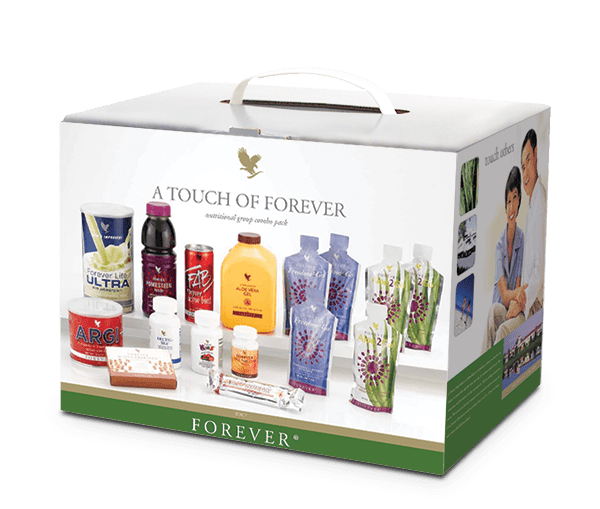
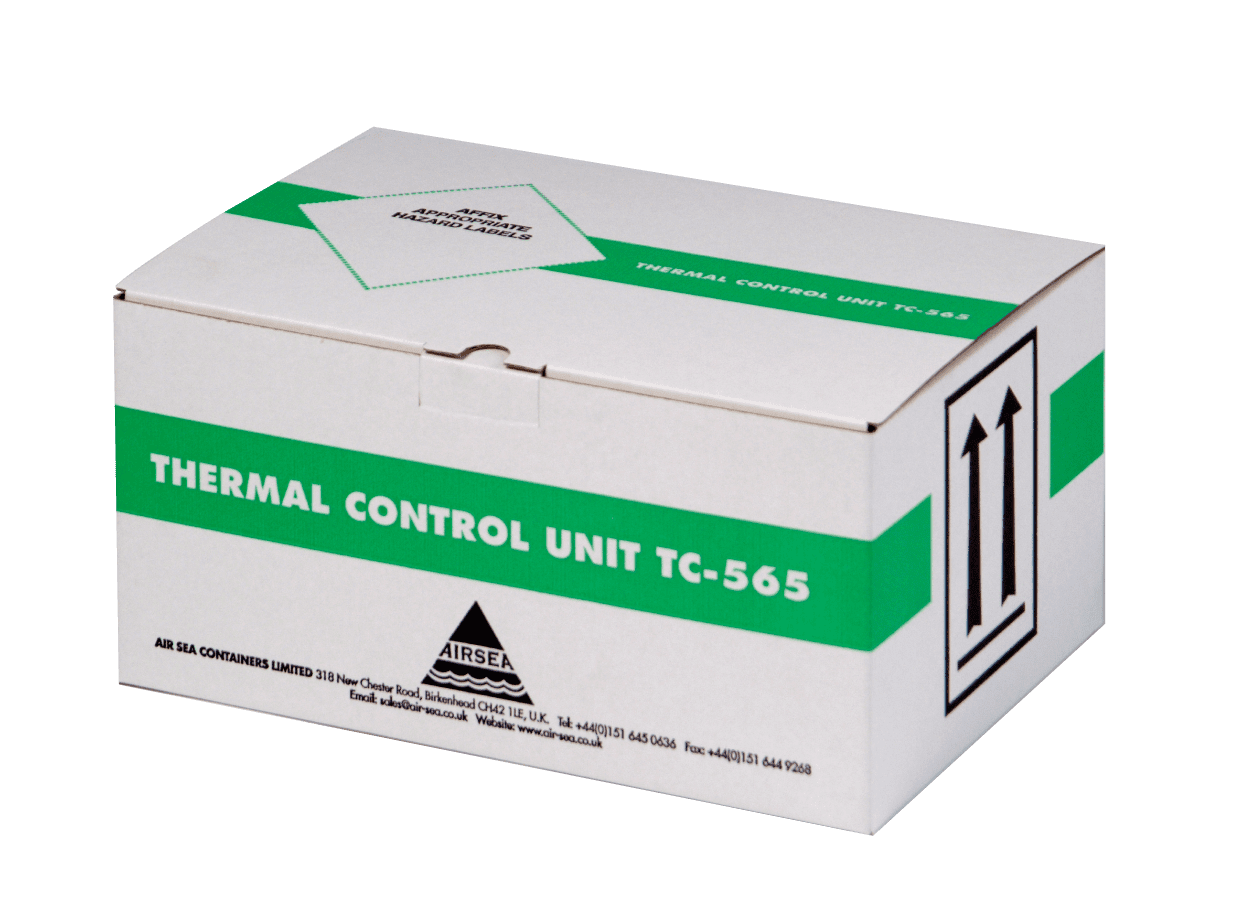
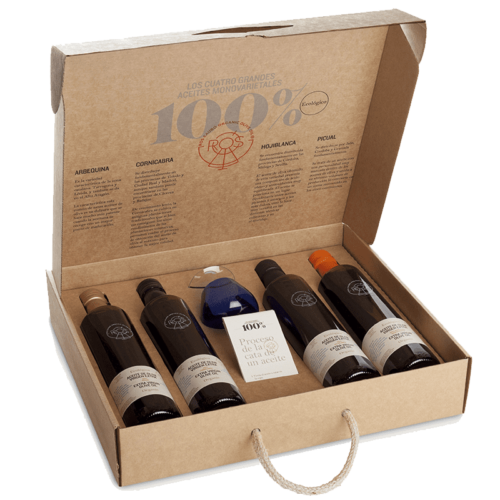
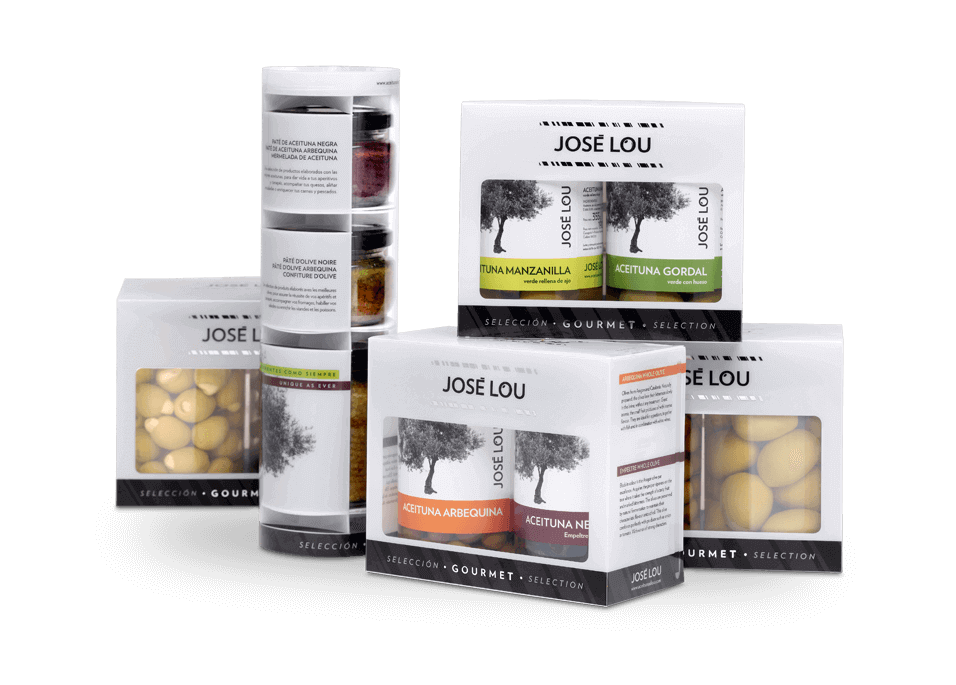
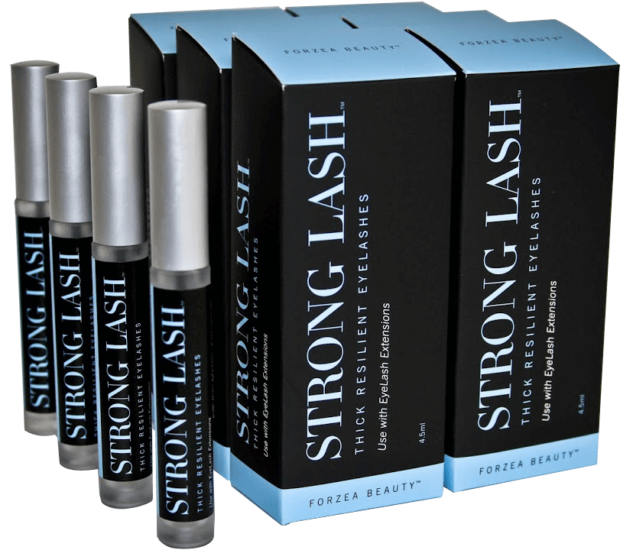
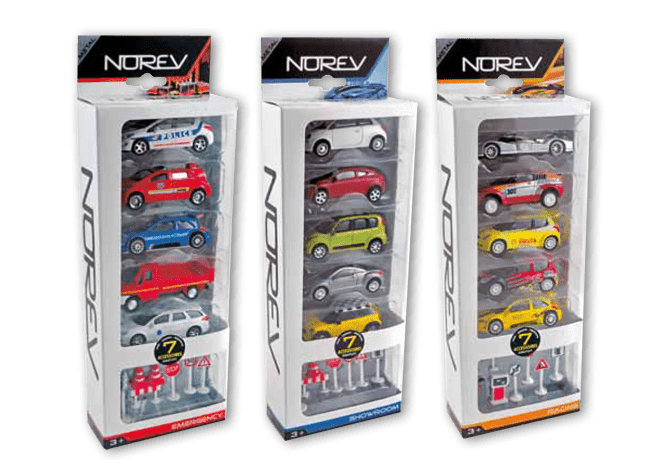
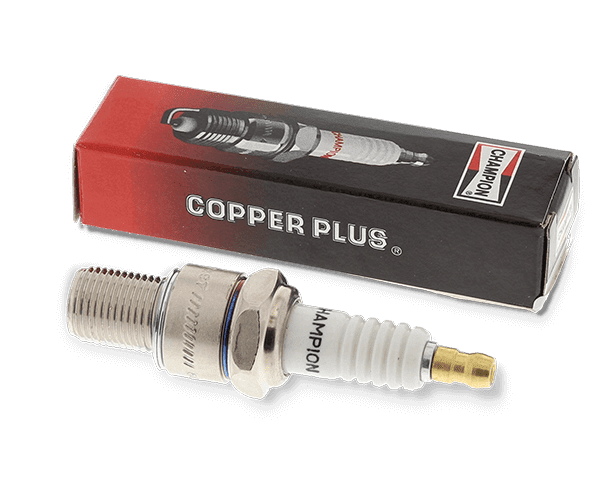
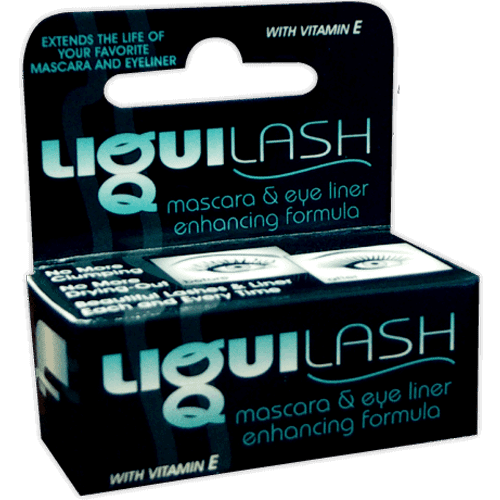
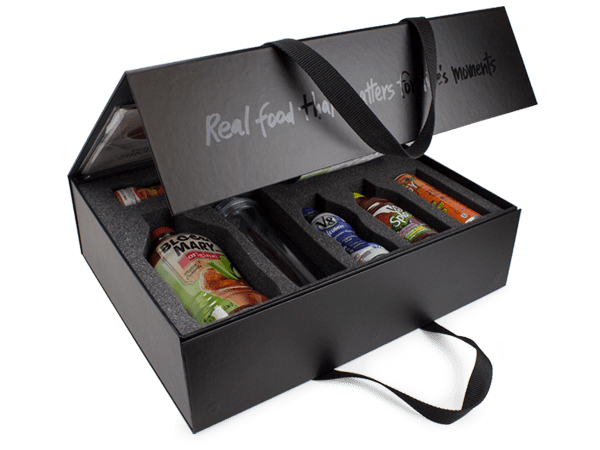
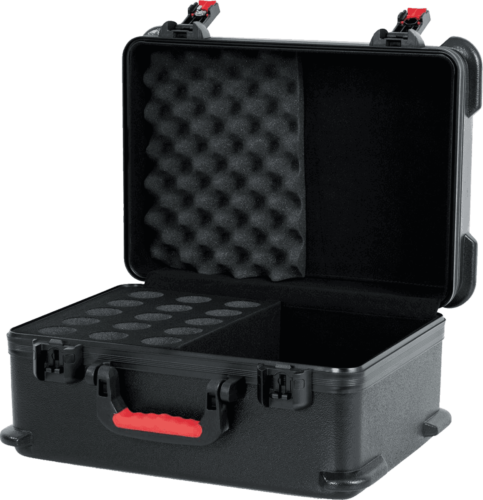
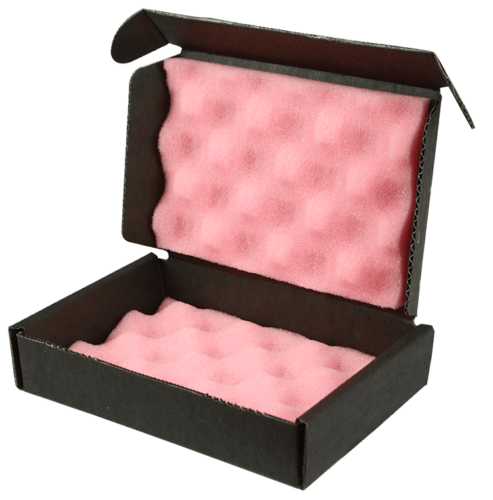
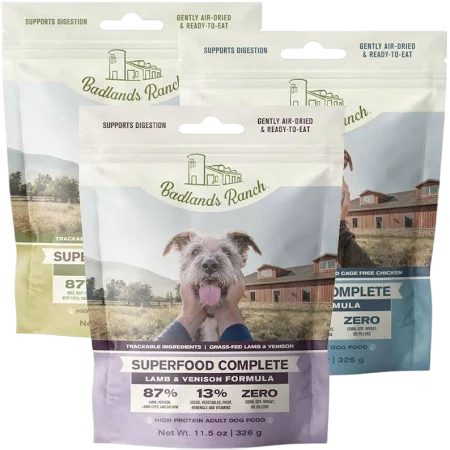
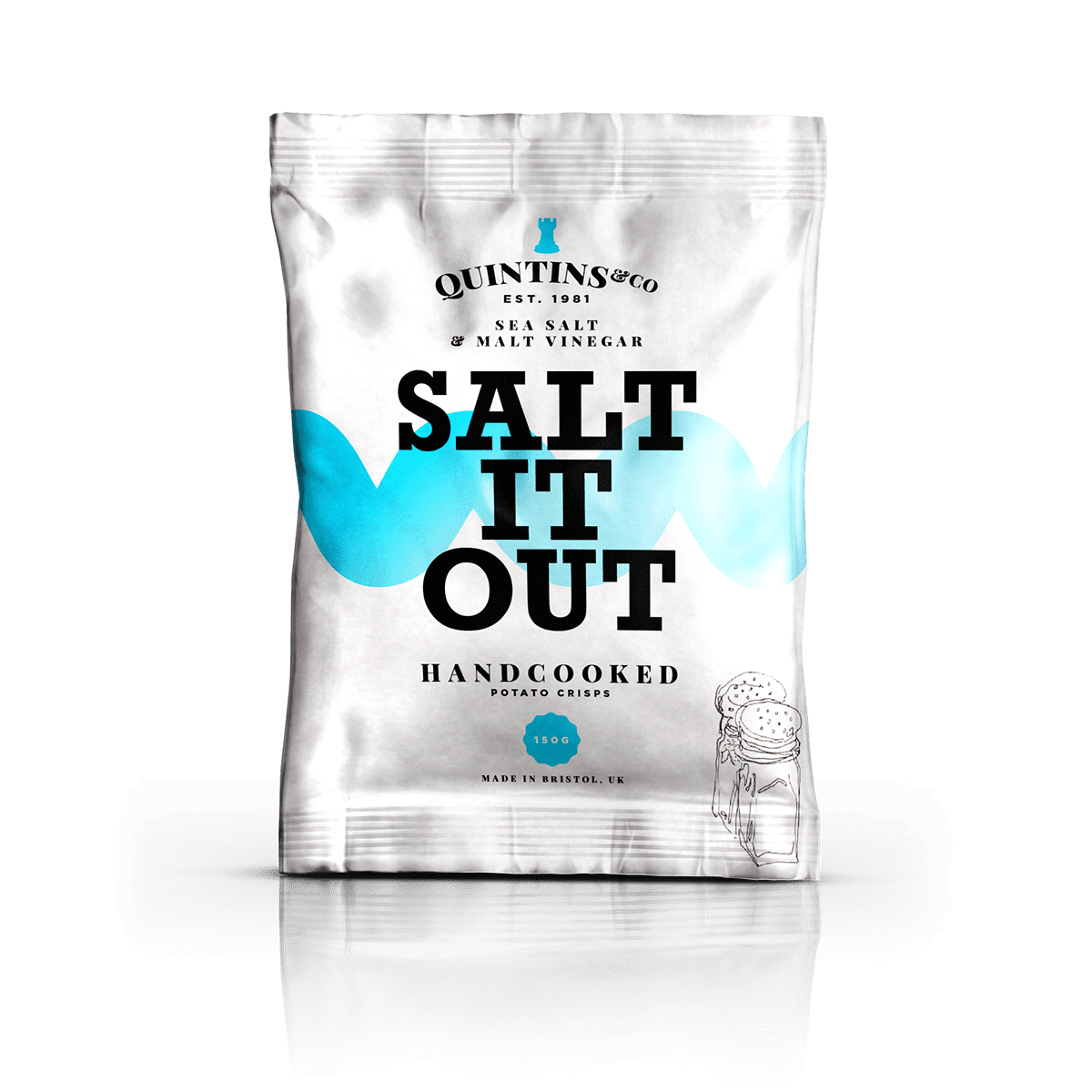
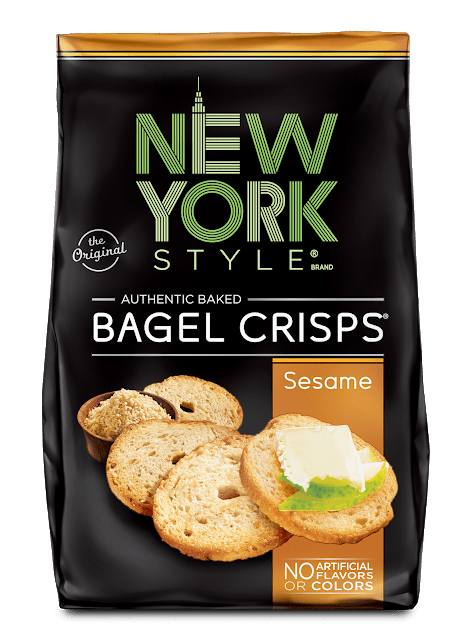
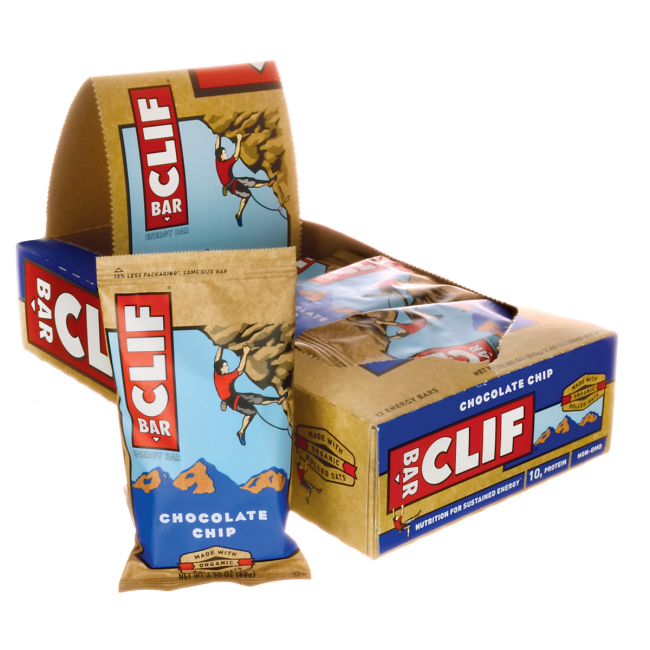
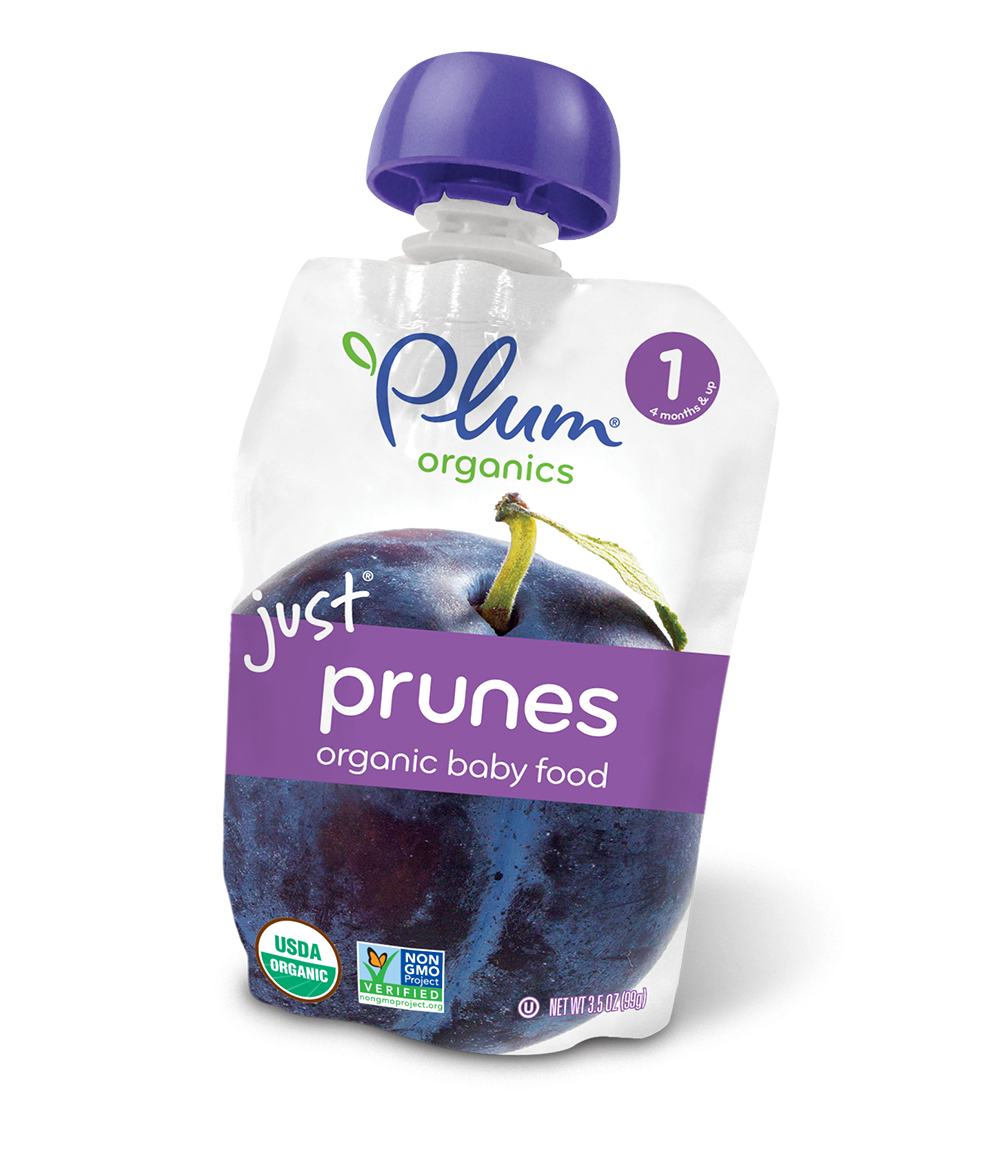
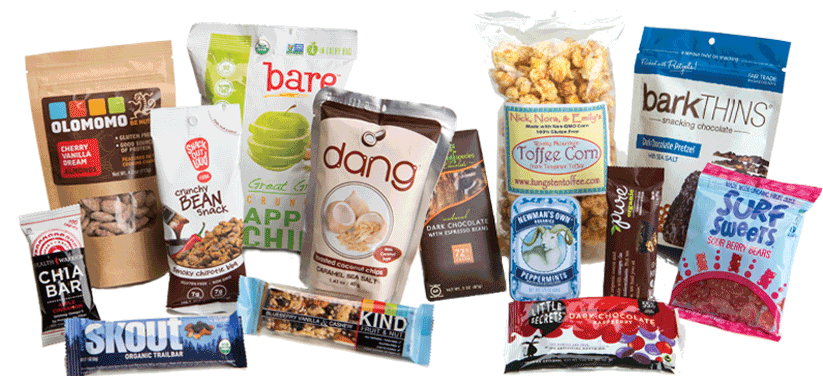
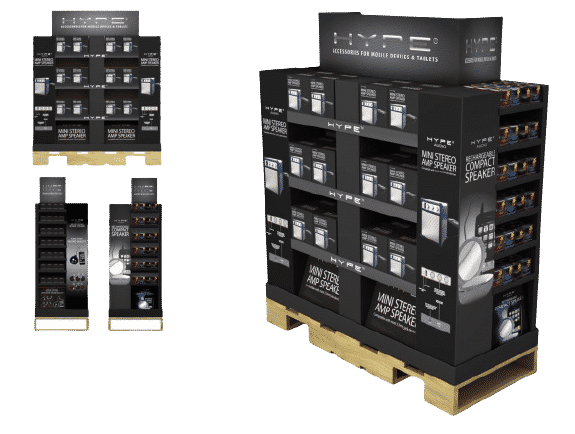
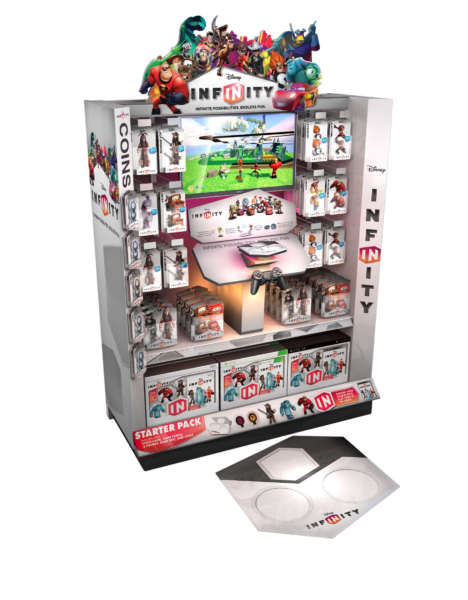
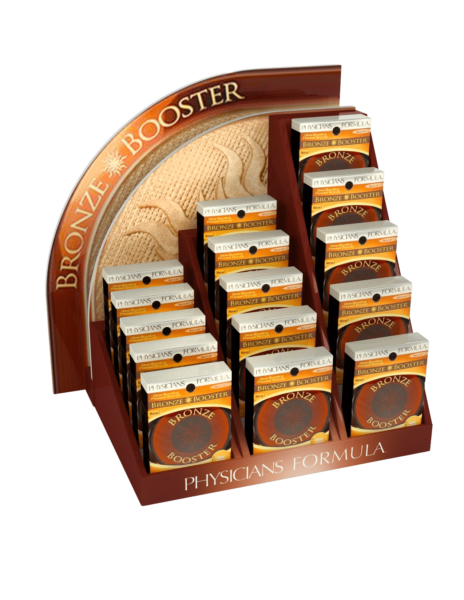
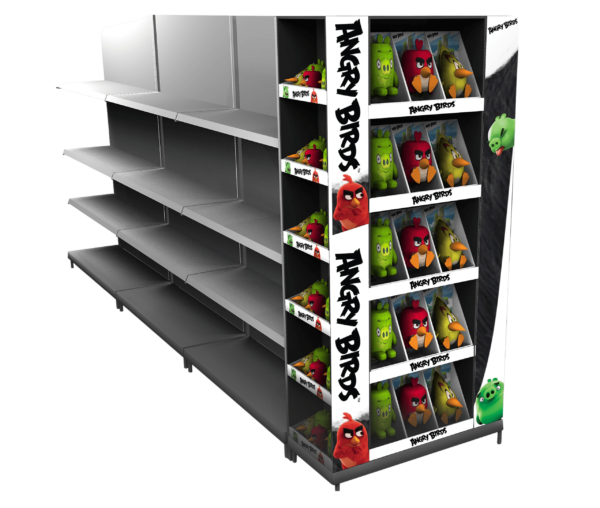
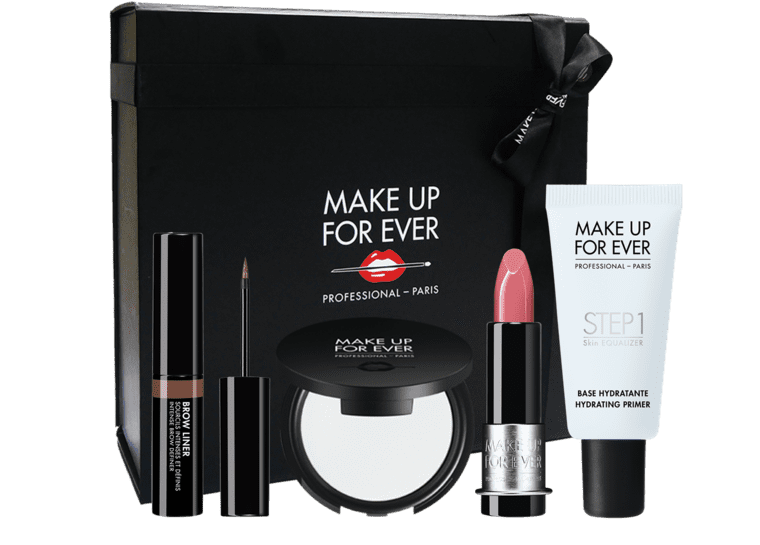
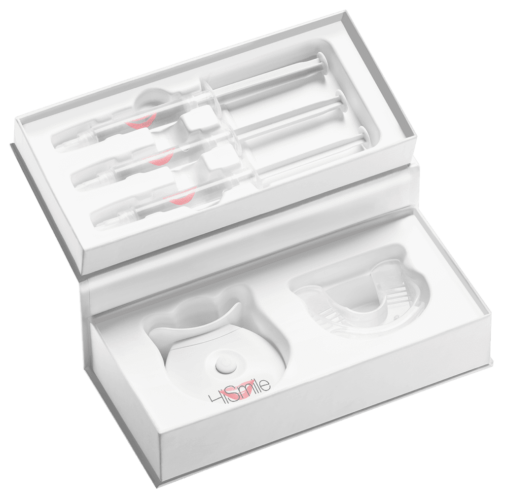
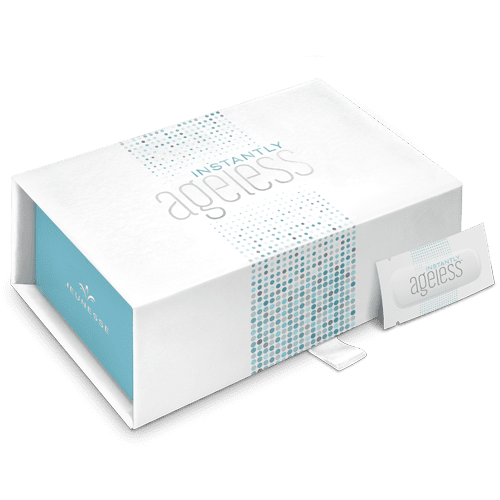
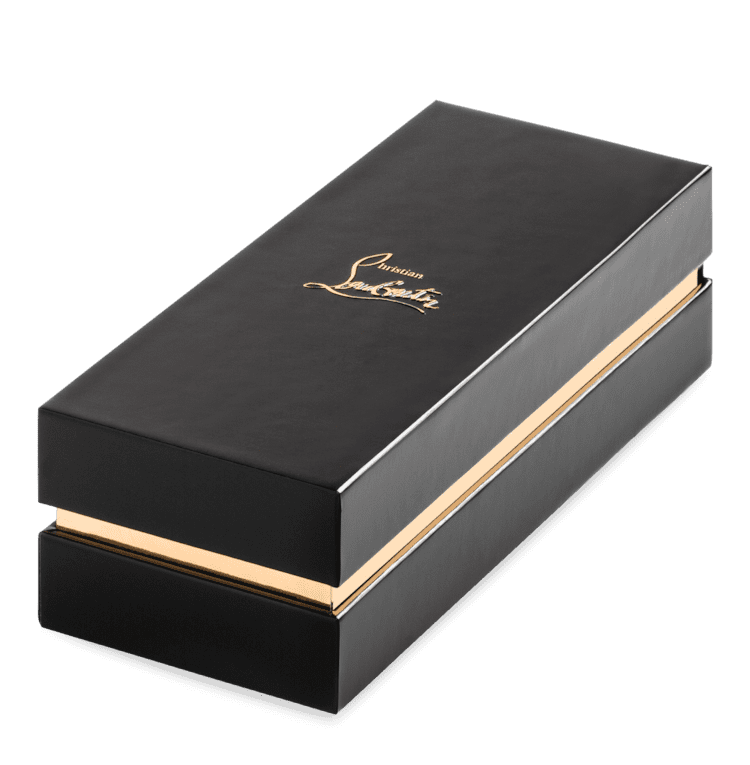
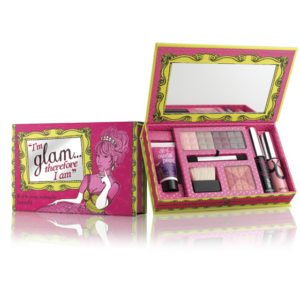
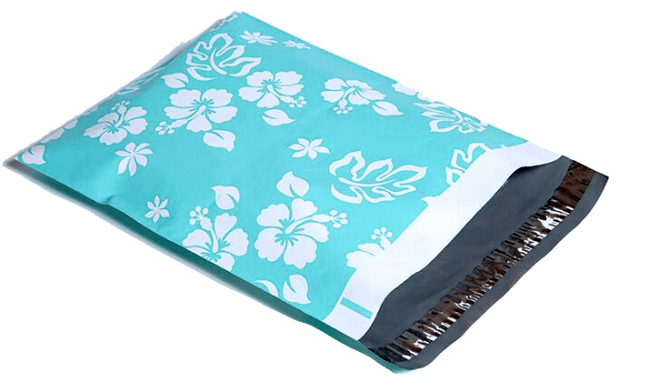
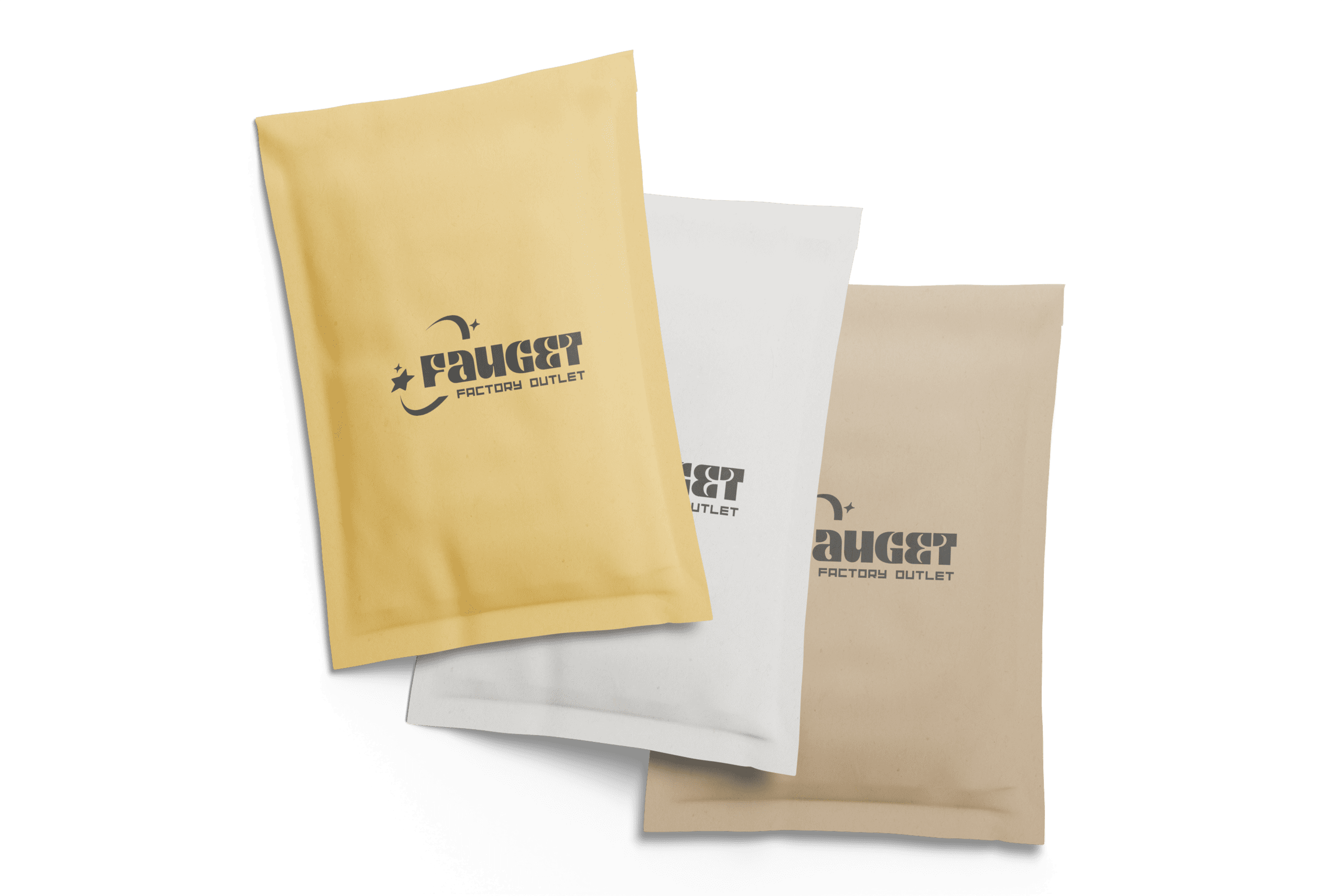
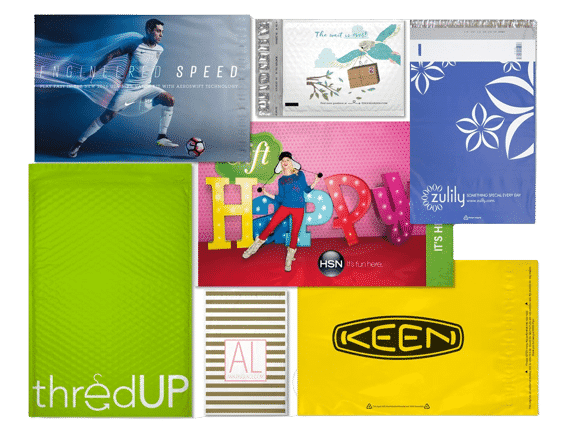
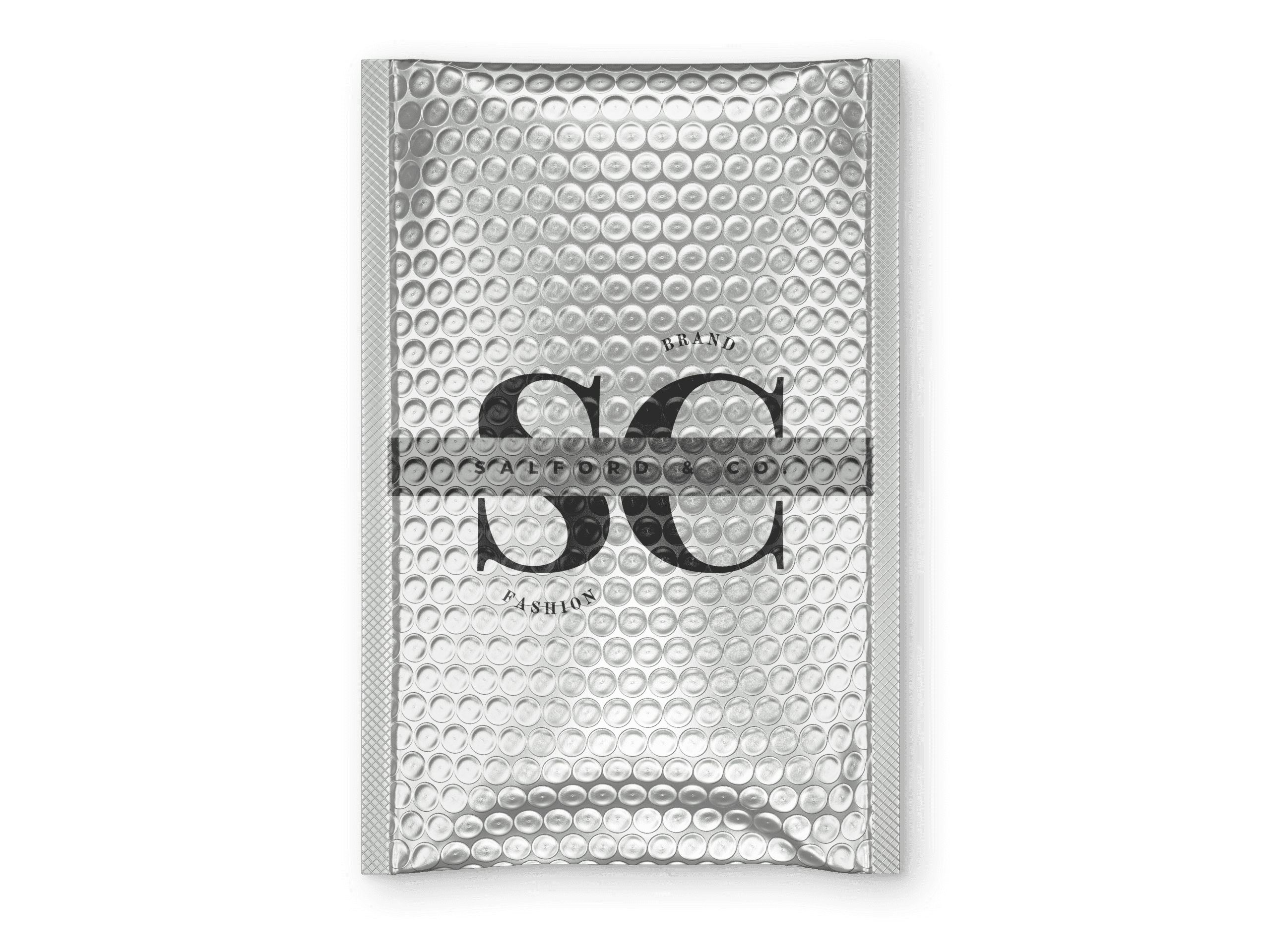
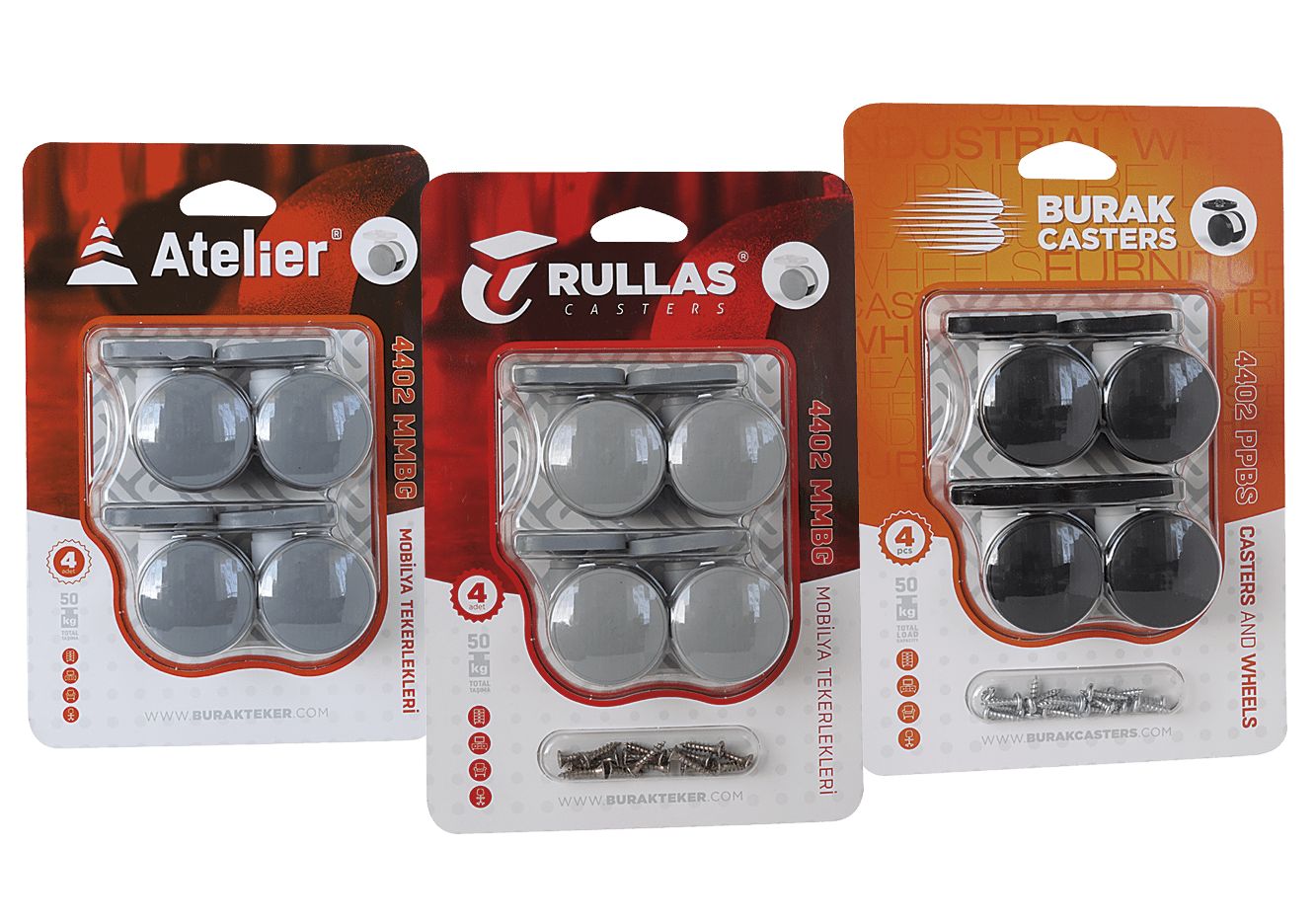
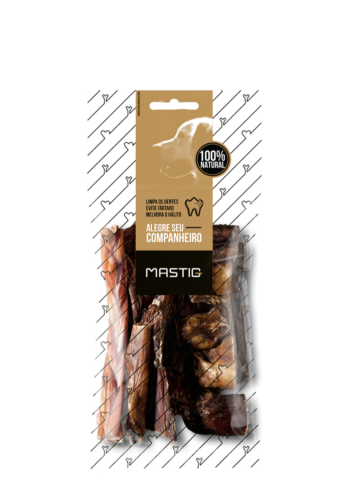
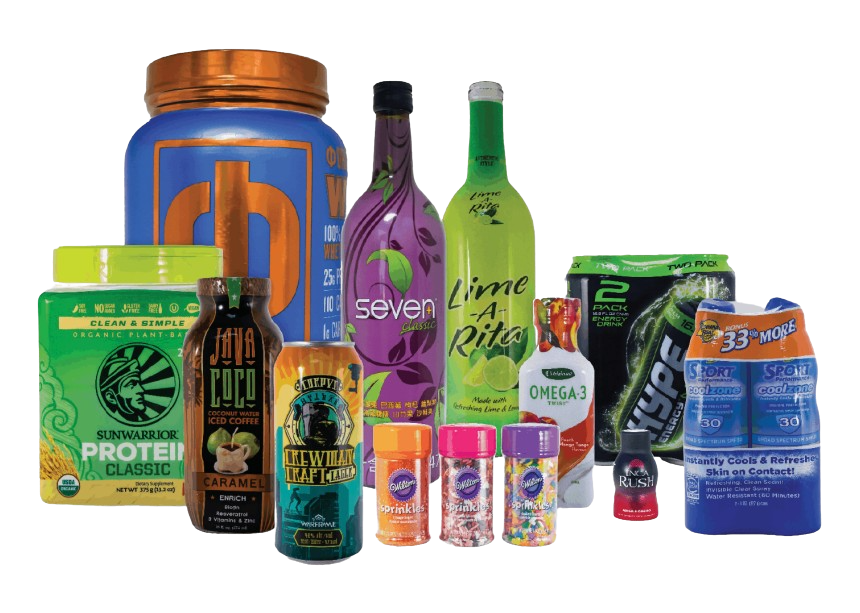
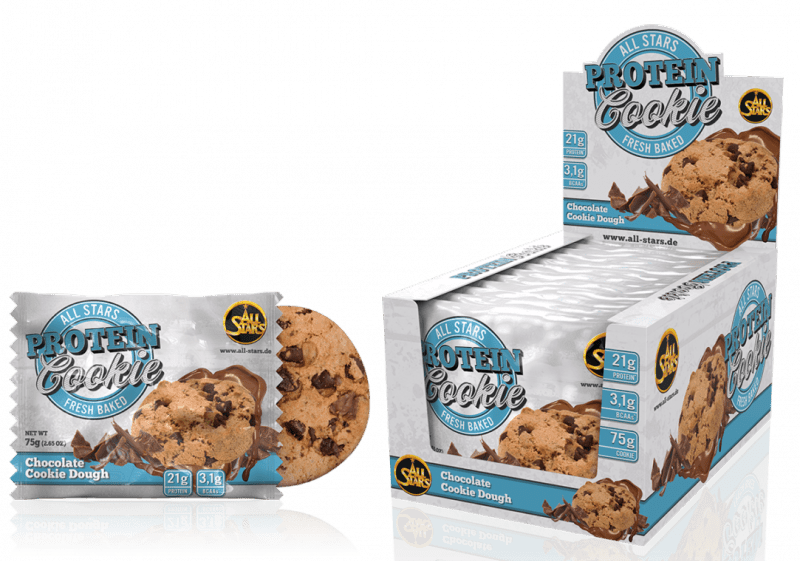
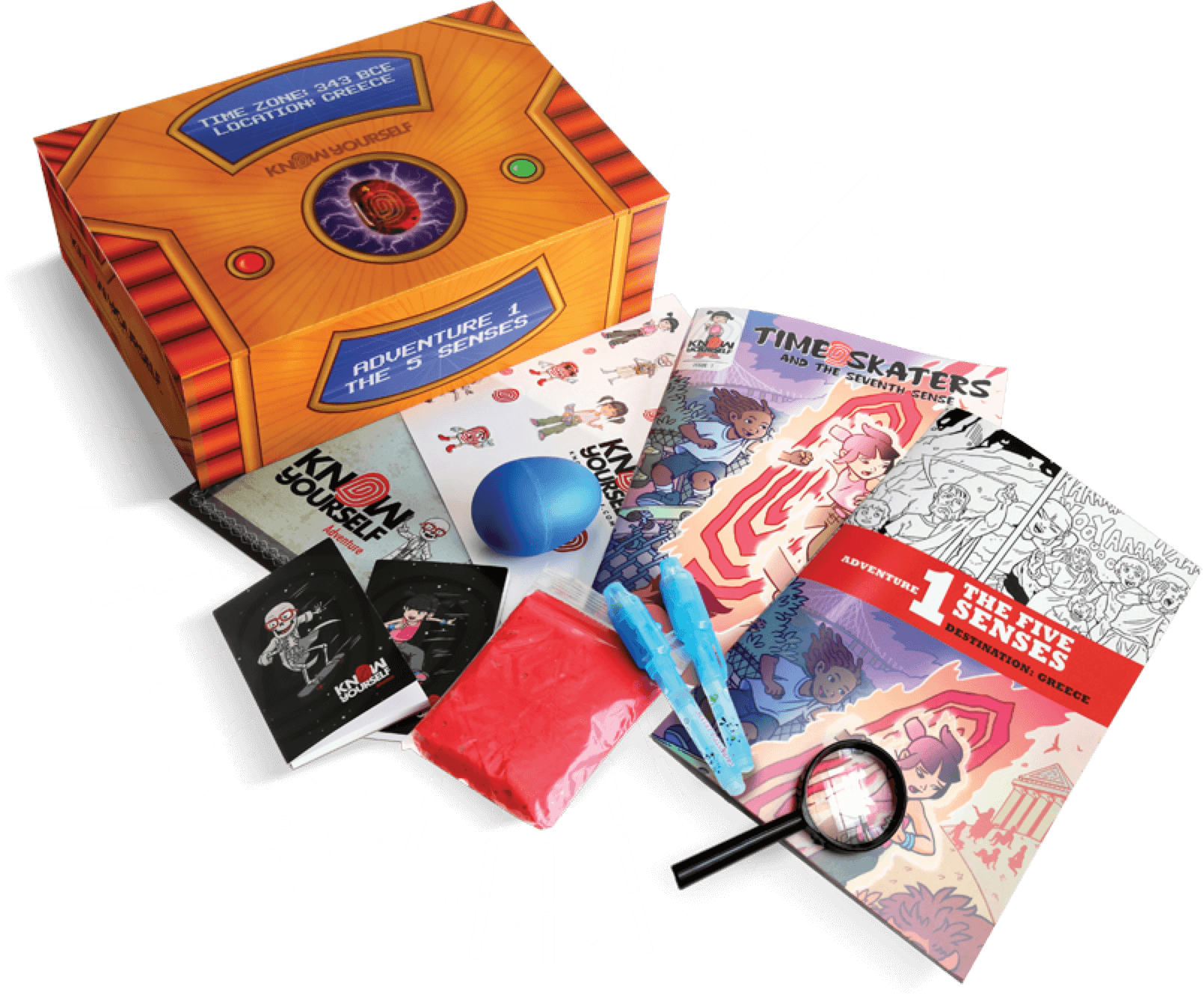
We offer a wide selection of fully customizable packaging products to address any packaging purpose. Customize your packaging product with your logo, brand colors, product information, design, features, and more. If you are unsure on what type of packaging you will need, then contact us for an expert consultation.


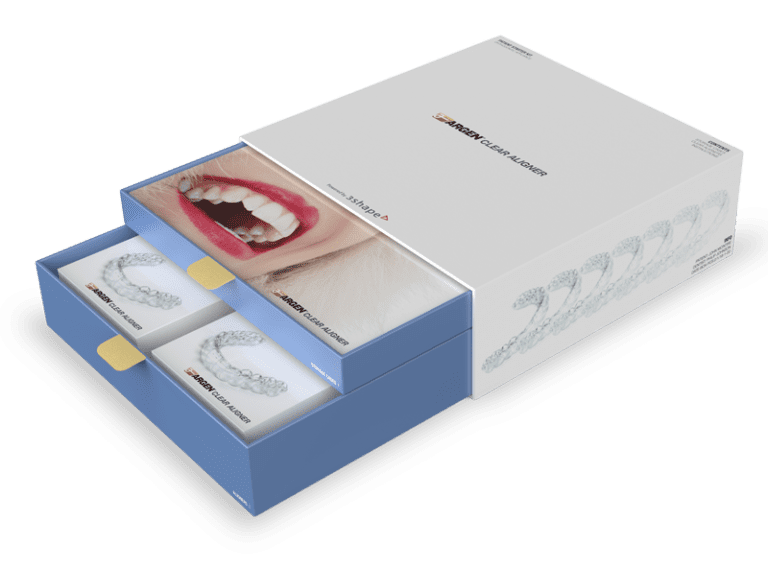
Custom packaging is tailored specifically to fit a brand’s unique product requirements, unlike stock packaging, which is pre-made and generic. Custom options allow for precise sizing, materials, and design choices, offering enhanced protection, presentation, and improved efficiency. This personalization makes custom packaging ideal for businesses looking to stand out and create a cohesive brand identity.
At Brown Packaging, our custom packaging solutions are structurally designed to optimize protection, material usage, and sustainability, tailored to meet specific product needs across various applications. We incorporate graphics to reinforce brand identity, ensuring that each package not only protects but also represents your brand effectively. With a focus on durability and functionality, our packaging ensures secure handling for shipping, retail, or storage while supporting sustainability goals.
Custom Packaging Products
We offer a variety of custom packaging products and solutions to meet all your packaging needs in one place. You’ll work directly with a dedicated project specialist to customize your package according to your specifications, including branding, features, and design.


If you need any assistance with your packaging or have a question, then contact us directly at request@brownpackaging.com or (714)300-0650. Learn more about custom packaging by reading our blog posts on new and trending topics.

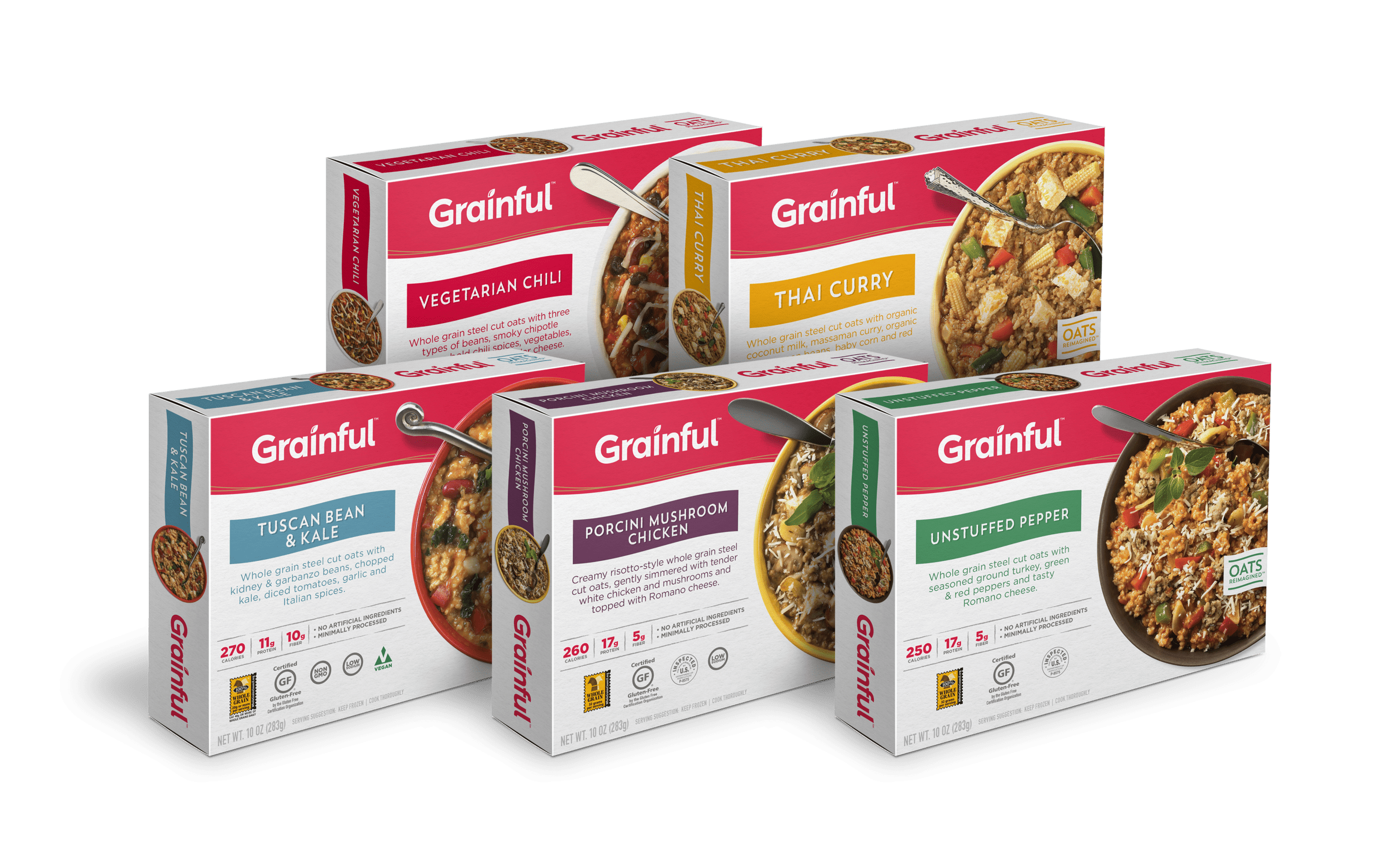
Score cracking—visible fiber breakage along a fold—can ruin a carton’s appearance, weaken its structure, and cause failures on automated lines. Understanding the causes and engineering solutions is critical for producing folding cartons that maintain both strength and visual quality. What Causes Score Cracking Score cracking occurs when fibers along the fold line break instead of bending cleanly. Low Moisture Content: Dry board becomes brittle and less pliable (ASTM D685-22). Improper Score Depth: Shallow scores increase folding resistance; deep scores can cut fibers. Incorrect Grain Direction: Folding parallel to the grain increases cracking risk. Surface Coating Rigidity: Gloss varnish, films, and metallic layers reduce fiber flexibility. Material Selection SBS (Solid Bleached Sulfate): Generally folds cleanly but can crack with heavy coatings or low EMC. CUK (Coated Unbleached Kraft): Higher tear resistance; better for humid conditions. FBB (Folding Boxboard): Softer surface layers reduce cracking risk in coated applications. Tip: Match fiber composition and surface finish to the intended folding radius and production environment. Moisture and Conditioning Pre-Production Conditioning: Allow board to reach equilibrium moisture content (TAPPI T402). Humidity Control: Maintain 40–60% RH in converting and packing areas. Target EMC: Typically 5–8% for most paperboard grades. Coating and Lamination Adjustments Scoring After Coating: Where possible, score post-coating to reduce fiber breakage. Film Selection: Thinner, more flexible films reduce cracking risk. Relief Scoring: Adding micro-perfs in the coating layer only can relieve stress without affecting the substrate. Testing and Quality Control Bend Tests: Assess crack formation on sample folds before full production. High-Speed Trials: Score cracking can be magnified at higher folding speeds. Visual Standards: Establish acceptable limits for cosmetic cracking based on brand requirements. References ASTM International. (2022). ASTM D685-22: Standard practice for conditioning paper and paper products for testing. ASTM International. https://doi.org/10.1520/D0685-22Soroka, W. (2014). Fundamentals of packaging technology (5th ed.). Institute of Packaging Professionals. ISBN: 978-1-930268-37-2TAPPI. (2019). T 402: Standard conditioning and testing atmospheres for paper, board, pulp handsheets, and related products. TAPPI Press.Twede, D., & Goddard, R. (2021). Cartons, crates and corrugated board: Handbook of paper and wood packaging technology (2nd ed.). DEStech Publications. ISBN: 978-1-60595-120-5 (714)300-0650 request@brownpackaging.com Most Recent Posts: Categories: Corrugated Ecommerce ESD Design Display Flexible Packaging Foam Folding Carton Packaging Plastic Packaging Pouch Printing Protection Retail Rigid Box Thermoform Sustainability Subscribe To Our Newsletter By submitting your information, you agree to our terms and conditions and privacy policy. Custom Folding Cartons Facebook Twitter LinkedIn Pinterest Relevant Posts

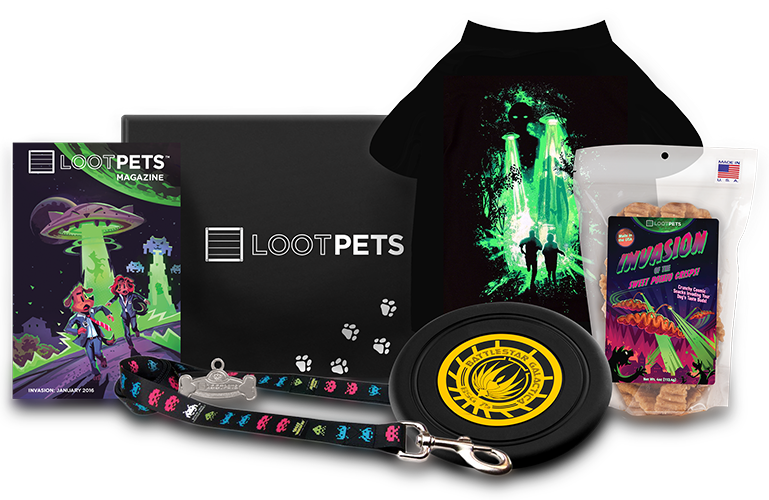
E-commerce packaging for pet products must endure far more stress than traditional retail packaging. Shipments face repeated drops, vibration, compression, and environmental fluctuations. Structural design, material selection, and protective features must work together to ensure the product arrives in perfect condition. Key Hazards in E-Commerce Distribution Drop Impact: Packages may be dropped from heights of up to 1.2 m (4 ft) during sortation or delivery. Vibration: Continuous shaking in transit can cause product settling or material fatigue. Compression: Stacking in transit or warehouses can deform or crush underfilled packages. Moisture and Temperature Extremes: Exposure to rain, snow, and heat during delivery. Structural Design Considerations Reinforced Corrugated Shippers: Double-wall or heavy-duty C-flute for bulk pet food and accessories. Internal Bracing or Partitioning: Keeps products from shifting during transit. Right-Sizing: Minimizes void space to reduce product movement and dimensional weight charges. Material Selection Moisture-Resistant Coatings: For corrugated and paperboard used in outer shipping containers. Puncture-Resistant Films: Prevent tearing from sharp pet accessories like toys or grooming tools. Impact-Absorbing Cushioning: Paper-based or foam inserts to protect fragile items such as glass supplement jars. Protective Features Tamper-Evident Seals: Maintain consumer trust and ensure product integrity. Overwraps or Polybags: Provide secondary protection against moisture and dirt. Label Durability: Smudge- and water-resistant labels for scannability. Performance Testing for E-Commerce Drop Testing: ISTA 3A or ASTM D5276 to simulate parcel handling. Vibration Testing: ASTM D999 to evaluate performance under prolonged vibration. Compression Testing: ASTM D642 to determine stacking strength. Environmental Conditioning: ASTM D4332 to simulate humidity and temperature changes. E-Commerce Packaging Guidelines Amazon ISTA 6 Standards: Requires packaging to pass drop and vibration tests without damage. Right-Weighting: Balancing durability with material reduction to lower shipping costs. Consumer Experience: Easy-open designs and branding that reinforce product quality. References ASTM International. (2015). ASTM D5276-15: Standard test method for drop test of loaded containers by free fall. ASTM International. https://doi.org/10.1520/D5276-15ASTM International. (2015). ASTM D642-15: Standard test method for determining compressive resistance of shipping containers. ASTM International. https://doi.org/10.1520/D0642-15International Safe Transit Association. (2022). ISTA test procedures. https://ista.org (714)300-0650 request@brownpackaging.com Most Recent Posts: Categories: Corrugated Ecommerce ESD Design Display Flexible Packaging Foam Folding Carton Packaging Plastic Packaging Pouch Printing Protection Retail Rigid Box Thermoform Sustainability Subscribe To Our Newsletter By submitting your information, you agree to our terms and conditions and privacy policy. Custom Packaging Facebook Twitter LinkedIn Pinterest Relevant Posts

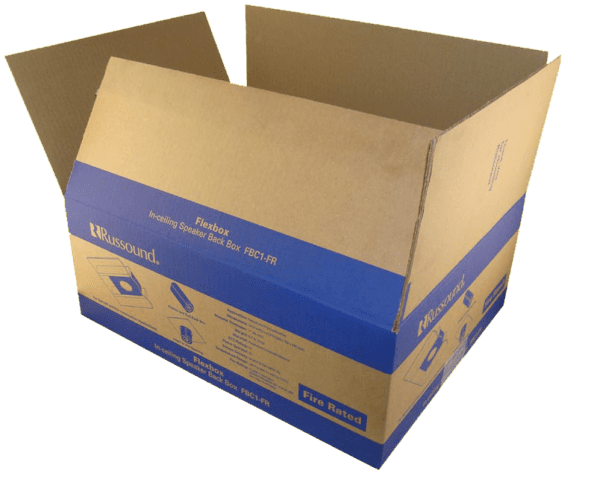
Corrugated boxes lose a significant portion of their original compression strength during prolonged storage, especially under load. Understanding the mechanics of compression creep and the environmental factors at play allows packaging engineers to design boxes that maintain structural integrity throughout their intended shelf life. Why Compression Strength Declines Material Creep: Fibers gradually deform under constant load, reducing box stiffness. Humidity Impact: Elevated RH accelerates creep, with potential strength losses of 40–60% in humid conditions. Stacking Configuration: Poor pallet patterns or uneven weight distribution compound stress points. Testing and Standards ASTM D4577: Measures compressive creep over time in shipping containers. ASTM D642: Evaluates initial compression strength, serving as a baseline before long-term storage. Design Strategies to Reduce Loss Select Higher ECT Boards: Provides a stronger starting point, delaying the drop below critical load thresholds. Moisture Control: Use desiccants, ventilation, or moisture-barrier coatings in high-humidity warehouses. Pallet Pattern Optimization: Uniform stacking prevents concentrated stress on corner posts. Application Considerations Long-term storage in non-climate-controlled facilities should factor in 30–50% compression loss for safety margins. Double-wall or reinforced designs are advised for seasonal inventory stored for extended periods. References ASTM International. (2015). ASTM D4577-15: Standard test method for compressive creep of shipping containers. ASTM International. https://www.astm.org/d4577-15.htmlASTM International. (2015). ASTM D642-15: Standard test method for determining compressive resistance of shipping containers. ASTM International. https://www.astm.org/d0642-15.html (714)300-0650 request@brownpackaging.com Most Recent Posts: Subscribe To Our Newsletter By submitting your information, you agree to our terms and conditions and privacy policy. Custom Corrugated Boxes Facebook Twitter LinkedIn Pinterest Relevant Posts