



Custom Packaging
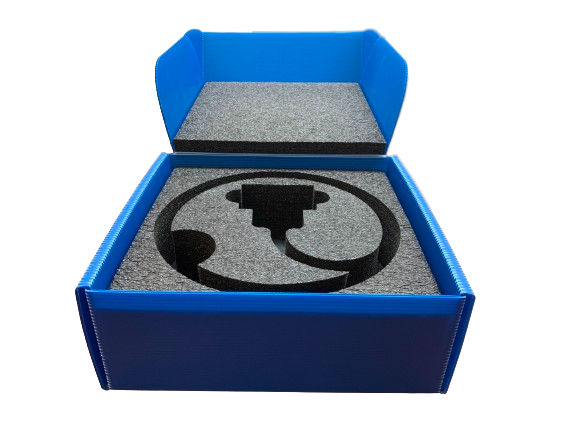
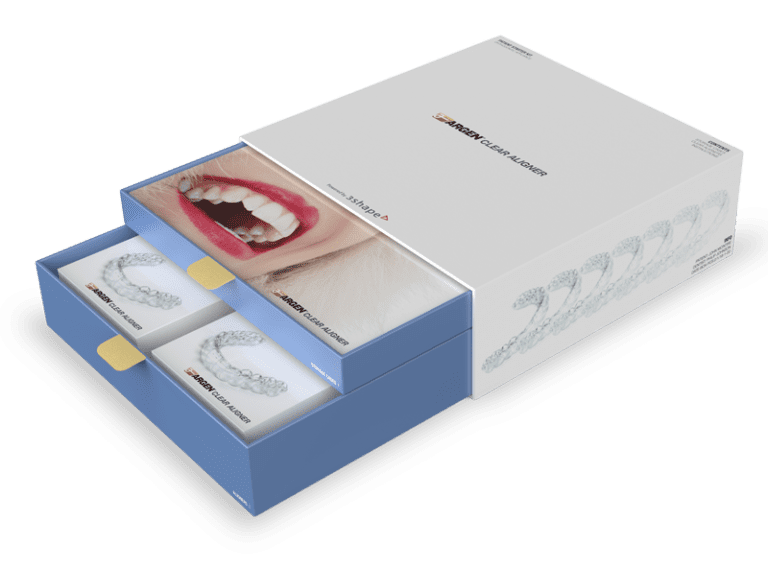
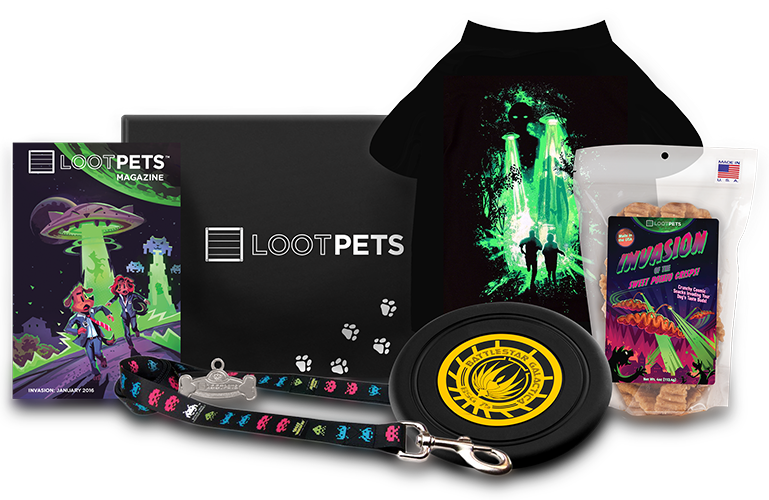
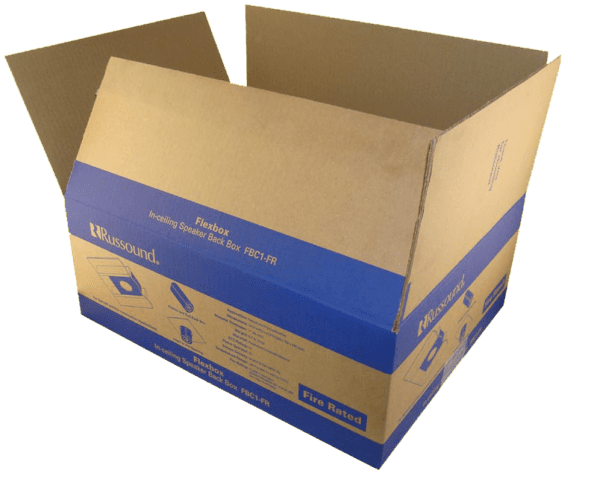
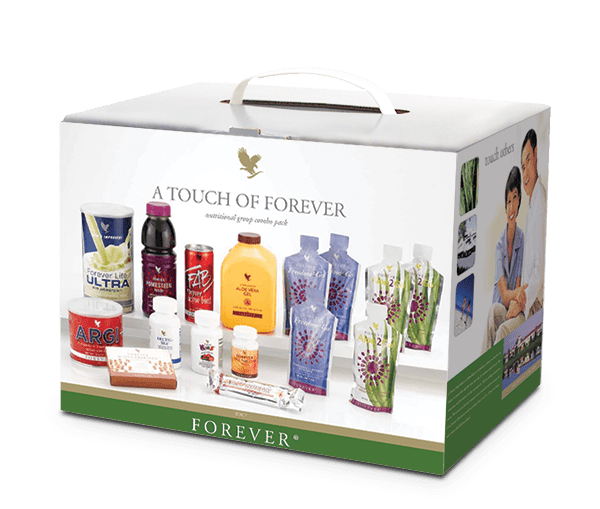
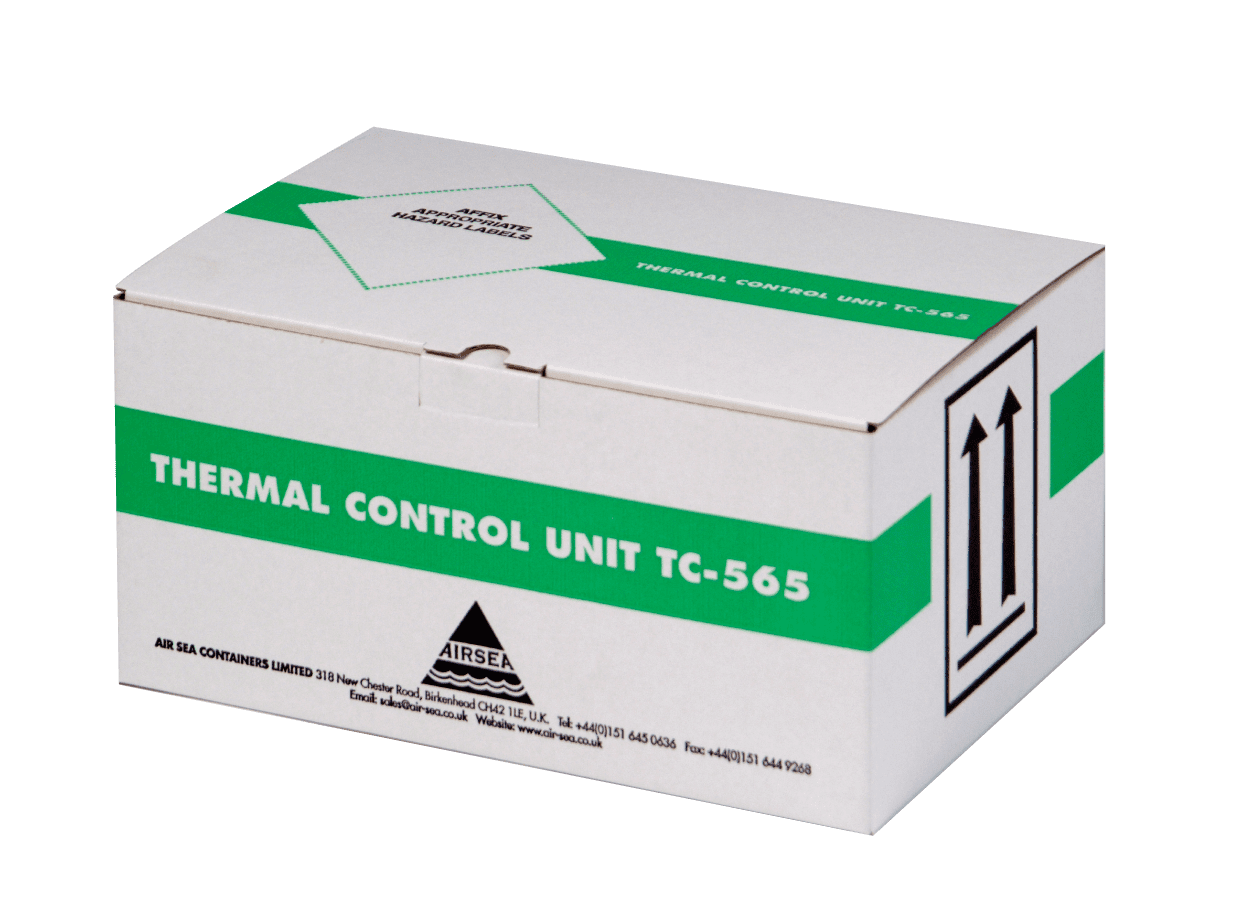
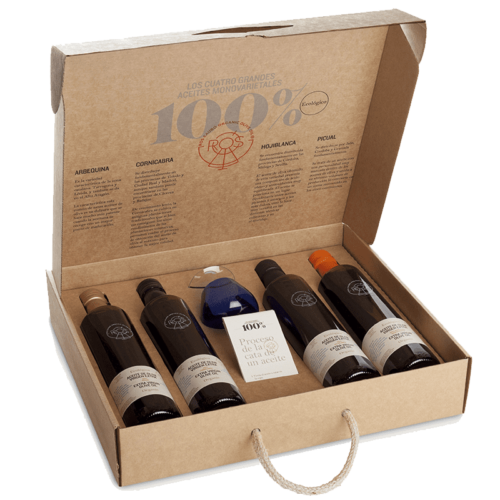
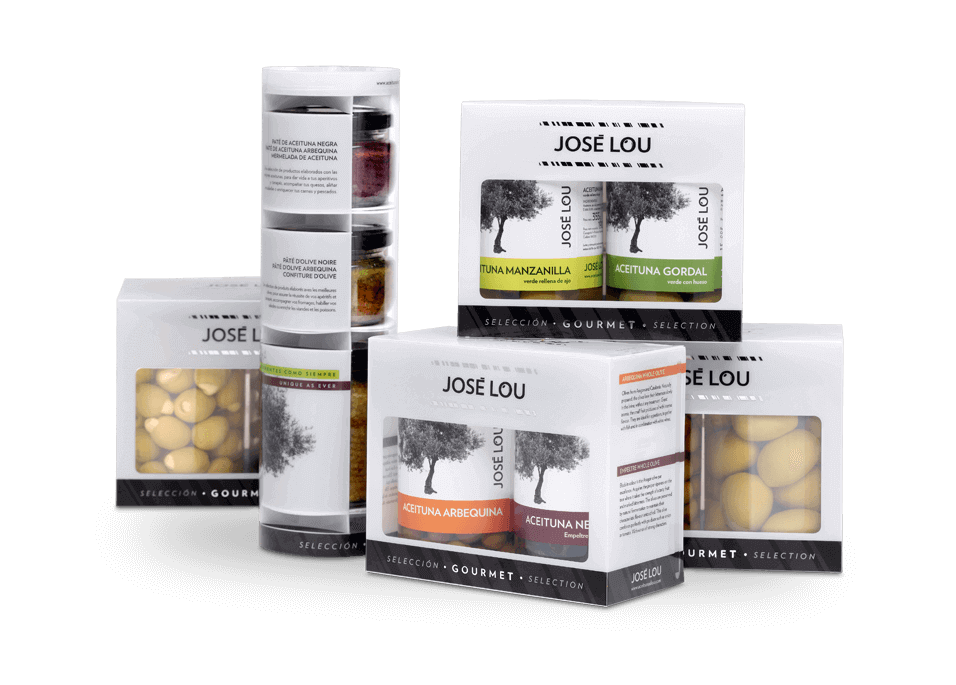
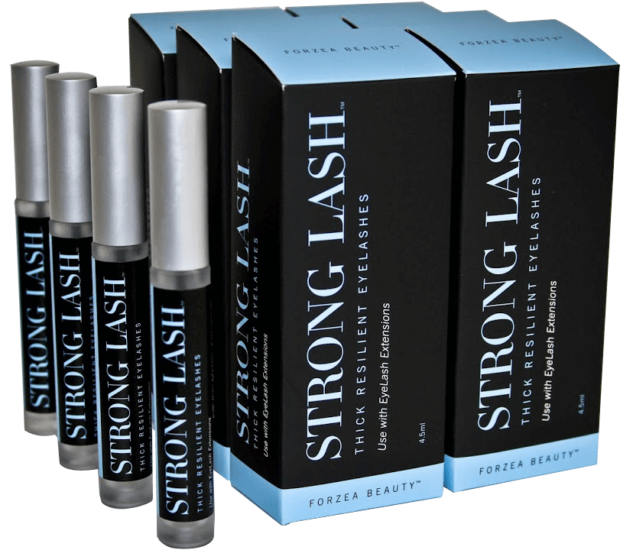
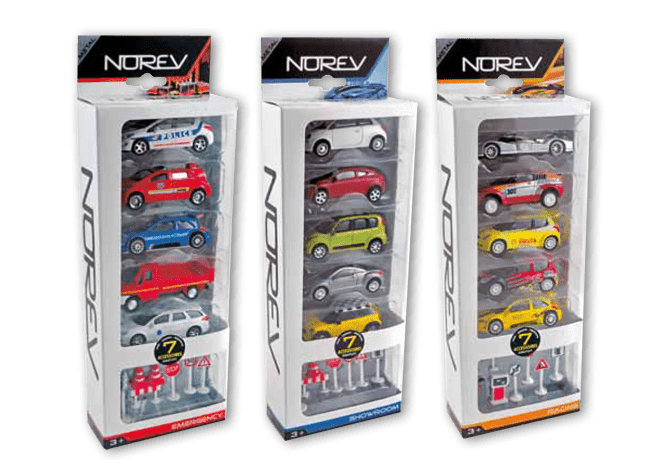
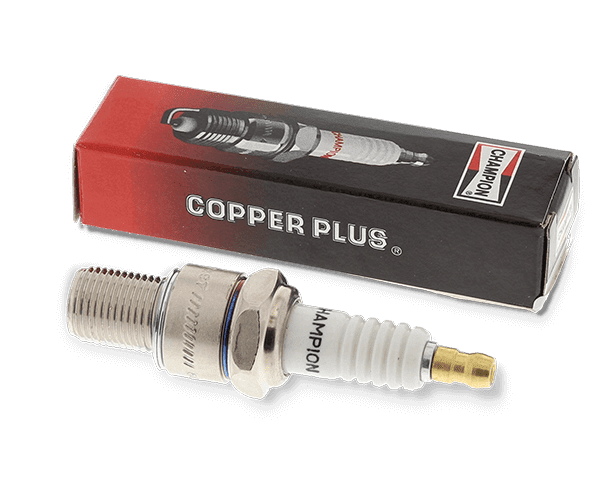
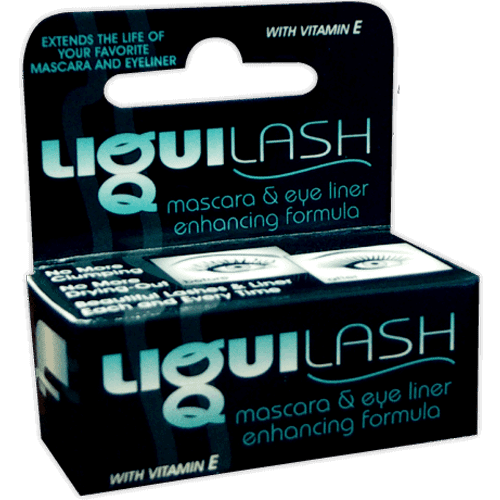
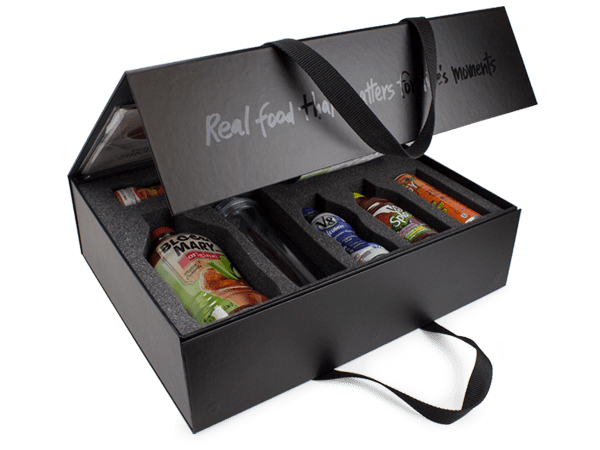
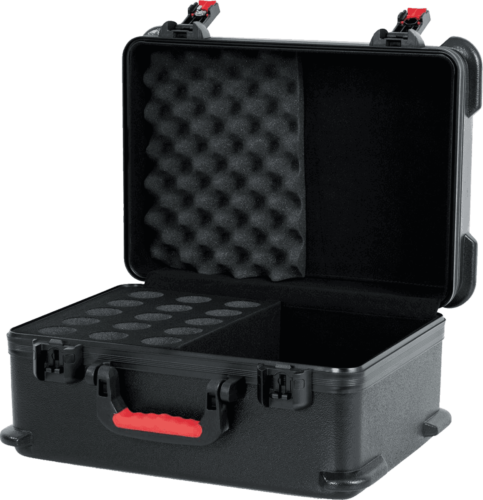
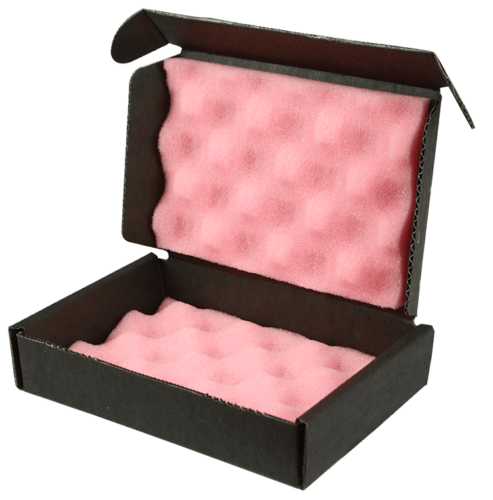
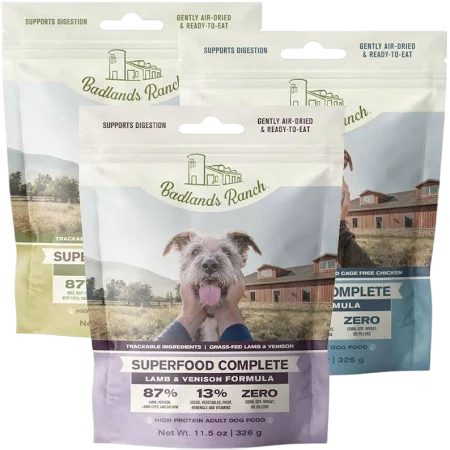
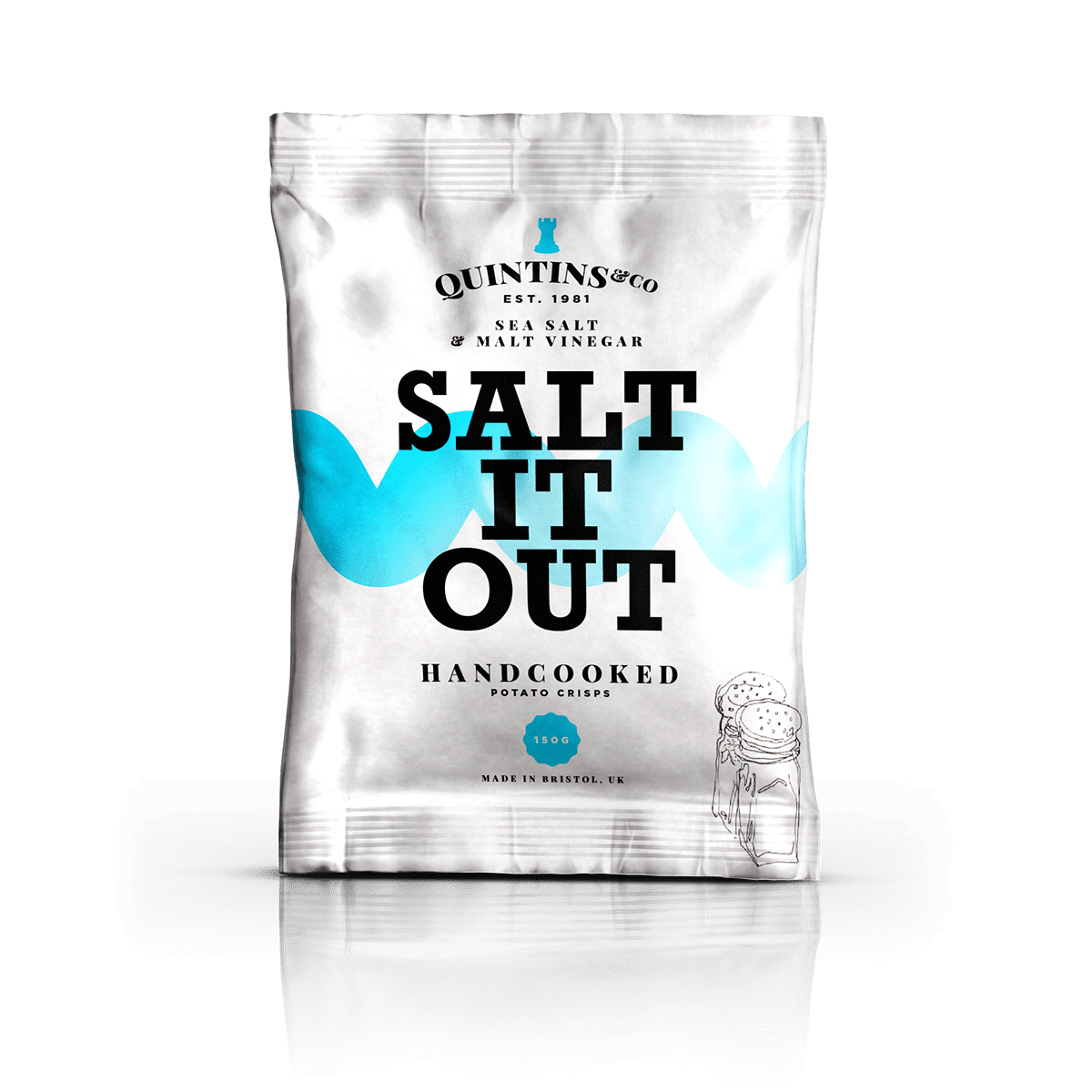
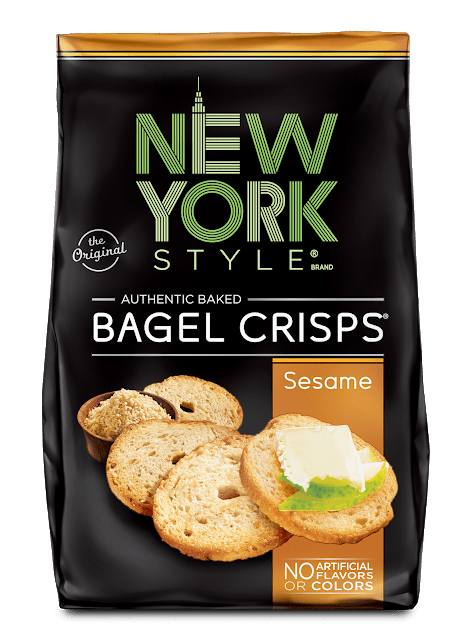
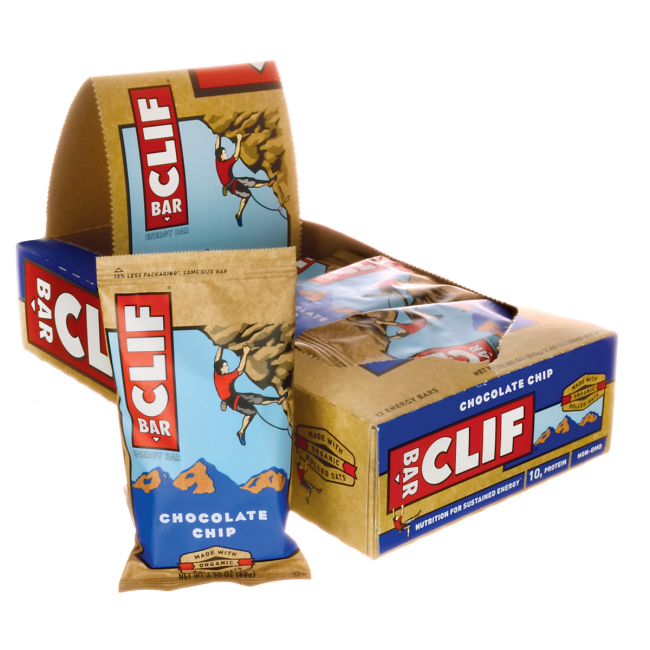
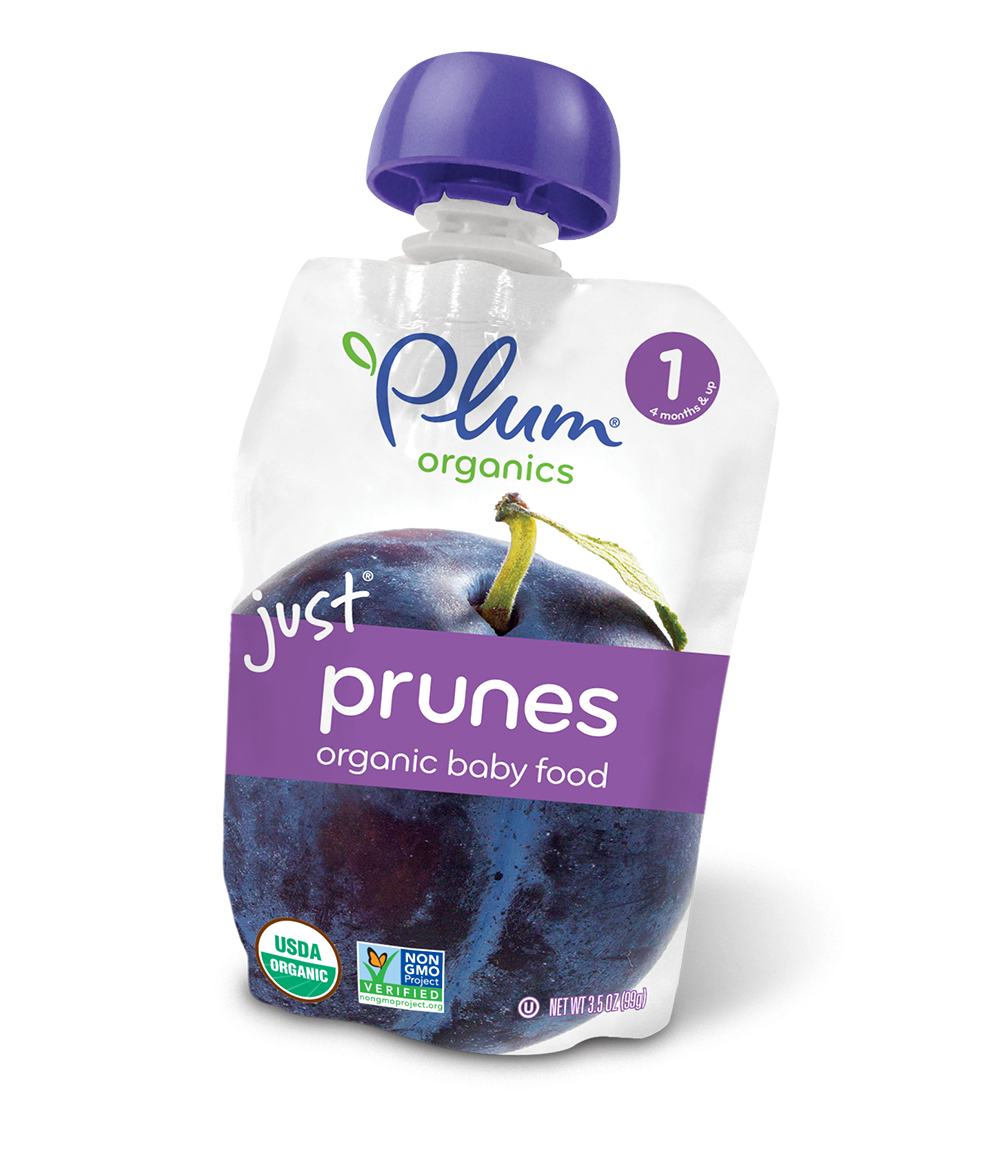
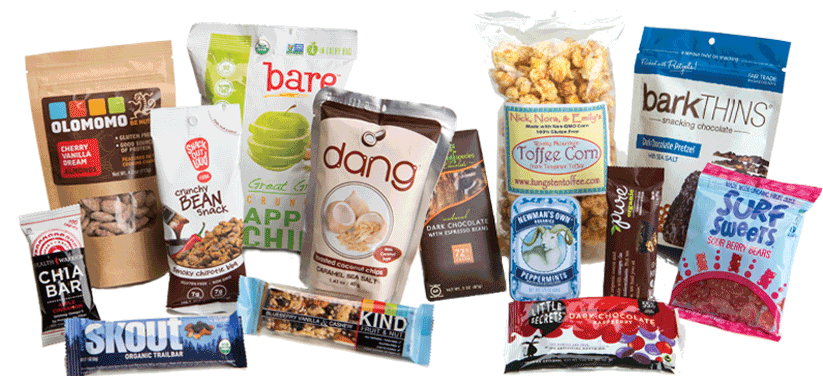
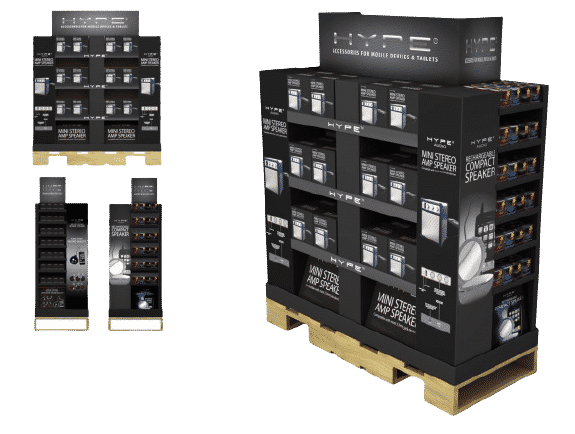
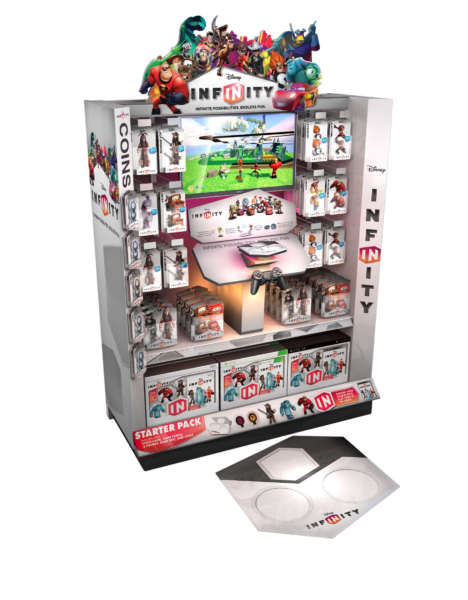
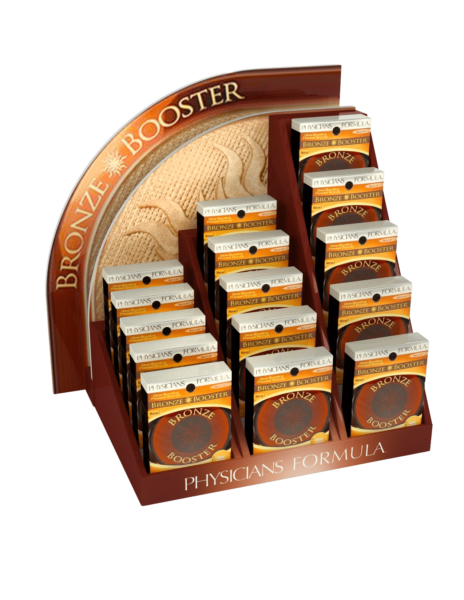
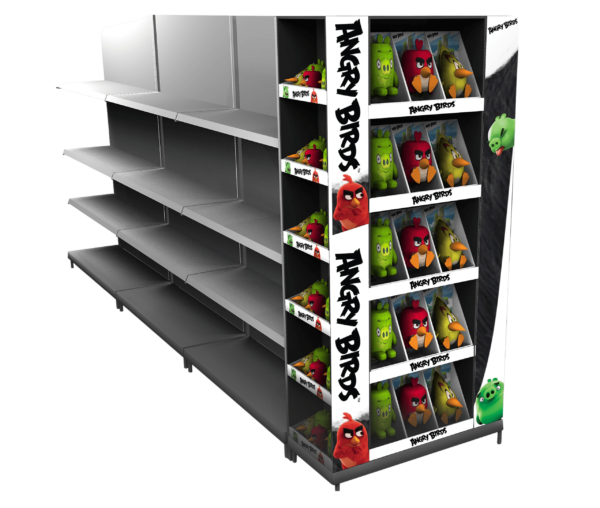
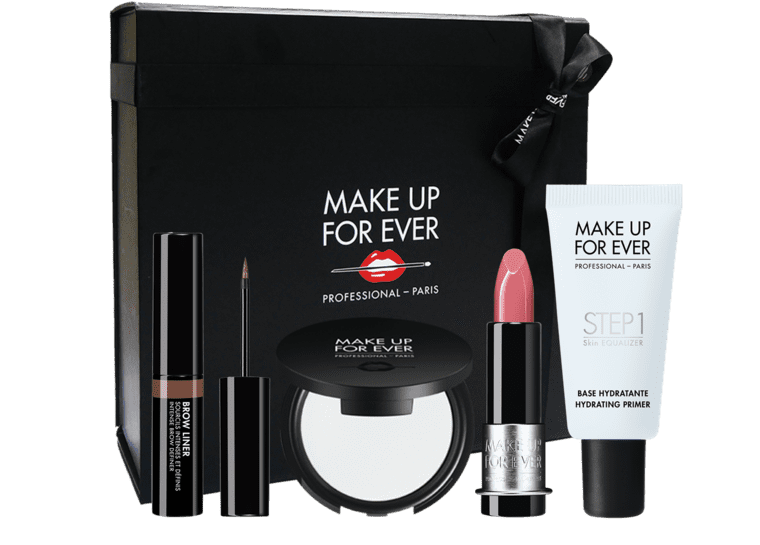
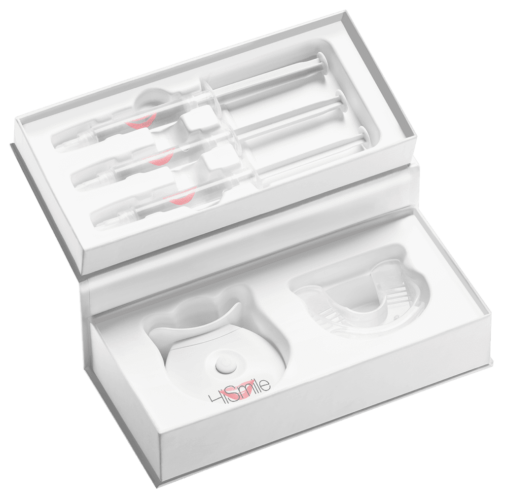
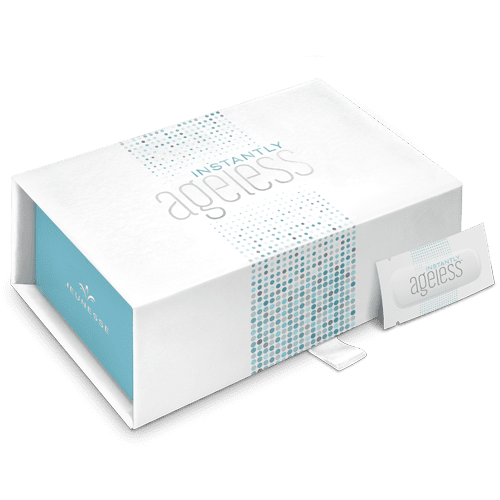
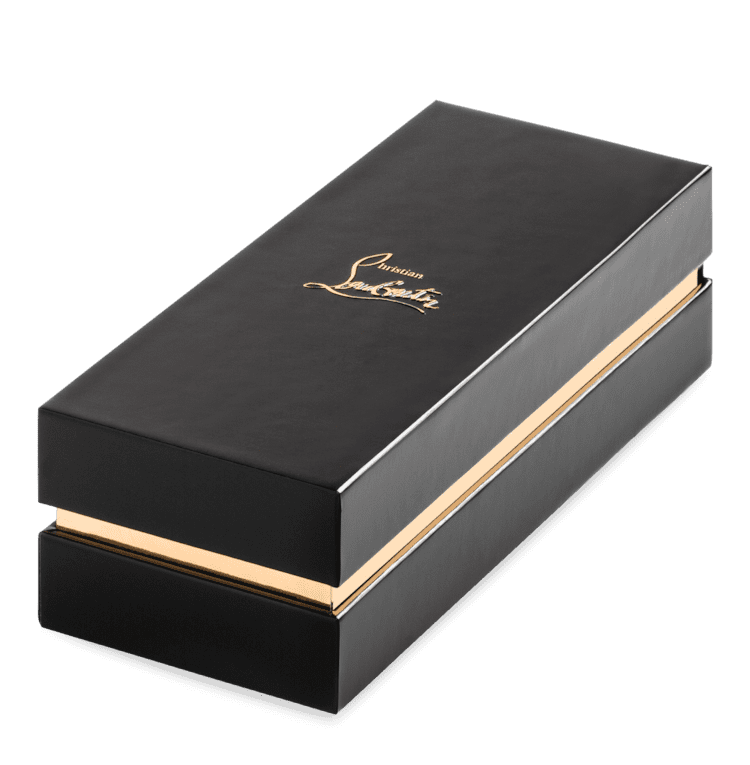
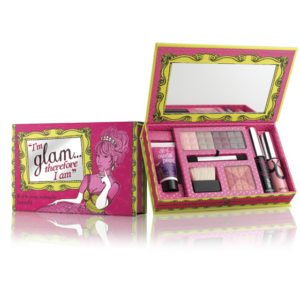
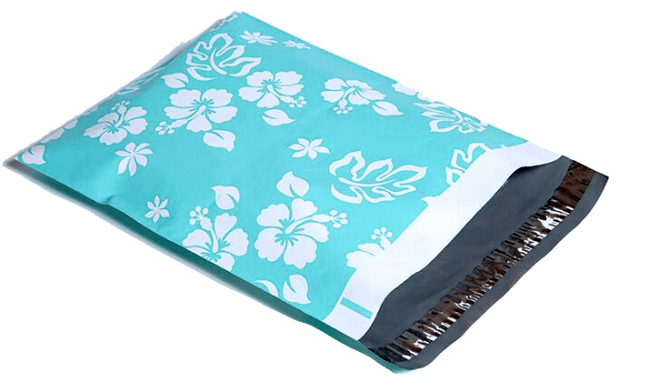
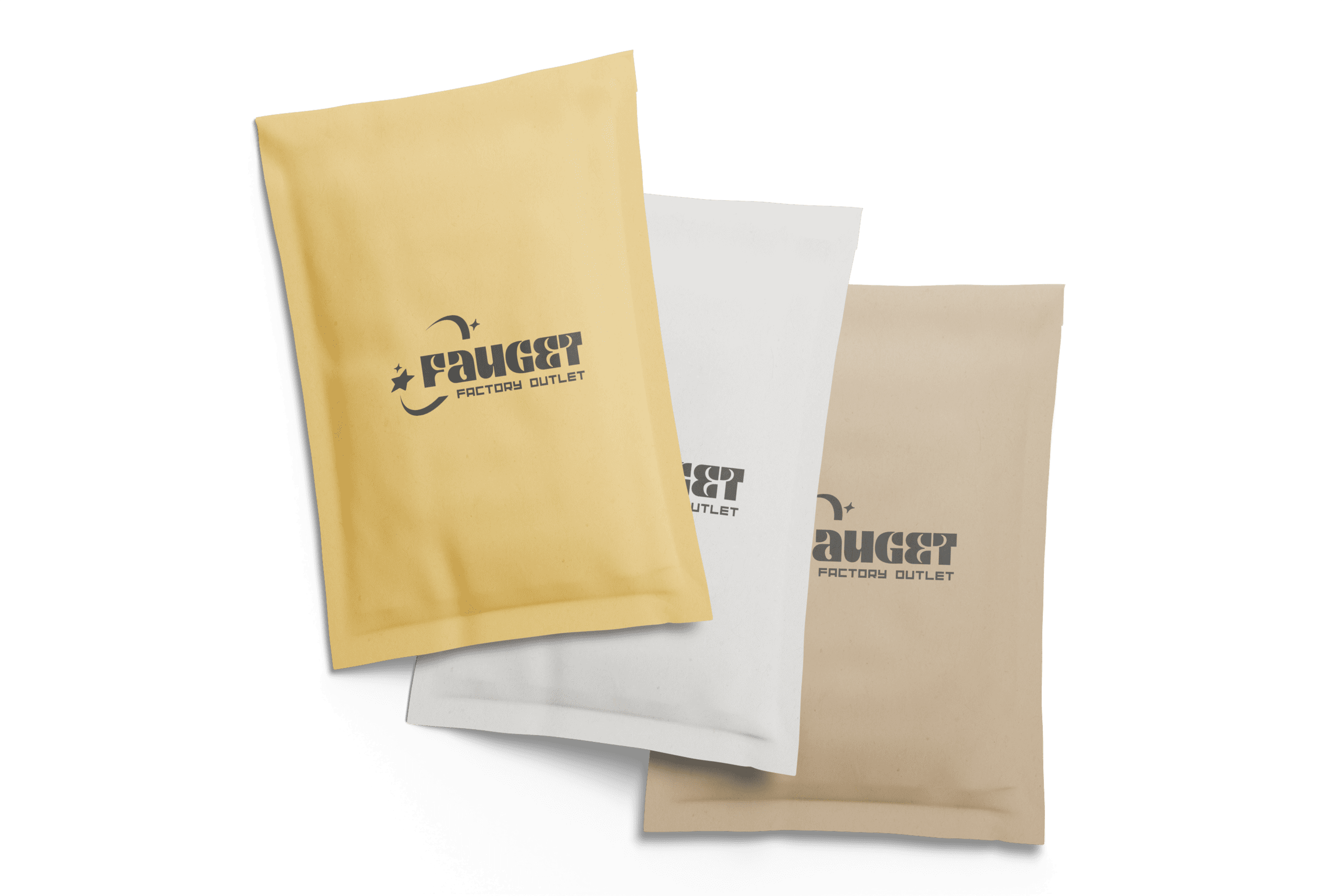
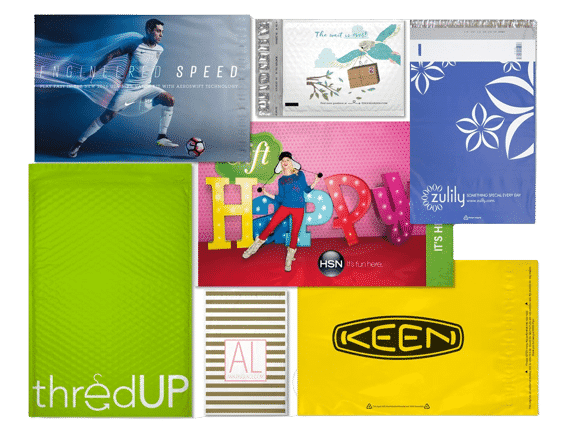
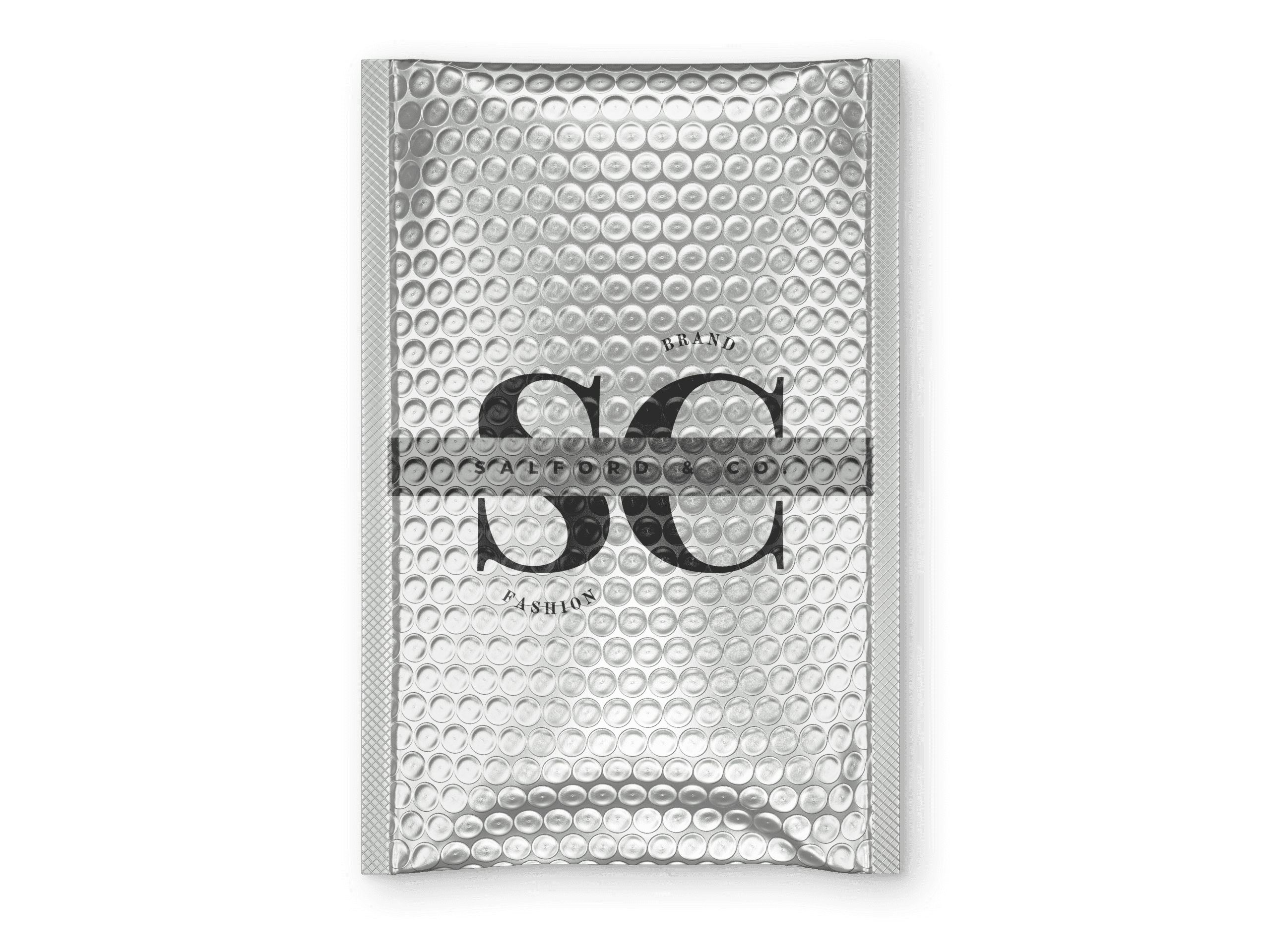
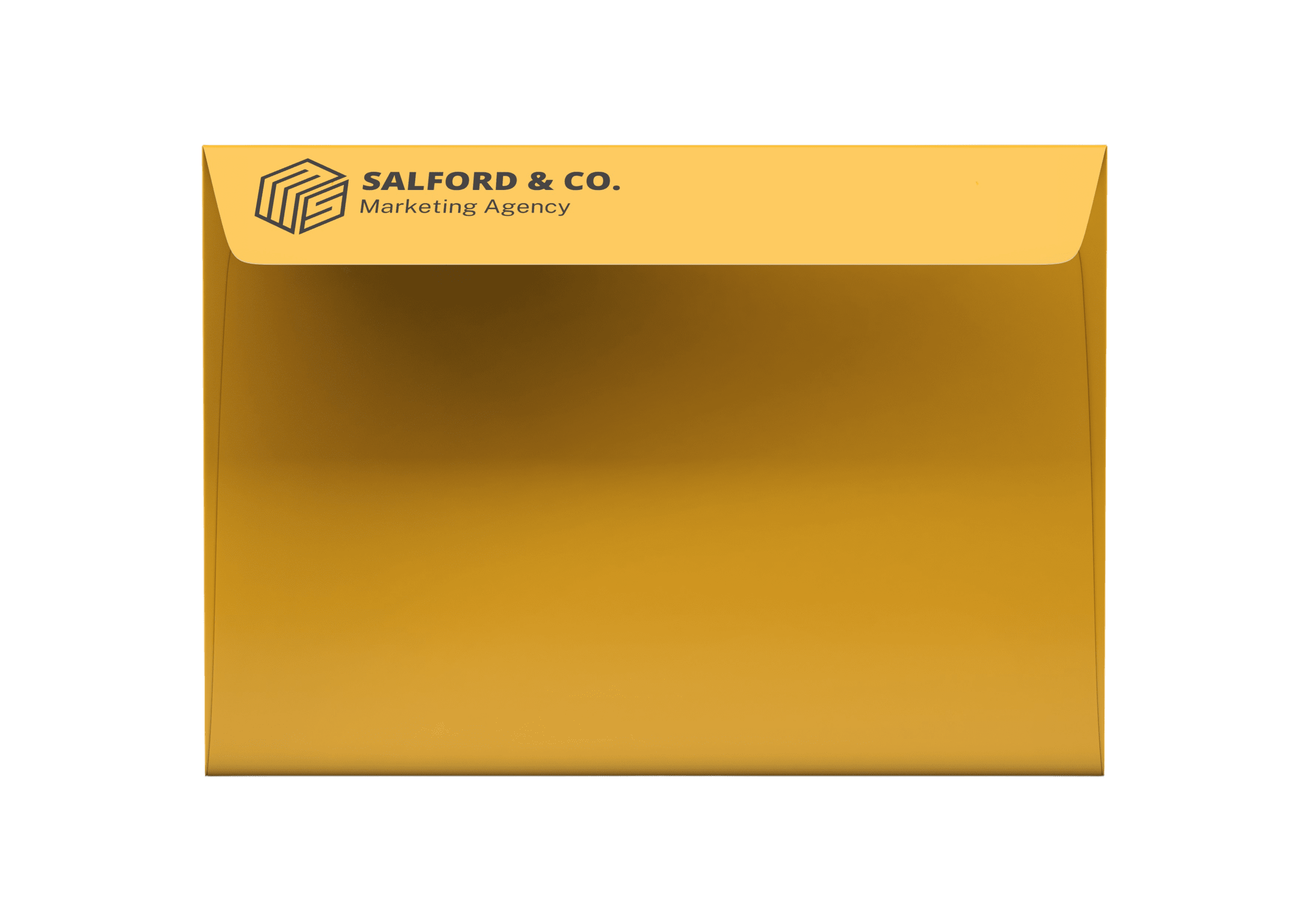
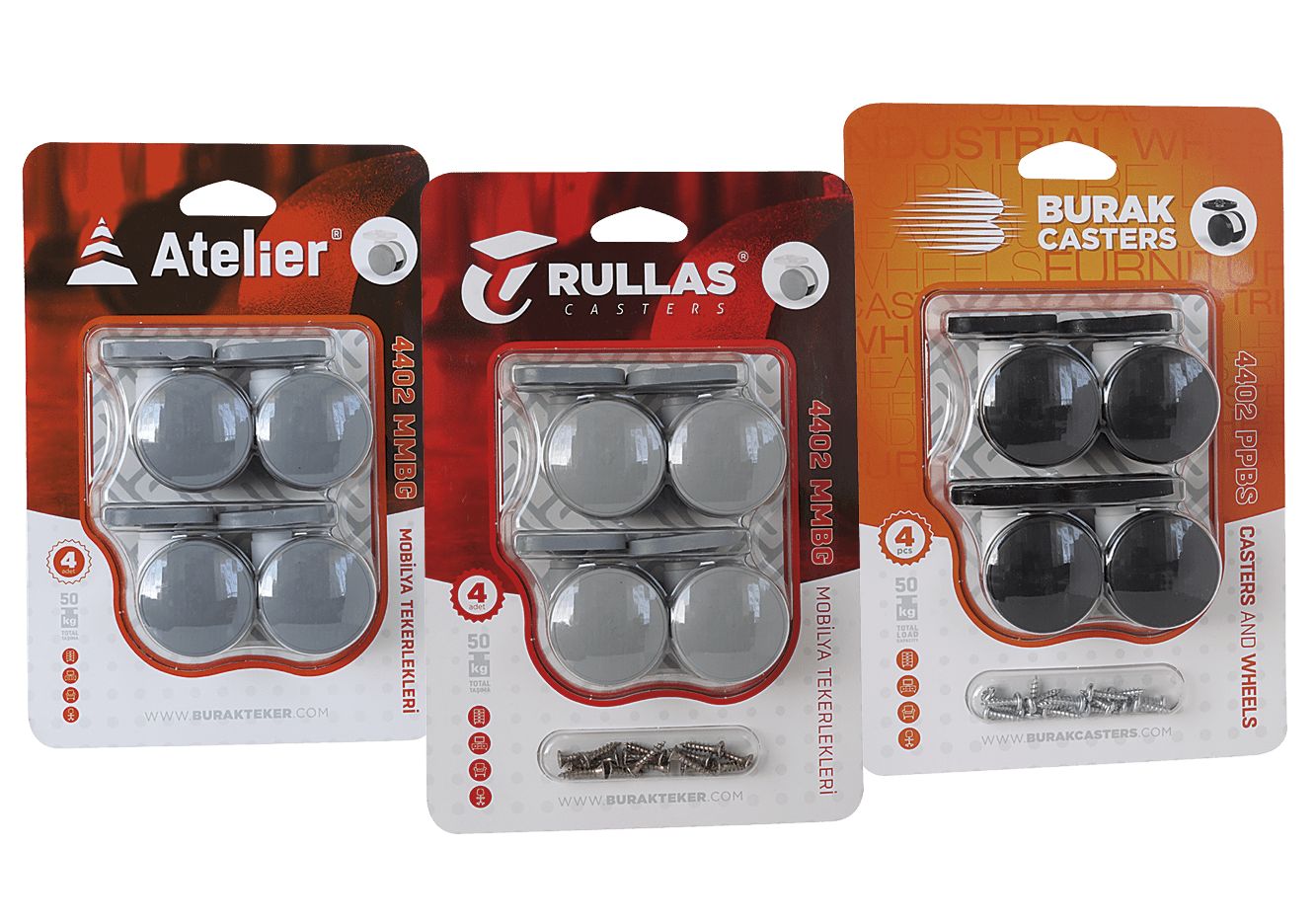
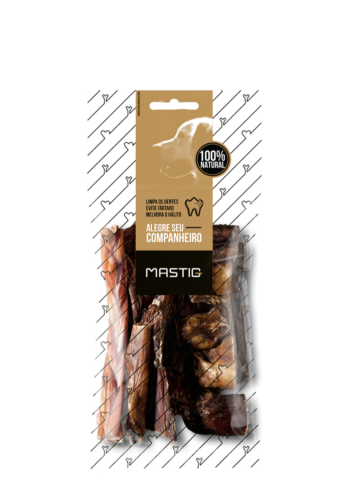
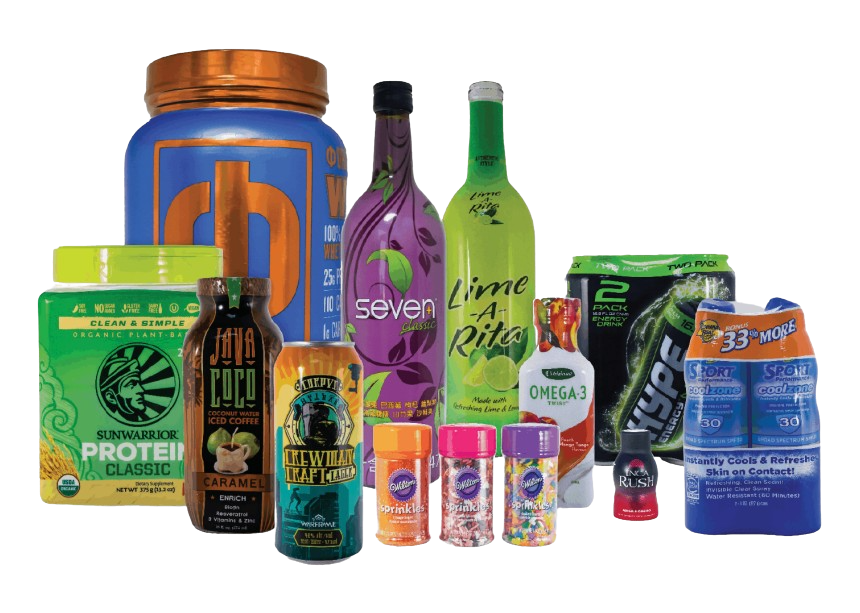
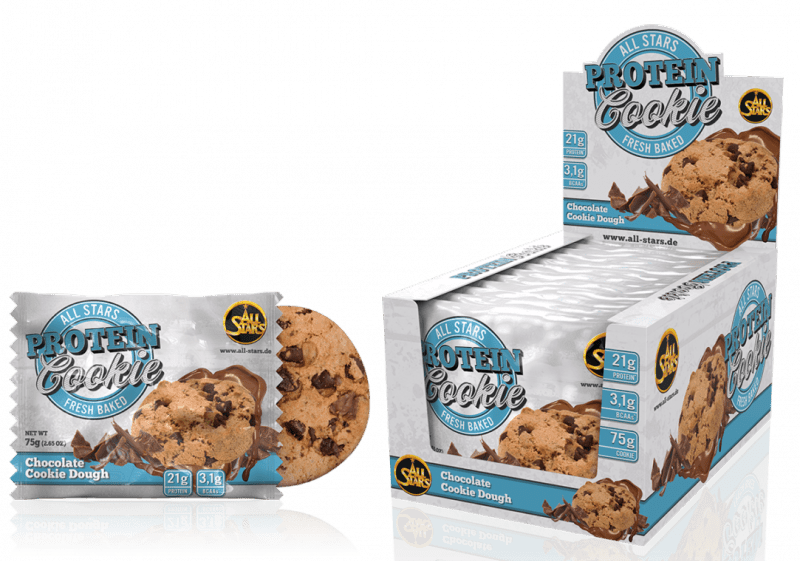
We offer a wide selection of fully customizable packaging products to address any packaging purpose. Customize your packaging product with your logo, brand colors, product information, design, features, and more. If you are unsure on what type of packaging you will need, then contact us for an expert consultation.


Custom packaging is tailored specifically to fit a brand’s unique product requirements, unlike stock packaging, which is pre-made and generic. Custom options allow for precise sizing, materials, and design choices, offering enhanced protection, presentation, and improved efficiency. This personalization makes custom packaging ideal for businesses looking to stand out and create a cohesive brand identity.
At Brown Packaging, our custom packaging solutions are structurally designed to optimize protection, material usage, and sustainability, tailored to meet specific product needs across various applications. We incorporate graphics to reinforce brand identity, ensuring that each package not only protects but also represents your brand effectively. With a focus on durability and functionality, our packaging ensures secure handling for shipping, retail, or storage while supporting sustainability goals.
Custom Packaging Products
We offer a variety of custom packaging products and solutions to meet all your packaging needs in one place. You’ll work directly with a dedicated project specialist to customize your package according to your specifications, including branding, features, and design.


If you need any assistance with your packaging or have a question, then contact us directly at request@brownpackaging.com or (714)300-0650. Learn more about custom packaging by reading our blog posts on new and trending topics.

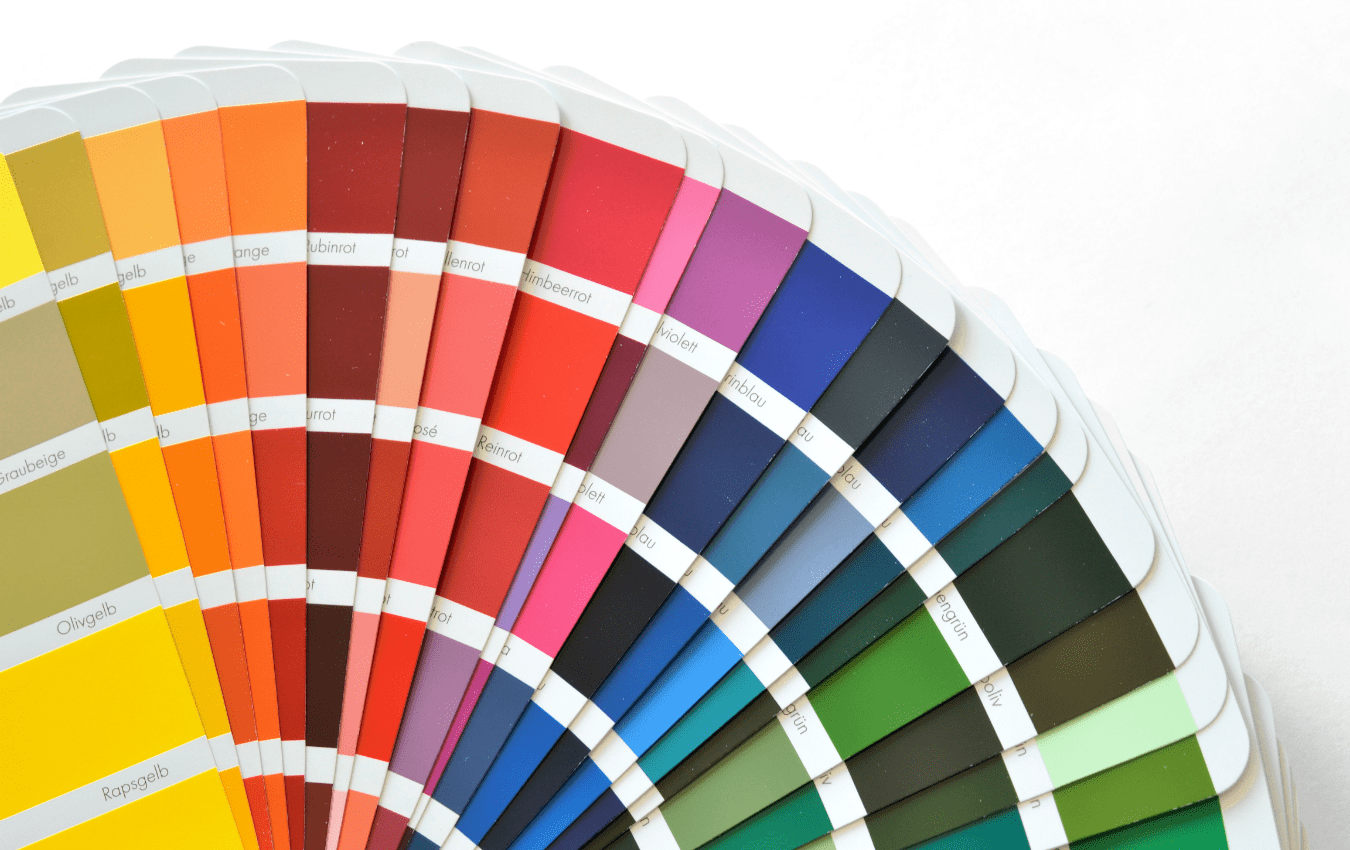
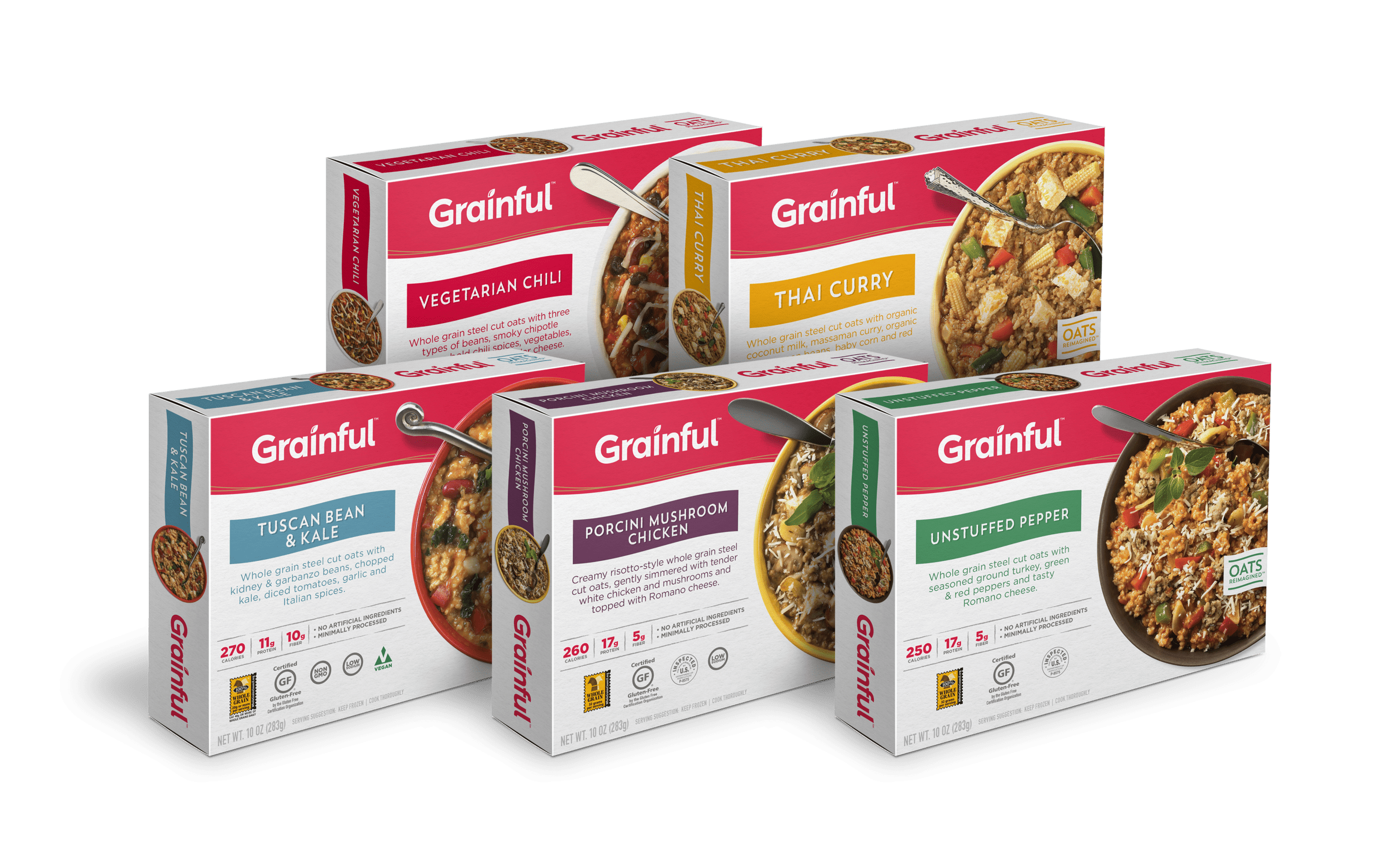
Color plays a pivotal role in product packaging, serving not just an aesthetic purpose but also communicating values, emotions, and expectations to the consumer. Effective use of color in custom packaging can significantly influence customer perception, enhance brand recognition, and ultimately drive purchasing decisions. Let’s delve into how different colors can convey various messages about your products and how they can be strategically used to achieve your business goals. The Impact of Color in Packaging Overview of Color Psychology in Packaging Colors are a powerful tool in packaging design because they have the ability to trigger different emotional responses and convey specific attributes of a brand or product. Understanding the psychology behind colors can help businesses strategically choose hues that align with their brand identity and appeal to their target audience. Below are a list of the most popular colors used in custom packaging and what they say about your product: White Black Blue Red Orange Green Yellow Purple Pink Using Multiple Colors Shades Of Colors Common Colors Used in Custom Packaging and Their Meanings White Implications: White symbolizes purity, cleanliness, and simplicity. It is often used to create a perception of safety and sterility, which is ideal for healthcare and personal care products. Applications: Commonly used as a background color to make text and graphics pop, enhancing readability and highlighting important product information. Black Implications: Black is associated with sophistication, luxury, and seriousness. It suggests a premium quality and is often used in packaging for high-end products to convey elegance and exclusivity. Applications: Effective for creating contrast and making other elements stand out, particularly in luxury goods packaging. Blue Implications: Blue evokes feelings of trust, security, and calmness. It’s preferred universally and is deemed reliable and dependable. Applications: Widely used in products that aim to promote relaxation and trust, such as in the wellness and financial sectors. Red Implications: Red is a bold color that stimulates excitement, passion, and urgency. It can increase heart rate, which is why it’s commonly used to attract attention and encourage impulse purchases. Applications: Often used to highlight calls to action or special offers on packaging. Orange Implications: Orange combines the energy of red and the happiness of yellow, representing enthusiasm, creativity, and affordability. Applications: Frequently used to draw attention in retail settings and signal affordability without sacrificing quality. Green Implications: Green is synonymous with nature, health, and renewal. Darker greens are associated with wealth and luxury, while lighter greens are used to promote eco-friendly or natural products. Applications: Ideal for products that want to emphasize organic or sustainable attributes Yellow Implications: Yellow is a cheerful color that exudes optimism and youthfulness. It’s also attention-grabbing and can be used to make packaging more eye-catching. Applications: Effective for products targeting young demographics or those looking to convey affordability and fun. Purple Implications: Purple is often associated with creativity, luxury, and spirituality. It tends to attract attention with a sense of mystery and prestige. Applications: Used in beauty and luxury goods to suggest sophistication and rarity. Pink Implications: Pink is traditionally linked to femininity, warmth, and romance. It ranges from playful shades to more serious, muted tones. Applications: Common in products aimed at the female market, particularly in cosmetics and children’s products, to evoke softness and warmth. Using Multiple Colors Utilizing multiple colors in packaging needs a balanced approach to maintain brand integrity and ensure clear communication. Complementary colors can create vibrant dynamics and enhance visual appeal, but they should be used judiciously to avoid overwhelming consumers and diluting the brand message. Shades of Colors The intensity and shade of a color can alter its impact. Darker shades often convey a more professional and luxurious feel, while lighter shades can appear more accessible and soft. Choosing the right shade is crucial in aligning the packaging with the product’s target audience and brand values. Summary: What Does Color of Your Packaging Say About Your Product The color of your packaging is a direct communication tool with your consumers. It not only influences how your product is perceived but can also significantly impact its market performance. By carefully selecting appropriate colors, businesses can effectively position their products, enhance consumer experience, and meet specific market needs. For personalized guidance on leveraging the power of color in your packaging strategy, partnering with packaging experts like Brown Packaging can ensure that your packaging colors align with your brand identity and marketing goals, maximizing the impact of your products on the shelves. (714)300-0650 request@brownpackaging.com Most Recent Posts: Categories: Corrugated Folding Carton Display Packaging Rigid Box Subscribe To Our Newsletter By submitting your information, you agree to our terms and conditions and privacy policy. Custom Packaging Facebook Twitter LinkedIn Pinterest Relevant Posts

Stretch film is a fundamental component in packaging, crucial for securing products on pallets for safe storage and transportation. This versatile plastic wrapping material is used worldwide by businesses of every type to protect and stabilize cargo during transit and in warehouses. Understanding the different types of stretch film and their specific applications is essential for optimizing packaging operations and reducing costs. What You Need To Know About Stretch Film Stretch film is designed to cling tightly to items, providing a secure overwrap that protects them from dust, moisture, and movement. Let’s dive into the details of the extrusion process, types of stretch film, and practical applications to help you make an informed decision when choosing the right stretch film for your needs. Extrusion Process The extrusion process is crucial in stretch film manufacturing, involving the heating or compression of resin to achieve the desired viscosity. This resin is then formed into a plastic layer through either a cast or blown extrusion process. Cast Stretch Film Cast stretch film is produced by melting resin and pushing it through a flat die onto chilled rollers, where it solidifies. This method creates a clear, glossy film with excellent cling and quiet unwind properties. Advantages of Cast Stretch Film: Good for securing pallet loads with smooth and straight edges (A and B loads). Transparent finish that makes it easier to see merchandise, product information, directions, and barcodes. Low noise when wrapping the pallets. Self-adhering properties. Available in single or double side cling (sticky). Medium puncture resistance. Easy to apply. Cheaper alternative compared to blown film. Disadvantages of Cast Stretch Film Not as strong as blown film in holding merchandise. Less memory and more prone to tear than blown film. Blown Stretch Film Blown stretch film is made by extruding melted plastic through an annular slit die, followed by blowing the molten tube up with air to form a thin film. This process results in a film that is strong, puncture-resistant, and has a higher degree of memory. Advantages of Blown Stretch Film: Good for securing pallets with pointed or sharp edges (C- loads). High resistant to tears and punctures Provides a higher carrying and holding capacity High level of memory once stretched Disadvantages of Blown Stretch Film Makes noise when wrapping the pallets Not as clear as cast film More expensive than cast Types of Stretch Film Conventional Stretch Film This is the standard film used for a variety of applications, versatile enough to handle regular load types. Engineered Stretch Film Engineered films are designed with advanced polymers to offer better performance with less material, ideal for reducing waste and improving load stability with less film. Pre-stretched Stretch Film Pre-stretched films are extended close to their ultimate break point prior to being wound onto rolls. This film is lighter and easier to apply, reducing fatigue for operators and material usage. Application Methods Hand Rolls Hand rolls are used for manual application, suitable for businesses that wrap fewer than 50 pallets per day. They are portable and do not require machinery, making them accessible for smaller operations. Machine Rolls Machine rolls are used with automatic or semi-automatic pallet wrapping machines. These are suitable for high-volume environments, providing consistent wrapping and reducing labor costs. Thickness and Additives The thickness of stretch film is typically measured in gauges, with a variety of specifications available to suit different load types and handling conditions. Additives can be incorporated into the film to confer additional properties such as UV resistance, anti-static behavior, or color tinting, enhancing functionality and safety. Hand Rolls Machine Rolls Film With Additives Summary: The Importance of Choosing the Right Stretch Film Selecting the right type of stretch film is vital for effective product protection and operational efficiency. By understanding the different types and their specific benefits, businesses can significantly reduce material waste, enhance cargo security, and optimize costs. Whether you’re wrapping a few pallets a day by hand or managing a large-scale distribution center, the appropriate stretch film can make a significant difference in your packaging operations. For detailed advice and options on stretch films, consider reaching out to packaging experts like Brown Packaging, who can provide tailored solutions based on your specific needs and industry requirements. (714)300-0650 request@brownpackaging.com Most Recent Posts: Categories: Corrugated Folding Carton Display Packaging Rigid Box Subscribe To Our Newsletter By submitting your information, you agree to our terms and conditions and privacy policy. Stretch Film Facebook Twitter LinkedIn Pinterest Relevant Posts

Packaging foam is essential for protecting products against shocks, vibrations, and other potential damages during transportation and storage. Understanding the different types of packaging foam available can help you choose the most suitable option based on your specific needs. This guide covers a variety of foam types, including the primary options—polyurethane, polyethylene, and expanded polystyrene (EPS)—and introduces additional varieties, each with unique properties and applications. Overview of Major Foam Types Polyethylene Polyurethane Expanded Polystyrene Polyethylene Foam (PE) Polyethylene foam is a closed-cell foam known for its durability and versatility. It’s made by heating and molding polymer compounds into millions of tiny bubbles, all sealed off from each other. Benefits: Chemical and Moisture Resistance: Highly resistant to chemicals and moisture. Durability: Offers excellent vibration and compression protection. Versatility: Customizable in multiple densities and colors with additives like fire retardants and anti-static agents. Fabrication Flexibility: Easily processed and fabricated into various shapes. Disadvantages: Environmental Impact: Challenges in recycling and potential toxicity when burned. Cost: More time-consuming and costly to fabricate compared to other materials. Applications: Used in industries such as electronics, medical, and construction for end caps, box liners, and protective blocks. Polyurethane Foam Polyurethane foam is an open-cell foam that is flexible and known for its excellent cushioning properties. Benefits: Cushioning Properties: Superior for protecting delicate items. Lightweight: Reduces shipping costs. Customization: Available in multiple colors and easily laminated. Thermal Insulation: Suitable for temperature-sensitive shipments. Disadvantages: Flammability: Emits toxic gases when burned. Odor: May not be suitable for odor-sensitive applications. Durability: Shorter shelf-life than closed-cell foams. Applications: Commonly used in protective packaging for electronics, medical devices, and specialty packaging designs. Expanded Polystyrene (EPS) EPS is a lightweight, molded, closed-cell foam, often referred to by its brand name, Styrofoam. Benefits: Cost-Effectiveness: Economical for various applications. Lightweight and Strong: Provides excellent protection without significant weight. Insulation: Good thermal resistance. Moisture Resistance: Does not absorb water, ideal for humid environments. Disadvantages: Environmental Concerns: Difficult to recycle and not eco-friendly. Durability: Brittle and degrades under UV exposure. Applications: Widely used in shipping containers for food and medical supplies and protective packaging. Additional Types of Packaging Foam Ethylene-Vinyl Acetate (EVA) EVA foam is known for its rubber-like softness and flexibility, making it ideal for applications requiring a smooth and soft texture. Benefits: Shock Absorption: Excellent for sports equipment and luxury packaging. Water Resistance: Does not absorb water, enhancing its durability. Chemical Resistance: Resists oils and greases, suitable for industrial applications. Applications: Commonly used for padding in equipment, sports gear, and high-end retail packaging. Cross-Linked Polyethylene Foam This type of foam offers superior durability and is ideal for requiring fine, aesthetic finishes. Benefits: Smooth Surface: Provides a clean, professional look. High Durability: Resistant to tearing and punctures. Thermal Stability: Maintains properties over a wide temperature range. Applications: Used for medical devices, automotive interiors, and cases for delicate instruments. Cross-Linked Polyethylene Conclusion: Different Types of Packaging Foam The variety of packaging foams available offers businesses a wide range of options to protect and enhance their products. From the versatile polyethylene and cushioning polyurethane to the economical EPS and specialized foams like EVA and cross-linked polyethylene, each type provides unique benefits suited to different packaging needs. Understanding these options will help you select the best foam type for your specific product protection, branding, and sustainability goals. If you are interested in exploring custom packaging foam solutions tailored to your products, consider partnering with a specialist like Brown Packaging to navigate the selection process and optimize your packaging strategy effectively. (714)300-0650 request@brownpackaging.com Most Recent Posts: Categories: Subscribe To Our Newsletter By submitting your information, you agree to our terms and conditions and privacy policy. Custom Foam Facebook Twitter LinkedIn Pinterest Relevant Posts