




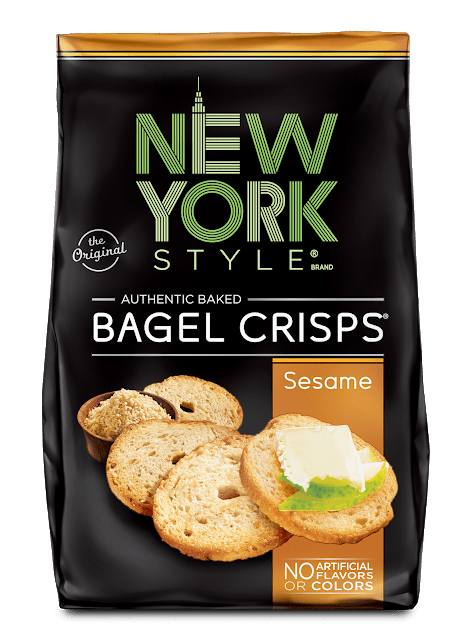
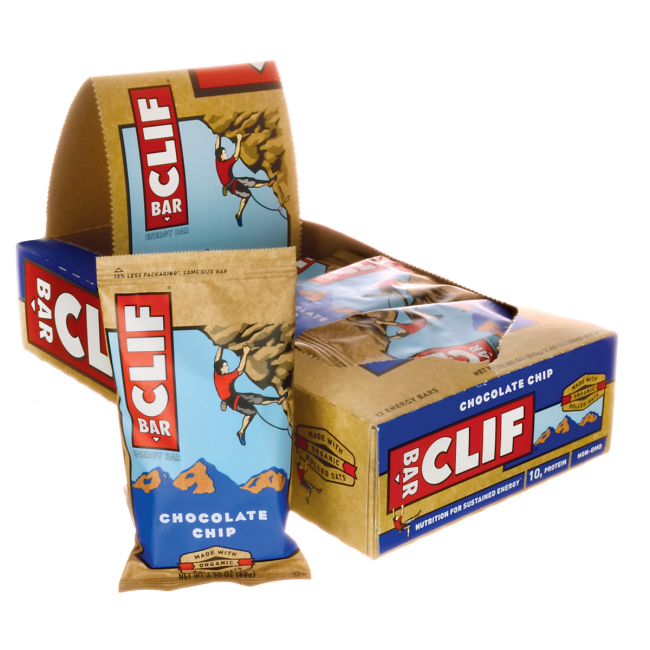
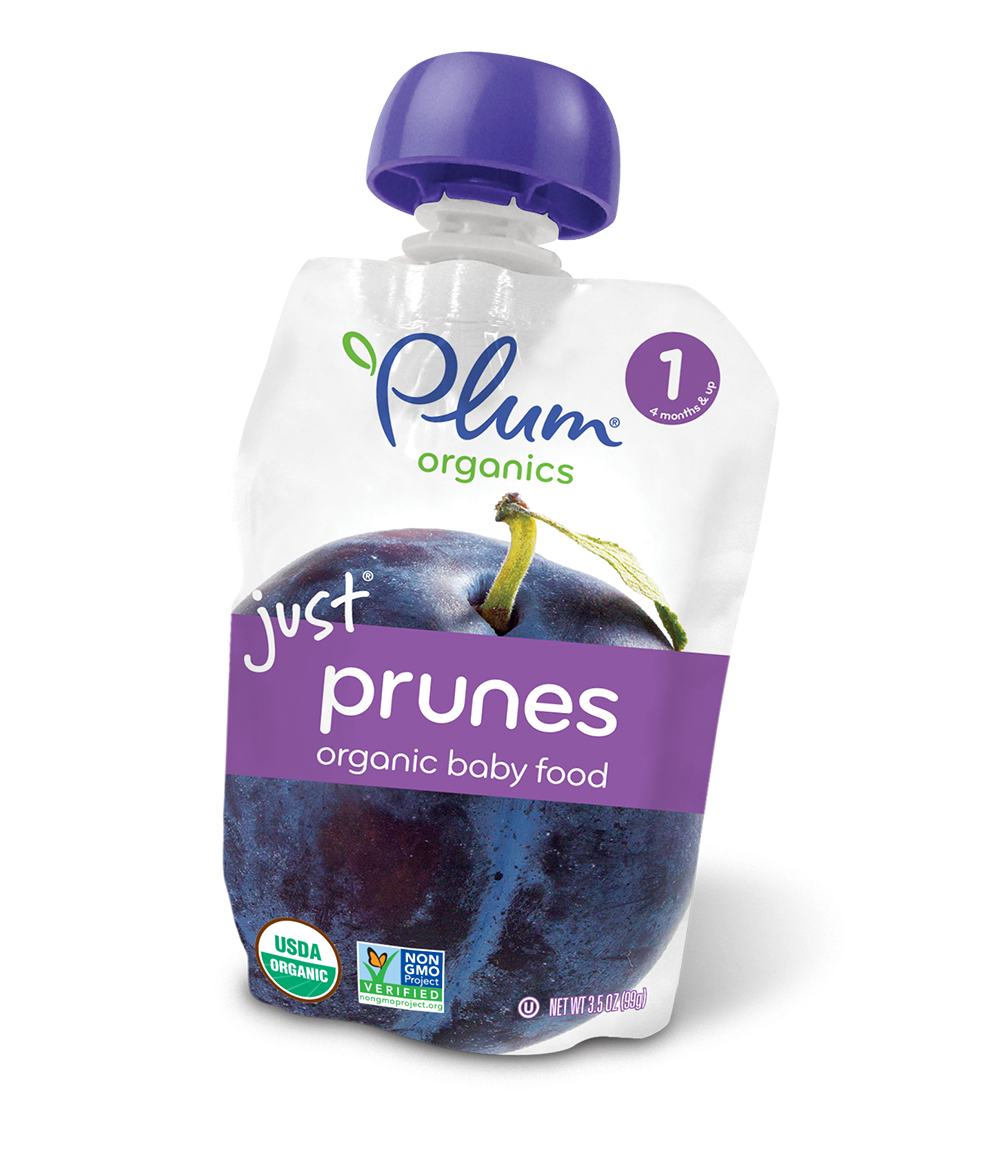
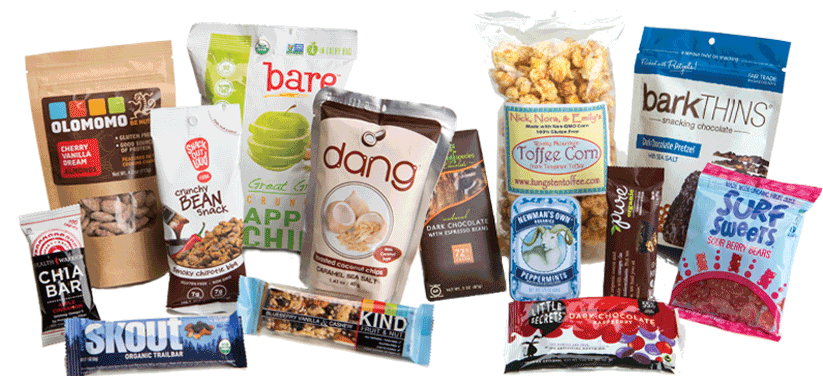
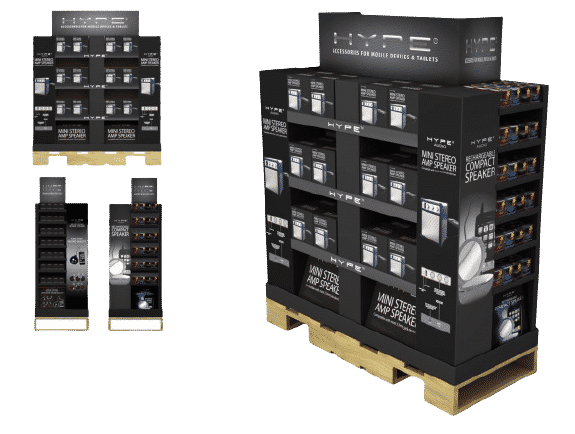
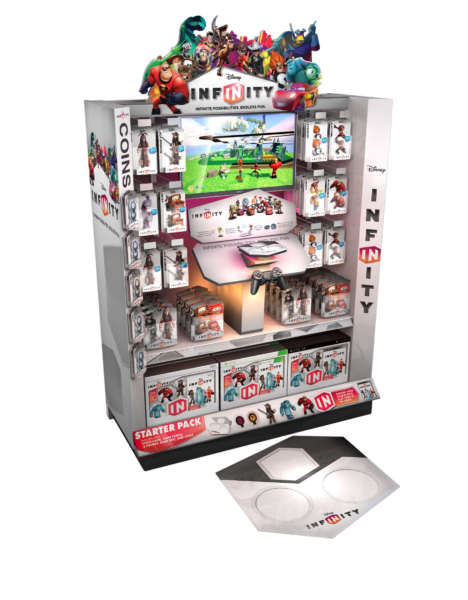
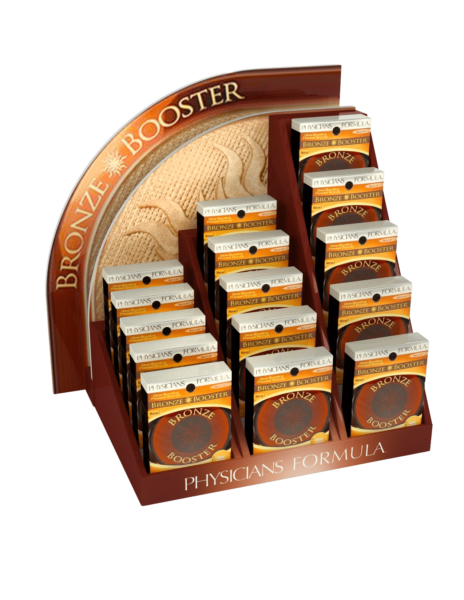
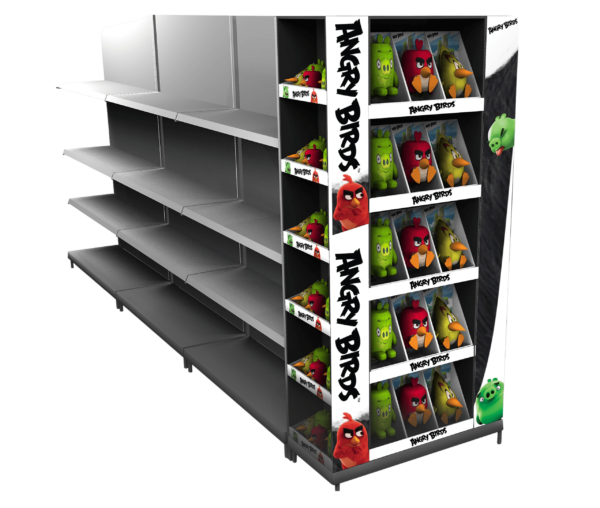

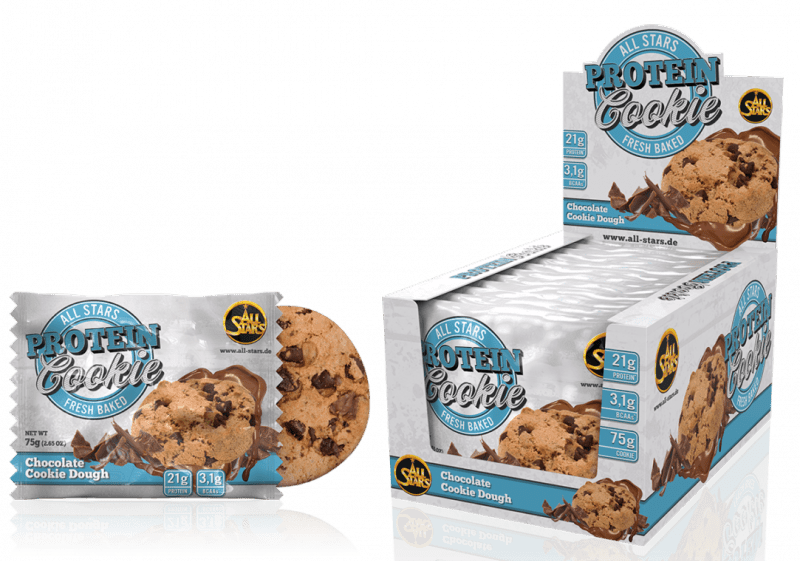

Custom Packaging
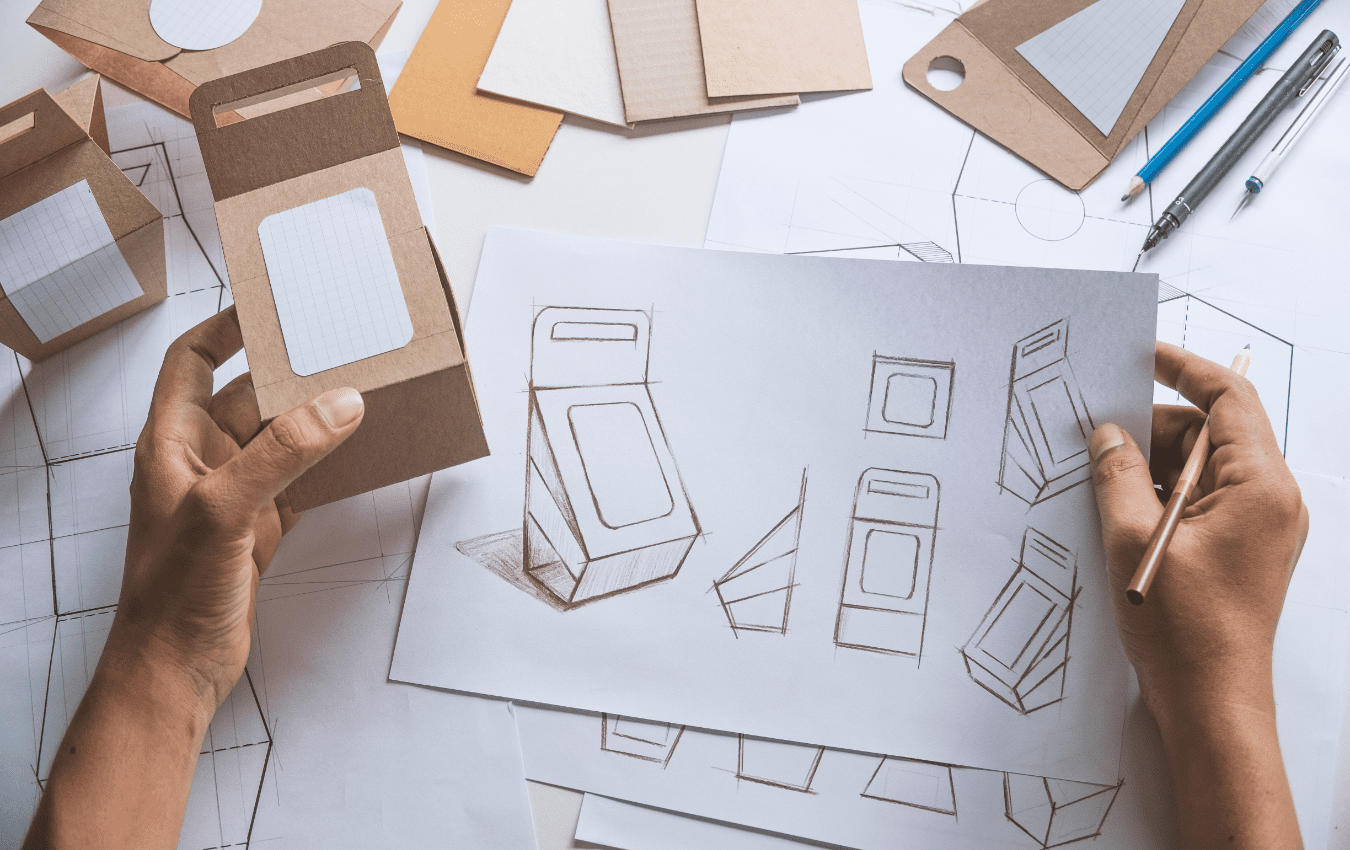
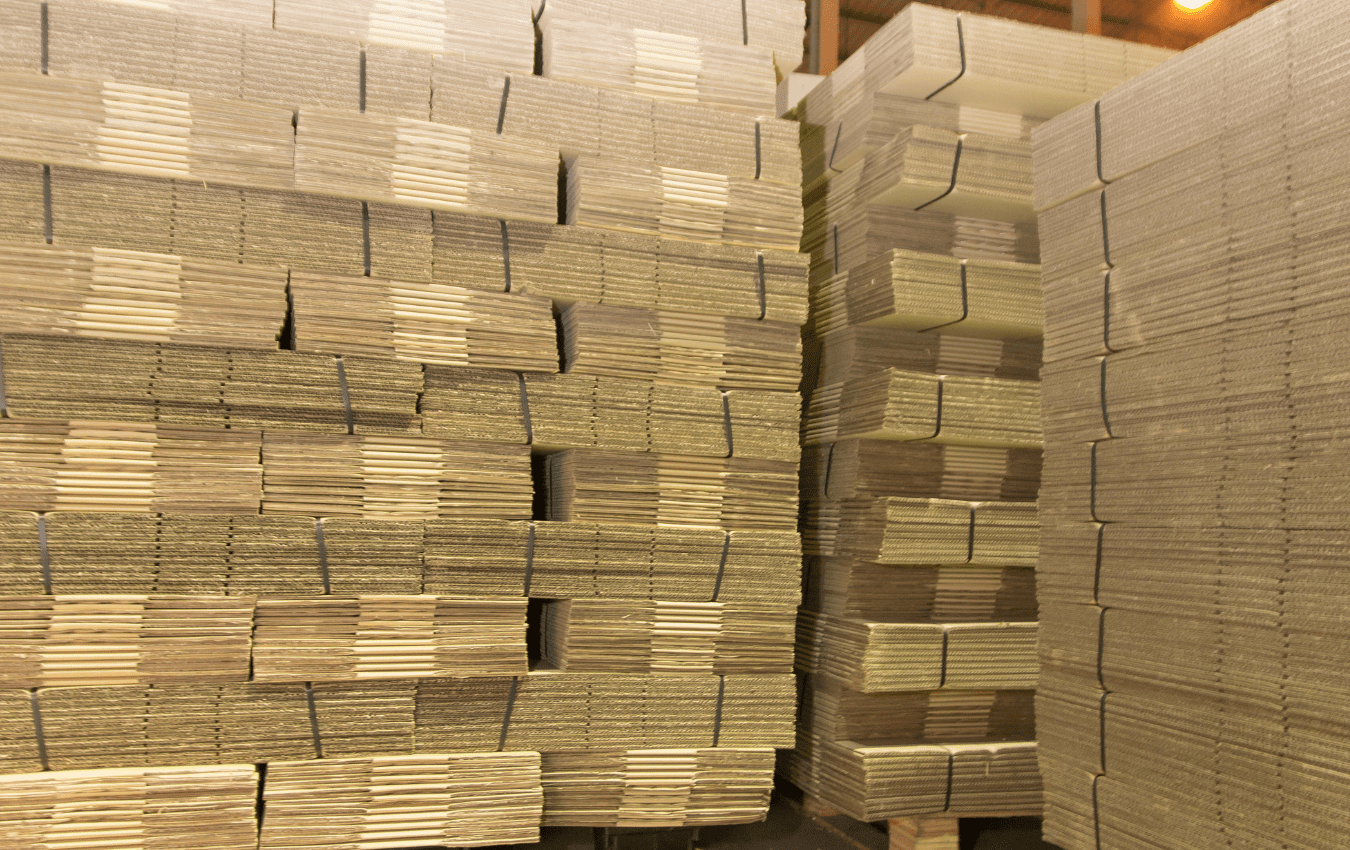
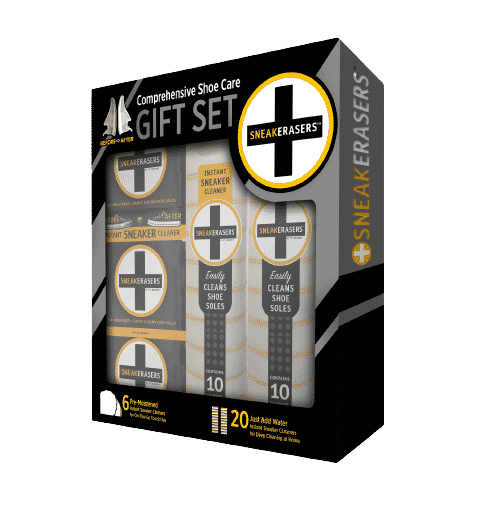
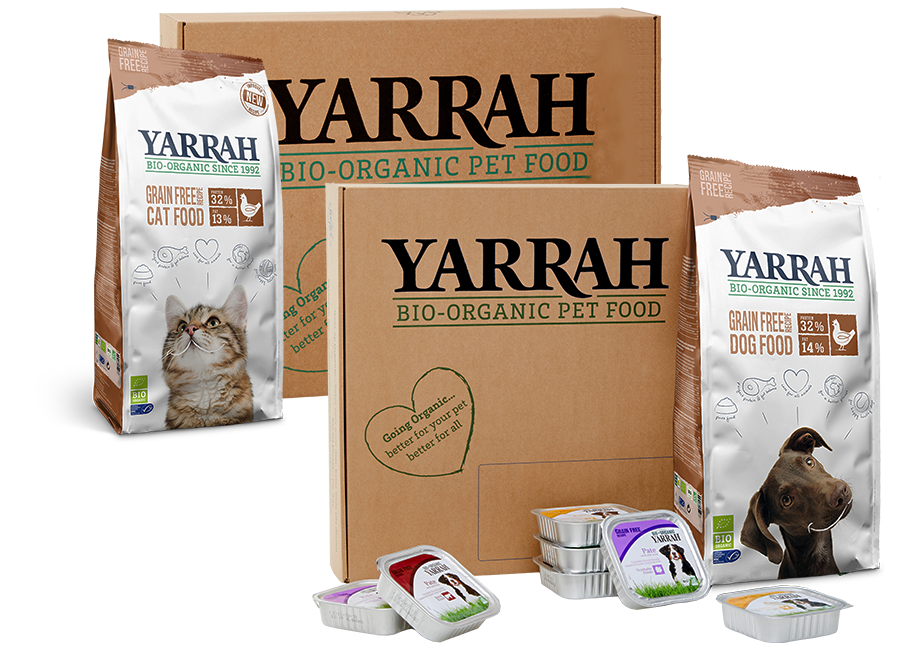
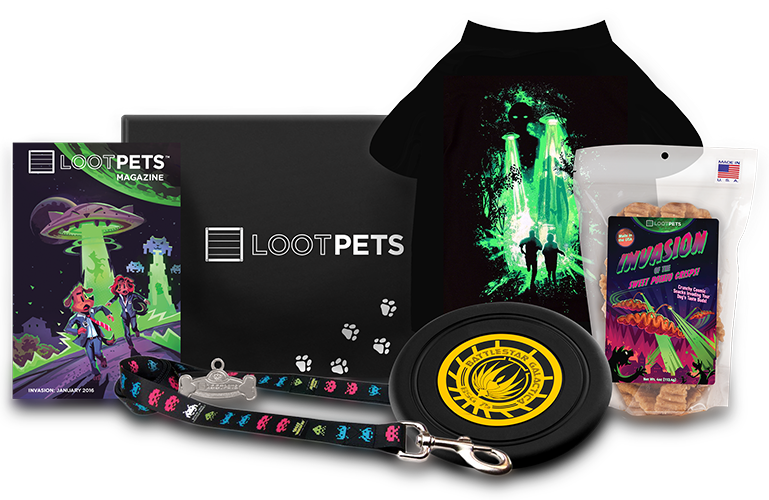
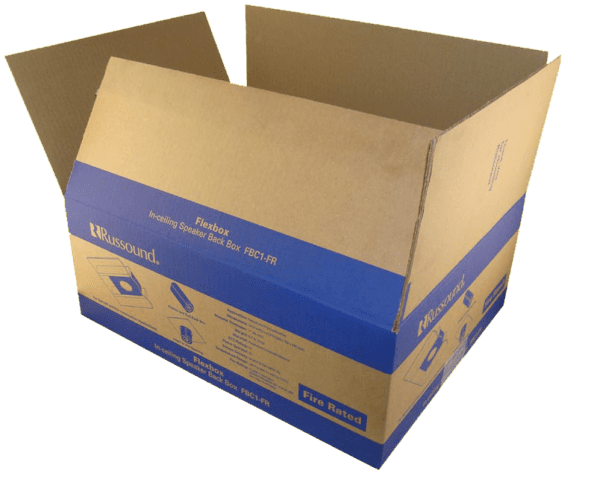
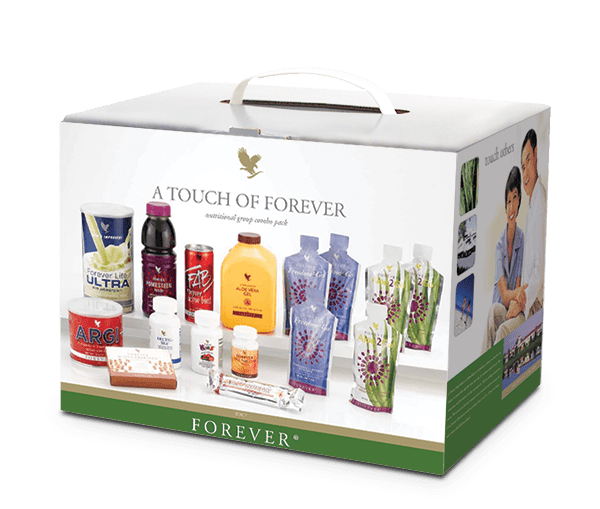
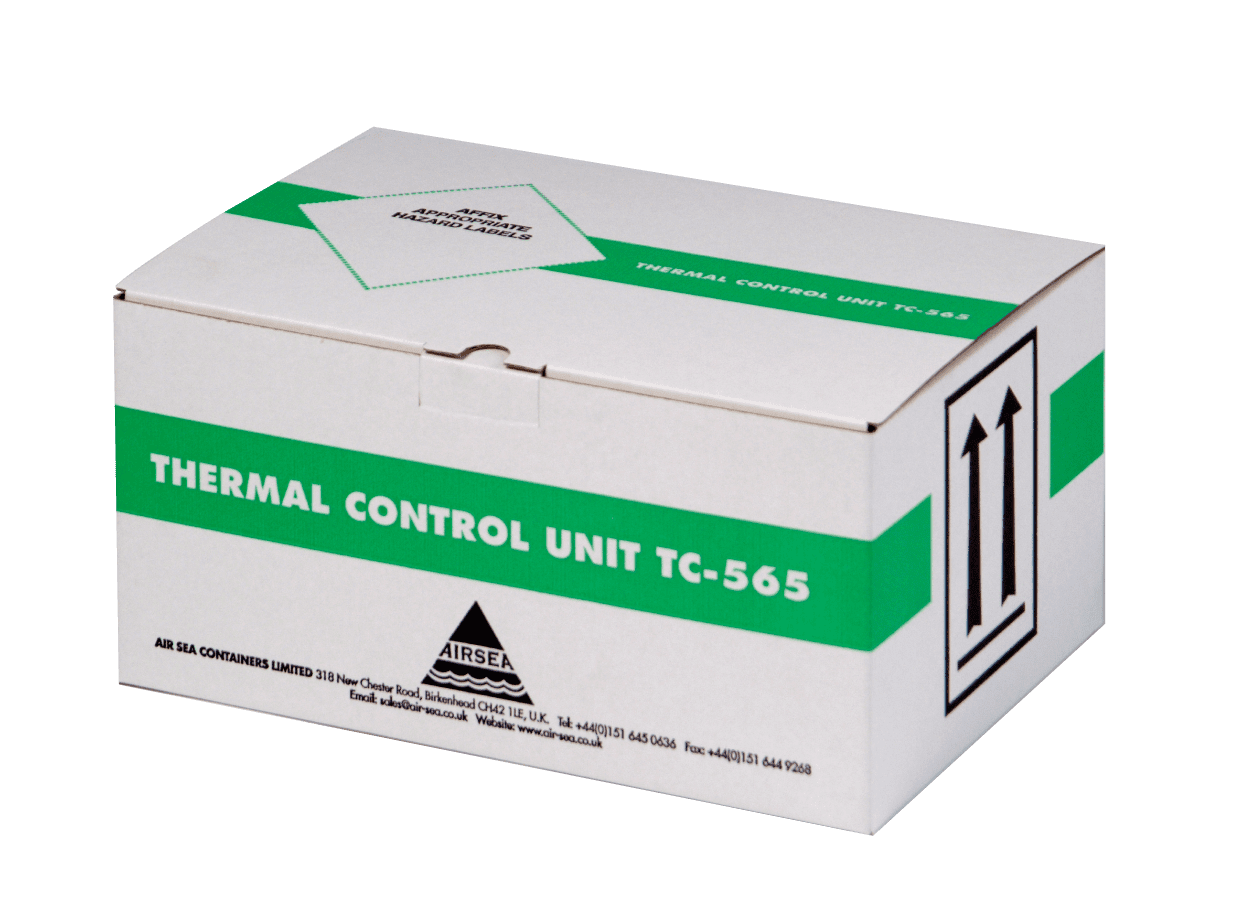
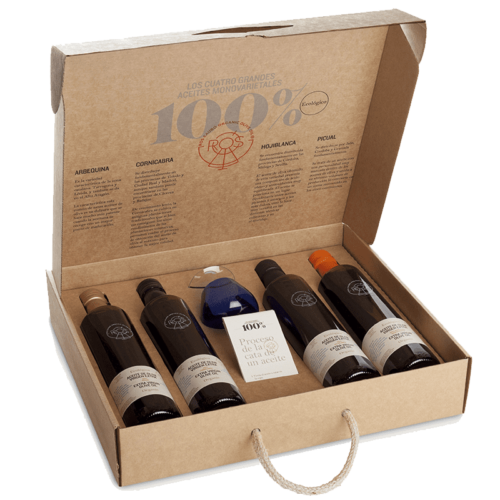
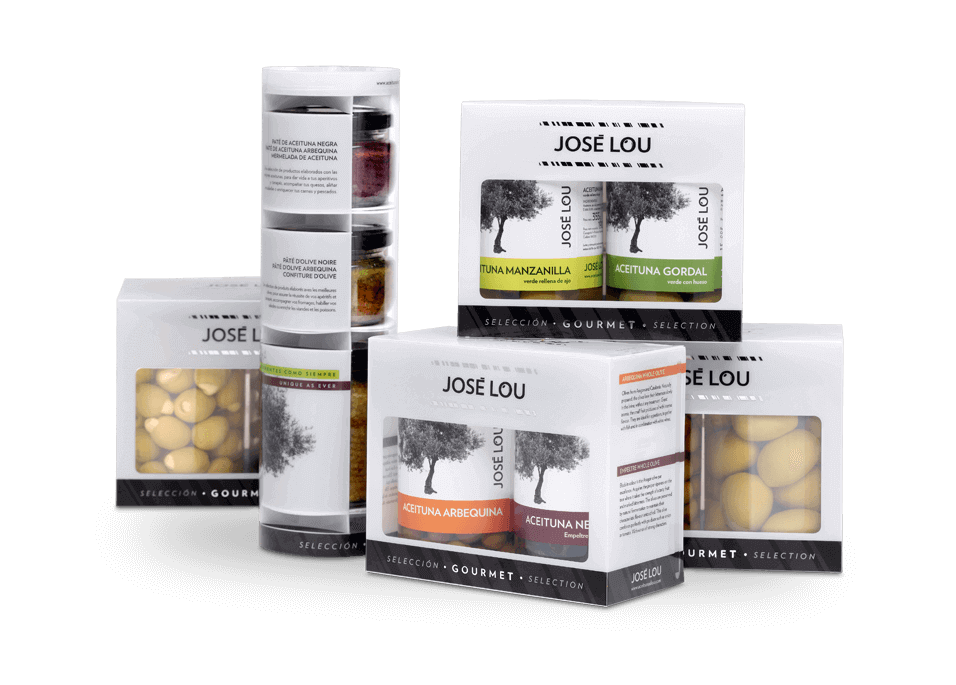
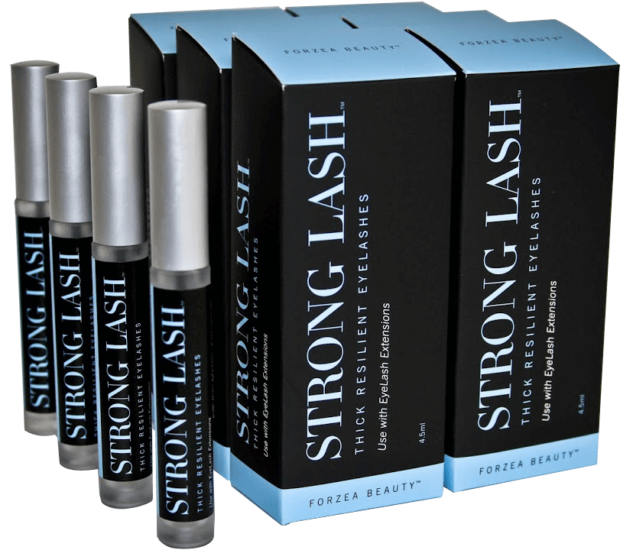
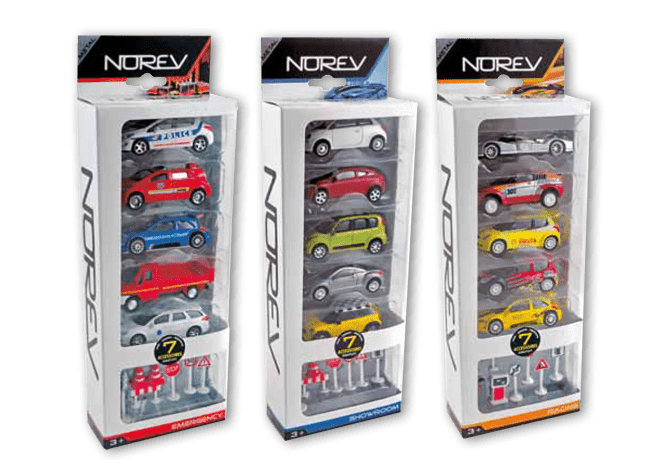
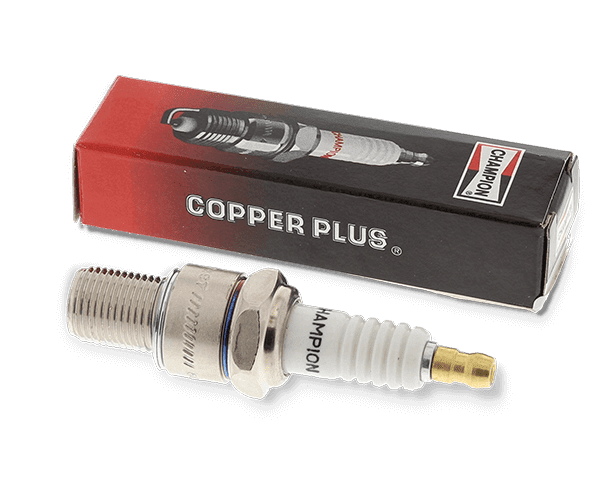
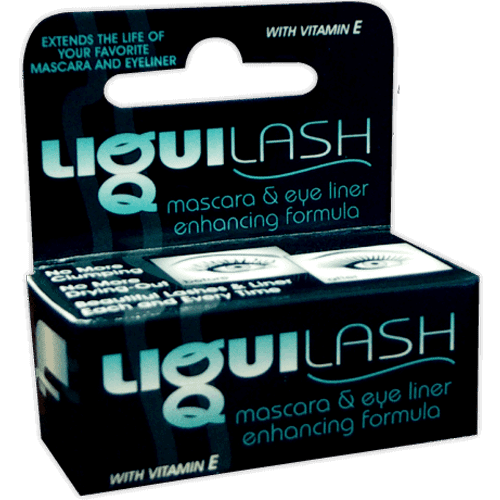
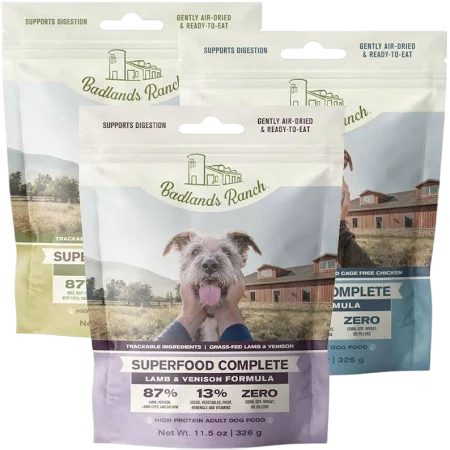
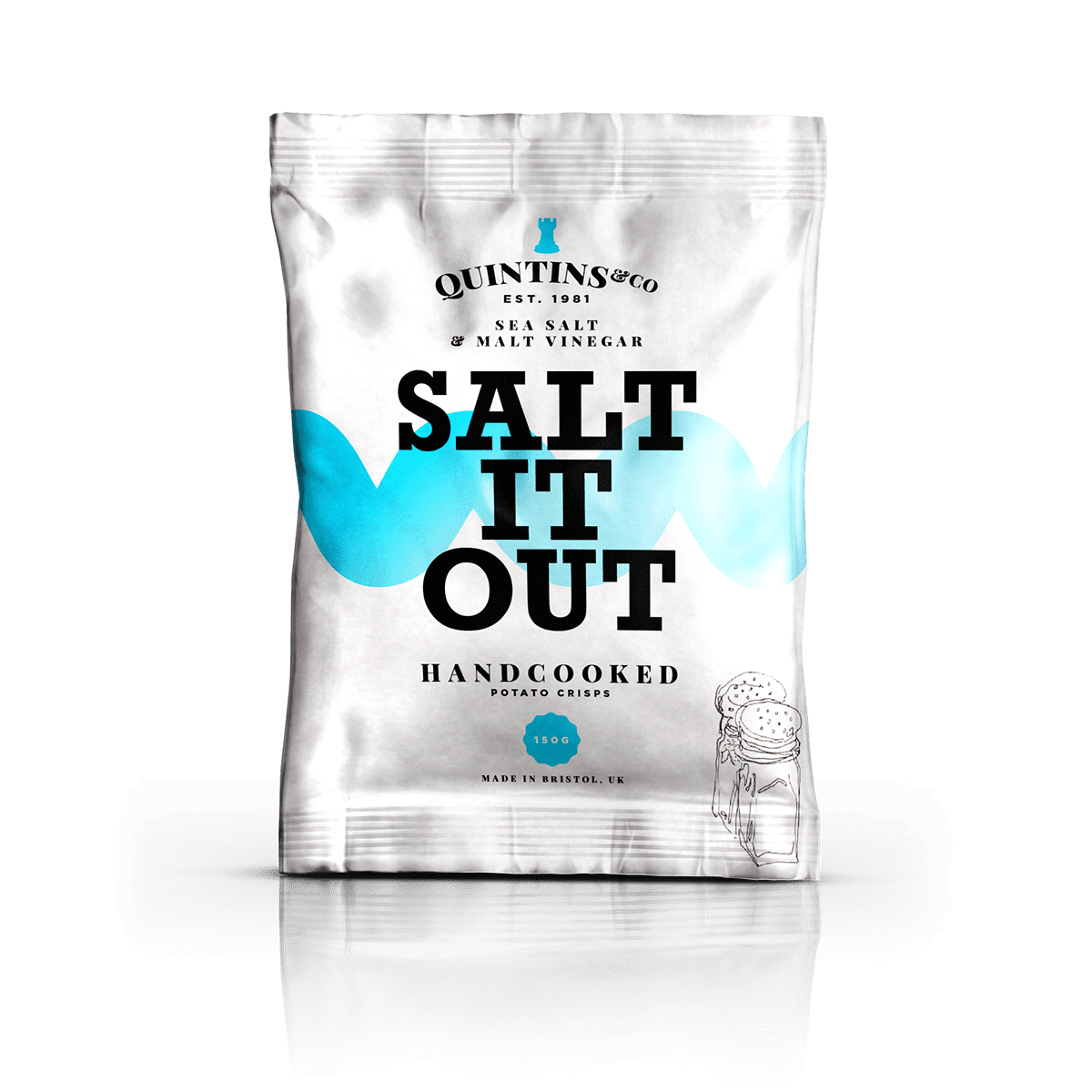
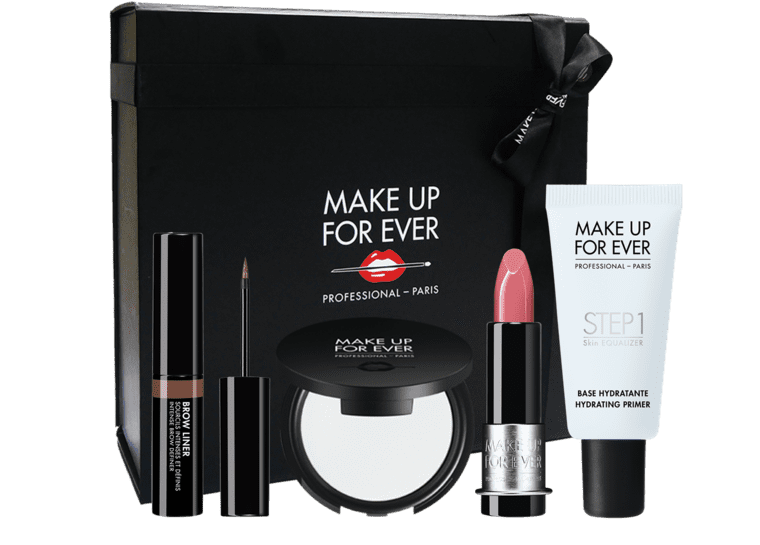
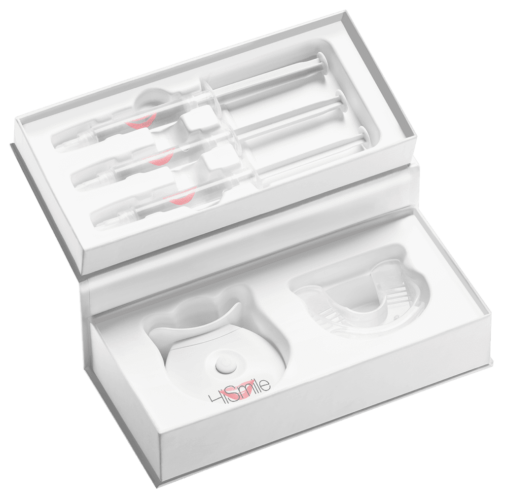
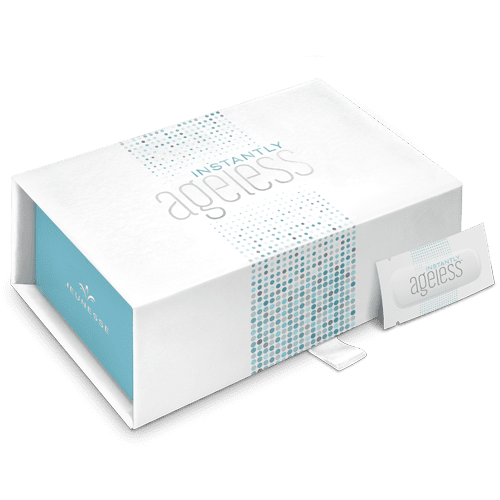
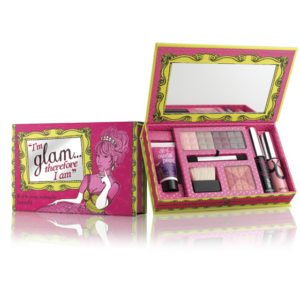
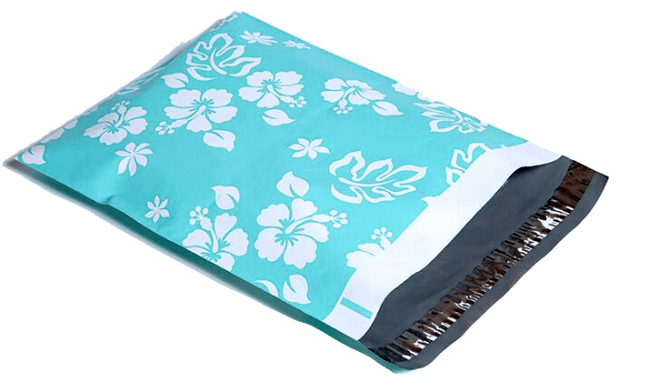
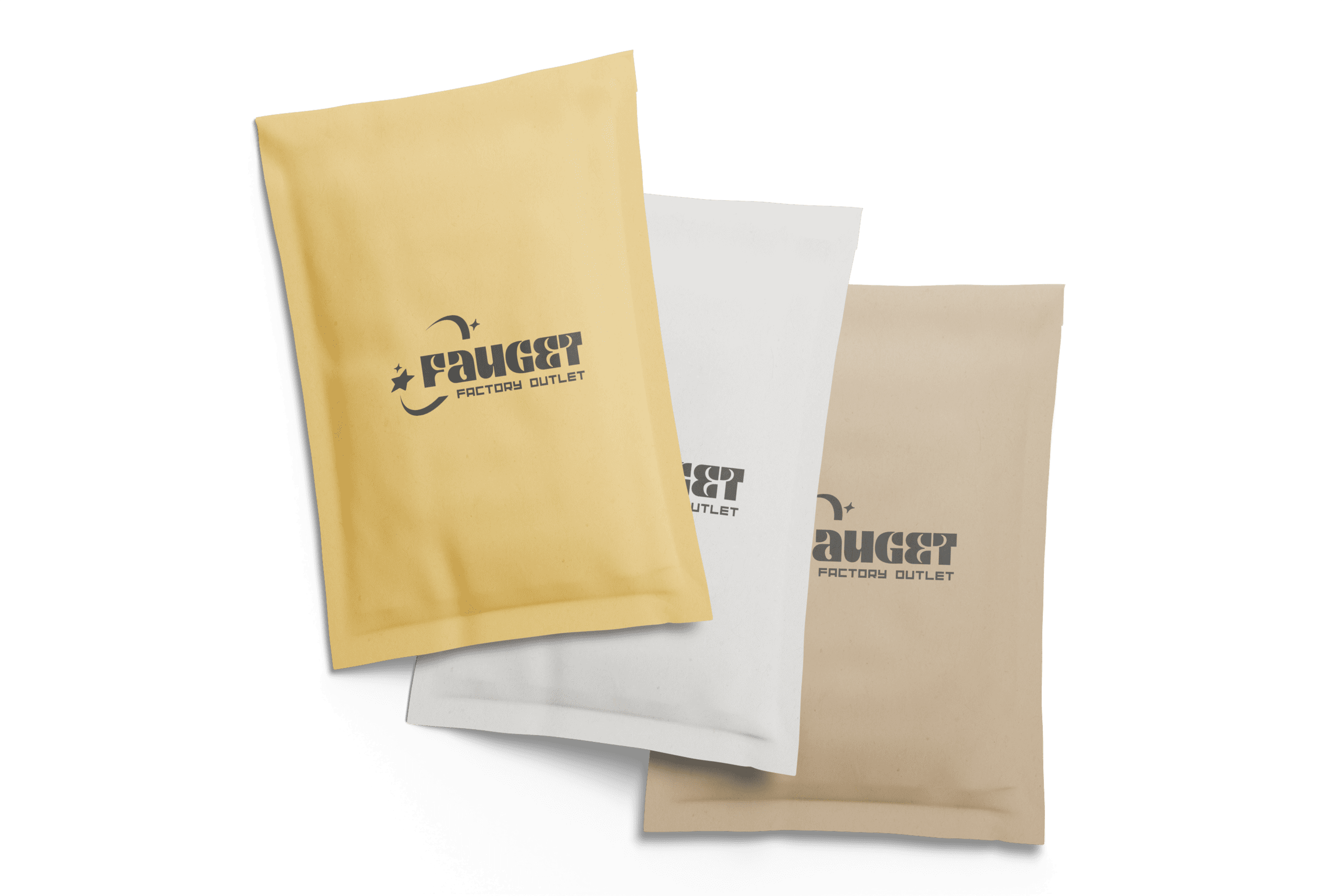
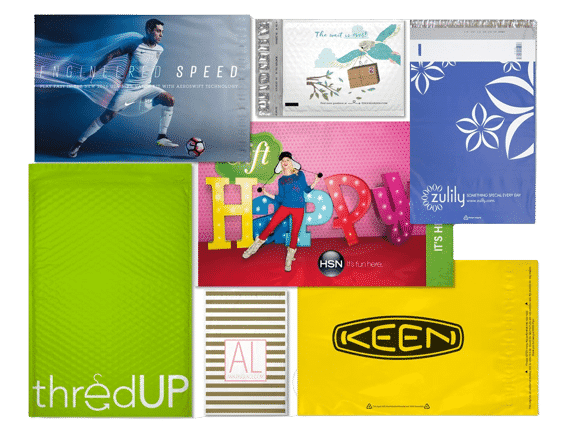
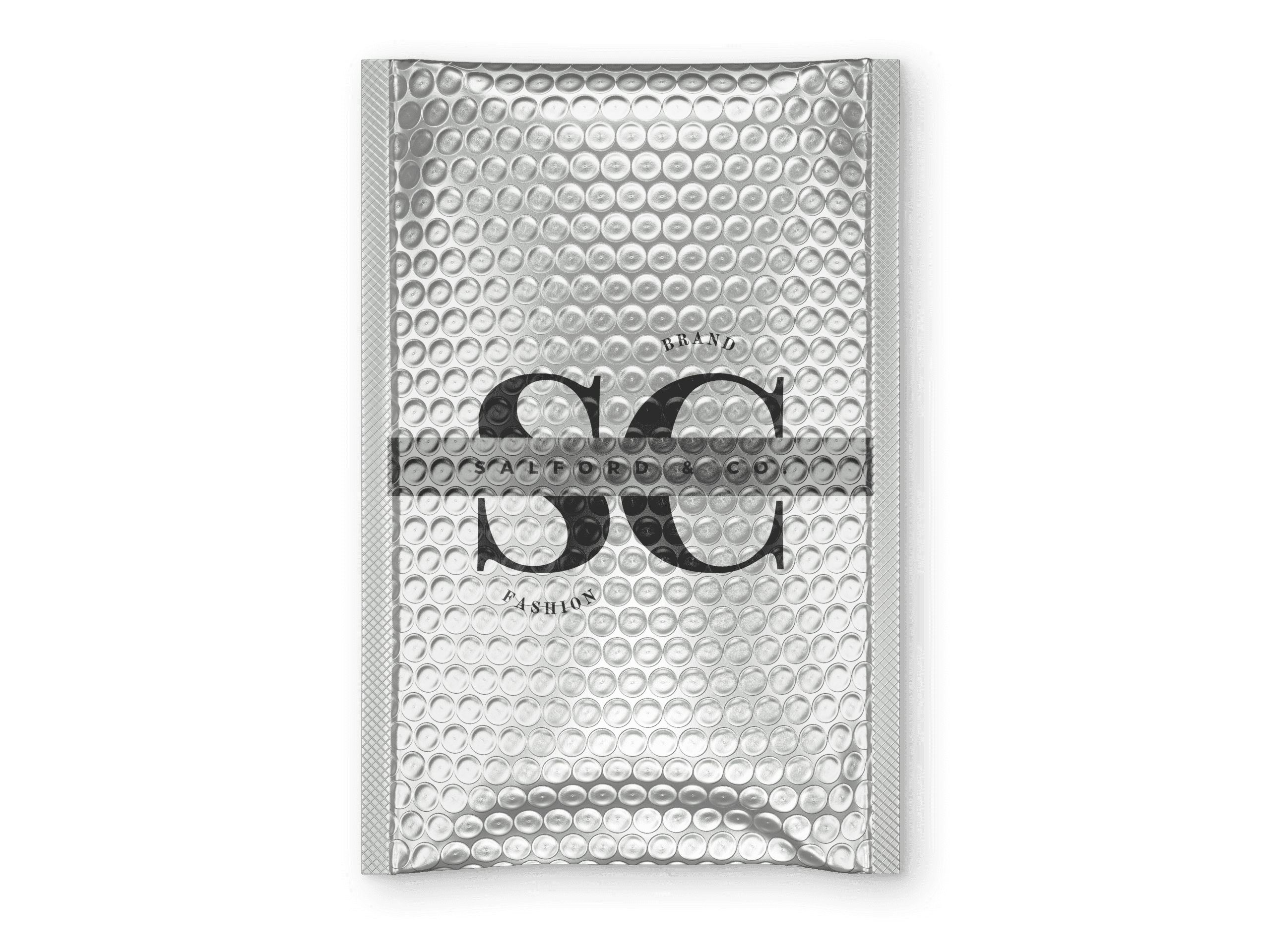
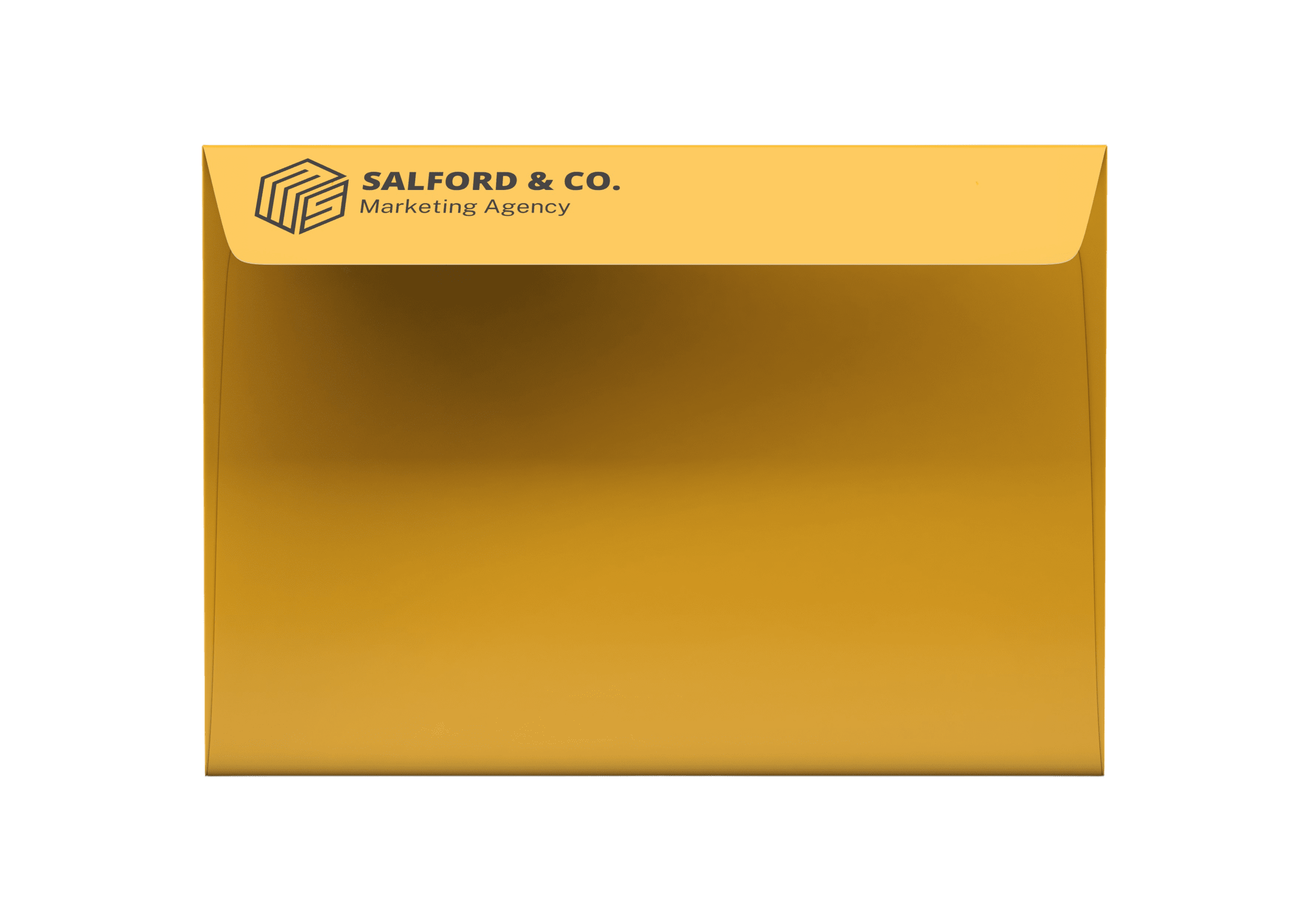
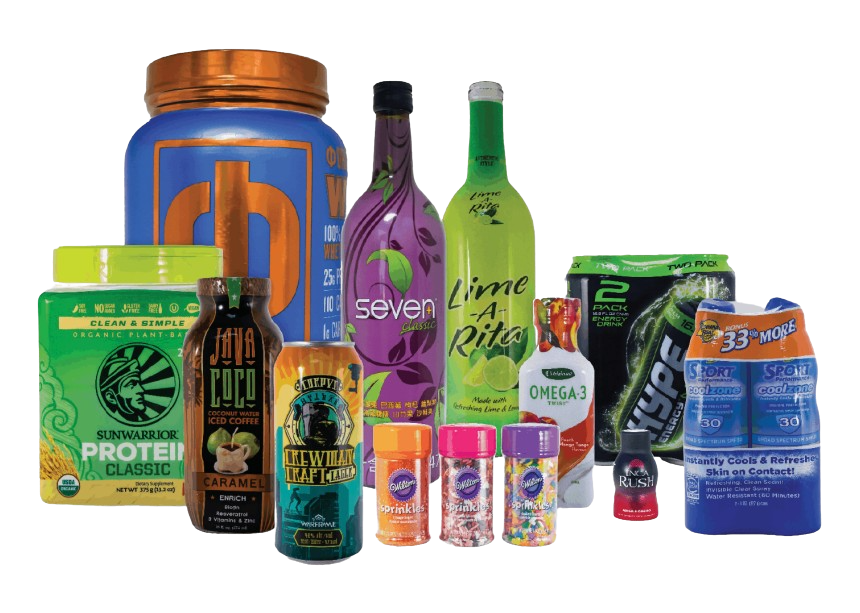
We offer a wide selection of fully customizable packaging products to address any packaging purpose. Customize your packaging product with your logo, brand colors, product information, design, features, and more. If you are unsure on what type of packaging you will need, then contact us for an expert consultation.


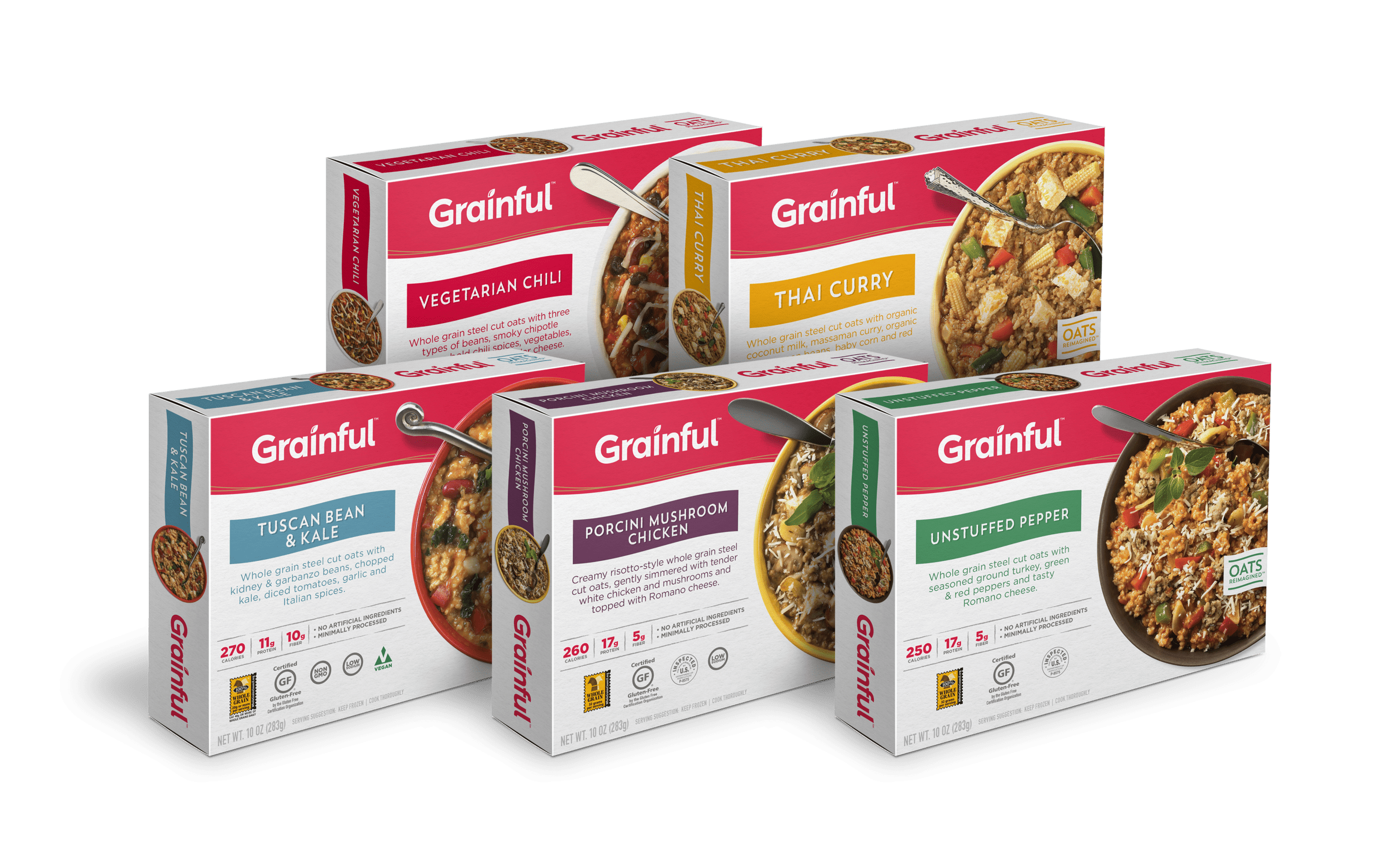
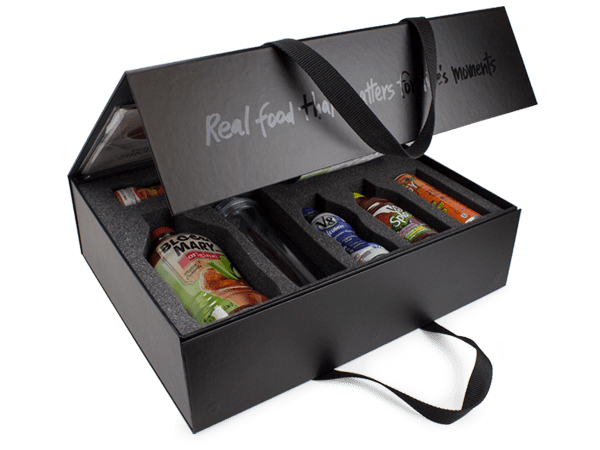
Custom packaging is tailored specifically to fit a brand’s unique product requirements, unlike stock packaging, which is pre-made and generic. Custom options allow for precise sizing, materials, and design choices, offering enhanced protection, presentation, and improved efficiency. This personalization makes custom packaging ideal for businesses looking to stand out and create a cohesive brand identity.
At Brown Packaging, our custom packaging solutions are structurally designed to optimize protection, material usage, and sustainability, tailored to meet specific product needs across various applications. We incorporate graphics to reinforce brand identity, ensuring that each package not only protects but also represents your brand effectively. With a focus on durability and functionality, our packaging ensures secure handling for shipping, retail, or storage while supporting sustainability goals.
Custom Packaging Products
We offer a variety of custom packaging products and solutions to meet all your packaging needs in one place. You’ll work directly with a dedicated project specialist to customize your package according to your specifications, including branding, features, and design.


If you need any assistance with your packaging or have a question, then contact us directly at request@brownpackaging.com or (714)300-0650. Learn more about custom packaging by reading our blog posts on new and trending topics.

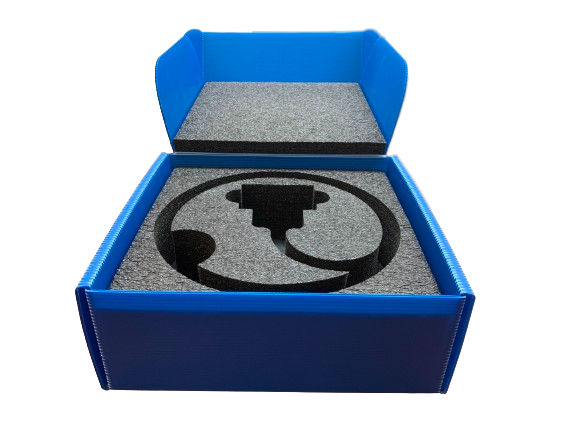
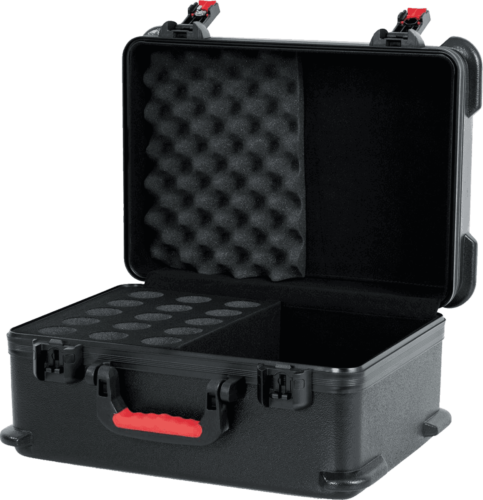
Packaging inserts, also known as inlays or box partitions, play a critical role in the packaging industry by enhancing product protection, presentation, and customer experience. They are designed to stabilize and secure products within a package, ensuring items are well-protected during transit and impeccably presented upon unboxing. Here’s an in-depth look at packaging inserts, their types, customization options, and why they are crucial for effective packaging solutions. Understanding Packaging Inserts Functionality of Packaging Inserts Inserts are specifically crafted to limit and restrict the movement of one or multiple items within a package. They can be made from various materials, including foam, corrugated, paperboard, and thermoform plastics, each offering different levels of protection and aesthetic appeal. Whether in the form of trays or wall dividers, these inserts are essential for preventing product damage and enhancing the unboxing experience. Types of Packaging Inserts Paperboard Inserts: Ideal for lightweight items such as cosmetics and electronic accessories. They provide basic protection and organization within the packaging. Corrugated Inserts: Offer enhanced durability and are suitable for small to medium weight products like light bulbs and small appliances. Foam Inserts: Provide superior protection and are commonly used for fragile items, electronics, and sensitive instruments. Thermoform Inserts: Sturdy and rigid, these inserts are versatile for packaging a diverse range of products including food, medical supplies, and electronics. Chipboard/Paperboard Insert Thermoform Insert Foam Insert Corrugated Insert Importance of Packaging Inserts Protection and Security The primary function of packaging inserts is to secure the packaged items robustly, ensuring they remain immobile and thus less susceptible to damage during shipping and handling. This is particularly important for fragile products or items with several components that need to be kept separate. Enhanced Presentation Custom inserts not only protect but also significantly enhance the presentation of products. They can be designed to fit the contours of specific items, displaying them in an appealing and organized manner that can elevate the customer’s perception of the brand. Improved Customer Experience Inserts contribute to a positive unboxing experience by presenting products in an organized and accessible way. They make unpacking simpler and more enjoyable, which can leave a lasting impression on consumers. Customizing Packaging Inserts Structural Design Custom inserts can be tailored to the specific size and shape of the products they hold. Structural design ensures each product fits snugly within its compartment, providing optimal protection and a professional appearance. Graphic Design Inserts offer an additional surface for branding and communication. Custom graphics such as logos, product information, and brand colors can be added to inserts, furthering brand recognition and enhancing the aesthetic appeal of the packaging. When Do You Need Packaging Inserts? You should consider using packaging inserts if: You have fragile products that require additional protection. Your products have multiple components that need to be organized within the packaging. You are looking to improve the aesthetic presentation of your packaged products. Enhancing the customer unboxing experience is a priority for your brand. Summary Packaging inserts are vital components that help maintain the integrity and presentation of products during shipping and retail display. They not only protect items from physical damage but also play a significant role in brand perception and customer satisfaction. With various materials and customization options available, packaging inserts can be tailored to meet the specific needs of any product, making them a versatile and essential element in modern packaging strategies. If you’re looking to develop customized packaging solutions that include high-quality inserts, consider partnering with a packaging expert like Brown Packaging. They can provide tailored advice and products designed to protect your goods effectively while promoting your brand effectively. (714)300-0650 request@brownpackaging.com Most Recent Posts: Categories: Corrugated Folding Carton Display Packaging Rigid Box Subscribe To Our Newsletter By submitting your information, you agree to our terms and conditions and privacy policy. Packaging Inserts Facebook Twitter LinkedIn Pinterest Relevant Posts

Selecting the right packaging materials is a critical decision for businesses, impacting everything from product protection and shelf life to brand perception and sustainability. With a variety of materials available, each offering different benefits and challenges, understanding what to consider when choosing packaging options can greatly influence your business outcomes. Here are six essential factors to evaluate when selecting packaging materials for your products. Durability and Quality Budget Lead Time Tamper Evident and Secure Sustainability and Compliance Understanding Your Customer Durability and Quality The durability and quality of your packaging are paramount as they protect your product throughout the supply chain and influence customer perceptions of your brand. Considerations for Durability and Quality: Product Requirements: Evaluate the size, shape, weight, and vulnerability of your product. Heavier and more fragile items might require sturdier materials like corrugated fiberboard or thick plastics, whereas lighter items may be sufficiently protected with lighter materials such as paperboard or thin plastic. Protection Needs: Determine the level of protection required against factors such as moisture, UV rays, and mechanical damage. This may influence the choice of material as well as the need for additional protective features like coatings or reinforcements. Budget Your budget will significantly influence the type of packaging materials you can afford. It’s crucial to balance cost with the quality and functionality needed to protect and sell your product effectively. Budgetary Considerations: Material Costs: Compare the cost of various materials and consider their trade-offs in terms of durability and aesthetics. For example, while corrugated solutions might be more expensive than paperboard, they offer enhanced protection. Long-Term Savings: Consider investing in higher-quality materials that might reduce the need for replacements or returns due to damage, potentially saving money in the long run. Lead Time The time it takes to produce and deliver your packaging can impact your ability to meet market demands and maintain inventory levels. Lead Time Factors: Production Schedules: Choose materials that align with your production schedules and inventory needs. High-demand periods may require materials with shorter lead times. Supplier Reliability: Ensure your supplier can consistently meet your lead time requirements to avoid disruptions in your supply chain. Tamper Evident and Secure Securing your products against tampering is crucial for maintaining customer trust and ensuring the integrity of your products upon delivery. Security Features: Tamper-Evident Seals: Consider materials and designs that incorporate tamper-evident features such as seals, shrink wraps, or security tapes. Durability of Seals: Ensure that the materials selected are compatible with security features and will hold up under normal handling conditions. Sustainability and Compliance With increasing consumer and regulatory demands for environmental responsibility, selecting sustainable packaging materials is more important than ever. Sustainable Packaging Choices: Recyclable Materials: Opt for materials that are easily recyclable within most municipal systems, such as certain plastics, paperboard, and corrugated fiberboard. Biodegradable Options: Consider biodegradable or compostable materials if they meet the protective requirements of your products. Understanding Your Customer Knowing your target market is essential in selecting the right packaging materials that resonate with your consumers’ values and expectations. Customer-Centric Packaging: Market Preferences: Tailor your packaging materials to the preferences of your market. Luxury consumers may prefer high-end materials that reflect the quality of the product, whereas eco-conscious consumers may prioritize sustainable materials. User Convenience: Consider ease of use, such as easy-open features or resealable packages, which can enhance the customer experience and satisfaction. Choosing the right packaging materials involves a careful balance of functional, aesthetic, and economic factors. By considering these six aspects, businesses can select materials that not only protect their products effectively but also align with brand values, meet consumer expectations, and stay within budget constraints. Partnering with an experienced packaging provider like Brown Packaging can help navigate these choices, ensuring you select the best materials for your products’ specific needs. Contact Brown Packaging for expert guidance and to explore a wide range of packaging solutions tailored to your business requirements. (714)300-0650 request@brownpackaging.com Most Recent Posts: Categories: Corrugated Folding Carton Display Packaging Rigid Box Subscribe To Our Newsletter By submitting your information, you agree to our terms and conditions and privacy policy. Custom Packaging Facebook Twitter LinkedIn Pinterest Relevant Posts

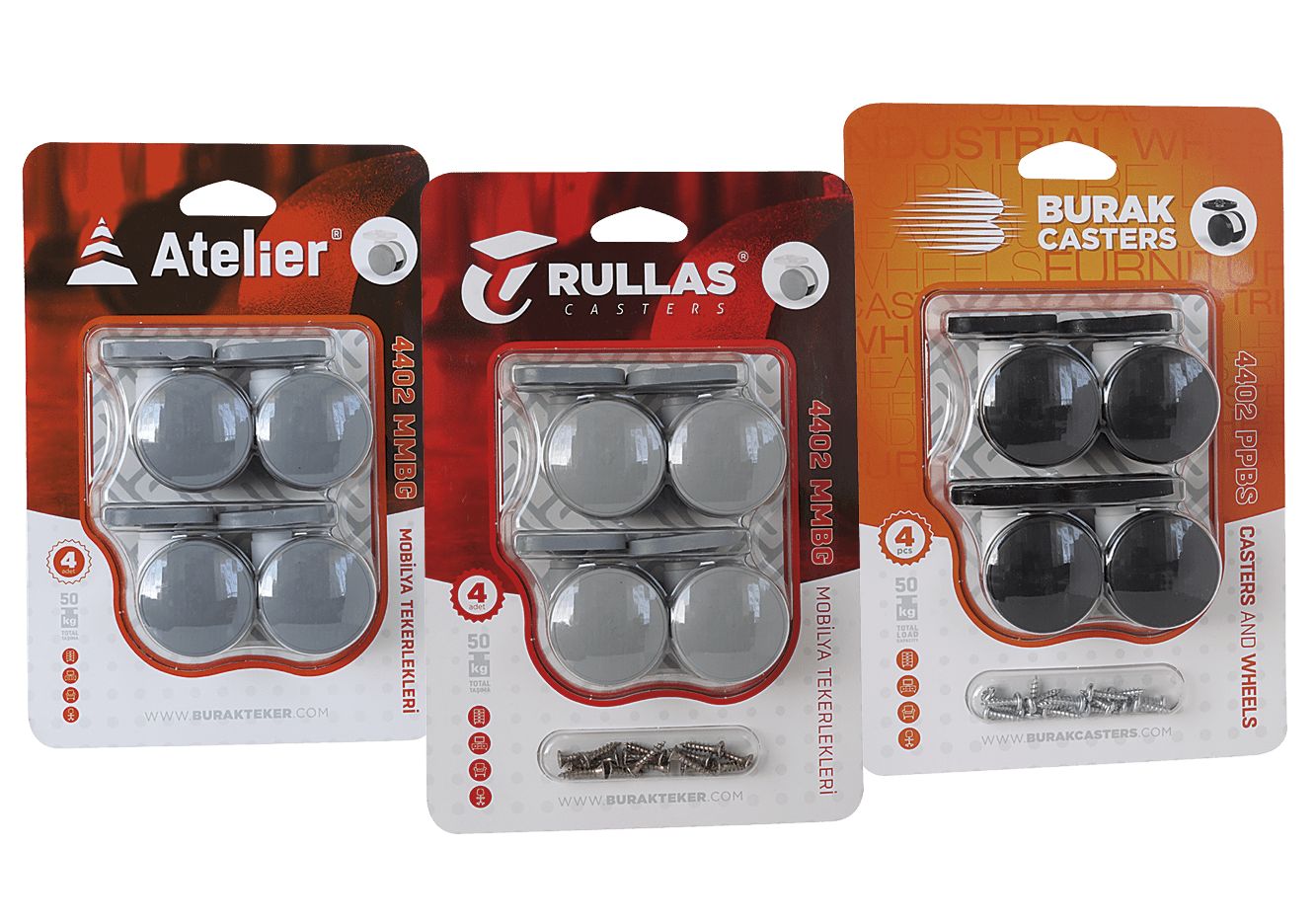
When it comes to product packaging, choosing between blister packaging and clamshell packaging can often be confusing, as they both originate from the thermoforming process and can appear quite similar on retail shelves. However, each has distinct features and benefits, making it crucial to understand their differences to make an informed decision that aligns with your product needs and packaging goals. Understanding Blister Packs and Clamshells What is a Blister Pack? Blister packs are predominantly used to encase products within a pre-formed plastic cavity, sealed against a backing material such as paperboard, foil, or plastic. This packaging is favored for its robustness and ability to clearly display the product. Features of Blister Packs Custom Cavities: Tailored to snugly fit the product, ensuring it remains securely in place. Hanging Tabs: Often included for easy retail display. Sealing Options: Can be heat-sealed or cold-sealed, enhancing tamper resistance. Material Versatility: Available in various materials including PET, HDPE, PP, and PVC. Graphic Customization: Allows for the addition of logos, branding, and product information directly on the backing. Advantages of Blister Packaging Product Visibility: Provides clear visibility of the product, enhancing buyer appeal. Tamper Evident: The sealing process helps prevent tampering and ensures product integrity. Cost-Efficiency: Generally less expensive on a per-unit basis, especially suitable for high-volume products. Consumer Trust: Consumers can view the product without opening the packaging, increasing trust and reducing the decision-making time. Applications of Blister Packs Pharmaceuticals: Ideal for tablets, capsules, and other medications. Electronics: Protects components like batteries, earbuds, and cables. Consumer Goods: Suitable for small items such as toys, hardware accessories, and cosmetics. Clamshells Clamshell packaging consists of a single piece of thermoform plastic that hinges together to enclose the product completely. This type of packaging is resealable and provides a robust shield against external factors. Features of Clamshells Snap Closures: Allows for the packaging to be securely closed and easily reopened. Stackability: Designed to be stacked for efficient transport and display. Visibility Inserts: Accommodates inserts for additional product information and branding. Material Flexibility: Made from a variety of plastics such as PET, HDPE, PP, and even more sustainable options like paperboard or bioplastics. Advantages of Clamshell Packaging Enhanced Protection: Offers superior protection from crushing and puncturing, ideal for delicate items. Versatility: Can be designed to fit a wide range of product shapes and sizes. Consumer Convenience: Easy to open and reseal, enhancing user satisfaction. Brand Presentation: Offers ample space for branding and is highly customizable to fit marketing needs. Applications of Clamshells Food Industry: Commonly used for fruits, salads, and bakery items. Retail Products: Effective for multi-component products or gift sets. Electronics: Provides a secure environment for gadgets, ensuring they remain free from damage. Which Should You Choose? The choice between blister packs and clamshells should be based on specific product requirements, customer handling expectations, and marketing objectives: Consider Blister Packs if: You need cost-effective packaging for high-volume products where visibility and tamper resistance are key. Opt for Clamshells if: Your product requires robust protection, especially if it’s high-value or delicate, and you want to enhance the consumer unboxing experience. Both packaging types can be tailored to meet the specific needs of your products, and choosing the right type can significantly impact your product’s market success. Understanding the unique properties of blister packs and clamshells is crucial for selecting the right packaging solution. Each has its own set of features, advantages, and suitable applications that can align with different product types and business goals. For expert guidance and custom packaging solutions that fit your needs, consider partnering with a specialized provider like Brown Packaging. (714)300-0650 request@brownpackaging.com Most Recent Posts: Categories: Corrugated Folding Carton Display Packaging Rigid Box Subscribe To Our Newsletter By submitting your information, you agree to our terms and conditions and privacy policy. Blister Packaging Facebook Twitter LinkedIn Pinterest Relevant Posts