Display

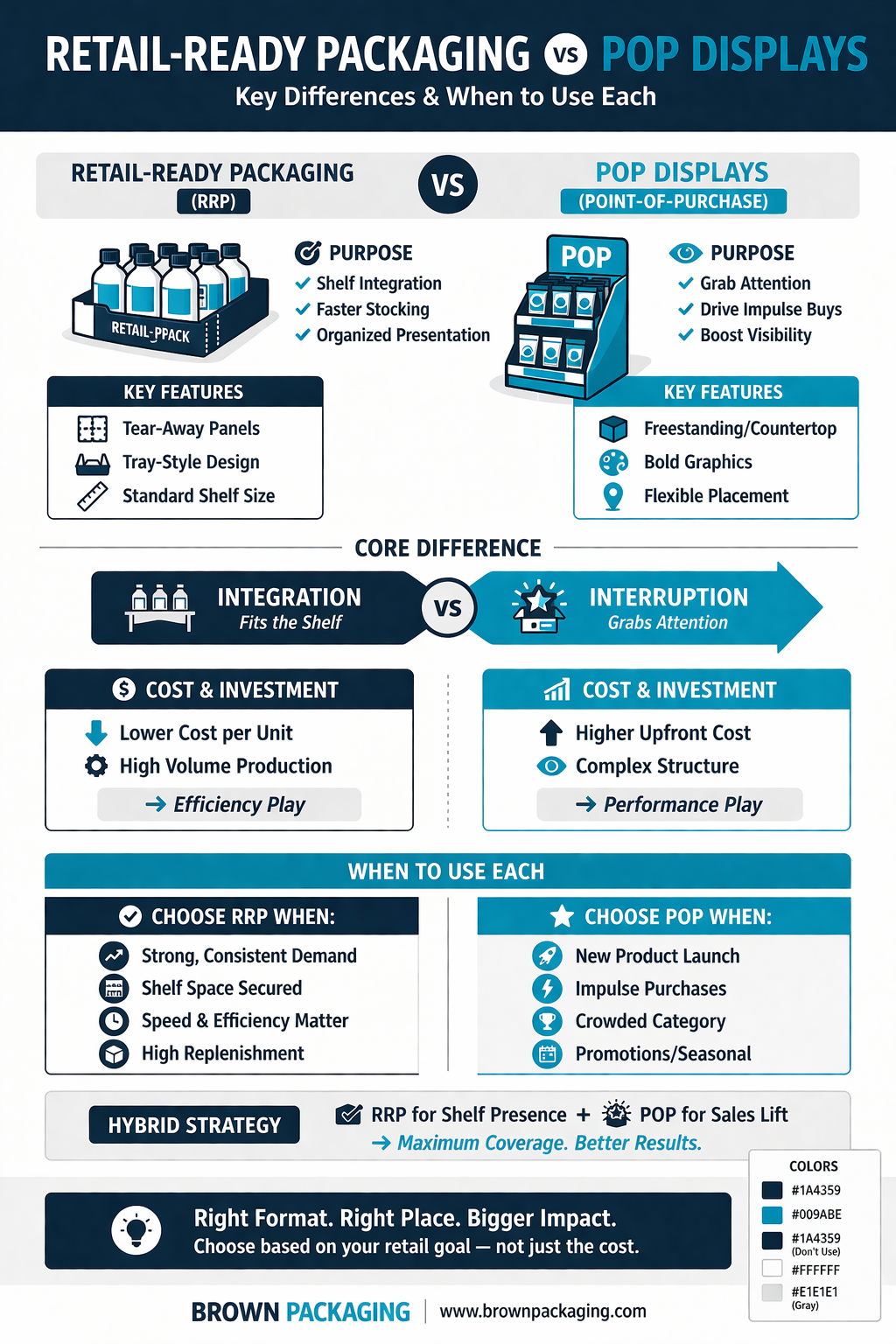
Retail Ready Packaging vs POP Displays
Retail-ready packaging (RRP) and POP displays are often treated as interchangeable. On


Retail-ready packaging (RRP) and POP displays are often treated as interchangeable. On
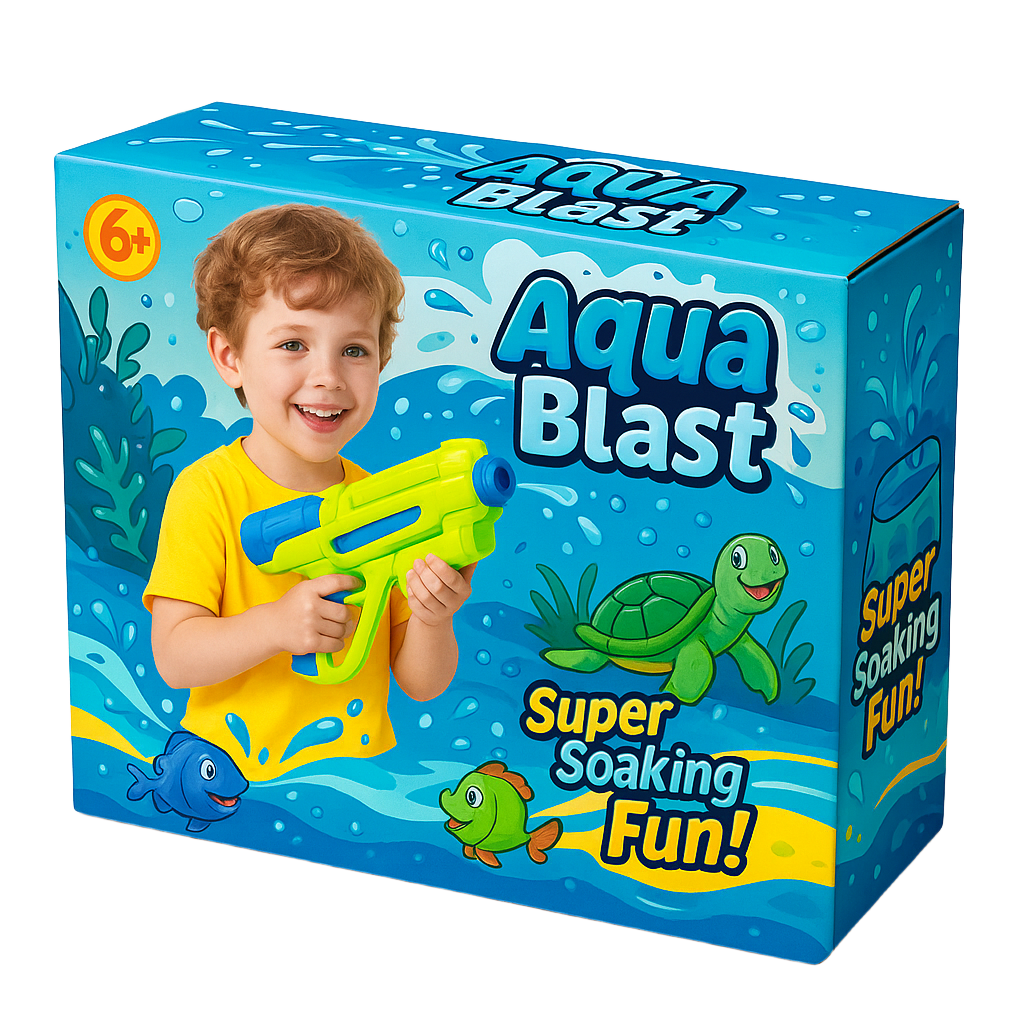
Retail packaging continues to evolve as brands balance sustainability, supply chain performance,
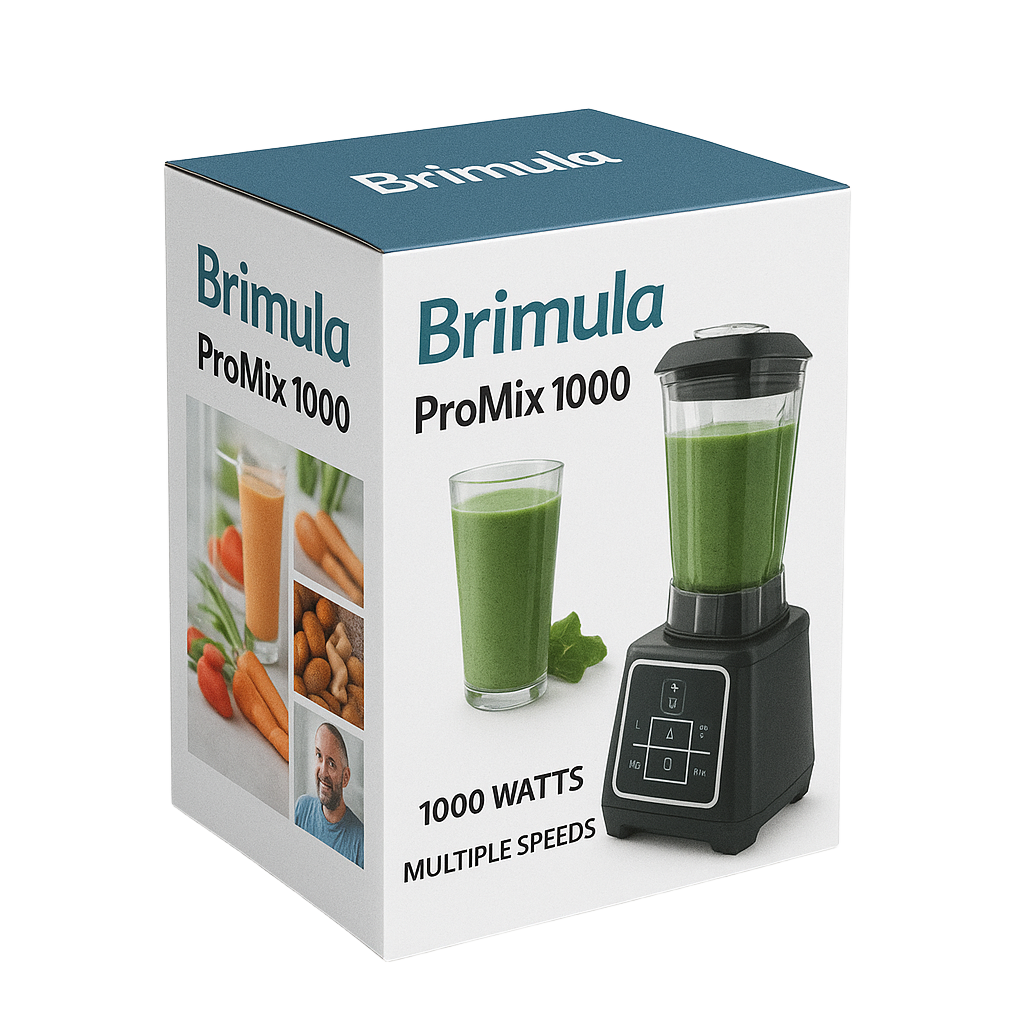
Retailers place strict requirements on packaging to ensure products move efficiently through
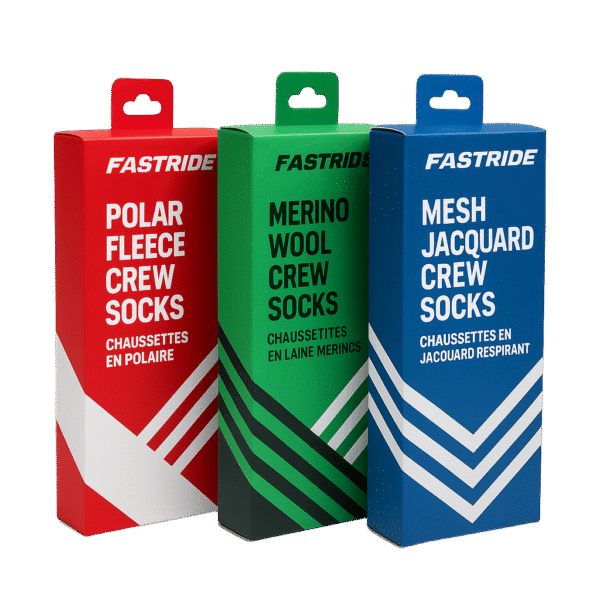
Retail packaging must do two jobs at once—catch the shopper’s eye while

Holiday e-commerce volumes push packaging to its limits. Trailers are overfilled, handling
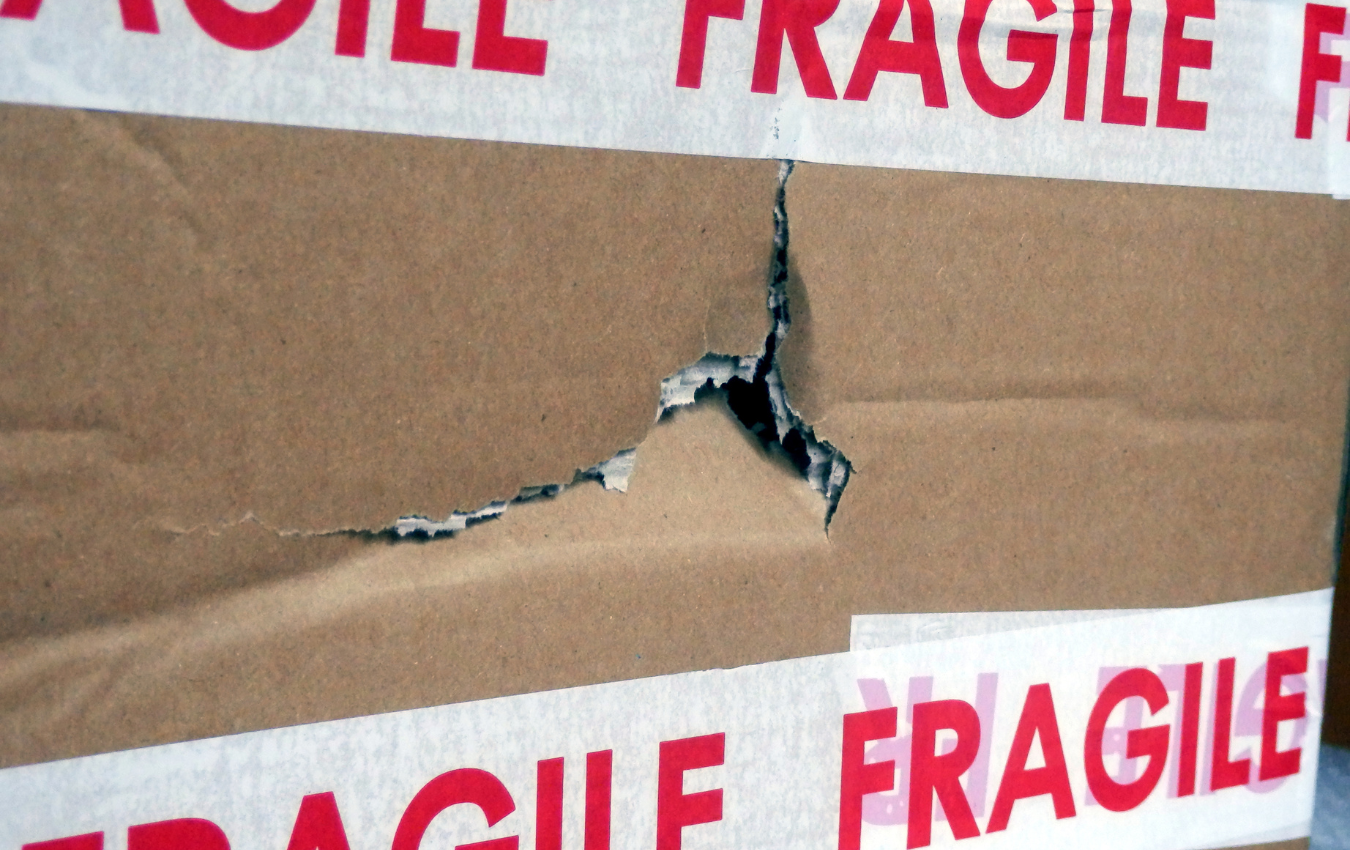
The holiday season is the busiest—and most demanding—time of year for e-commerce
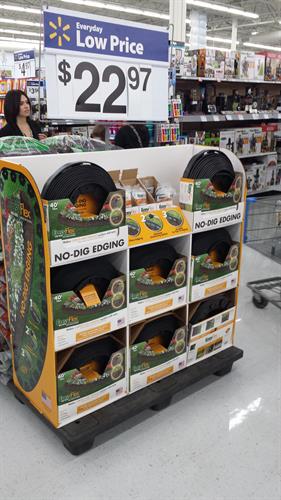
POP displays must balance eye-catching branding with structural integrity. Inadequate load-bearing design
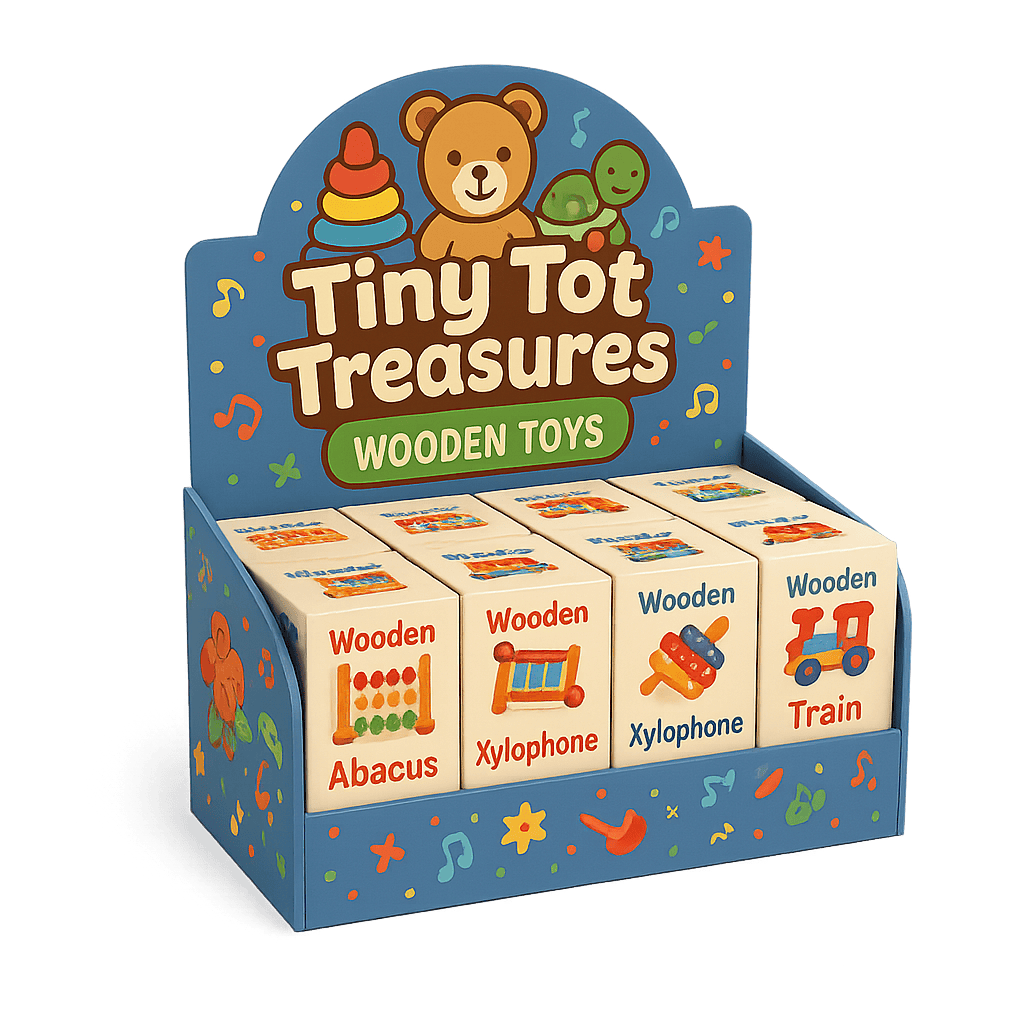
When it comes to maximizing shelf space and capturing buyer attention, few
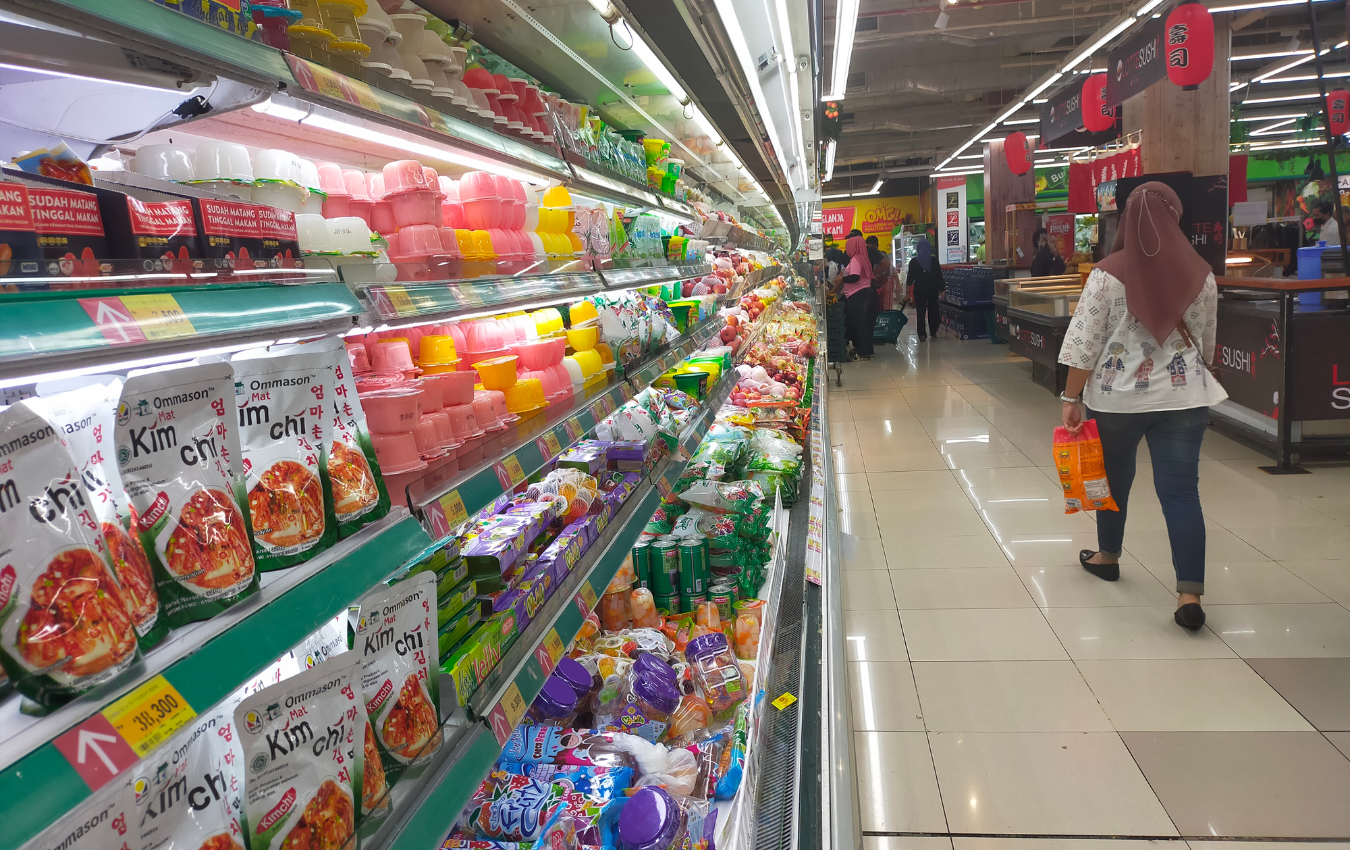
As a small business owner, bringing your product to retail is a
In the competitive world of retail, effective packaging can make all the