window.uetq = window.uetq || []; window.uetq.push(‘event’, ‘submit_lead_form’,{ event_label:‘SUBMIT MESSAGE’ }); window.lintrk('track', { conversion_id: 10271009 }); window.lintrk('track', { conversion_id: 10271017 });

A Buyer’s Guide to Beauty Packaging

A Buyer's Guide to Beauty Packaging: Key Considerations and Trends

In the highly competitive beauty industry, packaging is much more than just a container for products. It plays a pivotal role in brand identity, customer appeal, and product protection. For buyers in the beauty sector, navigating the myriad of packaging options can be daunting. This guide aims to provide a comprehensive overview of beauty packaging, focusing on key considerations, trends, and tips for making informed purchasing decisions.

Understanding the Importance of Beauty Packaging

Beauty packaging is often the first point of contact between the product and the consumer. It not only needs to protect the contents but also convey brand values, attract consumers, and comply with regulatory standards. Effective packaging can significantly influence consumer perception and, ultimately, the success of the product.

Key Considerations for Beauty Packaging Buyers

  1. Material Selection:
    • Consider durability, compatibility with the product (especially for skincare and cosmetics), and environmental impact.
    • Common materials include glass, plastics (like PET, PP, and acrylic), and metals for certain luxury items.
  2. Design and Aesthetics:
    • The design should align with the brand’s image and appeal to the target audience. This includes shape, color, and overall style.
    • Consider the current trends in beauty packaging, like minimalism, vintage designs, or bold patterns.

Custom Rigid Box
  1. Functionality and Usability:
    • Packaging should be user-friendly. For instance, skincare products might need airless pumps, while cosmetics could require easy-to-use applicators.
    • Consider the size and portability, especially for products meant for travel or on-the-go use.
  2. Sustainability:
    • Eco-friendly packaging is increasingly important. Look for recyclable materials, biodegradable options, or packaging made from recycled content.
    • Sustainable packaging can be a strong selling point and align with the values of environmentally conscious consumers.
  3. Regulatory Compliance:
    • Ensure packaging complies with industry regulations, including labeling requirements, safety standards, and material restrictions.
  4. Customization and Branding:
    • Customized packaging can help a product stand out. This can involve unique shapes, custom colors, or branded elements like logos and taglines.
    • Consider the printing and labeling quality, ensuring clarity and durability of the branding elements.
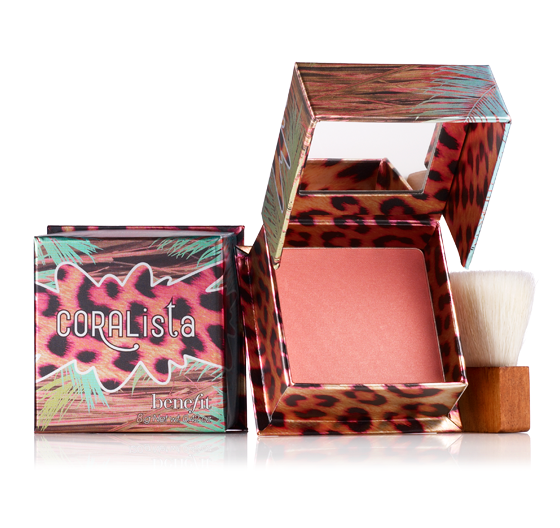
Custom Rigid Box Cosmetic

Current Trends in Beauty Packaging

  • Minimalistic Designs: Simplistic, clean designs with a focus on minimalism are trending.
  • Vintage and Retro Styles: These designs can evoke a sense of nostalgia and stand out on shelves.
  • Bold and Bright Colors: They make a statement and can be effective in attracting younger consumers.
  • Smart Packaging: Incorporating technology like QR codes for enhancing customer engagement and providing additional product information.

Choosing the Right Packaging Supplier

  • Look for suppliers with experience in the beauty industry and a portfolio that aligns with your brand’s aesthetic.
  • Assess their commitment to quality and their ability to meet deadlines and supply demands.
  • Consider suppliers who are proactive in sustainable practices and innovation.

Tips for Effective Beauty Packaging Procurement

  • Order samples before committing to large quantities.
  • Stay informed about the latest trends and innovations in beauty packaging.
  • Foster a collaborative relationship with your supplier for customized packaging solutions.

If you are interested in cosmetic and beauty packaging solutions, then partner with Brown Packaging today to get started.

Most Recent Posts:
Retail Packaging Trends for 2026

Retail packaging continues to evolve as brands balance sustainability, supply chain performance, and consumer experience. In 2026, buyers face new challenges shaped by material innovation, compliance requirements, and rising consumer expectations. Understanding these trends helps companies stay competitive while aligning packaging programs with industry standards. Sustainability Becomes Non-Negotiable Greater use of recyclable and compostable substrates. Retailers pushing suppliers toward FSC-certified materials. Minimalist designs that reduce waste without losing impact. Smarter Packaging for Supply Chains Increased adoption of right-sizing to reduce freight costs. Boxes designed for automation and faster fulfillment. Stronger corrugated grades to withstand long e-commerce journeys. Enhanced Consumer Experience Custom graphics for seasonal campaigns and limited editions. Tear strips, resealable closures, and window cutouts for convenience. Premium finishes that elevate gift packaging at retail. Growth of Hybrid Packaging Formats Combining corrugated strength with folding carton graphics. Modular designs for multi-SKU and club store environments. Packaging engineered to serve both e-commerce and in-store needs. Compliance and Testing Standards Retailers demanding ISTA and ASTM testing for packaging durability. Supply chain audits on recyclability and sustainability claims. More pressure for transparent reporting on environmental impact. Retail Packaging Solutions with Brown Packaging Brown Packaging helps brands adapt to evolving retail packaging trends. From sustainable substrates to automation-friendly designs, our solutions balance branding, durability, and compliance for 2026. Contact us to prepare your packaging program for the year ahead. References Forest Stewardship Council (FSC). (2023). FSC Packaging Certification Guidelines. Retrieved from https://fsc.orgSustainable Packaging Coalition. (2023). Packaging Trends and Consumer Insights. Retrieved from https://sustainablepackaging.orgSoroka, W. (2009). Fundamentals of Packaging Technology (4th ed.). Institute of Packaging Professionals. (714)300-0650 request@brownpackaging.com Most Recent Posts: Categories: Corrugated Ecommerce ESD Design Display Flexible Packaging Foam Folding Carton Packaging Plastic Packaging Pouch Printing Protection Retail Rigid Box Thermoform Sustainability Subscribe To Our Newsletter By submitting your information, you agree to our terms and conditions and privacy policy. Custom Packaging Facebook Twitter LinkedIn Pinterest Relevant Posts
Read More »
Packaging Supplier Contracts: What Buyers Should Know

Supplier contracts can make or break a packaging program. Without the right terms, buyers risk price volatility, missed lead times, and inconsistent product quality. In 2026, negotiating smart contracts is essential for controlling costs, securing reliable supply, and meeting compliance requirements. Why Packaging Contracts Matter Cost stability: Protects against sudden raw material price spikes. Supply security: Ensures availability during peak demand. Quality control: Aligns suppliers with testing and compliance standards. Operational efficiency: Streamlines purchasing and reduces administrative burden. Key Terms Buyers Should Negotiate Volume commitments: Secure better pricing with accurate forecasts. Price adjustment clauses: Define when and how costs can change. Lead times and delivery windows: Avoid shortages and production delays. Testing and compliance: Require ISTA, ASTM, or FSC certification where applicable. Sustainability commitments: Ensure suppliers align with environmental goals. Risks of Weak Contracts Paying inflated prices during market fluctuations. Receiving inconsistent corrugated strength or print quality. Missed shipments leading to costly expedited freight. Difficulty meeting retailer or regulatory compliance. Best Practices for Buyers in 2026 Leverage data: Use past order history to negotiate realistic volumes. Dual sourcing: Maintain backup suppliers for risk management. Annual reviews: Reassess terms to reflect changes in demand and compliance. Collaborative approach: Treat suppliers as partners, not just vendors. Packaging Solutions with Brown Packaging Brown Packaging helps buyers secure strong supplier contracts that balance cost, quality, and supply chain reliability. Our partnerships and industry expertise ensure your packaging program is protected for 2026 and beyond. Contact us to discuss supplier solutions. References Soroka, W. (2009). Fundamentals of Packaging Technology (4th ed.). Institute of Packaging Professionals.Fiber Box Association. (2024). Corrugated Packaging Market Outlook. Retrieved from https://www.fibrebox.orgSustainable Packaging Coalition. (2023). Supplier Standards for Sustainable Packaging. Retrieved from https://sustainablepackaging.org (714)300-0650 request@brownpackaging.com Most Recent Posts: Categories: Corrugated Ecommerce ESD Design Display Flexible Packaging Foam Folding Carton Packaging Plastic Packaging Pouch Printing Protection Retail Rigid Box Thermoform Sustainability Subscribe To Our Newsletter By submitting your information, you agree to our terms and conditions and privacy policy. Custom Packaging Facebook Twitter LinkedIn Pinterest Relevant Posts

Read More »
Meeting 2026 Packaging Compliance Standards

Packaging compliance is no longer optional—it’s a requirement for accessing retail shelves, shipping networks, and international markets. In 2026, buyers must navigate evolving regulations around sustainability, labeling, and testing to avoid costly fines, rejected shipments, or damaged customer relationships. Why Compliance Matters in 2026 Retail requirements: Major retailers demand FSC, ISTA, and sustainability certifications. E-commerce standards: Carriers enforce dimensional weight and package testing rules. Global trade: Export packaging must comply with ISPM 15, ASTM, and ISO guidelines. Consumer trust: Transparency in packaging claims impacts purchasing decisions. Key Compliance Areas for Buyers Material sourcing: FSC-certified corrugated and board for sustainability. Labeling standards: GS1-compliant barcodes and accurate product details. Durability testing: ISTA and ASTM protocols for drop, vibration, and compression. Sustainability regulations: Requirements for recyclable or compostable materials. Chemical restrictions: Compliance with FDA, EU, or state-specific standards. Common Compliance Challenges Keeping up with frequent regulatory changes. Managing multiple certifications across suppliers. Balancing compliance with cost-efficiency. Verifying supplier claims for sustainability. Best Practices for Staying Compliant Audit suppliers annually to confirm certification validity. Run internal packaging tests before scaling. Track regulatory updates for each region you ship to. Work with experienced partners who understand industry compliance. Packaging Solutions with Brown Packaging Brown Packaging helps buyers meet 2026 compliance standards with FSC-certified materials, ISTA-tested designs, and regulatory expertise. Our team ensures your packaging meets retailer, carrier, and sustainability requirements. Contact us to keep your program compliant. References Forest Stewardship Council (FSC). (2023). FSC Certification Guidelines for Packaging. Retrieved from https://fsc.orgInternational Safe Transit Association (ISTA). (2023). ISTA Testing Procedures for Transport Packaging. Retrieved from https://ista.orgGS1. (2024). Global Standards for Packaging and Labeling. Retrieved from https://www.gs1.org (714)300-0650 request@brownpackaging.com Most Recent Posts: Categories: Corrugated Ecommerce ESD Design Display Flexible Packaging Foam Folding Carton Packaging Plastic Packaging Pouch Printing Protection Retail Rigid Box Thermoform Sustainability Subscribe To Our Newsletter By submitting your information, you agree to our terms and conditions and privacy policy. Custom Packaging Facebook Twitter LinkedIn Pinterest Relevant Posts

Read More »
How FSC Packaging Certification Impacts Your Brand

In 2026, sustainability is no longer just a trend—it’s a buyer expectation. Forest Stewardship Council (FSC) certification has become a key benchmark for responsible packaging, signaling that materials are sourced from responsibly managed forests. For packaging buyers, FSC certification is more than a compliance checkbox—it’s a brand value that influences purchasing decisions, retailer acceptance, and customer loyalty. What Is FSC Certification? The Forest Stewardship Council certifies that paper-based packaging materials are sourced from forests managed for environmental responsibility, social benefit, and economic viability. FSC Mix: Packaging contains a blend of FSC-certified and controlled wood. FSC Recycled: Packaging is made entirely from recycled fiber. FSC 100%: Packaging is sourced only from FSC-certified forests. Why FSC Matters to Buyers in 2026 Retail access: Many major retailers now require FSC-certified packaging. Sustainability goals: Aligns with corporate ESG and carbon reduction commitments. Consumer trust: Customers recognize the FSC label and view it as credible. Global compliance: Meets international sustainability regulations. How FSC Certification Strengthens Brand Value Differentiation: Stand out with certified sustainable packaging. Marketing advantage: FSC logos reinforce eco-friendly messaging. Risk reduction: Verified sourcing prevents greenwashing claims. Customer loyalty: Environmentally conscious buyers prefer certified products. Challenges in FSC Implementation Limited supply of certain FSC substrates. Higher costs compared to non-certified materials. Need for supplier audits and documentation. Packaging Solutions with Brown Packaging Brown Packaging partners with buyers to integrate FSC-certified materials into corrugated boxes, folding cartons, and retail packaging. Our solutions support sustainability while maintaining cost efficiency and protection. Contact us to strengthen your brand with FSC-certified packaging. References Forest Stewardship Council (FSC). (2023). FSC Certification Guidelines for Packaging. Retrieved from https://fsc.orgSustainable Packaging Coalition. (2023). Consumer Insights on Sustainable Packaging. Retrieved from https://sustainablepackaging.orgSoroka, W. (2009). Fundamentals of Packaging Technology (4th ed.). Institute of Packaging Professionals. (714)300-0650 request@brownpackaging.com Most Recent Posts: Subscribe To Our Newsletter By submitting your information, you agree to our terms and conditions and privacy policy. Sustainable Packaging Facebook Twitter LinkedIn Pinterest Relevant Posts

Read More »
Sustainable Packaging Buyers’ Guide for 2026

Sustainability is now a top priority for packaging buyers. Retailers, regulators, and consumers are all demanding packaging solutions that reduce environmental impact without sacrificing performance. In 2026, buyers must balance eco-friendly materials, cost, and compliance to build programs that are both effective and future-ready. What Buyers Need to Know About Sustainable Packaging Regulatory pressure: Governments are enforcing stricter rules on recyclability and plastic use. Retail mandates: FSC certification and recyclable packaging are becoming standard requirements. Consumer expectations: Customers increasingly choose brands with visible sustainability commitments. Sustainable Material Options Recycled corrugated: High recycled content while maintaining compression strength. Compostable films: Suitable for select food and retail applications. Molded pulp inserts: Replace foam or plastic for protective packaging. Water-based coatings: Enhance moisture resistance without harmful chemicals. Balancing Cost and Performance Right-size packaging: Reduces material waste and shipping costs. Hybrid solutions: Combine eco-materials with corrugated for balance. Life cycle analysis: Evaluate true environmental impact, not just marketing claims. How to Evaluate Sustainable Suppliers Verify FSC, SPC, or ISO certifications. Request testing data for durability and recyclability. Audit supply chains for consistency and transparency. Ensure claims meet local and international compliance standards. Packaging Solutions with Brown Packaging Brown Packaging helps buyers implement sustainable packaging programs that balance cost, performance, and compliance. From recycled corrugated to eco-friendly coatings and inserts, we deliver solutions that meet 2026 sustainability goals. Contact us to explore sustainable packaging options. References Forest Stewardship Council (FSC). (2023). FSC Certification Guidelines for Packaging. Retrieved from https://fsc.orgSustainable Packaging Coalition. (2023). Packaging Sustainability Trends and Buyer Insights. Retrieved from https://sustainablepackaging.orgSoroka, W. (2009). Fundamentals of Packaging Technology (4th ed.). Institute of Packaging Professionals. (714)300-0650 request@brownpackaging.com Most Recent Posts: Categories: Corrugated Ecommerce ESD Design Display Flexible Packaging Foam Folding Carton Packaging Plastic Packaging Pouch Printing Protection Retail Rigid Box Thermoform Sustainability Subscribe To Our Newsletter By submitting your information, you agree to our terms and conditions and privacy policy. Sustainable Packaging Facebook Twitter LinkedIn Pinterest Relevant Posts

Read More »
Comparing Single vs. Multi-Material Packaging

Choosing the right packaging material is one of the most important decisions buyers face. Single-material packaging offers simplicity and recyclability, while multi-material designs provide enhanced performance and protection. Understanding the trade-offs helps companies balance cost, functionality, and sustainability goals in 2026. What Is Single-Material Packaging? Single-material packaging uses one substrate—such as corrugated board, folding carton, or plastic—for the entire structure. Advantages: Easier to recycle and dispose. Lower material costs in many cases. Streamlined sourcing and inventory. Supports sustainability messaging. Disadvantages: Limited barrier protection. Less customization for fragile or complex products. May require added thickness for strength, increasing weight. What Is Multi-Material Packaging? Multi-material packaging combines two or more substrates—such as corrugated with foam, or paperboard laminated with film—to achieve specific performance outcomes. Advantages: Greater protection against moisture, oxygen, and impact. Allows for premium finishes and enhanced graphics. Ideal for fragile or high-value products. Customizable for unique supply chain conditions. Disadvantages: More difficult to recycle due to material separation. Higher cost and longer lead times. Complex sourcing and inventory management. When to Use Each Approach Single-material packaging: Best for products with low fragility, strong sustainability requirements, or cost-driven programs. Multi-material packaging: Best for high-value, fragile, or regulated products requiring advanced protection. Balancing Performance and Sustainability Buyers must weigh performance needs against eco goals: Use recyclable coatings to extend single-material performance. Choose hybrid designs that separate easily for recycling. Apply multi-material solutions only where risk of damage outweighs cost. Packaging Solutions with Brown Packaging Brown Packaging helps buyers evaluate when to use single- vs. multi-material packaging. Our team balances sustainability, performance, and cost to deliver solutions tailored to your supply chain. Contact us to explore the right approach for your products. References Forest Stewardship Council (FSC). (2023). FSC Packaging Certification Guidelines. Retrieved from https://fsc.orgSoroka, W. (2009). Fundamentals of Packaging Technology (4th ed.). Institute of Packaging Professionals.Sustainable Packaging Coalition. (2022). Design for Recyclability and Multi-Material Packaging Report. Retrieved from https://sustainablepackaging.org (714)300-0650 request@brownpackaging.com Most Recent Posts: Categories: Corrugated Ecommerce ESD Design Display Flexible Packaging Foam Folding Carton Packaging Plastic Packaging Pouch Printing Protection Retail Rigid Box Thermoform Sustainability Subscribe To Our Newsletter By submitting your information, you agree to our terms and conditions and privacy policy. Custom Packaging Facebook Twitter LinkedIn Pinterest Relevant Posts

Read More »
Categories:
Subscribe To Our Newsletter

By submitting your information, you agree to our terms and conditions and privacy policy.

folding cartons
Cosmetic Packaging
Facebook
Twitter
LinkedIn
Pinterest
Relevant Posts
Custom Folding Carton
Folding Carton
brownpackaging
Exploring Reverse Tuck End (RTE) Cartons: Functions and Features

Reverse Tuck End (RTE) cartons are a popular packaging solution known for their unique design and versatility. In this blog, we will delve into the functions and features of RTE cartons, focusing on their distinctive opposite tuck closure mechanism, which sets them apart from other carton styles. Opposite Tuck Closure Mechanism At the heart of the RTE carton’s design is its distinctive opposite tuck closure mechanism. This mechanism is characterized by having two tuck flaps—one at the top and one at the bottom of the carton—each tucking into the opposite panel, creating a secure and user-friendly closure. Let’s explore the functions and features associated with this design: Secure Closure: The primary function of the opposite tuck closure mechanism is to provide a secure seal for the contents of the carton. When the top flap is tucked into the rear panel and the bottom flap into the front panel, the carton is effectively closed, protecting the contents from external factors such as dust, moisture, and tampering. This ensures that the product reaches the end consumer in pristine condition. Easy Accessibility: One of the standout features of RTE cartons is their user-friendly design. Unlike some other carton styles that require complete opening, RTE cartons allow for convenient access to the product without the need to fully unseal the package. Consumers can easily open the carton by partially releasing one of the tuck flaps, retrieve the product, and then reseal it, maintaining the product’s freshness and usability. Space for Information and Branding: RTE cartons provide ample space for product information, branding, and graphics on both the front and rear panels. This design feature allows manufacturers and marketers to convey important details about the product, such as usage instructions, ingredients, and promotional messaging. Additionally, the extended surface area offers an excellent canvas for eye-catching visuals and branding elements, enhancing the product’s shelf appeal. Efficient Storage and Stacking: RTE cartons are designed with efficiency in mind. Their rectangular shape and opposite tuck closure facilitate easy stacking and storage. Whether on store shelves or in warehouses, RTE cartons maximize space utilization, making them a practical choice for businesses with storage constraints. Versatile Applications: RTE cartons are highly versatile and suitable for a wide range of products and industries. Their ease of use, secure closure, and ample branding space make them a preferred choice for packaging electronics, hardware, pharmaceuticals, consumer goods, office supplies, and more. If you are interested in reverse tuck end folding cartons, then partner with Brown Packaging today to get started. (714)300-0650 request@brownpackaging.com Most Recent Posts: Categories: Corrugated Ecommerce ESD Design Display Flexible Packaging Foam Folding Carton Packaging Plastic Packaging Pouch Printing Protection Retail Rigid Box Thermoform Sustainability Subscribe To Our Newsletter By submitting your information, you agree to our terms and conditions and privacy policy. Folding Carton (RTE) Facebook Twitter LinkedIn Pinterest Relevant Posts

Read More »
Custom Poly Bags
Flexible Packaging
brownpackaging
Poly Bags: Polyethylene Vs Polypropylene

Poly bags are a staple in the packaging industry, offering a lightweight, cost-effective, and versatile solution for packaging various products, from food and consumer goods to medical supplies and industrial materials. The two most common materials used in poly bag manufacturing are polyethylene (PE) and polypropylene (PP), each with distinct properties that influence their performance, strength, and clarity. Understanding the differences between these materials is crucial for selecting the right bag for your application. Polyethylene (PE) Bags Polyethylene bags are made from the polymerization of ethylene gas, forming flexible plastic materials available in different densities—high-density (HDPE), low-density (LDPE), linear low-density (LLDPE), and medium-density (MDPE)—each with varying levels of strength, clarity, and durability. High-Density Polyethylene (HDPE): Known for its superior strength and puncture resistance, HDPE is ideal for heavy-duty applications, such as bulk food storage, industrial packaging, and carrying sharp or irregular-shaped items like fertilizers, sand, or mulch. These bags are rigid, moisture-resistant, and commonly used in shopping bags and take-out packaging. Low-Density Polyethylene (LDPE): More flexible and clearer than HDPE, LDPE bags are widely used for lightweight products like bread, candies, snacks, and small consumer goods. While they offer high clarity and softness, they lack the durability required for heavy or sharp-edged products. Linear Low-Density Polyethylene (LLDPE): Offering a balance between strength and flexibility, LLDPE is commonly used in food-grade packaging, grocery bags, and lawn care products due to its chemical resistance and contamination-free properties. Medium-Density Polyethylene (MDPE): Positioned between HDPE and LDPE in terms of flexibility and strength, MDPE bags provide a well-rounded option for cosmetics, food packaging, electronics, and retail applications. Polypropylene (PP) Bags Polypropylene bags are made from the polymerization of propylene, resulting in a rigid, high-clarity material that excels in moisture resistance, chemical protection, and heat resistance. These bags are widely used in applications where product visibility and contamination prevention are critical. Applications: PP bags are commonly used in medical, food, beauty, and electronics packaging, as they provide superior clarity for product display and ensure protection against moisture, debris, and bacteria. Their resistance to high temperatures also makes them ideal for outdoor packaging and sterilized environments. Advantages Over Polyethylene: PP bags do not absorb moisture, are more resistant to tearing, and have a crisper structure, making them suitable for premium product presentation. Which Poly Bag Should You Choose? The decision between polyethylene and polypropylene largely depends on your packaging requirements: For strength and durability → Choose HDPE or LLDPE for heavy, industrial, or bulk items. For flexibility and affordability → Choose LDPE or MDPE for lightweight products. For high clarity and contamination resistance → Choose Polypropylene (PP) for food, medical, or electronics packaging. Brown Packaging offers a wide selection of custom and stock poly bags to suit your needs. Contact us today to discuss the best solution for your packaging application! (714)300-0650 request@brownpackaging.com Most Recent Posts: Categories: Corrugated Folding Carton Display Packaging Rigid Box Subscribe To Our Newsletter By submitting your information, you agree to our terms and conditions and privacy policy. Poly Bags Facebook Twitter LinkedIn Pinterest Relevant Posts

Read More »
Printed packaging
Printing
brownpackaging
5 Most Popular Printing Methods Compared

Choosing the right printing method for your packaging is very important. It is necessary to consider artwork, design, quantity, time frame and many more when weighing your decision. Having quality packaging design plays a role in your business success, which makes it important to pick which method of printing would be best for you. Digital Print Digital printing is one of the most versatile printing methods. It can be used to print on labels, pouches, folding cartons, corrugated boxes and much more. Since this printing is done digitally it has the fastest lead times compared to other printing methods. Digital printing uses CMYK (cyan, magenta, yellow, black) color when printing images. It is not 100% accurate when it comes to color matching, which means your image may have slight differences run to run. If you need a lot of colors for your print, this process will create the image as close as possible using only 4 colors. With the improvements on digital printing technology, newer machines can add in-between colors and can set much closer to actual colors using 6 to 8 ink cartridges. Digital printing is best for smaller quantities because once you have larger quantities some of the other methods start becoming cheaper. The aspect that makes this method appear cheaper is not needing tooling, which creates lower startup cost. Benefits of Digital Printing No tooling investment Fast lead times Can print on many different packaging types Disadvantages of Digital Printing Cost more for large volume prints Not fully accurate with color Flexographic Printing Flexographic is the process of flexible photopolymer printing plates wrapped around cylinders. These have raised images and rotate at high speeds to transfer the ink. This method uses water-based inks and oil based inks. Something to keep in mind about flexo is that each color requires a different printing plate so if your images have a lot of color this method could get expensive. This method is popular due to the faster lead times and the ability to print on many different surfaces. It also can be a cost-effective method because all steps are done with one single pass through the machine, lowering the price per unit. With a short set up time, this process can have your images printed at high speeds. Printing plates can be costly and changes to your image can be time consuming so it is important to have your images accurately done before creating the printing plates. Mostly this Rotogravure Printing Rotogravure is the most frequently used printing method for high volume printing. It is best used for stand-up pouches and on folding cartons. This method offers consistent high-quality printing. Although this method is highly expensive, when it comes to gravure cylinders used to print, they are extremely durable and will last several runs. Since the cylinders takes a while to create, the lead times are going to be long for this printing process. The artwork is etched onto the surface of the cylinders using acid and then they must be cooled for a while before production can begin. For this method both CMYK and PMS colors can be used in the print. This allows rotogravure to have excellent print quality. If your business is looking for large quantities and high-quality printing then this method would be the right fit.  Benefits of Rotogravure Printing Premium print quality images Cylinders last a long time Can produce high volume printing with no decrease in image quality Disadvantages of Rotogravure Printing Expensive tooling Long lead times Silkscreen Printing Silkscreen is the process of pressing ink through treated silk or other synthetic material onto your packaging. Set up cost are relatively affordable and it is a great alternative for smaller quantity jobs. Since the ink is thicker than other methods, it will be harder to get high quality pictures. It is best for full color artwork with no gradients and usually does not have a super clean finish. If your company is needing high volumes and photo quality artwork done, this would not be the best fit. This method is commonly used on printing on bottles because of its scratch resistant inks, making it have a longer life span than paper labels. Benefits of Silkscreen Printing Does not require a flat surface to print Best used for small volumes Low start up tooling cost Disadvantages of Silkscreen Printing Slower than other printing methods Chance of human errors during production Will not have a clean finish Not able to reproduce photo quality images Which Printing Method is Best for Your Business Needs Deciding which printing method is best for your packaging needs is important. Each method has its advantages and disadvantages. It is best to weigh out all options and determine based off artwork, design, quantity, time frame and cost, which one would be best for your business needs. If you need help making that decision, contact Brown Packaging today and one of our packaging specialists will assist you. (714)300-0650 request@brownpackaging.com Most Recent Posts: Categories: Corrugated Ecommerce ESD Design Display Flexible Packaging Foam Folding Carton Packaging Plastic Packaging Pouch Printing Protection Retail Rigid Box Thermoform Sustainability Subscribe To Our Newsletter By submitting your information, you agree to our terms and conditions and privacy policy. Custom Packaging Facebook Twitter LinkedIn Pinterest Relevant Posts

Read More »