window.uetq = window.uetq || []; window.uetq.push(‘event’, ‘submit_lead_form’,{ event_label:‘SUBMIT MESSAGE’ }); window.lintrk('track', { conversion_id: 10271009 }); window.lintrk('track', { conversion_id: 10271017 });

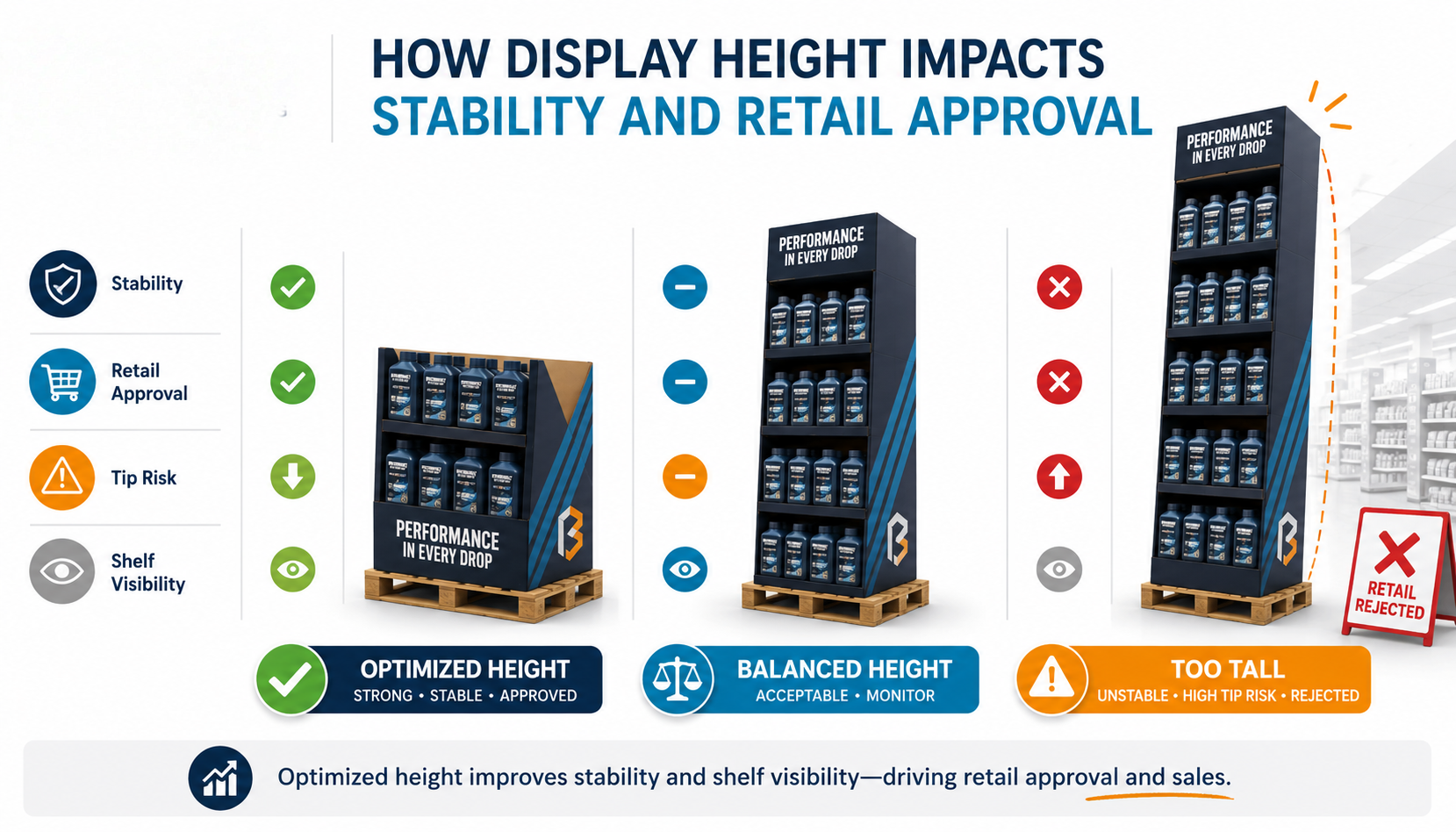
How Display Height Impacts Stability and Retail Approval

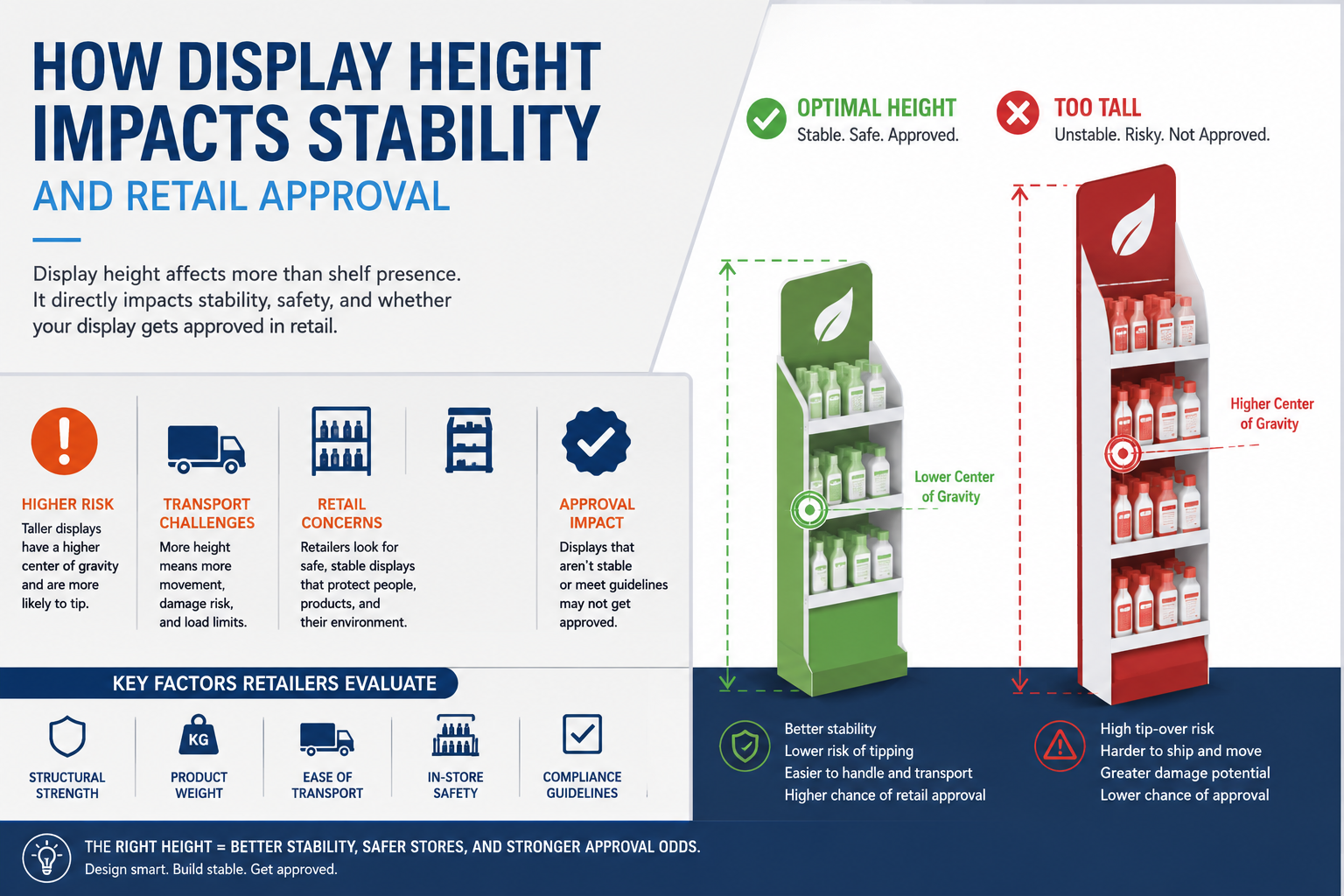
How Display Height Impacts Stability and Retail Approval

Taller displays get attention.

But they also get:

  • Rejected by retailers
  • Unstable under load
  • More likely to fail in-store

Height isn’t just a design choice—it’s a tradeoff between visibility and stability.

And most displays lean too far in one direction.

Why Height Is Pushed Too Far

Brands want:

  • More visibility across the store
  • Larger graphic area
  • Greater perceived presence

So displays get taller.

But what gets ignored:

  • Center of gravity increases
  • Base stability decreases
  • Retail compliance becomes harder

What looks impactful in a render can become a liability on the floor.

The Stability Problem: Center of Gravity

As height increases:

  • Weight is distributed higher
  • The structure becomes more top-heavy

This creates:

  • Higher tip risk during handling and use
  • More stress on base and vertical supports
  • Greater sensitivity to uneven loading

Even small imbalances can cause:
👉 Leaning or full instability

Base Footprint vs Height Ratio

Stability depends on proportions.

A common mistake:

  • Increasing height without adjusting base size

Result:

  • Narrow footprint + tall structure = high instability risk

Proper design:

  • Wider or reinforced base as height increases
  • Balanced weight distribution from top to bottom

If the base can’t support the height, the display won’t hold.

Handling and Transport Risks Increase with Height for pop displays

Uneven Product Depletion Makes It Worse

As products sell:

  • Weight distribution changes
  • Top-heavy structures become less stable

This leads to:

  • Progressive leaning
  • Structural distortion over time

Tall displays are far less forgiving under real retail conditions.

When Taller Displays Actually Make Sense

Height is valuable when:

  • You need long-distance visibility
  • The display is placed in open retail environments
  • Product weight is relatively low

But only if:

  • Structure and base are engineered correctly
  • Retail constraints are met

Otherwise, height becomes a risk—not an advantage.

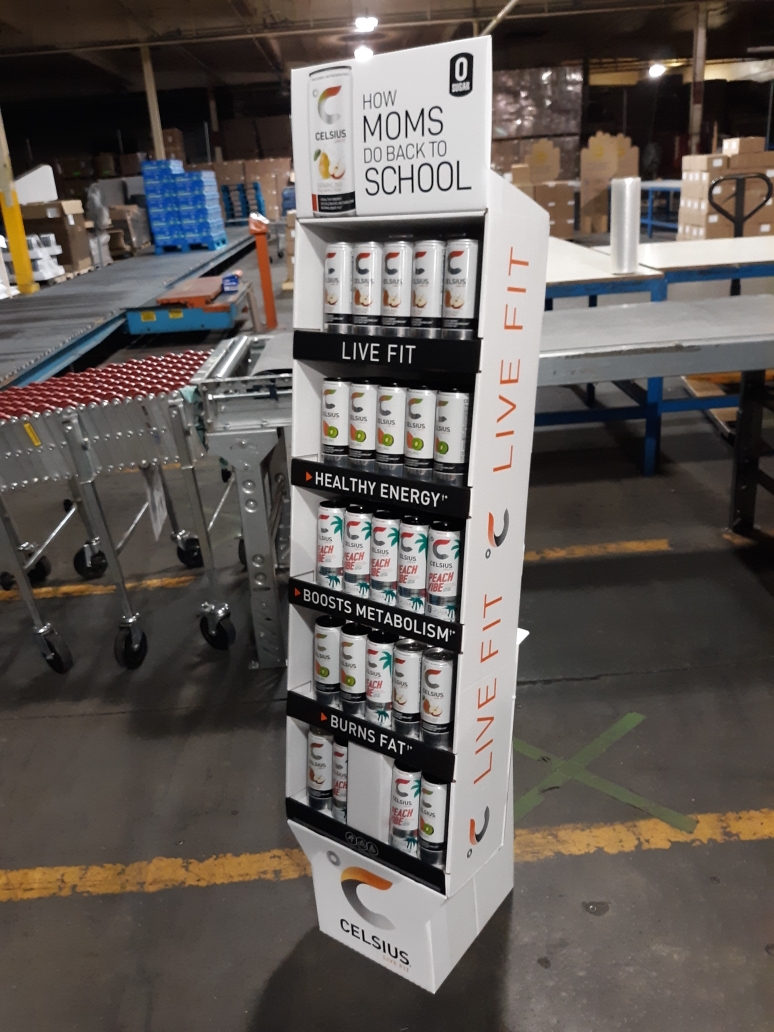
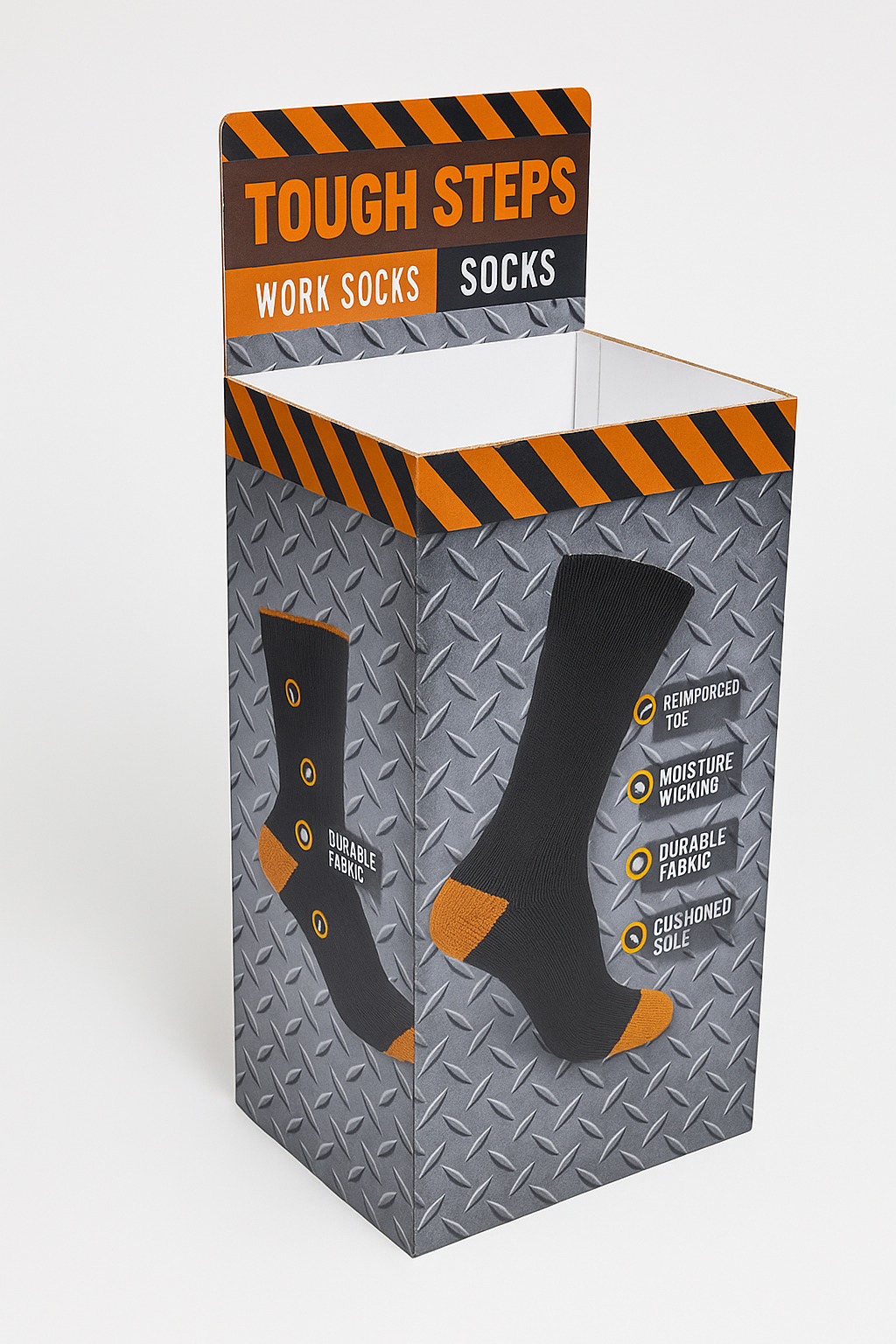
custom printed corrugated floor display

What High-Performing Displays Do Differently

They:

  • Balance height with base stability
  • Keep center of gravity controlled
  • Align dimensions with retailer requirements
  • Design for real-world handling—not just appearance

They treat height as a controlled variable, not a default upgrade.

Where Brands Get It Wrong

  • Prioritizing visibility over stability
  • Ignoring base-to-height ratio
  • Designing without retailer constraints
  • Underestimating handling and transport risks
  • Not accounting for product depletion

These issues lead to rejection, instability, and early failure.

How Brown Packaging Designs for Stability and Compliance

At Brown Packaging, display height is engineered around performance—not just presence.

We focus on:

  • Balancing structure, base, and load distribution
  • Designing within retailer guidelines
  • Reducing tip risk during transit and in-store use
  • Ensuring displays maintain integrity throughout the program

Because a display that gets attention—but doesn’t stay standing—doesn’t perform.

References

Soroka, W. (2009). Fundamentals of Packaging Technology (4th ed.). IoPP.
Shop! Association. (2023). Retail Display Safety and Compliance Guidelines.
ASTM International. (2022). Corrugated Structural Standards.
ISTA. (2023). Transit Testing Protocols.
Deloitte. (2022). Retail Operations and Store Layout Study.

Most Recent Posts:
Subscribe To Our Newsletter

By submitting your information, you agree to our terms and conditions and privacy policy.

custom countertop display with roll stock snack packaging
Custom Packaging
Facebook
Twitter
LinkedIn
Pinterest
Relevant Posts