window.uetq = window.uetq || []; window.uetq.push(‘event’, ‘submit_lead_form’,{ event_label:‘SUBMIT MESSAGE’ }); window.lintrk('track', { conversion_id: 10271009 }); window.lintrk('track', { conversion_id: 10271017 });

Pouch Sealing Technologies in Flexible Packaging

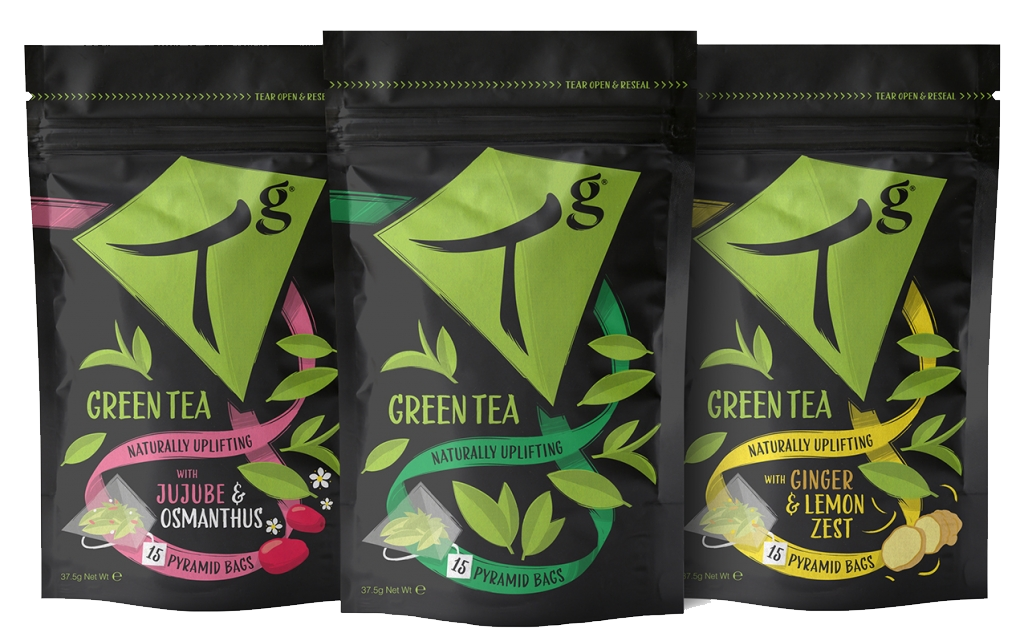
custom digital printed stand up pouch, multi-sku

The integrity of a pouch package is only as strong as its seal. Sealing technologies determine not just the strength of closure but also shelf life, barrier performance, consumer usability, and regulatory compliance. For packaging engineers and buyers, understanding the differences between sealing methods is critical for matching the right process to product and market needs.

Heat Sealing


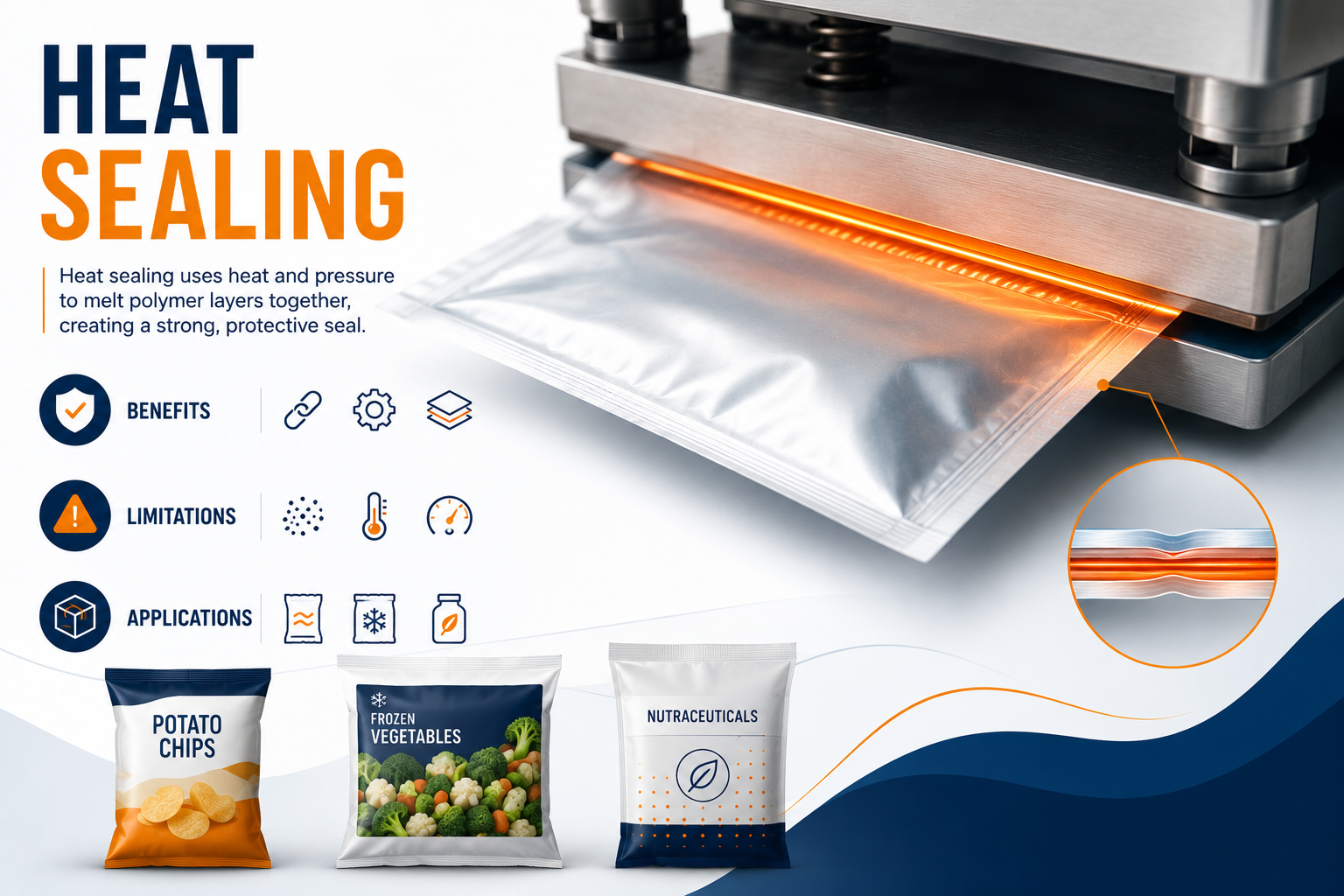
Heat sealing is the most widely used method in flexible packaging. It works by applying heat and pressure to melt polymer layers together.

  • Benefits: Reliable, simple to operate, compatible with most film structures.
  • Limitations: Sensitive to contamination (e.g., powders, oils), requires careful temperature control, slower in high-output environments.
  • Applications: Snack foods, frozen goods, nutraceuticals.
Heat Sealing Pouches

Cold Sealing


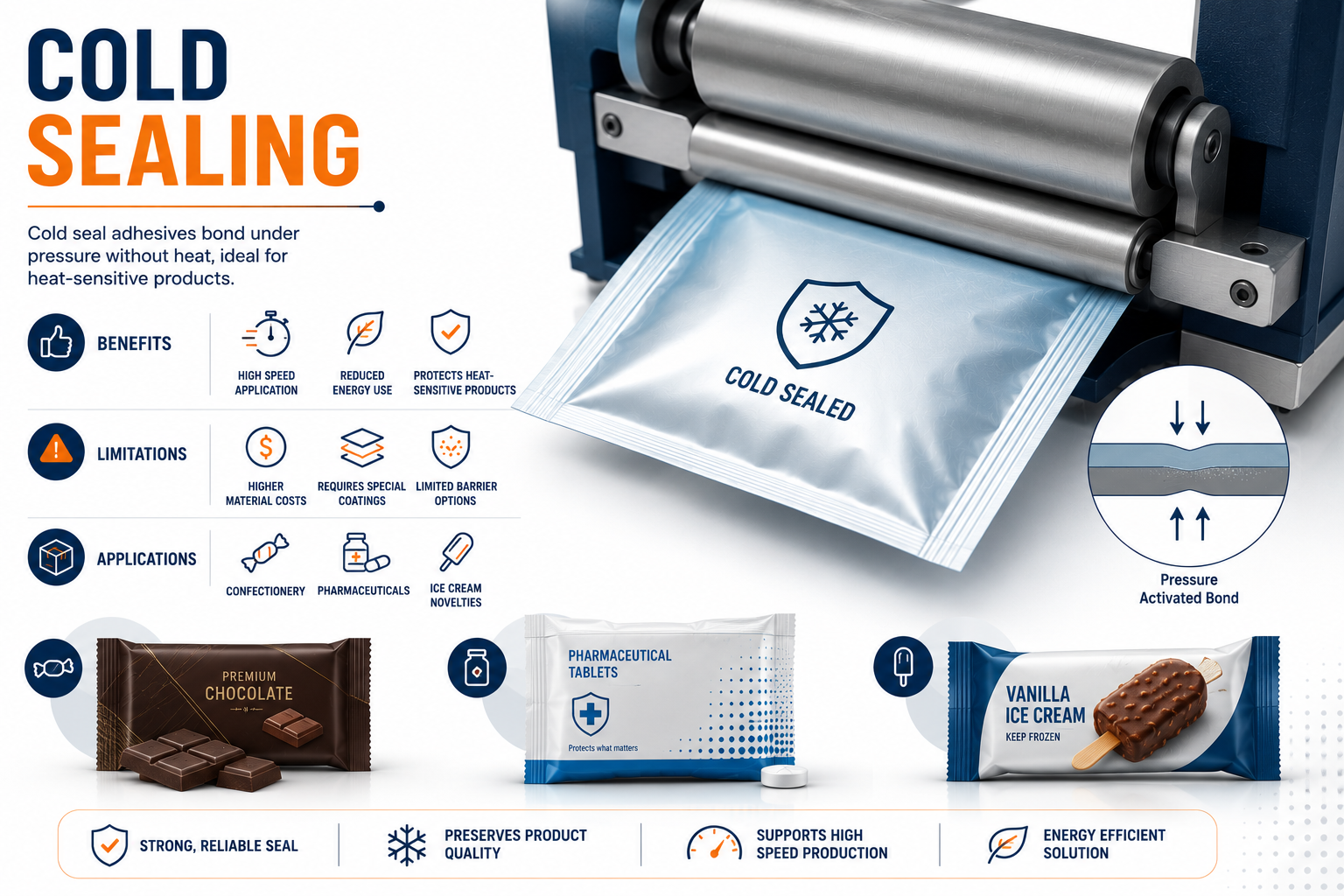
Cold seal adhesives bond under pressure without heat, ideal for heat-sensitive products.

  • Benefits: High-speed application, reduced energy use, prevents thermal damage to sensitive goods like chocolate or medical items.
  • Limitations: Higher material costs, requires special coatings, limited barrier options.
  • Applications: Confectionery, pharmaceuticals, ice cream novelties.
Cold Sealing Pouches

Ultrasonic Sealing


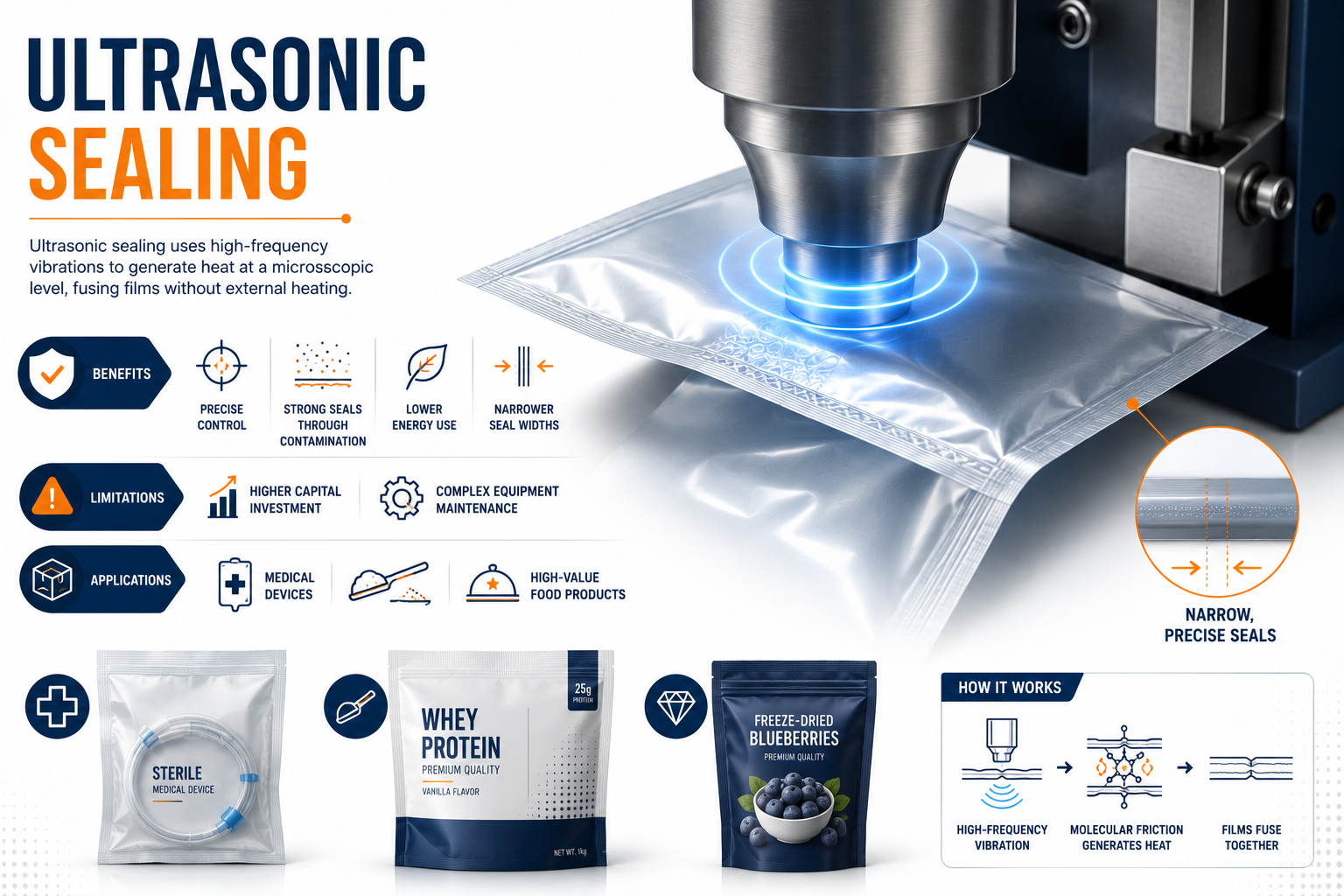
Ultrasonic sealing uses high-frequency vibrations to generate heat at a microscopic level, fusing films without external heating.

  • Benefits: Precise control, strong seals through product contamination, lower energy use, narrower seal widths.
  • Limitations: Higher capital investment, complex equipment maintenance.
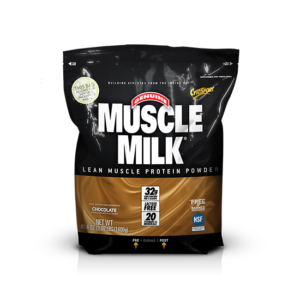
  • Applications: Medical devices, protein powders, high-value food products.
Ultrasonic Sealing Pouches

Induction Sealing


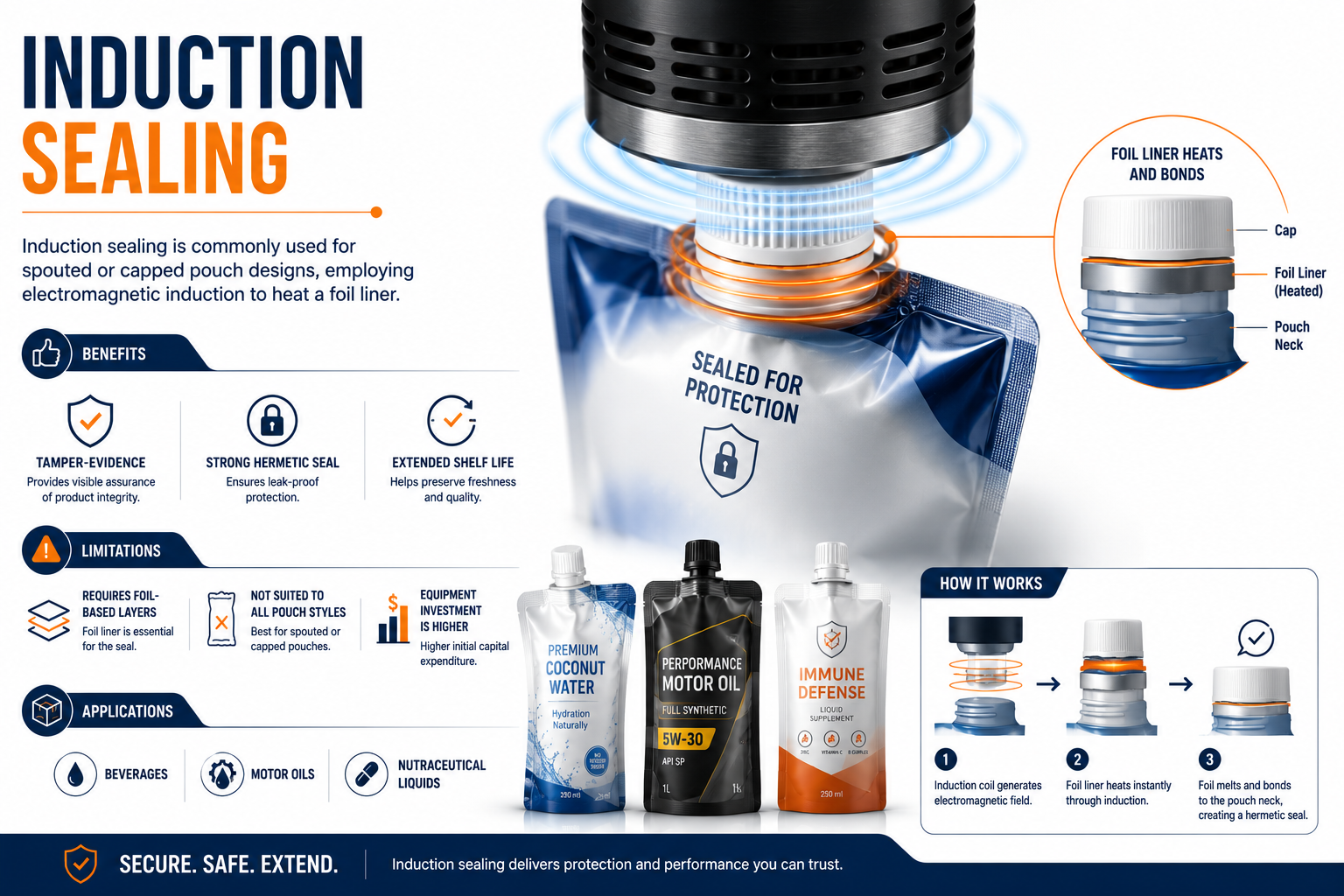
Induction sealing is commonly used for spouted or capped pouch designs, employing electromagnetic induction to heat a foil liner.

  • Benefits: Tamper-evidence, strong hermetic seal, extended shelf life.
  • Limitations: Requires foil-based layers, not suited to all pouch styles, equipment investment is higher.
  • Applications: Beverages, motor oils, nutraceutical liquids.
Induction Sealing Pouches

Laser and Advanced Seal Monitoring


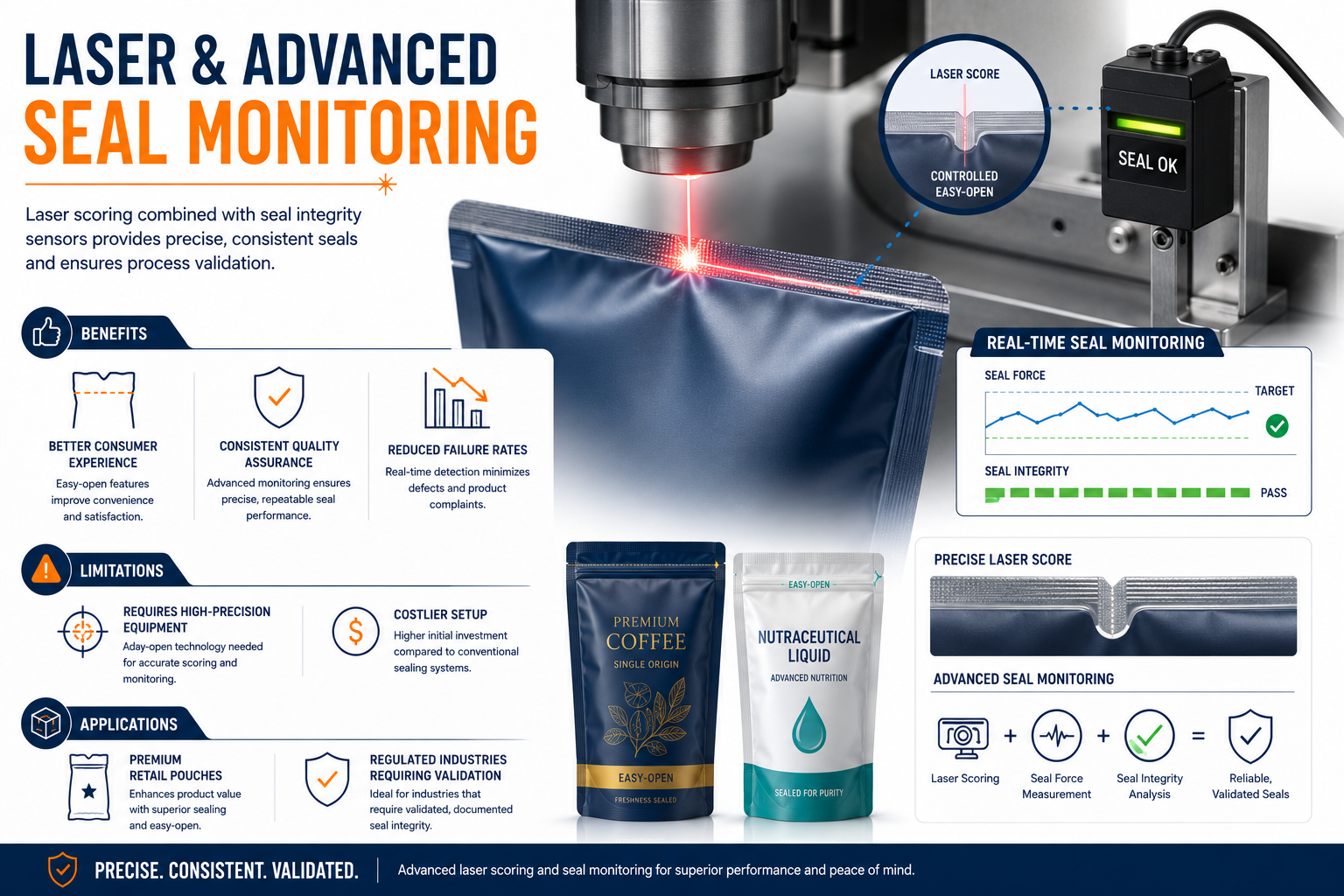
Laser scoring combined with seal integrity sensors provides precise, consistent seals and ensures process validation.

  • Benefits: Better consumer experience with easy-open features, consistent quality assurance, reduced failure rates.
  • Limitations: Requires high-precision equipment, costlier setup.
  • Applications: Premium retail pouches, regulated industries requiring validation.
Laser and Advanced Seal Monitoring Pouches

Key Takeaways

  • Match sealing technology to product sensitivity: cold seal for chocolates, heat seal for frozen foods.
  • Factor in production speed and energy costs: ultrasonic and cold sealing excel in fast lines.
  • Prioritize compliance in regulated sectors: induction and ultrasonic provide stronger validation controls.

Pouch sealing is more than just a closure method—it is a core component of product protection, branding, and consumer satisfaction. Selecting the right sealing technology ensures durability, freshness, and consistency across the supply chain.

Most Recent Posts:
Subscribe To Our Newsletter

By submitting your information, you agree to our terms and conditions and privacy policy.

Custom Printed Stand up Pouch
Custom Pouches
Facebook
Twitter
LinkedIn
Pinterest
Relevant Posts