
Home » Safety Tips for Stacking and Using Corrugated Bin Boxes
Safety Tips for Stacking and Using Corrugated Bin Boxes
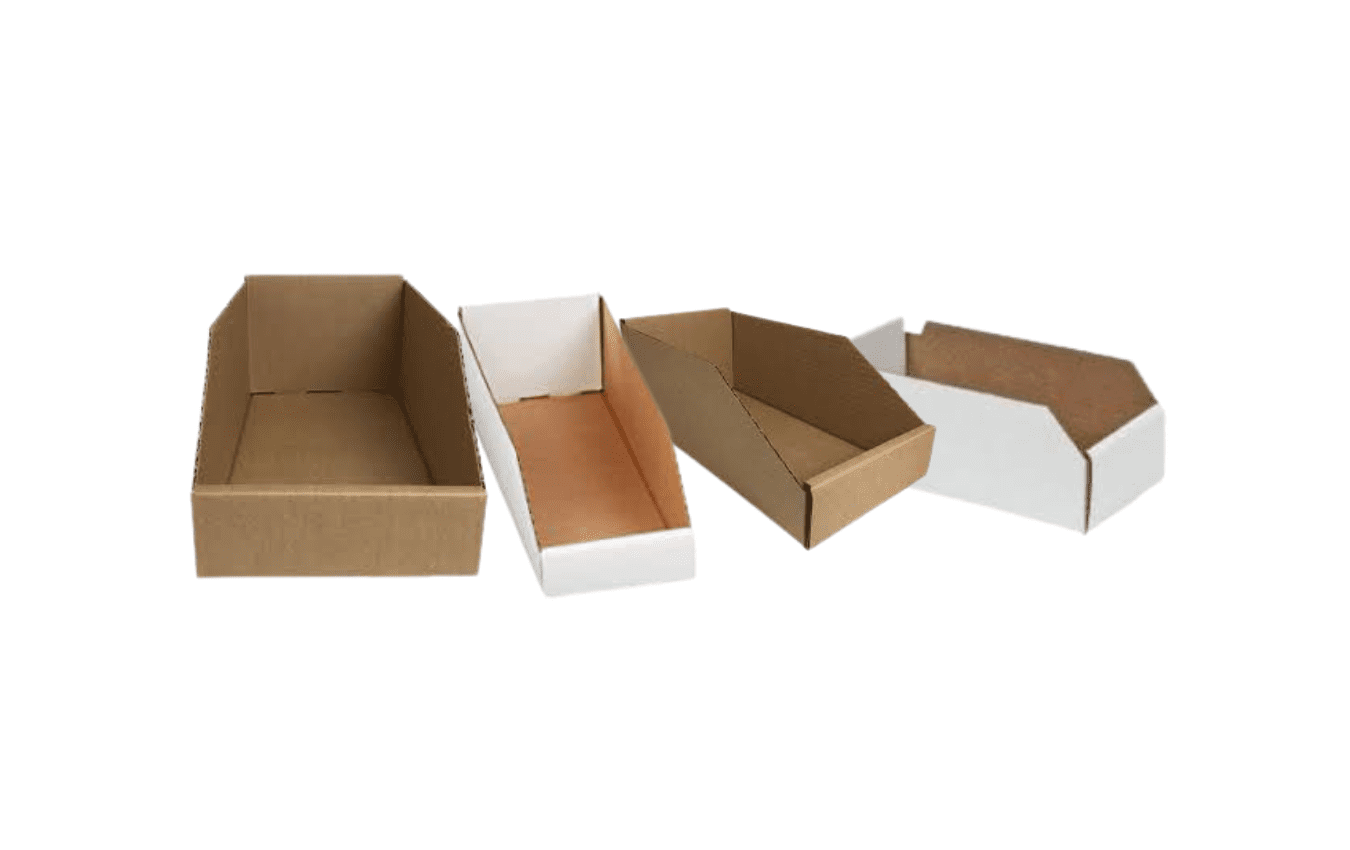
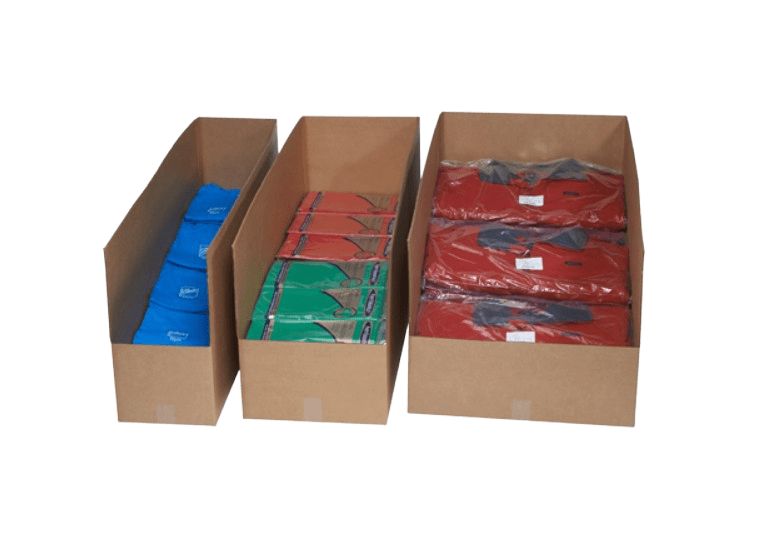
Corrugated bin boxes are indispensable in warehouses, retail spaces, and offices. They are designed to hold, organize, and transport items efficiently. However, to ensure safety and longevity, it’s crucial to use and stack them correctly. This blog will explore the safety tips for stacking and using corrugated bin boxes, emphasizing weight limits, distribution, and general safety protocols in warehouses.
Weight Limits and Distribution
Understand the Weight Limit: Each corrugated bin box has a specific weight limit. Always check the manufacturer’s guidelines to ascertain the maximum weight a box can carry. Overloading can compromise the box’s structure and lead to accidents.
Distribute Weight Evenly: When filling bin boxes, distribute the weight evenly. This prevents tipping and ensures stability when stacking. It’s also essential to place heavier items at the bottom and lighter ones on top to maintain balance.
Avoid Top-Heavy Stacks: When stacking boxes, the heaviest should always be at the bottom. This reduces the risk of the stack toppling over.
Safety Protocols in Warehouses
Regular Inspection: Regularly inspect corrugated bin boxes for signs of wear and tear. Boxes with tears, dents, or water damage should be replaced immediately.
Proper Lifting Techniques: Train staff to use proper lifting techniques. Bend at the knees, not the waist, and keep the box close to the body when lifting. This reduces the risk of back injuries.
Stacking Height: Avoid stacking boxes too high. As a rule of thumb, stacks should be at a comfortable height for the average person to retrieve items without needing to tiptoe or overreach. This usually means limiting stacks to eye level or below.
Clear Aisles: Ensure that stacked boxes don’t encroach upon walking spaces or block emergency exits. A clear aisle minimizes the risk of tripping hazards and ensures a safe evacuation route during emergencies.
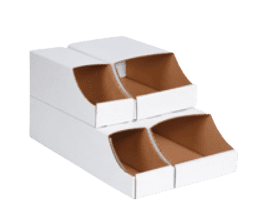
Use Shelving: Instead of stacking boxes directly on the floor, use shelves designed to hold corrugated bin boxes. This enhances stability, allows for better organization, and reduces the risk of boxes getting damp from floor moisture.
Label Properly: Clearly label each box with its contents and weight. This helps staff identify boxes quickly and understand the precautions needed for handling.
Use Personal Protective Equipment (PPE): Ensure that warehouse staff wear appropriate PPE, such as steel-toed shoes, gloves, and safety helmets when necessary. This minimizes injury risks during box handling.
Emergency Training: Ensure that all staff understand emergency procedures, know the location of emergency exits, and are familiar with the use of fire extinguishers.
Conclusion
Corrugated bin boxes offer numerous benefits in storage and organization, but their effective and safe use requires diligence. By understanding weight limits, ensuring even weight distribution, and adhering to warehouse safety protocols, businesses can optimize efficiency and safety simultaneously. Remember, safety first!
If you are interested in corrugated bin boxes, then partner with Brown Packaging today to get started.
In 2026, sustainability is no longer just a trend—it’s a buyer expectation. Forest Stewardship Council (FSC) certification has become a key benchmark for responsible packaging, signaling that materials are sourced from responsibly managed forests. For packaging buyers, FSC certification is more than a compliance checkbox—it’s a brand value that influences purchasing decisions, retailer acceptance, and customer loyalty. What Is FSC Certification? The Forest Stewardship Council certifies that paper-based packaging materials are sourced from forests managed for environmental responsibility, social benefit, and economic viability. FSC Mix: Packaging contains a blend of FSC-certified and controlled wood. FSC Recycled: Packaging is made entirely from recycled fiber. FSC 100%: Packaging is sourced only from FSC-certified forests. Why FSC Matters to Buyers in 2026 Retail access: Many major retailers now require FSC-certified packaging. Sustainability goals: Aligns with corporate ESG and carbon reduction commitments. Consumer trust: Customers recognize the FSC label and view it as credible. Global compliance: Meets international sustainability regulations. How FSC Certification Strengthens Brand Value Differentiation: Stand out with certified sustainable packaging. Marketing advantage: FSC logos reinforce eco-friendly messaging. Risk reduction: Verified sourcing prevents greenwashing claims. Customer loyalty: Environmentally conscious buyers prefer certified products. Challenges in FSC Implementation Limited supply of certain FSC substrates. Higher costs compared to non-certified materials. Need for supplier audits and documentation. Packaging Solutions with Brown Packaging Brown Packaging partners with buyers to integrate FSC-certified materials into corrugated boxes, folding cartons, and retail packaging. Our solutions support sustainability while maintaining cost efficiency and protection. Contact us to strengthen your brand with FSC-certified packaging. References Forest Stewardship Council (FSC). (2023). FSC Certification Guidelines for Packaging. Retrieved from https://fsc.orgSustainable Packaging Coalition. (2023). Consumer Insights on Sustainable Packaging. Retrieved from https://sustainablepackaging.orgSoroka, W. (2009). Fundamentals of Packaging Technology (4th ed.). Institute of Packaging Professionals. (714)300-0650 request@brownpackaging.com Most Recent Posts: Subscribe To Our Newsletter By submitting your information, you agree to our terms and conditions and privacy policy. Sustainable Packaging Facebook Twitter LinkedIn Pinterest Relevant Posts
Sustainability is now a top priority for packaging buyers. Retailers, regulators, and consumers are all demanding packaging solutions that reduce environmental impact without sacrificing performance. In 2026, buyers must balance eco-friendly materials, cost, and compliance to build programs that are both effective and future-ready. What Buyers Need to Know About Sustainable Packaging Regulatory pressure: Governments are enforcing stricter rules on recyclability and plastic use. Retail mandates: FSC certification and recyclable packaging are becoming standard requirements. Consumer expectations: Customers increasingly choose brands with visible sustainability commitments. Sustainable Material Options Recycled corrugated: High recycled content while maintaining compression strength. Compostable films: Suitable for select food and retail applications. Molded pulp inserts: Replace foam or plastic for protective packaging. Water-based coatings: Enhance moisture resistance without harmful chemicals. Balancing Cost and Performance Right-size packaging: Reduces material waste and shipping costs. Hybrid solutions: Combine eco-materials with corrugated for balance. Life cycle analysis: Evaluate true environmental impact, not just marketing claims. How to Evaluate Sustainable Suppliers Verify FSC, SPC, or ISO certifications. Request testing data for durability and recyclability. Audit supply chains for consistency and transparency. Ensure claims meet local and international compliance standards. Packaging Solutions with Brown Packaging Brown Packaging helps buyers implement sustainable packaging programs that balance cost, performance, and compliance. From recycled corrugated to eco-friendly coatings and inserts, we deliver solutions that meet 2026 sustainability goals. Contact us to explore sustainable packaging options. References Forest Stewardship Council (FSC). (2023). FSC Certification Guidelines for Packaging. Retrieved from https://fsc.orgSustainable Packaging Coalition. (2023). Packaging Sustainability Trends and Buyer Insights. Retrieved from https://sustainablepackaging.orgSoroka, W. (2009). Fundamentals of Packaging Technology (4th ed.). Institute of Packaging Professionals. (714)300-0650 request@brownpackaging.com Most Recent Posts: Categories: Corrugated Ecommerce ESD Design Display Flexible Packaging Foam Folding Carton Packaging Plastic Packaging Pouch Printing Protection Retail Rigid Box Thermoform Sustainability Subscribe To Our Newsletter By submitting your information, you agree to our terms and conditions and privacy policy. Sustainable Packaging Facebook Twitter LinkedIn Pinterest Relevant Posts
Choosing the right packaging material is one of the most important decisions buyers face. Single-material packaging offers simplicity and recyclability, while multi-material designs provide enhanced performance and protection. Understanding the trade-offs helps companies balance cost, functionality, and sustainability goals in 2026. What Is Single-Material Packaging? Single-material packaging uses one substrate—such as corrugated board, folding carton, or plastic—for the entire structure. Advantages: Easier to recycle and dispose. Lower material costs in many cases. Streamlined sourcing and inventory. Supports sustainability messaging. Disadvantages: Limited barrier protection. Less customization for fragile or complex products. May require added thickness for strength, increasing weight. What Is Multi-Material Packaging? Multi-material packaging combines two or more substrates—such as corrugated with foam, or paperboard laminated with film—to achieve specific performance outcomes. Advantages: Greater protection against moisture, oxygen, and impact. Allows for premium finishes and enhanced graphics. Ideal for fragile or high-value products. Customizable for unique supply chain conditions. Disadvantages: More difficult to recycle due to material separation. Higher cost and longer lead times. Complex sourcing and inventory management. When to Use Each Approach Single-material packaging: Best for products with low fragility, strong sustainability requirements, or cost-driven programs. Multi-material packaging: Best for high-value, fragile, or regulated products requiring advanced protection. Balancing Performance and Sustainability Buyers must weigh performance needs against eco goals: Use recyclable coatings to extend single-material performance. Choose hybrid designs that separate easily for recycling. Apply multi-material solutions only where risk of damage outweighs cost. Packaging Solutions with Brown Packaging Brown Packaging helps buyers evaluate when to use single- vs. multi-material packaging. Our team balances sustainability, performance, and cost to deliver solutions tailored to your supply chain. Contact us to explore the right approach for your products. References Forest Stewardship Council (FSC). (2023). FSC Packaging Certification Guidelines. Retrieved from https://fsc.orgSoroka, W. (2009). Fundamentals of Packaging Technology (4th ed.). Institute of Packaging Professionals.Sustainable Packaging Coalition. (2022). Design for Recyclability and Multi-Material Packaging Report. Retrieved from https://sustainablepackaging.org (714)300-0650 request@brownpackaging.com Most Recent Posts: Categories: Corrugated Ecommerce ESD Design Display Flexible Packaging Foam Folding Carton Packaging Plastic Packaging Pouch Printing Protection Retail Rigid Box Thermoform Sustainability Subscribe To Our Newsletter By submitting your information, you agree to our terms and conditions and privacy policy. Custom Packaging Facebook Twitter LinkedIn Pinterest Relevant Posts
One of the biggest challenges in sustainable packaging is balancing environmental responsibility with product protection. Buyers often worry that switching to eco-friendly materials means sacrificing durability or driving up costs. In 2026, new material technologies allow brands to meet sustainability goals without compromising strength or supply chain performance. Why Protection Still Matters Damaged products create more waste than packaging ever could. Returns increase logistics costs and carbon emissions. Retailers and e-commerce platforms expect packaging to deliver both sustainability and reliability. Eco-Friendly Material Options Recycled corrugated: Maintains stacking strength while reducing virgin fiber use. Molded pulp inserts: Cushion fragile items while replacing plastic foam. Water-based barrier coatings: Add moisture resistance without plastic films. Compostable films: Ideal for short shelf-life or single-use applications. Paper-based mailers: Replace poly mailers for e-commerce shipments. How to Balance Eco Goals and Protection Use right-sizing to reduce material volume while improving fit. Apply hybrid solutions (corrugated + pulp) for high-value goods. Conduct ISTA testing to validate protective performance. Match material choice to product fragility and supply chain conditions. Examples in Action Electronics: Molded pulp trays replacing EPS foam. Food and beverage: FSC-certified corrugated with recyclable coatings. Retail e-commerce: Recycled paper mailers protecting apparel. Packaging Solutions with Brown Packaging Brown Packaging develops eco-friendly solutions that protect products while meeting sustainability requirements. From recycled corrugated to innovative coatings, our team ensures you never trade protection for environmental impact. Contact us to explore eco-material options. References Forest Stewardship Council (FSC). (2023). FSC Certification Guidelines for Packaging. Retrieved from https://fsc.orgSustainable Packaging Coalition. (2023). Eco-Friendly Packaging Materials and Case Studies. Retrieved from https://sustainablepackaging.orgASTM International. (2023). ASTM D4169: Standard Practice for Performance Testing of Shipping Containers and Systems. (714)300-0650 request@brownpackaging.com Most Recent Posts: Subscribe To Our Newsletter By submitting your information, you agree to our terms and conditions and privacy policy. Custom Packaging Facebook Twitter LinkedIn Pinterest Relevant Posts
Home » Safety Tips for Stacking and Using Corrugated Bin Boxes
Choosing corrugated boxes for packaging needs is a decision that offers unparalleled benefits in terms of protection, sustainability, and cost-effectiveness. These boxes stand out for their robust design, versatility, and environmental friendliness, making them a top choice for businesses looking to optimize their packaging solutions. Superior Protection At the heart of the appeal of corrugated boxes is their exceptional ability to protect contents during shipping and storage. The secret lies in their construction: a fluted corrugated sheet sandwiched between one or two linerboards. This structure creates a sturdy yet cushioned barrier against impacts, vibrations, and compressive forces, ensuring that items inside remain secure and undamaged. The fluting also provides excellent insulation against temperature changes, which is crucial for the safe transport of sensitive products. Customization and Flexibility Corrugated boxes can be easily customized to meet the specific needs of any product, regardless of size, shape, or fragility. This flexibility ensures that every item can be packaged in a box that fits perfectly, reducing the risk of movement and damage. Additionally, these boxes can be printed with logos, branding elements, or handling instructions, enhancing brand visibility and providing valuable information to handlers and consumers alike. Environmental Sustainability In today’s eco-conscious market, the sustainability of packaging materials is more important than ever. Corrugated boxes excel in this area, as they are made from recycled paper and are fully recyclable themselves. The industry’s commitment to sustainable practices means that the majority of corrugated cardboard is produced using renewable energy sources, and the high recycling rate of these boxes reduces the need for virgin paper, conserving natural resources and minimizing environmental impact. Cost Efficiency Despite their high quality and performance, corrugated boxes are an economical packaging option. Their lightweight design lowers shipping costs, and the materials used in their production are relatively inexpensive, especially when compared to alternative packaging solutions. This cost efficiency makes corrugated boxes an attractive choice for businesses of all sizes, from small startups to large corporations. Durability for Repeated Use Corrugated boxes are not only strong but also durable enough for multiple uses, underlining their value and efficiency. When handled and stored properly, these boxes can be reused several times, further extending their lifecycle and enhancing their environmental benefits. This durability also contributes to their cost-effectiveness, as the ability to reuse boxes can significantly reduce packaging costs over time. Wide Range of Applications The versatility and adaptability of corrugated boxes make them suitable for a vast array of applications. From fragile electronics and perishable food items to bulky industrial equipment, corrugated boxes can be engineered to meet the specific requirements of virtually any product. This wide-ranging applicability ensures that businesses in diverse sectors can rely on these boxes for their packaging needs. Conclusion The choice of corrugated boxes for packaging is justified by their protective qualities, customization options, environmental sustainability, cost-efficiency, and durability. These advantages make corrugated boxes an indispensable resource for businesses seeking reliable, responsible, and effective packaging solutions. With their ability to cater to a wide range of products and their contribution to sustainable packaging practices, corrugated boxes are not just a choice but a necessity for forward-thinking businesses today. If you are interested in corrugated boxes, then partner with Brown Packaging today to get started. (714)300-0650 request@brownpackaging.com Most Recent Posts: Categories: Corrugated Ecommerce ESD Design Display Flexible Packaging Foam Folding Carton Packaging Plastic Packaging Pouch Printing Protection Retail Rigid Box Thermoform Sustainability Subscribe To Our Newsletter By submitting your information, you agree to our terms and conditions and privacy policy. Custom Corrugated Boxes Facebook Twitter LinkedIn Pinterest Relevant Posts
Corrugated packaging has been a popular choice for packaging and shipping goods for over a century, and for good reason. The unique structure of corrugated packaging, with its fluted layer between two liners, provides a lightweight yet strong material that can be customized to fit a wide variety of shapes and sizes. However, the environmental benefits of corrugated packaging are often overlooked. With increasing concern over climate change and the impact of waste on the environment, it’s important to consider the sustainability of the materials we use, including packaging. Fortunately, corrugated packaging offers a range of environmental advantages that make it one of the most sustainable packaging materials available today. It’s made from renewable resources, can be easily recycled, and has a relatively low carbon footprint compared to other materials. As consumers become more conscious of their environmental impact, companies are also making an effort to reduce their carbon footprint and contribute to sustainable practices. Choosing corrugated packaging is a simple yet effective way to make a positive impact on the environment. By using recyclable and biodegradable materials, companies can reduce waste, conserve resources, and minimize their carbon footprint. Overview: Corrugated Packaging, Benefits & Sustainability In this article, we will explore the sustainability benefits of corrugated packaging, including its recyclability, biodegradability, and low carbon footprint. We will also examine how these benefits contribute to a more sustainable future and what steps we can take to promote the use of corrugated packaging. Recyclability Biodegradability Low Carbon Footprint Recyclability Recyclability of corrugated packaging is one of the key reasons it is such a sustainable material. Corrugated packaging is made from paper, which is a renewable resource and can be recycled multiple times. Recycling corrugated packaging is easy and efficient, with the vast majority of materials collected and reused within just a few weeks. In this section, we will explore the different aspects of the recyclability of corrugated packaging, including its collection and sorting, recycling process, and benefits to the environment. Collection and Sorting The first step in the recycling process of corrugated packaging is the collection and sorting of materials. Most municipalities have curbside recycling programs that include corrugated packaging, making it easy for households to recycle. The packaging can also be recycled at local recycling centers or through drop-off programs. Once the materials are collected, they are transported to a recycling facility, where they are sorted and prepared for recycling. Recycling Process The recycling process of corrugated packaging is relatively simple and requires minimal energy compared to other materials. The first step is to remove any contaminants, such as tape or staples, which can be done through a pulping process that separates the fibers from the contaminants. The fibers are then cleaned, screened, and de-inked, and made into new paper products. The entire process can take just a few weeks from the time the packaging is collected to the production of new products. Benefits to the Environment Recycling corrugated packaging has many benefits for the environment. Firstly, it conserves resources, as the paper fibers can be recycled multiple times, reducing the need for new materials. Secondly, it reduces the amount of waste sent to landfills, which helps to preserve natural habitats and reduce greenhouse gas emissions. Finally, recycling corrugated packaging helps to promote a circular economy, where materials are reused and waste is minimized. Biodegradability Another sustainability advantage of corrugated packaging is its biodegradability. This means that the material can be broken down by natural processes and does not persist in the environment. In this section, we will explore the biodegradability of corrugated packaging, including how it decomposes, the impact on the environment, and the benefits of composting. Decomposition When corrugated packaging is disposed of in a landfill, it decomposes over time and produces methane gas, a potent greenhouse gas. However, the decomposition process of corrugated packaging is significantly faster than other materials such as plastic, which can take hundreds of years to break down. Corrugated packaging is made from paper, which is a natural material that can be broken down by microorganisms. Impact on the Environment When corrugated packaging is recycled, it is diverted from landfills, and methane emissions are reduced. Methane gas is a potent greenhouse gas that contributes to climate change, so by reducing the amount of corrugated packaging in landfills, we can help mitigate the effects of climate change. Additionally, the biodegradability of corrugated packaging means that it is less likely to persist in the environment and cause harm to wildlife. Composting Corrugated packaging is also an excellent material for composting. It can be shredded and added to a compost pile, where it breaks down quickly and helps to nourish the soil. Composting corrugated packaging also helps to reduce waste and conserve resources. The paper fibers in corrugated packaging provide a good source of carbon for composting, which is essential for creating a balanced compost pile. Benefits of Composting Composting corrugated packaging has many benefits, including reducing the amount of waste sent to landfills, improving soil health, and conserving resources. By adding corrugated packaging to a compost pile, it can help to break down other organic materials, such as food waste, and create a nutrient-rich compost that can be used to grow plants. Low Carbon Footprint The low carbon footprint of corrugated packaging is another important sustainability advantage. The manufacturing process requires less energy compared to other materials, and the packaging is lightweight, which reduces transportation emissions. In this section, we will explore the different aspects of the low carbon footprint of corrugated packaging, including the manufacturing process, transportation emissions, and the impact on the environment. Manufacturing Process The manufacturing process of corrugated packaging requires less energy compared to other materials. The packaging is made from renewable resources, which reduces the reliance on fossil fuels. The process of manufacturing corrugated packaging involves converting wood pulp into paper, which is then formed into the distinctive corrugated structure. The manufacturing process is energy efficient and can be powered by renewable energy sources. Transportation Emissions The lightweight nature of
Foam-in-corrugated hybrid inserts combine the cushioning properties of foam with the structural rigidity of corrugated board, creating a packaging solution that is both protective and adaptable. This design approach is particularly useful in industries where precision fit and shock absorption are critical, such as electronics, medical devices, and high-value industrial components. Why Combine Foam and Corrugated? Corrugated offers structural stability, vertical stacking strength, and a printable surface for branding or instructions. Foam provides vibration dampening, energy absorption during impact, and surface protection against scratches or abrasions. When integrated, these materials address a broader range of performance requirements than either could alone. Material Selection The choice of foam type—such as polyethylene (PE), polyurethane (PU), or expanded polystyrene (EPS)—should be driven by product fragility, weight, and storage conditions. PE foam, for example, excels in repeated compression recovery, making it suitable for reusable inserts. Corrugated board grades (e.g., single-wall B-flute vs. double-wall BC-flute) must be matched to anticipated stacking loads and compression requirements. Bonding Methods and Compatibility Adhesive selection is critical. Water-based adhesives can warp corrugated under high humidity, while hot-melt options may degrade certain foam chemistries. Mechanical retention methods, such as die-cut lock tabs or slotted cavities, can reduce adhesive usage and improve recyclability. Engineering Fit and Tolerance Control Foam compression should be engineered to 10–30% deflection under typical product weight to balance retention and ease of removal. Corrugated cutouts must account for foam expansion and any dimensional variation due to manufacturing tolerances. Overly tight fits can cause stress concentrations, while loose fits reduce protection efficiency. Shock and Vibration Performance ASTM D1596 testing can determine the foam’s cushioning curve, ensuring the hybrid insert meets drop-test performance requirements. Corrugated structure should be verified under ASTM D642 compression testing to confirm stacking safety in transit and storage. Sustainability Considerations Designing with minimal adhesive, using water-based inks for print, and specifying recyclable PE foams can increase end-of-life recyclability. An emerging approach is designing separable components so the foam and corrugated can be easily disassembled for proper recycling streams. References American Society for Testing and Materials. (2019). ASTM D1596-14: Standard Test Method for Dynamic Shock Cushioning Characteristics of Packaging Material. https://doi.org/10.1520/D1596-14American Society for Testing and Materials. (2015). ASTM D642-15: Standard Test Method for Determining Compressive Resistance of Shipping Containers. https://doi.org/10.1520/D0642-15Soroka, W. (2016). Fundamentals of Packaging Technology (5th ed.). Institute of Packaging Professionals.Kistler, S. F., & Schweizer, P. M. (Eds.). (2013). Liquid Film Coating: Scientific Principles and Their Technological Implications. Springer. https://doi.org/10.1007/978-94-011-4942-0 (714)300-0650 request@brownpackaging.com Most Recent Posts: Categories: Corrugated Ecommerce ESD Design Display Flexible Packaging Foam Folding Carton Packaging Plastic Packaging Pouch Printing Protection Retail Rigid Box Thermoform Sustainability Subscribe To Our Newsletter By submitting your information, you agree to our terms and conditions and privacy policy. Custom Packaging Facebook Twitter LinkedIn Pinterest Relevant Posts