Home » 10 Questions You Should Ask Your Packaging Designer
10 Questions You Should Ask Your Packaging Designer

The packaging of your product is the first impression your customers will have of your brand. It needs to grab their attention, communicate your product’s unique features and benefits, and leave a lasting impression that will lead to repeat purchases. That’s why it’s crucial to work with a skilled packaging designer who can create packaging that both reflects your brand and appeals to your target audience.
10 Questions To Ask Your Packaging Designer
In this article, we’ll discuss ten questions you should ask your packaging designer to ensure that you get the best results possible.
- Can you tell me about your experience in packaging design?
- Can you walk me through your design process?
- Can you show me examples of your past packaging design work?
- What is your approach to creating packaging that stands out on the shelf?
- How do you ensure that the packaging design reflects our brand?
- Can you explain your approach to typography and color?
- How do you take regulatory requirements into account when designing packaging?
- What is your process for creating mockups or prototypes?
- How do you handle revisions or changes to the design?
- What is your timeline for completing the packaging design?
Can you tell me about your experience in packaging design?
One of the first things you should ask your designer is about their experience and expertise in packaging design. Ask about the types of packaging they have worked on in the past, such as boxes, bottles, pouches, or tubes. You’ll want to know how long they’ve been in the industry and what types of brands they have worked with. You should also ask if they have any formal design education or certifications.
Can you walk me through your design process?
Understanding the design process will give you an idea of what to expect and how the project will unfold. Ask your designer about their approach to research, ideation, sketching, and prototyping. You’ll also want to know how many initial concepts they will provide you with and how many revisions they will allow before the final design is approved.

Can you show me examples of your past packaging design work?
Reviewing your designer’s portfolio will give you an idea of their design style and the quality of their work. Ask for examples of packaging designs they have created for products in your industry or that are similar to your product. Look for designs that are visually appealing, functional, and consistent with the brand’s identity.
What is your approach to creating packaging that stands out on the shelf?
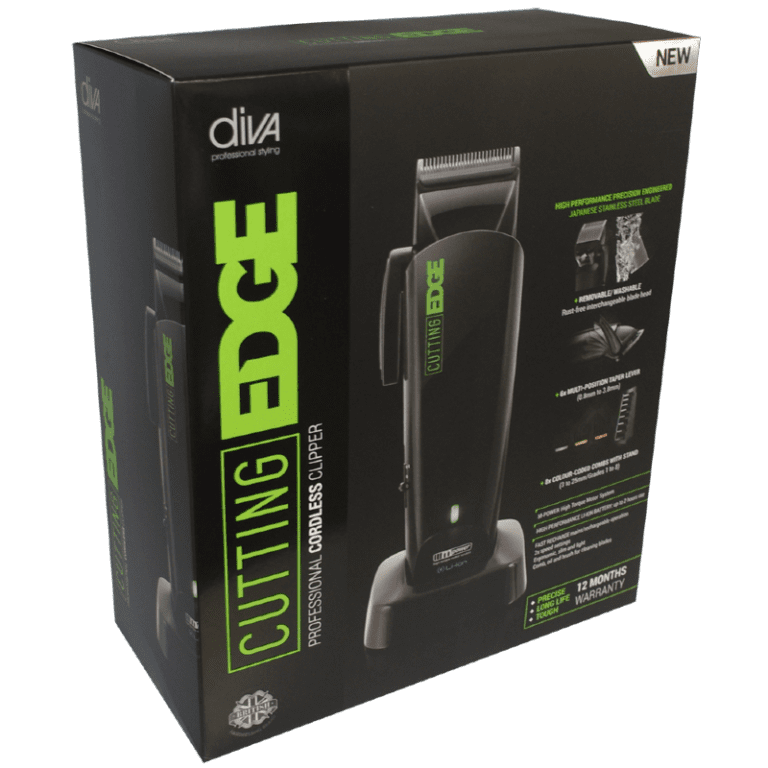
Standing out on the shelf is critical in today’s competitive market. Ask your designer how they plan to make your product packaging visually appealing and distinct. Ask about their approach to typography, color, graphics, and imagery. A good designer should be able to explain how they plan to create a design that is eye-catching, communicates the product’s unique features and benefits, and aligns with the brand’s personality.
How do you ensure that the packaging design reflects our brand?
Your packaging should be consistent with your brand identity. Ask your designer about their process for researching your brand’s values, mission, and personality. They should also have a process in place for ensuring that your packaging aligns with your brand’s values, color palette, typography, and messaging.
Can you explain your approach to typography and color?
Typography and color are critical elements of packaging design. Ask your designer how they plan to use typography and color to create a design that is visually appealing and communicates the product’s unique features and benefits. They should be able to explain their approach to font selection, font pairing, font size, and color selection. You’ll also want to know if they plan to use any special printing techniques, such as metallic ink or embossing.
How do you take regulatory requirements into account when designing packaging?
Depending on your product, there may be regulatory requirements that must be met. For example, food packaging must meet specific requirements for nutrition labeling, allergen warnings, and ingredient lists. Your designer should be aware of these requirements and ensure that the packaging meets them. Ask them about their knowledge of these regulations and how they plan to incorporate them into the design.

What is your process for creating mockups or prototypes?
Seeing a mockup or prototype of your packaging will give you a better idea of how the finished product will look and feel. Ask your designer about their process for creating mockups or prototypes. Will they create a physical mockup or a digital one? How many iterations are included in the design process? What is the timeline for creating and reviewing these prototypes? These questions will help you understand how your designer plans to bring your packaging design to life and ensure that you’re happy with the final product.
How do you handle revisions or changes to the design?
It’s common for revisions or changes to be necessary during the design process. Ask your designer about their process for handling these changes in a timely and efficient manner. Will they provide a certain number of revisions before charging extra fees? How quickly will they respond to your requests for changes? What is the process for finalizing the design and approving it for production? Knowing this information upfront will help you manage your expectations and ensure that the project stays on track.
What is your timeline for completing the packaging design?
Finally, you’ll want to know when you can expect the final packaging design. Ask your designer for a timeline for completing the project, including milestones and deliverables. You’ll want to know how long each stage of the design process will take and what you can expect in terms of communication and updates. Make sure to discuss any deadlines or launch dates you have in mind so that your designer can plan accordingly.
Summary: 10 Questions You Should Ask Your Packaging Designer
Working with a packaging designer is a critical part of launching a successful product. By asking these ten questions, you’ll be able to find a designer who can create packaging that sets your product apart and appeals to your target audience. Remember to ask about their experience, design process, past work, standout packaging, brand reflection, typography and color, regulatory compliance, mockups and prototypes, revisions, and timeline. With the right designer and a clear understanding of your goals and requirements, you can create packaging that not only looks great but also helps your product succeed in the market.
Summary: Sustainable Packaging Trends of 2023
Many companies are looking to adjust to society’s norms and laws of being more sustainable. As a result, there are many different growing trends in the packaging industry on how businesses are looking to package their products in order to become more sustainable.
Often, they are looking to optimize their packaging by making lightweight, reusable and refillable, in addition to utilizing more clean and recyclable materials such as bioplastics, paper, small products and wash off labels. Some companies have even made the effort of educating consumers with carbon labeling.
All of these approaches should be considered by your company when looking to package your products, as it can help you become more sustainable to the environment and accepted by consumers and governments.
If you are interested in sustainable packaging solutions, then partner with Brown Packaging today.
Retail packaging continues to evolve as brands balance sustainability, supply chain performance, and consumer experience. In 2026, buyers face new challenges shaped by material innovation, compliance requirements, and rising consumer expectations. Understanding these trends helps companies stay competitive while aligning packaging programs with industry standards. Sustainability Becomes Non-Negotiable Greater use of recyclable and compostable substrates. Retailers pushing suppliers toward FSC-certified materials. Minimalist designs that reduce waste without losing impact. Smarter Packaging for Supply Chains Increased adoption of right-sizing to reduce freight costs. Boxes designed for automation and faster fulfillment. Stronger corrugated grades to withstand long e-commerce journeys. Enhanced Consumer Experience Custom graphics for seasonal campaigns and limited editions. Tear strips, resealable closures, and window cutouts for convenience. Premium finishes that elevate gift packaging at retail. Growth of Hybrid Packaging Formats Combining corrugated strength with folding carton graphics. Modular designs for multi-SKU and club store environments. Packaging engineered to serve both e-commerce and in-store needs. Compliance and Testing Standards Retailers demanding ISTA and ASTM testing for packaging durability. Supply chain audits on recyclability and sustainability claims. More pressure for transparent reporting on environmental impact. Retail Packaging Solutions with Brown Packaging Brown Packaging helps brands adapt to evolving retail packaging trends. From sustainable substrates to automation-friendly designs, our solutions balance branding, durability, and compliance for 2026. Contact us to prepare your packaging program for the year ahead. References Forest Stewardship Council (FSC). (2023). FSC Packaging Certification Guidelines. Retrieved from https://fsc.orgSustainable Packaging Coalition. (2023). Packaging Trends and Consumer Insights. Retrieved from https://sustainablepackaging.orgSoroka, W. (2009). Fundamentals of Packaging Technology (4th ed.). Institute of Packaging Professionals. (714)300-0650 request@brownpackaging.com Most Recent Posts: Categories: Corrugated Ecommerce ESD Design Display Flexible Packaging Foam Folding Carton Packaging Plastic Packaging Pouch Printing Protection Retail Rigid Box Thermoform Sustainability Subscribe To Our Newsletter By submitting your information, you agree to our terms and conditions and privacy policy. Custom Packaging Facebook Twitter LinkedIn Pinterest Relevant Posts

Supplier contracts can make or break a packaging program. Without the right terms, buyers risk price volatility, missed lead times, and inconsistent product quality. In 2026, negotiating smart contracts is essential for controlling costs, securing reliable supply, and meeting compliance requirements. Why Packaging Contracts Matter Cost stability: Protects against sudden raw material price spikes. Supply security: Ensures availability during peak demand. Quality control: Aligns suppliers with testing and compliance standards. Operational efficiency: Streamlines purchasing and reduces administrative burden. Key Terms Buyers Should Negotiate Volume commitments: Secure better pricing with accurate forecasts. Price adjustment clauses: Define when and how costs can change. Lead times and delivery windows: Avoid shortages and production delays. Testing and compliance: Require ISTA, ASTM, or FSC certification where applicable. Sustainability commitments: Ensure suppliers align with environmental goals. Risks of Weak Contracts Paying inflated prices during market fluctuations. Receiving inconsistent corrugated strength or print quality. Missed shipments leading to costly expedited freight. Difficulty meeting retailer or regulatory compliance. Best Practices for Buyers in 2026 Leverage data: Use past order history to negotiate realistic volumes. Dual sourcing: Maintain backup suppliers for risk management. Annual reviews: Reassess terms to reflect changes in demand and compliance. Collaborative approach: Treat suppliers as partners, not just vendors. Packaging Solutions with Brown Packaging Brown Packaging helps buyers secure strong supplier contracts that balance cost, quality, and supply chain reliability. Our partnerships and industry expertise ensure your packaging program is protected for 2026 and beyond. Contact us to discuss supplier solutions. References Soroka, W. (2009). Fundamentals of Packaging Technology (4th ed.). Institute of Packaging Professionals.Fiber Box Association. (2024). Corrugated Packaging Market Outlook. Retrieved from https://www.fibrebox.orgSustainable Packaging Coalition. (2023). Supplier Standards for Sustainable Packaging. Retrieved from https://sustainablepackaging.org (714)300-0650 request@brownpackaging.com Most Recent Posts: Categories: Corrugated Ecommerce ESD Design Display Flexible Packaging Foam Folding Carton Packaging Plastic Packaging Pouch Printing Protection Retail Rigid Box Thermoform Sustainability Subscribe To Our Newsletter By submitting your information, you agree to our terms and conditions and privacy policy. Custom Packaging Facebook Twitter LinkedIn Pinterest Relevant Posts
Packaging compliance is no longer optional—it’s a requirement for accessing retail shelves, shipping networks, and international markets. In 2026, buyers must navigate evolving regulations around sustainability, labeling, and testing to avoid costly fines, rejected shipments, or damaged customer relationships. Why Compliance Matters in 2026 Retail requirements: Major retailers demand FSC, ISTA, and sustainability certifications. E-commerce standards: Carriers enforce dimensional weight and package testing rules. Global trade: Export packaging must comply with ISPM 15, ASTM, and ISO guidelines. Consumer trust: Transparency in packaging claims impacts purchasing decisions. Key Compliance Areas for Buyers Material sourcing: FSC-certified corrugated and board for sustainability. Labeling standards: GS1-compliant barcodes and accurate product details. Durability testing: ISTA and ASTM protocols for drop, vibration, and compression. Sustainability regulations: Requirements for recyclable or compostable materials. Chemical restrictions: Compliance with FDA, EU, or state-specific standards. Common Compliance Challenges Keeping up with frequent regulatory changes. Managing multiple certifications across suppliers. Balancing compliance with cost-efficiency. Verifying supplier claims for sustainability. Best Practices for Staying Compliant Audit suppliers annually to confirm certification validity. Run internal packaging tests before scaling. Track regulatory updates for each region you ship to. Work with experienced partners who understand industry compliance. Packaging Solutions with Brown Packaging Brown Packaging helps buyers meet 2026 compliance standards with FSC-certified materials, ISTA-tested designs, and regulatory expertise. Our team ensures your packaging meets retailer, carrier, and sustainability requirements. Contact us to keep your program compliant. References Forest Stewardship Council (FSC). (2023). FSC Certification Guidelines for Packaging. Retrieved from https://fsc.orgInternational Safe Transit Association (ISTA). (2023). ISTA Testing Procedures for Transport Packaging. Retrieved from https://ista.orgGS1. (2024). Global Standards for Packaging and Labeling. Retrieved from https://www.gs1.org (714)300-0650 request@brownpackaging.com Most Recent Posts: Categories: Corrugated Ecommerce ESD Design Display Flexible Packaging Foam Folding Carton Packaging Plastic Packaging Pouch Printing Protection Retail Rigid Box Thermoform Sustainability Subscribe To Our Newsletter By submitting your information, you agree to our terms and conditions and privacy policy. Custom Packaging Facebook Twitter LinkedIn Pinterest Relevant Posts
In 2026, sustainability is no longer just a trend—it’s a buyer expectation. Forest Stewardship Council (FSC) certification has become a key benchmark for responsible packaging, signaling that materials are sourced from responsibly managed forests. For packaging buyers, FSC certification is more than a compliance checkbox—it’s a brand value that influences purchasing decisions, retailer acceptance, and customer loyalty. What Is FSC Certification? The Forest Stewardship Council certifies that paper-based packaging materials are sourced from forests managed for environmental responsibility, social benefit, and economic viability. FSC Mix: Packaging contains a blend of FSC-certified and controlled wood. FSC Recycled: Packaging is made entirely from recycled fiber. FSC 100%: Packaging is sourced only from FSC-certified forests. Why FSC Matters to Buyers in 2026 Retail access: Many major retailers now require FSC-certified packaging. Sustainability goals: Aligns with corporate ESG and carbon reduction commitments. Consumer trust: Customers recognize the FSC label and view it as credible. Global compliance: Meets international sustainability regulations. How FSC Certification Strengthens Brand Value Differentiation: Stand out with certified sustainable packaging. Marketing advantage: FSC logos reinforce eco-friendly messaging. Risk reduction: Verified sourcing prevents greenwashing claims. Customer loyalty: Environmentally conscious buyers prefer certified products. Challenges in FSC Implementation Limited supply of certain FSC substrates. Higher costs compared to non-certified materials. Need for supplier audits and documentation. Packaging Solutions with Brown Packaging Brown Packaging partners with buyers to integrate FSC-certified materials into corrugated boxes, folding cartons, and retail packaging. Our solutions support sustainability while maintaining cost efficiency and protection. Contact us to strengthen your brand with FSC-certified packaging. References Forest Stewardship Council (FSC). (2023). FSC Certification Guidelines for Packaging. Retrieved from https://fsc.orgSustainable Packaging Coalition. (2023). Consumer Insights on Sustainable Packaging. Retrieved from https://sustainablepackaging.orgSoroka, W. (2009). Fundamentals of Packaging Technology (4th ed.). Institute of Packaging Professionals. (714)300-0650 request@brownpackaging.com Most Recent Posts: Subscribe To Our Newsletter By submitting your information, you agree to our terms and conditions and privacy policy. Sustainable Packaging Facebook Twitter LinkedIn Pinterest Relevant Posts
Sustainability is now a top priority for packaging buyers. Retailers, regulators, and consumers are all demanding packaging solutions that reduce environmental impact without sacrificing performance. In 2026, buyers must balance eco-friendly materials, cost, and compliance to build programs that are both effective and future-ready. What Buyers Need to Know About Sustainable Packaging Regulatory pressure: Governments are enforcing stricter rules on recyclability and plastic use. Retail mandates: FSC certification and recyclable packaging are becoming standard requirements. Consumer expectations: Customers increasingly choose brands with visible sustainability commitments. Sustainable Material Options Recycled corrugated: High recycled content while maintaining compression strength. Compostable films: Suitable for select food and retail applications. Molded pulp inserts: Replace foam or plastic for protective packaging. Water-based coatings: Enhance moisture resistance without harmful chemicals. Balancing Cost and Performance Right-size packaging: Reduces material waste and shipping costs. Hybrid solutions: Combine eco-materials with corrugated for balance. Life cycle analysis: Evaluate true environmental impact, not just marketing claims. How to Evaluate Sustainable Suppliers Verify FSC, SPC, or ISO certifications. Request testing data for durability and recyclability. Audit supply chains for consistency and transparency. Ensure claims meet local and international compliance standards. Packaging Solutions with Brown Packaging Brown Packaging helps buyers implement sustainable packaging programs that balance cost, performance, and compliance. From recycled corrugated to eco-friendly coatings and inserts, we deliver solutions that meet 2026 sustainability goals. Contact us to explore sustainable packaging options. References Forest Stewardship Council (FSC). (2023). FSC Certification Guidelines for Packaging. Retrieved from https://fsc.orgSustainable Packaging Coalition. (2023). Packaging Sustainability Trends and Buyer Insights. Retrieved from https://sustainablepackaging.orgSoroka, W. (2009). Fundamentals of Packaging Technology (4th ed.). Institute of Packaging Professionals. (714)300-0650 request@brownpackaging.com Most Recent Posts: Categories: Corrugated Ecommerce ESD Design Display Flexible Packaging Foam Folding Carton Packaging Plastic Packaging Pouch Printing Protection Retail Rigid Box Thermoform Sustainability Subscribe To Our Newsletter By submitting your information, you agree to our terms and conditions and privacy policy. Sustainable Packaging Facebook Twitter LinkedIn Pinterest Relevant Posts
Choosing the right packaging material is one of the most important decisions buyers face. Single-material packaging offers simplicity and recyclability, while multi-material designs provide enhanced performance and protection. Understanding the trade-offs helps companies balance cost, functionality, and sustainability goals in 2026. What Is Single-Material Packaging? Single-material packaging uses one substrate—such as corrugated board, folding carton, or plastic—for the entire structure. Advantages: Easier to recycle and dispose. Lower material costs in many cases. Streamlined sourcing and inventory. Supports sustainability messaging. Disadvantages: Limited barrier protection. Less customization for fragile or complex products. May require added thickness for strength, increasing weight. What Is Multi-Material Packaging? Multi-material packaging combines two or more substrates—such as corrugated with foam, or paperboard laminated with film—to achieve specific performance outcomes. Advantages: Greater protection against moisture, oxygen, and impact. Allows for premium finishes and enhanced graphics. Ideal for fragile or high-value products. Customizable for unique supply chain conditions. Disadvantages: More difficult to recycle due to material separation. Higher cost and longer lead times. Complex sourcing and inventory management. When to Use Each Approach Single-material packaging: Best for products with low fragility, strong sustainability requirements, or cost-driven programs. Multi-material packaging: Best for high-value, fragile, or regulated products requiring advanced protection. Balancing Performance and Sustainability Buyers must weigh performance needs against eco goals: Use recyclable coatings to extend single-material performance. Choose hybrid designs that separate easily for recycling. Apply multi-material solutions only where risk of damage outweighs cost. Packaging Solutions with Brown Packaging Brown Packaging helps buyers evaluate when to use single- vs. multi-material packaging. Our team balances sustainability, performance, and cost to deliver solutions tailored to your supply chain. Contact us to explore the right approach for your products. References Forest Stewardship Council (FSC). (2023). FSC Packaging Certification Guidelines. Retrieved from https://fsc.orgSoroka, W. (2009). Fundamentals of Packaging Technology (4th ed.). Institute of Packaging Professionals.Sustainable Packaging Coalition. (2022). Design for Recyclability and Multi-Material Packaging Report. Retrieved from https://sustainablepackaging.org (714)300-0650 request@brownpackaging.com Most Recent Posts: Categories: Corrugated Ecommerce ESD Design Display Flexible Packaging Foam Folding Carton Packaging Plastic Packaging Pouch Printing Protection Retail Rigid Box Thermoform Sustainability Subscribe To Our Newsletter By submitting your information, you agree to our terms and conditions and privacy policy. Custom Packaging Facebook Twitter LinkedIn Pinterest Relevant Posts
Home » 10 Questions You Should Ask Your Packaging Designer

When deciding between domestic and overseas packaging production, businesses must weigh key factors like cost, quality, lead times, and logistical complexity. Both options offer distinct advantages and challenges, and your decision will depend on your priorities, such as budget constraints, turnaround needs, and quality expectations. This guide dives into the pros and cons of each option, helping you make an informed choice for your packaging needs. Domestic Packaging Production Advantages Faster Turnaround TimesDomestic manufacturers can deliver products quicker due to shorter shipping distances and streamlined logistics. Superior Quality ControlBeing closer to production facilities allows for easier monitoring and resolving of quality issues. Flexibility and CustomizationProximity enables quicker changes to designs or order specifications, offering greater flexibility for dynamic businesses. Improved CommunicationSharing time zones and language makes collaborating with domestic manufacturers more seamless. Supports Local EconomyChoosing domestic production contributes to job creation and economic growth within the country. Challenges Higher CostsLabor and materials are often more expensive domestically, impacting overall pricing. Limited Sourcing OptionsDepending on the region, local manufacturers may have fewer capabilities or specialized materials. Capacity ConstraintsSmaller manufacturers may struggle to handle large orders or high-volume production needs. Overseas Packaging Production Advantages Lower CostsAccess to cheaper labor and materials overseas often results in significant cost savings, especially for bulk production. Specialized ExpertiseCertain regions excel in specific packaging technologies or materials, offering unique capabilities. High Production CapacityOverseas facilities often have the ability to scale up production to meet large-volume demands. Access to New MarketsProducing overseas can simplify distribution in foreign markets, reducing shipping costs for international customers. Challenges Longer Lead TimesInternational shipping and customs procedures can significantly delay delivery. Quality Control IssuesManaging quality standards remotely is more challenging and requires third-party inspections or trusted partners. Communication BarriersLanguage differences and time zone disparities can complicate coordination. Logistical ComplexitiesCustoms processes, tariffs, and potential shipping delays add layers of complexity. Key Considerations When Choosing Factor Domestic Production Overseas Production Budget Higher costs, better quality. Lower costs, cost-efficient for bulk. Lead Times Shorter, ideal for tight deadlines. Longer, plan for extended shipping. Quality Control Easier to monitor directly. Requires additional oversight. Order Volume Best for small to medium runs. Suitable for large-scale production. Market Goals Supports local markets. May help penetrate foreign markets. *However, please note these oversea production advantages will possibly change with the affects of recent tariffs this year in 2025. When to Choose Domestic Production You need quick turnaround times for seasonal or time-sensitive projects. Quality control and the ability to oversee production are critical. You prioritize supporting the local economy or have a Made in USA branding strategy. When to Choose Overseas Production Cost savings are a top priority, especially for bulk orders. Your project requires specialized materials or technologies not available domestically. You’re looking to expand into new markets and reduce international shipping costs. Conclusion Choosing between domestic and overseas packaging production is about finding the right balance between cost, quality, and logistical considerations. Domestic production offers flexibility and reliability, while overseas production excels in cost efficiency and scalability. Assess your business needs, timeline, and budget to make the best choice for your packaging operations. Need help deciding? Contact us today for expert guidance on sourcing the perfect packaging solution for your business! (714)300-0650 request@brownpackaging.com Most Recent Posts: Categories: Corrugated Ecommerce ESD Design Display Flexible Packaging Foam Folding Carton Packaging Plastic Packaging Pouch Printing Protection Retail Rigid Box Thermoform Sustainability Subscribe To Our Newsletter By submitting your information, you agree to our terms and conditions and privacy policy. Custom Packaging Facebook Twitter LinkedIn Pinterest Relevant Posts

If you’re in the auto parts industry, you already know how critical packaging is—not just for protection during transit, but for branding, compliance, and supply chain efficiency. However, the growing complexity of tariffs on imported packaging materials and components is making sourcing decisions more difficult, especially for brands relying on overseas manufacturing. From corrugated shipping boxes and inserts to folding cartons and protective packaging, tariffs are directly impacting the cost, availability, and lead times of the packaging used to transport and present auto parts. Here’s how to stay ahead and make smarter packaging decisions in today’s evolving trade environment. Know What Packaging Is Affected by Tariffs Auto parts packaging often includes a mix of: Corrugated shippers and printed cartons Folding cartons or sleeves for retail-ready parts Foam inserts, chipboard dividers, or trays Protective wraps, bags, and films Labels, tags, and branded decals Many of these components—especially when sourced from China, India, or Southeast Asia—are now subject to high tariffs, depending on their classification and country of origin. These added fees can significantly increase your cost per unit, particularly for bulk orders or large-scale production runs. Fluctuating Freight Costs Compound the Issue On top of tariffs, the auto industry continues to deal with: Continuously changing ocean freight and container pricing Port congestion and customs delays Limited visibility into landed costs This makes it harder to plan packaging lead times or accurately forecast costs—especially when launching new SKUs or scaling a program. When Overseas Sourcing No Longer Saves Money In the past, sourcing packaging overseas often meant lower unit pricing—but with current tariffs, lead times, and logistics risks, the total landed cost is often higher than working with a domestic supplier. Once you add: Duty fees Shipping and handling costs Lost time due to delays or damage Communication and compliance issues …it becomes clear that a local packaging partner may offer a more cost-effective and stable long-term solution. Domestic Sourcing Offers Key Advantages Many auto parts brands are now working with U.S.-based packaging suppliers to gain: Faster turnaround times Tighter quality control Improved material sourcing transparency Support with packaging engineering and testing Especially for heavy or irregular-shaped components like rotors, pumps, or suspension parts, working with a packaging expert who understands structural performance can reduce breakage, returns, and excess material use—further offsetting cost. Reevaluate Your Packaging Design for Cost Efficiency One of the best ways to absorb tariff impacts is by optimizing your packaging design. A packaging engineer can help: Consolidate SKUs or standardize sizes Swap materials to avoid tariffed substrates Reduce waste with better fitting inserts or right-sized boxes Design for automated fulfillment or improved warehouse efficiency In many cases, these changes improve durability and lower overall packaging spend—without compromising performance or protection. Final Thoughts Tariffs may be out of your control—but how you respond to them isn’t. By understanding your true packaging supply chain, evaluating local alternatives, and working with a proactive partner, you can keep your auto parts protected and your packaging program profitable. Need help navigating tariffs or optimizing your auto parts packaging?We’ll help you design smarter, source more efficiently, and protect your products with confidence—wherever they’re going. (714)300-0650 request@brownpackaging.com Most Recent Posts: Categories: Corrugated Ecommerce ESD Design Display Flexible Packaging Foam Folding Carton Packaging Plastic Packaging Pouch Printing Protection Retail Rigid Box Thermoform Sustainability Subscribe To Our Newsletter By submitting your information, you agree to our terms and conditions and privacy policy. Auto Part & Accessory Packaging Facebook Twitter LinkedIn Pinterest Relevant Posts

As international commerce continues to grow, optimizing custom packaging for international supply chains has become an essential aspect of any global business. In an increasingly connected world, businesses must ensure their goods are delivered to customers efficiently, safely, and in the most cost-effective manner. Here’s a detailed look into the importance of custom packaging and how to optimize it for international shipping and logistics. Understanding Custom Packaging Before delving into the intricacies of optimization, it’s essential to understand what custom packaging entails. Custom packaging is an all-encompassing term used to describe the bespoke packing materials designed specifically for a company’s product. This can include anything from branded boxes and tape to customized inserts and padding. The goal of custom packaging is two-fold. First, it ensures the product arrives at its destination safely and in optimal condition. Second, it serves as an extension of the company’s brand, providing a unique unboxing experience that aligns with the brand’s values and aesthetics. The Importance of Optimizing Custom Packaging for International Shipping Optimizing custom packaging for international shipping has several benefits, including: Cost Efficiency: Properly optimized packaging can save your company significantly in shipping costs. By minimizing the weight and dimensions of your packages, you can reduce the shipping charges, which often depend on these factors. Reduced Damage Rates: Custom packaging that is optimized for international shipping can significantly reduce product damage during transit. This leads to fewer returns, refunds, or replacements and enhances your brand’s reputation. Improved Customer Satisfaction: A well-packaged product enhances the unboxing experience, leading to increased customer satisfaction. This can enhance customer loyalty and lead to repeat purchases. Strategies for Optimizing Custom Packaging for International Shipping and Logistics Evaluate Your Current Packaging The first step towards optimizing your custom packaging is to evaluate your existing packaging. Consider aspects like size, weight, and the level of protection it offers your products. If your packaging is excessively large or heavy, it could be adding unnecessary costs to your shipping charges. Choose the Right Packaging Material The choice of material plays a vital role in optimizing custom packaging. Consider materials that are lightweight, sturdy, and environmentally friendly. Depending on the nature of your products, materials like corrugated cardboard, Kraft paper, or biodegradable plastic can be good options. Minimize Packaging Size and Weight One of the primary ways to reduce shipping costs is to minimize the size and weight of your packaging. This does not mean compromising on the safety of your products. Instead, you should design your packaging in a way that it snugly fits your product, offering adequate protection without wasting space or material. Use Protective Inserts Protective inserts like bubble wrap, foam inserts, or inflatable air pillows can provide additional protection for your products, reducing the risk of damage during transit. These can be customized to fit your products perfectly, providing an optimal balance between protection and space utilization. Standardize Your Packaging Standardizing your packaging sizes can simplify your logistics and potentially lower costs. By having a few standard box sizes, you can streamline your packing process and reduce the need for custom-sized boxes for each product. Consider Your Branding While optimization is primarily about reducing costs and protecting products, branding is equally important. Your packaging is often the first physical interaction a customer has with your brand, so it should reflect your company’s identity. Use colors, logos, and designs that align with your brand aesthetic. Work with Packaging Experts Working with packaging experts can help you optimize your custom packaging effectively. These professionals can provide insights into the latest trends and technologies in packaging, as well as provide practical solutions tailored to your specific product and business needs. Understand International Shipping Regulations When shipping internationally, it’s essential to understand the various regulations and requirements set by different countries. Some countries have specific restrictions on packaging materials, while others have stringent labeling requirements. Working with a knowledgeable logistics partner can help ensure your packaging is compliant with all international regulations. Leveraging Technology for Packaging Optimization In the modern era, technology plays a significant role in optimizing custom packaging. Here are a few ways you can leverage technology: Packaging Design Software Packaging design software allows businesses to create custom designs for their packaging materials. With these tools, you can visualize how your package will look and make adjustments to optimize size, shape, and branding. Automated Packaging Systems Automated packaging systems can help optimize your packing process by reducing manual labor and increasing efficiency. These systems can assemble boxes, fill them with products and packing material, and then seal and label them, all in a streamlined, automated process. Packaging Testing Advanced packaging testing methods can assess the durability and efficiency of your packaging. These tests can simulate various environmental conditions and stresses that your packages might encounter during shipping, helping you to optimize your packaging for real-world conditions. IoT and Smart Packaging The Internet of Things (IoT) and smart packaging technologies can provide valuable insights into your shipping process. For instance, you can use sensors to track the conditions your packages experience during transit, helping you to make data-driven decisions to optimize your packaging. If you are interested in optimizing your customizing packaging for international shipping and logistics, then partner with Brown Packaging today to get started. Computer-Aided Packaging Engineering (CAPE) Computer-Aided Packaging Engineering (CAPE) stands as a pivotal technology in modern packaging optimization. Leveraging specialized software, CAPE allows businesses to virtually model, simulate, and evaluate packaging designs and logistics strategies. Its predictive modeling capabilities enable the identification of potential weaknesses and inefficiencies in packaging designs before physical production, saving resources. CAPE facilitates material optimization, load arrangement within shipping containers, and assessment of environmental impact, helping to create sustainable and cost-effective packaging solutions. By integrating with IoT, real-time data on shipping conditions can enhance packaging design based on actual experiences. Collaborative design and compliance with international regulations are also streamlined through CAPE, offering businesses a competitive edge in the evolving global market. If you are interested in optimizing your custom packaging for