Home » Why Full Overlap Boxes Are the Ultimate Bike Shipping Box
Why Full Overlap Boxes Are the Ultimate Bike Shipping Box
A Full Overlap (FOL) box is a type of corrugated shipping box where the flaps fully overlap each other when closed, providing additional strength and durability. Unlike regular slotted containers (RSCs), FOL boxes have double-layered protection on the top and bottom, making them ideal for heavy, bulky, or fragile items. This structural design enhances stacking strength, impact resistance, and overall box integrity, reducing the risk of damage during transit and storage.
Why Full Overlap Boxes are Ideal for Bike Packaging
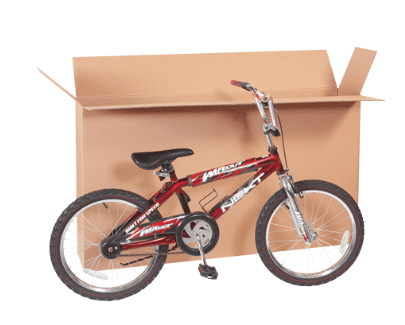
Bikes require durable, impact-resistant packaging to ensure they arrive undamaged, whether shipped to retailers, distributors, or customers. A Full Overlap Box provides superior protection against crushing, punctures, and rough handling. Here’s why they are the preferred choice for bike packaging:
- Increased Strength & Durability – The overlapping flaps create a reinforced structure, preventing crushing and minimizing movement inside the box.
- Added Protection for Fragile Components – Bikes have delicate parts like gears, chains, and brake systems that require extra care during shipping.
- Enhanced Stacking Capability – FOL boxes handle vertical pressure better, making them ideal for warehouse storage and bulk shipments.
- Custom Fit & Inserts Available – These boxes can be designed with custom inserts and foam padding to keep bike parts securely in place and prevent shifting.
- Eco-Friendly & Sustainable – Many FOL boxes are made from recycled materials and can be fully recyclable, aligning with sustainability goals.
Customizing Full Overlap Boxes for Bikes
To provide maximum protection and branding, Full Overlap Boxes can be customized to fit specific bike models and shipping needs. Some key customization options include:
- Size & Structure Customization
- Designed to fit various bike sizes, from road bikes to mountain bikes.
- Can include double-wall or triple-wall corrugated material for added protection.
- Reinforced edges and custom cut-outs for better handling.
- Protective Inserts & Cushioning
- Foam padding and corrugated inserts to keep the bike frame and parts from moving.
- Dividers for accessories like pedals, seats, and handlebars.
- Shock-absorbing corner protectors to reduce impact damage.
- Branding & Printing Options
- Custom printing for logos, handling instructions, and product details.
- Lithographic, flexographic, or digital printing to match branding requirements.
- Matte or gloss finishes for a premium look.
The Shipping & Storage Advantages of FOL Bike Boxes
When shipping bikes, damage prevention and cost efficiency are top priorities. Full Overlap Boxes help optimize shipping in the following ways:
- Easier Palletization & Secure Stacking – Their rigid structure allows for safe stacking on pallets, reducing wasted space and ensuring safe transit.
- Reduced Shipping Damage – The extra layers of corrugated flaps absorb shock and pressure, lowering the chance of returns due to damage.
- Better Handling for Warehouses & Retailers – Reinforced hand holes or built-in grip areas can be added for easier transport.
- Flat-Pack Storage Efficiency – Unassembled boxes take up minimal space until needed, making inventory storage easier.
Conclusion: Why Full Overlap Boxes Are the Best Choice for Bikes
For businesses in the cycling industry, choosing the right packaging can make a significant difference in product safety, customer satisfaction, and shipping efficiency. Full Overlap Boxes provide maximum protection, superior stacking strength, and customizable features that cater specifically to bike packaging needs. Whether you’re shipping single bikes to customers or bulk orders to retailers, these boxes offer a reliable, cost-effective, and sustainable packaging solution.
Need a custom Full Overlap Box for your bikes? Contact Brown Packaging today to discuss your packaging requirements and let our experts create the perfect solution for you!
In 2026, sustainability is no longer just a trend—it’s a buyer expectation. Forest Stewardship Council (FSC) certification has become a key benchmark for responsible packaging, signaling that materials are sourced
Sustainability is now a top priority for packaging buyers. Retailers, regulators, and consumers are all demanding packaging solutions that reduce environmental impact without sacrificing performance. In 2026, buyers must balance
Choosing the right packaging material is one of the most important decisions buyers face. Single-material packaging offers simplicity and recyclability, while multi-material designs provide enhanced performance and protection. Understanding the
One of the biggest challenges in sustainable packaging is balancing environmental responsibility with product protection. Buyers often worry that switching to eco-friendly materials means sacrificing durability or driving up costs.
Home » Why Full Overlap Boxes Are the Ultimate Bike Shipping Box

The world of packaging is an intricate system of components working together to ensure products reach consumers in pristine condition. Many packaging elements such as tape, stretch film, or boxes are commonplace in our daily lives. However, in the grand scheme of packaging, one hero often goes unnoticed: the humble edge protector. This article aims to shine a spotlight on the essential but underappreciated role of edge protectors in the realm of packaging. The Fundamentals: What are Edge Protectors? Edge protectors, often referred to as corner protectors, edge guards, or angle boards, are industrial packaging materials designed to safeguard the corners and edges of goods during storage and transportation. They are usually made from sturdy materials like plastic, metal, or most commonly, recycled cardboard. Edge protectors may appear straightforward and mundane, but they hold the essential task of shielding the products from harm and ensuring secure delivery. The Critical Role of Edge Protectors in Packaging Edge protectors are not just additional packaging components; they’re integral to maintaining the integrity of the packaged goods. Here’s why: Damage Prevention The primary purpose of edge protectors is to shield the vulnerable corners and edges of products from damage during transit. By reinforcing these vulnerable points, they decrease the likelihood of the product being affected by impacts, vibrations, or abrasions. Load Stability Edge protectors help maintain the stability of palletized goods during transit. They enable better load distribution and prevent shifting or toppling of products, making transport safer and more efficient. Strapping Protection Edge protectors also act as a buffer between strapping materials and the product, distributing the pressure applied by strapping evenly and preventing indentation or damage to the product. Enhanced Product Image By minimizing the risk of product damage, edge protectors indirectly contribute to preserving a company’s reputation. Receiving goods in perfect condition enhances customer satisfaction, promoting a positive product and brand image. The Environmental Impact: Sustainability in Focus An often-overlooked aspect of edge protectors is their contribution to sustainable packaging practices. Many edge protectors, especially those made from recycled cardboard, align with the push towards eco-friendly packaging. They are recyclable and biodegradable, reducing the overall environmental footprint of packaging. Thus, the use of edge protectors aligns with the growing consumer demand for sustainable business practices. The Economic Perspective: Cost-Efficiency in Packaging Edge protectors are cost-effective packaging solutions. They reduce the risk of product damage and associated costs of replacements or refunds. By ensuring load stability, they allow more efficient use of transportation space, saving costs in the long run. Moreover, being made from cost-effective materials like recycled cardboard, they don’t add significantly to the overall packaging expenses. Conclusion: The True Value of Edge Protectors In the world of packaging, it’s easy to overlook the quiet contributors like edge protectors. However, their role in preventing damage, promoting sustainability, and enhancing cost efficiency is invaluable. They may be unsung heroes, but the quality of the product delivery wouldn’t be the same without them. As we strive towards creating efficient, sustainable packaging solutions, the significance of edge protectors is likely to grow even more. So, the next time you see a shipment arrive in pristine condition, take a moment to appreciate the hidden champions of packaging: the edge protectors. If your interested in edge protectors, stock or custom, the contact Brown Packaging today to get started. (714)300-0650 request@brownpackaging.com Most Recent Posts: Categories: Corrugated Ecommerce ESD Design Display Flexible Packaging Foam Folding Carton Packaging Plastic Packaging Pouch Printing Protection Retail Rigid Box Thermoform Sustainability Subscribe To Our Newsletter By submitting your information, you agree to our terms and conditions and privacy policy. Stock Edge Protectors Facebook Twitter LinkedIn Pinterest Relevant Posts

Custom packaging is the process of creating unique and personalized packaging materials tailored to the specific requirements of a product, brand, or business. In today’s crowded marketplace, custom packaging plays a crucial role in enhancing the overall customer experience, promoting brand recognition, and setting businesses apart from their competitors. In this blog, we will delve deeper into custom packaging, explore its benefits, types, considerations, and additional information that businesses need to know to make informed decisions about their packaging needs. Why Custom Packaging is Important? Custom packaging provides businesses with numerous benefits, such as improved brand identity, product protection, marketing, and sustainability. Custom packaging is essential for businesses because it: Enhances Brand Identity: Custom packaging allows businesses to create packaging designs that align with their brand identity, values, and messaging. By creating unique and consistent packaging, businesses can create a lasting impression on their customers and set themselves apart from their competitors. Ensures Product Protection: Custom packaging is designed to protect the product during transportation and storage. Custom packaging ensures that the product arrives at the customer’s doorstep in perfect condition, leading to customer satisfaction and loyalty. Improves Marketing Efforts: Custom packaging can be used as a marketing tool to promote the brand, communicate product information, and increase customer engagement. Custom packaging creates a memorable experience for customers, making it an effective way to communicate brand values and messaging. Supports Sustainability Efforts: Custom packaging allows businesses to choose eco-friendly materials, reduce waste, and promote their commitment to sustainability. In today’s world, customers are environmentally conscious, making sustainability an important factor for businesses to consider. Types of Custom Packaging Businesses have numerous options when it comes to custom packaging. Depending on the product and business requirements, there are different types of custom packaging solutions available. Some popular types of custom packaging are: Printed Boxes Printed boxes are a cost-effective and customizable packaging solution for various products, including food, cosmetics, and electronics. They can be customized with various printing options, including logos, images, and product information. Printed boxes come in different sizes, shapes, and materials (chipboard, paperboard and corrugated), making them versatile and suitable for different products. Custom Bags Custom bags are an excellent packaging option for retail businesses, restaurants, and food delivery services. They can be made from different materials, including paper, plastic, and fabric, and customized with branding and design elements. Custom bags are easy to carry, lightweight, and convenient for customers, making them a popular choice for businesses. Custom Labels Custom labels are an essential component of custom packaging and can be used to display product information, branding, and marketing messages. They can be made from various materials, including paper, vinyl, and polyester, and come in different sizes, shapes, and finishes. Custom labels can be applied to different packaging materials, including boxes, bags, and jars. Custom Inserts Custom inserts are designed to protect and secure the product inside the packaging. They can be made from different materials, including foam, corrugated, plastic and molded pulp, and customized to fit the product’s dimensions. Custom inserts ensure that the product is safe and secure during transportation, reducing the risk of damage. Custom Tubes Custom tubes are a popular packaging option for products such as cosmetics, pharmaceuticals, and food items. They can be made from various materials, including paper, plastic, and metal, and customized with different printing options. Custom tubes are durable, convenient, and easy to use, making them a preferred choice for many businesses. Considerations for Custom Packaging When designing custom packaging, businesses need to consider various factors, such as product requirements, budget, materials, design, and sustainability. By taking these factors into account, businesses can create custom packaging solutions that align with their values, meet their specific requirements, and promote their brand identity effectively. Some additional considerations for custom packaging are: Product Compatibility The packaging material should be compatible with the product it is intended to protect. Businesses need to consider factors such as product fragility, moisture resistance, and temperature control to ensure that the packaging material is suitable for the product. Packaging Size The packaging size should be appropriate for the product, ensuring that it is neither too loose nor too tight. A packaging size that is too small can damage the product, while a packaging size that is too large can lead to unnecessary material waste. Budget and Cost-Effectiveness Custom packaging can be expensive, and businesses need to determine their budget and cost-effectiveness of the packaging solution. It is essential to strike a balance between cost and quality to ensure that the custom packaging solution meets the business’s specific requirements and is cost-effective. Materials The materials used for custom packaging should be eco-friendly, sustainable, and aligned with the business’s values and messaging. Businesses should consider materials such as recycled paper, biodegradable plastics, and natural fibers to promote sustainability and environmental consciousness. Design and Branding The packaging design should be visually appealing, consistent with the brand identity, and convey the product information and marketing messages effectively. Custom packaging design should be eye-catching and memorable, ensuring that the packaging creates a lasting impression on customers. Custom Packaging Regulations Businesses should be aware of the regulatory requirements for custom packaging, such as food safety regulations, labeling requirements, and environmental regulations. Compliance with these regulations ensures that the custom packaging solution is safe, legally compliant, and sustainable. Impact on Customer Experience Custom packaging plays a significant role in enhancing the overall customer experience. Businesses should consider how their custom packaging solutions impact the customer experience, such as how easy it is to open, how the packaging feels in the hands, and how well it protects the product. Logistics and Transportation Businesses should consider the logistics and transportation requirements of their custom packaging solutions. Factors such as packaging weight, dimensions, and materials can impact shipping costs, transportation logistics, and storage. Summary: Custom Packaging In conclusion, custom packaging is a valuable investment that can enhance the overall customer experience, promote brand recognition, and support sustainability efforts. Businesses should carefully consider product requirements, budget, materials, design,

When it comes to pouch packaging, the material and finish play a crucial role in the overall functionality, aesthetics, and consumer appeal of the product. These elements are not just about visual charm; they impact durability, product preservation, and brand perception. This blog post aims to provide an in-depth guide on how to consider material and finish in the design of pouch packaging. Understanding the Significance of Material and Finish in Pouch Packaging The choice of material and finish for pouch packaging is pivotal. It’s not just a matter of containing the product; it’s about preserving its quality, ensuring usability, and creating an appealing presentation that resonates with consumers. Choosing the Right Material Assess Product Needs: Perishability: For perishable goods, consider barrier properties like oxygen and moisture resistance. Weight and Form: Heavier items or liquids require stronger, more durable materials. Chemical Compatibility: Ensure the material is compatible with your product to prevent reactions or degradation. Sustainability Considerations: Eco-Friendly Options: Explore materials that are recyclable, biodegradable, or made from renewable resources. Lifecycle Impact: Consider the environmental impact of the material throughout its lifecycle, from production to disposal. Cost-Effectiveness: Balance the cost of the material with the value it adds in terms of functionality and consumer appeal. Selecting the Appropriate Finish Enhancing Aesthetics: Matte vs. Glossy: Matte finishes offer a sophisticated, modern look, while glossy finishes are bright and eye-catching. Choose based on your brand image and customer preferences. Texture: Textured finishes can provide a unique tactile experience, adding to the perceived value of the product. Functional Benefits: Protection from Damage: Finishes can offer additional protection against physical damage, UV light, and moisture. Visibility and Legibility: Consider how the finish affects the visibility of the packaging contents and the legibility of printed information. Printing and Branding: Print Compatibility: Ensure the finish works well with your chosen printing method for clear, vibrant graphics. Brand Consistency: The finish should align with your overall branding strategy, reinforcing brand identity. Innovative Material and Finish Combinations Windowed Pouches: Combine opaque materials with clear sections for product visibility. Metallic Effects: Use materials with metallic finishes for a premium look, ideal for luxury products. Consumer Experience and Interaction Ease of Use: Consider how the material and finish affect the opening, closing, and overall handling of the pouch. Unboxing Experience: The material and finish can significantly impact the unboxing experience, crucial for e-commerce products. Regulatory Compliance and Safety Ensure that the chosen materials and finishes comply with industry-specific regulations, particularly for food and pharmaceutical products. Testing and Feedback Conduct market tests and gather consumer feedback to refine your choice of materials and finishes. Conclusion The material and finish of pouch packaging are more than superficial choices; they are integral components of the product’s marketability and consumer experience. By thoughtfully considering these elements, businesses can create packaging that not only stands out on the shelf but also meets the functional demands of the product and the environmental considerations of the market. In the ever-evolving world of packaging, the right material and finish can make all the difference in capturing and retaining consumer interest. If you are interested in pouch packaging, then partner with Brown Packaging today to get started. (714)300-0650 request@brownpackaging.com Most Recent Posts: Categories: Subscribe To Our Newsletter Corrugated Ecommerce ESD Design Display Flexible Packaging Foam Folding Carton Packaging Plastic Packaging Pouch Printing Protection Retail Rigid Box Thermoform Sustainability By submitting your information, you agree to our terms and conditions and privacy policy. Custom Pouches Facebook Twitter LinkedIn Pinterest Relevant Posts