Sustainable Packaging
Explore our sustainable packaging products, including corrugated boxes, folding cartons, pouches, and stock packaging options. We offer eco-friendly materials and a variety of print and ink choices to fit your packaging needs. Choose from solutions designed to support sustainability and meet your business requirements.
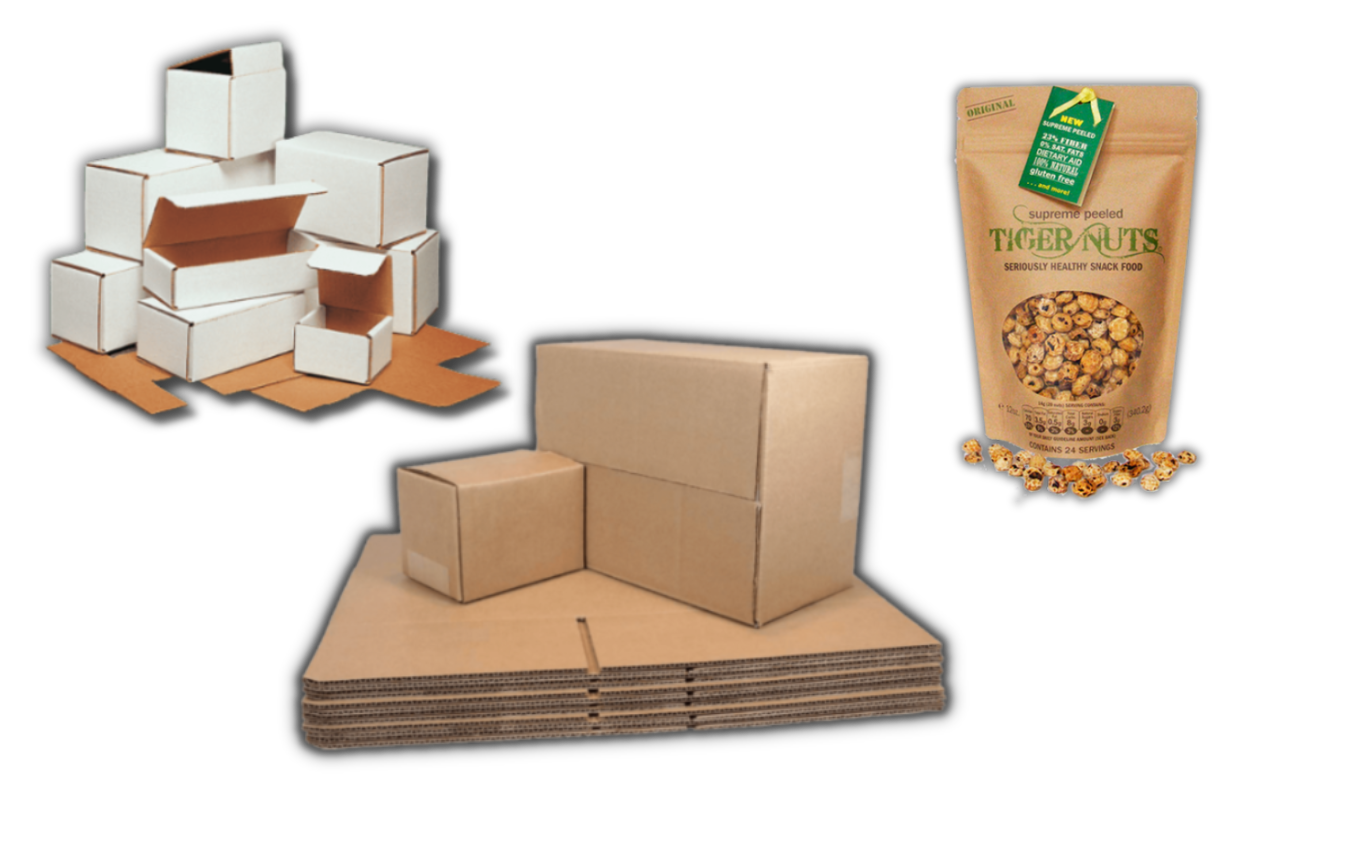
Sustainable packaging refers to the use of materials and design methods that minimize environmental impact. This can include using recyclable or biodegradable materials, reducing excess packaging, and opting for renewable resources like paper, kraft, or corrugated materials. The goal is to reduce waste, conserve energy, and lessen the overall carbon footprint of packaging.
By choosing sustainable packaging, businesses help limit the negative effects of packaging waste on the environment. These products are often recyclable, compostable, or reusable, making them a more eco-friendly option. Sustainable packaging balances the need for protection and branding with the responsibility to preserve resources for future generations.
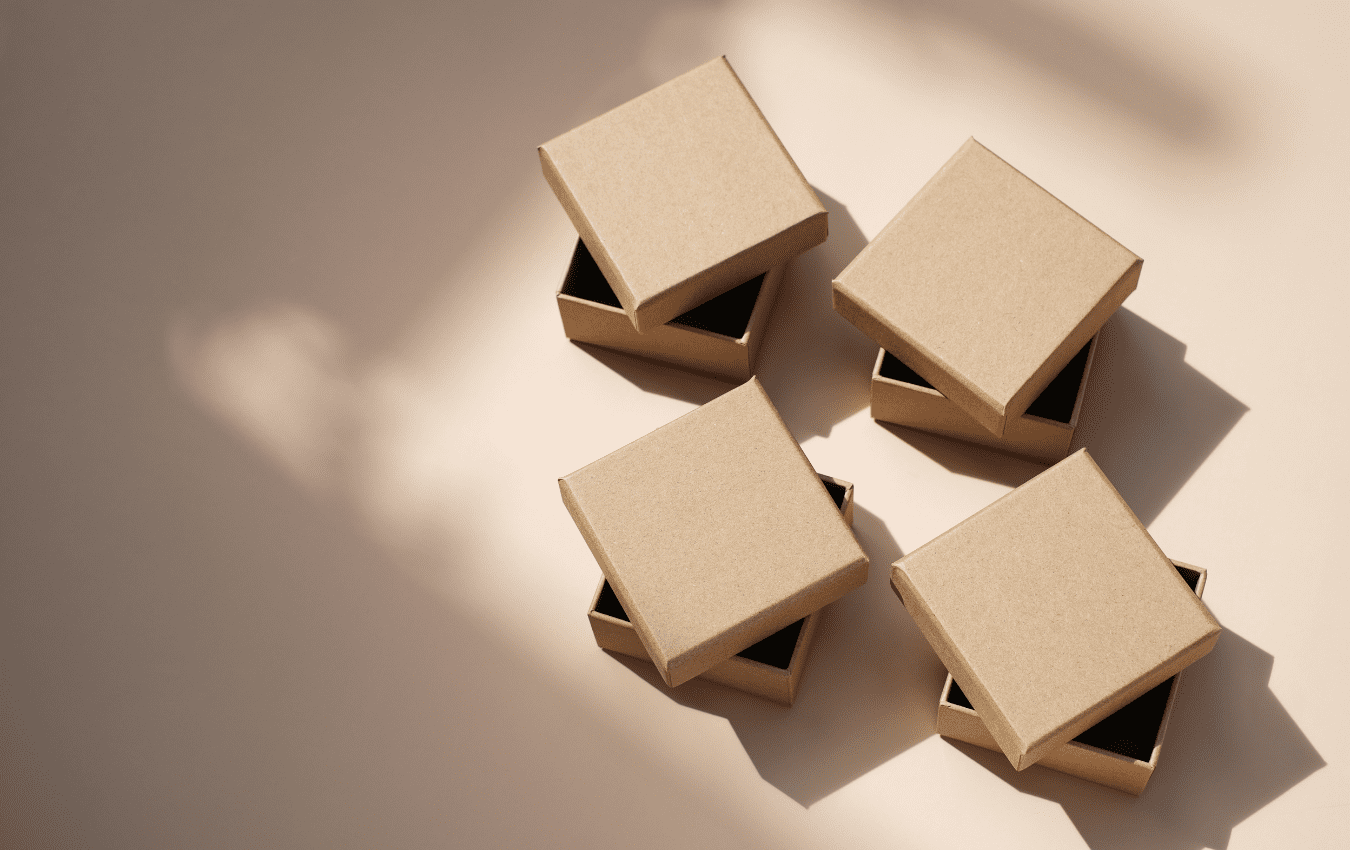
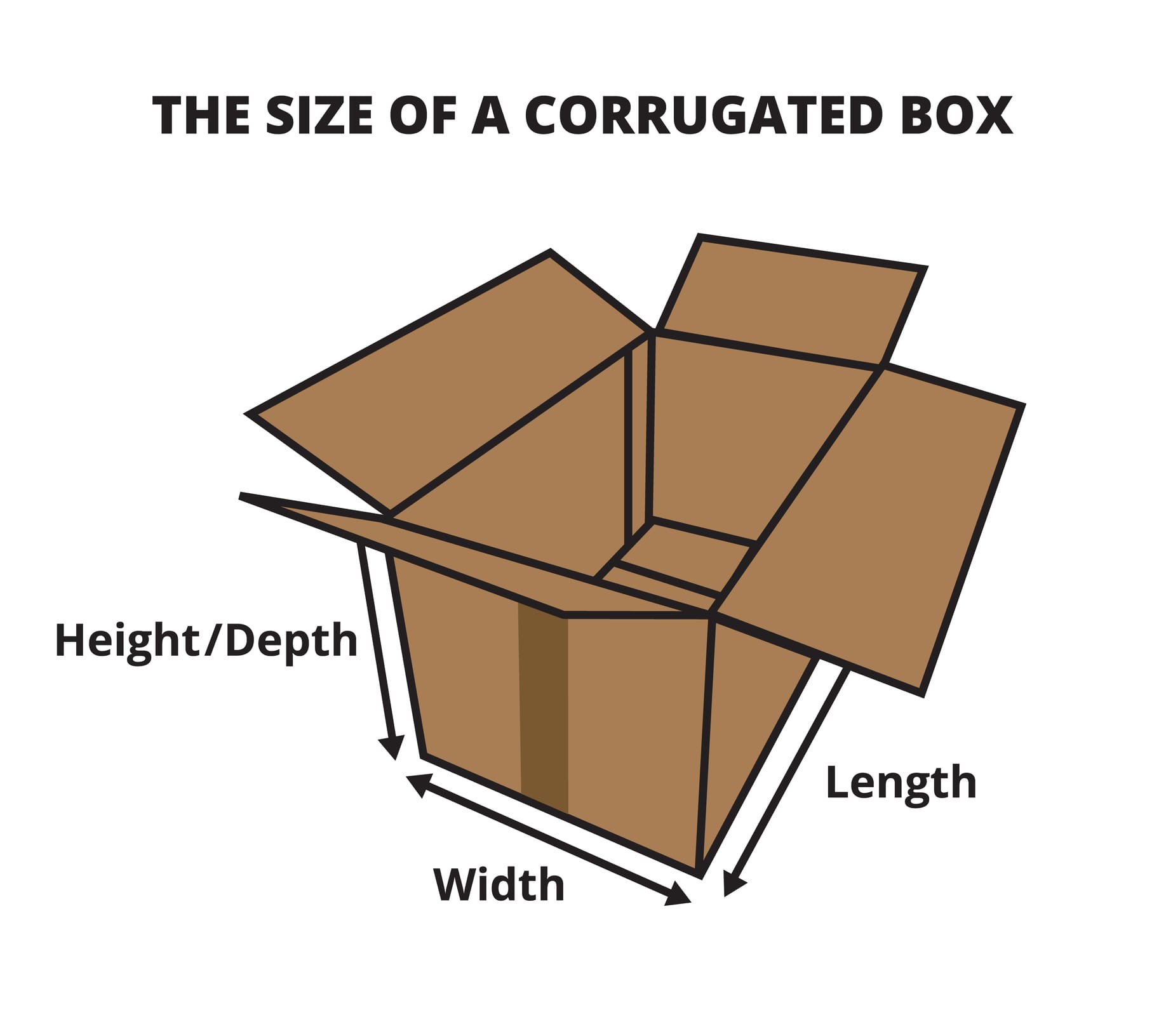
Our sustainable packaging products include custom corrugated boxes, folding cartons, pouches, and a variety of stock options. Each product is designed with eco-friendly materials to help reduce environmental impact while meeting your packaging needs.
Corrugated Boxes
- Regular slotted Container (RSC)
- Half Slotted Container (HSC)
- Full Overlap (FOL)
- Roll End Tuck Top (RETT/Mailer)
- Additional Box Styles
- Corrugated Inserts
Folding Cartons
- Straight Tuck End (STE)
- Reverse Tuck End (RTE)
- Full Seal
- Auto Bottom
- Chipboard Inserts
Pouches
- Stand Up
- Lay Flat
- Gusseted
- Retort
- Block Bottom
- Sachets
- Additional Pouch Styles
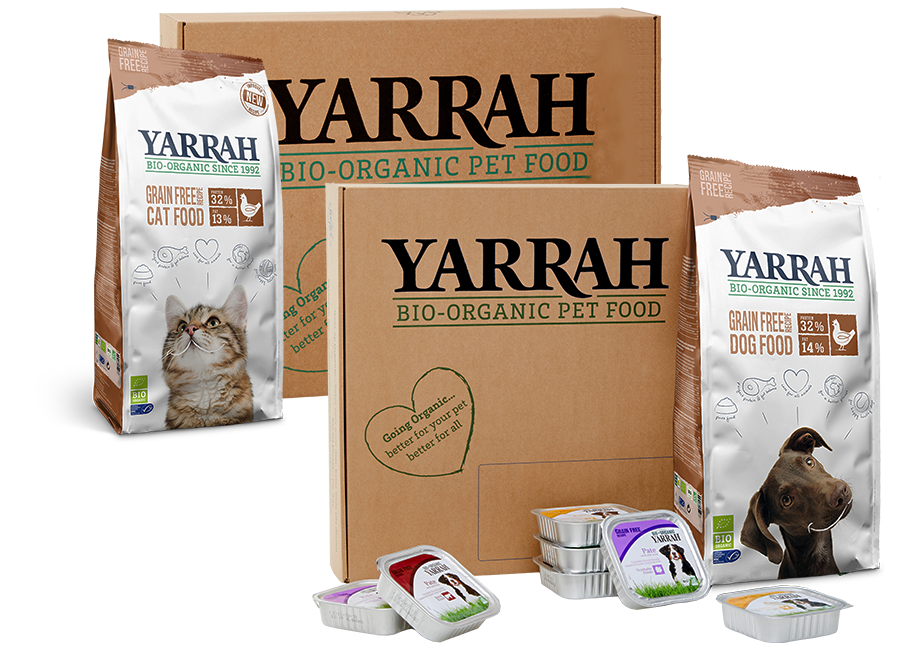
Stock Packaging Products
- Corrugated Packaging
- Shipping Boxes
- Chipboard Packaging
- Edge Protectors
- Mailers (Kraft)
- Kraft Tape
- Kraft Paper
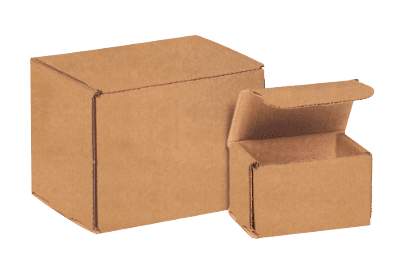
At Brown Packaging, we prioritize eco-friendly packaging solutions that help reduce environmental impact. Our commitment to green packaging ensures that we provide sustainable materials, allowing you to make responsible choices for your business and the planet.
Today, many consumers are increasingly seeking sustainable products over cheaper alternatives that are less environmentally friendly. According to a global study by Nielsen, millennials, in particular, are willing to pay more for sustainable options, but they aren’t willing to compromise on quality in the process.
At Brown Packaging, we are committed to delivering innovative, eco-friendly packaging solutions that create a better future without sacrificing quality. Whether you need stock or custom packaging, we help reduce your environmental footprint with materials that are recyclable, biodegradable, or compostable. Our focus is on balancing sustainability with the performance and durability your business requires.
- Fully Customizable
- Wide Product Selection
- Recyclable
- Biodegradable
- Compostable
- Environment Friendly Print Options and more
Today, many consumers are increasingly seeking sustainable products over cheaper alternatives that are less environmentally friendly. According to a global study by Nielsen, millennials, in particular, are willing to pay more for sustainable options, but they aren’t willing to compromise on quality in the process.
At Brown Packaging, we are committed to delivering innovative, eco-friendly packaging solutions that create a better future without sacrificing quality. Whether you need stock or custom packaging, we help reduce your environmental footprint with materials that are recyclable, biodegradable, or compostable. Our focus is on balancing sustainability with the performance and durability your business requires.
- Fully Customizable
- Wide Product Selection
- Recyclable
- Biodegradable
- Compostable
- Environment Friendly Print Options and more
Today, many consumers are increasingly seeking sustainable products over cheaper alternatives that are less environmentally friendly. According to a global study by Nielsen, millennials, in particular, are willing to pay more for sustainable options, but they aren’t willing to compromise on quality in the process.
At Brown Packaging, we are committed to delivering innovative, eco-friendly packaging solutions that create a better future without sacrificing quality. Whether you need stock or custom packaging, we help reduce your environmental footprint with materials that are recyclable, biodegradable, or compostable. Our focus is on balancing sustainability with the performance and durability your business requires.
- Fully Customizable
- Wide Product Selection
- Recyclable
- Biodegradable
- Compostable
- Environment Friendly Print Options and more
Recyclable, Biodegradable, and Compostable Packaging
When it comes to sustainability, recycling is often the most commonly discussed concept by consumers, the media, and businesses alike. However, many companies are increasingly exploring biodegradable and compostable packaging as viable alternatives to traditional recycling methods.
Recyclable packaging is designed to be processed and reused after its initial use, reducing the need for new raw materials and minimizing waste. It can be collected through recycling programs and converted into new products, helping to conserve resources and lower environmental impact. Common examples of recyclable packaging include materials like cardboard, paper, certain plastics, and metals, which can be easily sorted and reintroduced into the manufacturing cycle.
Biodegradable packaging is made from materials that naturally break down over time through the action of microorganisms, such as bacteria or fungi, without leaving harmful residues. This type of packaging is designed to decompose in the environment, helping to reduce waste in landfills and minimize pollution. Typically made from natural or plant-based materials like paper, cornstarch, or bioplastics, biodegradable packaging offers an eco-friendly alternative to traditional packaging by returning to nature without damaging the ecosystem.
Compostable packaging is designed to break down into natural elements under specific composting conditions, leaving no toxic residue behind. It typically decomposes more quickly than biodegradable packaging and must meet certain standards to ensure it fully returns to the earth as nutrient-rich compost. Made from materials like plant-based fibers or biodegradable plastics, compostable packaging provides an eco-friendly option that contributes to healthier soil when processed in commercial or home composting environments.
As sustainability becomes a top priority for businesses and consumers alike, compostable and biodegradable packaging are now essential components of eco-friendly practices. With increasing regulations and growing consumer demand for environmentally responsible products, companies must adapt to greener packaging solutions to remain competitive and compliant. The shift toward sustainable packaging is no longer optional—it’s a necessity for businesses aiming to meet modern expectations.
At Brown Packaging, we specialize in providing tailored packaging solutions that not only meet industry standards but also promote environmental responsibility. From retail compliance to government regulations, we work closely with clients to create packaging that balances performance, sustainability, and innovation, ensuring your brand stays ahead in a rapidly evolving marketplace.
Recyclable, Biodegradable, and Compostable Packaging
When it comes to sustainability, recycling is often the most commonly discussed concept by consumers, the media, and businesses alike. However, many companies are increasingly exploring biodegradable and compostable packaging as viable alternatives to traditional recycling methods.
Recyclable packaging is designed to be processed and reused after its initial use, reducing the need for new raw materials and minimizing waste. It can be collected through recycling programs and converted into new products, helping to conserve resources and lower environmental impact. Common examples of recyclable packaging include materials like cardboard, paper, certain plastics, and metals, which can be easily sorted and reintroduced into the manufacturing cycle.
Biodegradable packaging is made from materials that naturally break down over time through the action of microorganisms, such as bacteria or fungi, without leaving harmful residues. This type of packaging is designed to decompose in the environment, helping to reduce waste in landfills and minimize pollution. Typically made from natural or plant-based materials like paper, cornstarch, or bioplastics, biodegradable packaging offers an eco-friendly alternative to traditional packaging by returning to nature without damaging the ecosystem.
Compostable packaging is designed to break down into natural elements under specific composting conditions, leaving no toxic residue behind. It typically decomposes more quickly than biodegradable packaging and must meet certain standards to ensure it fully returns to the earth as nutrient-rich compost. Made from materials like plant-based fibers or biodegradable plastics, compostable packaging provides an eco-friendly option that contributes to healthier soil when processed in commercial or home composting environments.
As sustainability becomes a top priority for businesses and consumers alike, compostable and biodegradable packaging are now essential components of eco-friendly practices. With increasing regulations and growing consumer demand for environmentally responsible products, companies must adapt to greener packaging solutions to remain competitive and compliant. The shift toward sustainable packaging is no longer optional—it’s a necessity for businesses aiming to meet modern expectations.
At Brown Packaging, we specialize in providing tailored packaging solutions that not only meet industry standards but also promote environmental responsibility. From retail compliance to government regulations, we work closely with clients to create packaging that balances performance, sustainability, and innovation, ensuring your brand stays ahead in a rapidly evolving marketplace.
We provide packaging solutions designed to help reduce your carbon footprint through eco-friendly production, efficient shipping, and sustainable materials. From pallet optimization to energy-efficient manufacturing, our approach ensures that your packaging minimizes environmental impact at every stage.

Our custom structural design services allow us to minimize material use without compromising protection. By optimizing the design for strength and efficiency, we help you reduce excess packaging and the environmental costs associated with waste. Smarter packaging design means a lower carbon footprint overall.
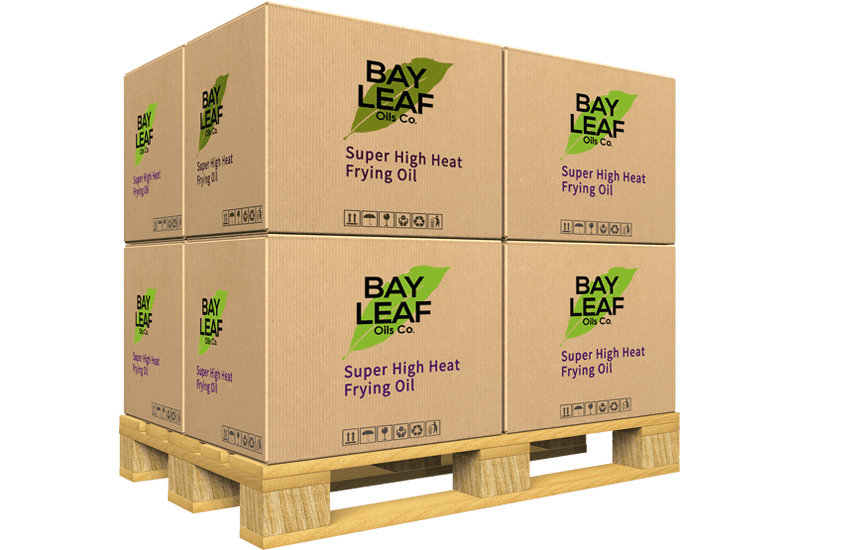
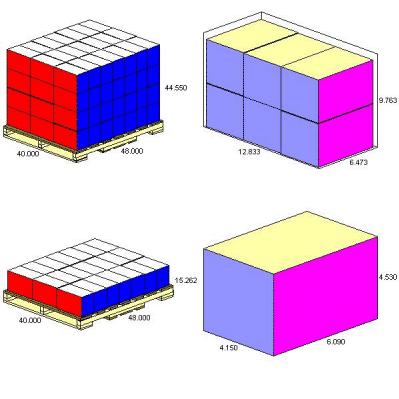
With CAPE software, we optimize pallet configurations to maximize space and load efficiency. This results in fewer trips and lower fuel usage during transportation, reducing your carbon footprint. By making the most of every pallet, we help you achieve more eco-friendly logistics.
We offer digital samples, eliminating the need for multiple physical prototypes, which reduces waste and energy use in production. By creating virtual models, we help you save resources while speeding up the design process. This eco-friendly approach helps minimize the carbon footprint of packaging development.
We focus on eco-friendly production processes that minimize waste and reduce energy consumption. By using sustainable materials and optimizing manufacturing efficiency, we help lower the carbon footprint of your packaging. This commitment to sustainable production ensures a smaller environmental impact from the start.
Our lightweight and efficient packaging solutions help reduce transportation emissions by maximizing space and minimizing weight. By designing packaging that is easy to transport, we help your business cut down on fuel consumption and overall shipping costs, contributing to a reduced carbon footprint.
We design packaging with durability and reusability in mind, extending the useful life of each product. By creating packaging that can be used multiple times before disposal or recycling, we help reduce waste and conserve resources, contributing to a smaller environmental footprint.
We prioritize sourcing materials from local suppliers to reduce transportation distances and emissions. By keeping production and distribution close to home, we help cut down on the environmental impact associated with long-distance shipping. Local sourcing ensures a more sustainable and efficient supply chain.
We offer packaging made from eco-friendly, recyclable, and biodegradable materials that reduce reliance on virgin resources. By using sustainable materials, we help decrease the carbon emissions associated with material extraction and production. This ensures that your packaging has a smaller environmental impact from the very start.
Interested In Sustainable Packaging Solutions?
Discover the latest insights on sustainable packaging by exploring our blog, where we share tips and innovations to help businesses reduce their environmental impact. Stay informed about eco-friendly packaging solutions and learn how your company can make a difference through sustainability.
As retail environments evolve, Point of Purchase (POP) displays will continue to be an essential tool for capturing consumer attention and driving in-store sales. In 2025, brands will leverage new technologies, materials, and sustainable practices to enhance consumer experiences through innovative displays. Below are the top trends expected to shape POP displays in 2025: Sustainable Materials Interactive and Digital Displays Custom and Personalized POP Displays Minimalistic and Modular Designs Augmented Reality Integration Lightweight and Portable Solutions Eco-Friendly Printing Technologies Smart Packaging Integration Reusable and Multi-Use Displays Cost-Effective POP Solutions Sustainable Materials In 2025, sustainability will remain a top priority, with more brands turning to recyclable, biodegradable, and renewable materials for their POP displays. Cardboard, corrugated materials, and plant-based plastics will dominate as companies focus on reducing their environmental footprint. These eco-friendly options will not only appeal to eco-conscious consumers but also align with corporate sustainability goals. Interactive and Digital Displays As consumers become more tech-savvy, interactive and digital POP displays will be increasingly common. In 2025, expect displays with touchscreens, motion sensors, and integrated QR codes that engage shoppers, provide product information, and enhance brand interaction. These displays offer real-time data collection, allowing brands to track engagement and fine-tune their in-store marketing strategies. Custom and Personalized POP Displays Brands will continue to push the boundaries with custom-designed POP displays that reflect their identity and values. In 2025, personalized displays that target specific audiences with tailored messaging, design elements, and product promotions will drive deeper consumer connections. This trend is especially strong in industries like cosmetics, beverages, and consumer electronics. Minimalistic and Modular Designs Minimalist designs will remain popular due to their sleek, modern look and ability to convey simplicity and sustainability. In 2025, POP displays will embrace clean lines, neutral colors, and minimalist branding to create a more premium look and feel. Additionally, modular designs that can be easily reconfigured for different products or store layouts will provide retailers with flexibility and efficiency. Augmented Reality Integration Augmented Reality (AR) is expected to make a significant impact on POP displays in 2025. Shoppers will be able to interact with AR-enabled displays through their smartphones, exploring products virtually, learning more about their features, or seeing them in use. This enhances the in-store experience and provides brands with a unique way to engage consumers while promoting their products. Lightweight and Portable Solutions Portability will be a key trend in 2025, with brands and retailers opting for lightweight POP displays that are easy to set up, move, and reconfigure. These solutions will be especially valuable for pop-up shops and temporary retail spaces, allowing for quick installation without sacrificing design or branding impact. Eco-Friendly Printing Technologies Advancements in sustainable printing methods such as water-based inks and digital printing will shape POP displays in 2025. Brands will increasingly turn to eco-friendly printing solutions that reduce chemical waste and environmental harm while maintaining high-quality graphics and designs. This trend will align with the broader movement toward sustainability in retail. Smart Packaging Integration By 2025, smart packaging will begin to merge with POP displays. RFID tags, NFC chips, or embedded sensors will allow products and displays to interact, offering more dynamic ways to connect with consumers. For example, shoppers could scan a product’s packaging at the POP display to receive personalized promotions or product details, creating a seamless integration between packaging and in-store marketing. Reusable and Multi-Use Displays As part of the broader trend toward sustainability, reusable and multi-use POP displays will gain traction. These displays can be easily rebranded or repurposed for different promotions, reducing waste and cost. In 2025, expect more companies to embrace this approach, especially for seasonal or promotional campaigns. Cost-Effective POP Solutions With the increasing demand for both sustainability and innovation, cost-effective POP displays will continue to be in high demand. Businesses will focus on balancing affordable materials, streamlined designs, and efficient production methods to create impactful displays that fit within tight budgets. Recyclable materials, lightweight structures, and digital printing advancements will help keep costs low without sacrificing quality. In 2025, the future of POP displays will center around sustainability, consumer engagement, and adaptability. Companies that embrace these trends will be well-positioned to create impactful in-store experiences that resonate with consumers and align with evolving retail and environmental expectations. If you’re interested in POP displays for 2025, then partner with Brown Packaging today to get started. (714)300-0650 request@brownpackaging.com Most Recent Posts: Categories: Corrugated Ecommerce ESD Design Display Flexible Packaging Foam Folding Carton Packaging Plastic Packaging Pouch Printing Protection Retail Rigid Box Thermoform Sustainability Subscribe To Our Newsletter By submitting your information, you agree to our terms and conditions and privacy policy. POP Displays Facebook Twitter LinkedIn Pinterest Relevant Posts

The design and prototyping phase is a pivotal step in the creation of a Point of Purchase (POP) display. It’s where the conceptual groundwork laid in the initial stages comes to fruition, through creative design and practical execution. This blog explores the detailed process of designing and prototyping a POP display, ensuring it effectively resonates with your target audience while aligning with your brand’s identity. Creative Design: Crafting the Concept Collaborating with Designers Working closely with skilled designers is crucial to transforming your ideas into tangible designs. These professionals can offer creative solutions that blend aesthetic appeal with functional design, ensuring the display is both eye-catching and effective in a retail setting. Aligning Design with Brand Identity The design of your POP display should reflect your brand’s core values and visual identity. This includes using brand-specific colors, fonts, and imagery. Consistency in design reinforces brand recognition and enhances the overall impact of your display. Focusing on Target Audience Engagement Understanding your target audience is key to effective design. The display should cater to their preferences and behaviors, which were identified during the research phase. Elements like engaging graphics, dynamic shapes, and interactive components can draw in your audience and make the display more appealing. Effective Messaging The messaging used in your POP display should be clear, concise, and compelling. It’s not just about promoting a product; it’s about communicating value and evoking a response. Whether it’s a call to action or a promotional message, the text should be easily readable and positioned strategically to catch the viewer’s attention. Prototyping: Testing and Refining the Design Building the Prototype Once the design is finalized, the next step is to create a prototype. This is a critical stage where you can see your concept materialized into a physical form. Prototyping allows you to assess the design’s practical aspects and overall impact. Visualizing in Real Environment Prototyping offers the opportunity to visualize how the display will look in its intended environment. This is the time to examine the scale, color accuracy, and placement of messaging. Seeing the display in a physical format can often highlight necessary adjustments that aren’t apparent in digital designs. Making Necessary Adjustments Based on feedback from the prototyping phase, adjustments can be made to improve the design. This might involve tweaking the size to better fit retail spaces, adjusting colors for greater impact, or refining the messaging for clearer communication. Testing Functionality and Durability It’s also important to test the prototype for functionality and durability, especially if the display will be used in high-traffic areas. This ensures that the display will withstand regular use and maintain its visual appeal over time. Conclusion The design and prototyping stages are where creativity meets practicality. By focusing on strong collaboration with designers, aligning the design with brand identity, and rigorously testing the prototype, you can ensure that your POP display not only looks appealing but also effectively achieves its marketing objectives. This process not only enhances the potential success of the display but also minimizes risks and costs associated with making changes after mass production. If you are interested in POP displays, then partner with Brown Packaging today to get started. In Conclusion Bundle packaging is a powerful strategy that can benefit both businesses and customers. It offers convenience, value, and the potential for increased sales. By understanding your audience, choosing the right products, and effectively marketing your bundles, you can tap into the potential of bundle packaging to enhance your brand and drive revenue. So, get creative, bundle up, and watch your sales soar! If you are interested in bundle packaging, then partner with Brown Packaging today to get started. (714)300-0650 request@brownpackaging.com Most Recent Posts: Categories: Corrugated Ecommerce ESD Design Display Flexible Packaging Foam Folding Carton Packaging Plastic Packaging Pouch Printing Protection Retail Rigid Box Thermoform Sustainability Subscribe To Our Newsletter By submitting your information, you agree to our terms and conditions and privacy policy. POP Displays Facebook Twitter LinkedIn Pinterest Relevant Posts

Packaging plays a crucial role in safeguarding products from various hazards that can compromise their quality, safety, and integrity. From the manufacturing floor to the store shelves and throughout the supply chain, products face several risks that can damage or spoil them if not properly addressed. In this blog, we will explore 6 of the biggest hazards to packaging and how to mitigate them effectively. Incorporate Promotional Inserts Utilize Product Recommendations Highlight Subscription or Loyalty Programs Offer Limited-Time Promotions Include Sample Products Use Packaging as a Brand Ambassador Incorporate Promotional Inserts One of the most direct and cost-effective ways to encourage repeat purchases is by including promotional inserts in your packaging. These can be anything from discount coupons to flyers advertising complementary products or upcoming sales. A thoughtfully placed insert that offers a discount on the customer’s next purchase not only drives them back to your site but also makes them more likely to try other products in your catalog. For example, if a customer purchases skincare products, you could include a flyer promoting your body care line. Cross-selling through inserts introduces customers to items they may not have considered, increasing your average order value over time. Utilize Product Recommendations Using packaging inserts to make personalized product recommendations based on a customer’s past purchases is another effective strategy. You can include suggestions for related items or new arrivals that complement what they have already bought. These recommendations make it easier for customers to discover additional products and feel as though the packaging experience was tailored to them. You can take inspiration from digital giants like Amazon, which have mastered the art of “customers who bought this also bought…” recommendations. By bringing this technique into your e-commerce packaging, you ensure a seamless cross-selling experience. Highlight Subscription or Loyalty Programs Your packaging is an ideal platform to promote loyalty programs or subscription services. By using a small card or an insert, you can introduce customers to the benefits of joining your loyalty program, such as earning points for each purchase or getting access to exclusive offers. Similarly, promoting a subscription service for consumable products like coffee, skincare, or supplements can turn occasional buyers into long-term, repeat customers. Make the enrollment process simple by including a QR code or a link that customers can easily access through their phones. Offer Limited-Time Promotions Create urgency by offering time-sensitive promotions that are delivered right inside the packaging. A card stating “15% off your next order, valid for 30 days” encourages customers to make another purchase before the offer expires. By limiting the timeframe, you incentivize them to take immediate action, which can lead to increased repeat sales. Include Sample Products Another great way to drive cross-selling is to include free samples of other products that may complement the customer’s purchase. If they buy haircare products, for example, include a sample of your latest skincare item. This allows customers to try something new without committing to a purchase, increasing the likelihood they will come back to buy it later if they like the sample. Samples serve as a low-risk method for customers to explore new products and can create excitement around future purchases. Use Packaging as a Brand Ambassador Don’t underestimate the power of well-branded packaging to reinforce your company’s message and encourage repeat business. Strong, cohesive branding across your packaging helps create a memorable unboxing experience. Adding your brand’s logo, tagline, and website URL makes it easy for customers to know where to go when they want to reorder or browse your latest products. Make sure your packaging delivers a consistent brand message, turning it into a brand ambassador that works even after the initial purchase is completed. Conclusion E-commerce packaging offers significant opportunities to promote cross-selling and repeat purchases. By incorporating thoughtful inserts, offering limited-time promotions, highlighting loyalty programs, and including samples, you can turn each package into a marketing tool that encourages ongoing engagement with your brand. Leveraging packaging in this way not only enhances the customer experience but also drives growth by turning one-time buyers into long-term, loyal customers. If you’re interested in ecommerce packaging, then partner with Brown Packaging today to get started. (714)300-0650 request@brownpackaging.com Most Recent Posts: Categories: Corrugated Ecommerce ESD Design Display Flexible Packaging Foam Folding Carton Packaging Plastic Packaging Pouch Printing Protection Retail Rigid Box Thermoform Sustainability Subscribe To Our Newsletter By submitting your information, you agree to our terms and conditions and privacy policy. Ecommerce Packaging Facebook Twitter LinkedIn Pinterest Relevant Posts