
Sustainable Packaging
Explore our sustainable packaging products, including corrugated boxes, folding cartons, pouches, and stock packaging options. We offer eco-friendly materials and a variety of print and ink choices to fit your packaging needs. Choose from solutions designed to support sustainability and meet your business requirements.
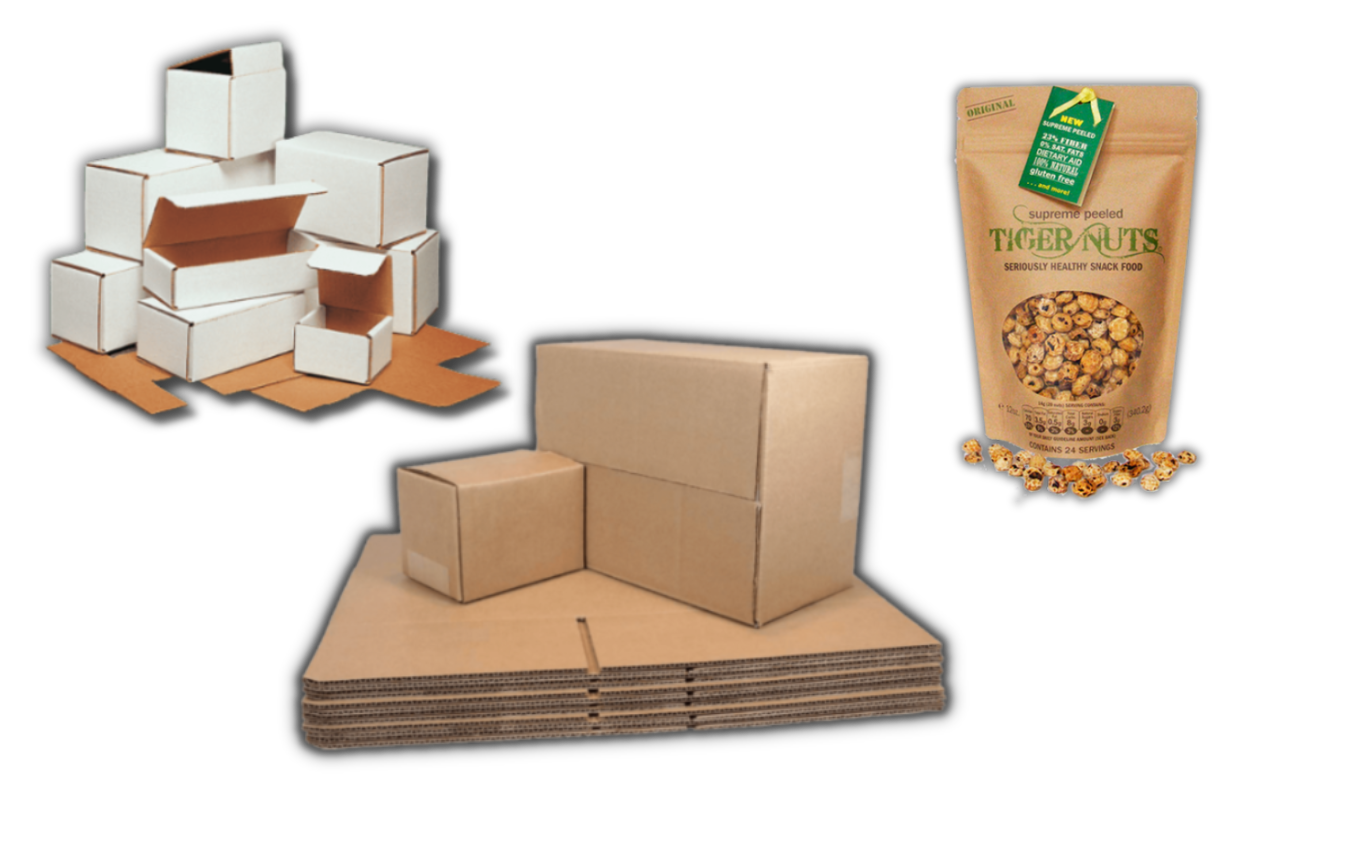
Sustainable packaging refers to the use of materials and design methods that minimize environmental impact. This can include using recyclable or biodegradable materials, reducing excess packaging, and opting for renewable resources like paper, kraft, or corrugated materials. The goal is to reduce waste, conserve energy, and lessen the overall carbon footprint of packaging.
By choosing sustainable packaging, businesses help limit the negative effects of packaging waste on the environment. These products are often recyclable, compostable, or reusable, making them a more eco-friendly option. Sustainable packaging balances the need for protection and branding with the responsibility to preserve resources for future generations.

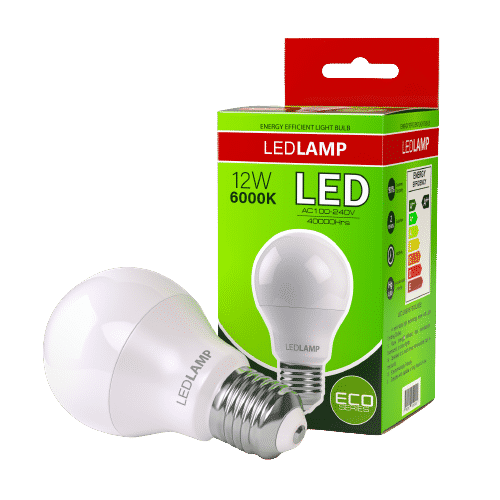
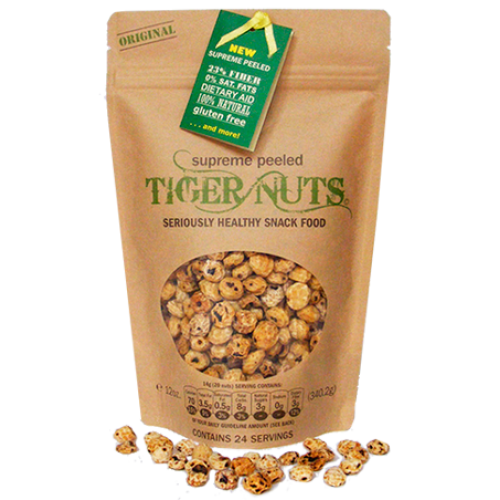
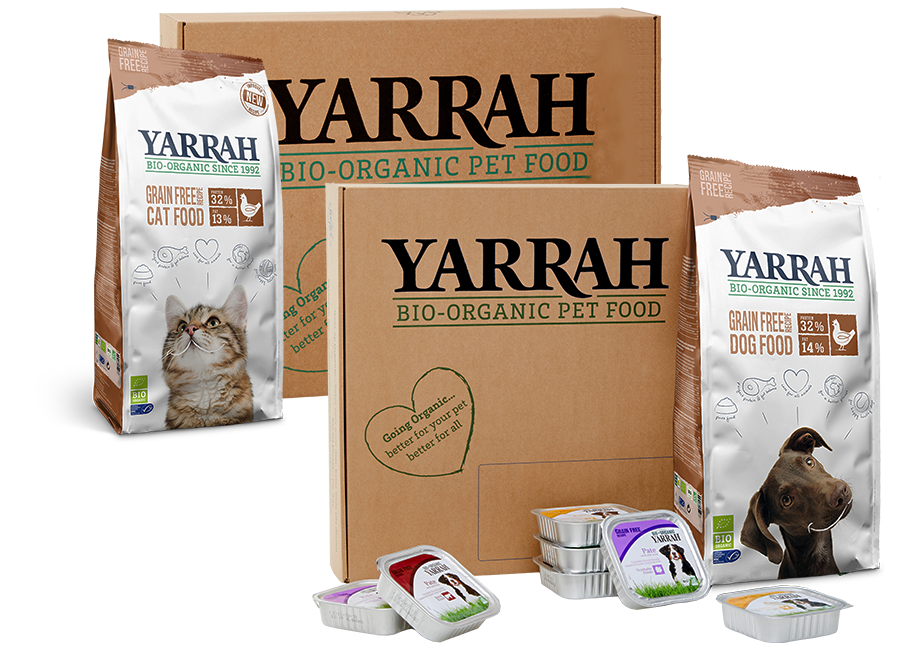
Our sustainable packaging products include custom corrugated boxes, folding cartons, pouches, and a variety of stock options. Each product is designed with eco-friendly materials to help reduce environmental impact while meeting your packaging needs.
Corrugated Boxes
- Regular slotted Container (RSC)
- Half Slotted Container (HSC)
- Full Overlap (FOL)
- Roll End Tuck Top (RETT/Mailer)
- Additional Box Styles
- Corrugated Inserts
Folding Cartons
- Straight Tuck End (STE)
- Reverse Tuck End (RTE)
- Full Seal
- Auto Bottom
- Chipboard Inserts
Pouches
- Stand Up
- Lay Flat
- Gusseted
- Retort
- Block Bottom
- Sachets
- Additional Pouch Styles
Stock Packaging Products
- Corrugated Packaging
- Shipping Boxes
- Chipboard Packaging
- Edge Protectors
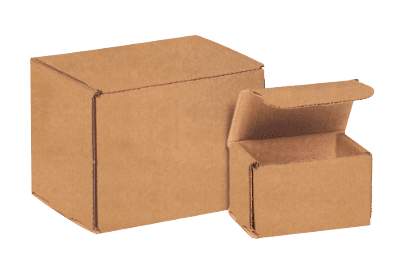
- Mailers (Kraft)
- Kraft Tape
- Kraft Paper
At Brown Packaging, we prioritize eco-friendly packaging solutions that help reduce environmental impact. Our commitment to green packaging ensures that we provide sustainable materials, allowing you to make responsible choices for your business and the planet.

Today, many consumers are increasingly seeking sustainable products over cheaper alternatives that are less environmentally friendly. According to a global study by Nielsen, millennials, in particular, are willing to pay more for sustainable options, but they aren’t willing to compromise on quality in the process.
At Brown Packaging, we are committed to delivering innovative, eco-friendly packaging solutions that create a better future without sacrificing quality. Whether you need stock or custom packaging, we help reduce your environmental footprint with materials that are recyclable, biodegradable, or compostable. Our focus is on balancing sustainability with the performance and durability your business requires.
- Fully Customizable
- Wide Product Selection
- Recyclable
- Biodegradable
- Compostable
- Environment Friendly Print Options and more
Today, many consumers are increasingly seeking sustainable products over cheaper alternatives that are less environmentally friendly. According to a global study by Nielsen, millennials, in particular, are willing to pay more for sustainable options, but they aren’t willing to compromise on quality in the process.
At Brown Packaging, we are committed to delivering innovative, eco-friendly packaging solutions that create a better future without sacrificing quality. Whether you need stock or custom packaging, we help reduce your environmental footprint with materials that are recyclable, biodegradable, or compostable. Our focus is on balancing sustainability with the performance and durability your business requires.
- Fully Customizable
- Wide Product Selection
- Recyclable
- Biodegradable
- Compostable
- Environment Friendly Print Options and more
Today, many consumers are increasingly seeking sustainable products over cheaper alternatives that are less environmentally friendly. According to a global study by Nielsen, millennials, in particular, are willing to pay more for sustainable options, but they aren’t willing to compromise on quality in the process.
At Brown Packaging, we are committed to delivering innovative, eco-friendly packaging solutions that create a better future without sacrificing quality. Whether you need stock or custom packaging, we help reduce your environmental footprint with materials that are recyclable, biodegradable, or compostable. Our focus is on balancing sustainability with the performance and durability your business requires.
- Fully Customizable
- Wide Product Selection
- Recyclable
- Biodegradable
- Compostable
- Environment Friendly Print Options and more
Recyclable, Biodegradable, and Compostable Packaging
When it comes to sustainability, recycling is often the most commonly discussed concept by consumers, the media, and businesses alike. However, many companies are increasingly exploring biodegradable and compostable packaging as viable alternatives to traditional recycling methods.
Recyclable packaging is designed to be processed and reused after its initial use, reducing the need for new raw materials and minimizing waste. It can be collected through recycling programs and converted into new products, helping to conserve resources and lower environmental impact. Common examples of recyclable packaging include materials like cardboard, paper, certain plastics, and metals, which can be easily sorted and reintroduced into the manufacturing cycle.
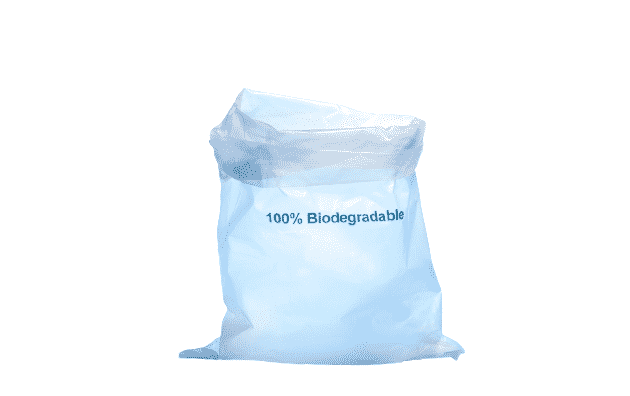
Biodegradable packaging is made from materials that naturally break down over time through the action of microorganisms, such as bacteria or fungi, without leaving harmful residues. This type of packaging is designed to decompose in the environment, helping to reduce waste in landfills and minimize pollution. Typically made from natural or plant-based materials like paper, cornstarch, or bioplastics, biodegradable packaging offers an eco-friendly alternative to traditional packaging by returning to nature without damaging the ecosystem.
Compostable packaging is designed to break down into natural elements under specific composting conditions, leaving no toxic residue behind. It typically decomposes more quickly than biodegradable packaging and must meet certain standards to ensure it fully returns to the earth as nutrient-rich compost. Made from materials like plant-based fibers or biodegradable plastics, compostable packaging provides an eco-friendly option that contributes to healthier soil when processed in commercial or home composting environments.
As sustainability becomes a top priority for businesses and consumers alike, compostable and biodegradable packaging are now essential components of eco-friendly practices. With increasing regulations and growing consumer demand for environmentally responsible products, companies must adapt to greener packaging solutions to remain competitive and compliant. The shift toward sustainable packaging is no longer optional—it’s a necessity for businesses aiming to meet modern expectations.
At Brown Packaging, we specialize in providing tailored packaging solutions that not only meet industry standards but also promote environmental responsibility. From retail compliance to government regulations, we work closely with clients to create packaging that balances performance, sustainability, and innovation, ensuring your brand stays ahead in a rapidly evolving marketplace.
Recyclable, Biodegradable, and Compostable Packaging
When it comes to sustainability, recycling is often the most commonly discussed concept by consumers, the media, and businesses alike. However, many companies are increasingly exploring biodegradable and compostable packaging as viable alternatives to traditional recycling methods.
Recyclable packaging is designed to be processed and reused after its initial use, reducing the need for new raw materials and minimizing waste. It can be collected through recycling programs and converted into new products, helping to conserve resources and lower environmental impact. Common examples of recyclable packaging include materials like cardboard, paper, certain plastics, and metals, which can be easily sorted and reintroduced into the manufacturing cycle.
Biodegradable packaging is made from materials that naturally break down over time through the action of microorganisms, such as bacteria or fungi, without leaving harmful residues. This type of packaging is designed to decompose in the environment, helping to reduce waste in landfills and minimize pollution. Typically made from natural or plant-based materials like paper, cornstarch, or bioplastics, biodegradable packaging offers an eco-friendly alternative to traditional packaging by returning to nature without damaging the ecosystem.
Compostable packaging is designed to break down into natural elements under specific composting conditions, leaving no toxic residue behind. It typically decomposes more quickly than biodegradable packaging and must meet certain standards to ensure it fully returns to the earth as nutrient-rich compost. Made from materials like plant-based fibers or biodegradable plastics, compostable packaging provides an eco-friendly option that contributes to healthier soil when processed in commercial or home composting environments.
As sustainability becomes a top priority for businesses and consumers alike, compostable and biodegradable packaging are now essential components of eco-friendly practices. With increasing regulations and growing consumer demand for environmentally responsible products, companies must adapt to greener packaging solutions to remain competitive and compliant. The shift toward sustainable packaging is no longer optional—it’s a necessity for businesses aiming to meet modern expectations.
At Brown Packaging, we specialize in providing tailored packaging solutions that not only meet industry standards but also promote environmental responsibility. From retail compliance to government regulations, we work closely with clients to create packaging that balances performance, sustainability, and innovation, ensuring your brand stays ahead in a rapidly evolving marketplace.
We provide packaging solutions designed to help reduce your carbon footprint through eco-friendly production, efficient shipping, and sustainable materials. From pallet optimization to energy-efficient manufacturing, our approach ensures that your packaging minimizes environmental impact at every stage.

Our custom structural design services allow us to minimize material use without compromising protection. By optimizing the design for strength and efficiency, we help you reduce excess packaging and the environmental costs associated with waste. Smarter packaging design means a lower carbon footprint overall.
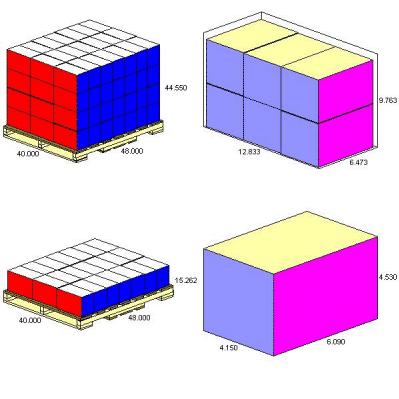
With CAPE software, we optimize pallet configurations to maximize space and load efficiency. This results in fewer trips and lower fuel usage during transportation, reducing your carbon footprint. By making the most of every pallet, we help you achieve more eco-friendly logistics.
We offer digital samples, eliminating the need for multiple physical prototypes, which reduces waste and energy use in production. By creating virtual models, we help you save resources while speeding up the design process. This eco-friendly approach helps minimize the carbon footprint of packaging development.
We focus on eco-friendly production processes that minimize waste and reduce energy consumption. By using sustainable materials and optimizing manufacturing efficiency, we help lower the carbon footprint of your packaging. This commitment to sustainable production ensures a smaller environmental impact from the start.
Our lightweight and efficient packaging solutions help reduce transportation emissions by maximizing space and minimizing weight. By designing packaging that is easy to transport, we help your business cut down on fuel consumption and overall shipping costs, contributing to a reduced carbon footprint.
We design packaging with durability and reusability in mind, extending the useful life of each product. By creating packaging that can be used multiple times before disposal or recycling, we help reduce waste and conserve resources, contributing to a smaller environmental footprint.
We prioritize sourcing materials from local suppliers to reduce transportation distances and emissions. By keeping production and distribution close to home, we help cut down on the environmental impact associated with long-distance shipping. Local sourcing ensures a more sustainable and efficient supply chain.
We offer packaging made from eco-friendly, recyclable, and biodegradable materials that reduce reliance on virgin resources. By using sustainable materials, we help decrease the carbon emissions associated with material extraction and production. This ensures that your packaging has a smaller environmental impact from the very start.
Interested In Sustainable Packaging Solutions?
Discover the latest insights on sustainable packaging by exploring our blog, where we share tips and innovations to help businesses reduce their environmental impact. Stay informed about eco-friendly packaging solutions and learn how your company can make a difference through sustainability.
Packaging is an essential element of product marketing. It not only protects the product but also plays a significant role in brand identity and consumer perception. One of the key decisions a brand must make when it comes to packaging is whether to choose stand-up pouches or flat pouches. Each option has its own set of advantages and disadvantages, making this decision crucial for the success of the product. In this blog, we will explore the factors brands should consider when deciding between standing up or laying flat for their product packaging. Stand-Up Pouches: The Pros and Cons Stand-up pouches have gained popularity in recent years for their eye-catching design and functionality. They are characterized by their ability to stand upright on store shelves. Here are some advantages and disadvantages of using stand-up pouches: Advantages of Stand-Up Pouches: Visibility and Branding: Stand-up pouches have a strong visual presence on store shelves, making it easier for consumers to spot your product. Their design allows for larger surface areas that can be customized with eye-catching graphics and branding. Space Efficiency: These pouches are space-efficient and can be stacked, maximizing shelf space utilization. This is particularly important in crowded retail environments. Reusability: Stand-up pouches often come with resealable features like zippers or spouts, which can enhance product freshness and convenience for the consumer. Eco-Friendly Options: Brands can choose eco-friendly materials for stand-up pouches, contributing to their sustainability initiatives. Disadvantages of Stand-Up Pouches: Cost: Manufacturing stand-up pouches can be more expensive compared to flat pouches due to the complexity of their design. Stability: While they stand up well on store shelves, stand-up pouches can be less stable during transportation and may require additional packaging to prevent damage. Flat Pouches: The Pros and Cons Flat pouches, also known as pillow pouches, are the traditional choice for packaging various products. They lie flat on shelves and have their own set of advantages and disadvantages: Advantages of Flat Pouches: Cost-Efficiency: Flat pouches are generally more cost-effective to produce compared to stand-up pouches, making them an attractive option for budget-conscious brands. Efficient Storage: They are stackable and take up less space, which can be especially beneficial for storage and transportation. Versatility: Flat pouches can be used for a wide range of products, from snacks to personal care items. Disadvantages of Flat Pouches: Visibility: Flat pouches may not be as eye-catching on store shelves as stand-up pouches. This can potentially lead to lower visibility and lower sales. Limited Branding Space: The smaller surface area of flat pouches limits the space available for branding and product information. Shelf Life: Some products may require airtight or resealable features that are more commonly found in stand-up pouches. Choosing the Right Option Ultimately, the decision between stand-up pouches and flat pouches should be based on the specific needs of your product and your target audience. Here are some key considerations: Product Type: Consider the nature of your product. Stand-up pouches are great for liquid products, snacks, and pet food, while flat pouches work well for items like coffee, chips, and grains. Branding and Visibility: If your brand relies heavily on eye-catching design and branding, stand-up pouches may be the better choice. However, if your product can stand out through other means or if cost is a significant concern, flat pouches might be more suitable. Budget: Evaluate your budget constraints and production costs. While stand-up pouches offer great visual appeal, they can be more expensive to produce. Environmental Considerations: If sustainability is a priority for your brand, explore eco-friendly options for both stand-up and flat pouches. Conclusion: A Future-focused Packaging Solution In conclusion, the food industry’s adoption of flexible packaging is far from arbitrary. It provides a multitude of advantages, including enhanced food safety and shelf life, sustainability, cost-effectiveness, consumer convenience, and innovative branding opportunities. As the food industry continues to evolve and consumer demands shift, flexible packaging will likely become an even more prominent feature of our grocery aisles and kitchen cupboards. It’s not just a trend—it’s a future-focused solution for a more sustainable and efficient food industry. (714)300-0650 request@brownpackaging.com Most Recent Posts: Categories: Subscribe To Our Newsletter Corrugated Ecommerce ESD Design Display Flexible Packaging Foam Folding Carton Packaging Plastic Packaging Pouch Printing Protection Retail Rigid Box Thermoform Sustainability By submitting your information, you agree to our terms and conditions and privacy policy. Custom Pouches Facebook Twitter LinkedIn Pinterest Relevant Posts

When selecting the right packaging solution, it’s crucial to understand the specific uses and benefits of different types of boxes. Half Slotted Containers (HSC) and telescopic boxes are two prevalent options in the packaging industry, each serving distinct purposes. This blog aims to clarify the primary uses of HSC boxes, particularly for storage, and how they compare to the more shipping-oriented telescopic boxes. Half Slotted Containers (HSC): Ideal for Storage Construction and Design: HSC boxes, typically made from a single sheet of corrugated or chipboard, are known for their robust construction. They consist of a flat bottom and open top, making them easily accessible for storage purposes. Strength for Storage: Their sturdy design makes HSC boxes particularly suitable for storing heavy or bulky items. They can withstand the weight of stacked items, making them an efficient choice for warehouse storage. Gaylord Boxes: A variant of HSC boxes, known as Gaylord boxes, are large-sized containers used for storing and transporting bulky items or large quantities of materials. Despite their size, they are not primarily designed for individual shipping purposes but excel in storage and bulk material handling. Eco-Friendly Option: HSC boxes are often made from recycled materials, and their simple design contributes to their recyclability, aligning with eco-friendly storage solutions. Customization for Storage: While typically used for storage, HSC boxes can be customized in size to fit specific storage needs and branded to maintain organizational consistency. Telescopic Boxes: A Shipping Favorite Versatile and Adjustable: Telescopic boxes, or two-piece boxes, consist of a separate lid and base. This design allows for flexibility in adjusting the box’s height, accommodating items of various sizes, which is ideal for shipping diverse products. Ease of Assembly for Shipping: These boxes are designed for quick assembly without additional fasteners, making them a time and labor-efficient option for shipping. Aesthetic Appeal for Deliveries: Often used for premium and luxury items, telescopic boxes offer an aesthetically pleasing unboxing experience, enhancing the perceived value of the product upon delivery. Customizable for Branding: With options for bespoke printing and finishes, telescopic boxes can be tailored to align with brand imagery, making them an excellent choice for companies looking to enhance their brand presentation in shipping. Choosing Between HSC and Telescopic Boxes Consider the Purpose: HSC boxes are more suited for storage, particularly in warehouse settings or for bulk material handling. On the other hand, telescopic boxes are ideal for shipping a range of products, providing flexibility and aesthetic appeal. Budget Constraints: For standard storage needs, HSC boxes may be more cost-effective due to their straightforward design. Telescopic boxes, while offering more customization and versatility, might come with a higher cost. Branding and Presentation: If branding is crucial, especially during shipping, telescopic boxes offer better opportunities for creating a strong visual impact. HSC boxes, while customizable, are typically more functional in appearance. Environmental Considerations: Both HSC and telescopic boxes can be eco-friendly choices, particularly when made from recycled materials. Ensure that your packaging aligns with your sustainability goals. Conclusion Understanding the specific applications and strengths of Half Slotted Containers (HSC) and telescopic boxes is key to making an informed decision in your packaging strategy. HSC boxes are an excellent choice for storage purposes, offering durability and efficiency, especially in a warehouse setting. In contrast, telescopic boxes provide the flexibility, aesthetic appeal, and customization necessary for effective shipping. Your choice will depend on whether your primary need is for reliable storage solutions or for versatile and visually appealing shipping options. If you are interested in HSC, telescopic boxes or other corrugated box options, then partner with Brown Packaging today to get started. (714)300-0650 request@brownpackaging.com Most Recent Posts: Categories: Corrugated Ecommerce ESD Design Display Flexible Packaging Foam Folding Carton Packaging Plastic Packaging Pouch Printing Protection Retail Rigid Box Thermoform Sustainability Subscribe To Our Newsletter By submitting your information, you agree to our terms and conditions and privacy policy. Custom Corrugated Boxes Facebook Twitter LinkedIn Pinterest Relevant Posts

As 2025 approaches, the U.S. packaging industry faces a new reality with tariffs that aim to prioritize domestic sourcing and manufacturing. These changes could disrupt supply chains, increase costs, and reshape procurement strategies for packaging buyers. Preparing for these tariffs now can help businesses minimize challenges and capitalize on potential opportunities. Here’s a comprehensive guide to getting your packaging operations ready for the evolving landscape. Understanding the Impact of Tariffs on Packaging Tariffs are taxes on imported goods designed to encourage domestic production. While these measures can boost local manufacturing, they also bring challenges: Higher Costs for Imported Materials: Common materials like corrugated board, flexible plastics, and metals may become more expensive due to tariffs. Supply Chain Adjustments: Companies that rely on international suppliers must rethink their sourcing strategies to mitigate delays and costs. Uncertain Market Dynamics: Tariff-induced price changes may lead to shifts in supplier relationships and product availability. To stay competitive, packaging buyers need to adapt their processes, relationships, and strategies proactively. Strategies to Prepare for Tariffs Evaluate Your Current Supply Chain The first step in preparing for tariffs is understanding your current supply chain. Assess where your materials and products come from and identify potential tariff-affected areas. Key Questions to Ask: Are your suppliers located internationally or domestically? Which materials or products are likely to face tariff increases? What alternatives are available in the domestic market? This evaluation will help pinpoint vulnerabilities and guide your next steps. Strengthen Relationships with Domestic Suppliers Tariffs are expected to increase demand for U.S.-based packaging suppliers. Building strong relationships now can secure your position as a priority customer and ensure access to materials. Action Steps: Reach out to domestic manufacturers to discuss capacity and lead times. Negotiate long-term contracts to lock in pricing and availability. Explore local sourcing options for commonly used materials. Diversify Your Supplier Base Relying on a single supplier or region for your packaging needs can leave you vulnerable to tariff-related disruptions. Diversification ensures flexibility and reduces risk. How to Diversify: Identify backup suppliers both domestically and internationally. Split orders among multiple vendors to avoid over-reliance on one source. Work with distributors who can provide access to a variety of suppliers. Optimize Packaging Design Innovative packaging design can help reduce material costs and simplify production, making it easier to adapt to tariff-related changes. Design Adjustments to Consider: Lightweight: Use thinner or lighter materials to reduce overall costs. Simplified Components: Opt for mono-material designs that are easier to source domestically. Right-Sizing: Tailor packaging dimensions to minimize material waste. Focus on Cost Management Tariffs may increase expenses, but careful cost management can help offset their impact. Cost-Saving Measures: Consolidate orders to take advantage of bulk discounts. Streamline inventory management to avoid overstocking or last-minute purchases. Negotiate payment terms with suppliers to improve cash flow. Leverage Technology for Planning Advanced technology can provide valuable insights and improve decision-making during times of change. Useful Tools: Supply Chain Analytics: Identify risks and optimize sourcing strategies. Inventory Management Systems: Monitor stock levels and forecast future needs accurately. Tariff Calculators: Estimate the financial impact of tariffs on your materials and products. Stay Informed About Policy Changes Tariff policies can evolve, and staying updated is crucial to making informed decisions. Monitor industry news and maintain open communication with suppliers and trade associations. How to Stay Updated: Subscribe to packaging industry publications. Attend trade shows and seminars focusing on tariff and supply chain management. Build relationships with customs brokers and trade consultants for expert advice. Opportunities Amid the Challenges While tariffs may present hurdles, they also create opportunities for growth and innovation within the packaging industry: Domestic Sourcing Incentives: Strengthening local supply chains can reduce reliance on global markets and enhance long-term stability. Sustainability Improvements: Transitioning to local, eco-friendly materials can align with both regulatory requirements and consumer demand. Market Differentiation: Companies that adapt quickly can position themselves as reliable partners in the new tariff landscape. Action Plan for Packaging Buyers To prepare for tariffs effectively, packaging buyers should focus on the following: Conduct a Supply Chain Audit: Identify potential vulnerabilities and alternatives. Collaborate with Suppliers: Build strong relationships with domestic partners. Plan for Flexibility: Diversify suppliers and inventory to remain adaptable. Invest in Innovation: Optimize packaging design and explore cost-saving measures. Stay Proactive: Monitor policy updates and engage with industry experts. Conclusion Preparing for tariffs in 2025 requires strategic planning and proactive decision-making. By understanding their impact and taking steps to adapt, packaging buyers can mitigate risks and position their businesses for success. Whether it’s optimizing your supply chain, exploring new materials, or leveraging technology, the key is to act now and embrace the changes ahead. If you are interested in preparing or adjusting to tariffs for your packaging, then partner with Brown Packaging today to get started. (714)300-0650 request@brownpackaging.com Most Recent Posts: Categories: Corrugated Ecommerce ESD Design Display Flexible Packaging Foam Folding Carton Packaging Plastic Packaging Pouch Printing Protection Retail Rigid Box Thermoform Sustainability Subscribe To Our Newsletter By submitting your information, you agree to our terms and conditions and privacy policy. Custom Packaging Facebook Twitter LinkedIn Pinterest Relevant Posts