



window.uetq = window.uetq || []; window.uetq.push(‘event’, ‘submit_lead_form’,{ event_label:‘SUBMIT MESSAGE’ }); window.lintrk('track', { conversion_id: 10271009 }); window.lintrk('track', { conversion_id: 10271017 });

Stock Packaging

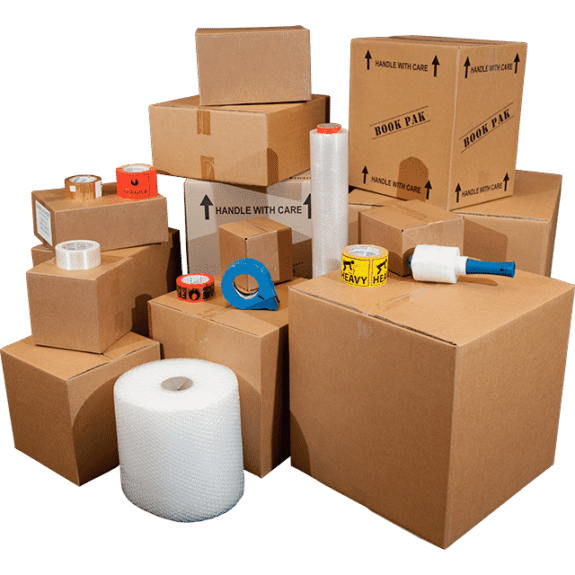
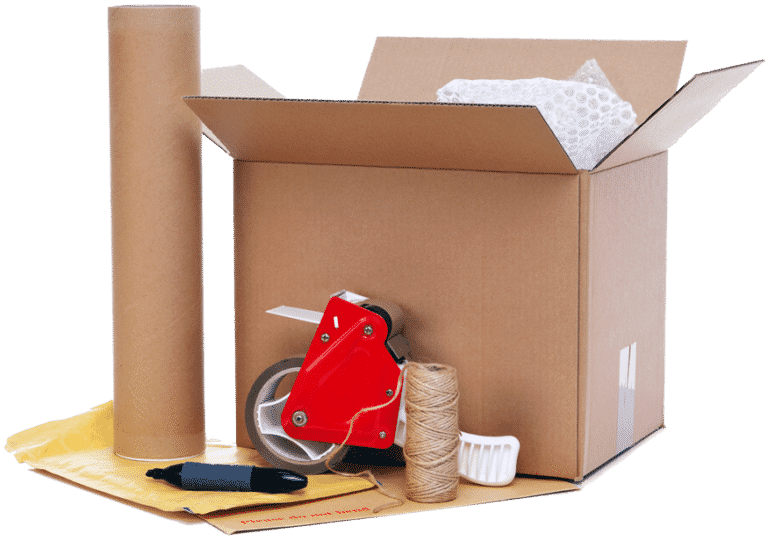
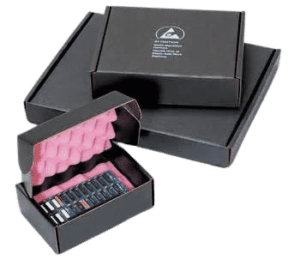
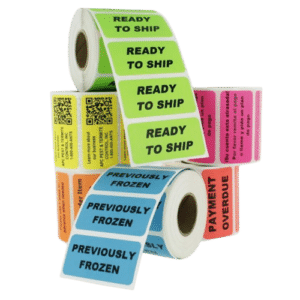
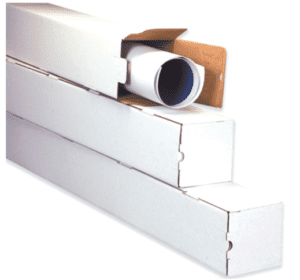
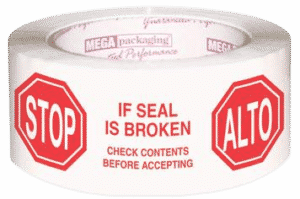
We supply businesses with a wide selection of essential packaging, shipping, and warehouse supplies. Get any standard packaging product by dimension or style from boxes, tubes, tapes, labels, and more. If you are unsure on what type of packaging you will need, then contact us for an expert consultation.


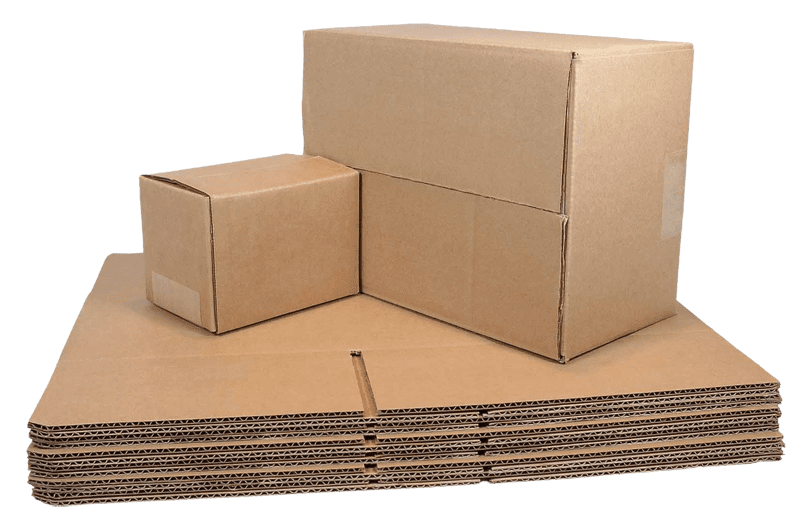
Stock packaging refers to pre-made, ready-to-ship packaging solutions like corrugated boxes, mailers, and protective materials that are designed to meet a wide range of standard needs across shipping, retail, and storage. Unlike custom packaging, stock options offer quick availability and reliable protection without the need for extensive design or production time, making them ideal for businesses needing efficient, high-quality solutions with fast lead times.

At Brown Packaging, we focus on providing durable, performance-driven stock packaging that supports our clients’ operational needs. Our stock products are sourced to ensure consistent quality and cost-effectiveness, offering a practical solution to keep operations running smoothly and on schedule. With an emphasis on reliability, we help our clients quickly access packaging solutions that meet their specific needs while maintaining quality across every order.

stock packaging products

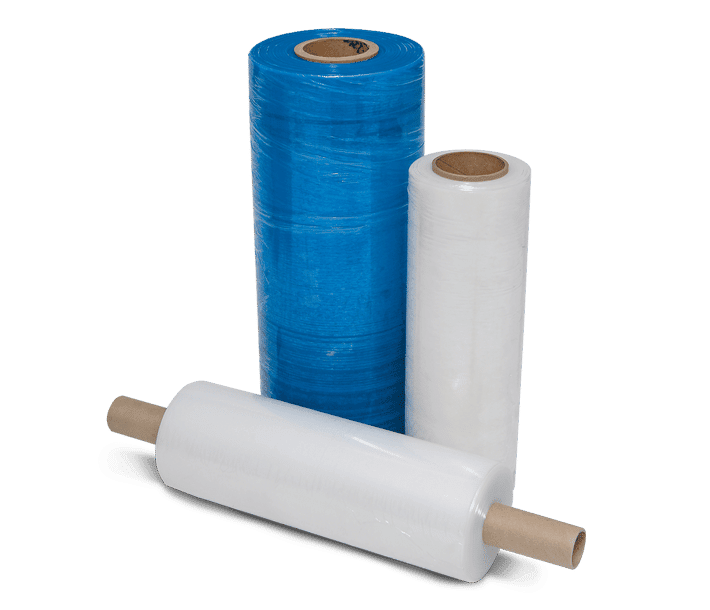
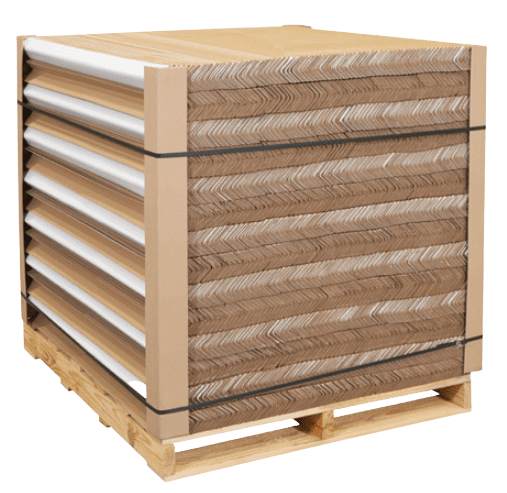
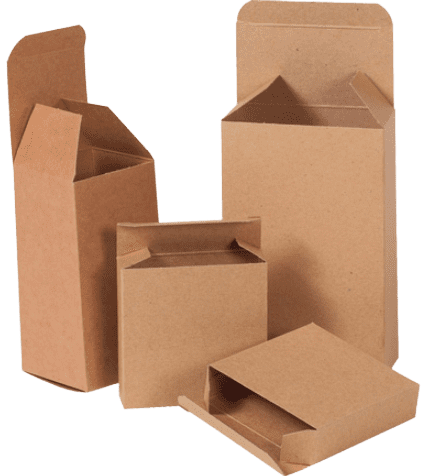
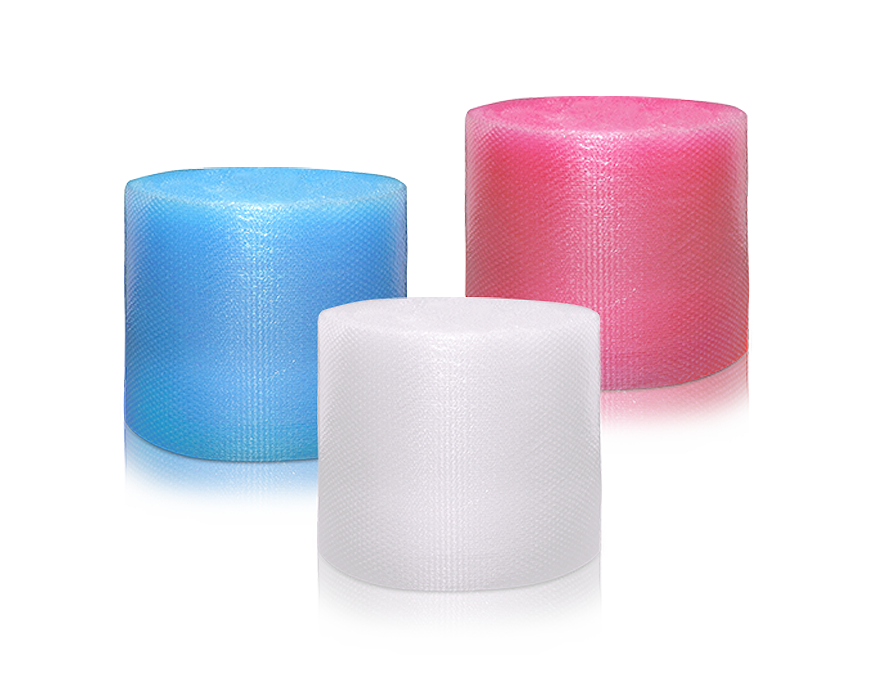
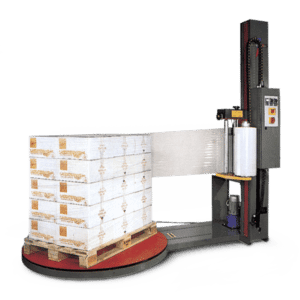
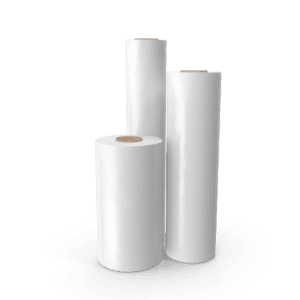
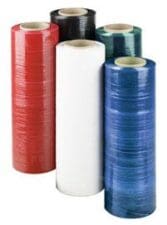
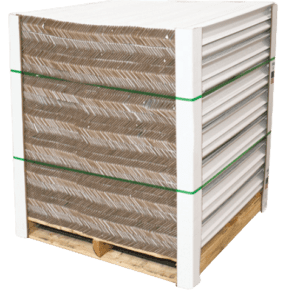
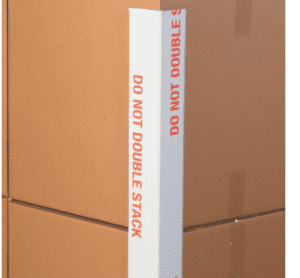
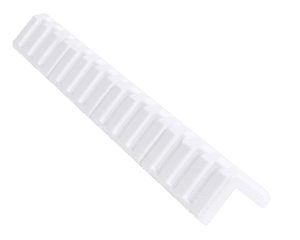
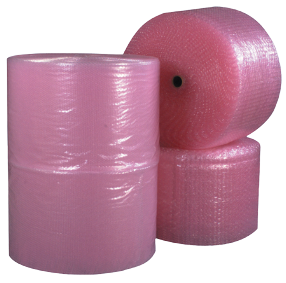
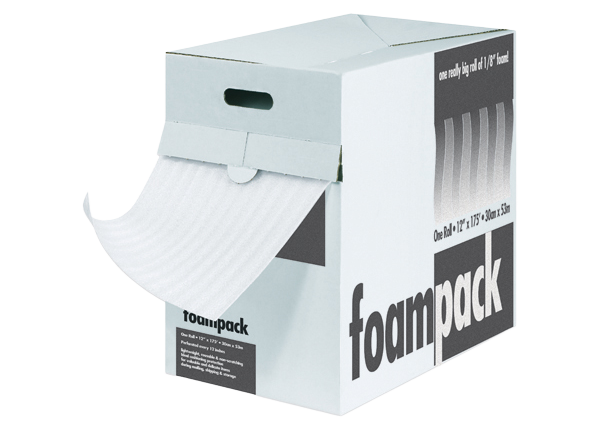
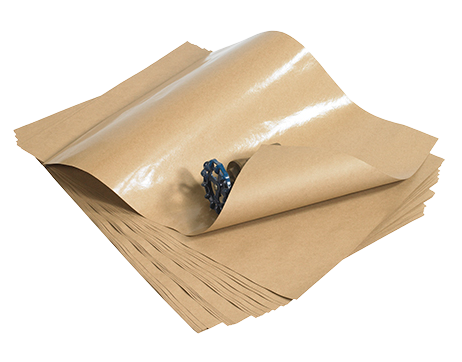
Our stock packaging products, from corrugated boxes to stretch film, offer a wide selection, including essentials like tape, edge protectors, labels, and more, with quick turnaround times to meet your packaging needs efficiently.

Edit Content
Edit Content
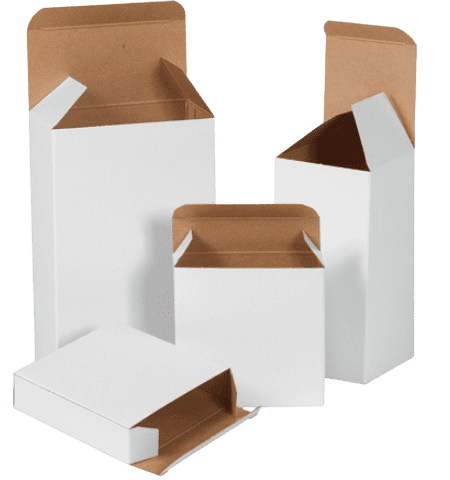
Folding Cartons
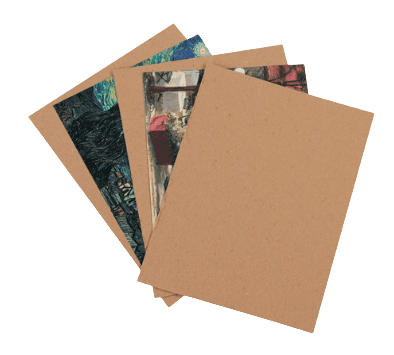
Pads
Apparel Boxes
Jewelry Boxes
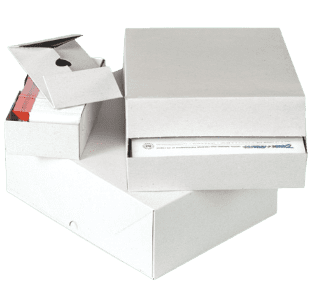
Setup Cartons
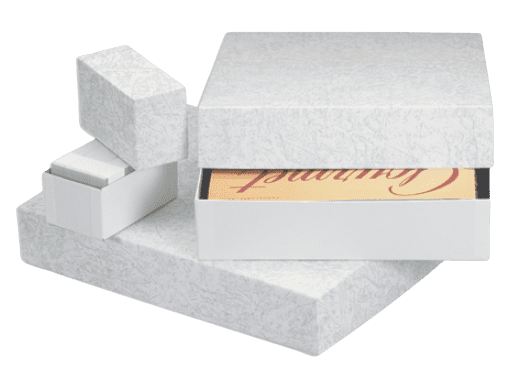
Stationary Cartons
Edit Content
Cast Film
Blown Film
Conventional Film
Engineered Film
Pre-Stretched Film
Hand Film
Machine Film
Edit Content
Light Duty
Medium Duty
Heavy Duty
Foam
Strapping
Frame Protectors
Edit Content
Edit Content
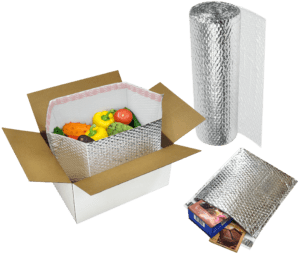
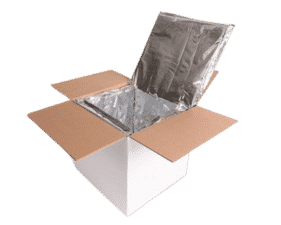
Box Liner
Metalized Pouch
Foam Cooler
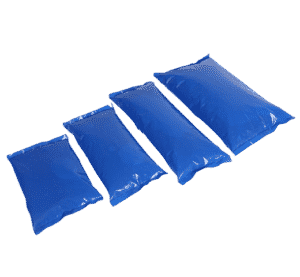
Ice Pack
Gel Pack
Edit Content
Edit Content
Edit Content
Folding Cartons
Pads
Apparel Boxes
Jewelry Boxes
Setup Cartons
Stationary Cartons
Edit Content
Cast Film
Blown Film
Conventional Film
Engineered Film
Pre-Stretched Film
Hand Film
Machine Film
Edit Content
Click on the Edit Content button to edit/add the content.
Edit Content
Edit Content
Box Liner
Metalized Pouch
Foam Cooler
Ice Pack
Gel Pack
Edit Content

If you need any assistance with your packaging or have a question, then contact us directly at request@brownpackaging.com  or  (714)300-0650. Learn more about custom packaging by reading our blog posts on new and trending topics.

Guide to Thermoforming Plastics: Properties, Applications, and Sustainability
Thermoform
brownpackaging
Guide to Thermoforming Plastics in Packaging

Thermoforming is a critical process in the manufacturing of diverse products, especially prominent in the packaging industry. This guide offers a detailed examination of the key thermoforming plastics, focusing on their properties, applications, and sustainability efforts to guide manufacturers in selecting the most appropriate materials for their needs. Key Thermoforming Plastics and Their Applications Polyethylene Terephthalate (PET) and PETG Properties: PET is highly resistant to environmental factors, while PETG offers excellent clarity and impact strength. Applications: Both are used extensively in food and beverage containers, with PETG also favored in medical packaging due to its ease of forming and sealing. Polypropylene (PP) Properties: Chemical-resistant, rigid, with good impact strength and temperature resilience. Applications: PP is ideal for consumer packaging, especially food containers that require microwave and dishwasher safety. High Impact Polystyrene (HIPS) Properties: Offers good impact strength and rigidity, suitable for vacuum forming. Applications: Essential in packaging for food, medical trays, and as electrical insulation. Polyvinyl Chloride (PVC) Properties: Versatile, offering excellent chemical resistance and a range from flexible to rigid. Applications: Used in transparent packaging, medical tubing, and blister packs, adaptable for clear or opaque products. Polyethylene Terephthalate (PET) Polyvinyl Chloride (PVC) Polypropylene (PP) Environmental Considerations Sustainability is increasingly critical in material selection. Materials like PP, PETG, and HDPE are favored for their recyclability and minimal ecological footprint. Innovations in bioplastics and advanced recycling processes are pivotal in reducing the environmental impacts of these materials, promoting a more sustainable manufacturing landscape.For inquiries about thermoform packaging solutions, please contact Brown Packaging. We’re here to assist you with your packaging needs. For inquiries about thermoform packaging solutions, please contact Brown Packaging. We’re here to assist you with your packaging needs. (714)300-0650 request@brownpackaging.com Most Recent Posts: Categories: Corrugated Ecommerce ESD Design Folding Carton Packaging Plastic Packaging Protection Retail Rigid Box Thermoform Subscribe To Our Newsletter By submitting your information, you agree to our terms and conditions and privacy policy. Thermoform Packaging Facebook Twitter LinkedIn Pinterest Relevant Posts

Read More »
Understanding Customer Packaging Preferences: A Brand Guide
Packaging
brownpackaging
Understanding Customer Packaging Preferences

In a marketplace where packaging can significantly influence purchasing decisions, understanding what resonates with customers is essential for brands. This guide offers actionable strategies for brands to comprehend and meet their customers’ packaging preferences effectively. Engaging Directly with Customers Direct customer feedback is invaluable in understanding packaging preferences. Customer Surveys and Feedback Forms: Implement surveys or feedback forms post-purchase or through digital platforms to gather insights into customers’ packaging preferences. Questions should be specific, covering aspects like design, material, functionality, and sustainability. Social Media Engagement: Utilize social media platforms to engage with customers. Conduct polls, ask questions, and create interactive content focused on packaging preferences. Monitor comments and messages for unsolicited feedback and trends. Utilizing Market Research Structured market research can uncover broader trends and preferences in packaging. Focus Groups: Conduct focus group sessions with target demographics to get in-depth insights into their packaging likes and dislikes. Present different packaging options and gather feedback on each. Competitive Analysis: Study competitors’ packaging strategies to identify what works well in your industry. Note customer reactions and reviews of these packages for insights. Analyzing Sales and Data Trends Sales data and analytics can provide objective insights into customer preferences. Sales Data Analysis: Review sales data to see if changes in packaging correlate with changes in sales performance. Look for patterns where packaging enhancements have led to increased customer interest or sales. Website and E-commerce Analytics: Use analytics tools to track customer interactions with packaging options displayed online. Note which packaging styles are more likely to lead to conversions. Experimentation and A/B Testing Experimenting with packaging can offer direct feedback from the market. Pilot Testing: Test new packaging designs in a controlled environment or market segment. Compare customer responses and sales data to standard packaging. A/B Testing: In digital settings, use A/B testing to see which packaging visuals or descriptions perform better. Gathering In-Store Insights For physical retail, in-store observations and interactions can be revealing. Customer Observations: Observe how customers interact with different packaging designs in-store. Note which packaging styles grab attention or lead to more prolonged engagement. In-Store Customer Feedback: Collect feedback through in-store surveys or casual customer conversations. Train staff to gather informal feedback during customer interactions. Sustainability Considerations Sustainability in packaging is increasingly important for consumers. Eco-Friendly Options: Explore sustainable packaging materials and designs. Communicate your brand’s commitment to the environment through packaging choices. If you are interested in packaging that aligns with your customers preference’s preferences, then partner with Brown Packaging today to get started. (714)300-0650 request@brownpackaging.com Most Recent Posts: Categories: Corrugated Ecommerce ESD Design Display Flexible Packaging Foam Folding Carton Packaging Plastic Packaging Pouch Printing Protection Retail Rigid Box Thermoform Sustainability Subscribe To Our Newsletter By submitting your information, you agree to our terms and conditions and privacy policy. Custom Packaging Facebook Twitter LinkedIn Pinterest Relevant Posts

Read More »
The Importance of Ease of Assembly in Packaging
Packaging
brownpackaging
The Importance of Ease of Assembly in Packaging

In the fast-paced world of retail and e-commerce, the ease of assembly in packaging plays a pivotal role in the overall efficiency and customer satisfaction. Simple and efficient packaging is not just a convenience; it’s a crucial factor that can significantly impact a business’s operational efficiency and the customer’s unboxing experience. This blog post explores the various aspects of ease of assembly in packaging and its wide-ranging implications. Why Ease of Assembly Matters The efficiency of packaging assembly directly affects the speed and cost of the production process. For businesses, especially those with high-volume shipments, packaging that is quick and easy to assemble can lead to significant time and cost savings. Moreover, for the end consumer, easy-to-assemble packaging enhances the unboxing experience, contributing to overall satisfaction and brand perception. Implications for Operational Efficiency Reduced Labor Costs: Packaging that is simple to assemble requires less manual labor, reducing the cost of packaging operations. Faster Turnaround Times: When packaging can be assembled quickly, products can be packed and shipped out more rapidly, increasing the throughput of orders. Minimized Error Rates: Simplified assembly processes reduce the likelihood of errors during packaging, leading to fewer returns and customer complaints. Enhancing Customer Experience User-Friendly Unboxing: Easy-to-assemble packaging also means easy-to-open packaging. A hassle-free unboxing experience is highly valued by customers and can be a deciding factor in repeat purchases. Brand Perception: Packaging that is thoughtfully designed for easy assembly reflects positively on a brand, enhancing its reputation for customer-centricity and innovation. Sustainability Benefits Reduced Material Usage: Efficiently designed packaging often uses fewer materials, which is not only cost-effective but also environmentally friendly. Increased Recyclability: Simplified packaging structures are generally easier to disassemble and recycle, aligning with growing consumer demands for sustainable packaging solutions. Innovation in Packaging Design Design for Assembly: The focus on ease of assembly has led to innovative packaging designs. For instance, self-locking mechanisms, intuitive folds, and interlocking tabs eliminate the need for additional packing materials like tape or staples. Material Innovations: Advances in materials also contribute to ease of assembly. Lightweight, flexible, yet sturdy materials can simplify the packaging process while ensuring product protection. Tailoring to Product Needs Customized Solutions: The ease of assembly should be considered alongside the specific requirements of the product. For fragile or high-value items, the packaging might need additional protective features, which should be integrated without complicating the assembly process. Versatility: Ideally, packaging should be versatile enough to accommodate various product sizes or types, without compromising on the ease of assembly. The Role of Automation Automated Packaging Lines: In larger operations, packaging assembly is often automated. The design of packaging needs to be compatible with automated systems, which can further enhance efficiency and reduce labor costs. If you are interested in improving the ease of assembly of your packaging, then partner with Brown Packaging today to get started. (714)300-0650 request@brownpackaging.com Most Recent Posts: Categories: Corrugated Ecommerce ESD Design Display Flexible Packaging Foam Folding Carton Packaging Plastic Packaging Pouch Printing Protection Retail Rigid Box Thermoform Sustainability Subscribe To Our Newsletter By submitting your information, you agree to our terms and conditions and privacy policy. Custom Packaging Facebook Twitter LinkedIn Pinterest Relevant Posts

Read More »