


window.uetq = window.uetq || []; window.uetq.push(‘event’, ‘submit_lead_form’,{ event_label:‘SUBMIT MESSAGE’ }); window.lintrk('track', { conversion_id: 10271009 }); window.lintrk('track', { conversion_id: 10271017 });

Stock Packaging

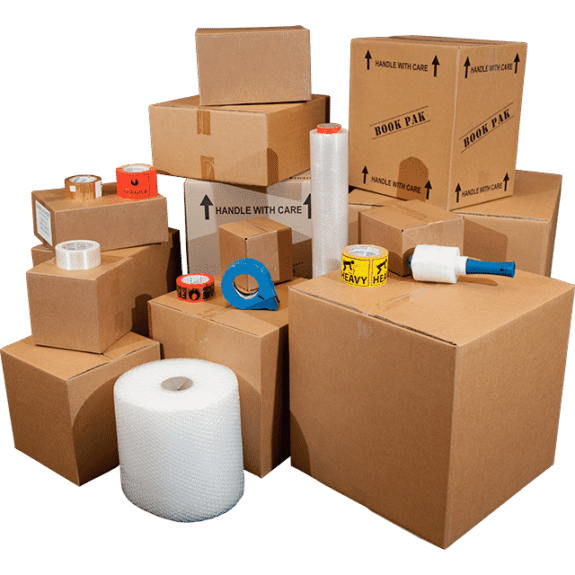
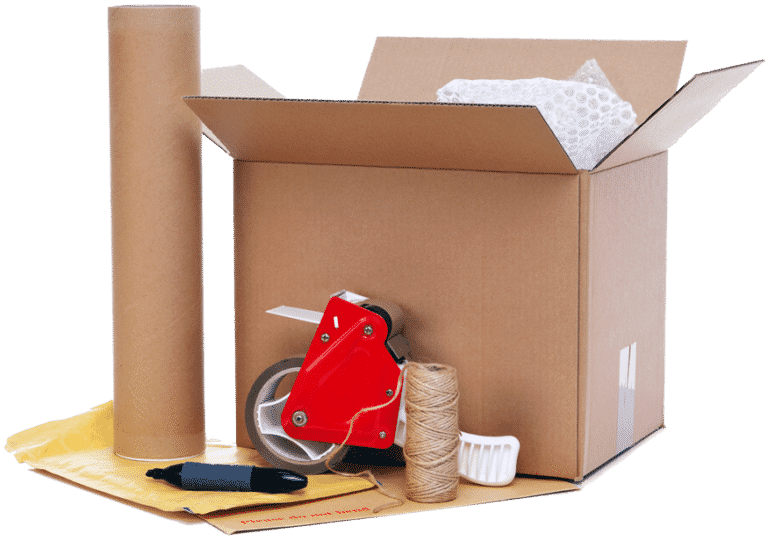
We supply businesses with a wide selection of essential packaging, shipping, and warehouse supplies. Get any standard packaging product by dimension or style from boxes, tubes, tapes, labels, and more. If you are unsure on what type of packaging you will need, then contact us for an expert consultation.


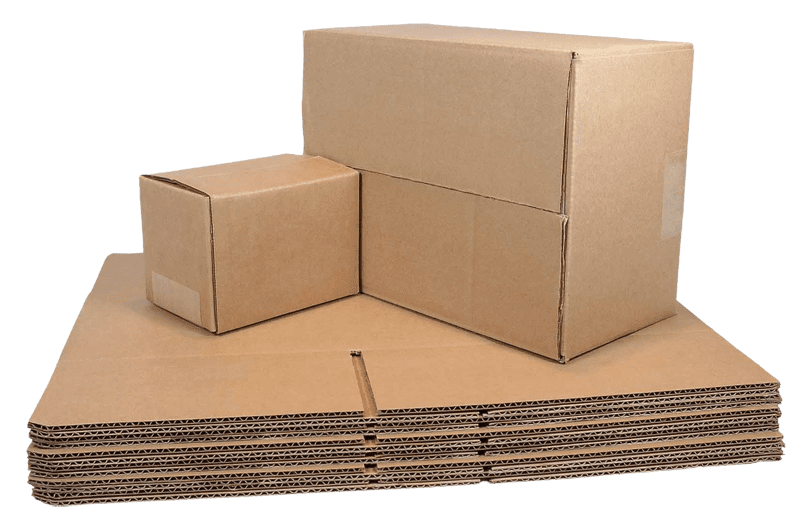
Stock packaging refers to pre-made, ready-to-ship packaging solutions like corrugated boxes, mailers, and protective materials that are designed to meet a wide range of standard needs across shipping, retail, and storage. Unlike custom packaging, stock options offer quick availability and reliable protection without the need for extensive design or production time, making them ideal for businesses needing efficient, high-quality solutions with fast lead times.

At Brown Packaging, we focus on providing durable, performance-driven stock packaging that supports our clients’ operational needs. Our stock products are sourced to ensure consistent quality and cost-effectiveness, offering a practical solution to keep operations running smoothly and on schedule. With an emphasis on reliability, we help our clients quickly access packaging solutions that meet their specific needs while maintaining quality across every order.

stock packaging products

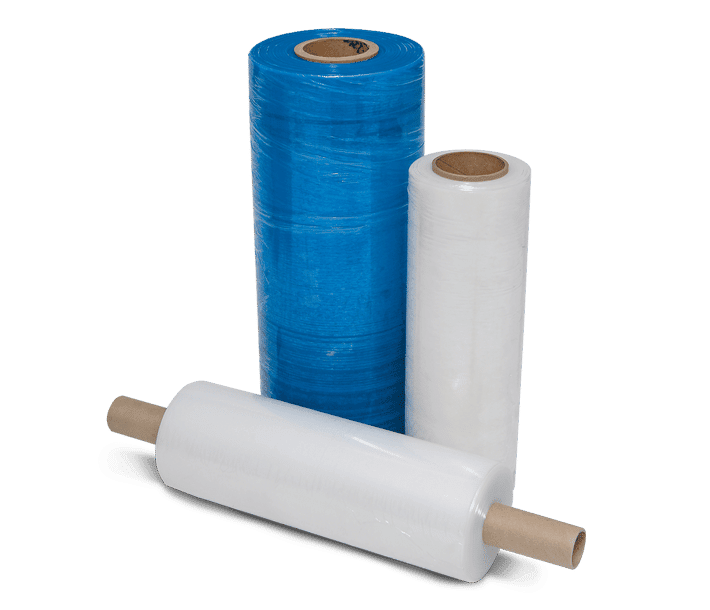
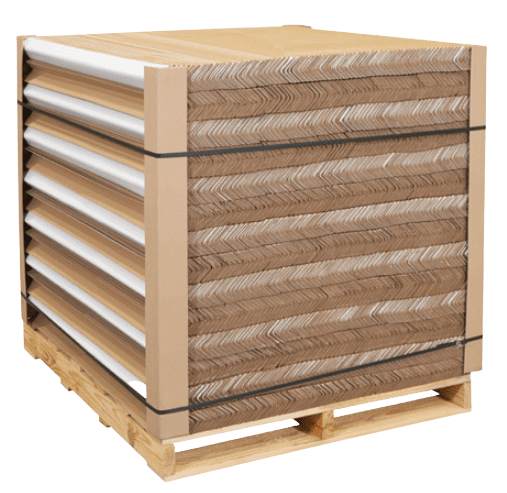
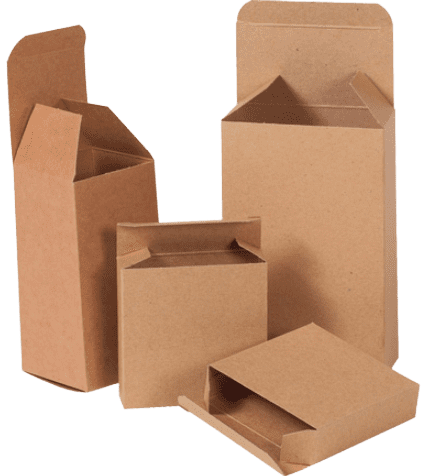
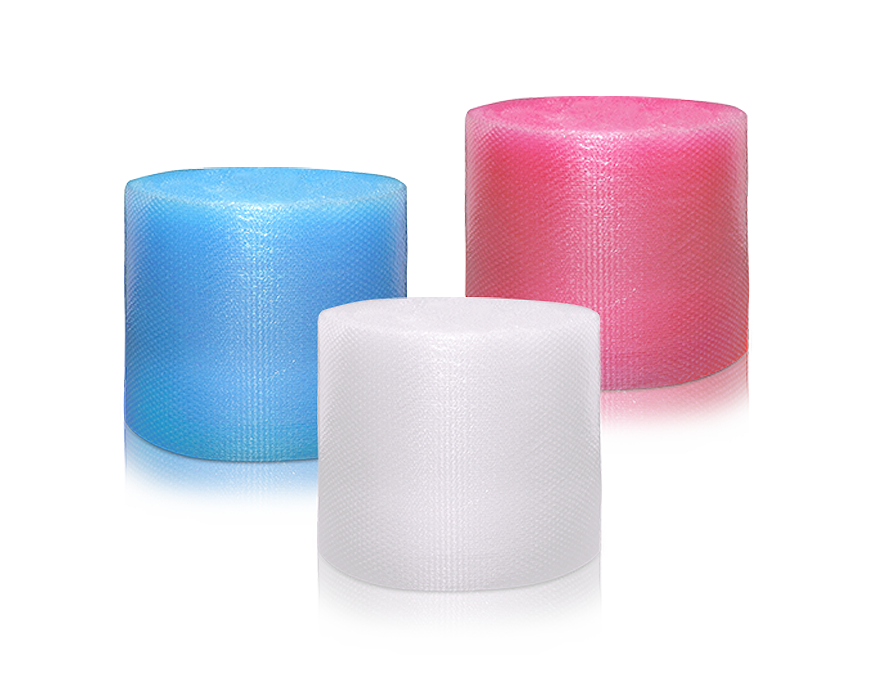
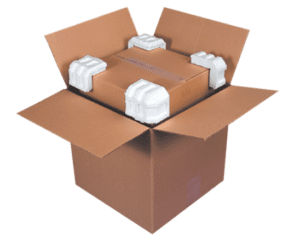
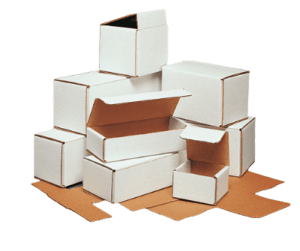
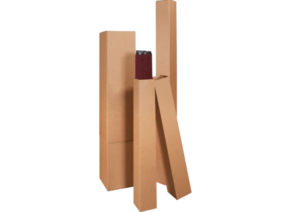
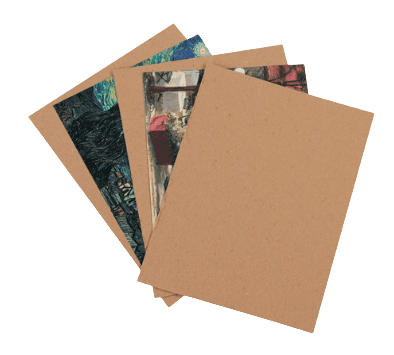
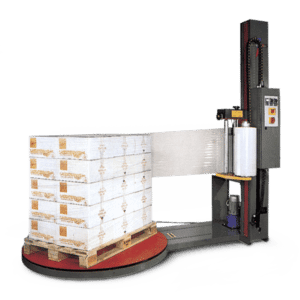
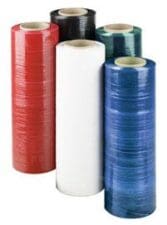
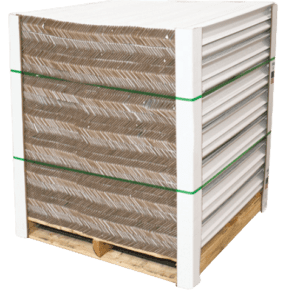
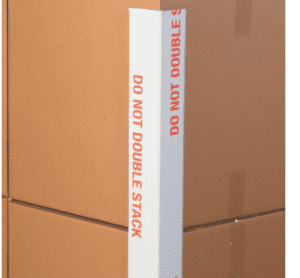
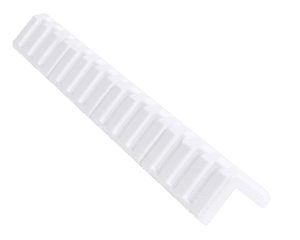
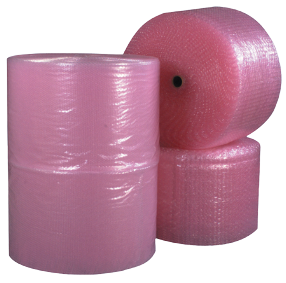
Our stock packaging products, from corrugated boxes to stretch film, offer a wide selection, including essentials like tape, edge protectors, labels, and more, with quick turnaround times to meet your packaging needs efficiently.

Edit Content
Edit Content
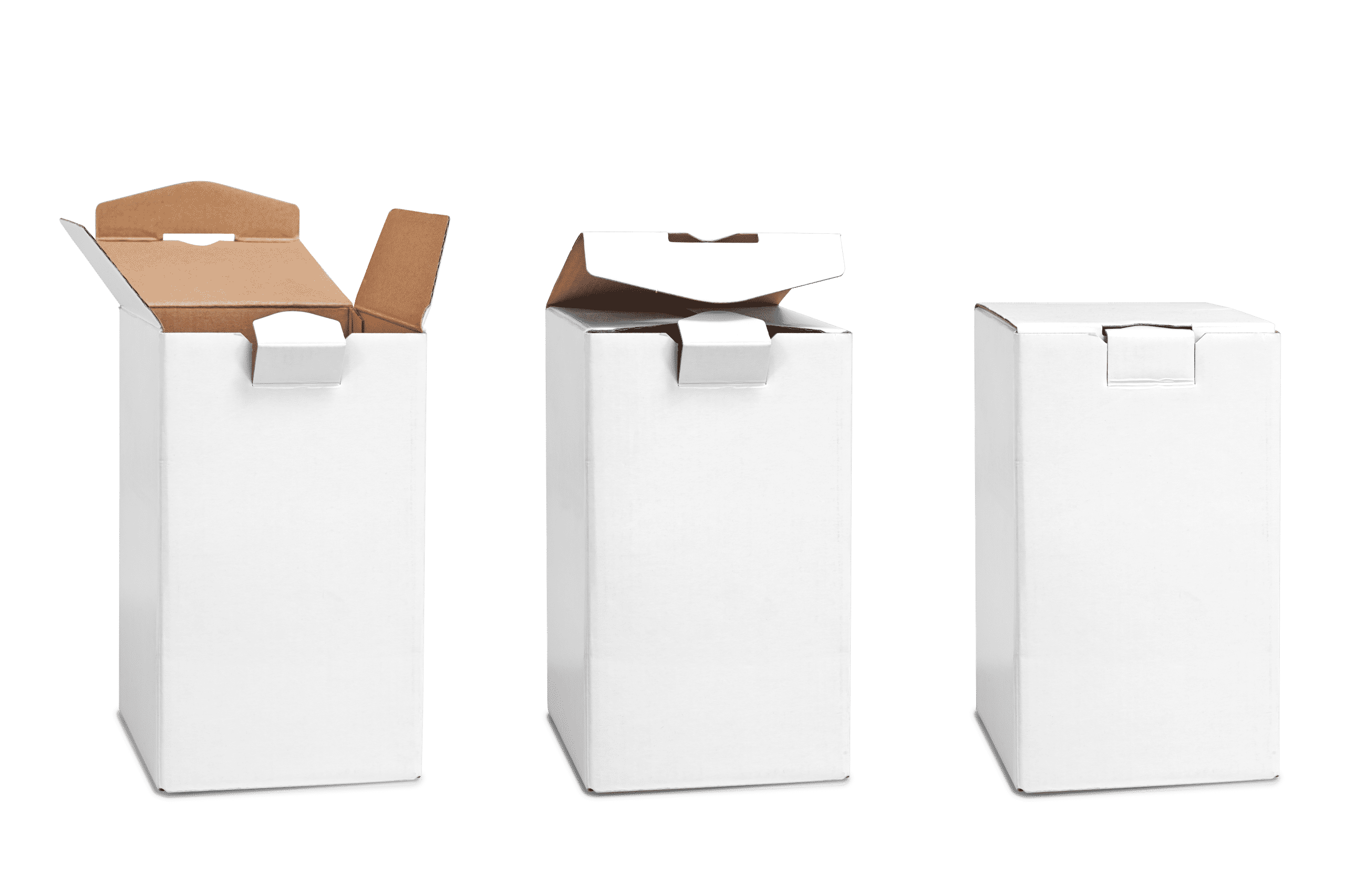
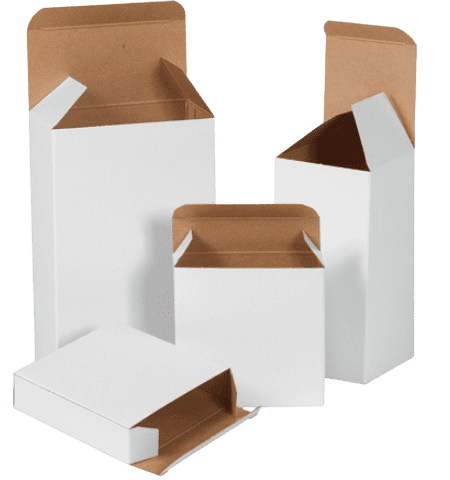
Folding Cartons
Pads
Apparel Boxes
Jewelry Boxes
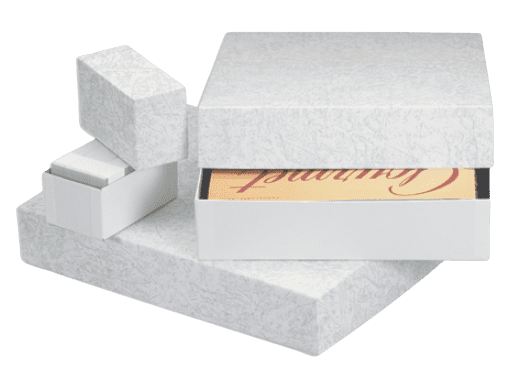
Setup Cartons
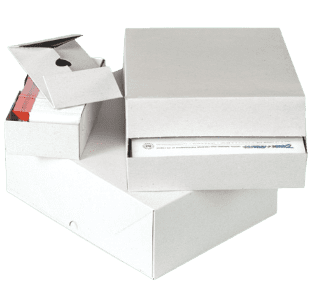
Stationary Cartons
Edit Content
Cast Film
Blown Film
Conventional Film
Engineered Film
Pre-Stretched Film
Hand Film
Machine Film
Edit Content
Light Duty
Medium Duty
Heavy Duty
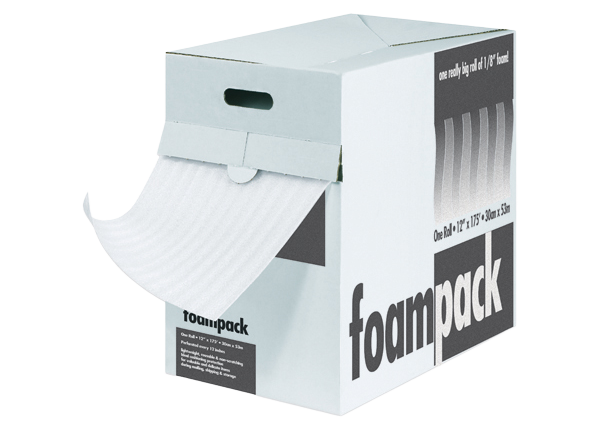
Foam
Strapping
Frame Protectors
Edit Content
Edit Content
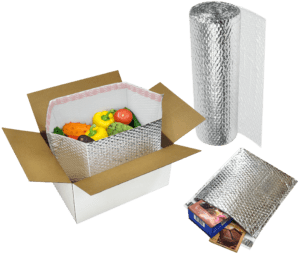
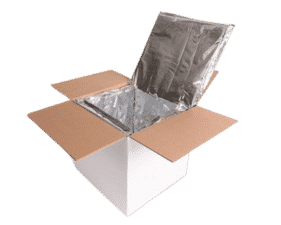
Box Liner
Metalized Pouch
Foam Cooler
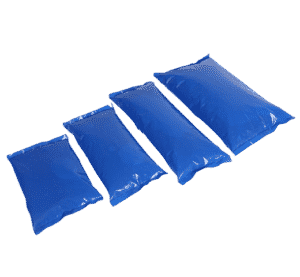
Ice Pack
Gel Pack
Edit Content
Edit Content
Edit Content
Folding Cartons
Pads
Apparel Boxes
Jewelry Boxes
Setup Cartons
Stationary Cartons
Edit Content
Cast Film
Blown Film
Conventional Film
Engineered Film
Pre-Stretched Film
Hand Film
Machine Film
Edit Content
Click on the Edit Content button to edit/add the content.
Edit Content
Edit Content
Box Liner
Metalized Pouch
Foam Cooler
Ice Pack
Gel Pack
Edit Content

If you need any assistance with your packaging or have a question, then contact us directly at request@brownpackaging.com  or  (714)300-0650. Learn more about custom packaging by reading our blog posts on new and trending topics.

How To Conduct a Cost Analysis on Your Packaging: A Comprehensive Guide
Packaging
brownpackaging
How To Conduct a Cost Analysis on Your Packaging

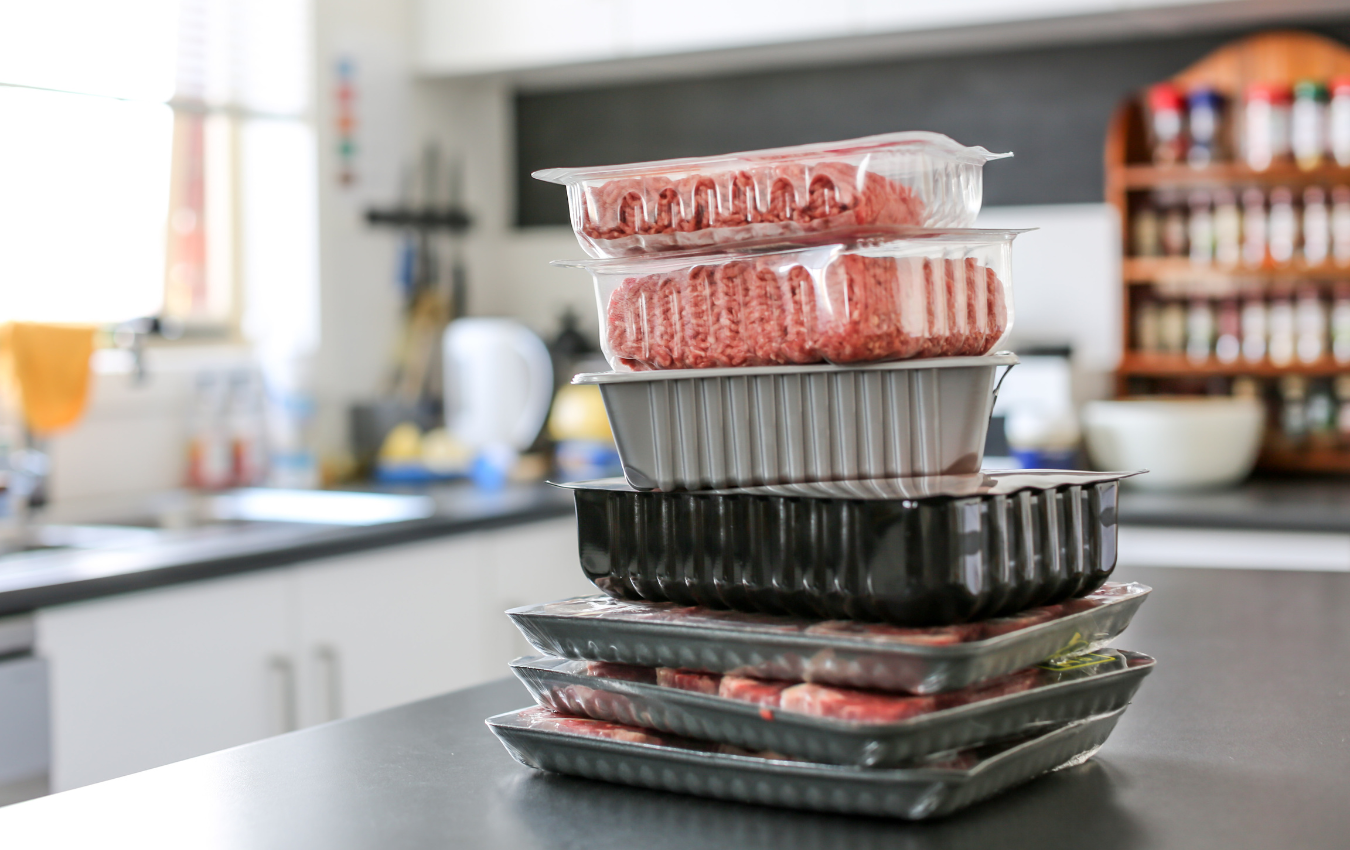
In today’s competitive market, understanding and optimizing the cost of your packaging is crucial for maintaining profitability and enhancing overall business performance. A thorough cost analysis of your packaging can reveal opportunities for cost savings and efficiency improvements. This blog post provides a detailed guide on how to conduct a cost analysis on your packaging. Understanding the Importance of Packaging Cost Analysis Before diving into the analysis, it’s essential to understand why it matters. Packaging costs can significantly impact your product’s price and your company’s bottom line. An effective cost analysis helps in identifying areas where expenses can be reduced without compromising quality or customer satisfaction. Step 1: Identify All Packaging Components Start by listing all elements that make up your packaging, including: Primary Packaging: The immediate packaging that holds your product. Secondary Packaging: Additional layers like boxes or wrappers for protection and branding. Tertiary Packaging: Bulk packaging used for transportation and storage. Labeling and Graphics: Costs associated with branding, labeling, and graphic design. Step 2: Calculate Material Costs Assess the cost of materials used for each packaging component. Consider: Unit Costs: Calculate the cost per unit of each material used. Bulk Discounts: Factor in discounts for bulk purchases, if applicable. Sustainable Materials: Compare costs of traditional materials with sustainable alternatives. Step 3: Include Design and Development Costs This includes: Design Fees: Costs paid to designers for packaging design. Prototyping Costs: Expenses for creating sample packaging for testing. Testing and Compliance: Costs associated with ensuring packaging meets industry standards. Step 4: Factor in Storage and Handling Costs These are often overlooked but crucial: Warehouse Storage: Costs for storing packaging materials. Handling Costs: Expenses related to the handling and management of packaging materials. Step 5: Consider Shipping and Distribution Costs Calculate the cost of getting your packaged product to the market: Transportation Costs: Freight and shipping expenses. Packaging Efficiency: Consider how packaging size and weight impact shipping costs. Step 6: Assess Environmental Impact Costs Evaluate costs related to the environmental impact of your packaging: Recycling and Disposal: Costs of disposing of or recycling packaging materials. Carbon Footprint: Potential costs or savings from environmental impacts. Step 7: Analyze and Optimize With all data gathered, analyze where costs can be reduced: Compare Suppliers: Look for cost-effective suppliers without compromising quality. Efficiency Improvements: Identify ways to streamline the packaging process to reduce costs. Bulk Purchasing: Consider larger orders to reduce unit costs. If you are interested in cost effective packaging solutions, then partner with Brown Packaging today to get started. (714)300-0650 request@brownpackaging.com Most Recent Posts: Categories: Corrugated Ecommerce ESD Design Display Flexible Packaging Foam Folding Carton Packaging Plastic Packaging Pouch Printing Protection Retail Rigid Box Thermoform Sustainability Subscribe To Our Newsletter By submitting your information, you agree to our terms and conditions and privacy policy. Custom Packaging Facebook Twitter LinkedIn Pinterest Relevant Posts

Read More »
Corrugated vs. Plastic Corrugated Packaging: A Comprehensive Comparison
Corrugated
brownpackaging
Corrugated vs. Plastic Corrugated Packaging

In the dynamic world of packaging, two materials often stand at the forefront: traditional corrugated cardboard and its modern counterpart, plastic corrugated. While both have their unique advantages and applications, understanding the nuances between them is crucial for businesses and consumers alike. This blog post delves deep into comparing these two popular packaging materials. Corrugated Cardboard: The Classic Choice History and Composition Corrugated cardboard has been a staple in packaging for over a century. Its structure, featuring a fluted corrugated sheet sandwiched between two flat linerboards, provides a blend of strength and cushioning. Eco-Friendly and Recyclable A significant advantage of corrugated cardboard is its environmental friendliness. Made from renewable resources (mainly recycled paper and pulp), it is biodegradable and widely recycled. Cost-Effectiveness For businesses looking to minimize packaging costs, corrugated cardboard is often the go-to choice. Its materials and production process are relatively inexpensive, making it an economical option for bulk packaging. Limitations However, corrugated cardboard isn’t without its drawbacks. It’s susceptible to moisture and isn’t the most durable option for long-term or heavy-duty packaging. Plastic Corrugated: The Modern Alternative Composition and Durability Plastic corrugated sheets, made from polypropylene or polyethylene, are known for their durability. Unlike cardboard, they are resistant to moisture, chemicals, and impacts, making them suitable for more rigorous applications. Reusability and Longevity One of the most significant advantages of plastic corrugated is its reusability. These materials can withstand repeated use without significant degradation, offering long-term cost savings despite a higher initial cost. Versatility Plastic corrugated is available in various colors and can be easily customized, offering aesthetic and branding advantages. Its flexibility in design makes it ideal for specialized packaging needs. Environmental Considerations While plastic corrugated is recyclable, its environmental impact is a point of contention. The recycling process is more complex than that of cardboard, and if not properly recycled, it contributes to plastic pollution. Choosing the Right Material for Your Packaging Needs Assessing Product Requirements The choice between corrugated and plastic corrugated depends largely on the product being packaged. For lightweight, short-term, or cost-sensitive applications, corrugated cardboard is often sufficient. However, for heavier, long-term, or moisture-sensitive products, plastic corrugated may be the better option. Cost vs. Sustainability Budget constraints and environmental considerations play a significant role. Businesses committed to sustainability might prefer corrugated cardboard, while those requiring durability and long-term use might lean towards plastic corrugated. If you are interested in corrugated or plastic corrugated packaging, then partner with Brown Packaging today to get started. (714)300-0650 request@brownpackaging.com Most Recent Posts: Categories: Corrugated ESD Design Display Foam Folding Carton Packaging Plastic Packaging Printing Protection Retail Rigid Box Thermoform Sustainability Subscribe To Our Newsletter By submitting your information, you agree to our terms and conditions and privacy policy. Plastic Corrugated Facebook Twitter LinkedIn Pinterest Relevant Posts

Read More »
gaylord box
Corrugated
brownpackaging
Maximizing Protection with Gaylord Boxes

The packaging world is vast, catering to various industry needs and requirements. Among the myriad options, Gaylord boxes stand out for their durability, versatility, and sustainability. Initially designed for shipping agricultural products, they’ve evolved to serve multiple sectors, ensuring products are shielded effectively. Let’s explore how these boxes can provide unparalleled protection for your goods. What is a Gaylord Box? A Gaylord box, often referred to as a bulk box or pallet box, is a large corrugated container predominantly used for bulk shipping and storage. They are known for their strength and capability to handle weighty items, coming in varied sizes and strengths based on the number of corrugated layers they contain. Key Features of Gaylord Boxes Enhancing Protection Multi-layered Design: The inherent strength of Gaylord boxes comes from their multi-layered corrugated structure. This design makes them robust and resistant to external pressures. Reinforced Corners: Another significant feature of these boxes is their reinforced corners. This ensures they support the weight of their contents without giving way. Broad Flaps: The flaps on these boxes are wide and may overlap, providing a cushioning effect that adds another protective barrier against external impacts. Sustainable and Reusable Beyond their protective attributes, Gaylord boxes champion sustainability. Made primarily from recycled materials, they are eco-friendly. Their sturdy design means they can be reused several times, leading to reduced environmental waste. Versatility in Use Gaylord boxes are versatile. They can hold a range of items, from agricultural produce to automotive parts. This adaptability ensures the contents receive maximum protection against external variables. Efficient for Storage and Transport Their standardized dimensions mean they can be stacked effectively in storage facilities, making the most of available space. This same uniformity makes them a favorite for transportation as they are easily loaded onto transportation vehicles, assuring a safe passage for goods. Enhanced Protection with Complementary Materials When combined with other protective packaging materials, such as bubble wrap or foam inserts, the defensive capabilities of Gaylord boxes increase exponentially, ensuring products remain unscathed. Conclusion Gaylord boxes are a testament to how packaging can be both effective and eco-friendly. Whether you’re an entrepreneur searching for bulk shipping solutions or someone needing robust storage options, Gaylord boxes are a top-tier choice. Their blend of durability, environmental responsibility, and adaptability positions them as a preferred option for those who prioritize the safekeeping of products. If you are interested in gaylord boxes, then partner with Brown Packaging today to get started. (714)300-0650 request@brownpackaging.com Most Recent Posts: Categories: Corrugated Ecommerce ESD Design Display Flexible Packaging Foam Folding Carton Packaging Plastic Packaging Pouch Printing Protection Retail Rigid Box Thermoform Sustainability Subscribe To Our Newsletter By submitting your information, you agree to our terms and conditions and privacy policy. Stock Gaylord Boxes Facebook Twitter LinkedIn Pinterest Relevant Posts

Read More »