











window.uetq = window.uetq || []; window.uetq.push(‘event’, ‘submit_lead_form’,{ event_label:‘SUBMIT MESSAGE’ }); window.lintrk('track', { conversion_id: 10271009 }); window.lintrk('track', { conversion_id: 10271017 });

Stock Packaging

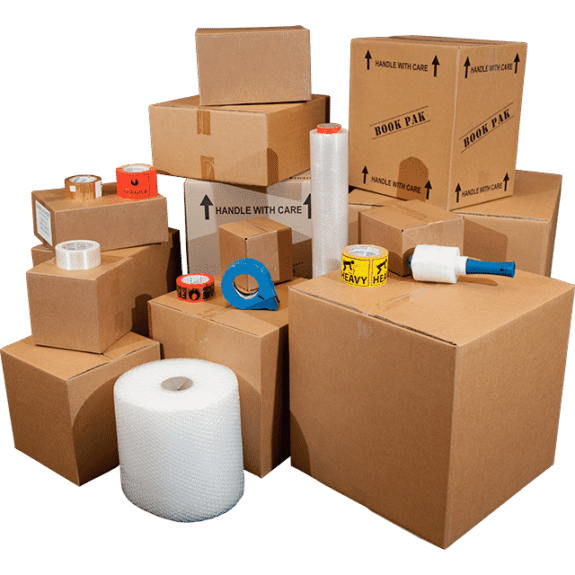
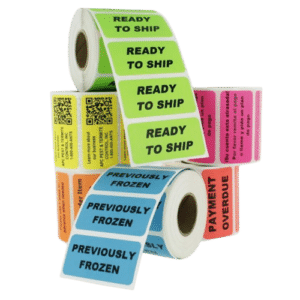
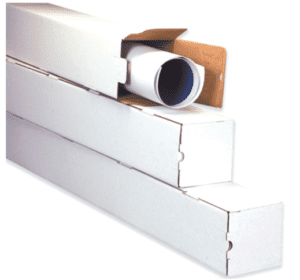
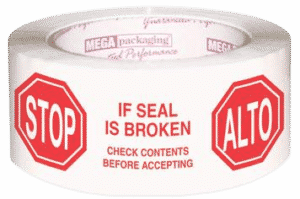
We supply businesses with a wide selection of essential packaging, shipping, and warehouse supplies. Get any standard packaging product by dimension or style from boxes, tubes, tapes, labels, and more. If you are unsure on what type of packaging you will need, then contact us for an expert consultation.


Stock packaging refers to pre-made, ready-to-ship packaging solutions like corrugated boxes, mailers, and protective materials that are designed to meet a wide range of standard needs across shipping, retail, and storage. Unlike custom packaging, stock options offer quick availability and reliable protection without the need for extensive design or production time, making them ideal for businesses needing efficient, high-quality solutions with fast lead times.

At Brown Packaging, we focus on providing durable, performance-driven stock packaging that supports our clients’ operational needs. Our stock products are sourced to ensure consistent quality and cost-effectiveness, offering a practical solution to keep operations running smoothly and on schedule. With an emphasis on reliability, we help our clients quickly access packaging solutions that meet their specific needs while maintaining quality across every order.

stock packaging products

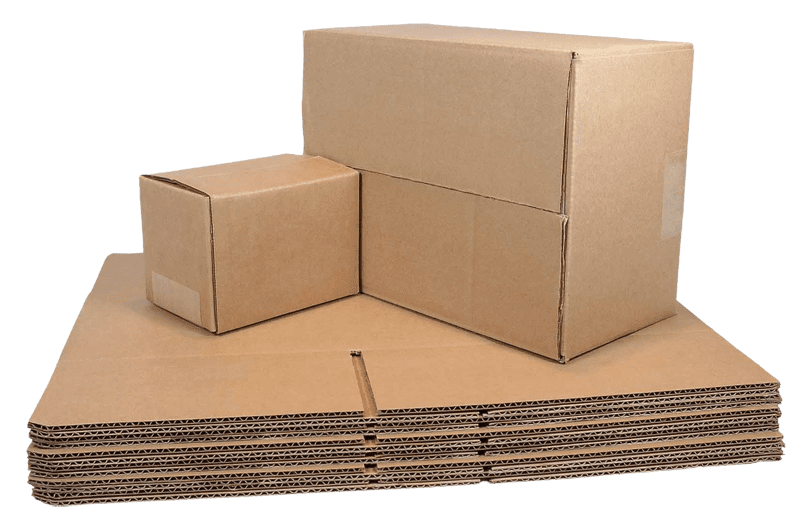
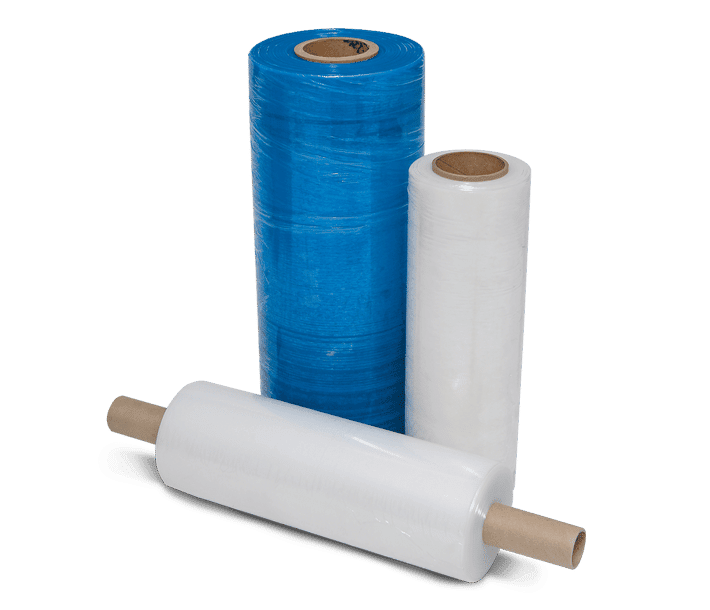
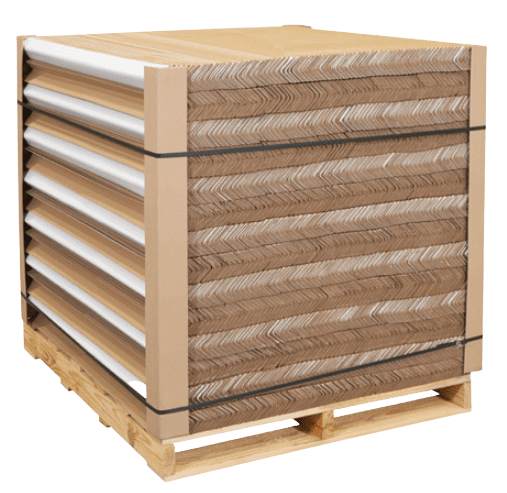
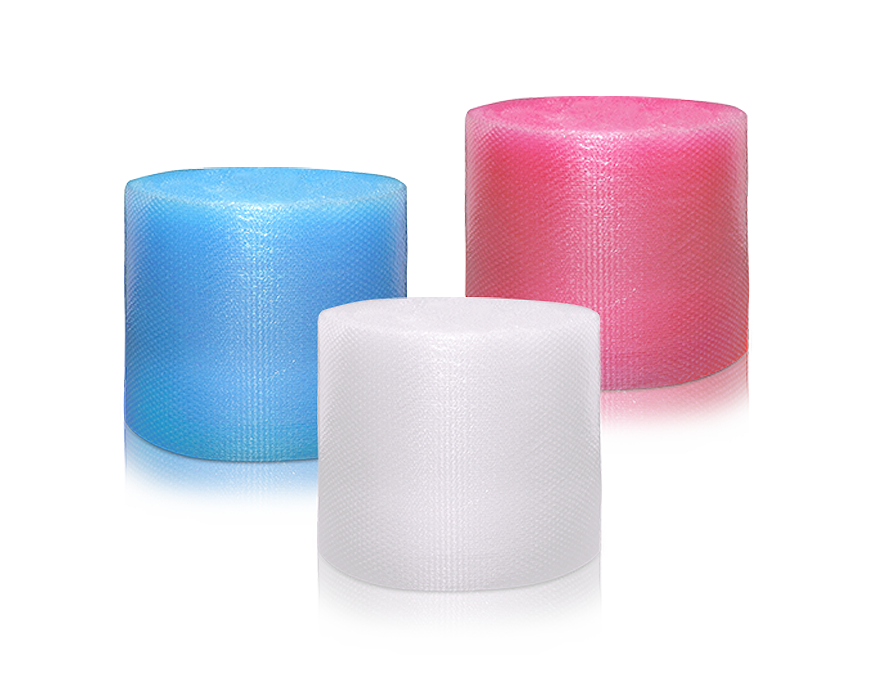
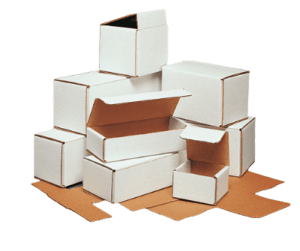
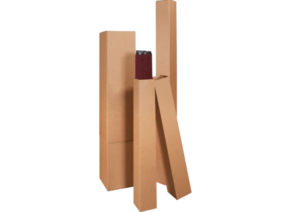
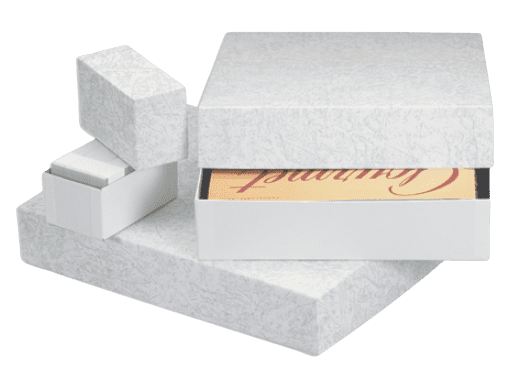
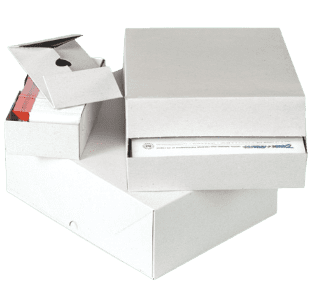
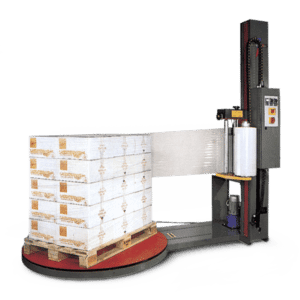
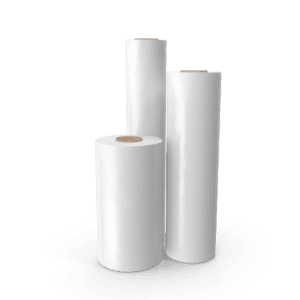
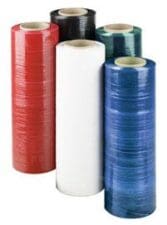
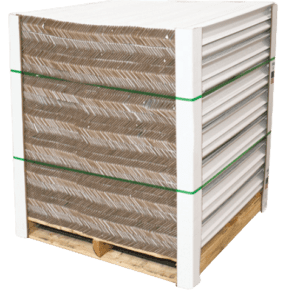
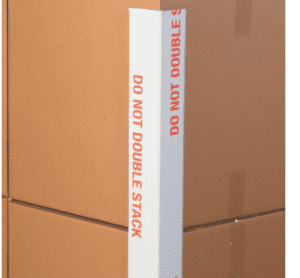
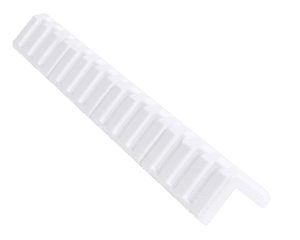
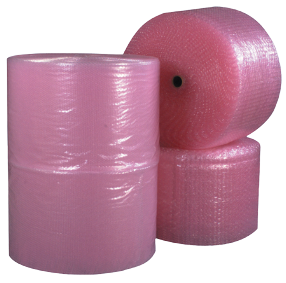
Our stock packaging products, from corrugated boxes to stretch film, offer a wide selection, including essentials like tape, edge protectors, labels, and more, with quick turnaround times to meet your packaging needs efficiently.

Edit Content
Edit Content
Folding Cartons
Pads
Apparel Boxes
Jewelry Boxes
Setup Cartons
Stationary Cartons
Edit Content
Cast Film
Blown Film
Conventional Film
Engineered Film
Pre-Stretched Film
Hand Film
Machine Film
Edit Content
Light Duty
Medium Duty
Heavy Duty
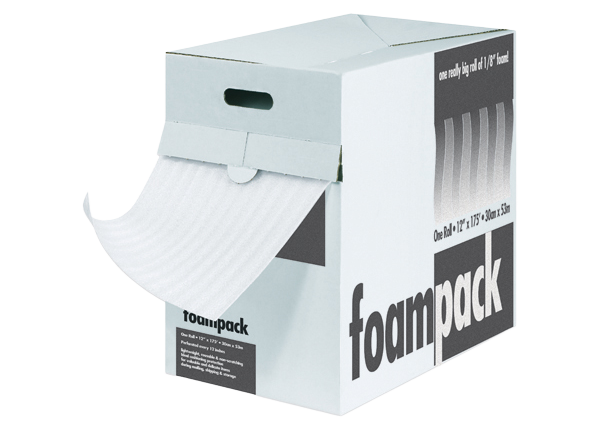
Foam
Strapping
Frame Protectors
Edit Content
Edit Content
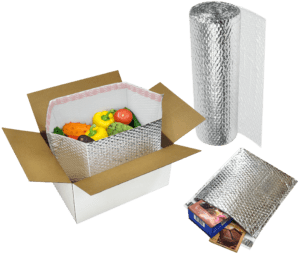
Box Liner
Metalized Pouch
Foam Cooler
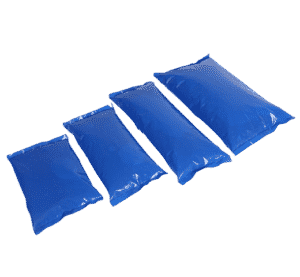
Ice Pack
Gel Pack
Edit Content
Edit Content
Edit Content
Folding Cartons
Pads
Apparel Boxes
Jewelry Boxes
Setup Cartons
Stationary Cartons
Edit Content
Cast Film
Blown Film
Conventional Film
Engineered Film
Pre-Stretched Film
Hand Film
Machine Film
Edit Content
Click on the Edit Content button to edit/add the content.
Edit Content
Edit Content
Box Liner
Metalized Pouch
Foam Cooler
Ice Pack
Gel Pack
Edit Content

If you need any assistance with your packaging or have a question, then contact us directly at request@brownpackaging.com  or  (714)300-0650. Learn more about custom packaging by reading our blog posts on new and trending topics.

Exploring Packaging Tradeoffs: Shelf-life vs. Costs
Packaging
brownpackaging
Exploring Packaging Tradeoffs: Shelf-life vs. Costs

In the world of packaging, there’s a constant tug-of-war between two critical factors: extending the shelf life of products and controlling costs. This delicate balancing act requires businesses to make strategic decisions that align with their objectives and market dynamics. In this exploration, we’ll delve into the intricate tradeoff between shelf life and costs, examining the interconnectedness of these factors and how businesses can navigate this complex landscape. Packaging Priorities When considering packaging options, companies must weigh the significance of extending shelf life against the imperative of controlling costs. These two aspects are closely intertwined, and understanding their interplay is essential: Extending Shelf Life Extending the shelf life of products carries multifaceted advantages: Enhanced Product Quality: A prolonged shelf life ensures that products maintain their quality, flavor, and efficacy, translating into higher customer satisfaction. Waste Reduction: By reducing spoilage and the deterioration of goods, companies can curtail waste, aligning with both environmental and economic sustainability. Broader Market Reach: Products with extended shelf lives can access wider markets, including regions with extended distribution chains or markets where products may sit on shelves for prolonged periods. Fortified Brand Reputation: Offering products with extended shelf life can bolster a brand’s reputation for delivering reliability and quality. Cost Control Effective cost control is crucial for profitability and competitiveness: Competitive Pricing: Cost-efficient operations enable businesses to offer competitive prices, attracting price-conscious consumers. Profit Margin Enhancement: Improved cost control directly impacts profit margins, contributing to the financial health of the business. Investment in Innovation: Redirecting cost savings towards research and development allows companies to innovate and stay ahead in the market. Market Expansion: Lower production costs may facilitate market expansion and investments in marketing and promotional activities. The Interplay Between Shelf Life and Costs The connection between extending shelf life and controlling costs becomes evident when considering the following scenarios: Enhanced Packaging Materials: Investing in high-quality packaging materials can extend shelf life by protecting products from external factors. While this may increase upfront costs, it can reduce long-term expenses related to product spoilage. Optimized Packaging Designs: Streamlining packaging designs, materials, and sizes can cut production and transportation costs while still preserving product quality. This optimization can strike a balance between shelf life extension and cost control. Temperature-Controlled Packaging: Employing temperature-controlled packaging is costlier but essential for certain temperature-sensitive products. It extends shelf life by preventing spoilage, ultimately reducing overall costs associated with product wastage. Regular Quality Control: Implementing stringent quality control measures may increase initial costs. Still, it ensures that products meet quality standards, reducing expenses tied to product recalls or customer complaints. Navigating the Packaging Tradeoff Striking the right equilibrium between extending shelf life and controlling costs is a nuanced endeavor, necessitating a holistic approach: Market Insight: Thorough market research helps businesses understand consumer preferences, demand patterns, and price sensitivity, guiding decision-making. Product Assessment: Recognize that different products have varying requirements. Prioritize shelf life extension for perishable goods, while focusing on cost control for less time-sensitive products. Continuous Optimization: Regularly assess processes, materials, and packaging to identify opportunities for cost savings without compromising product quality or shelf life. Adaptability: Be prepared to adapt strategies as market conditions, consumer preferences, and technological advancements evolve. If you are interested in maximizing your packaging extended shelf-life while limiting costs, then partner with Brown Packaging today to get started. (714)300-0650 request@brownpackaging.com Most Recent Posts: Categories: Corrugated Ecommerce ESD Design Display Flexible Packaging Foam Folding Carton Packaging Plastic Packaging Pouch Printing Protection Retail Rigid Box Thermoform Sustainability Subscribe To Our Newsletter By submitting your information, you agree to our terms and conditions and privacy policy. Custom Packaging Facebook Twitter LinkedIn Pinterest Relevant Posts

Read More »
The Importance of Compression Properties in Foam Packaging
Foam
brownpackaging
The Importance of Compression Properties in Foam Packaging

When it comes to packaging, especially for delicate and fragile items, foam materials play a crucial role in ensuring the safety and protection of the contents. One often-overlooked but vital aspect of foam materials is their compression properties. In this comprehensive guide, we will explore why the compression properties of foam matter in packaging, how they impact product protection, and what to consider when choosing the right foam for your packaging needs. Understanding Foam Compression Properties Before delving into the importance of foam compression properties, it’s essential to understand what these properties entail. Foam compression properties refer to how a foam material responds when subjected to external pressure or force. These properties are typically categorized into two key characteristics: Compression Deflection (Firmness): This measures the force required to compress a foam material by a certain percentage of its original thickness. It indicates how firm or soft the foam feels and how much it resists deformation under load. Compression Set: Compression set refers to the ability of a foam material to recover its original shape after being compressed. It quantifies the foam’s ability to bounce back to its initial form once the compressive force is removed. Now, let’s delve into why these compression properties are of paramount importance in foam packaging: Protection Against Impact and Shock One of the primary functions of foam in packaging is to cushion and protect items from impact and shock during transportation and handling. The compression deflection of foam determines how effectively it absorbs and disperses the energy generated during these impacts. A foam with the right compression deflection will minimize the risk of damage to the packaged goods, ensuring they arrive in pristine condition. Maintaining Product Integrity For delicate and sensitive products, maintaining their structural integrity is crucial. When a foam has a suitable compression set, it ensures that even after compression during packaging or transit, the foam will regain its original shape. This property is particularly essential for products with intricate shapes or those that must be held securely within the packaging. Load Distribution In some cases, packaged items may be subjected to prolonged periods of compression, either from stacking in storage or during transit. The compression properties of foam become instrumental in evenly distributing the load. Foam materials with well-chosen compression deflection and compression set characteristics will prevent uneven pressure points that could lead to deformation or damage to the packaged items. Customizability and Versatility Different products have varying packaging requirements, and foam materials can be tailored to meet these needs. By selecting foam with the right compression properties, packaging designers can ensure that the foam conforms to the specific shape and fragility of the item, providing tailored protection. Choosing the Right Foam Material Selecting the right foam material with suitable compression properties involves assessing your packaging needs and the fragility of your products. Factors to consider include: Product Weight: Heavier items may require foam with a higher compression deflection to withstand the load without bottoming out. Product Fragility: Delicate or sensitive products benefit from foam with both a suitable compression deflection and compression set to absorb and recover from shocks effectively. Packaging Design: The shape and design of your packaging play a role in determining the foam’s compression requirements. Custom-cut foam inserts can optimize protection. Environmental Conditions: Consider the environmental conditions the packaged items will face. Some foams are better suited for extreme temperatures or exposure to moisture. Cost Considerations: Balance your packaging needs with your budget. Different foam materials may vary in cost, so choose one that meets your requirements without overstretching your budget. If you are interested in foam packaging solutions, then partner with Brown Packaging today to get started. (714)300-0650 request@brownpackaging.com Most Recent Posts: Categories: Corrugated Ecommerce ESD Design Display Flexible Packaging Foam Folding Carton Packaging Plastic Packaging Pouch Printing Protection Retail Rigid Box Thermoform Sustainability Subscribe To Our Newsletter By submitting your information, you agree to our terms and conditions and privacy policy. Custom Foam Facebook Twitter LinkedIn Pinterest Relevant Posts

Read More »
Custom Folding Cartons
Folding Carton
brownpackaging
An Advanced Guide to Custom Folding Cartons

For those well-versed in the basics of packaging, a deeper dive into the technicalities of custom folding cartons can reveal a world of intricate details and complex considerations. This blog post is tailored for an audience with a foundational understanding of folding cartons, aiming to provide advanced insights and a more nuanced perspective on the intricacies of these packaging solutions. Material Specifications and Selection Paperboard Grades and Characteristics: Understand the different types of paperboard used in folding cartons, such as SBS (Solid Bleached Sulfate), CUK (Coated Unbleached Kraft), clay coated news back (CCNB and more. Each type has specific properties like weight, thickness, stiffness, and ink absorbency that impact the carton’s structural and visual qualities. Weight and Caliper Considerations: The weight (GSM) and caliper (thickness) of the paperboard are critical in determining the carton’s strength and how it performs in various stages of its lifecycle, from manufacturing to end-user handling. Structural Design and Engineering Complex Die-Cuts and Creases: Explore advanced die-cut patterns and crease lines that contribute to innovative shapes and functionality. Understanding the limitations and capabilities of die-cutting machinery is crucial in pushing the boundaries of folding carton design. Load Bearing and Stackability: For products that require stacking during transport or display, the structural integrity of the carton becomes paramount. Advanced design software can simulate load-bearing scenarios and optimize the carton structure accordingly. Printing Techniques and Finishing Processes Advanced Printing Technologies: Delve into high-definition printing techniques such as offset lithography, flexography, and digital printing, each offering unique benefits in terms of print quality, run size, and cost-effectiveness. Finishing Touches: Explore sophisticated finishing options like UV coating, aqueous coating, spot varnishing, foil stamping, and embossing. Each finishing technique can enhance the tactile and visual appeal of the carton but requires careful consideration regarding cost and production time. Innovative Closure Mechanisms Functional Closures: Investigate innovative closure designs beyond the standard tuck-flap. Magnetic closures, snap-lock bottoms, auto-bottom or friction-fit closures can add functionality and enhance user experience but may introduce additional manufacturing complexities. Tamper-Evident Features: In sectors like pharmaceuticals and food, tamper-evident features are crucial. Examine how folding cartons can incorporate these elements without compromising design integrity. Sustainability and Environmental Considerations Eco-Friendly Materials: Deepen your understanding of sustainable paperboard options, including those made from post-consumer recycled content, and how they impact the recycling stream and overall environmental footprint. Lifecycle Assessment: Consider the full lifecycle of the carton, from raw material extraction to disposal or recycling. Advanced assessment tools can help quantify the environmental impact and guide material and process choices. Compliance and Regulatory Standards Industry-Specific Requirements: For industries like pharmaceuticals, food, and cosmetics, compliance with regulatory standards (FDA, EU regulations) is critical. Understanding these regulations can guide the selection of suitable inks, coatings, and adhesives. Technological Integration Smart Packaging Technologies: Explore the integration of technologies like QR codes, NFC tags, and augmented reality. These can turn a folding carton into an interactive platform but require alignment with the overall packaging design and brand strategy. If your interested in custom folding cartons, then partner with Brown Packaging today to get started. (714)300-0650 request@brownpackaging.com Most Recent Posts: Categories: Corrugated Ecommerce ESD Design Display Flexible Packaging Foam Folding Carton Packaging Plastic Packaging Pouch Printing Protection Retail Rigid Box Thermoform Sustainability Subscribe To Our Newsletter By submitting your information, you agree to our terms and conditions and privacy policy. Custom Packaging Facebook Twitter LinkedIn Pinterest Relevant Posts

Read More »