





window.uetq = window.uetq || []; window.uetq.push(‘event’, ‘submit_lead_form’,{ event_label:‘SUBMIT MESSAGE’ }); window.lintrk('track', { conversion_id: 10271009 }); window.lintrk('track', { conversion_id: 10271017 });

Stock Packaging

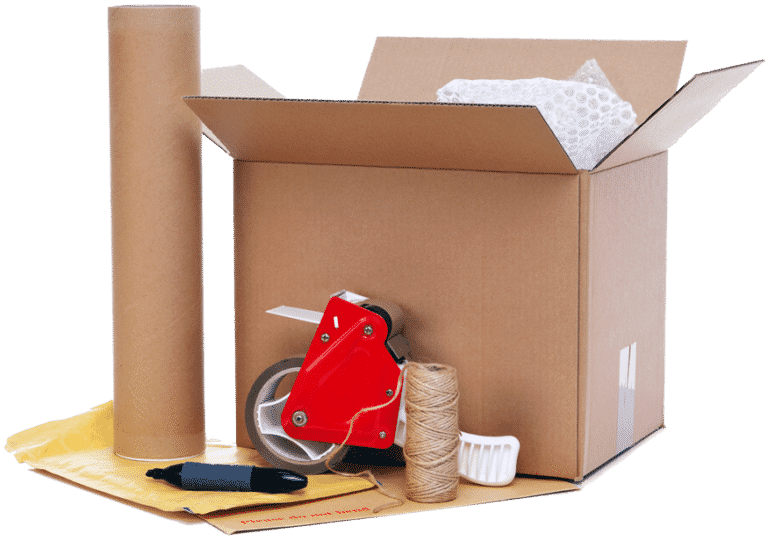
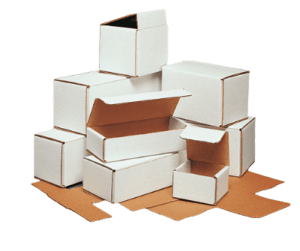
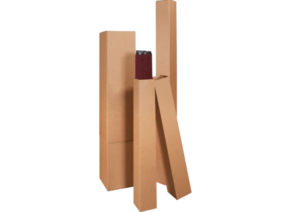
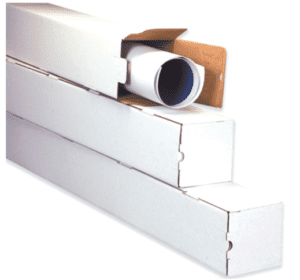
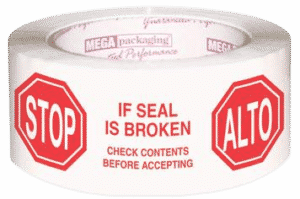
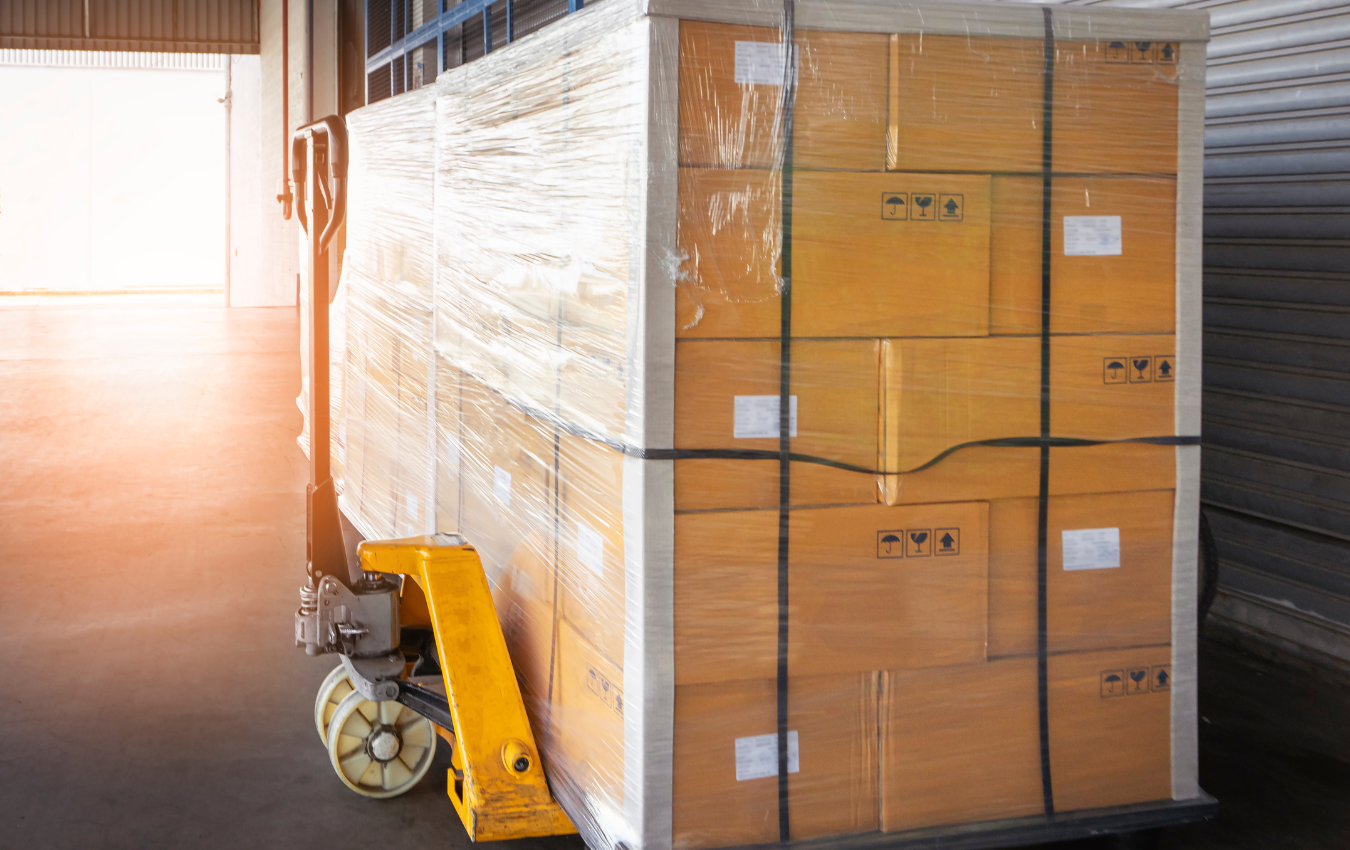
We supply businesses with a wide selection of essential packaging, shipping, and warehouse supplies. Get any standard packaging product by dimension or style from boxes, tubes, tapes, labels, and more. If you are unsure on what type of packaging you will need, then contact us for an expert consultation.


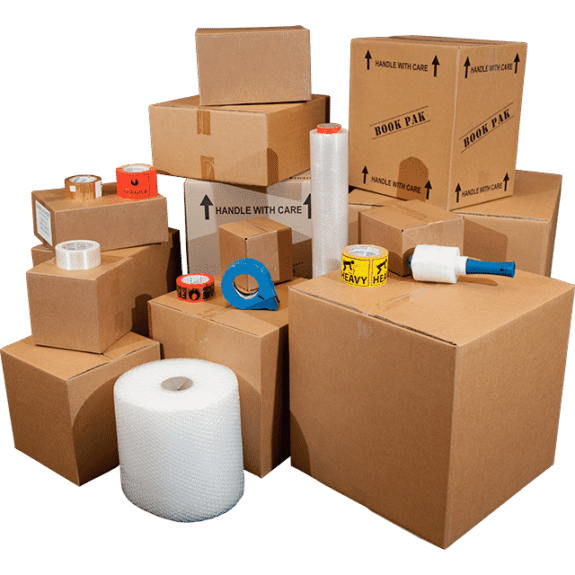
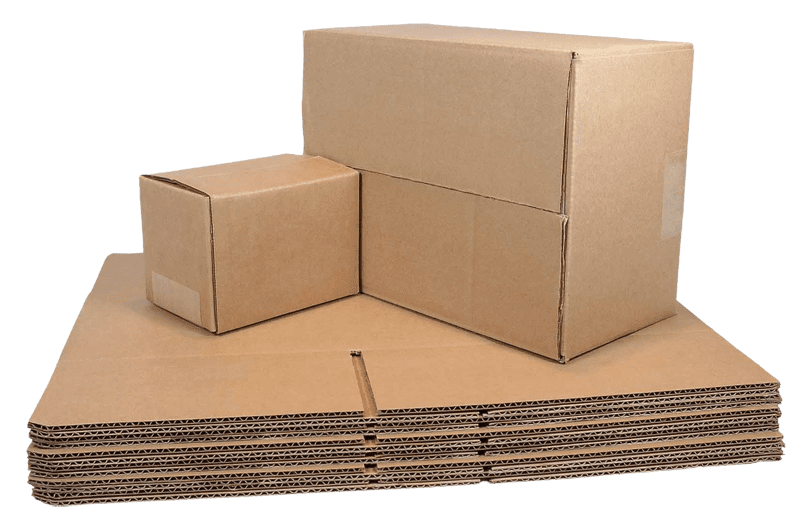
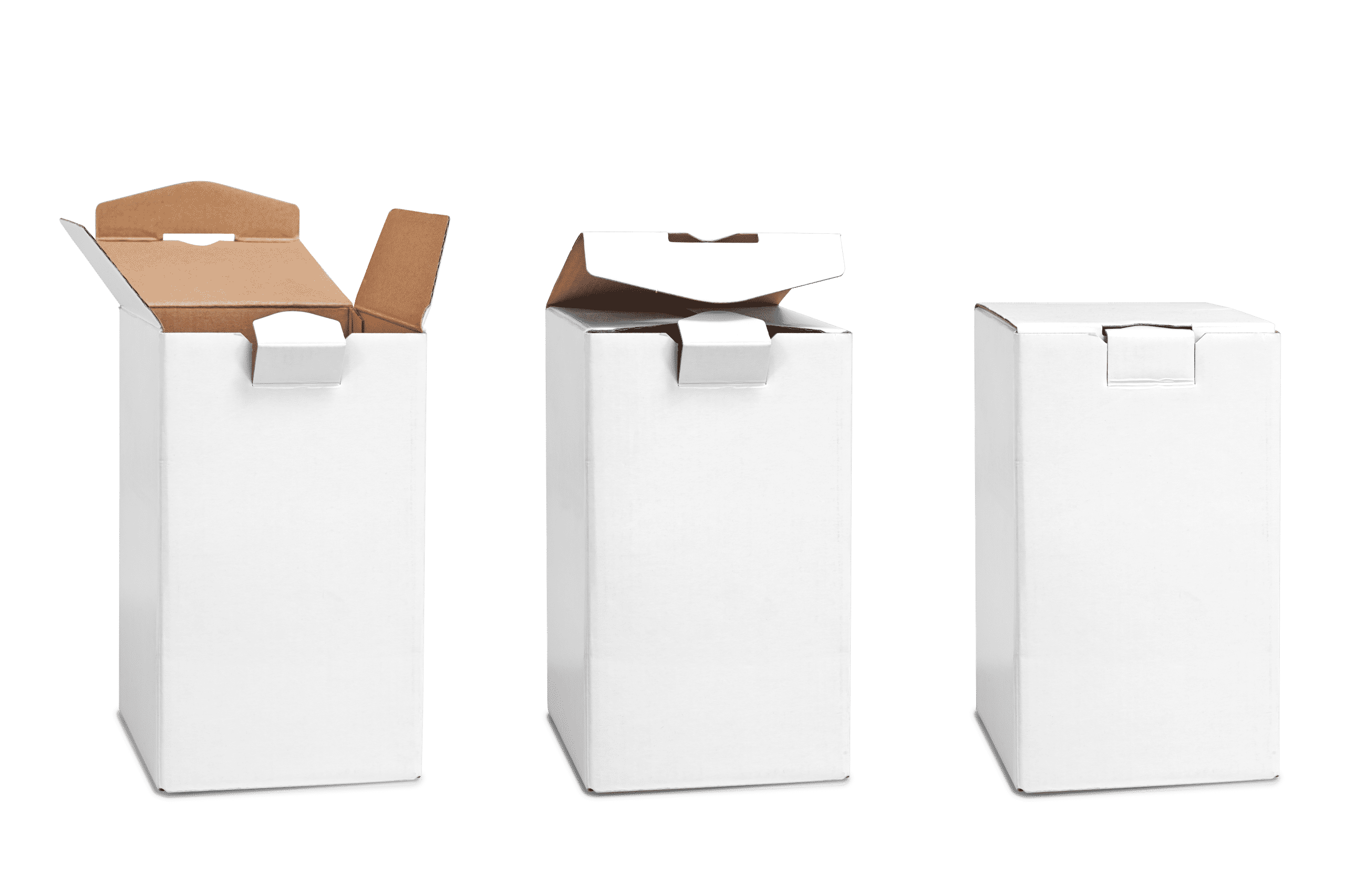
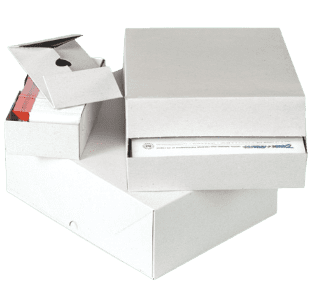
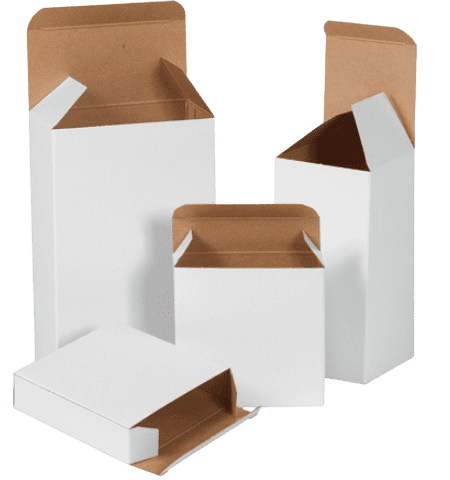
Stock packaging refers to pre-made, ready-to-ship packaging solutions like corrugated boxes, mailers, and protective materials that are designed to meet a wide range of standard needs across shipping, retail, and storage. Unlike custom packaging, stock options offer quick availability and reliable protection without the need for extensive design or production time, making them ideal for businesses needing efficient, high-quality solutions with fast lead times.

At Brown Packaging, we focus on providing durable, performance-driven stock packaging that supports our clients’ operational needs. Our stock products are sourced to ensure consistent quality and cost-effectiveness, offering a practical solution to keep operations running smoothly and on schedule. With an emphasis on reliability, we help our clients quickly access packaging solutions that meet their specific needs while maintaining quality across every order.

stock packaging products

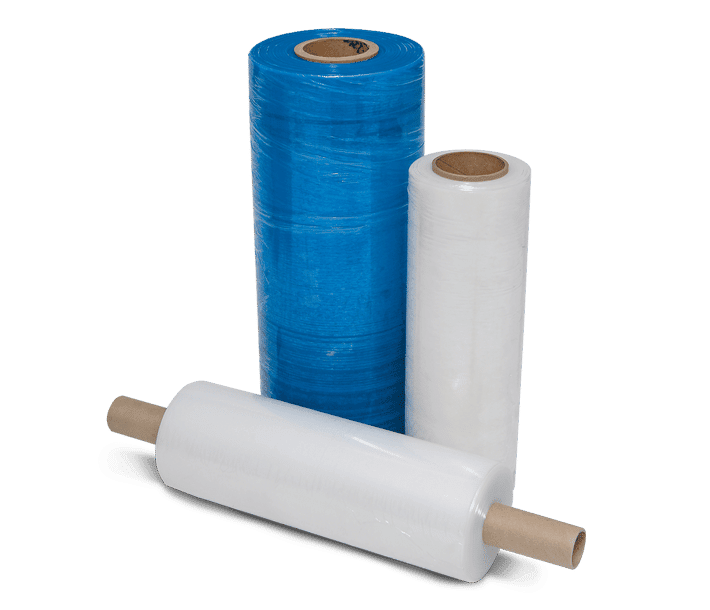
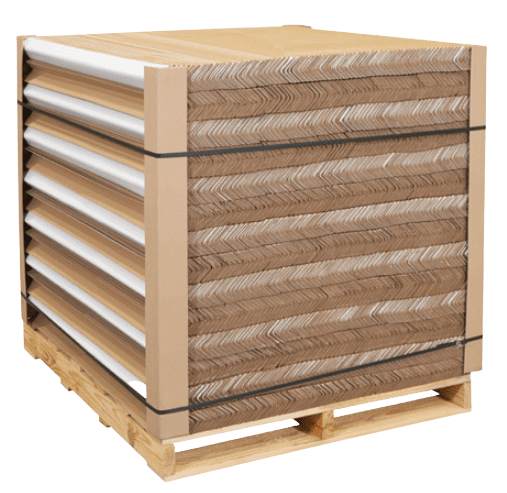
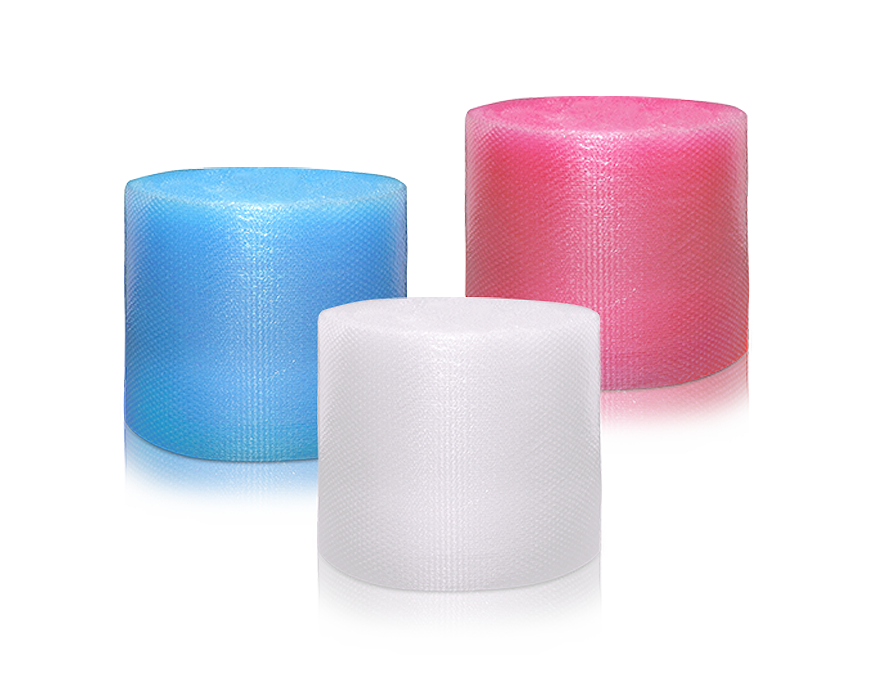
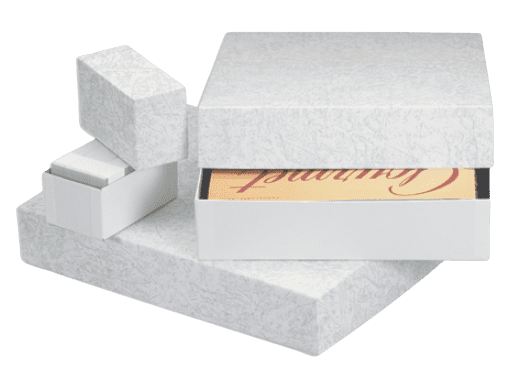
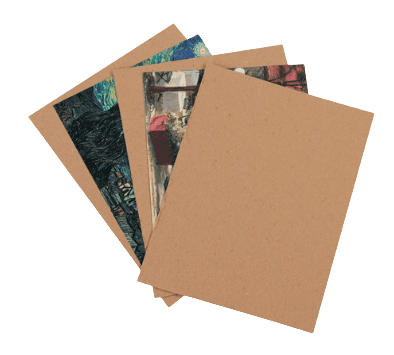
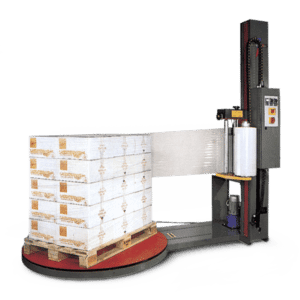
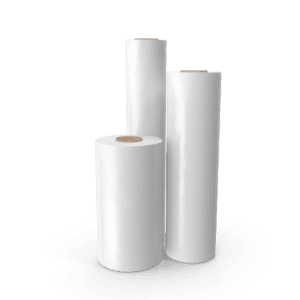
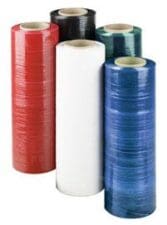
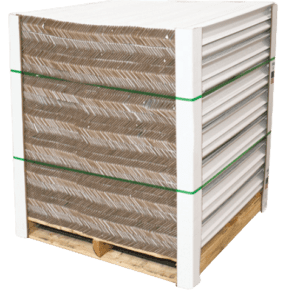
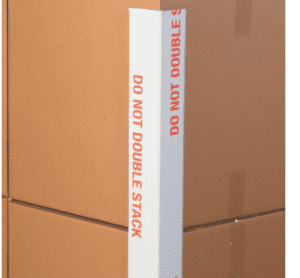
Our stock packaging products, from corrugated boxes to stretch film, offer a wide selection, including essentials like tape, edge protectors, labels, and more, with quick turnaround times to meet your packaging needs efficiently.

Edit Content
Edit Content
Folding Cartons
Pads
Apparel Boxes
Jewelry Boxes
Setup Cartons
Stationary Cartons
Edit Content
Cast Film
Blown Film
Conventional Film
Engineered Film
Pre-Stretched Film
Hand Film
Machine Film
Edit Content
Light Duty
Medium Duty
Heavy Duty
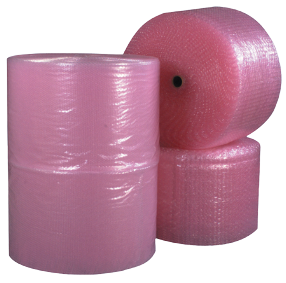
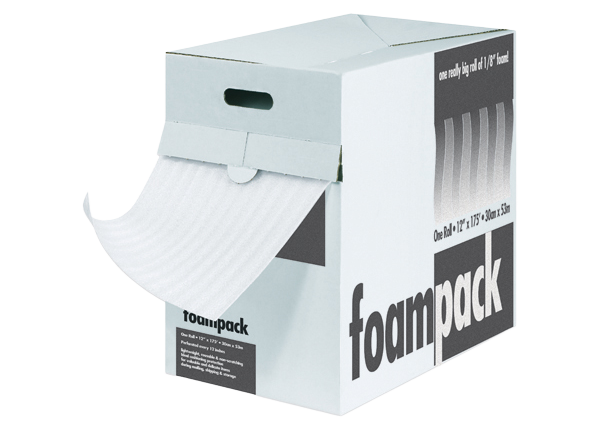
Foam
Strapping
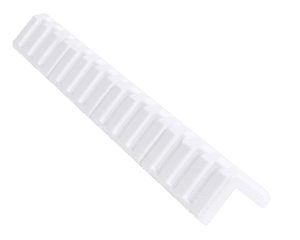
Frame Protectors
Edit Content
Edit Content
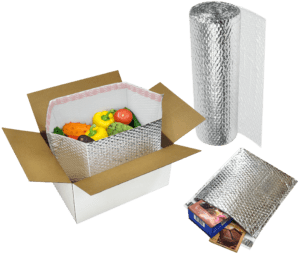
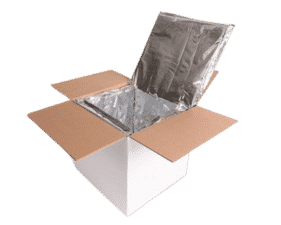
Box Liner
Metalized Pouch
Foam Cooler
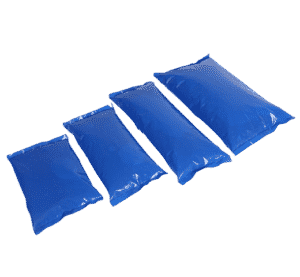
Ice Pack
Gel Pack
Edit Content
Edit Content
Edit Content
Folding Cartons
Pads
Apparel Boxes
Jewelry Boxes
Setup Cartons
Stationary Cartons
Edit Content
Cast Film
Blown Film
Conventional Film
Engineered Film
Pre-Stretched Film
Hand Film
Machine Film
Edit Content
Click on the Edit Content button to edit/add the content.
Edit Content
Edit Content
Box Liner
Metalized Pouch
Foam Cooler
Ice Pack
Gel Pack
Edit Content

If you need any assistance with your packaging or have a question, then contact us directly at request@brownpackaging.com  or  (714)300-0650. Learn more about custom packaging by reading our blog posts on new and trending topics.

Customization for Different Segments: A Key Strategy in Packaging
Packaging
brownpackaging
Customization for Different Segments: A Key Strategy in Packaging

In a diverse consumer market, the effectiveness of your packaging strategy can hinge on how well it resonates with specific customer segments. Customization for different segments in packaging allows brands to tailor their approach to meet the unique preferences and needs of various consumer groups. This blog post continues to explore the strategies and benefits of segment-specific packaging customization. Demographic-Based Customization Age Groups: Packaging for different age groups requires distinct design elements. Bright, bold designs may attract a younger audience, while older consumers might prefer sleek, sophisticated packaging. Gender-Specific Design: While moving towards more gender-neutral designs is a growing trend, some products might still benefit from gender-specific packaging, using color schemes and imagery that traditionally appeal more to men or women. Lifestyle and Interest Customization Hobby or Interest-Based Packaging: Products aimed at specific hobbies or interests can benefit from customized packaging that reflects these activities. For instance, sports equipment packaging can feature athletic imagery and dynamic designs. Cultural and Geographic Tailoring: Customizing packaging to reflect local cultures, languages, and symbols can significantly increase its appeal in different geographic markets. Customization Based on Consumer Behavior Eco-Conscious Packaging: For environmentally conscious consumers, using sustainable materials and minimalist designs can make the product more appealing. Luxury and Premium Packaging: High-end products can benefit from packaging that exudes luxury through high-quality materials, elegant designs, and exclusive finishes. Personalization: The Ultimate Customization Individualized Packaging: Advances in printing technology have made it possible to create personalized packaging, such as including a customer’s name or a personalized message, which can greatly enhance the customer experience and loyalty. Technological Integration for Targeted Segments Smart Packaging Elements: Incorporating technology like QR codes or augmented reality can appeal to tech-savvy segments, offering them an interactive and informative packaging experience. Testing and Consumer Feedback Market Testing: Before fully committing to a new packaging design for a specific segment, conduct market tests to gauge consumer response. Feedback Loops: Regularly collecting and analyzing consumer feedback can provide insights into how well your packaging resonates with different segments and what improvements can be made. Challenges in Segment-Specific Customization Balancing Cost and Benefit: While customization can significantly increase appeal, it can also raise production costs. It’s crucial to balance the level of customization with the potential return on investment. Avoiding Stereotypes: It’s important to base customization on genuine consumer insights and avoid reinforcing stereotypes that might be offensive or outdated. If you are interested in customer packaging, then partner with Brown Packaging today to get started. (714)300-0650 request@brownpackaging.com Most Recent Posts: Categories: Corrugated Ecommerce ESD Design Display Flexible Packaging Foam Folding Carton Packaging Plastic Packaging Pouch Printing Protection Retail Rigid Box Thermoform Sustainability Subscribe To Our Newsletter By submitting your information, you agree to our terms and conditions and privacy policy. Custom Packaging Facebook Twitter LinkedIn Pinterest Relevant Posts

Read More »
Endcap Display
Display
brownpackaging
Choosing Materials and Production for Your POP Display

The selection of materials and the production process are critical aspects of creating a Point of Purchase (POP) display that not only captures attention but is also cost-effective and durable. This stage in the creation of a POP display involves deciding on the materials that will best convey the brand message while standing up to the retail environment. This blog explores how to choose the right materials for your POP display and discusses key considerations for the production process. Material Selection: Balancing Aesthetics, Budget, and Durability Understand Material Options The most common materials used in POP displays include cardboard, plastic, metal, and wood. Each has its advantages and drawbacks: Cardboard (Corrugated) is cost-effective and versatile but less durable. Plastic offers durability and a clean look but can be more expensive. Metal is highly durable and stable, suitable for heavier products. Wood provides a premium aesthetic but is often heavier and more costly. Consider Environmental Factors Select materials that are appropriate for the display’s environment. For indoor displays, durability concerns might be less stringent than for outdoor displays. Additionally, consider the sustainability of materials if environmental impact is a concern for your brand. Align with Budget Your material choice is heavily influenced by your budget. While it’s important to aim for high-quality, cost-effective materials that offer visual appeal and durability, ensure they do not stretch your budget too thin. Plan to allocate resources efficiently to balance between material costs and other elements like design and transportation. Production Process: Ensuring Quality and Efficiency Choose the Right Manufacturer Selecting a manufacturer is a pivotal decision in the production process. Look for manufacturers with experience in producing similar types of displays, good reputations for quality and reliability, and the ability to provide valuable insights and adjustments to your design. Prototype Testing Before moving into mass production, ensure that a prototype of the display is tested. This helps in identifying any potential issues with the design or materials that might affect the display’s functionality or durability. Quality Control Establish a strict quality control process with your manufacturer to ensure that every display meets your standards. Consistent quality is crucial, as any defects can detract from the effectiveness of your display and potentially harm your brand’s reputation. Consider Assembly and Installation Think about the assembly process for your display. If the displays need to be assembled on-site, ensure that they are designed to be easily put together, with clear instructions provided. This can significantly affect the overall success of the display deployment. Plan for Logistics Coordinate with the manufacturer about logistics. This includes the packaging of the displays for shipment and the delivery schedules to ensure that displays arrive in good condition and on time for deployment. Conclusion Choosing the right materials and overseeing a careful production process are essential steps in creating effective POP displays. By considering factors like material properties, budget constraints, and environmental conditions, and by working closely with a reliable manufacturer, you can ensure that your POP display effectively represents your brand and engages your target audience. This attention to detail in the production phase will pay dividends in the display’s success and durability. If you are interested in POP displays, then partner with Brown Packaging today to get started.   (714)300-0650 request@brownpackaging.com Most Recent Posts: Categories: Corrugated Ecommerce ESD Design Display Flexible Packaging Foam Folding Carton Packaging Plastic Packaging Pouch Printing Protection Retail Rigid Box Thermoform Sustainability Subscribe To Our Newsletter By submitting your information, you agree to our terms and conditions and privacy policy. POP Display Facebook Twitter LinkedIn Pinterest Relevant Posts

Read More »
POP half pallet display
Display
brownpackaging
Optimizing the Size and Structure of Your POP Displays

When it comes to retail marketing, Point of Purchase (POP) displays are essential for capturing customer attention and promoting your products effectively. The size and structure of these displays play a critical role in their success, influencing both visibility and shopper engagement. This blog explores how to optimize the size and structure of POP displays to maximize their impact in a retail setting. Understanding the Importance of Size and Structure The size and structure of a POP display can dramatically affect how a product is perceived by shoppers. Too large, and the display can overwhelm the product or clutter the shopping environment; too small, and it risks being overlooked. The right balance ensures the display is engaging without being obtrusive, and that it fits well within the available retail space. Key Considerations for Optimizing Size Retail Space Constraints Before designing a POP display, it’s crucial to consider the available space. In a crowded retail environment, a compact, well-organized display might be more effective. Conversely, in larger, more open spaces, a bigger display could be used to make a bolder statement. Product Type and Size The size of the display should correspond to the size and type of the product. Larger items might need sturdier and more spacious displays, while smaller items can benefit from more petite, densely packed displays that allow for easy browsing. Visibility and Reach Ensure that the display is not only visible from a distance but also easily accessible to all customers, including those with disabilities. The height of the display should allow children and adults to comfortably interact with the products, ideally without having to reach too high or bend too low. Strategies for Structuring Your Display Modular Design Modular POP displays offer flexibility as they can be easily adjusted or reconfigured to accommodate different products or to fit different spaces. This adaptability makes them ideal for retailers who frequently change their promotions or product placements. Durable Materials The choice of material can affect both the appearance and durability of a POP display. Materials should be chosen not only for their aesthetic appeal but also for their ability to withstand regular interaction from customers. Metal or high-grade plastic structures can offer longevity, while cardboard might be suitable for shorter, seasonal campaigns. Interactive Elements Incorporating interactive elements such as digital screens, touch panels, or movable parts can make a display more engaging. These features can help draw in customers and provide them with a memorable shopping experience. Use of Levels and Depth Creating levels and depth within a display can guide the shopper’s eye and highlight different products effectively. Elevated platforms or staggered shelving can help make each product stand out while ensuring that none are hidden from view. Balancing Aesthetics and Functionality While the structure should be visually appealing, it must also be functional. The design should facilitate an easy flow of traffic around the display and allow customers to interact with the products without any barriers. Careful consideration of the layout and overall design can prevent the display from becoming too complicated or confusing to navigate. If you are interested in POP displays, then partner with Brown Packaging today to get started. (714)300-0650 request@brownpackaging.com Most Recent Posts: Categories: Corrugated Ecommerce ESD Design Display Flexible Packaging Foam Folding Carton Packaging Plastic Packaging Pouch Printing Protection Retail Rigid Box Thermoform Sustainability Subscribe To Our Newsletter By submitting your information, you agree to our terms and conditions and privacy policy. POP Display Facebook Twitter LinkedIn Pinterest Relevant Posts

Read More »