









window.uetq = window.uetq || []; window.uetq.push(‘event’, ‘submit_lead_form’,{ event_label:‘SUBMIT MESSAGE’ }); window.lintrk('track', { conversion_id: 10271009 }); window.lintrk('track', { conversion_id: 10271017 });

Stock Packaging

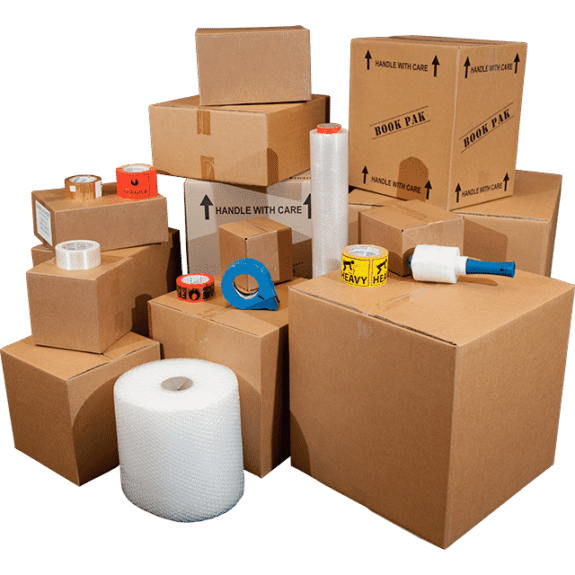
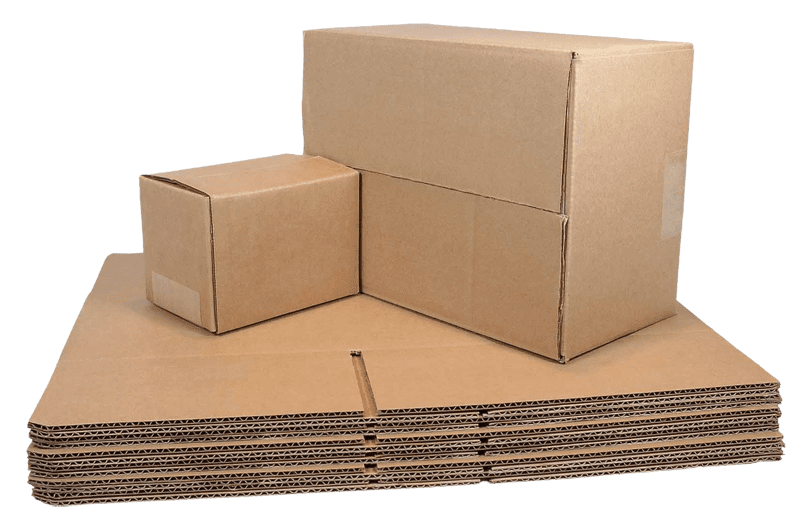
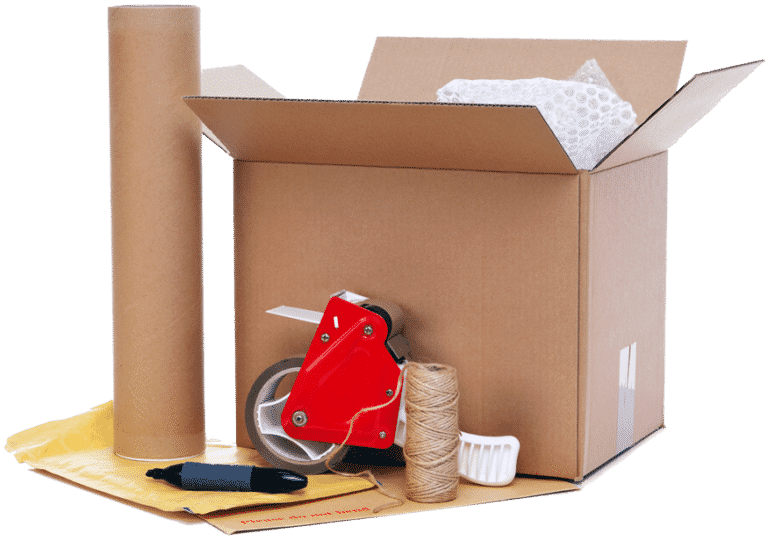
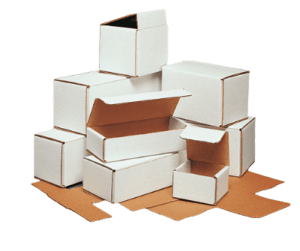
We supply businesses with a wide selection of essential packaging, shipping, and warehouse supplies. Get any standard packaging product by dimension or style from boxes, tubes, tapes, labels, and more. If you are unsure on what type of packaging you will need, then contact us for an expert consultation.


Stock packaging refers to pre-made, ready-to-ship packaging solutions like corrugated boxes, mailers, and protective materials that are designed to meet a wide range of standard needs across shipping, retail, and storage. Unlike custom packaging, stock options offer quick availability and reliable protection without the need for extensive design or production time, making them ideal for businesses needing efficient, high-quality solutions with fast lead times.

At Brown Packaging, we focus on providing durable, performance-driven stock packaging that supports our clients’ operational needs. Our stock products are sourced to ensure consistent quality and cost-effectiveness, offering a practical solution to keep operations running smoothly and on schedule. With an emphasis on reliability, we help our clients quickly access packaging solutions that meet their specific needs while maintaining quality across every order.

stock packaging products

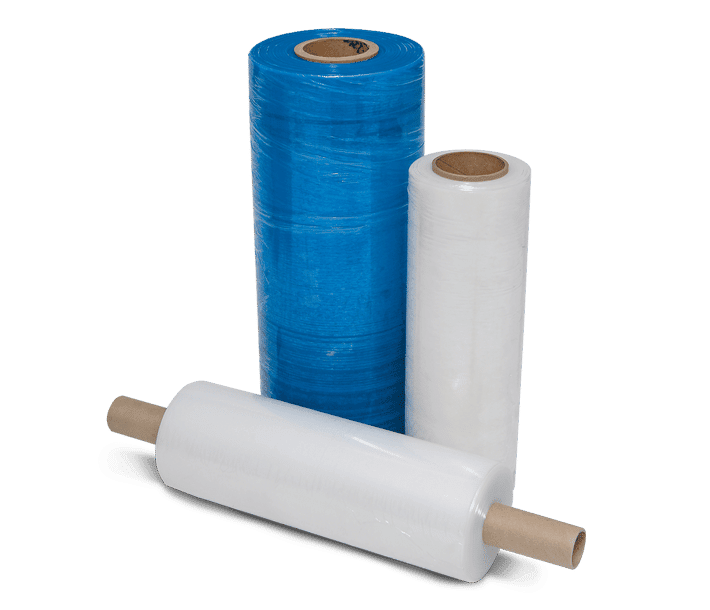
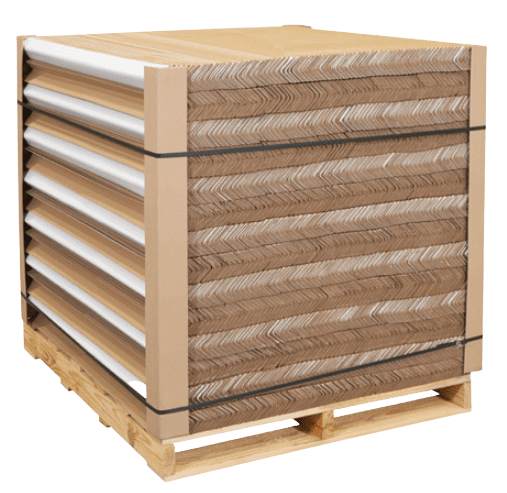
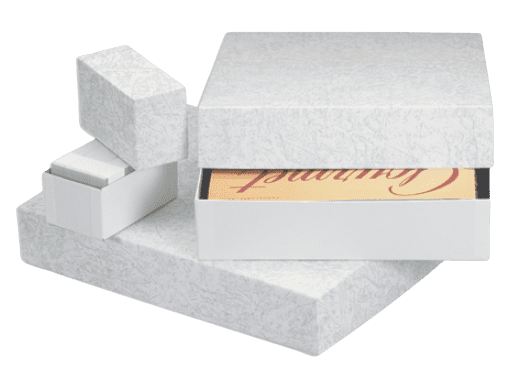
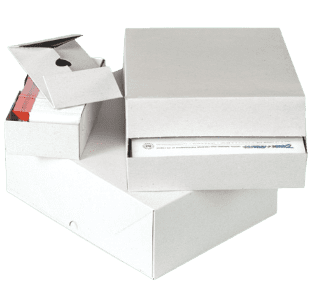
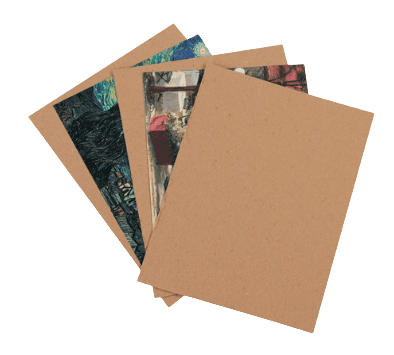
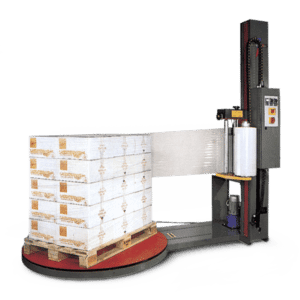
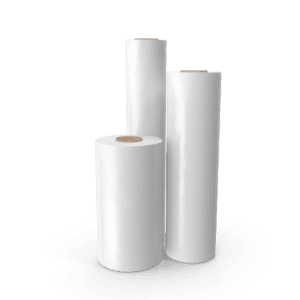
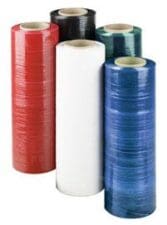
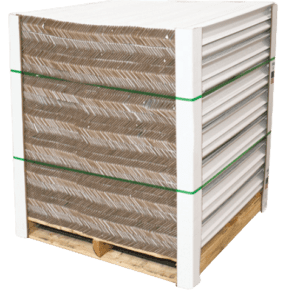
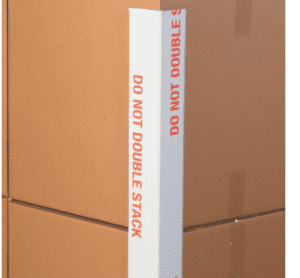
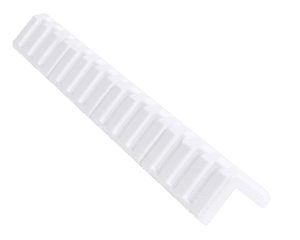
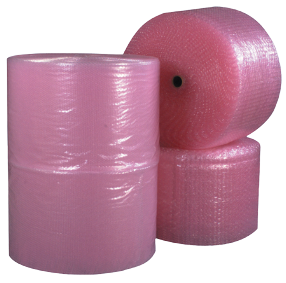
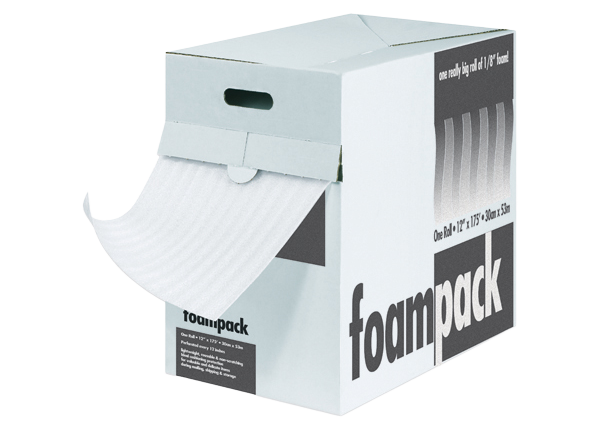
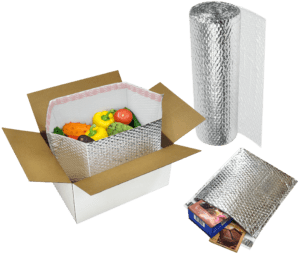
Our stock packaging products, from corrugated boxes to stretch film, offer a wide selection, including essentials like tape, edge protectors, labels, and more, with quick turnaround times to meet your packaging needs efficiently.

Edit Content
Edit Content
Folding Cartons
Pads
Apparel Boxes
Jewelry Boxes
Setup Cartons
Stationary Cartons
Edit Content
Cast Film
Blown Film
Conventional Film
Engineered Film
Pre-Stretched Film
Hand Film
Machine Film
Edit Content
Light Duty
Medium Duty
Heavy Duty
Foam
Strapping
Frame Protectors
Edit Content
Edit Content
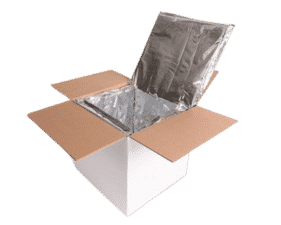
Box Liner
Metalized Pouch
Foam Cooler
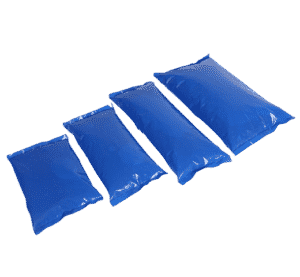
Ice Pack
Gel Pack
Edit Content
Edit Content
Edit Content
Folding Cartons
Pads
Apparel Boxes
Jewelry Boxes
Setup Cartons
Stationary Cartons
Edit Content
Cast Film
Blown Film
Conventional Film
Engineered Film
Pre-Stretched Film
Hand Film
Machine Film
Edit Content
Click on the Edit Content button to edit/add the content.
Edit Content
Edit Content
Box Liner
Metalized Pouch
Foam Cooler
Ice Pack
Gel Pack
Edit Content

If you need any assistance with your packaging or have a question, then contact us directly at request@brownpackaging.com  or  (714)300-0650. Learn more about custom packaging by reading our blog posts on new and trending topics.

permanent POP display
Display
brownpackaging
Logistics and Installation: Streamlining POP Display Deployment

The final steps in deploying a permanent and semi-permanent Point of Purchase (POP) display involve the logistics of distribution and the specifics of installation. Effective management of these stages is crucial to ensure that your displays are set up correctly, on time, and with optimal impact. This blog will guide you through the logistics and installation processes, providing insights on how to streamline these operations for maximum efficiency and effectiveness. Planning and Coordinating Logistics Understanding Distribution Requirements Begin by assessing the distribution requirements for your POP displays. Consider the number of locations, geographical spread, and the timeline for deployment. Effective logistics planning ensures that all displays reach their intended locations without delays or damage. Choosing a Distribution Partner Selecting the right logistics partner is vital. Look for providers with experience in handling retail displays, as they can offer specialized services such as on-time delivery to multiple locations, careful handling of materials, and even storage solutions if needed. Packaging for Protection Ensure that the POP displays are packaged securely to prevent damage during transit. This might involve custom crating or protective padding, especially for more delicate components. The goal is to have the displays arrive in pristine condition, ready for installation. Efficient and Effective Installation Preparing Installation Guidelines Provide clear, detailed installation guidelines to ensure consistent setup across all locations. This should include instructions on assembly, placement, and any necessary tools or materials. Proper guidelines help minimize errors and reduce the time needed for installation. Training Teams or Hiring Professionals Decide whether to train your staff for installation or to hire professional installers. Training in-house teams can be cost-effective and allow for more control over the process. However, professional installers can offer the advantage of experienced, quick, and reliable setup, which might be crucial for complex displays or large-scale rollouts. Coordinating with Retail Locations Work closely with the management of the retail locations where the displays will be installed. Coordination is essential for ensuring that the installation process does not disrupt business operations and that the display is placed in the most effective spot within the store. On-site Adjustments Be prepared for on-site adjustments. Even with thorough planning, the need for minor tweaks during installation is common. Quick decision-making and adaptability can help overcome any unforeseen challenges that arise during the setup. Monitoring and Troubleshooting Initial Feedback Loop Once the displays are installed, establish an initial feedback loop with the store managers and installation teams. Gather insights on the installation process and the initial response of customers to the displays. This feedback can be invaluable for making any immediate adjustments and for improving future deployments. Ongoing Maintenance Plan for the maintenance of the displays to ensure they remain attractive and functional throughout their intended lifespan. This might involve regular check-ups, cleaning, and repairs. Maintaining the displays well can significantly enhance their effectiveness and protect your investment. Conclusion Logistics and installation are critical phases in the deployment of POP displays. Efficiently managing these aspects ensures that your displays are set up to attract and engage customers effectively. By focusing on careful planning, clear communication, and flexibility, you can streamline these processes to achieve a successful display rollout that meets both your operational goals and marketing objectives. If you are interested in POP displays, then partner with Brown Packaging today to get started. (714)300-0650 request@brownpackaging.com Most Recent Posts: Categories: Corrugated Ecommerce ESD Design Display Flexible Packaging Foam Folding Carton Packaging Plastic Packaging Pouch Printing Protection Retail Rigid Box Thermoform Sustainability Subscribe To Our Newsletter By submitting your information, you agree to our terms and conditions and privacy policy. Custom Packaging Facebook Twitter LinkedIn Pinterest Relevant Posts

Read More »
How To Reduce Food Packaging Waste
Food
brownpackaging
How To Reduce Food Packaging Waste

Food packaging waste is a pressing environmental issue that demands our attention. Excessive packaging, single-use plastics, limited recycling facilities, and consumer habits all contribute to the problem. In this blog, we will explore effective strategies to minimize food packaging waste, from sustainable materials to consumer education and corporate responsibility. The Challenge of Food Packaging Waste Excessive Packaging: Over-packaging, or using more packaging than necessary, is a significant contributor to food packaging waste. Single-Use Plastics: Single-use plastic packaging, notorious for its non-biodegradable nature, poses a severe threat to the environment. Lack of Recycling: Inadequate recycling facilities and low recycling rates for certain materials exacerbate the problem. Consumer Behavior: Consumer habits, including excessive food waste and improper disposal of packaging, also contribute to the issue. Sustainable Strategies to Reduce Food Packaging Waste Optimize Packaging Design: Rethink packaging design to use the least amount of material necessary while maintaining product safety and quality. Eco-Friendly Materials: Embrace sustainable packaging materials such as biodegradable plastics, compostable materials, and recycled content. Reduce Single-Use Plastics: Transition away from single-use plastics and adopt reusable and refillable packaging options. Minimalist Packaging: Embrace minimalist packaging with clear labeling and reduced graphics to reduce material usage. Innovative Packaging: Explore innovative packaging solutions, such as edible packaging or dissolvable packaging materials. Recyclability and Compostability: Prioritize materials that are easily recyclable or compostable to promote responsible disposal. Consumer Education: Educate consumers about responsible packaging disposal, recycling programs, and the importance of reducing food waste. Reduced Food Waste: Encourage portion control or provide resealable packaging to minimize food waste. Circular Economy: Implement circular economy principles, which prioritize recycling, reusing, and reducing materials in the packaging lifecycle. Corporate Responsibility in Reducing Food Packaging Waste Sustainable Sourcing: Source packaging materials from sustainable and ethical suppliers. Eco-Friendly Initiatives: Invest in sustainable packaging research and development and collaborate with industry partners to promote eco-friendly practices. Packaging Audits: Regularly evaluate and audit packaging to identify areas for waste reduction and improved sustainability. Regulatory Compliance: Stay informed about and comply with evolving regulations related to packaging and waste reduction. Transparency: Be transparent with consumers about your sustainability efforts and progress. The Consumer Role in Reducing Food Packaging Waste Responsible Disposal: Dispose of packaging materials in accordance with local recycling and waste disposal guidelines. Minimalist Shopping: Make informed and mindful purchasing decisions to reduce unnecessary packaging. Support Sustainable Brands: Choose products from companies committed to sustainable packaging and waste reduction. Conclusion Reducing food packaging waste is a shared responsibility that involves businesses, consumers, and policymakers. By implementing sustainable packaging strategies, embracing eco-friendly materials, and educating consumers about responsible disposal and purchasing habits, we can work towards a greener future with minimized food packaging waste. It’s time to rethink, redesign, and reduce our packaging footprint to protect the planet for future generations. If you are interested in reducing your food packaging waste, then partner with Brown Packaging today to get started. (714)300-0650 request@brownpackaging.com Most Recent Posts: Categories: Corrugated Ecommerce ESD Design Display Flexible Packaging Foam Folding Carton Packaging Plastic Packaging Pouch Printing Protection Retail Rigid Box Thermoform Sustainability Subscribe To Our Newsletter By submitting your information, you agree to our terms and conditions and privacy policy. Food Packaging Facebook Twitter LinkedIn Pinterest Relevant Posts

Read More »
Custom Folding Carton
Folding Carton
brownpackaging
Exploring Reverse Tuck End (RTE) Cartons: Functions and Features

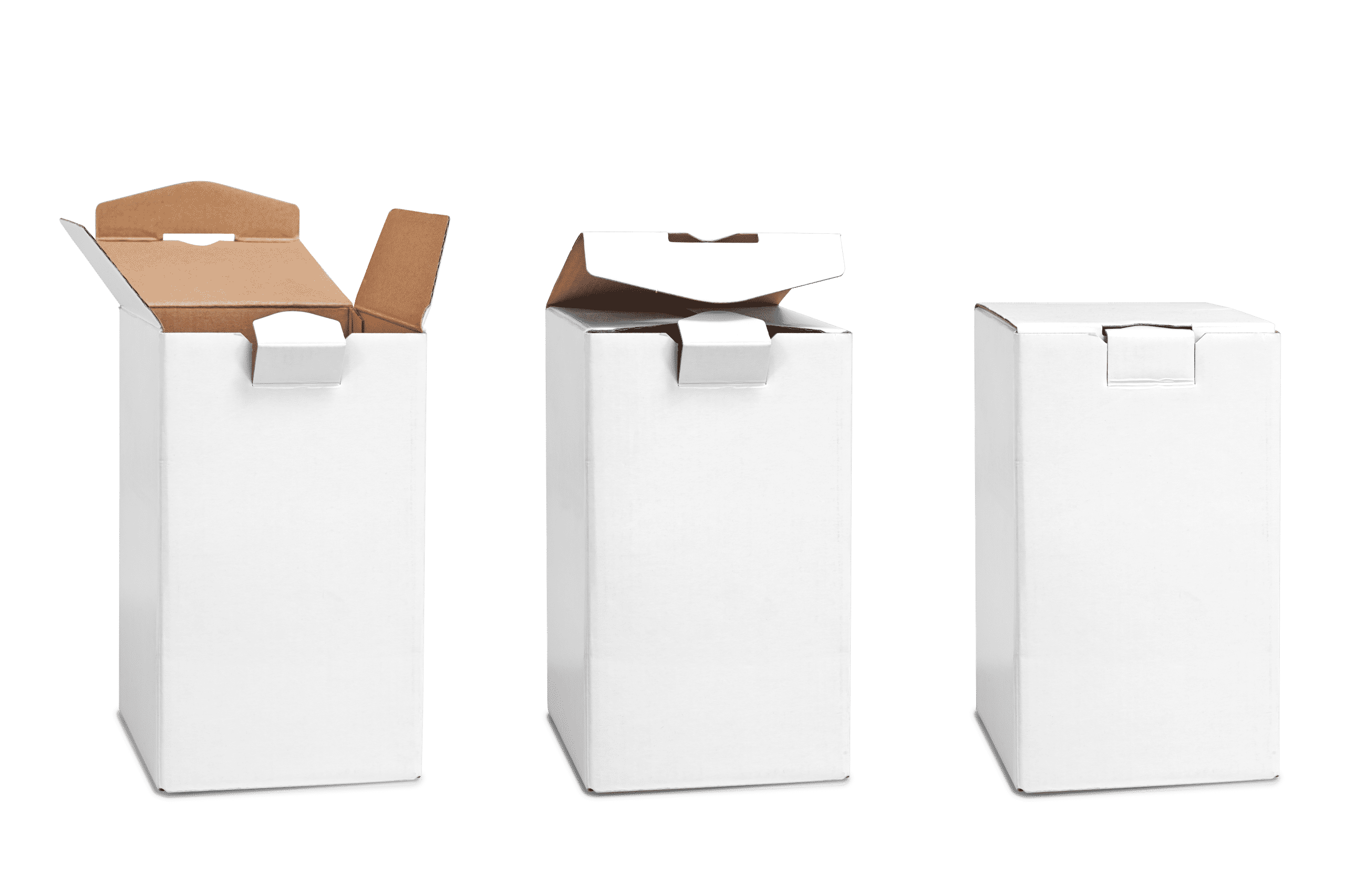
Reverse Tuck End (RTE) cartons are a popular packaging solution known for their unique design and versatility. In this blog, we will delve into the functions and features of RTE cartons, focusing on their distinctive opposite tuck closure mechanism, which sets them apart from other carton styles. Opposite Tuck Closure Mechanism At the heart of the RTE carton’s design is its distinctive opposite tuck closure mechanism. This mechanism is characterized by having two tuck flaps—one at the top and one at the bottom of the carton—each tucking into the opposite panel, creating a secure and user-friendly closure. Let’s explore the functions and features associated with this design: Secure Closure: The primary function of the opposite tuck closure mechanism is to provide a secure seal for the contents of the carton. When the top flap is tucked into the rear panel and the bottom flap into the front panel, the carton is effectively closed, protecting the contents from external factors such as dust, moisture, and tampering. This ensures that the product reaches the end consumer in pristine condition. Easy Accessibility: One of the standout features of RTE cartons is their user-friendly design. Unlike some other carton styles that require complete opening, RTE cartons allow for convenient access to the product without the need to fully unseal the package. Consumers can easily open the carton by partially releasing one of the tuck flaps, retrieve the product, and then reseal it, maintaining the product’s freshness and usability. Space for Information and Branding: RTE cartons provide ample space for product information, branding, and graphics on both the front and rear panels. This design feature allows manufacturers and marketers to convey important details about the product, such as usage instructions, ingredients, and promotional messaging. Additionally, the extended surface area offers an excellent canvas for eye-catching visuals and branding elements, enhancing the product’s shelf appeal. Efficient Storage and Stacking: RTE cartons are designed with efficiency in mind. Their rectangular shape and opposite tuck closure facilitate easy stacking and storage. Whether on store shelves or in warehouses, RTE cartons maximize space utilization, making them a practical choice for businesses with storage constraints. Versatile Applications: RTE cartons are highly versatile and suitable for a wide range of products and industries. Their ease of use, secure closure, and ample branding space make them a preferred choice for packaging electronics, hardware, pharmaceuticals, consumer goods, office supplies, and more. If you are interested in reverse tuck end folding cartons, then partner with Brown Packaging today to get started. (714)300-0650 request@brownpackaging.com Most Recent Posts: Categories: Corrugated Ecommerce ESD Design Display Flexible Packaging Foam Folding Carton Packaging Plastic Packaging Pouch Printing Protection Retail Rigid Box Thermoform Sustainability Subscribe To Our Newsletter By submitting your information, you agree to our terms and conditions and privacy policy. Folding Carton (RTE) Facebook Twitter LinkedIn Pinterest Relevant Posts

Read More »