



window.uetq = window.uetq || []; window.uetq.push(‘event’, ‘submit_lead_form’,{ event_label:‘SUBMIT MESSAGE’ }); window.lintrk('track', { conversion_id: 10271009 }); window.lintrk('track', { conversion_id: 10271017 });

Stock Packaging

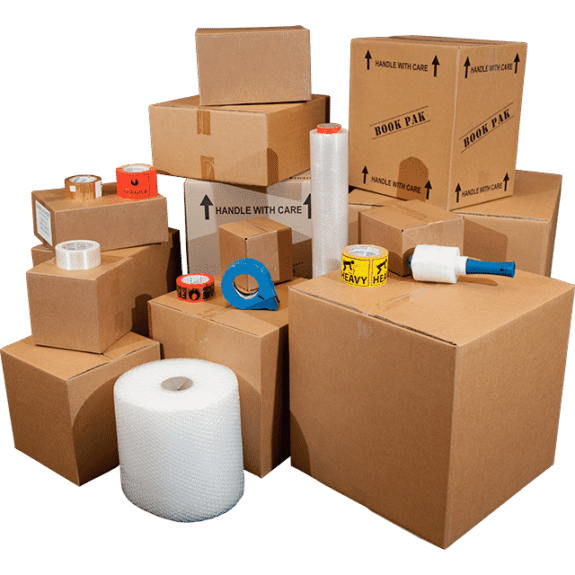
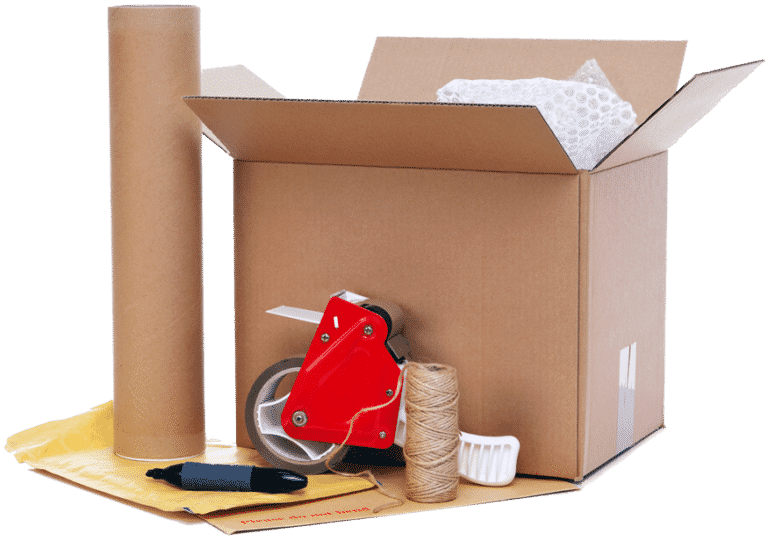
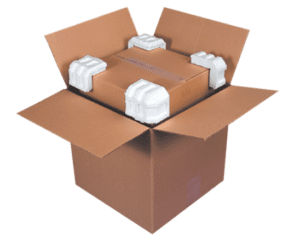
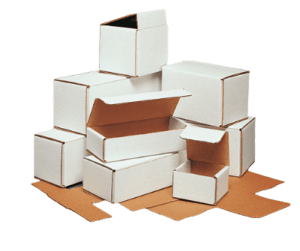
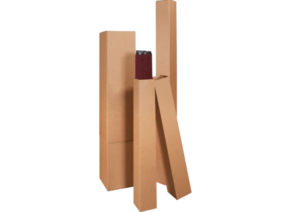
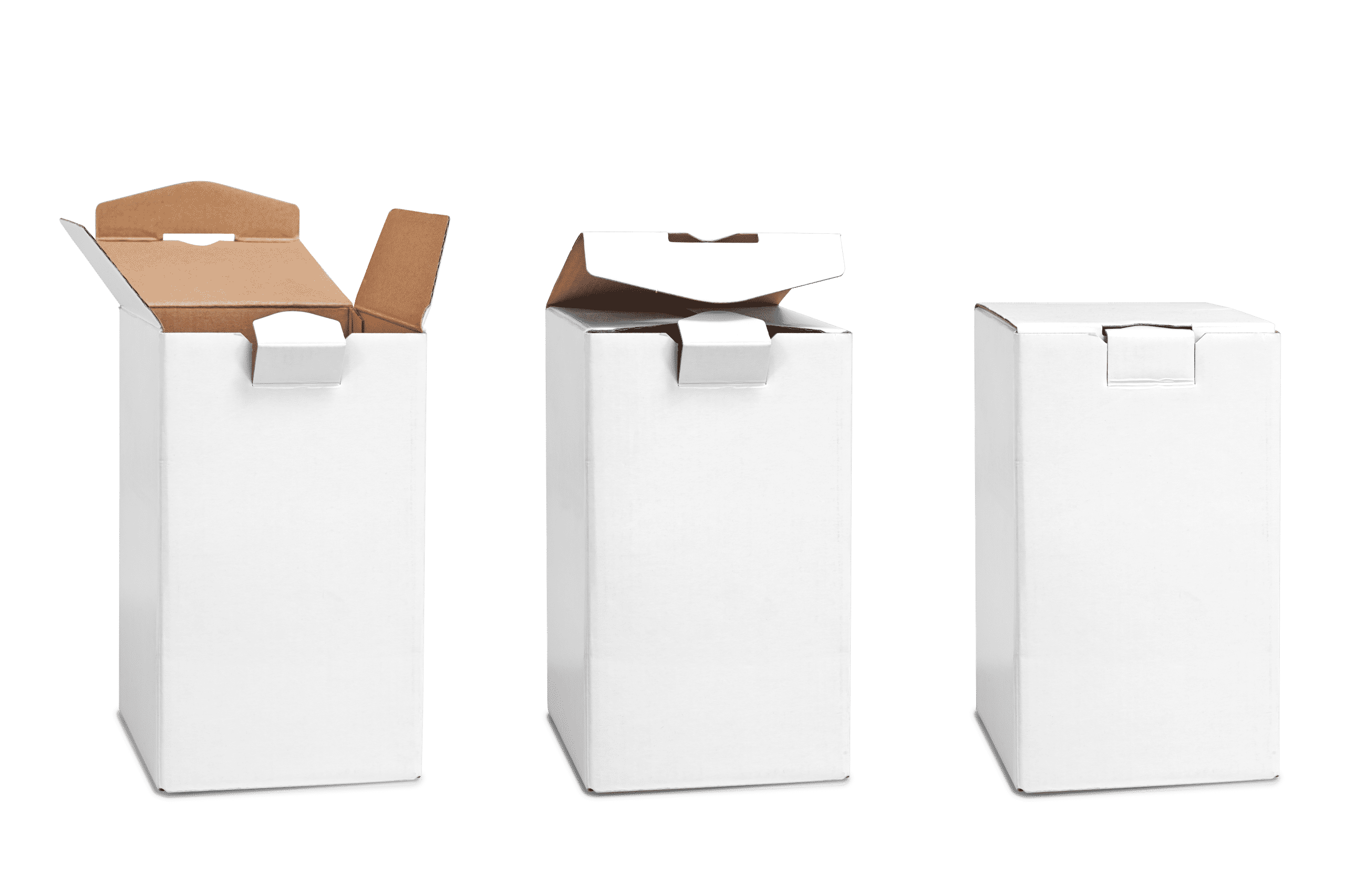
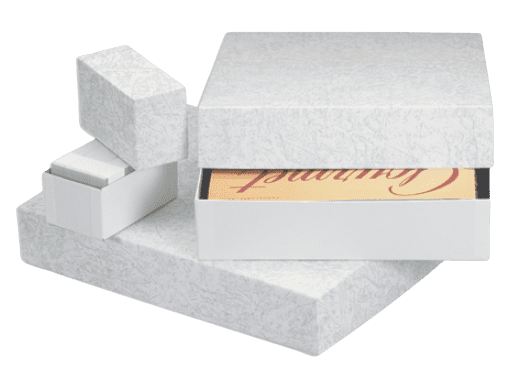
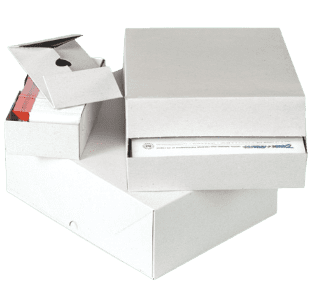
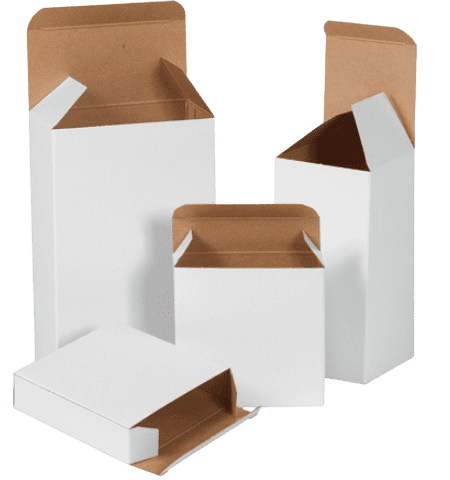
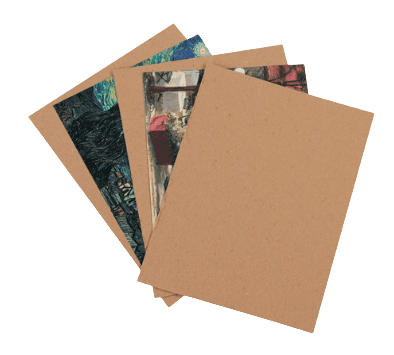
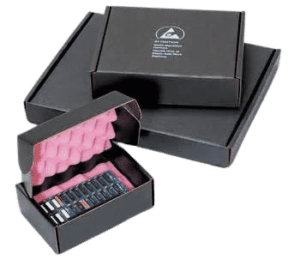
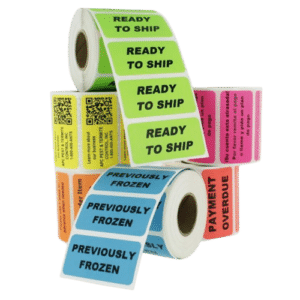
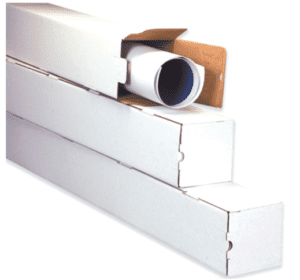
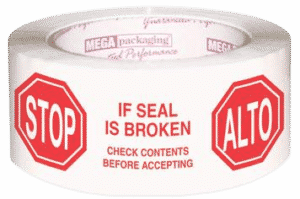
We supply businesses with a wide selection of essential packaging, shipping, and warehouse supplies. Get any standard packaging product by dimension or style from boxes, tubes, tapes, labels, and more. If you are unsure on what type of packaging you will need, then contact us for an expert consultation.


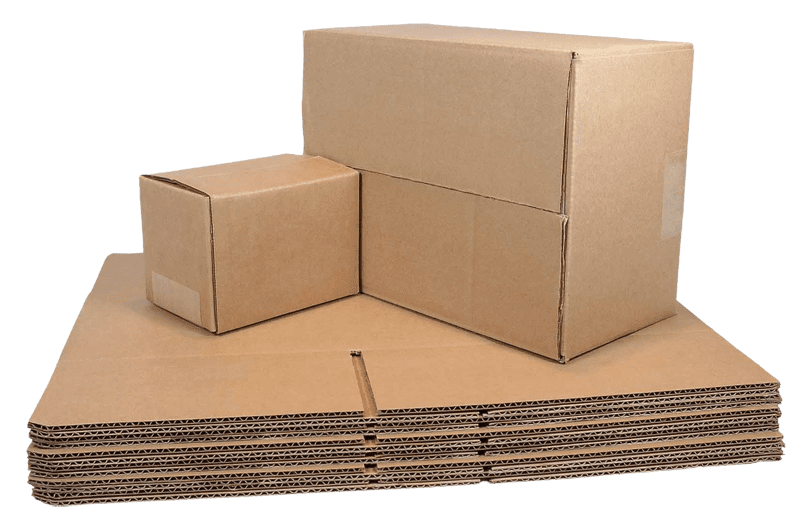
Stock packaging refers to pre-made, ready-to-ship packaging solutions like corrugated boxes, mailers, and protective materials that are designed to meet a wide range of standard needs across shipping, retail, and storage. Unlike custom packaging, stock options offer quick availability and reliable protection without the need for extensive design or production time, making them ideal for businesses needing efficient, high-quality solutions with fast lead times.

At Brown Packaging, we focus on providing durable, performance-driven stock packaging that supports our clients’ operational needs. Our stock products are sourced to ensure consistent quality and cost-effectiveness, offering a practical solution to keep operations running smoothly and on schedule. With an emphasis on reliability, we help our clients quickly access packaging solutions that meet their specific needs while maintaining quality across every order.

stock packaging products

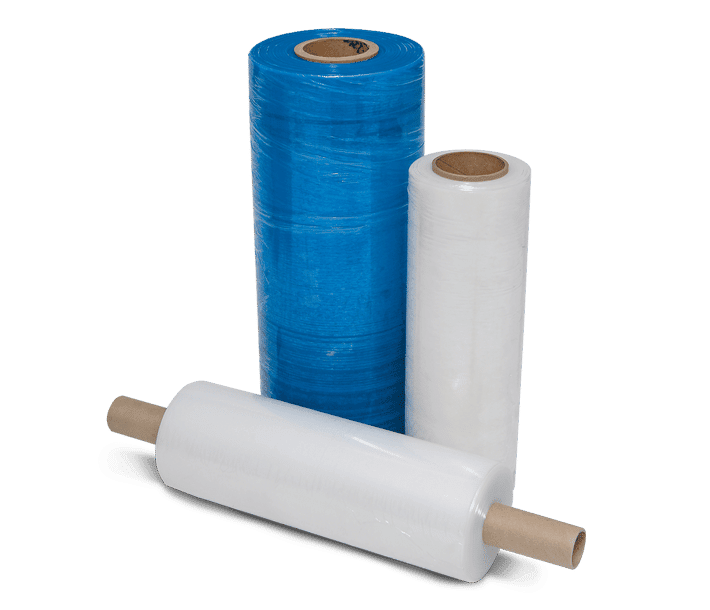
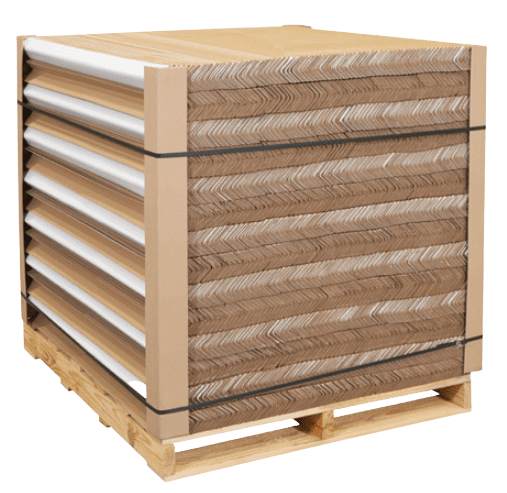
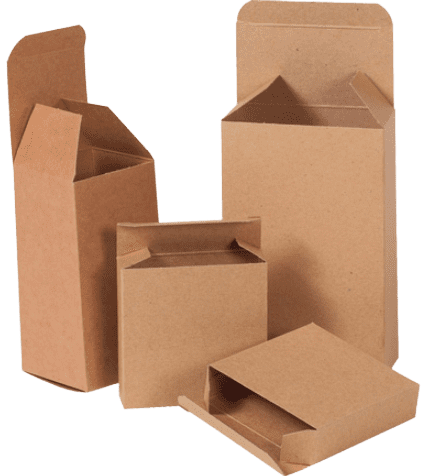
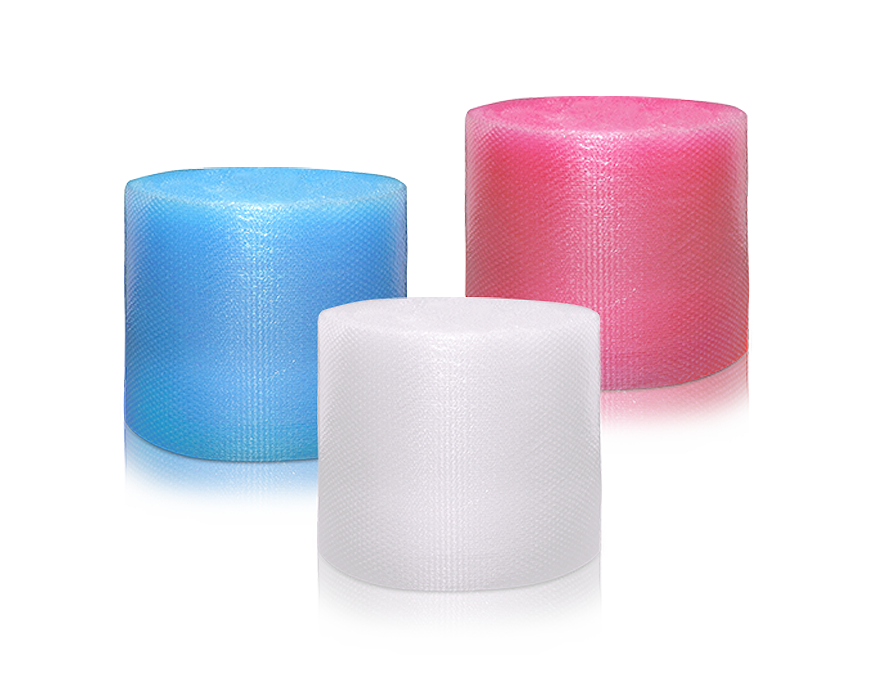
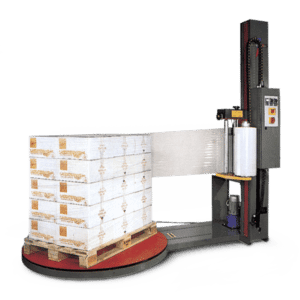
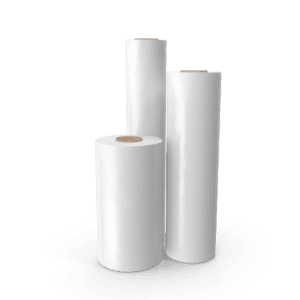
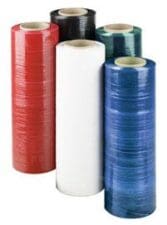
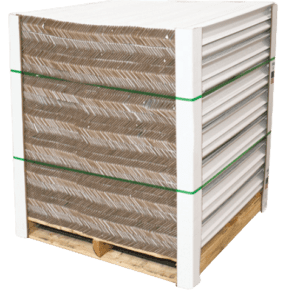
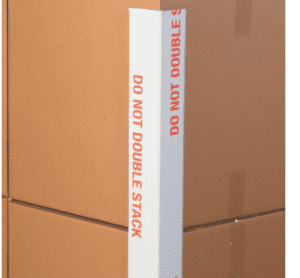
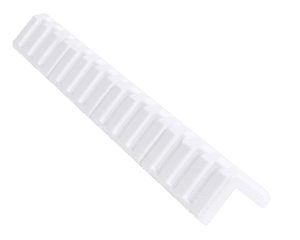
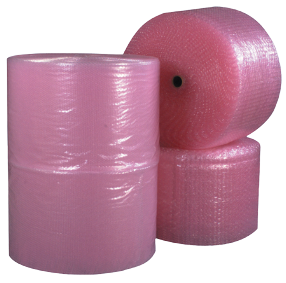
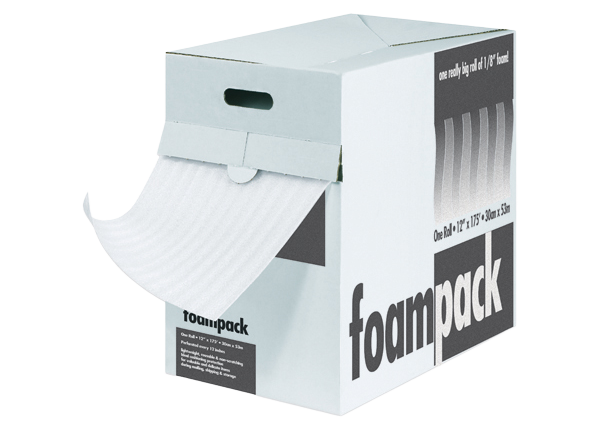
Our stock packaging products, from corrugated boxes to stretch film, offer a wide selection, including essentials like tape, edge protectors, labels, and more, with quick turnaround times to meet your packaging needs efficiently.

Edit Content
Edit Content
Folding Cartons
Pads
Apparel Boxes
Jewelry Boxes
Setup Cartons
Stationary Cartons
Edit Content
Cast Film
Blown Film
Conventional Film
Engineered Film
Pre-Stretched Film
Hand Film
Machine Film
Edit Content
Light Duty
Medium Duty
Heavy Duty
Foam
Strapping
Frame Protectors
Edit Content
Edit Content
Box Liner
Metalized Pouch
Foam Cooler
Ice Pack
Gel Pack
Edit Content
Edit Content
Edit Content
Folding Cartons
Pads
Apparel Boxes
Jewelry Boxes
Setup Cartons
Stationary Cartons
Edit Content
Cast Film
Blown Film
Conventional Film
Engineered Film
Pre-Stretched Film
Hand Film
Machine Film
Edit Content
Click on the Edit Content button to edit/add the content.
Edit Content
Edit Content
Box Liner
Metalized Pouch
Foam Cooler
Ice Pack
Gel Pack
Edit Content

If you need any assistance with your packaging or have a question, then contact us directly at request@brownpackaging.com  or  (714)300-0650. Learn more about custom packaging by reading our blog posts on new and trending topics.

Polyethylene
Foam
brownpackaging
Understanding Polyethylene Foam In Packaging

Packaging plays a crucial role in protecting products during transit and storage. Among the various materials used for packaging, polyethylene foam stands out as an excellent choice due to its unique combination of properties that make it ideal for cushioning and protecting a wide range of items. In this comprehensive guide, we will explore everything you need to know about polyethylene foam for packaging. What is Polyethylene Foam? Polyethylene foam is a lightweight material made from polyethylene, a type of plastic. It is characterized by its high resilience, flexibility, and excellent cushioning properties. Polyethylene foam is commonly used in various industries, including automotive, electronics and aerospace. Key Properties of Polyethylene Foam Polyethylene foam’s popularity in packaging is attributed to several key properties: Cushioning and Shock Absorption One of the primary reasons for using polyethylene foam in packaging is its exceptional cushioning and shock-absorbing capabilities. The structure of the foam allows it to compress and absorb impact energy, protecting delicate or fragile items from damage during handling and transportation. Lightweight Polyethylene foam is lightweight, making it an ideal choice for reducing shipping costs while still providing adequate protection. Its low weight-to-volume ratio is advantageous for both the manufacturer and the end consumer. Water Resistance Polyethylene foam is resistant to moisture and water, which helps protect products from water damage during transit or storage. This property is particularly important for items that are sensitive to moisture. Chemical Resistance Polyethylene foam is also resistant to many chemicals, oils, and solvents, making it suitable for packaging items that may come into contact with these substances. Durability Polyethylene foam is durable and long-lasting, ensuring that it can withstand the rigors of the packaging and shipping process. It does not easily tear, puncture, or break down over time. Thermal Insulation While not as efficient as some other insulating materials, polyethylene foam provides a degree of thermal insulation, helping to protect products from temperature fluctuations during transportation and storage. Types of Polyethylene Foam Polyethylene foam comes in various forms, each tailored to specific packaging needs: Plank Foam Plank foam is a solid sheet of polyethylene foam available in various thicknesses. It is often used for cushioning, interleaving, and lining packaging boxes. Roll Foam Roll foam is a continuous roll of polyethylene foam, which can be easily cut to the desired length. It is commonly used for wrapping and protecting fragile items. Die-Cut Foam Die-cut foam refers to polyethylene foam sheets that have been cut into specific shapes or profiles to fit the contours of a product precisely. This customized approach provides optimal protection for irregularly shaped items. Anti-Static Foam For packaging sensitive electronic components, anti-static polyethylene foam is available. It prevents electrostatic discharge (ESD) that can damage sensitive electronics. Common Applications of Polyethylene Foam in Packaging Polyethylene foam finds applications in a wide range of industries and packaging scenarios, including: Electronics Packaging Polyethylene foam is commonly used to protect electronic components, such as circuit boards, computer equipment, and delicate sensors, from shock and ESD during transportation. Automotive Packaging In the automotive industry, polyethylene foam is used to protect fragile automotive parts, prevent damage to painted surfaces, and reduce noise and vibration during transit. Medical Equipment Packaging Sensitive medical equipment, instruments, and devices are often packaged using polyethylene foam to ensure they reach their destination in pristine condition. Glassware and Dishware Packaging Fragile glassware, ceramics, and dishware benefit from polyethylene foam’s cushioning properties, preventing breakage and chipping. Furniture Packaging Polyethylene foam is used to protect furniture pieces like tables, chairs, and glass tabletops from scratches and damage during shipping. Aerospace Packaging In the aerospace industry, where precision and safety are paramount, polyethylene foam is used to protect critical components and equipment during transportation and storage. Choosing the Right Polyethylene Foam for Your Packaging Needs Selecting the appropriate polyethylene foam for your packaging requirements is crucial. Consider the following factors: Thickness Choose the foam thickness based on the fragility of the item you’re packaging. Thicker foam provides better cushioning for delicate items. Density The foam’s density affects its compression and cushioning abilities. Higher-density foam offers greater protection but may be heavier and more expensive. Type Select the right type of polyethylene foam (plank, roll, die-cut, or anti-static) depending on your packaging needs and the nature of the items you’re shipping. Customization For irregularly shaped items or unique packaging requirements, consider custom die-cut foam for a tailored solution. If you are interested in polyethylene foam, then partner with Brown Packaging today to get started.   (714)300-0650 request@brownpackaging.com Most Recent Posts: Categories: Corrugated Ecommerce ESD Design Display Flexible Packaging Foam Folding Carton Packaging Plastic Packaging Pouch Printing Protection Retail Rigid Box Thermoform Sustainability Subscribe To Our Newsletter By submitting your information, you agree to our terms and conditions and privacy policy. Polyethylene (PE) Foam Facebook Twitter LinkedIn Pinterest Relevant Posts

Read More »
Thermoform Plastic Packaging
Plastic Packaging
brownpackaging
Understanding Polypropylene (PP) Thermoform in Packaging

Polypropylene, often referred to as PP plastic, is the second most widely used plastic globally, praised for its remarkable durability, strength, and resistance to various environmental factors. This thermoplastic polymer is behind the resilience of many items in our daily lives, from children’s toys that withstand rough play to the reliable lids on your shampoo bottles that endure frequent use. Properties of PP Plastic Durability and Robustness: PP is characterized by its ability to resist wear and tear, making it ideal for high-use products like automotive parts and consumer goods. Chemical Resistance: PP does not react with a wide range of chemicals, which makes it suitable for containers and pallets in chemical handling applications. Biological Resistance: It does not degrade or mold easily, resisting damage from biological elements such as bacteria and fungi, enhancing its utility in medical and food applications. Water Resistance: Its impermeability makes it essential for items that must withstand moisture, including medical devices and lab equipment. Fatigue Resistance: PP maintains its shape after bending or twisting, exemplified by its use in living hinges, such as those found on shampoo bottle lids. High Melting Point: With a melting point that allows it to withstand higher temperatures, PP is perfect for kitchenware and food appliances that undergo heat exposure. Electrical Insulation: Its resistance to electricity makes it a primary choice for electronic components. Cost-Effectiveness and Recyclability: PP is not only affordable but also fully recyclable, supporting environmental sustainability by reducing landfill waste. Applications of Polypropylene in Various Industries Packaging Solutions: PP’s flexibility and low cost make it a popular choice for various packaging needs, replacing traditional materials like paper and cellophane. It is extensively used in manufacturing containers such as pallets, bottles, yogurt containers, and food packaging products. Automotive Components: Due to its durability and resistance properties, PP is frequently utilized in the automotive industry for parts such as car batteries, bumpers, interior panels, and cladding. Medical Industry: PP’s resistance to rigorous sterilization makes it indispensable in medical applications. It is used for constructing medical devices and packaging systems for pharmaceutical products. Consumer Goods: From toys that must endure frequent handling to household items like rugs and kitchen utensils, PP is a staple material in the consumer goods sector. Material Handling: PP is often the material of choice for making durable plastic pallets and other material handling equipment, thanks to its robustness and resilience. For more information on polypropylene packaging solutions or to discuss your specific needs, please contact Brown Packaging. We are dedicated to providing high-quality, sustainable packaging solutions tailored to your requirements. (714)300-0650 request@brownpackaging.com Most Recent Posts: Subscribe To Our Newsletter By submitting your information, you agree to our terms and conditions and privacy policy. Thermoform Packaging Facebook Twitter LinkedIn Pinterest Relevant Posts

Read More »
Polyethylene foam
Foam
brownpackaging
Guide To Poly Lamination Foam in Packaging

Packaging is a crucial component of product safety and marketing. Over the years, innovative materials have surfaced to enhance packaging capabilities, with one of the most effective being poly lamination foam. This versatile material, extensively used in the packaging industry, delivers unparalleled protection while offering significant cost benefits. In this comprehensive guide, we will delve deep into the world of poly lamination foam, exploring its unique properties, uses, and benefits. Poly Lamination Foam: An Introduction Let’s begin by breaking down what poly lamination foam is and how it is created. Polyethylene Foam: This is a foam’s structure consists of encapsulated bubbles that provide resilience, strength, and excellent shock absorption. Lamination: In this process, a protective layer is adhered to the foam, enhancing its durability, aesthetic appeal, and resistance to elements like moisture and dirt. Together, poly lamination foam offers a high-performance packaging solution, ensuring that products reach their destination in the best possible condition. The Strengths of Poly Lamination Foam Poly lamination foam offers numerous strengths that make it a preferred choice for packaging solutions. Durability: Thanks to the lamination process, this material is highly resistant to tearing, puncturing, and general wear-and-tear. It can withstand multiple impacts without compromising its integrity, making it ideal for protecting delicate or valuable goods. Moisture Resistance: Poly lamination foam is impervious to water, providing an excellent barrier against moisture and humidity. This feature makes it an excellent choice for products that are sensitive to such conditions. Lightweight: Despite its robust protection, poly lamination foam is incredibly lightweight, contributing to reduced shipping costs. Versatility: Poly lamination foam can be cut, shaped, and molded to fit a wide variety of products, making it a versatile choice for all types of packaging needs. Poly Lamination Foam in Various Industries With its myriad of benefits, poly lamination foam has found extensive use across various industries. Electronics: With electronics becoming more intricate and sensitive, they require robust packaging solutions. Poly lamination foam offers superior protection against shock, vibration, and static electricity, ensuring safe transport of these delicate items. Medical: In the healthcare industry, the safety of medical devices, pharmaceuticals, and diagnostic equipment is paramount. Poly lamination foam’s protective qualities make it ideal for this sector. Automotive: Automotive parts can be heavy, bulky, and delicate. Poly lamination foam is capable of providing the cushioning and protection needed during their transportation. Cosmetics: The cosmetics industry often needs to transport delicate bottles and containers. The foam’s ability to be customized allows for a perfect fit, reducing the risk of breakage. If you are interested in poly lamination foam for your packaging applications, then partner with Brown Packaging today to get started. (714)300-0650 request@brownpackaging.com Most Recent Posts: Subscribe To Our Newsletter By submitting your information, you agree to our terms and conditions and privacy policy. Foam Packaging Facebook Twitter LinkedIn Pinterest Relevant Posts

Read More »