




window.uetq = window.uetq || []; window.uetq.push(‘event’, ‘submit_lead_form’,{ event_label:‘SUBMIT MESSAGE’ }); window.lintrk('track', { conversion_id: 10271009 }); window.lintrk('track', { conversion_id: 10271017 });

Stock Packaging

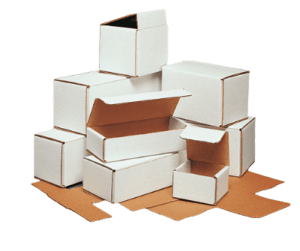
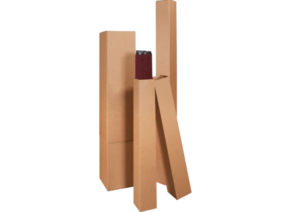
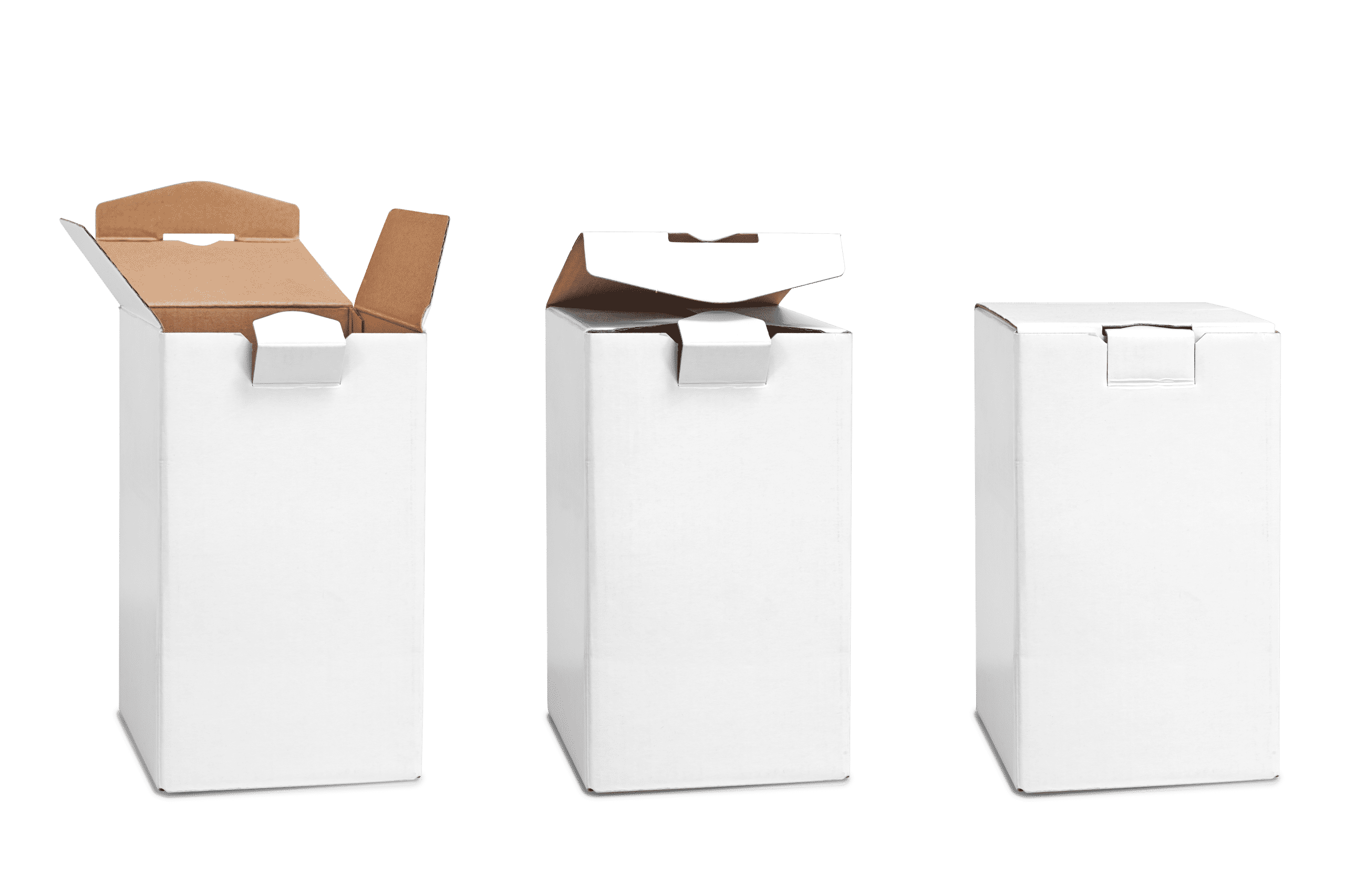
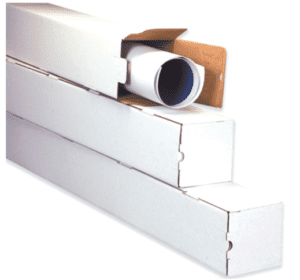
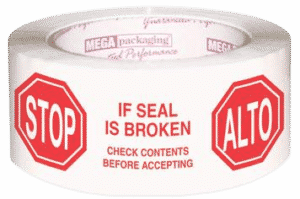
We supply businesses with a wide selection of essential packaging, shipping, and warehouse supplies. Get any standard packaging product by dimension or style from boxes, tubes, tapes, labels, and more. If you are unsure on what type of packaging you will need, then contact us for an expert consultation.


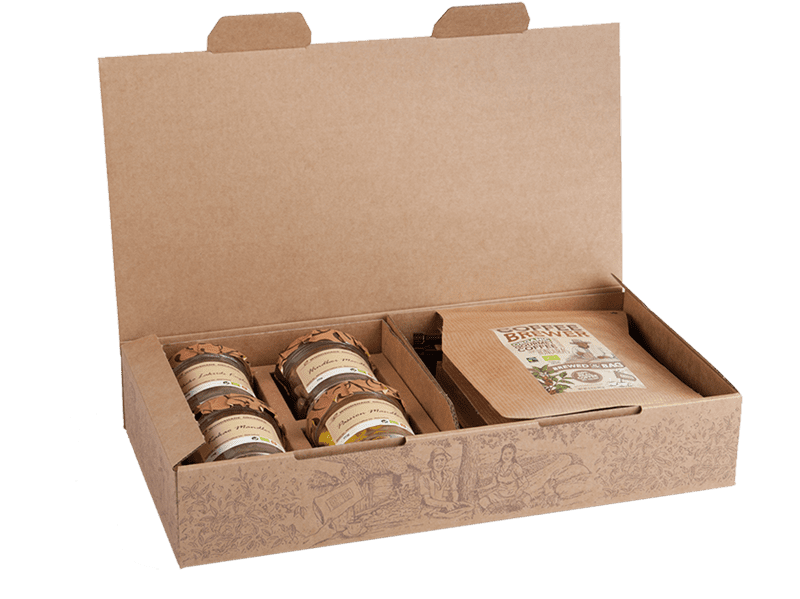
Stock packaging refers to pre-made, ready-to-ship packaging solutions like corrugated boxes, mailers, and protective materials that are designed to meet a wide range of standard needs across shipping, retail, and storage. Unlike custom packaging, stock options offer quick availability and reliable protection without the need for extensive design or production time, making them ideal for businesses needing efficient, high-quality solutions with fast lead times.

At Brown Packaging, we focus on providing durable, performance-driven stock packaging that supports our clients’ operational needs. Our stock products are sourced to ensure consistent quality and cost-effectiveness, offering a practical solution to keep operations running smoothly and on schedule. With an emphasis on reliability, we help our clients quickly access packaging solutions that meet their specific needs while maintaining quality across every order.

stock packaging products

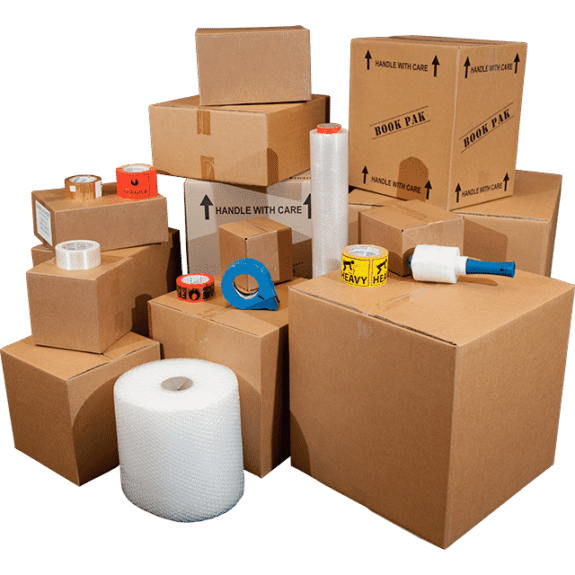
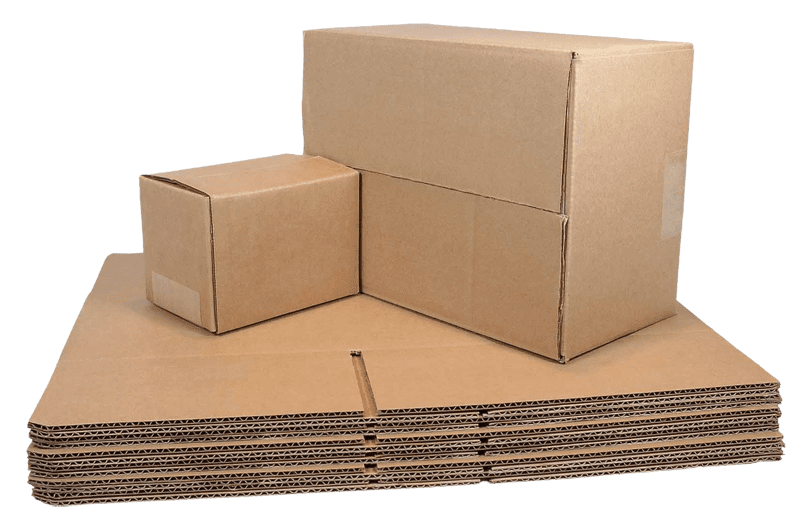
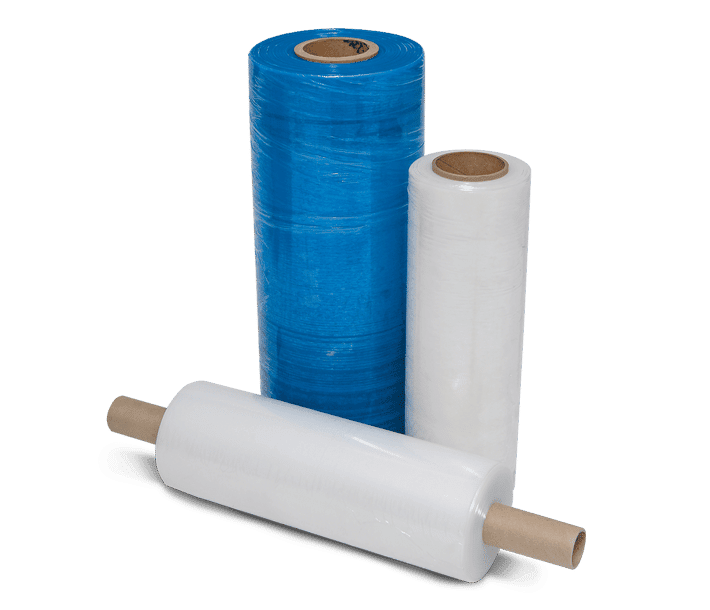
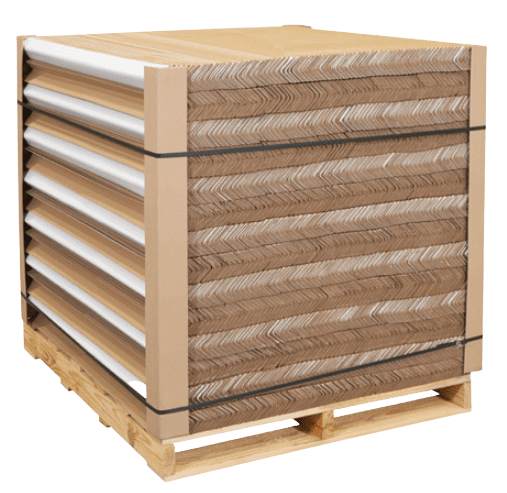
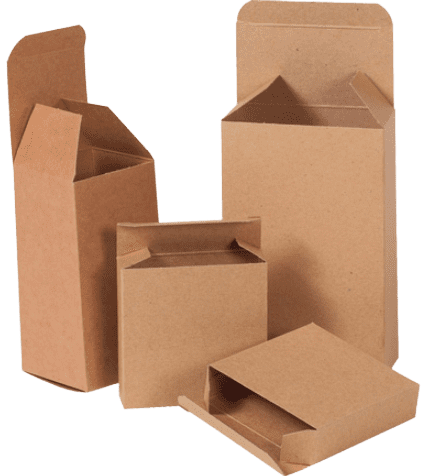
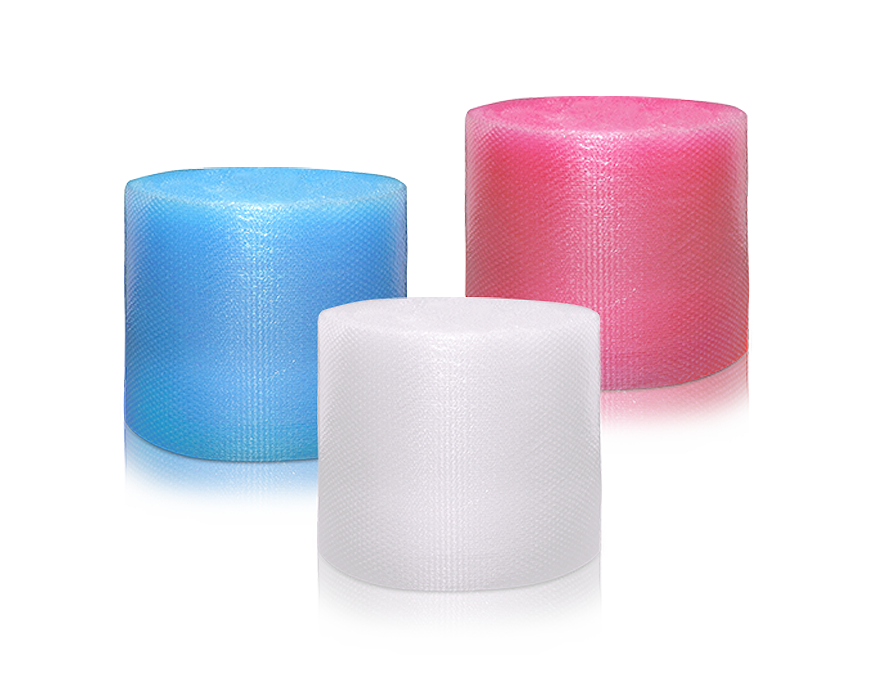
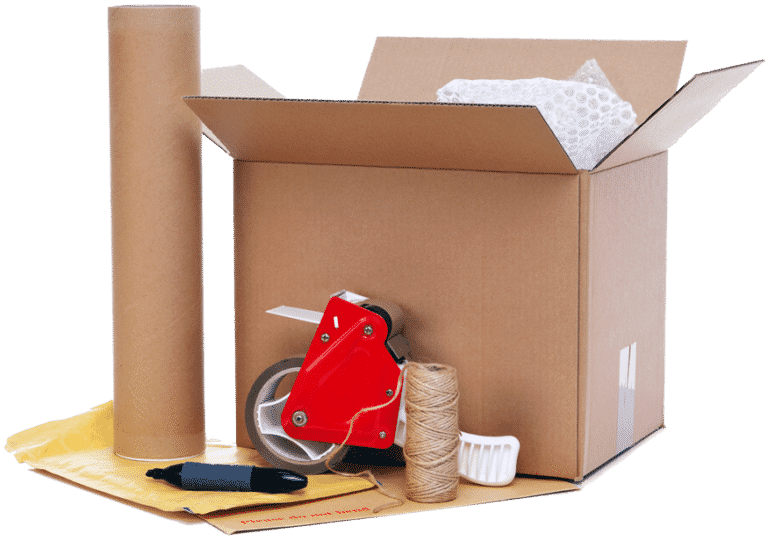
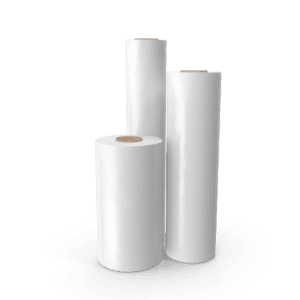
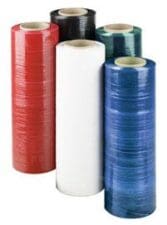
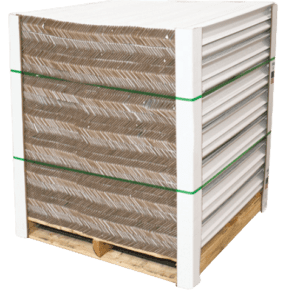
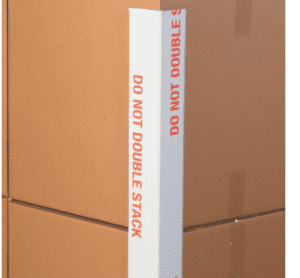
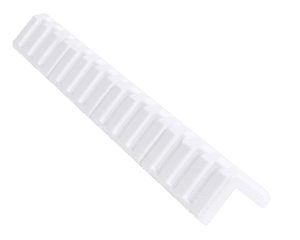
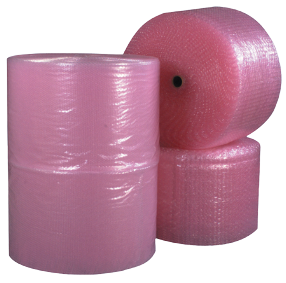
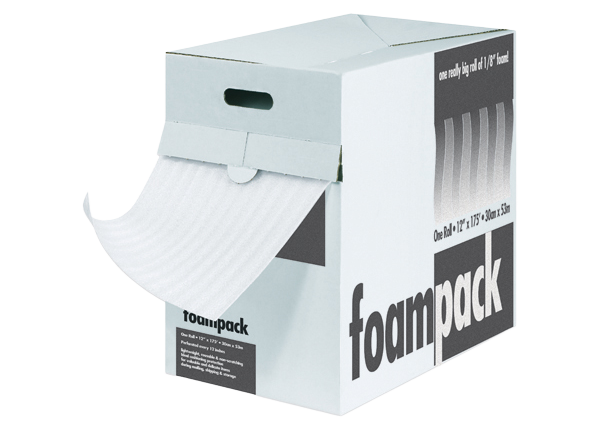
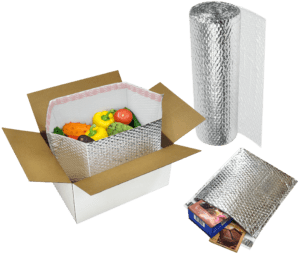
Our stock packaging products, from corrugated boxes to stretch film, offer a wide selection, including essentials like tape, edge protectors, labels, and more, with quick turnaround times to meet your packaging needs efficiently.

Edit Content
Edit Content
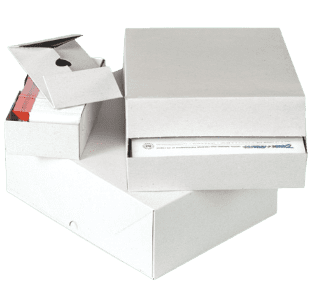
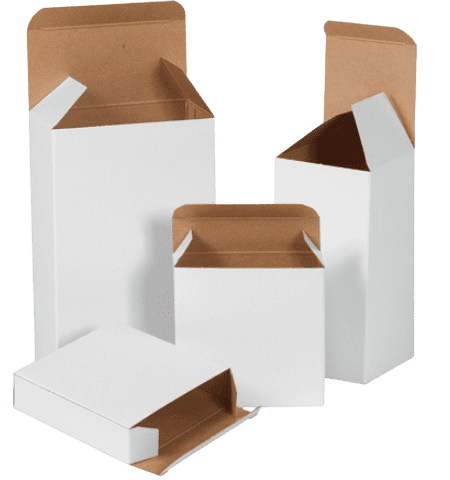
Folding Cartons
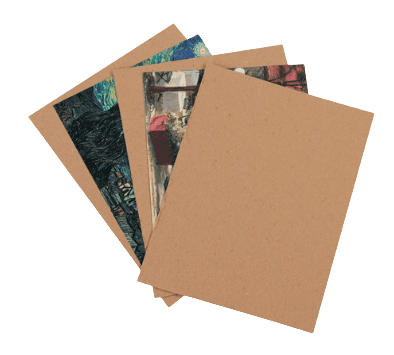
Pads
Apparel Boxes
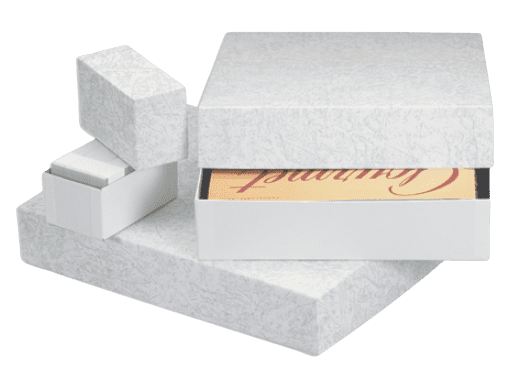
Jewelry Boxes
Setup Cartons
Stationary Cartons
Edit Content
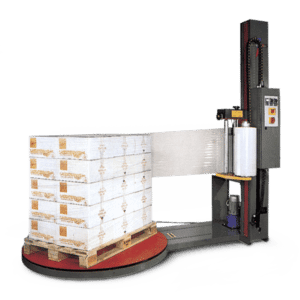
Cast Film
Blown Film
Conventional Film
Engineered Film
Pre-Stretched Film
Hand Film
Machine Film
Edit Content
Light Duty
Medium Duty
Heavy Duty
Foam
Strapping
Frame Protectors
Edit Content
Edit Content
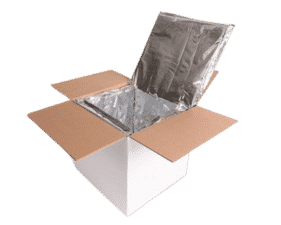
Box Liner
Metalized Pouch
Foam Cooler
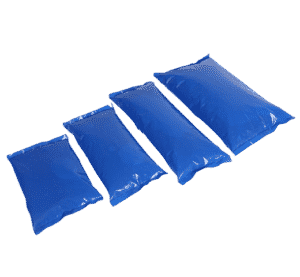
Ice Pack
Gel Pack
Edit Content
Edit Content
Edit Content
Folding Cartons
Pads
Apparel Boxes
Jewelry Boxes
Setup Cartons
Stationary Cartons
Edit Content
Cast Film
Blown Film
Conventional Film
Engineered Film
Pre-Stretched Film
Hand Film
Machine Film
Edit Content
Click on the Edit Content button to edit/add the content.
Edit Content
Edit Content
Box Liner
Metalized Pouch
Foam Cooler
Ice Pack
Gel Pack
Edit Content

If you need any assistance with your packaging or have a question, then contact us directly at request@brownpackaging.com  or  (714)300-0650. Learn more about custom packaging by reading our blog posts on new and trending topics.

Tiered Packaging Explained
Packaging
brownpackaging
Tiered Packaging Explained

In the world of retail and e-commerce, packaging isn’t just about protecting products; it’s an essential part of the overall customer experience. One effective strategy to enhance this experience is tiered packaging. This approach involves offering premium packaging options for select products or customers, allowing you to cater to different preferences and elevate your brand’s image. In this detailed blog, we will explore the concept of tiered packaging and its benefits for businesses looking to provide a personalized and memorable unboxing experience. Understanding Tiered Packaging Tiered packaging is a strategic approach that involves creating multiple levels of packaging options, each catering to specific customer segments or product categories. These tiers typically include: Standard Packaging: The basic packaging option suitable for most products. It focuses on functionality and cost-efficiency. Premium Packaging: A higher-quality packaging option that adds a touch of luxury and sophistication to the unboxing experience. It often includes features like embossing, foiling, or special finishes. Custom Packaging: Tailored packaging solutions designed for specific products or occasions. Custom packaging can be highly personalized, reflecting the uniqueness of the product or event. Benefits of Tiered Packaging Tiered packaging offers numerous advantages for businesses looking to stand out in a competitive market: Personalization: By offering different packaging tiers, you can tailor the unboxing experience to the preferences and expectations of different customer segments. This personalization can create a stronger emotional connection with your brand. Brand Image: Premium and custom packaging options enhance your brand’s image, positioning it as upscale and attentive to detail. This can influence how customers perceive your products and brand. Customer Loyalty: Providing a premium unboxing experience can foster loyalty among your customers. They are more likely to return to a brand that consistently delivers a memorable and personalized experience. Increased Perceived Value: Premium packaging elevates the perceived value of your products. Customers are willing to pay more for items that come in high-quality packaging. Unboxing Excitement: Premium and custom packaging options create a sense of excitement during unboxing. This excitement can lead to positive unboxing videos and social media shares, providing free marketing and exposure. Versatility: Tiered packaging allows you to adapt to various occasions and product categories. You can offer different packaging options for regular product lines, seasonal promotions, limited-edition releases, and special events. Implementing Tiered Packaging Here are the key steps to implement tiered packaging effectively: Segment Your Audience: Identify distinct customer segments based on factors like purchasing behavior, demographics, or loyalty levels. Understand the unique preferences and expectations of each segment. Define Packaging Tiers: Create packaging tiers that align with your brand and the identified customer segments. Determine the features, materials, and finishes that differentiate each tier. Product Selection: Decide which products or product categories will be eligible for each packaging tier. Consider factors like product value, profit margin, and target audience. Pricing Strategy: Set pricing for each packaging tier. Ensure that the added cost of premium or custom packaging aligns with the perceived value it brings to the customer. Promotion and Communication: Promote your tiered packaging options through marketing channels and on your website. Clearly communicate the benefits of each tier and who it is designed for. Consistency: Maintain consistency in your packaging options and branding across all touchpoints, from the website to the unboxing experience. Consistency reinforces your brand identity. Conclusion Tiered packaging is a powerful strategy that allows businesses to offer a personalized and memorable unboxing experience while enhancing their brand image. By segmenting your audience, defining packaging tiers, selecting eligible products, setting pricing, and effectively promoting your options, you can create a packaging strategy that resonates with different customer segments and drives customer loyalty. Ultimately, tiered packaging is a valuable tool for businesses looking to stand out and create lasting impressions in today’s competitive market. If you are interested in tiered packaging solutions, then partner with Brown Packaging today to get started. (714)300-0650 request@brownpackaging.com Most Recent Posts: Categories: Corrugated Ecommerce ESD Design Display Flexible Packaging Foam Folding Carton Packaging Plastic Packaging Pouch Printing Protection Retail Rigid Box Thermoform Sustainability Subscribe To Our Newsletter By submitting your information, you agree to our terms and conditions and privacy policy. Custom Packaging Facebook Twitter LinkedIn Pinterest Relevant Posts

Read More »
Strategies to Protect Packaging Against Oxygen and Air Exposure
Protection
brownpackaging
Strategies to Protect Packaging against Oxygen and Air Exposure

Oxygen and air exposure can adversely affect the quality, shelf life, and safety of your products. To ensure the integrity of your products and packaging, it’s essential to implement effective measures to protect against oxygen and air infiltration. In this blog, we will explore various strategies and best practices to help you safeguard your packaging against these environmental factors effectively. Understanding the Threat Before we delve into protective measures, it’s crucial to understand the potential risks associated with oxygen and air exposure: Oxidation: Exposure to oxygen can lead to oxidation, which can cause changes in color, flavor, and texture of food products, as well as the degradation of certain chemicals and pharmaceuticals. Spoilage: Oxygen can promote the growth of spoilage organisms and pathogens in perishable products, leading to product spoilage and safety concerns. Product Degradation: In some cases, oxygen exposure can trigger chemical reactions in products, causing them to deteriorate or lose efficacy. Protective Measures To safeguard your packaging against oxygen and air exposure, consider implementing the following protective measures: Oxygen Barrier Packaging Materials: Choose packaging materials with oxygen barrier properties. These materials prevent oxygen from permeating the package and coming into contact with the product. Common oxygen barrier materials include metallized films, aluminum foil, and certain plastics. Vacuum-Sealed Packaging: Utilize vacuum-sealing methods to remove air from the package before sealing it. Vacuum-sealed packaging creates an airtight environment that minimizes oxygen exposure. Nitrogen Flushing: Implement nitrogen flushing or gas flushing during the packaging process. This involves replacing the air inside the package with nitrogen or an inert gas to displace oxygen. Modified Atmosphere Packaging (MAP): Consider modified atmosphere packaging, where the atmosphere inside the package is modified to contain lower oxygen levels. This is common in the packaging of fresh produce and meats. Seal Integrity: Ensure that packaging seals are strong and airtight. Regular quality control checks should verify that no gaps or defects exist in the sealing process, preventing oxygen infiltration. Desiccants and Oxygen Absorbers: Include desiccants or oxygen absorbers inside the packaging. Desiccants remove moisture, which can contribute to oxidation, while oxygen absorbers remove oxygen, extending shelf life. Quality Control Checks: Conduct quality control checks to verify the effectiveness of oxygen protection measures. Use oxygen permeability testing to assess packaging materials. Barrier Films and Coatings: Apply oxygen barrier films or coatings to packaging materials. These films and coatings create an additional layer of protection against oxygen infiltration. Regulatory Compliance: Adhere to industry-specific and regulatory standards for products that require protection against oxygen exposure. Compliance ensures that your products meet safety and quality requirements. Vigilance and Continuous Improvement Protecting your packaging against oxygen and air exposure is an ongoing effort. Continuously assess your packaging solutions and gather feedback from consumers, retailers, and quality control personnel to identify any weaknesses or areas for improvement. Stay vigilant and proactive in addressing potential risks related to oxygen and air exposure. By implementing these strategies and maintaining a proactive approach to packaging protection, you can significantly reduce the risk of oxygen-related damage to your products, enhance their overall quality and safety, and ensure that your packaging maintains the highest standards of protection against these environmental factors. If you are interested in protection against oxygen and air exposure for your packaging, then partner with Brown Packaging today to get started. (714)300-0650 request@brownpackaging.com Most Recent Posts: Categories: Corrugated Ecommerce ESD Design Display Flexible Packaging Foam Folding Carton Packaging Plastic Packaging Pouch Printing Protection Retail Rigid Box Thermoform Sustainability Subscribe To Our Newsletter By submitting your information, you agree to our terms and conditions and privacy policy. Custom Packaging Facebook Twitter LinkedIn Pinterest Relevant Posts

Read More »
Spout Pouches vs. Bottle Packaging
Beverage
brownpackaging
Spout Pouches vs Bottle Packaging

When it comes to packaging liquids and semi-liquids, two popular options are spout pouches and traditional bottle packaging. Both have their advantages and disadvantages, making them suitable for various applications. In this detailed blog, we will conduct a comprehensive comparison of spout pouches and bottle packaging, exploring their features, benefits, drawbacks, and common use cases. By the end, you’ll have a clear understanding of which option might be the best fit for your specific product and branding needs. Features and Benefits of Spout Pouches Flexibility and Portability: Spout pouches are lightweight and flexible, making them easy to store and transport. They take up less space than rigid bottles, making them an excellent choice for on-the-go consumers. Customizable Design: Spout pouches offer a wide range of design possibilities. They can be customized with vibrant graphics, various shapes, and transparent windows, enhancing product visibility and shelf appeal. Reduced Environmental Impact: Spout pouches are often more eco-friendly than bottles. They require less material for production and transportation, contributing to reduced carbon footprint. Cost-Efficiency: Spout pouches can be cost-effective, particularly for large-volume orders. They save on material costs, storage space, and transportation expenses. Easy Dispensing: Spout pouches come with a built-in spout and cap, providing controlled and mess-free dispensing of liquids. This feature is especially valuable for products like baby food, sauces, and beverages. Drawbacks of Spout Pouches Limited Durability: While spout pouches are suitable for many applications, they may not provide the same level of durability and impact resistance as bottles. This can be a concern for products that require robust protection. Shelf Stability: For certain products that require extended shelf life or resistance to external factors like light and oxygen, bottles may offer better protection and preservation. Features and Benefits of Bottle Packaging Durability: Bottles, especially those made from glass or thick plastics, offer high durability and impact resistance. They are less likely to puncture or tear compared to spout pouches. Variety of Shapes and Sizes: Bottles come in various shapes, sizes, and materials, providing flexibility for different product types and branding needs. Premium Image: Glass bottles, in particular, convey a premium and upscale image for products like wine, spirits, and gourmet sauces. They are often associated with higher quality. Excellent Shelf Stability: Bottles can offer superior protection against external factors like light, oxygen, and moisture, ensuring product quality and shelf stability. Drawbacks of Bottle Packaging Environmental Impact: Traditional bottles can have a more substantial environmental impact due to the higher amount of material used and increased transportation costs. Weight and Transportation Costs: Bottles, especially glass ones, are heavier and bulkier, leading to higher transportation costs and potential breakage during transit. Limited Dispensing: Some bottle designs may not offer as convenient and controlled dispensing as spout pouches. Pouring liquids from bottles can be less precise and more prone to spills. Common Use Cases Spout Pouches: Spout pouches are commonly used for products such as baby food, fruit purees, energy drinks, liquid detergents, sauces, salad dressings, and personal care products. Bottle Packaging: Bottles are often chosen for beverages (water, juice, soda, alcoholic beverages), condiments (ketchup, mustard, mayonnaise), cooking oils, pharmaceuticals, and chemical products. Conclusion Choosing between spout pouches and bottle packaging depends on several factors, including product type, branding, environmental considerations, and consumer preferences. Spout pouches excel in terms of flexibility, customization, and eco-friendliness, while bottles offer durability, premium image, and excellent shelf stability. Ultimately, the decision should align with your specific product needs and overall packaging strategy, aiming to deliver the best possible consumer experience while meeting your business objectives. If you are interested in packaging for your beverages, then partner with Brown Packaging today to get started. (714)300-0650 request@brownpackaging.com Most Recent Posts: Categories: Corrugated Ecommerce ESD Design Display Flexible Packaging Foam Folding Carton Packaging Plastic Packaging Pouch Printing Protection Retail Rigid Box Thermoform Sustainability Subscribe To Our Newsletter By submitting your information, you agree to our terms and conditions and privacy policy. Beverage Packaging Facebook Twitter LinkedIn Pinterest Relevant Posts

Read More »