









window.uetq = window.uetq || []; window.uetq.push(‘event’, ‘submit_lead_form’,{ event_label:‘SUBMIT MESSAGE’ }); window.lintrk('track', { conversion_id: 10271009 }); window.lintrk('track', { conversion_id: 10271017 });

Stock Packaging

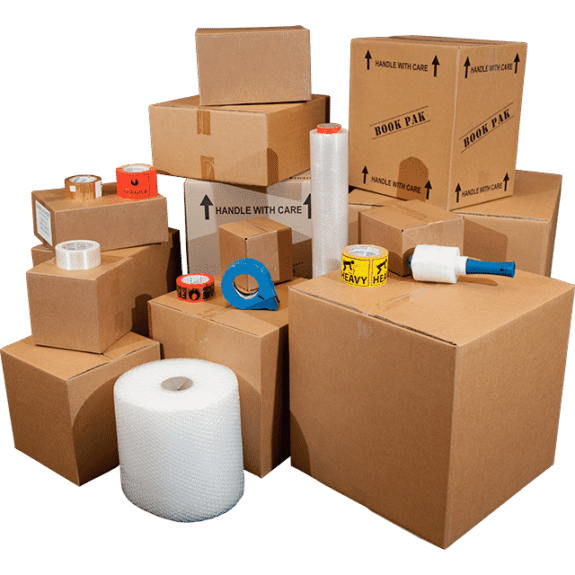
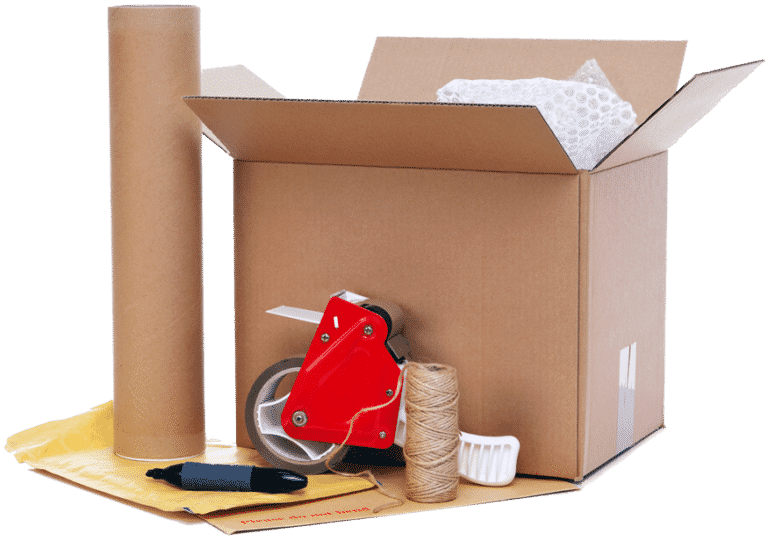
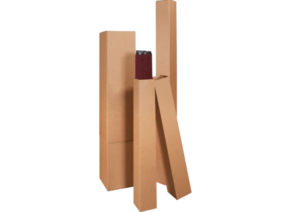
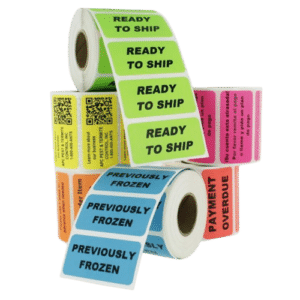
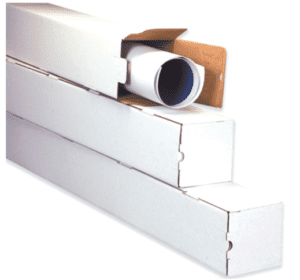
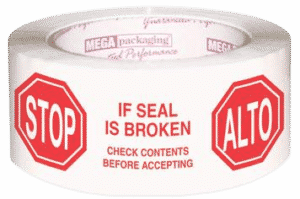
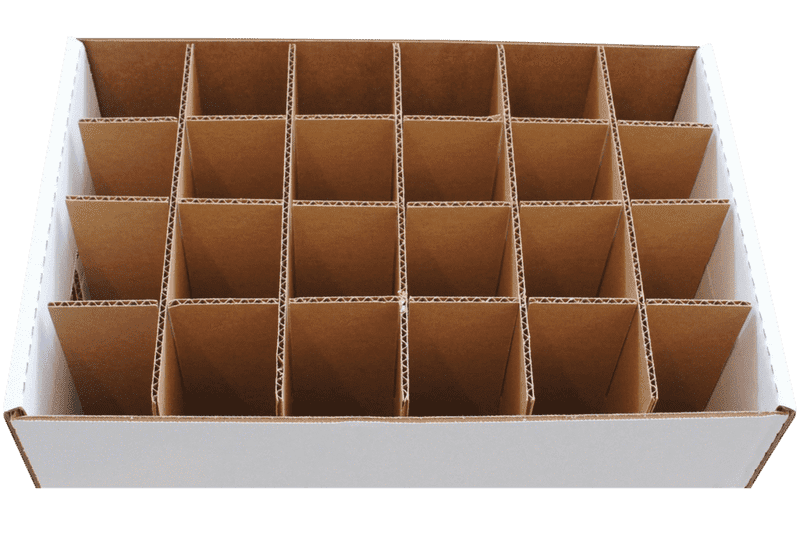
We supply businesses with a wide selection of essential packaging, shipping, and warehouse supplies. Get any standard packaging product by dimension or style from boxes, tubes, tapes, labels, and more. If you are unsure on what type of packaging you will need, then contact us for an expert consultation.


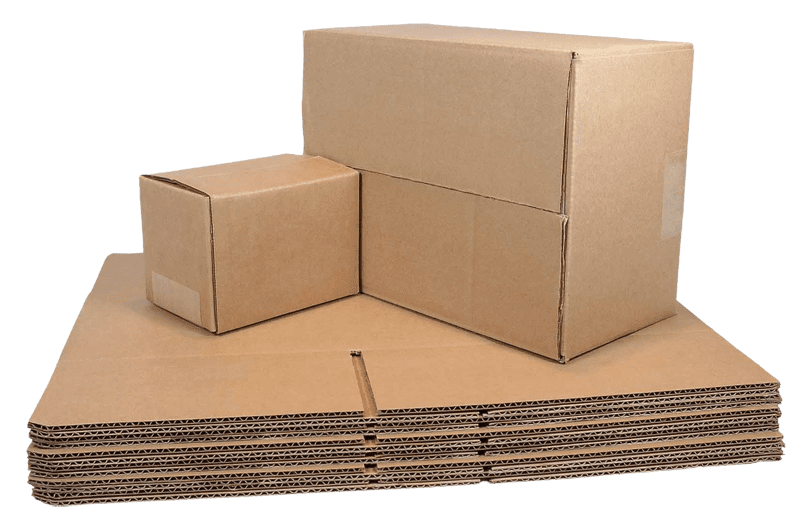
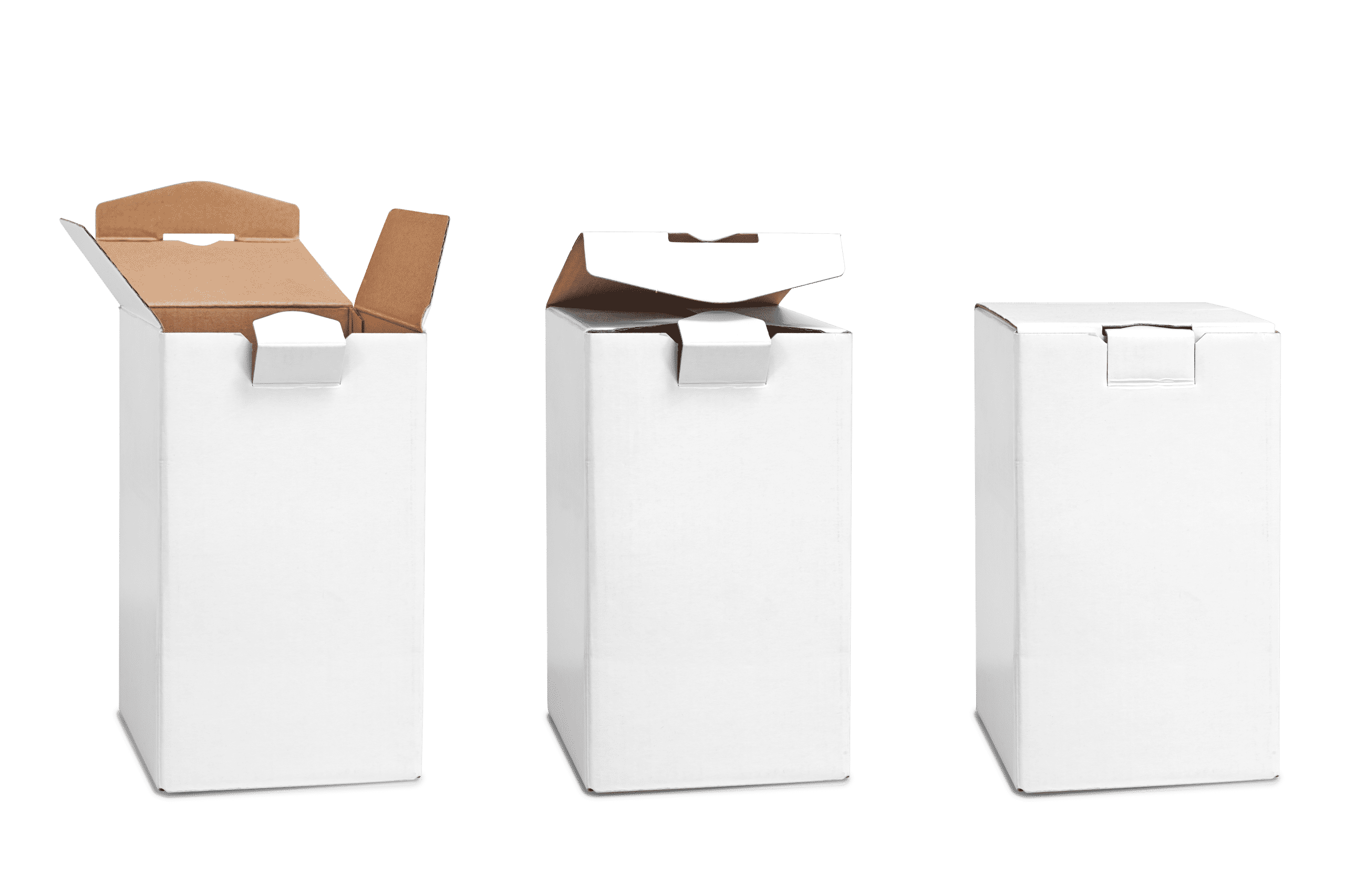
Stock packaging refers to pre-made, ready-to-ship packaging solutions like corrugated boxes, mailers, and protective materials that are designed to meet a wide range of standard needs across shipping, retail, and storage. Unlike custom packaging, stock options offer quick availability and reliable protection without the need for extensive design or production time, making them ideal for businesses needing efficient, high-quality solutions with fast lead times.

At Brown Packaging, we focus on providing durable, performance-driven stock packaging that supports our clients’ operational needs. Our stock products are sourced to ensure consistent quality and cost-effectiveness, offering a practical solution to keep operations running smoothly and on schedule. With an emphasis on reliability, we help our clients quickly access packaging solutions that meet their specific needs while maintaining quality across every order.

stock packaging products

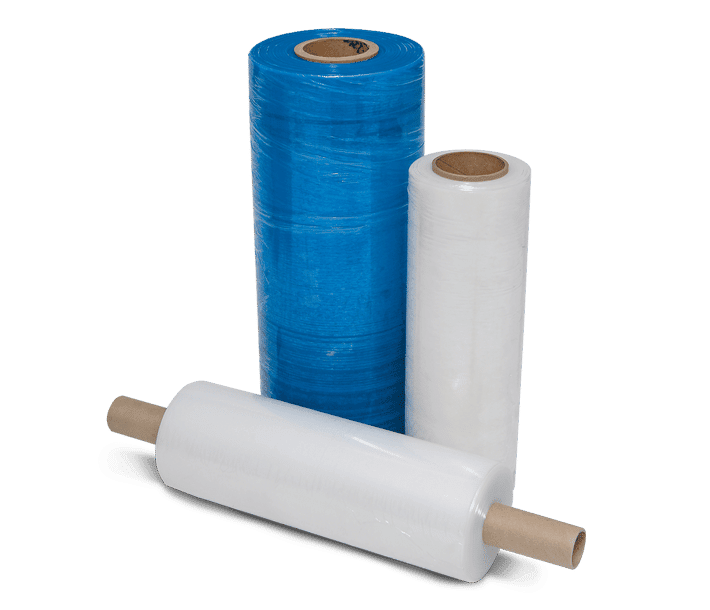
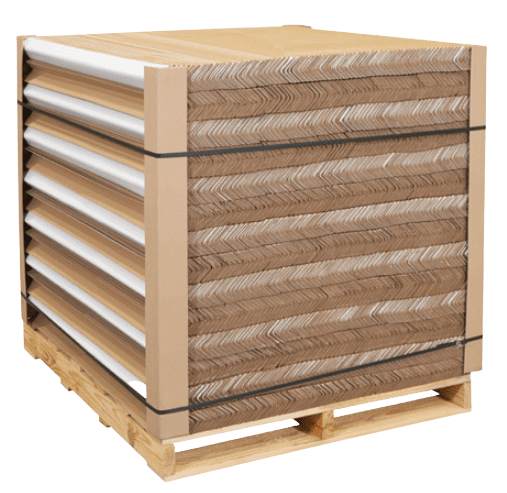
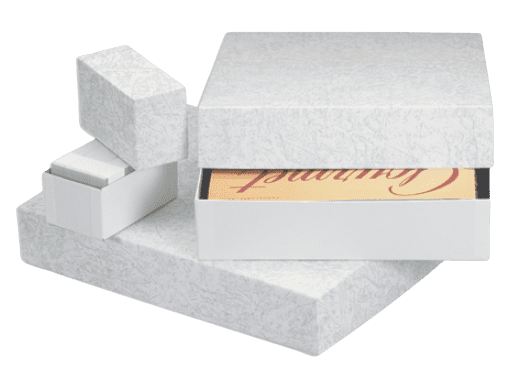
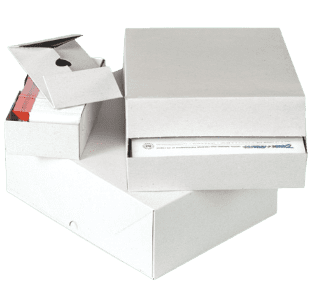
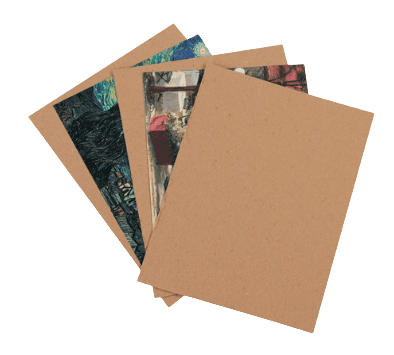
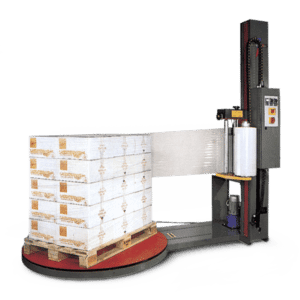
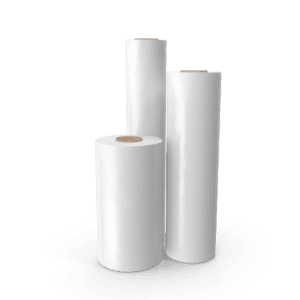
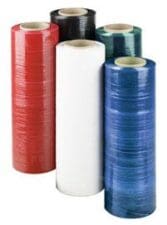
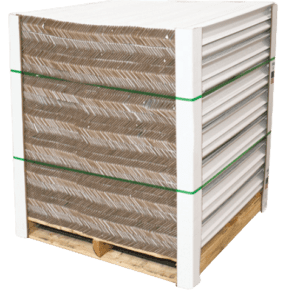
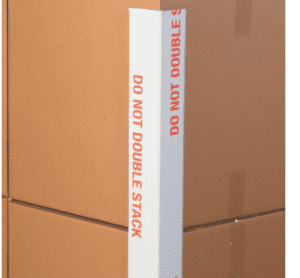
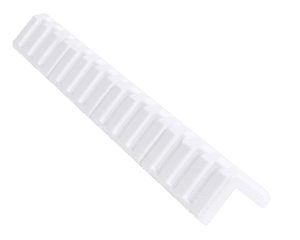
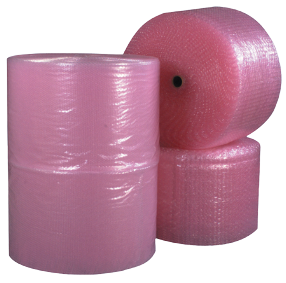
Our stock packaging products, from corrugated boxes to stretch film, offer a wide selection, including essentials like tape, edge protectors, labels, and more, with quick turnaround times to meet your packaging needs efficiently.

Edit Content
Edit Content
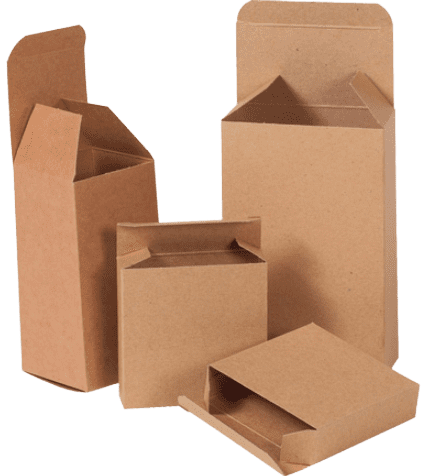
Folding Cartons
Pads
Apparel Boxes
Jewelry Boxes
Setup Cartons
Stationary Cartons
Edit Content
Cast Film
Blown Film
Conventional Film
Engineered Film
Pre-Stretched Film
Hand Film
Machine Film
Edit Content
Light Duty
Medium Duty
Heavy Duty
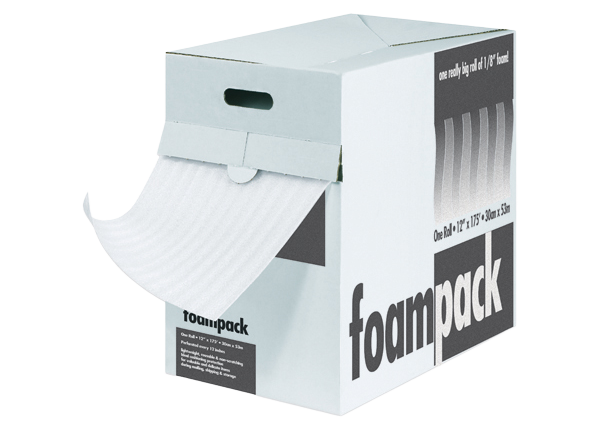
Foam
Strapping
Frame Protectors
Edit Content
Edit Content
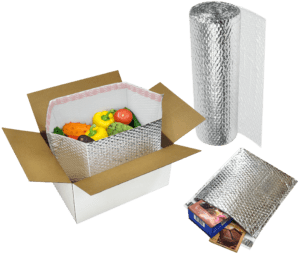
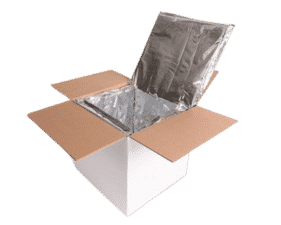
Box Liner
Metalized Pouch
Foam Cooler
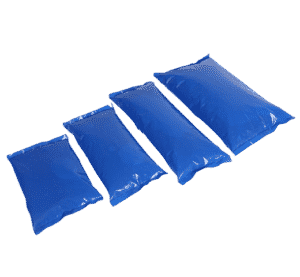
Ice Pack
Gel Pack
Edit Content
Edit Content
Edit Content
Folding Cartons
Pads
Apparel Boxes
Jewelry Boxes
Setup Cartons
Stationary Cartons
Edit Content
Cast Film
Blown Film
Conventional Film
Engineered Film
Pre-Stretched Film
Hand Film
Machine Film
Edit Content
Click on the Edit Content button to edit/add the content.
Edit Content
Edit Content
Box Liner
Metalized Pouch
Foam Cooler
Ice Pack
Gel Pack
Edit Content

If you need any assistance with your packaging or have a question, then contact us directly at request@brownpackaging.com  or  (714)300-0650. Learn more about custom packaging by reading our blog posts on new and trending topics.

Custom Translucent Pouches
Flexible Packaging
brownpackaging
10 Top Pouch Packaging Trends for 2025

Pouch packaging continues to gain traction across industries due to its versatility, lightweight nature, and eco-friendly potential. In 2025, brands will adopt innovative and sustainable pouch solutions to meet consumer expectations for convenience and environmental responsibility. Below are the top pouch packaging trends expected to shape the market in 2025: Sustainable Materials Flexible and Refillable Pouches Eco-Friendly Printing Technologies Lightweight and Space-Saving Designs Customizable Branding and Personalization Recyclable and Compostable Pouches Resealable and Reusable Features Smart and Interactive Packaging Monomaterial Pouch Designs Cost-Effective Pouch Solutions Sustainable Materials Pouch packaging in 2025 will see an increased shift toward sustainable, eco-friendly materials. Pouches made from plant-based plastics, biodegradable films, and recycled materials will dominate as brands seek to reduce their environmental impact while offering packaging that’s durable and reliable. Flexible and Refillable Pouches Refillable pouches will become more common, especially in industries like personal care and cleaning products. These pouches offer a convenient, eco-friendly alternative to single-use containers, allowing consumers to refill and reuse the packaging multiple times, reducing plastic waste significantly. Eco-Friendly Printing Technologies In 2025, brands will turn to more sustainable printing methods for pouch packaging. This includes water-based inks, digital printing, and other low-impact printing technologies that reduce harmful emissions and chemical waste. These solutions also offer high-quality graphics that enhance the visual appeal of the pouch without compromising sustainability. Lightweight and Space-Saving Designs Pouches are already popular for their lightweight and space-saving advantages, and this trend will continue into 2025. The reduced material usage in pouches helps lower shipping costs and carbon emissions, making them an eco-conscious choice for businesses looking to streamline their packaging while maintaining product integrity. Customizable Branding and Personalization Customization will continue to play a key role in pouch packaging, with brands offering unique designs that enhance consumer experiences. From limited-edition graphics to personalized messages, digital printing allows for flexible design changes that meet consumer preferences for personalized, eye-catching packaging. Recyclable and Compostable Pouches Pouches made from recyclable and compostable materials will become standard in 2025 as companies strive to eliminate non-recyclable plastics. Advances in monomaterial technology will make pouches easier to recycle, while compostable alternatives will provide eco-friendly disposal options for consumers. Resealable and Reusable Features Resealable pouches continue to be a popular choice due to their convenience and ability to maintain product freshness. In 2025, more brands will adopt these features to meet consumer demand for packaging that extends product life while also offering the potential for reuse, adding both convenience and environmental benefits. Smart and Interactive Packaging The integration of smart technology, such as QR codes or NFC chips, in pouch packaging will continue to rise in 2025. This technology allows consumers to engage with the product through interactive content, track the product’s journey, or access detailed sustainability information. It also helps brands communicate transparency and build consumer trust. Monomaterial Pouch Designs Monomaterial pouches, made from a single type of plastic, will be more prevalent due to their recyclability. The simplified composition of monomaterial pouches makes them easier to process in recycling systems, reducing waste and improving the sustainability of flexible packaging. Cost-Effective Pouch Solutions Cost efficiency will remain a driving factor for pouch packaging, with businesses seeking ways to balance sustainability and affordability. Advances in manufacturing technology will allow brands to produce pouches at lower costs while maintaining the high-quality features consumers expect, such as resealability, durability, and design flexibility. Pouch packaging is evolving to meet both sustainability goals and consumer convenience. In 2025, brands that embrace these trends will be better positioned to deliver eco-friendly, cost-effective, and innovative packaging solutions to a market increasingly focused on sustainability and customization. If you’re interested in pouches for 2025, whether they are custom or stock, then partner with Brown Packaging today to get started. (714)300-0650 request@brownpackaging.com Most Recent Posts: Categories: Corrugated Ecommerce ESD Design Display Flexible Packaging Foam Folding Carton Packaging Plastic Packaging Pouch Printing Protection Retail Rigid Box Thermoform Sustainability Subscribe To Our Newsletter By submitting your information, you agree to our terms and conditions and privacy policy. Custom Pouches Facebook Twitter LinkedIn Pinterest Relevant Posts

Read More »
How Tariffs Will Impact Packaging Lead Times in 2025
Packaging
brownpackaging
How Tariffs Will Impact Packaging Lead Times in 2025

Tariffs proposed for 2025 are set to reshape the packaging industry, driving changes in costs, sourcing, and lead times. For packaging buyers, one of the most critical adjustments will be navigating disruptions in lead times, as tariffs incentivize a shift toward domestic sourcing. Understanding how these changes will affect procurement timelines is essential for maintaining smooth operations in the evolving marketplace. The Role of Tariffs in Extending Lead Times The proposed tariffs aim to reduce reliance on imported packaging materials and finished products. While this promotes domestic manufacturing, it also introduces challenges: Supply Chain Realignment: A sudden increase in demand for U.S.-sourced packaging can strain domestic suppliers, leading to extended production schedules. Limited Domestic Capacity: Many U.S. packaging manufacturers operate at near-full capacity, and scaling up to meet demand will take time. Customs Delays: For businesses still reliant on imports, the additional administrative processes associated with tariffs could delay shipments further. Factors Contributing to Longer Lead Times Supply Chain Bottlenecks As businesses pivot to domestic suppliers, these manufacturers may struggle to meet the surge in demand. The result could be production backlogs, delaying order fulfillment. Increased Competition for Materials Materials like paperboard, corrugated cardboard, and plastics are expected to see heightened demand domestically. With limited availability, buyers may face longer waits for procurement. Import Delays and Costs For companies that continue importing, tariffs create new challenges: Administrative Processes: Tariff-related documentation and compliance checks can slow customs clearance. Reduced Import Volume: Higher costs from tariffs may lead suppliers to reduce shipments, further limiting availability. Industries Most Affected by Lead Time Changes Certain sectors within the packaging industry are particularly vulnerable to lead time extensions: Custom Packaging: Projects requiring unique designs or specialized materials often involve longer production cycles, which could be further extended by domestic supplier backlogs. High-Volume Orders: Bulk orders for e-commerce, retail, or manufacturing sectors may experience delays due to limited production capacity. Sustainable Packaging: Eco-friendly materials like recycled kraft paper may face higher demand, lengthening procurement timelines. Proactive Strategies to Manage Lead Times To mitigate the impact of tariffs on lead times, packaging buyers can adopt several strategies: Partner with Multiple Suppliers Diversifying your supplier base can reduce reliance on any single manufacturer, providing flexibility if one supplier experiences delays. Plan Ahead and Stockpile Extended lead times require more precise forecasting and inventory management. Stockpiling essential materials when possible can help prevent disruptions. Leverage Local Sourcing While domestic suppliers may face initial challenges, working with local manufacturers can eliminate the delays associated with customs processes and long-distance shipping. Optimize Packaging Design Reducing complexity in packaging designs can shorten production times. For instance, shifting from multi-component packaging to simpler, mono-material designs can streamline manufacturing. Utilize Advanced Planning Tools Digital tools for demand forecasting, order tracking, and supply chain management can provide real-time insights, enabling better planning and quicker response to disruptions. Opportunities Amid Challenges Despite the potential for longer lead times, tariffs could drive positive changes for the packaging industry over the long term: Investment in Domestic Infrastructure: Increased demand for U.S.-sourced packaging may lead to expansion and modernization of domestic manufacturing facilities, ultimately reducing lead times. Stronger Buyer-Supplier Relationships: Closer collaboration between buyers and domestic suppliers can foster innovation and improve lead times over time. Enhanced Supply Chain Resilience: Reduced reliance on global supply chains mitigates risks from international disruptions, such as shipping delays or geopolitical tensions. What Packaging Buyers Need to Know To thrive in this changing environment, packaging buyers must prioritize proactive planning and supplier collaboration. By understanding how tariffs influence lead times and adapting strategies accordingly, businesses can maintain operational efficiency and avoid costly delays. In Summary: Tariffs are set to create challenges in packaging lead times, but with the right preparation and strategies, businesses can adapt effectively. Focus on building flexible supply chains, optimizing packaging designs, and leveraging local sourcing to minimize disruption and ensure success in 2025 and beyond. If you are interested in limiting the impact of tariffs on your packaging, then partner with Brown Packaging today to get started. (714)300-0650 request@brownpackaging.com Most Recent Posts: Categories: Corrugated Ecommerce ESD Design Display Flexible Packaging Foam Folding Carton Packaging Plastic Packaging Pouch Printing Protection Retail Rigid Box Thermoform Sustainability Subscribe To Our Newsletter By submitting your information, you agree to our terms and conditions and privacy policy. Custom Packaging Facebook Twitter LinkedIn Pinterest Relevant Posts

Read More »
How Tariffs Will Shape the Packaging Industry in 2025
Packaging
brownpackaging
How Tariffs Will Shape the Packaging Industry in 2025

As 2025 approaches, the U.S. packaging industry faces significant shifts due to proposed tariffs aimed at encouraging domestic sourcing. These changes could reshape supply chains, cost structures, and market dynamics, presenting both challenges and opportunities for businesses. Below, we explore how tariffs could influence the packaging industry and what buyers need to know to navigate this evolving landscape. Tariffs and Domestic Sourcing: A New Era for Packaging? The proposed tariffs reflect a push to reduce reliance on imported goods, favoring American-made products. For the packaging industry, this means a potential increase in demand for domestically sourced raw materials and finished packaging products. While this shift aligns with broader goals of economic independence, it could also disrupt current supply chains. Key Implications: Increased Costs for Imported Materials: Tariffs on materials like paperboard, plastics, and aluminum will likely drive up costs for companies reliant on foreign suppliers. Demand for U.S.-Based Manufacturing: Businesses may pivot to local suppliers, benefiting domestic manufacturers but potentially creating supply bottlenecks in the short term. Longer Lead Times: Transitioning to domestic sources may extend lead times as the industry adjusts to meet heightened demand. Material Costs: A Major Concern for Buyers One of the most immediate effects of tariffs will be the cost of raw materials. Common packaging materials like corrugated cardboard, flexible plastics, and metalized films are often sourced globally to balance quality and affordability. Tariffs could significantly alter these dynamics. For Example: Corrugated Boxes: The cost of imported linerboard and medium could increase, pushing up prices for corrugated packaging. Plastic Packaging: Tariffs on polyethylene and other polymers may lead to higher costs for flexible pouches and shrink films. Metal Packaging: Aluminum tariffs could impact beverage cans and other metal containers, with costs being passed on to buyers. Packaging buyers should anticipate these changes and consider strategies to manage costs, such as renegotiating supplier contracts or exploring alternative materials. Opportunities for Sustainable Packaging As tariffs promote domestic production, there’s an opportunity to incorporate sustainability into the equation. Many U.S.-based manufacturers prioritize eco-friendly practices, aligning with growing consumer and corporate demand for sustainable packaging. Potential Benefits: Local Sourcing Reduces Carbon Footprint: Shorter transportation distances for materials can reduce greenhouse gas emissions. Investment in Green Technologies: U.S. manufacturers are increasingly adopting renewable energy and recycling processes, offering buyers eco-friendly options. Compliance with Domestic Standards: Working with U.S. suppliers ensures adherence to stringent environmental regulations, supporting sustainability goals. Adaptation Strategies for Packaging Buyers To stay competitive in this new landscape, packaging buyers should proactively adapt to these changes. Here are some strategies to consider: Diversify Your Supplier Base Establish relationships with multiple domestic suppliers to reduce dependence on any single source and mitigate potential disruptions. Explore Alternative Materials Consider using materials less impacted by tariffs, such as kraft paper or recycled substrates, which may be more readily available domestically. Optimize Packaging Design Reducing material usage through innovative design can offset increased costs. For instance, lightweighting or reducing void space in packaging can lead to significant savings. Invest in Forecasting and Inventory Management Improved demand forecasting and stockpiling essential materials can help mitigate the effects of longer lead times and fluctuating prices. Long-Term Impacts on the Packaging Industry While tariffs may initially present challenges, they also have the potential to strengthen the domestic packaging industry over time. Increased investment in local production capacity, innovation in sustainable materials, and closer collaboration between buyers and suppliers could lead to a more resilient industry. Looking Ahead: Technological Advancements: Domestic manufacturers may leverage automation and digital tools to boost efficiency and offset higher labor costs. Stronger Supply Chains: Local sourcing reduces vulnerability to global disruptions, such as those seen during the COVID-19 pandemic. Competitive Advantages: Companies that adapt quickly may find themselves better positioned to meet evolving market demands. Preparing for the Future Tariffs will undoubtedly shape the U.S. packaging industry in 2025 and beyond. By understanding their potential impacts and adopting proactive strategies, packaging buyers can navigate these changes effectively while positioning their businesses for success. The road ahead may require adjustments, but with careful planning and a commitment to innovation, the packaging industry can thrive in this new environment. If you are interested in optimizing the cost efficiency and performance of your packaging for 2025, then partner with Brown Packaging today to get started. (714)300-0650 request@brownpackaging.com Most Recent Posts: Categories: Corrugated Ecommerce ESD Design Display Flexible Packaging Foam Folding Carton Packaging Plastic Packaging Pouch Printing Protection Retail Rigid Box Thermoform Sustainability Subscribe To Our Newsletter By submitting your information, you agree to our terms and conditions and privacy policy. Custom Packaging Facebook Twitter LinkedIn Pinterest Relevant Posts

Read More »