






window.uetq = window.uetq || []; window.uetq.push(‘event’, ‘submit_lead_form’,{ event_label:‘SUBMIT MESSAGE’ }); window.lintrk('track', { conversion_id: 10271009 }); window.lintrk('track', { conversion_id: 10271017 });

Stock Packaging

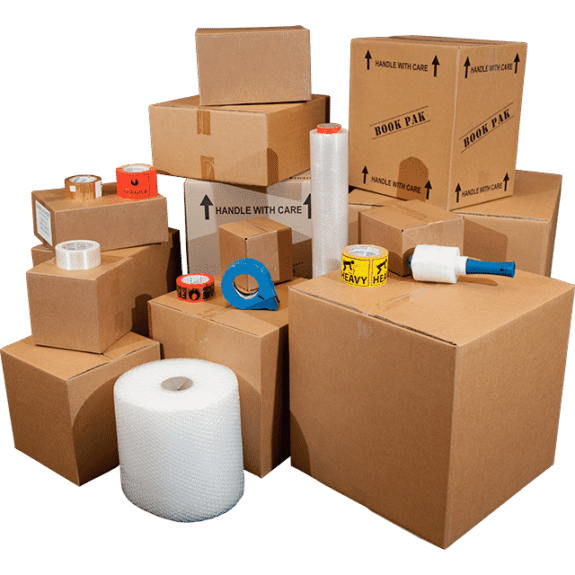
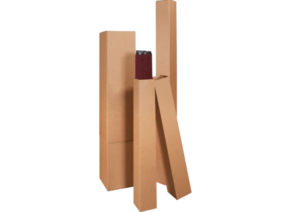
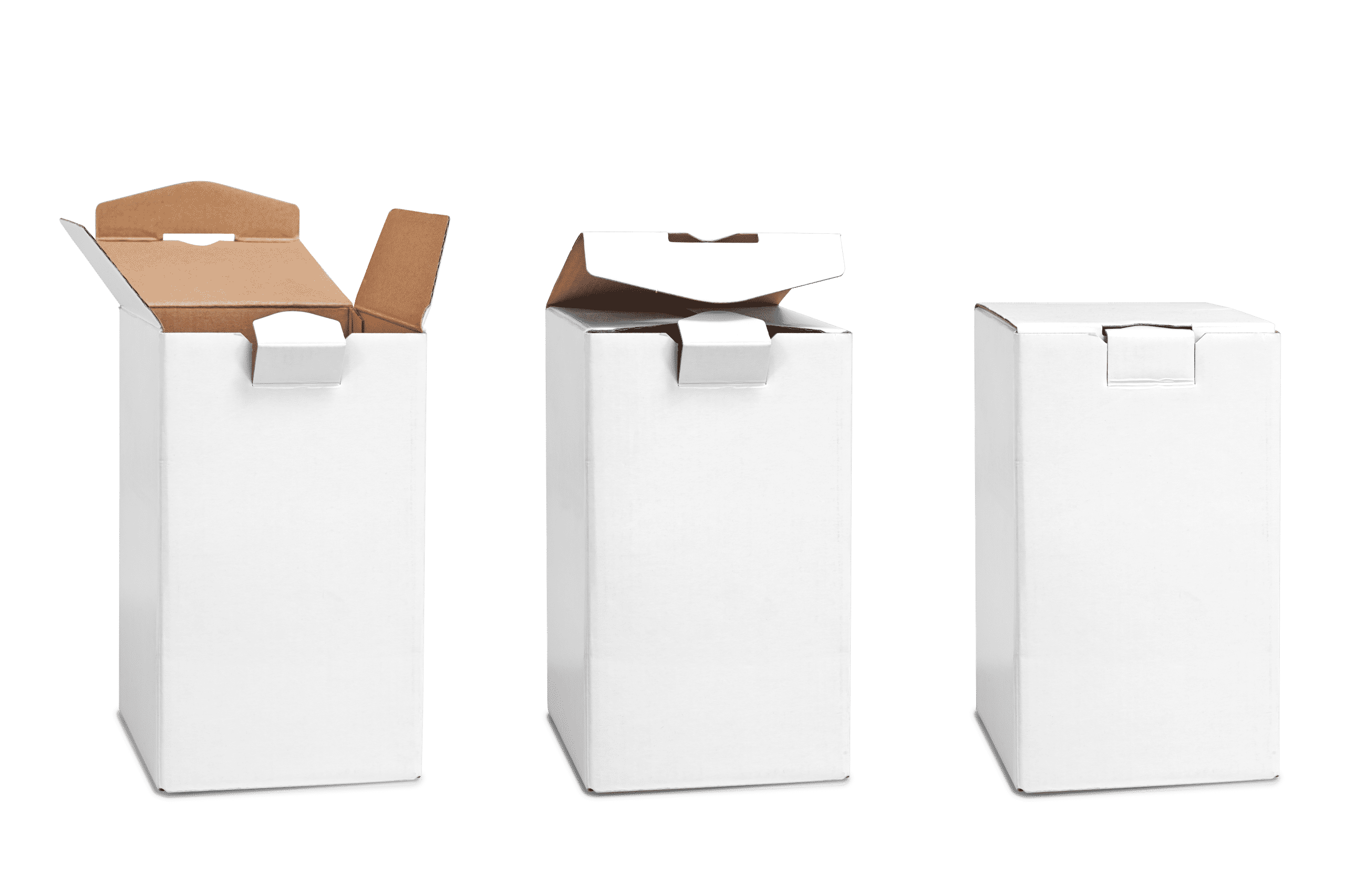
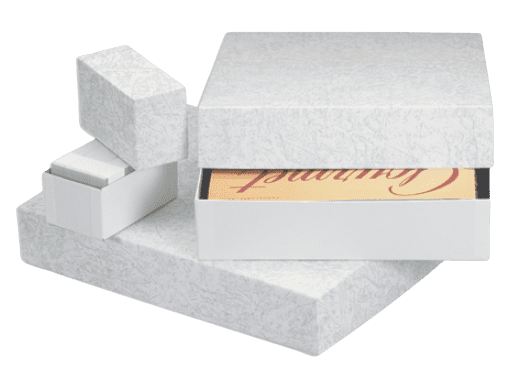
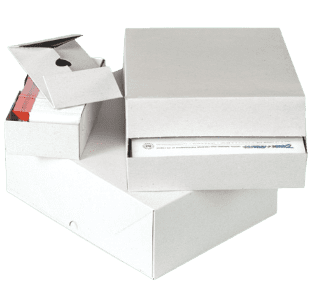
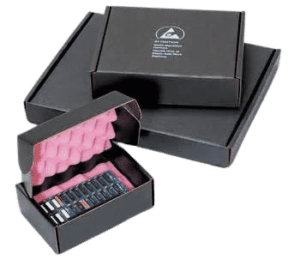
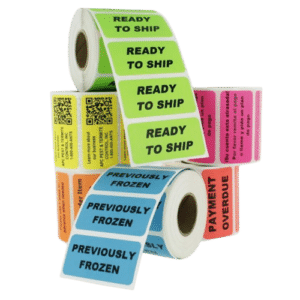
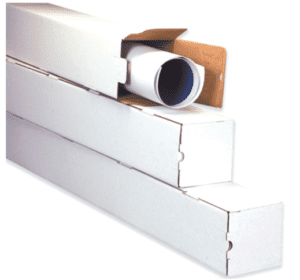
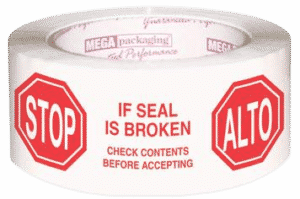
We supply businesses with a wide selection of essential packaging, shipping, and warehouse supplies. Get any standard packaging product by dimension or style from boxes, tubes, tapes, labels, and more. If you are unsure on what type of packaging you will need, then contact us for an expert consultation.


Stock packaging refers to pre-made, ready-to-ship packaging solutions like corrugated boxes, mailers, and protective materials that are designed to meet a wide range of standard needs across shipping, retail, and storage. Unlike custom packaging, stock options offer quick availability and reliable protection without the need for extensive design or production time, making them ideal for businesses needing efficient, high-quality solutions with fast lead times.

At Brown Packaging, we focus on providing durable, performance-driven stock packaging that supports our clients’ operational needs. Our stock products are sourced to ensure consistent quality and cost-effectiveness, offering a practical solution to keep operations running smoothly and on schedule. With an emphasis on reliability, we help our clients quickly access packaging solutions that meet their specific needs while maintaining quality across every order.

stock packaging products

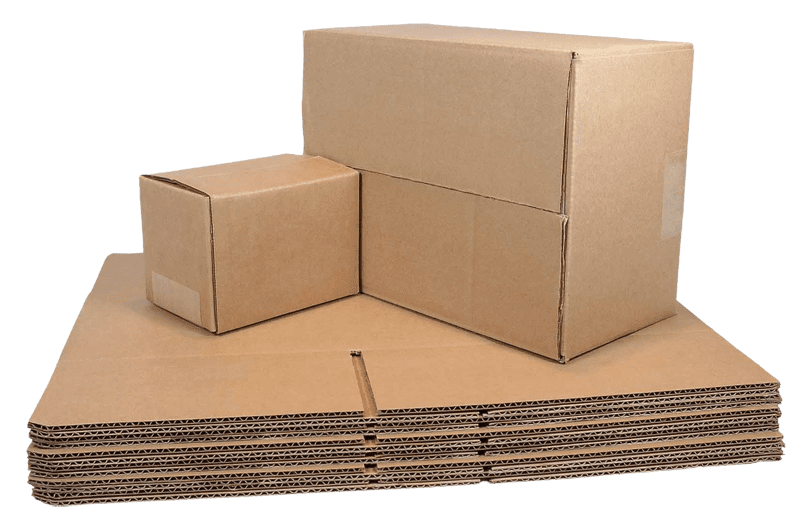
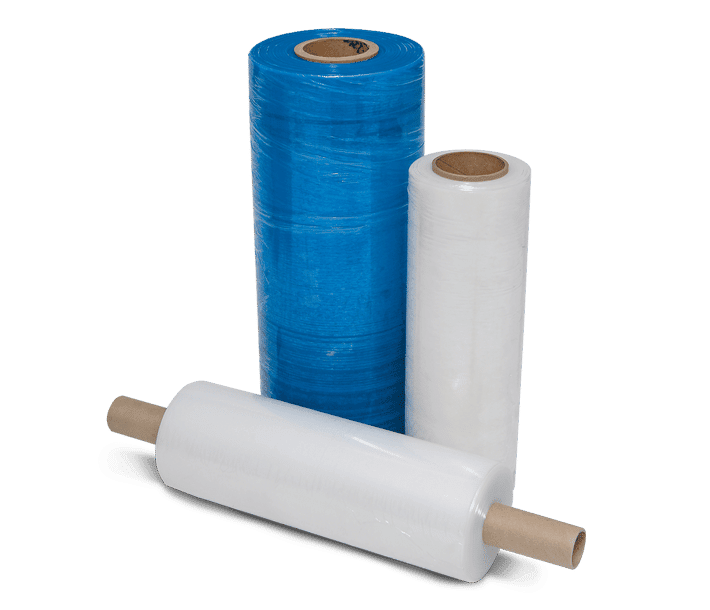
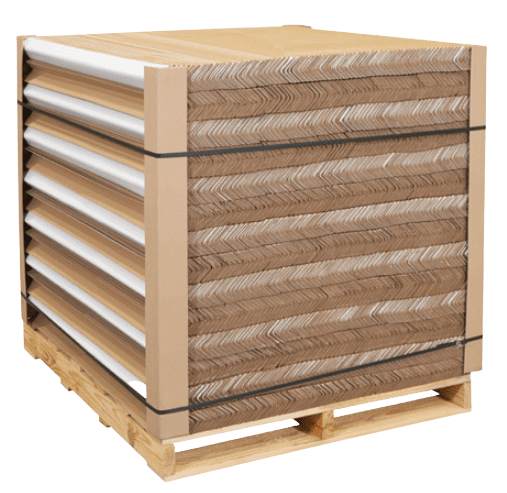
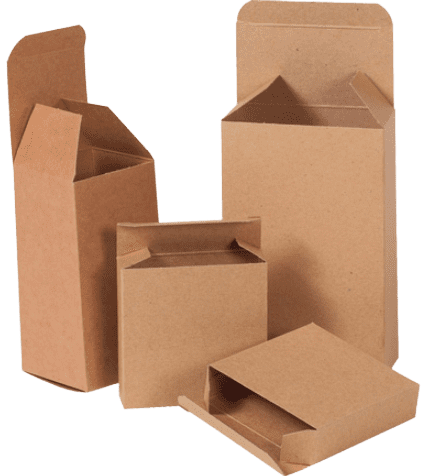
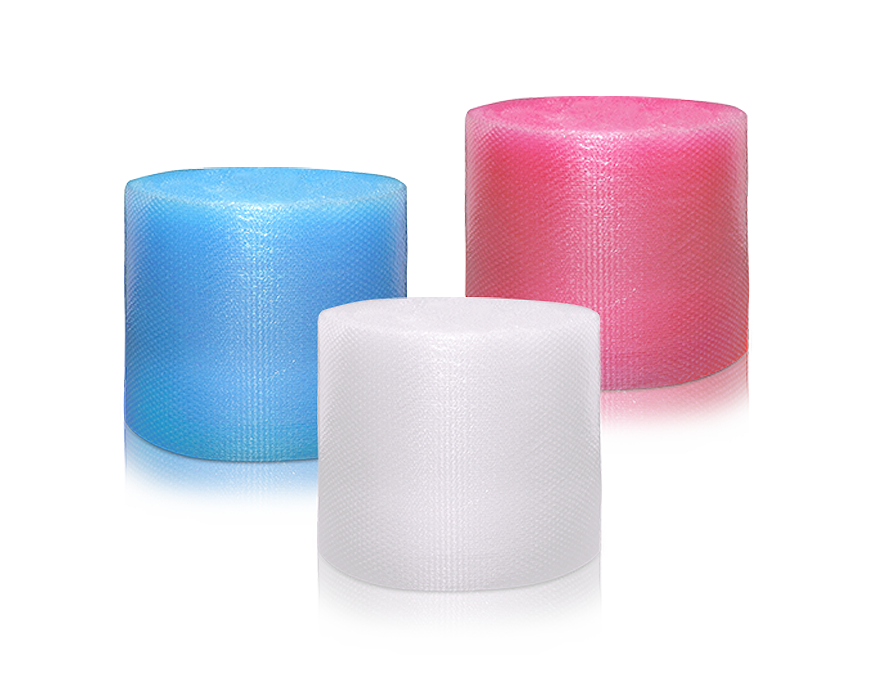
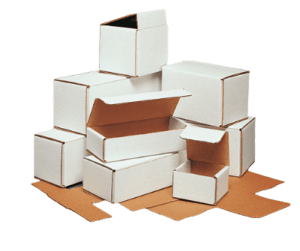
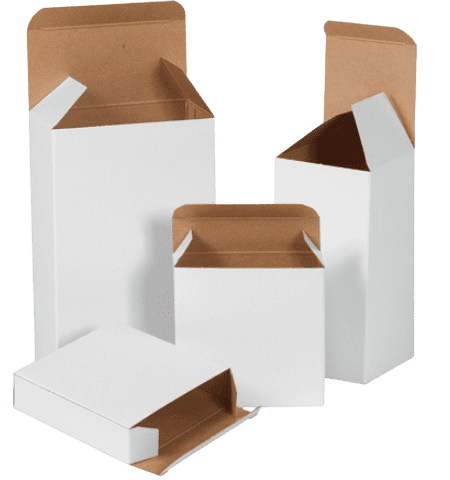
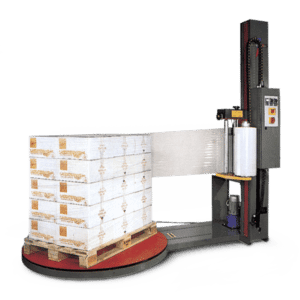
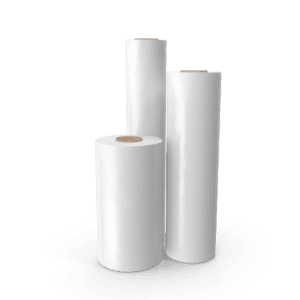
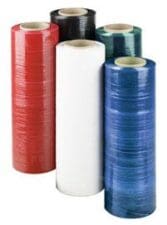
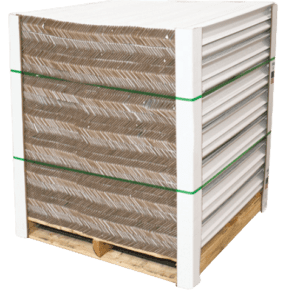
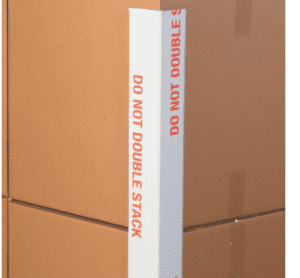
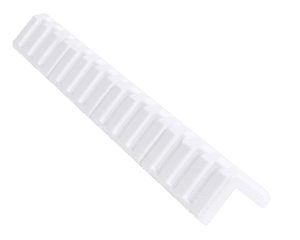
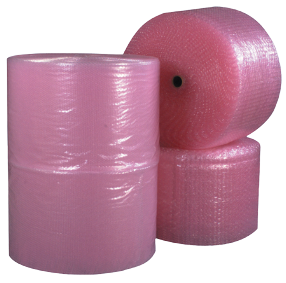
Our stock packaging products, from corrugated boxes to stretch film, offer a wide selection, including essentials like tape, edge protectors, labels, and more, with quick turnaround times to meet your packaging needs efficiently.

Edit Content
Edit Content
Folding Cartons
Pads
Apparel Boxes
Jewelry Boxes
Setup Cartons
Stationary Cartons
Edit Content
Cast Film
Blown Film
Conventional Film
Engineered Film
Pre-Stretched Film
Hand Film
Machine Film
Edit Content
Light Duty
Medium Duty
Heavy Duty
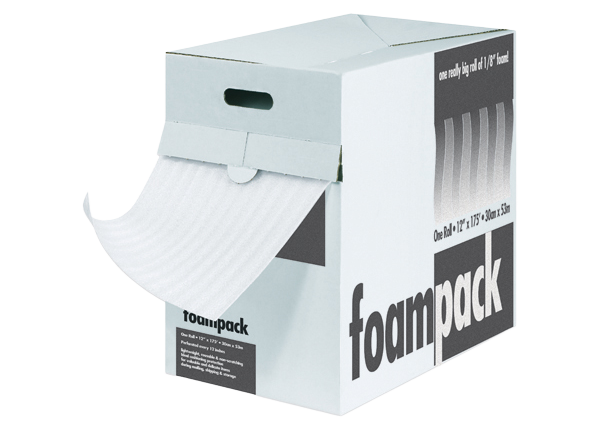
Foam
Strapping
Frame Protectors
Edit Content
Edit Content
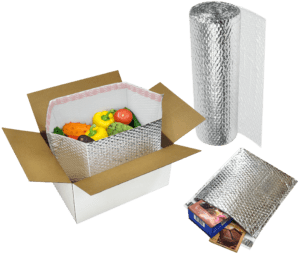
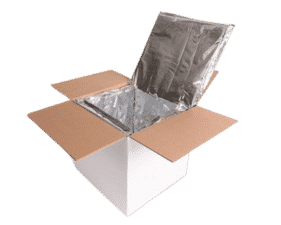
Box Liner
Metalized Pouch
Foam Cooler
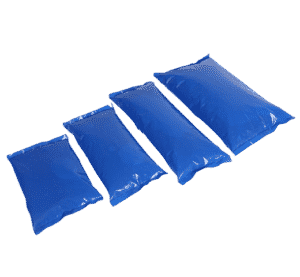
Ice Pack
Gel Pack
Edit Content
Edit Content
Edit Content
Folding Cartons
Pads
Apparel Boxes
Jewelry Boxes
Setup Cartons
Stationary Cartons
Edit Content
Cast Film
Blown Film
Conventional Film
Engineered Film
Pre-Stretched Film
Hand Film
Machine Film
Edit Content
Click on the Edit Content button to edit/add the content.
Edit Content
Edit Content
Box Liner
Metalized Pouch
Foam Cooler
Ice Pack
Gel Pack
Edit Content

If you need any assistance with your packaging or have a question, then contact us directly at request@brownpackaging.com  or  (714)300-0650. Learn more about custom packaging by reading our blog posts on new and trending topics.

9 Top Foam Packaging Trends for 2025
Foam
brownpackaging
Foam Density Selection for Heavy vs. Light Products

Choosing the right foam density isn’t about “soft” versus “hard” — it’s about controlling shock transmission and matching the foam’s cushioning curve to the product’s fragility. Using the wrong density can cause more damage than using no foam at all. Understanding Foam Density Definition: Density is the mass per unit volume (lb/ft³ or kg/m³) and directly affects stiffness, energy absorption, and weight. Not the Same as Firmness: Firmness (indentation force deflection) can vary independently of density depending on foam chemistry. How Density Affects Shock Absorption Low-Density Foam: Better for light, delicate products where over-compression could cause crushing. May bottom out under heavy loads, losing protection. High-Density Foam: Better for heavy items, spreading impact force over a longer deceleration period. Can be too stiff for fragile, lightweight products, causing rebound shock. Product Fragility For fragile electronics (fragility rating ~30–50 G), choose foam that keeps transmitted forces below the product limit. For rugged machinery parts (~100+ G), higher density foam can provide adequate protection with minimal thickness. Environmental Factors Temperature Sensitivity: Some foams stiffen in cold storage, increasing G-force transmission. Moisture Uptake: Certain foams lose energy absorption properties when saturated. Testing and Standards ASTM D1596: Determines cushioning characteristics of packaging materials. ASTM D4168: Measures shock cushioning performance in simulated transit. Best Practices for Selection Always test with actual product weight and packaging configuration. Avoid relying solely on density — evaluate density + cushioning curve together. Consider hybrid solutions, such as layering low- and high-density foams for mixed load shipments. References ASTM International. (2014). ASTM D1596-14: Standard test method for dynamic shock cushioning characteristics of packaging materials. ASTM International. https://www.astm.org/d1596-14.htmlASTM International. (2014). ASTM D4168-14: Standard test method for transmitting shock through packaging materials. ASTM International. https://www.astm.org/d4168-14.html (714)300-0650 request@brownpackaging.com Most Recent Posts: Categories: Corrugated Ecommerce ESD Design Display Flexible Packaging Foam Folding Carton Packaging Plastic Packaging Pouch Printing Protection Retail Rigid Box Thermoform Sustainability Subscribe To Our Newsletter By submitting your information, you agree to our terms and conditions and privacy policy. Custom Foam Facebook Twitter LinkedIn Pinterest Relevant Posts

Read More »
Corrugated plastic REFT with Black Foam insert
Packaging
brownpackaging
Moisture Resistance and Dimensional Stability in Inserts

Moisture resistance and dimensional stability are critical performance factors for custom inserts, especially when products are shipped or stored in variable climates. Both foam and corrugated materials react differently to humidity, temperature, and long-term environmental exposure, which can impact product fit, cushioning performance, and structural integrity. Impact of Humidity on Corrugated Inserts Corrugated fiberboard is hygroscopic, meaning it naturally absorbs and releases moisture from the surrounding air. This affects compression strength, warping, and dimensional accuracy. In high-humidity environments, standard kraft liners can lose up to 50% of their stacking strength. Coatings, wax treatments, or the use of water-resistant adhesives (meeting TAPPI T-829 standards) can improve performance. Foam Behavior in Moist Environments Closed-cell foams, such as polyethylene (PE) and cross-linked polyethylene (XLPE), resist water absorption and retain their shape under exposure to moisture. Open-cell foams, like polyurethane (PU), are more prone to water ingress, leading to swelling, microbial growth, and loss of cushioning capacity. For products with moisture sensitivity, designers often specify closed-cell foams or integrate vapor-barrier laminations. Dimensional Stability Under Temperature Shifts Foam inserts, particularly those with high thermal expansion coefficients, can either loosen or increase compression on the product. Testing under ASTM D4332 (conditioning) ensures the insert maintains performance across the expected temperature range. Combined Material Designs When foam and corrugated are combined in a hybrid insert, dimensional stability depends on matching materials with similar expansion and contraction profiles. Mismatched materials can cause warping or delamination over time. Selecting adhesives that remain flexible in varying humidity is critical for long-term stability. Designing for Real-World Conditions Inserts should be designed and tested to withstand the extremes of their distribution cycle — from humid seaports to dry inland warehouses. This may involve ISTA 3A/6A testing protocols combined with accelerated aging tests to simulate months of exposure within a compressed timeframe. References American Society for Testing and Materials. (2014). ASTM D4332-14: Standard Practice for Conditioning Containers, Packages, or Packaging Components for Testing. https://doi.org/10.1520/D4332-14International Safe Transit Association. (2018). ISTA 3A Packaged-Products for Parcel Delivery System Shipment 70 kg (150 lb) or Less. https://ista.org/TAPPI. (2023). T-829 Water Resistance of Paperboard by Wax Treatment. https://www.tappi.org/content/store/shared/T829.htmlSoroka, W. (2016). Fundamentals of Packaging Technology (5th ed.). Institute of Packaging Professionals. Key Compliance Requirements Structural standards: Packaging must meet durability and palletization guidelines. Labeling accuracy: GS1-compliant barcodes and proper product details. Sustainability mandates: FSC certification or recyclability requirements from major retailers. Testing protocols: ISTA or ASTM performance tests to validate protection. Packaging Solutions with Brown Packaging Brown Packaging partners with companies to design packaging that meets retailer requirements. From GS1 labeling to FSC-certified materials and ISTA-tested corrugated, we help buyers reduce chargebacks and protect retail relationships. Contact us to improve your retail compliance program. References GS1. (2024). Global Standards for Packaging and Labeling. Retrieved from https://www.gs1.orgInternational Safe Transit Association (ISTA). (2023). ISTA Testing Procedures for Transport Packaging. Retrieved from https://ista.orgForest Stewardship Council (FSC). (2023). FSC Packaging Certification Guidelines. Retrieved from https://fsc.org (714)300-0650 request@brownpackaging.com Most Recent Posts: Subscribe To Our Newsletter By submitting your information, you agree to our terms and conditions and privacy policy. Custom Inserts Facebook Twitter LinkedIn Pinterest Relevant Posts

Read More »
Sustainable Pet Food Packaging Options
Packaging
brownpackaging
Sustainable Pet Food Packaging Options

Sustainability in pet food packaging is not just about recyclability—it’s about reducing environmental impact across the entire lifecycle. For products with high barrier needs like dry kibble, wet food, and treats, material selection and package design must balance performance with end-of-life recovery options. Recyclable Mono-Material Films Description: Stand-up pouches made entirely from polyethylene (PE) or polypropylene (PP), eliminating the mixed-material layers that complicate recycling. Benefits: Compatible with store drop-off or curbside recycling (where accepted). Limitations: Barrier performance may be lower than multi-material laminates; suitable for short-to-medium shelf life SKUs. Example Specs: PE/PE or BOPP PE structures with EVOH for oxygen barrier. Post-Consumer Recycled (PCR) Content Description: Incorporating recycled resin into packaging layers. Benefits: Reduces virgin resin use and carbon footprint. Limitations: PCR clarity and odor control can be challenging for food-contact layers; often used in non-contact outer layers. Compliance: Must meet FDA or EFSA standards for food contact when used in inner layers. Compostable Packaging Description: Materials that break down under industrial or home composting conditions, such as PLA films or paper-based laminates. Benefits: Diverts waste from landfill. Limitations: Limited barrier performance; industrial composting infrastructure is not widely available in all regions. Use Case: Small pet treat pouches or sample packs with short shelf life. Paper-Based Pet Food Bags Description: Multiwall paper sacks with an inner moisture barrier (e.g., PLA, PE, or EVOH-coated papers). Benefits: Renewable resource, strong branding potential. Limitations: Inner barrier layer may reduce recyclability; requires proper sealing to maintain freshness. Application: Bulk dry food and farm animal feed. Lightweighting Strategies Description: Reducing film thickness or container wall gauge without compromising barrier performance. Benefits: Less material use per unit, lower transport emissions. Techniques: Resin down-gauging, structural ribbing in rigid containers, optimized pouch dimensions. Design for Recovery Mono-Material Construction: Eliminates separation challenges at recycling facilities. Removable Labels/Windows: Improves yield in recycling streams. Standardized Resins: PET, HDPE, and LDPE have the most established recovery pathways. References ASTM International. (2018). ASTM D6400-19: Standard specification for labeling of plastics designed to be aerobically composted in municipal or industrial facilities. ASTM International. https://doi.org/10.1520/D6400-19Food and Drug Administration. (2023). Recycled plastics in food packaging. U.S. Food and Drug Administration. https://www.fda.gov/food/packaging-food-contact-substances-fcs/recycled-plastics-food-packagingEuropean Food Safety Authority. (2023). Safety assessment of recycled plastics for food contact use. European Food Safety Authority. https://www.efsa.europa.eu/en/topics/topic/plastics (714)300-0650 request@brownpackaging.com Most Recent Posts: Categories: Corrugated Ecommerce ESD Design Display Flexible Packaging Foam Folding Carton Packaging Plastic Packaging Pouch Printing Protection Retail Rigid Box Thermoform Sustainability Subscribe To Our Newsletter By submitting your information, you agree to our terms and conditions and privacy policy. Pet Packaging Facebook Twitter LinkedIn Pinterest Relevant Posts

Read More »