




window.uetq = window.uetq || []; window.uetq.push(‘event’, ‘submit_lead_form’,{ event_label:‘SUBMIT MESSAGE’ }); window.lintrk('track', { conversion_id: 10271009 }); window.lintrk('track', { conversion_id: 10271017 });

Stock Packaging

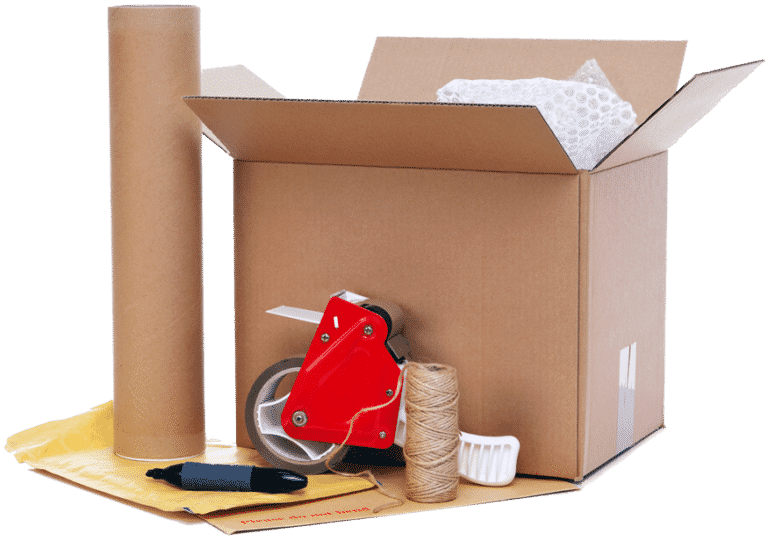
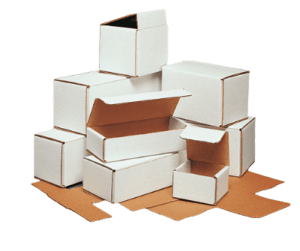
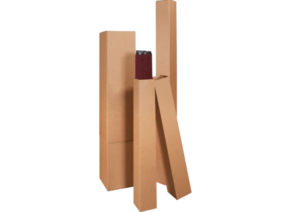
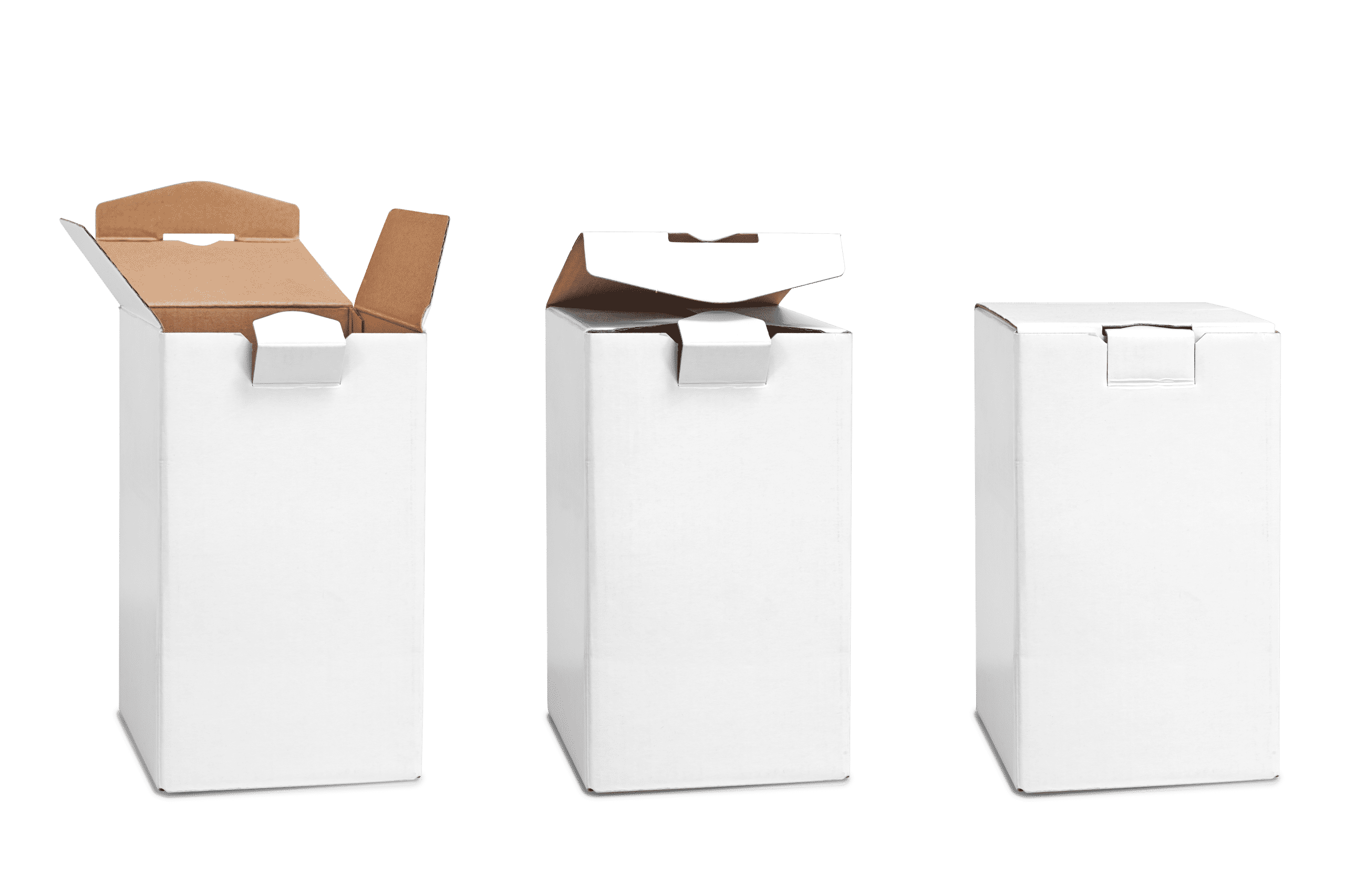
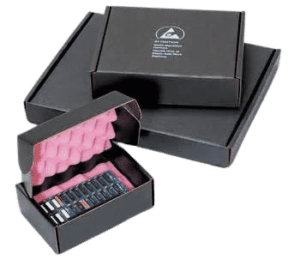
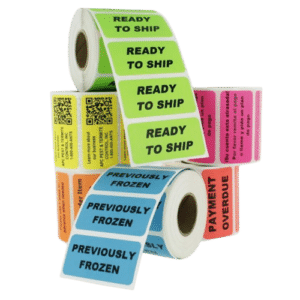
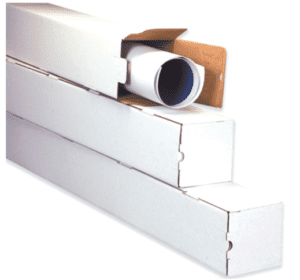
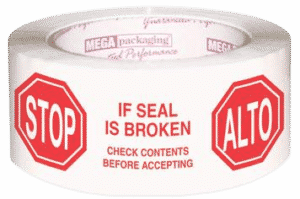
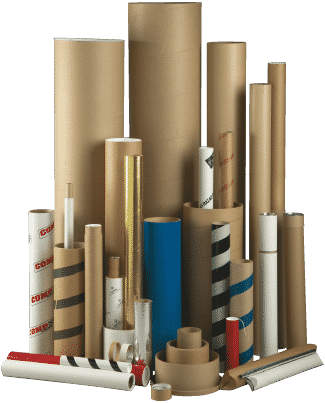
We supply businesses with a wide selection of essential packaging, shipping, and warehouse supplies. Get any standard packaging product by dimension or style from boxes, tubes, tapes, labels, and more. If you are unsure on what type of packaging you will need, then contact us for an expert consultation.


Stock packaging refers to pre-made, ready-to-ship packaging solutions like corrugated boxes, mailers, and protective materials that are designed to meet a wide range of standard needs across shipping, retail, and storage. Unlike custom packaging, stock options offer quick availability and reliable protection without the need for extensive design or production time, making them ideal for businesses needing efficient, high-quality solutions with fast lead times.

At Brown Packaging, we focus on providing durable, performance-driven stock packaging that supports our clients’ operational needs. Our stock products are sourced to ensure consistent quality and cost-effectiveness, offering a practical solution to keep operations running smoothly and on schedule. With an emphasis on reliability, we help our clients quickly access packaging solutions that meet their specific needs while maintaining quality across every order.

stock packaging products

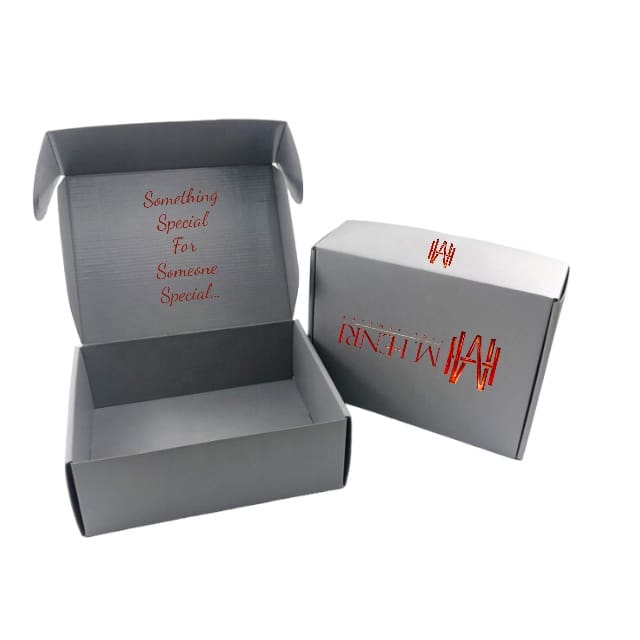
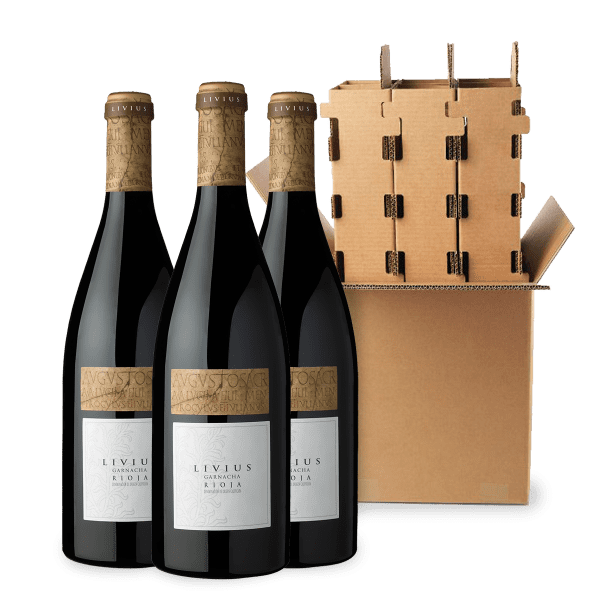
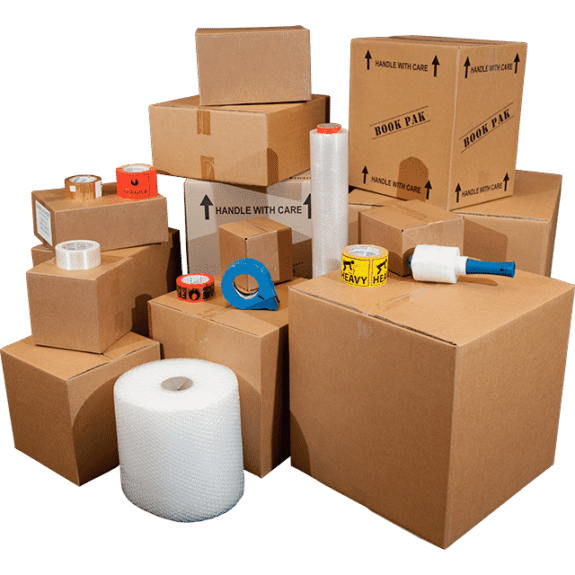
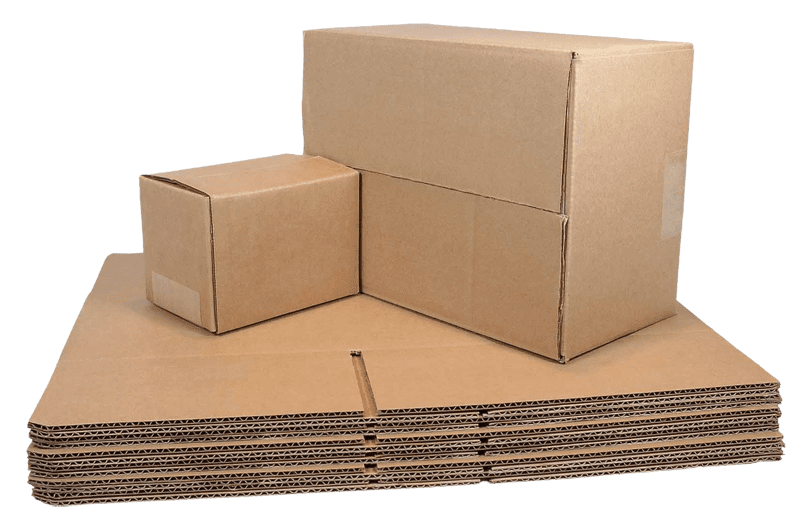
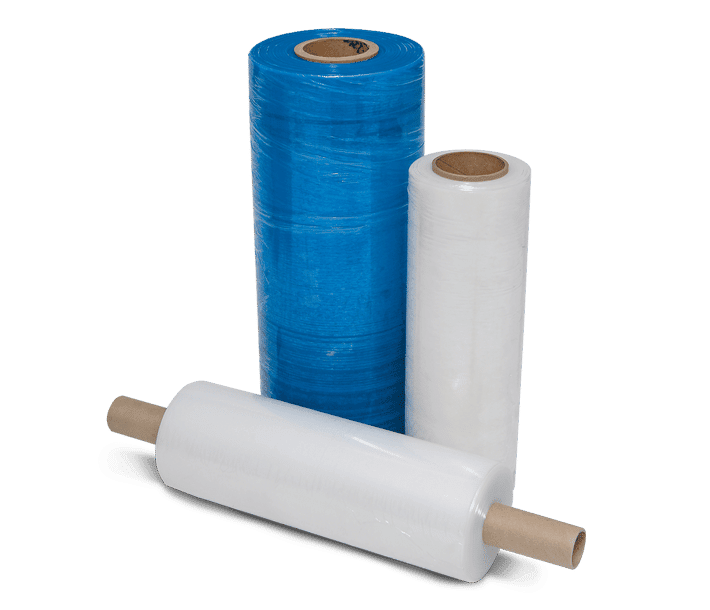
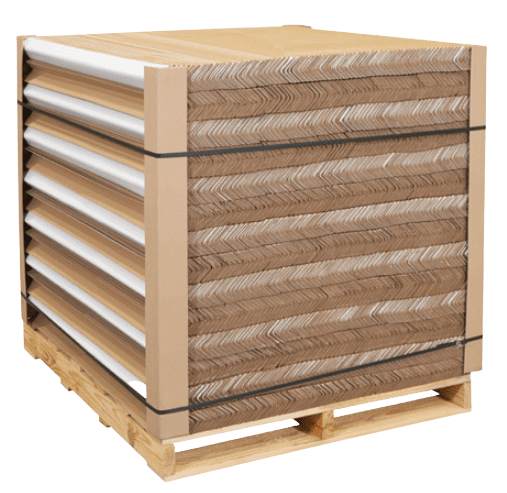
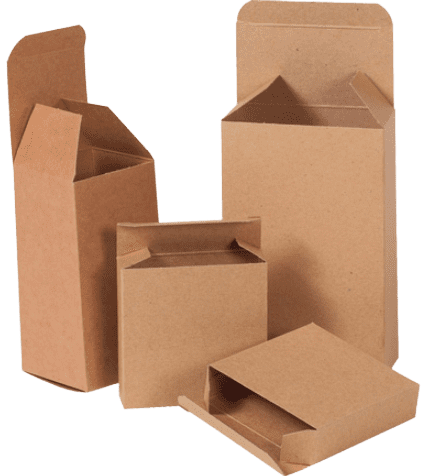
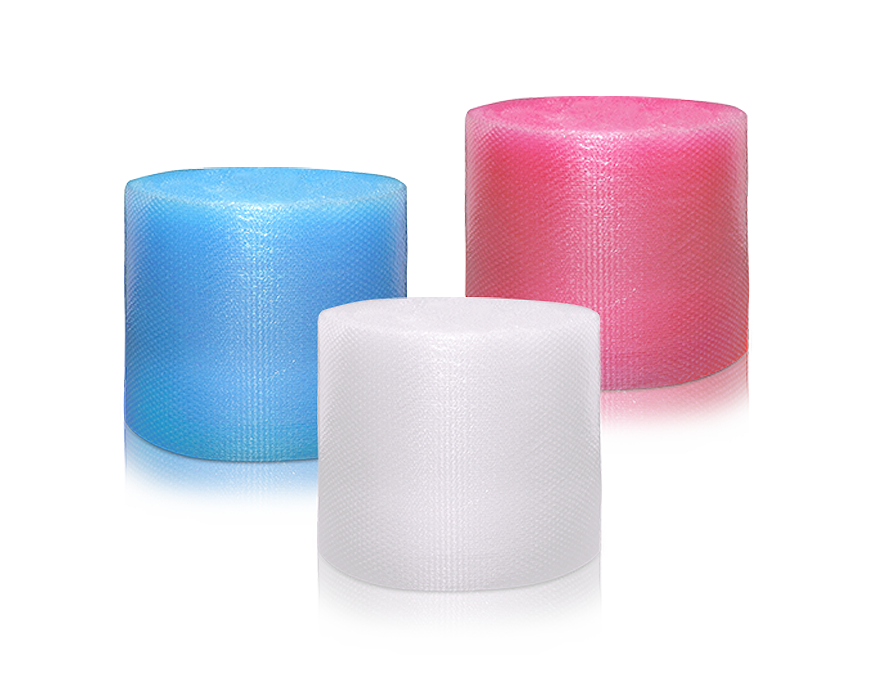
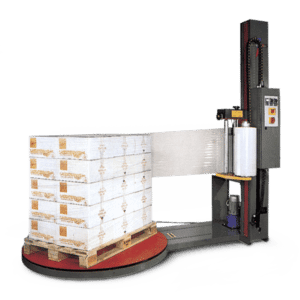
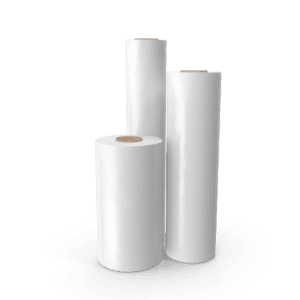
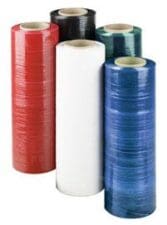
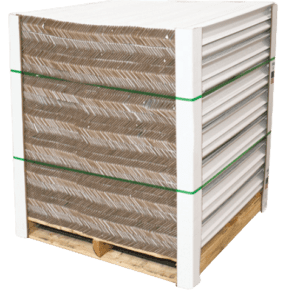
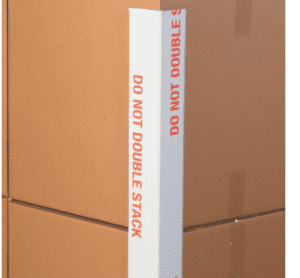
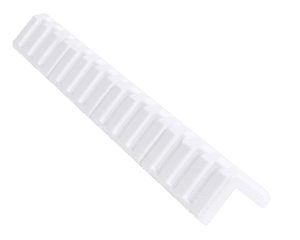
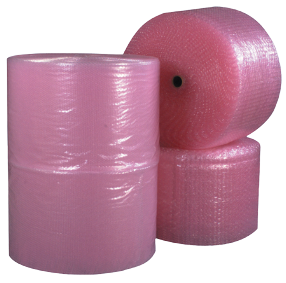
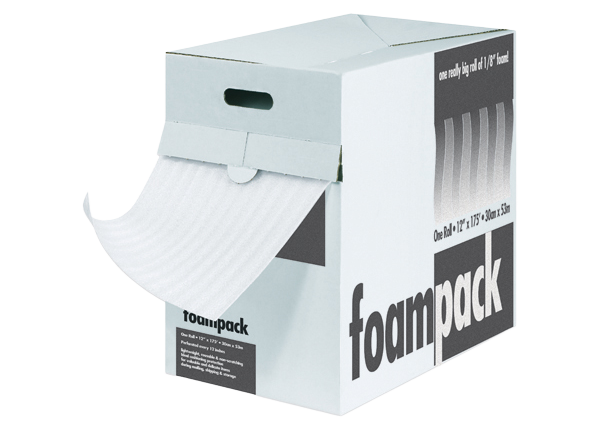
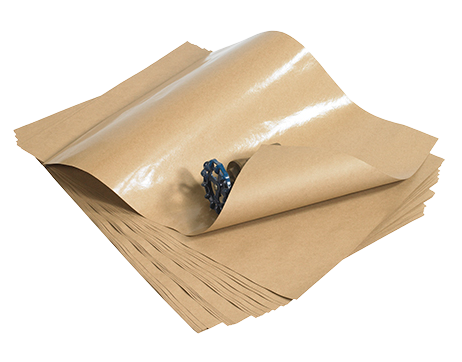
Our stock packaging products, from corrugated boxes to stretch film, offer a wide selection, including essentials like tape, edge protectors, labels, and more, with quick turnaround times to meet your packaging needs efficiently.

Edit Content
Edit Content
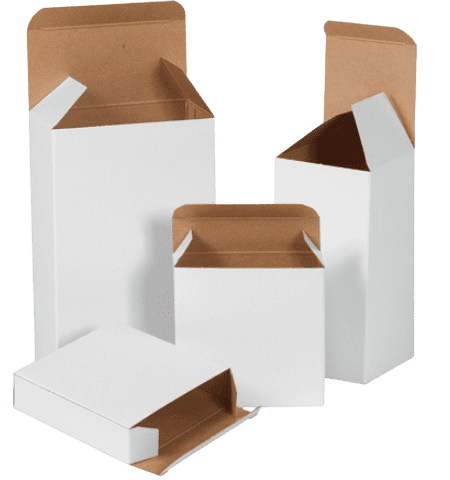
Folding Cartons
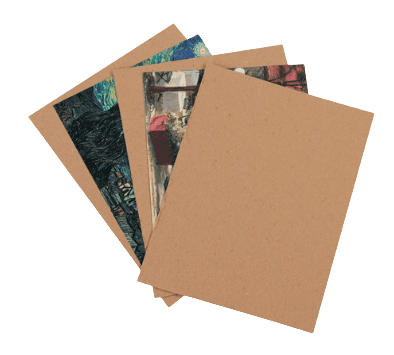
Pads
Apparel Boxes
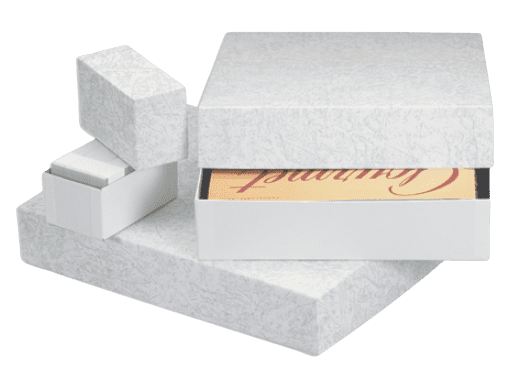
Jewelry Boxes
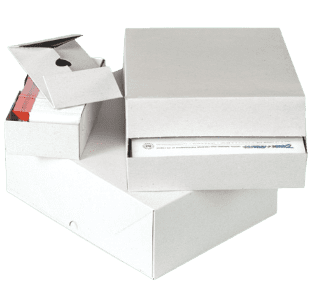
Setup Cartons
Stationary Cartons
Edit Content
Cast Film
Blown Film
Conventional Film
Engineered Film
Pre-Stretched Film
Hand Film
Machine Film
Edit Content
Light Duty
Medium Duty
Heavy Duty
Foam
Strapping
Frame Protectors
Edit Content
Edit Content
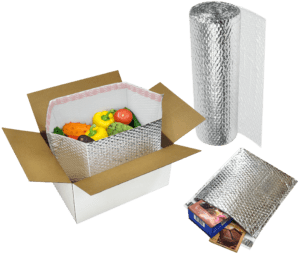
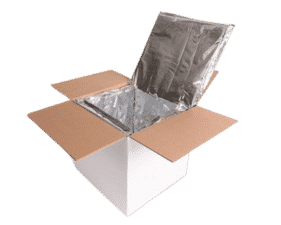
Box Liner
Metalized Pouch
Foam Cooler
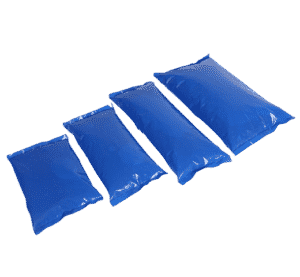
Ice Pack
Gel Pack
Edit Content
Edit Content
Edit Content
Folding Cartons
Pads
Apparel Boxes
Jewelry Boxes
Setup Cartons
Stationary Cartons
Edit Content
Cast Film
Blown Film
Conventional Film
Engineered Film
Pre-Stretched Film
Hand Film
Machine Film
Edit Content
Click on the Edit Content button to edit/add the content.
Edit Content
Edit Content
Box Liner
Metalized Pouch
Foam Cooler
Ice Pack
Gel Pack
Edit Content

If you need any assistance with your packaging or have a question, then contact us directly at request@brownpackaging.com  or  (714)300-0650. Learn more about custom packaging by reading our blog posts on new and trending topics.

Strategies to Reduce Dust, Moisture, and Tampering in Packaging
Protection
brownpackaging
Strategies to Reduce Dust, Moisture, and Tampering in Packaging

Effective packaging serves multiple purposes, including protecting products from dust, moisture, and tampering. These elements can compromise product quality, safety, and integrity during storage and transit. In this blog, we will explore various strategies and best practices to help you minimize the impact of dust, moisture, and tampering on your packaged goods. Reducing Dust Select Appropriate Packaging Materials: Choose packaging materials that offer good dust resistance. Sealed materials like plastics, laminates, or coated cardboard can create a protective barrier between the product and external dust particles. Implement Sealable Closures: Use packaging designs with sealable closures like zip-lock bags, resealable pouches, or adhesive seals. These closures keep dust out and allow consumers to reseal the package after use. Proper Handling and Storage: Store products in a clean and controlled environment before packaging. Ensure employees handling the products wear gloves and follow good hygiene practices to prevent contamination. Regular Cleaning: Maintain a clean packaging area to minimize dust contamination during the packaging process. Regularly clean equipment, conveyor belts, and packaging surfaces. Protective Inner Packaging: Consider using inner packaging layers, such as liners or inserts, to shield products from dust. For example, placing electronics in anti-static bags can prevent dust and electrostatic discharge. Mitigating Moisture Moisture-Resistant Materials: Select packaging materials with inherent moisture resistance, such as moisture-barrier films or laminated materials. These materials protect against humidity and moisture infiltration. Desiccants and Humidity Control: Include desiccants or humidity control products inside the packaging to absorb excess moisture. Silica gel packets and moisture-absorbing sachets are common options. Seal Integrity: Ensure that packaging seals are strong and airtight. Quality control checks should verify that no gaps or defects exist in the sealing process to prevent moisture ingress. Protective Coatings: Use coatings or laminates that provide a moisture-resistant barrier for printed packaging materials. This helps maintain the integrity of labels and graphics. Proper Storage: Store packaged products in a dry environment with controlled humidity levels. Warehouses and storage areas should be equipped with adequate ventilation and dehumidification systems. Preventing Tampering Tamper-Evident Seals: Incorporate tamper-evident features like shrink bands, breakable seals, or tear strips into your packaging design. These features indicate if the package has been tampered with. Security Labels: Apply security labels that leave a visible mark or message when removed. These labels discourage tampering and provide a clear indication if tampering has occurred. Serialization and Track-and-Trace: Implement serialization and track-and-trace systems to monitor and authenticate product movement through the supply chain. This helps identify anomalies and potential tampering incidents. Employee Training: Train your staff to recognize signs of tampering and follow proper security procedures. Encourage them to report any suspicious activities or findings. Regulatory Compliance: Adhere to industry and regulatory standards for tamper-evident packaging. Compliance ensures that your products meet safety and security requirements. By implementing these strategies and best practices, you can significantly reduce the risks associated with dust, moisture, and tampering in packaging. Remember that the specific approach may vary depending on your product type, industry, and regulatory requirements, so it’s essential to assess your unique needs and tailor your packaging solutions accordingly. Ultimately, effective packaging safeguards your products and enhances their overall quality and safety. If you are interested in proper packaging, then partner with Brown Packaging today to get started. (714)300-0650 request@brownpackaging.com Most Recent Posts: Categories: Corrugated Ecommerce ESD Design Display Flexible Packaging Foam Folding Carton Packaging Plastic Packaging Pouch Printing Protection Retail Rigid Box Thermoform Sustainability Subscribe To Our Newsletter By submitting your information, you agree to our terms and conditions and privacy policy. Custom Packaging Facebook Twitter LinkedIn Pinterest Relevant Posts

Read More »
Protective Packaging
Protection
brownpackaging
The Influence of Protective Packaging on the Customer Experience

There’s a common saying in the marketing world: “It’s not what you sell that matters as much as how you sell it.” While the quality and function of your product is undoubtedly essential, the packaging it arrives in and its ability to ensure the product’s safety plays a critical role in shaping the customer’s perception and overall experience. In this blog, we will delve deep into understanding how protective packaging can impact customer experience, providing valuable insights for businesses in all sectors. The Role of Protective Packaging Before diving into the impact of protective packaging, it’s important to first understand its role. This includes any material used to protect, immobilize, conceal, and even provide environmental protection to the product. Depending on the nature and fragility of the product, protective packaging can range from bubble wraps, foam inserts, to air pillows, and more. First Impressions Matter: Unboxing Experience We live in an era where the ‘unboxing experience’ can make or break a customer’s impression of a brand. The moment when a customer opens their package is a unique touchpoint that can elicit emotions of anticipation and excitement. If a product is received in excellent condition, with high-quality protective packaging, it sends a message to the customer that the brand values their purchase and cares about their experience. On the other hand, a poor unboxing experience – if the product is damaged due to insufficient protective packaging – can instantly leave a negative impression, and in worst cases, result in product returns and negative reviews. It’s important to remember that these customer reviews, shared online, can significantly influence the decision-making process of potential future customers. Impact on Customer Trust and Brand Image Another key aspect of the customer experience revolves around trust. Consumers trust brands to deliver their purchases safely, and the use of appropriate protective packaging is a key element in building this trust. When customers repeatedly receive their purchases in perfect condition, it not only reinforces their trust in your brand but also improves your brand image. High-quality packaging can reflect a company’s professionalism and commitment to customer satisfaction, significantly enhancing the perceived value of the brand. Environmental Impact and Consumer Perception As environmental concerns increasingly shape consumer behavior, brands are now facing the pressure to minimize their environmental footprint. The choice of protective packaging plays a big part in this. Consumers are more aware than ever and often prefer eco-friendly packaging solutions. Offering sustainable protective packaging options can thus positively influence your brand image and appeal to a growing environmentally conscious audience. This can not only differentiate your brand in a competitive market but also inspire customer loyalty. The Value of Customization Customization in protective packaging can significantly enhance the customer experience. Custom-cut foam inserts or designed air cushions, for instance, not only provide excellent product protection but also offer an unboxing experience that feels personalized and premium. This detail can also indicate a higher level of care taken by the company to protect the product, further enhancing the customer’s perception of the brand. Cost Factor: Balancing Protection and Affordability While it’s clear that protective packaging is a worthy investment, businesses must balance the cost. Over-packaging a product can lead to unnecessary costs and even customer frustration, while under-packaging can risk product damage and customer dissatisfaction. Finding the right balance is key to ensuring customer satisfaction while maintaining business profitability. Conclusion: A Pillar of the Customer Experience In conclusion, protective packaging plays a substantial role in determining the customer experience. From the unboxing moment, building customer trust, enhancing brand image, to aligning with environmental values, every aspect of protective packaging can have far-reaching impacts on how a customer perceives a brand and its products. The unboxing experience sets the tone for the entire customer journey, and the use of high-quality protective packaging demonstrates a brand’s commitment to customer satisfaction. (714)300-0650 request@brownpackaging.com Most Recent Posts: Categories: Corrugated Ecommerce ESD Design Display Flexible Packaging Foam Folding Carton Packaging Plastic Packaging Pouch Printing Protection Retail Rigid Box Thermoform Sustainability Subscribe To Our Newsletter By submitting your information, you agree to our terms and conditions and privacy policy. Custom Packaging Facebook Twitter LinkedIn Pinterest Relevant Posts

Read More »
Printed Corrugated RETT box with dusk flaps
Corrugated
brownpackaging
Different Types of Sealing and Closures for Corrugated Boxes

In the world of packaging, the way a corrugated box is sealed and closed is as important as the box itself. The right type of sealing and closure not only ensures the safety and security of the contents but also can enhance ease of use, storage, and even branding. This blog post explores the different types of sealing and closure methods available for corrugated boxes, helping businesses choose the best option for their specific needs. Understanding the Importance of Proper Sealing and Closure Before delving into the types, it’s crucial to understand why sealing and closure matter. The right closure method can protect the contents from damage, theft, or contamination, while also providing an additional layer of branding through custom tapes or seals. Tape Closure One of the most common methods of sealing corrugated boxes is using tape. This method is versatile and cost-effective, suitable for a wide range of applications. Pressure-Sensitive Tape: Easy to apply, available in various widths and strengths, and ideal for lightweight to medium-weight boxes. Water-Activated Tape (WAT): Forms a strong bond with the corrugated box, offering superior security, and is excellent for heavier packages. Reinforced Water-Activated Tape: Best for heavy-duty applications, providing extra strength and security. Staple Closure Stapling is a traditional method of closing corrugated boxes, often used for heavy or industrial items. Manual Stapling: Suitable for small-scale operations or where additional security is needed. Pneumatic Stapling: Used in larger operations for efficiency and consistency in sealing. Glue Closure Adhesive or glue is another popular method, especially in automated packaging lines. Hot Melt Adhesive: Quick to apply and set, providing a strong and durable seal. Cold Glue Adhesive: Requires more time to set but offers a strong bond and is suitable for boxes that require refrigeration. Self-Locking Tabs and Slots For consumer-facing products, self-locking tabs and slots offer an appealing and tool-free option. Tab Lock: Simple to use, providing a secure closure without additional materials. Slot Lock: Offers added security as tabs lock into slots, making the box more tamper-resistant. Velcro or Hook-and-Loop Closures For reusable box designs, Velcro or hook-and-loop closures are ideal. Easy Open and Close: Allows for multiple uses, ideal for sample kits or storage boxes. Customizable: Can be designed in various shapes and sizes to suit specific packaging needs. Strapping or Banding Strapping or banding is used for heavy-duty applications or for bundling multiple boxes together. Metal Strapping: Offers the highest strength, ideal for heavy industrial goods. Polyester or Polypropylene Strapping: More flexible than metal, suitable for a wide range of applications. Sealing with Labels or Stickers Custom labels or stickers can double as a sealing method, particularly for light packages or as an additional security seal. Branding Opportunity: Custom labels provide a platform for branding and product information. Tamper-Evident Seals: Enhance security by indicating if the box has been opened. Conclusion The choice of sealing and closure method for corrugated boxes depends on several factors, including the weight and nature of the contents, the shipping and handling process, the need for security, and the desired customer experience. By selecting the appropriate sealing and closure method, businesses can ensure their products are well-protected and arrive at their destination in the best possible condition. Moreover, creative and practical sealing solutions can enhance brand recognition and provide an additional touchpoint for customer engagement. (714)300-0650 request@brownpackaging.com Most Recent Posts: Categories: Corrugated Ecommerce ESD Design Display Flexible Packaging Foam Folding Carton Packaging Plastic Packaging Pouch Printing Protection Retail Rigid Box Thermoform Sustainability Subscribe To Our Newsletter By submitting your information, you agree to our terms and conditions and privacy policy. Custom Corrugated Boxes Facebook Twitter LinkedIn Pinterest Relevant Posts

Read More »