




Stock Packaging
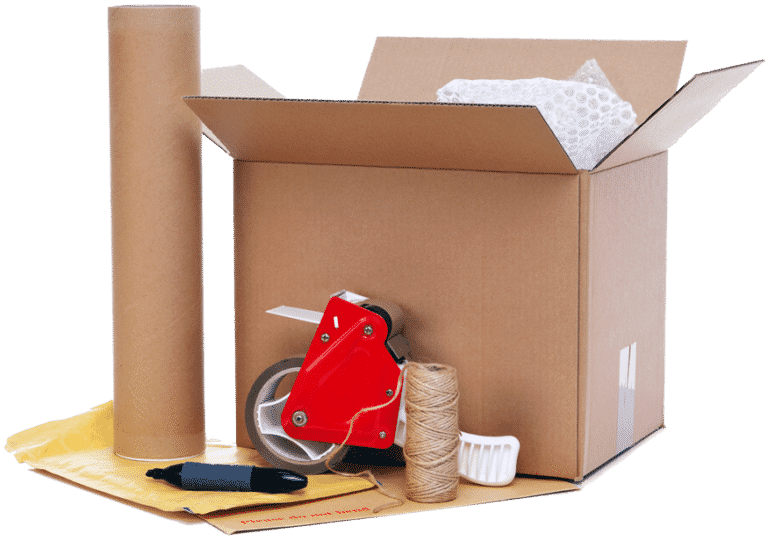
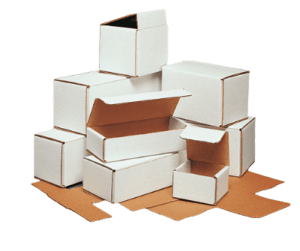
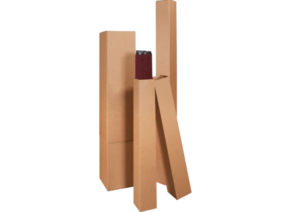
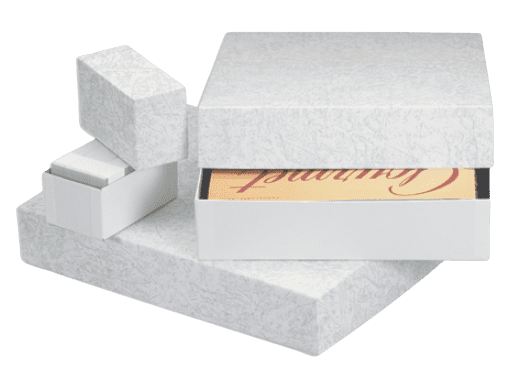
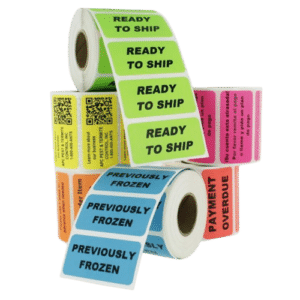
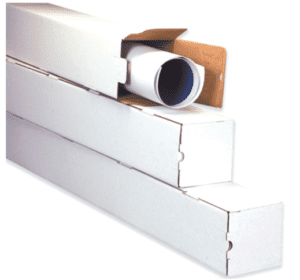
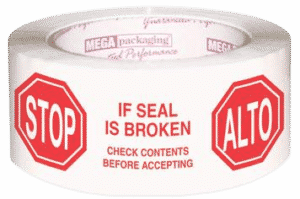
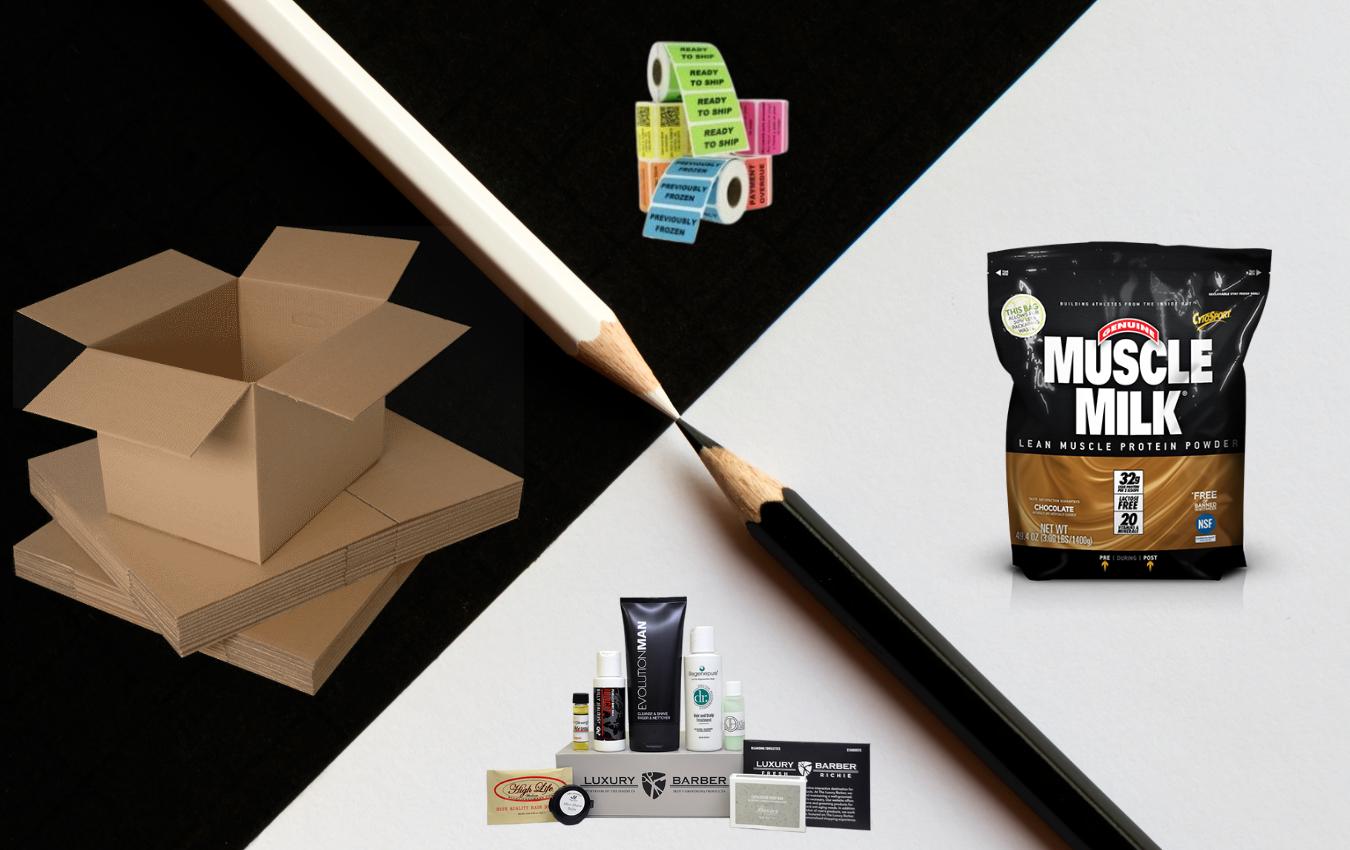
We supply businesses with a wide selection of essential packaging, shipping, and warehouse supplies. Get any standard packaging product by dimension or style from boxes, tubes, tapes, labels, and more. If you are unsure on what type of packaging you will need, then contact us for an expert consultation.


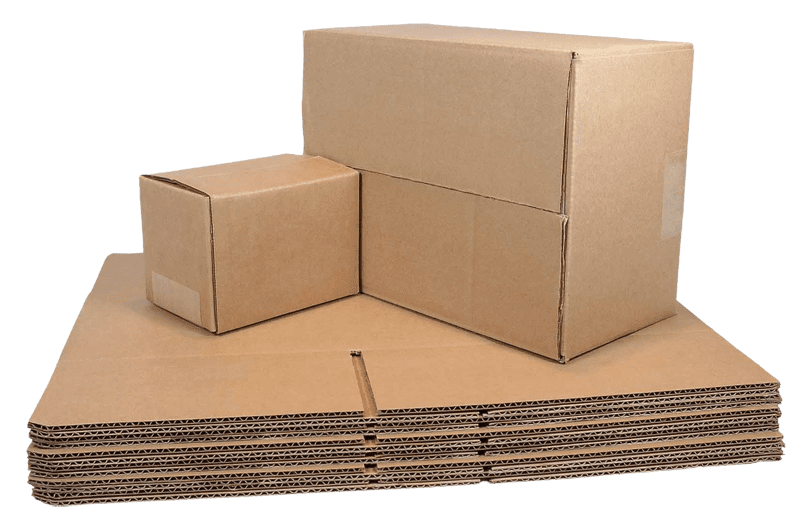
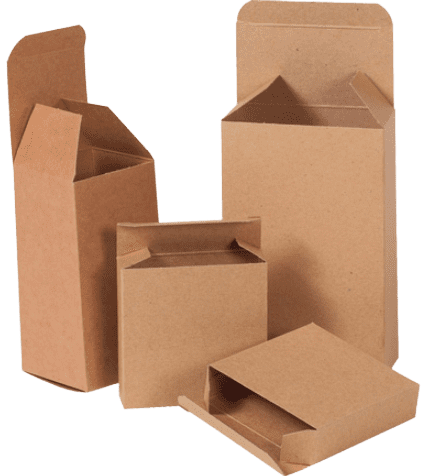
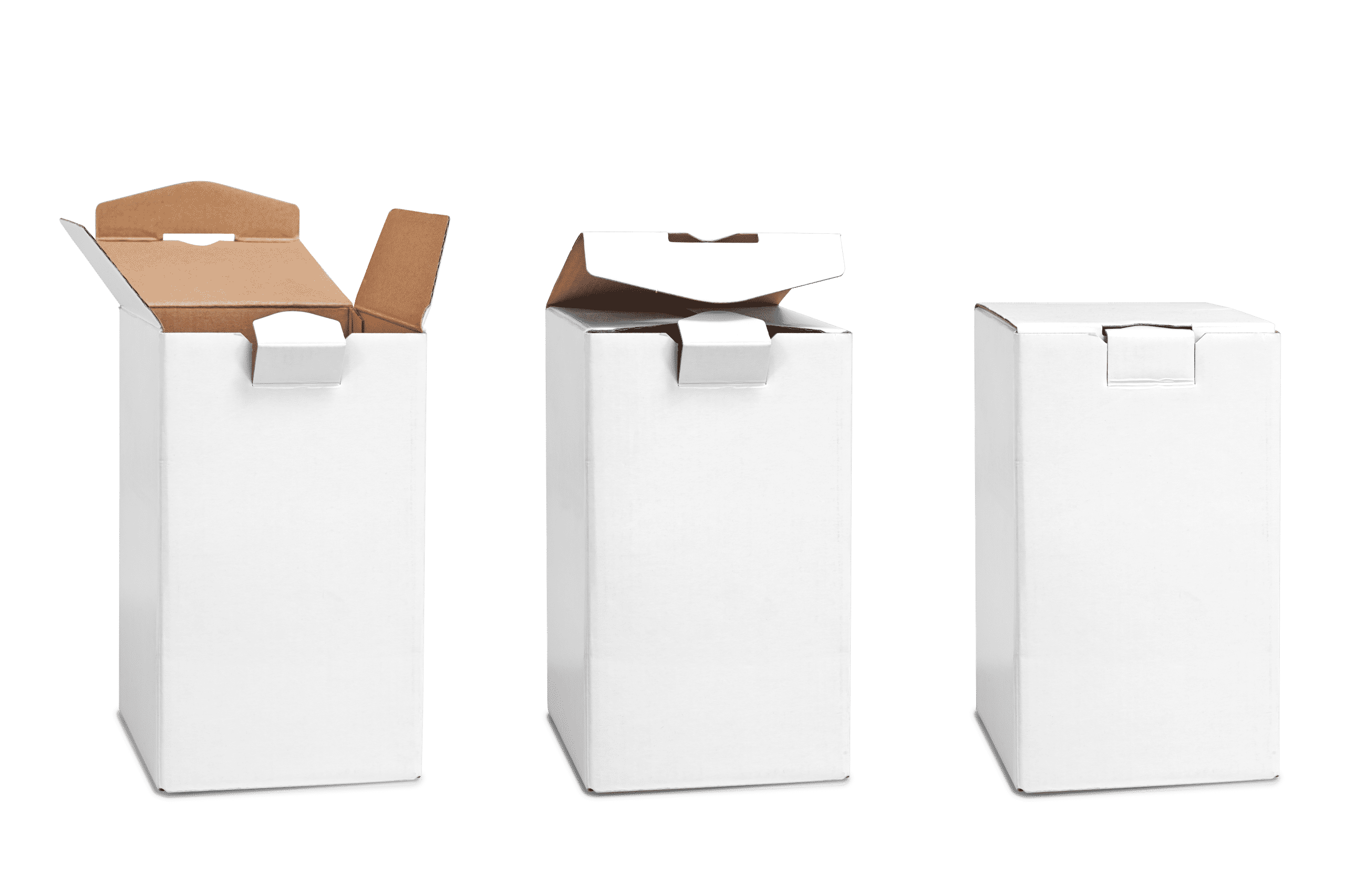
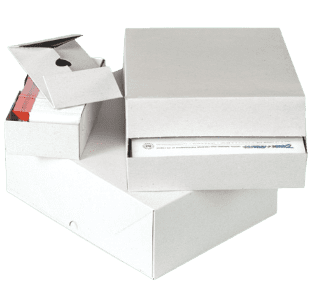
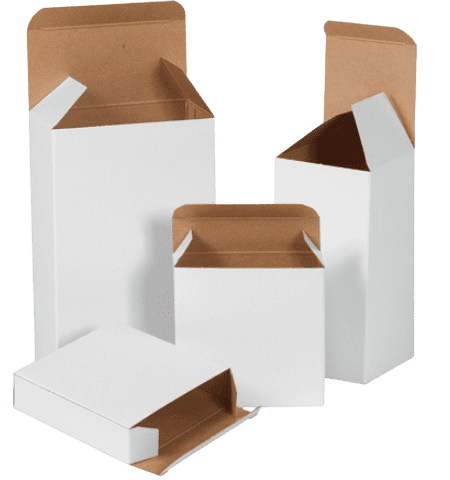
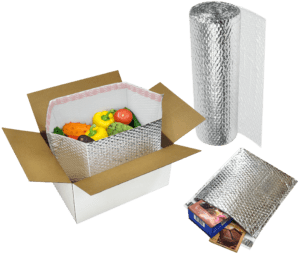
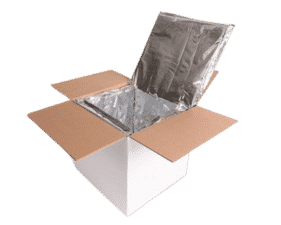
Stock packaging refers to pre-made, ready-to-ship packaging solutions like corrugated boxes, mailers, and protective materials that are designed to meet a wide range of standard needs across shipping, retail, and storage. Unlike custom packaging, stock options offer quick availability and reliable protection without the need for extensive design or production time, making them ideal for businesses needing efficient, high-quality solutions with fast lead times.
At Brown Packaging, we focus on providing durable, performance-driven stock packaging that supports our clients’ operational needs. Our stock products are sourced to ensure consistent quality and cost-effectiveness, offering a practical solution to keep operations running smoothly and on schedule. With an emphasis on reliability, we help our clients quickly access packaging solutions that meet their specific needs while maintaining quality across every order.
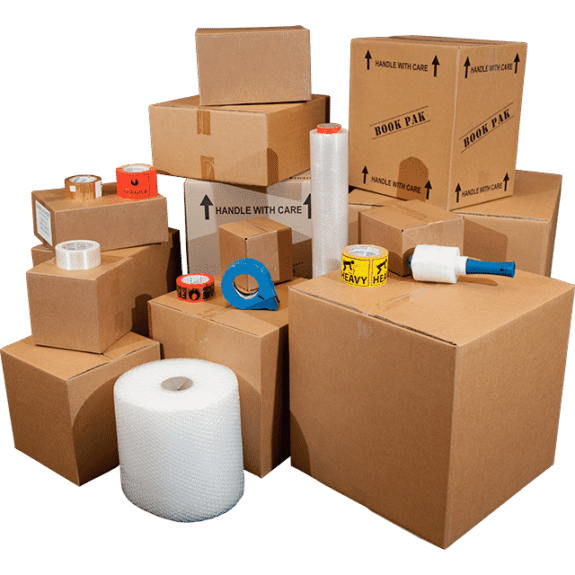
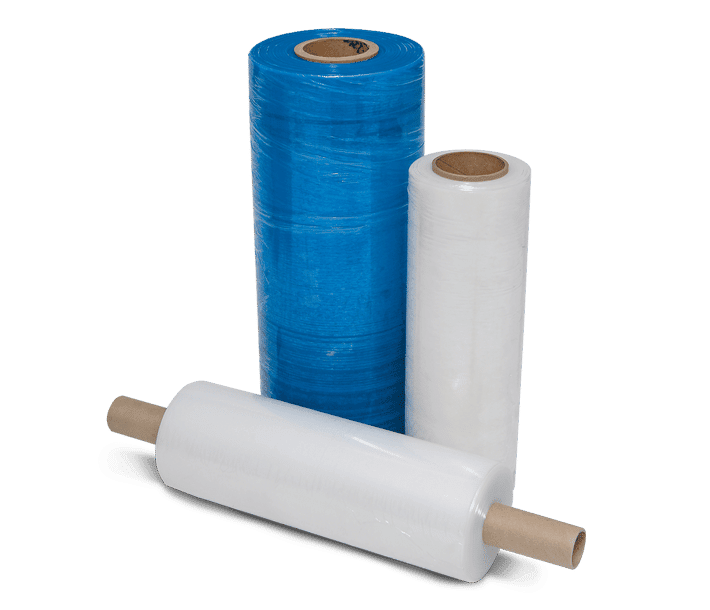
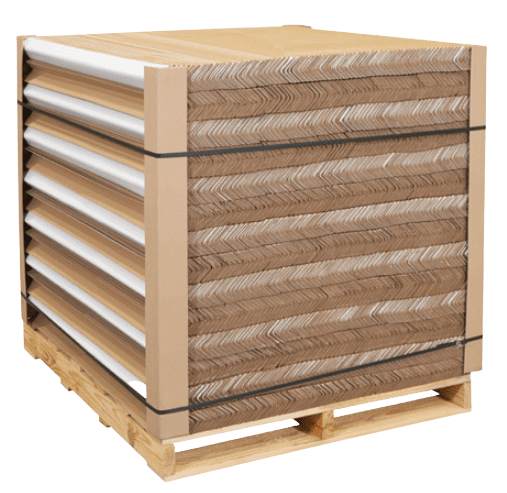
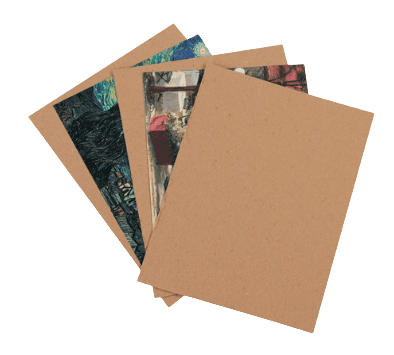
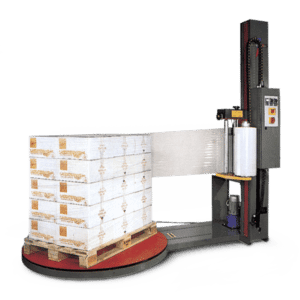
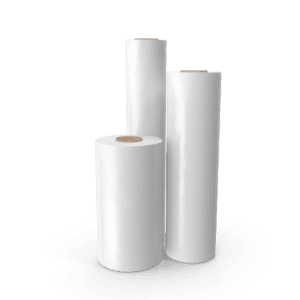
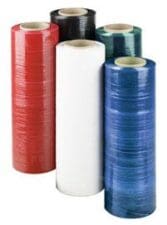
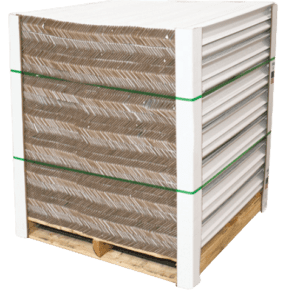
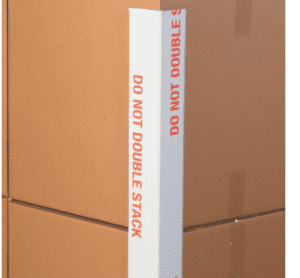
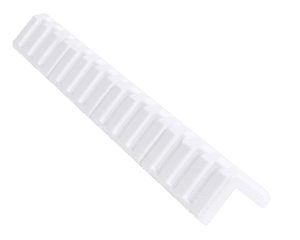
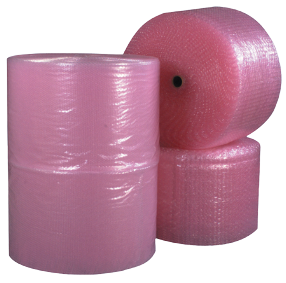
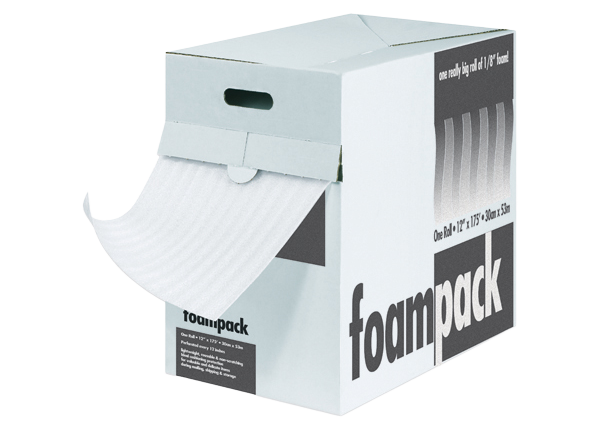
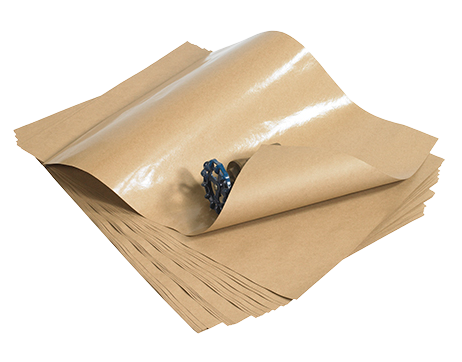
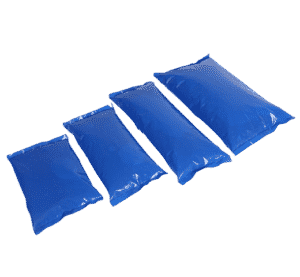
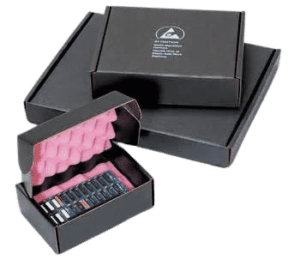
Our stock packaging products, from corrugated boxes to stretch film, offer a wide selection, including essentials like tape, edge protectors, labels, and more, with quick turnaround times to meet your packaging needs efficiently.


If you need any assistance with your packaging or have a question, then contact us directly at request@brownpackaging.com or (714)300-0650. Learn more about custom packaging by reading our blog posts on new and trending topics.

Saving on the purchase of corrugated boxes involves strategic planning and smart sourcing to ensure you get the best value without compromising on quality. By exploring bulk purchasing, negotiating with suppliers, opting for standard sizes, and considering lightly used or recycled boxes, businesses can significantly reduce their packaging costs. Bulk Purchasing One of the most straightforward ways to save on corrugated boxes is by buying in bulk. Manufacturers often offer substantial discounts for large orders due to the lower logistics and handling costs involved. Bulk purchasing not only reduces the per-unit cost but also minimizes the frequency of reordering, saving additional time and shipping expenses. It’s essential, however, to have adequate storage space and to ensure that the bulk quantity aligns with your usage to avoid unnecessary stockpiling. Supplier Negotiation and Comparison Establishing a good relationship with suppliers can open the door to discounts, especially if your business is a repeat customer. Don’t hesitate to negotiate prices or ask for special deals. Additionally, regularly comparing prices from different suppliers can uncover more competitive rates or better terms. Keep in mind that the cheapest option is not always the best choice if it compromises box quality, which can lead to product damage and higher costs in the long run. Recycled and Lightly Used Boxes For businesses committed to sustainability and looking to save on costs, recycled or lightly used corrugated boxes are an excellent option. Many suppliers offer high-quality recycled boxes at a fraction of the cost of new ones. These boxes can be just as durable and reliable as new ones, especially if they have only been used once or twice. Moreover, opting for recycled boxes reduces your environmental footprint and supports circular economy practices. Efficient Design and Material Use Work with your box supplier to design packaging that uses material efficiently. Reducing material waste not only lowers costs but also benefits the environment. Consider lighter-weight corrugated options that still provide adequate protection for your products. Innovations in corrugated box design can result in the use of less material without sacrificing box integrity or performance. Inventory Management Effective inventory management can also lead to savings. By carefully monitoring your box usage and inventory levels, you can avoid rush orders, which often come with premium shipping costs. Predictable ordering patterns can also strengthen your negotiating position with suppliers, potentially leading to better prices or terms. Conclusion Saving on corrugated boxes requires a multi-faceted approach that includes smart purchasing strategies, supplier negotiations, and a commitment to efficient design and sustainability. By adopting these practices, businesses can significantly reduce their packaging expenses while still ensuring their products are well-protected. Remember, the goal is to find a balance between cost savings and maintaining the quality and integrity of your packaging to support your brand’s reputation and customer satisfaction. If you are interested in corrugated boxes, then partner with Brown Packaging today to get started. (714)300-0650 request@brownpackaging.com Most Recent Posts: Categories: Corrugated Ecommerce ESD Design Display Flexible Packaging Foam Folding Carton Packaging Plastic Packaging Pouch Printing Protection Retail Rigid Box Thermoform Sustainability Subscribe To Our Newsletter By submitting your information, you agree to our terms and conditions and privacy policy. Custom Corrugated Boxes Facebook Twitter LinkedIn Pinterest Relevant Posts

In October 2024, California made a groundbreaking move by banning “sell by” dates on food products. This legislation aims to reduce consumer confusion, minimize food waste, and introduce standardized freshness terms across the state. Effective July 1, 2026, this new law has far-reaching implications for packaging design, production, and compliance. For packaging buyers, it is crucial to understand these changes and their impact on packaging strategies to make informed decisions. The Problem with “Sell By” Dates Historically, “sell by” dates have been used as a tool for inventory management, intended for retailers rather than consumers. However, many consumers misinterpret these dates as indicators of food safety, leading to the premature disposal of perfectly edible food. According to studies, this confusion contributes to approximately 70,000 tons of food waste annually in California alone. What Does the New Law Require? The law eliminates “sell by” dates and replaces them with clear, standardized terms that better communicate product freshness to consumers. These terms are expected to include: “Best If Used By”: Indicates the period for optimal quality or flavor. “Use By”: Reflects the last date recommended for the product’s peak quality, often tied to food safety for perishable items. By standardizing labels, California aims to enhance consumer understanding, reduce food waste, and align with global best practices in food labeling. How This Affects Packaging Buyers Packaging buyers must prepare for the operational and design changes required to comply with this legislation. Here’s how the new rules impact the packaging industry and what buyers need to consider: Redesigning Labels The shift to standardized terms requires updates to all food product packaging sold in California. Key Considerations: Ensure compliance with the mandated labeling terms. Collaborate with graphic designers to revise labels while maintaining brand identity. Confirm that new labels are clear and legible for consumers. Adjusting Printing Processes Buyers may need to adjust printing specifications or partner with new suppliers to accommodate the updated labeling requirements. Actionable Steps: Evaluate whether current printing equipment and processes can support the new labeling formats. Plan ahead to avoid delays or increased costs during the transition. Managing Compliance Across States If your business operates in multiple states, consider how to address varying labeling laws. Options for Buyers: Implement California-compliant labels nationwide to streamline production. Use region-specific packaging if distinct compliance is necessary. Sustainability Opportunities The new law aligns with sustainability goals by reducing food waste, providing an opportunity for packaging buyers to align their strategies. How Buyers Can Respond: Highlight eco-friendly materials in packaging to reinforce your brand’s commitment to sustainability. Include consumer education elements, such as QR codes, that provide additional information on food storage and expiration. Cost Implications While the changes may involve upfront costs, compliance can prevent fines and align your products with consumer preferences. Potential Costs: Redesigning and reprinting packaging. Updating inventory and supply chain processes. Training staff on new compliance requirements. Benefits of the New Law for Packaging Buyers While adapting to this legislation requires investment, it also presents several opportunities: Building Consumer Trust Clear and standardized labels improve transparency, helping consumers make informed decisions and fostering trust in your brand. Reducing Waste in Supply Chains With less food discarded due to misunderstood labels, businesses can optimize inventory and reduce losses, saving costs in the long term. Staying Ahead of National Trends California often leads the way in regulatory changes that later influence national policies. Preparing for these changes now could position your business ahead of future federal regulations. Enhancing Brand Reputation By adopting clear, consumer-focused labeling, you align with growing consumer demand for accountability and clarity in packaging. Steps to Prepare for the Labeling Transition To ensure a smooth transition, packaging buyers should take the following steps: Conduct an Audit of Current Labels: Review all products sold in California to identify labels that require updates. Collaborate with Suppliers: Work closely with suppliers to revise labels and ensure timely production. Plan and Budget for the Transition: Allocate resources for redesign, printing, and potential supply chain adjustments. Educate Internal Teams: Train staff on the new labeling requirements and their implications for production and sales. Communicate with Retailers and Distributors: Ensure that partners in the supply chain understand and comply with the new standards. Conclusion California’s new food date labeling law is a significant step toward reducing food waste and improving consumer understanding. For packaging buyers, this change presents both challenges and opportunities. By preparing early and aligning your packaging strategies with the new standards, you can ensure compliance, enhance consumer trust, and support sustainability goals. With thoughtful planning, the transition can become a competitive advantage in the ever-evolving packaging industry. If you are interested in making your food packaging compliant, then partner with Brown Packaging today to get started. (714)300-0650 request@brownpackaging.com Most Recent Posts: Categories: Corrugated Ecommerce ESD Design Display Flexible Packaging Foam Folding Carton Packaging Plastic Packaging Pouch Printing Protection Retail Rigid Box Thermoform Sustainability Subscribe To Our Newsletter By submitting your information, you agree to our terms and conditions and privacy policy. Food Packaging Facebook Twitter LinkedIn Pinterest Relevant Posts

The weight a corrugated box can hold depends on factors such as box construction, material grade, flute size, and box dimensions. Corrugated boxes are designed to protect and hold items during storage and shipping efficiently. A standard single-wall corrugated box can hold between 20 to 120 pounds, while double-wall constructions can support significantly higher weights ranging from 80 to 180 pounds. Understanding Corrugated Box Strength Corrugated box strength is determined by multiple factors, including construction, material grade, and flute size. Understanding these variables ensures the right box is chosen for the job. Box Construction Corrugated boxes are available in three main constructions: Single-Wall Boxes: Suitable for lighter items with weight capacities ranging from 20 to 120 lbs, depending on the material strength. Double-Wall Boxes: Designed for heavier or fragile items, supporting weights from 80 to 180 lbs. Triple-Wall Boxes: Used for exceptionally heavy items, such as industrial equipment, capable of holding hundreds of pounds. Material Strength: Bursting Test and Edge Crush Test (ECT) Two key measurements determine corrugated box strength: Bursting Strength Test: Measures the force required to rupture the surface of corrugated board. Edge Crush Test (ECT): Measures stacking strength and indicates how much weight a box can withstand before collapsing. The following tables summarize the equivalencies for single-wall and double-wall corrugated boxes: Single-Wall Corrugated Boxes Bursting Test Minimum Edge Crush Test (ECT) Maximum Suggested Loading Limit Per Carton 125# 23 ECT 20 lbs. 150# 26 ECT 35 lbs. 175# 29 ECT 50 lbs. 200# 32 ECT 65 lbs. 275# 44 ECT 95 lbs. 350# 55 ECT 120 lbs. Double-Wall Corrugated Boxes Bursting Test Minimum Edge Crush Test (ECT) Maximum Suggested Loading Limit Per Carton 200# 42 ECT 80 lbs. 275# 48 ECT 100 lbs. 350# 51 ECT 120 lbs. 400# 61 ECT 140 lbs. 500# 71 ECT 160 lbs. 600# 82 ECT 180 lbs. These standardized tests ensure the durability and reliability of corrugated boxes, helping buyers choose boxes that meet their weight requirements. The Role of Flute Size Corrugated boxes use fluted sheets to provide strength and cushioning. Larger flutes (like A or B flutes) offer better compression resistance and are ideal for heavier items, while smaller flutes (like E or F flutes) provide a smoother surface for printing and are better for lightweight items. The Importance of Box Dimensions Box size directly affects weight capacity and strength. Larger boxes have a wider surface area, which can distribute weight evenly but may require stronger materials to prevent collapse. Choosing the appropriate box size can optimize load support and minimize material waste. How to Choose the Right Box To ensure optimal performance, consider the following when selecting a corrugated box: Determine the Weight of the ContentsUse the tables above to match the weight of your products with the appropriate box strength. Evaluate the Box Construction Single-wall for lightweight items. Double-wall for medium to heavy items. Triple-wall for extremely heavy or industrial goods. Consult with SuppliersCollaborate with packaging experts to select boxes with the proper ECT or bursting strength for your application. Optimize for SustainabilityChoose boxes made from recycled or sustainable materials without compromising strength. Conclusion The weight a corrugated box can hold depends on its construction, material grade, and strength ratings (ECT and bursting test). Single-wall boxes can hold up to 120 lbs, while double-wall boxes can support weights up to 180 lbs, as shown in the tables above. By understanding these key metrics and factors, packaging buyers can confidently choose the right boxes for their needs, ensuring products are protected during shipping and storage. Partner with Brown Packaging today to find corrugated boxes designed to meet your weight, size, and durability requirements. Whether you’re shipping lightweight goods or industrial equipment, we’ve got the solution for you! (714)300-0650 request@brownpackaging.com Most Recent Posts: Categories: Corrugated Ecommerce ESD Design Display Flexible Packaging Foam Folding Carton Packaging Plastic Packaging Pouch Printing Protection Retail Rigid Box Thermoform Sustainability Subscribe To Our Newsletter By submitting your information, you agree to our terms and conditions and privacy policy. Custom Corrugated Boxes Facebook Twitter LinkedIn Pinterest Relevant Posts