



Stock Packaging
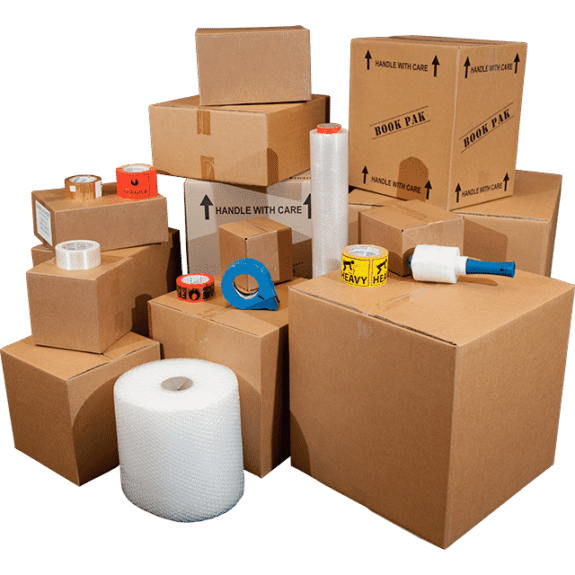
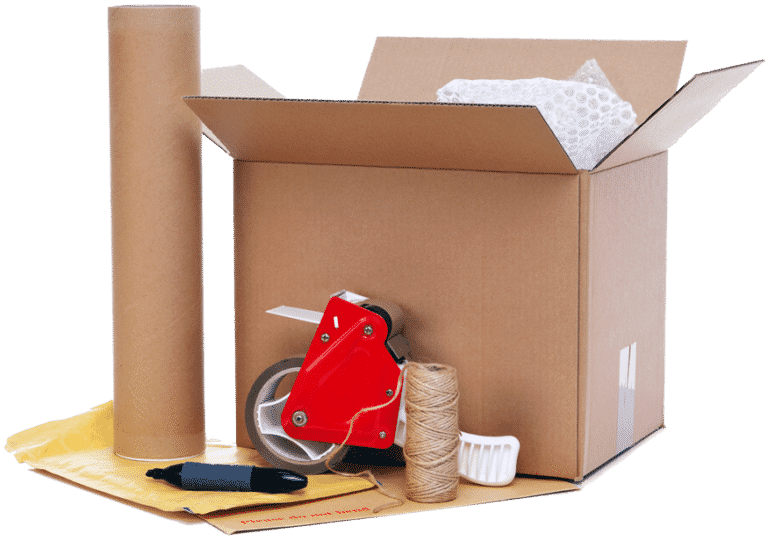
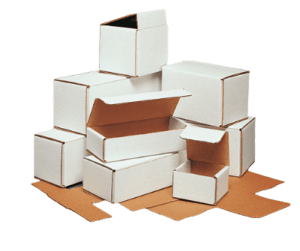
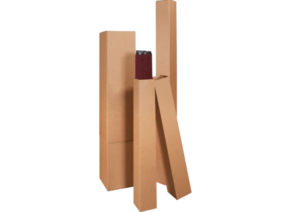
We supply businesses with a wide selection of essential packaging, shipping, and warehouse supplies. Get any standard packaging product by dimension or style from boxes, tubes, tapes, labels, and more. If you are unsure on what type of packaging you will need, then contact us for an expert consultation.


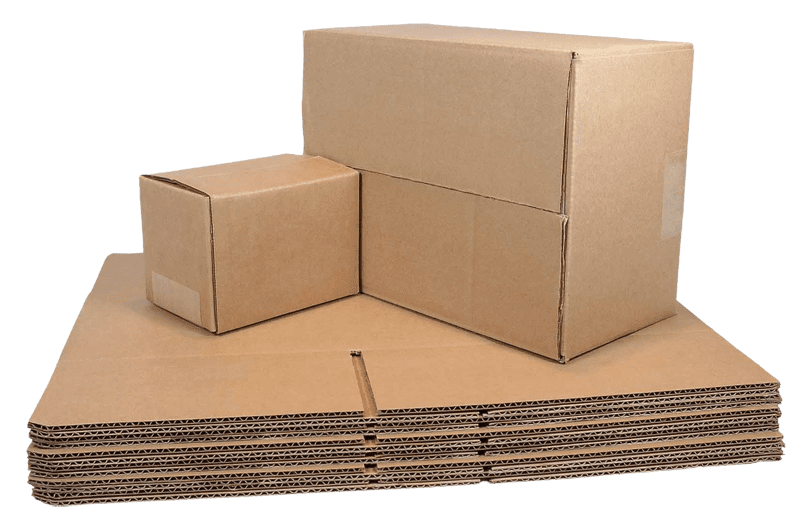
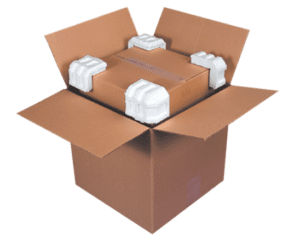
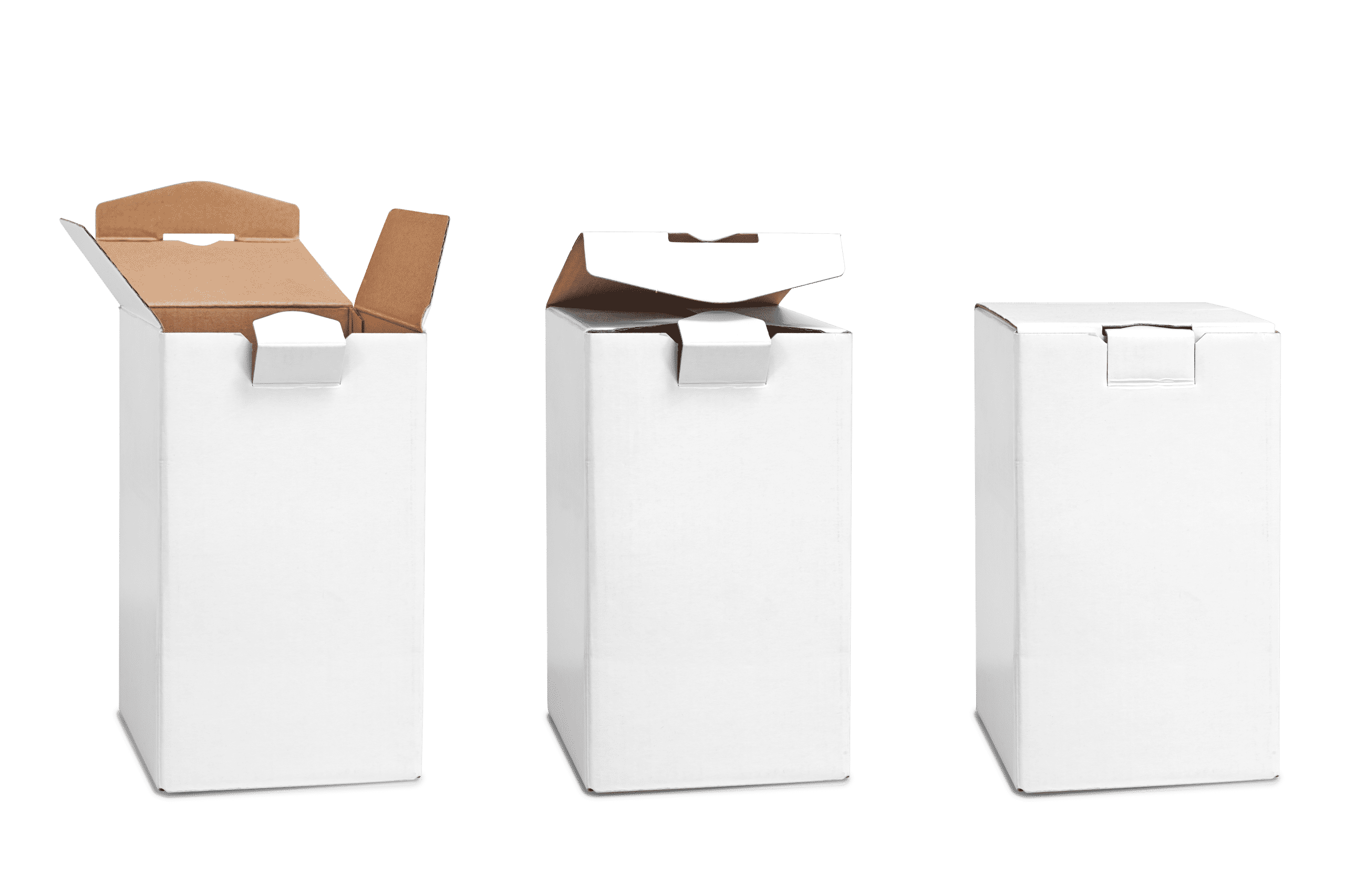
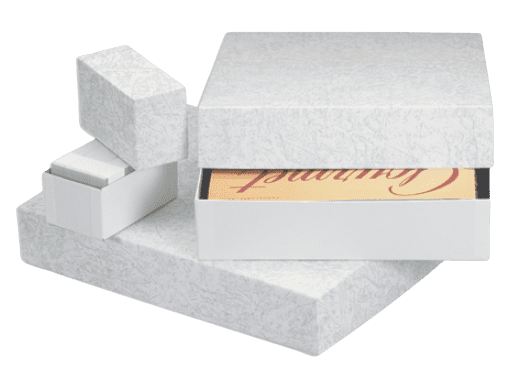
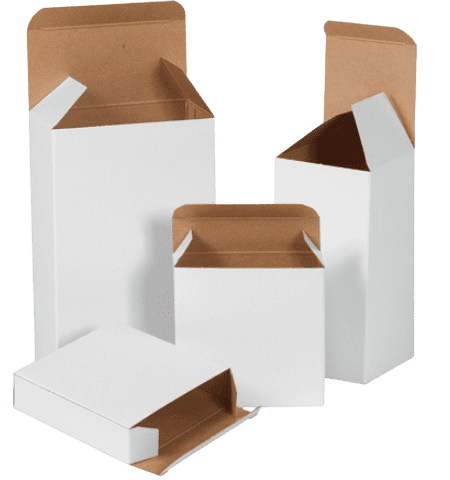
Stock packaging refers to pre-made, ready-to-ship packaging solutions like corrugated boxes, mailers, and protective materials that are designed to meet a wide range of standard needs across shipping, retail, and storage. Unlike custom packaging, stock options offer quick availability and reliable protection without the need for extensive design or production time, making them ideal for businesses needing efficient, high-quality solutions with fast lead times.
At Brown Packaging, we focus on providing durable, performance-driven stock packaging that supports our clients’ operational needs. Our stock products are sourced to ensure consistent quality and cost-effectiveness, offering a practical solution to keep operations running smoothly and on schedule. With an emphasis on reliability, we help our clients quickly access packaging solutions that meet their specific needs while maintaining quality across every order.
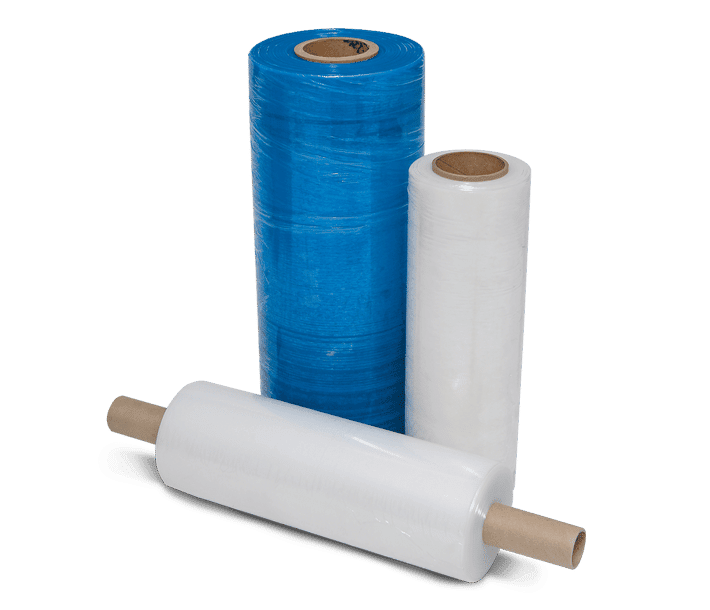
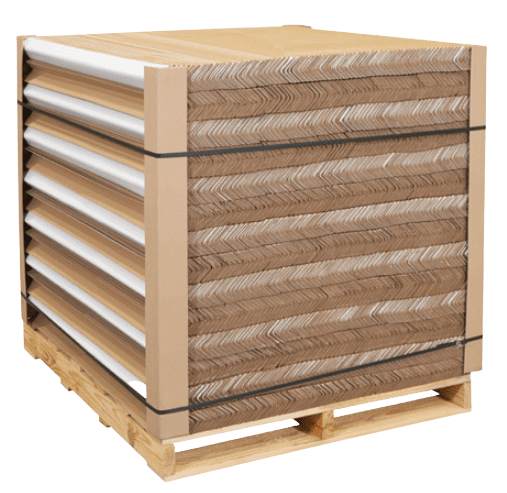
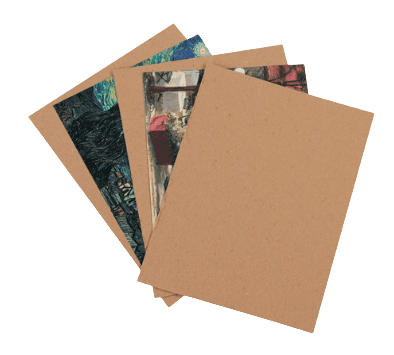
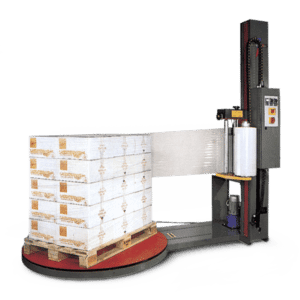
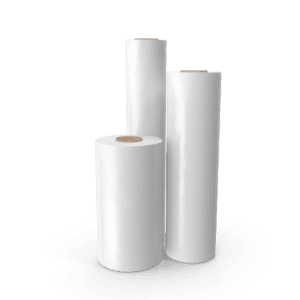
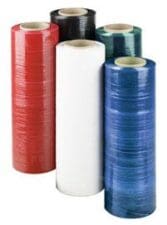
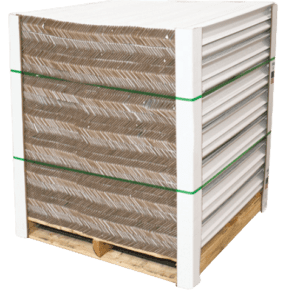
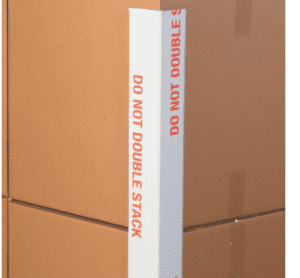
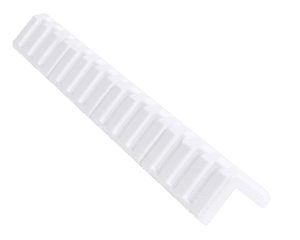
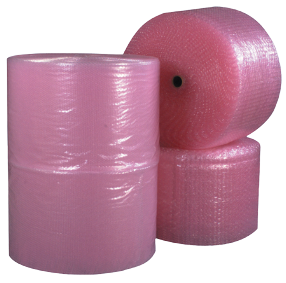
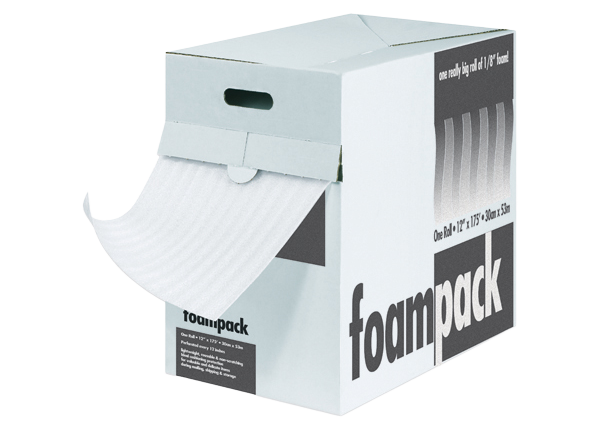
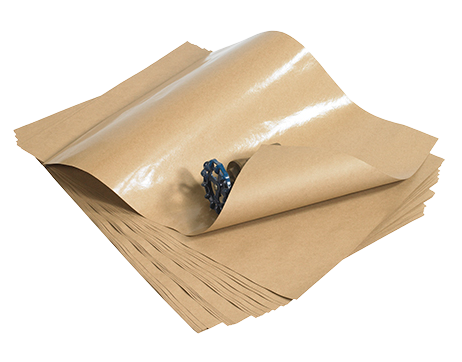
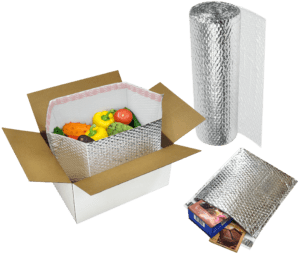
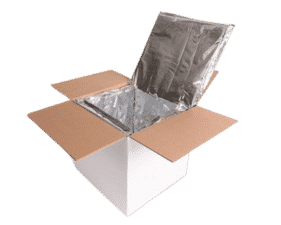
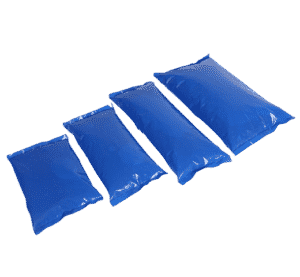
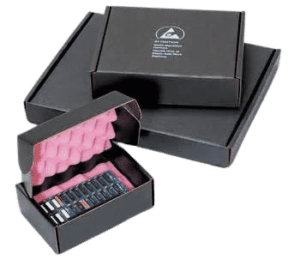
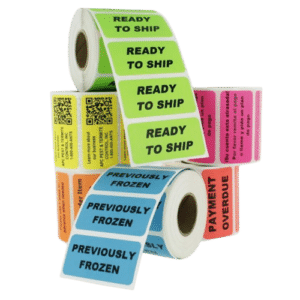
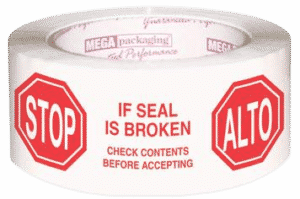
Our stock packaging products, from corrugated boxes to stretch film, offer a wide selection, including essentials like tape, edge protectors, labels, and more, with quick turnaround times to meet your packaging needs efficiently.


If you need any assistance with your packaging or have a question, then contact us directly at request@brownpackaging.com or (714)300-0650. Learn more about custom packaging by reading our blog posts on new and trending topics.

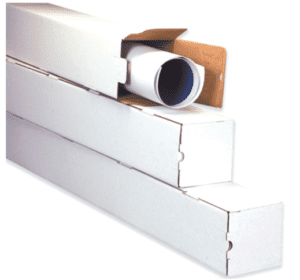
Mailing tubes are a popular choice for safely shipping and storing various items, such as posters, blueprints, and documents. While these tubes offer excellent protection and convenience, understanding order minimums in packaging is equally important, especially for businesses looking to source mailing tubes efficiently. In this comprehensive guide, we will explore mailing tubes, their advantages, and how order minimums can impact your packaging decisions. The Advantages of Mailing Tubes Before delving into order minimums, let’s examine why mailing tubes are favored for packaging: Protection: Mailing tubes provide a secure and protective enclosure for rolled or cylindrical items, preventing damage during transit. Versatility: They come in various lengths and diameters, making them suitable for a wide range of products, from artwork to blueprints. Convenience: Mailing tubes are easy to use, requiring minimal assembly and offering a hassle-free packing experience. Brand Presentation: They allow for branding and labeling, helping businesses convey their identity and professionalism. Now, let’s explore the concept of order minimums: Understanding Order Minimums In the world of packaging, order minimums refer to the minimum quantity of a specific packaging product that a supplier requires you to purchase in a single order. These minimums can vary significantly among suppliers and depend on factors such as the type of packaging, size, and customization options. Factors Impacting Order Minimums for Mailing Tubes Several factors can influence the order minimums for mailing tubes: Size and Dimensions: Larger or custom-sized tubes may have higher minimum order quantities due to their specialized production requirements. Material and Customization: Tubes made from unique materials or with custom printing, branding, or finishes may have specific minimums. Supplier Policies: Each packaging supplier may have its own policies regarding minimum orders. Some suppliers cater to small businesses with lower minimums, while others primarily serve larger enterprises. Volume Discounts: Suppliers often offer volume discounts, encouraging customers to order larger quantities by reducing the cost per unit. Determining the Right Order Quantity When deciding on the order quantity for mailing tubes, consider the following factors: Usage Frequency: Assess how frequently you use mailing tubes in your packaging operations. Ordering in larger quantities may be cost-effective if you use them regularly. Storage Space: Consider your available storage space for bulk orders. Ensure you have adequate space to store the tubes without overcrowding your facility. Budget Constraints: Evaluate your budget and cash flow. Ordering larger quantities may require a more substantial upfront investment, so ensure it aligns with your financial capabilities. Supplier Relationships: Establish a relationship with a packaging supplier who understands your needs and offers flexible order minimums that match your requirements. Lead Times: Take into account the lead times required for manufacturing and delivery. Ordering larger quantities may allow you to reduce order frequency. Custom Mailing Tubes and Order Minimums If you require custom mailing tubes with unique dimensions, branding, or printing, be prepared for potentially higher order minimums. Customization often involves specialized production processes and setup costs that can impact minimum quantity requirements. Conclusion Mailing tubes are a valuable packaging solution for various industries and products. Understanding order minimums and their impact on your packaging decisions is crucial for efficient sourcing and cost-effective operations. By carefully assessing your usage needs, budget, and supplier options, you can strike the right balance between order quantities and packaging requirements. Establishing a reliable supplier relationship that aligns with your business goals is key to optimizing your mailing tube procurement strategy. If you are interested in a large volume of mailing tubes, then partner with Brown Packaging today to get started. (714)300-0650 request@brownpackaging.com Most Recent Posts: Categories: Corrugated Ecommerce ESD Design Display Flexible Packaging Foam Folding Carton Packaging Plastic Packaging Pouch Printing Protection Retail Rigid Box Thermoform Sustainability Subscribe To Our Newsletter By submitting your information, you agree to our terms and conditions and privacy policy. Custom Mailing Tubes Facebook Twitter LinkedIn Pinterest Relevant Posts

Whether storing household items, packing for a move, or packaging products for shipping, we often take corrugated boxes for granted. They offer strength, durability, and protection for their contents, making them indispensable for a wide variety of uses. Today, we’re going to peek behind the curtain and understand the process of creating these boxes. The process is quite fascinating and involves several key steps that ultimately result in the production of a corrugated box. Corrugated cardboard is the material of choice for many types of packaging and is specifically designed to be both light and sturdy. But what makes this material so unique? What is Corrugated Cardboard? Corrugated cardboard is a type of paper-based material consisting of a fluted corrugated sheet and one or two flat linerboards. The corrugated or fluted layer provides strength and rigidity while remaining lightweight, while the linerboards provide a smooth surface suitable for printing. The Corrugated Box Manufacturing Process The manufacturing process of corrugated boxes involves several stages. Here is an inside look into the entire process: Pulp Preparation The process begins with the creation of paper pulp. This pulp is made from tree logs that are stripped of their bark, chipped into small pieces, and then cooked to break them down into a soupy mixture. This pulp is then bleached, cleaned, and transformed into a paper substance by pressing and drying. Making the Corrugated Cardboard The next step is to create the corrugated cardboard. A machine called a corrugator takes huge rolls of paper and heats them to approximately 200 degrees Celsius to make them pliable. Adhesive is then applied to the tips of the corrugations, and the outer liner is glued to them. Another adhesive is then applied to the other side of the corrugated medium, and the other liner is attached, creating a complete corrugated cardboard sheet. Cutting and Printing Once the corrugated cardboard is made, it is cut and printed based on the specifications of the order. Large sheets of the cardboard are cut into box blanks, which are simply flat pieces of corrugated cardboard that are ready to be folded into boxes. At this point, if the boxes need to be printed with text or images, the printing process happens. Flexographic printing is most commonly used, which uses flexible relief plates to apply the desired image or text to the box. Folding and Gluing The box blanks are then sent to a machine that folds them into the shape of a box. This machine also applies glue to the areas that need to be attached to create the box’s final shape. The glue is typically applied to the manufacturer’s joint, which is the one edge of the box that is glued during the manufacturing process. Bundling and Shipping Finally, the boxes are bundled together and prepared for shipment. They are often tied together in bundles of 25, 50, or 100, depending on their size. These bundles are then stacked onto pallets and wrapped in plastic for protection during transport. The Importance of Corrugated Boxes Corrugated boxes aren’t just useful; they’re a necessity in our modern world. With e-commerce booming and the continuous need for shipping goods globally, corrugated boxes provide the strength and durability required to protect products from the warehouse to the consumer’s doorstep. The Future of Corrugated Box Manufacturing Looking ahead, the corrugated box industry continues to innovate and improve its manufacturing processes. Sustainability has become a major focus, with efforts to increase recycling and reduce waste becoming increasingly important. This focus on sustainability aligns with the growing consumer demand for environmentally-friendly packaging. Moreover, the integration of advanced technologies, such as automation and AI, into the manufacturing process can boost efficiency and accuracy, further revolutionizing the industry. Indeed, the humble corrugated box continues to play a crucial role in global commerce, and its production process will undoubtedly continue to evolve and improve in response to shifting consumer needs and technological advancements. To conclude, the manufacturing process of corrugated boxes is a fascinating journey from tree to final product. The meticulous steps undertaken to create these strong, versatile boxes demonstrate the ingenuity and efficiency of modern manufacturing. We hope this deep dive into the process gives you a new appreciation for the seemingly simple corrugated box and its important role in our everyday lives. If you are interested stock or custom corrugated boxes, then partner with Brown Packaging today to get started. (714)300-0650 request@brownpackaging.com Most Recent Posts: Categories: Corrugated Ecommerce ESD Design Display Flexible Packaging Foam Folding Carton Packaging Plastic Packaging Pouch Printing Protection Retail Rigid Box Thermoform Sustainability Subscribe To Our Newsletter By submitting your information, you agree to our terms and conditions and privacy policy. Custom Corrugated Boxes Facebook Twitter LinkedIn Pinterest Relevant Posts

Straight Tuck End (STE) folding cartons are a popular and widely used type of packaging for consumer goods such as food, beverage, cosmetics, and household items. In this blog, we will explore the various aspects of STE folding cartons, including the materials used, customization options, sustainability considerations, and their benefits compared to other packaging styles. Materials Used in Straight Tuck End Folding Cartons One of the most common materials used for STE folding cartons is paperboard. Paperboard is a thick and stiff sheet made from recycled paper that is economical and easily printable. It is also recyclable or biodegradable, making it an environmentally friendly choice. The most popular material is SBS (Solid Bleached Sulfate) paperboard. SBS is a high-quality, bright white paperboard that provides a premium look and feel. It is often used for luxury or high-end products where a premium appearance is important. Chipboard is another material that can be used for STE folding cartons. Chipboard is a low-cost that provides good product protection. It is a less dense and less durable material than other alternatives, but it is still a popular choice for certain applications. CNK (Clay Coated Newsback) and CCNB (Clay Coated Natural Back) paperboard are another option that is commonly used for STE folding cartons. CNK and CCNB is a durable and printable paperboard materials that provide good product protection and are a cost-effective alternative to SBS paperboard. Customization Options Straight Tuck End folding cartons can be easily customized to meet your specific needs and help you stand out in a crowded market. They can be printed with your company’s branding and product information, and they can be manufactured in a variety of sizes and shapes to fit your product. You can also choose from a range of finishes, such as matte or glossy, to give your cartons a unique look and feel. Sustainability Considerations Sustainability is an important consideration for many companies when it comes to packaging. Straight Tuck End folding cartons made from paperboard are a sustainable option as paperboard can be recycled or biodegraded after use. However, it’s important to consider the entire lifecycle of the product, including production and transportation, to ensure that your packaging is as sustainable as possible. Packaging Applications STE folding cartons are a versatile packaging option that can be used for a wide range of products and industries. They are suitable for both manual and automated packing processes and can be used for food, beverage, cosmetic, and household items. They are also commonly used for gift and premium packaging as well as for over-the-counter products. Benefits and Advantages of Straight Tuck End Folding Cartons There are several benefits and advantages to using Straight Tuck End folding cartons compared to other packaging styles. Some of these include: Cost-effective: STE folding cartons are an economical option that provides good product protection. Customizable: They can be easily customized to meet your specific needs and can be printed with your company’s branding and product information. Versatile: They are suitable for a wide range of products and industries and can be used for both manual and automated packing processes. Sustainable: Paperboard is recyclable or biodegradable, making STE folding cartons a sustainable option for those looking to minimize their environmental impact. Summary: Straight Tuck End Folding Cartons In conclusion, Straight Tuck End folding cartons are a popular and versatile option for packaging consumer goods. With a range of material options, including CNK and CCNB, SBS, chipboard, and CNK, and the ability to be easily customized, STE folding cartons offer a cost-effective and sustainable solution for a wide range of products and industries. Whether you are looking to package food, beverages, cosmetics, or household items, STE folding cartons provide good product protection and a premium look and feel that can help you stand out in a crowded market. With their numerous benefits and advantages, STE folding cartons are a smart choice for your packaging needs. If you are interested in folding cartons, then contact Brown Packaging today for assistance. (714)300-0650 request@brownpackaging.com Most Recent Posts: Categories: Corrugated Ecommerce ESD Design Display Flexible Packaging Foam Folding Carton Packaging Plastic Packaging Pouch Printing Protection Retail Rigid Box Thermoform Sustainability Subscribe To Our Newsletter By submitting your information, you agree to our terms and conditions and privacy policy. Straight Tucke End Folding Carton Facebook Twitter LinkedIn Pinterest Relevant Posts