











Stock Packaging
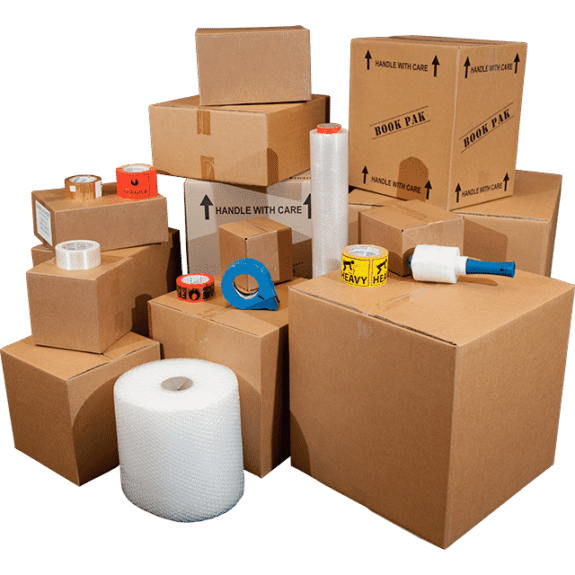
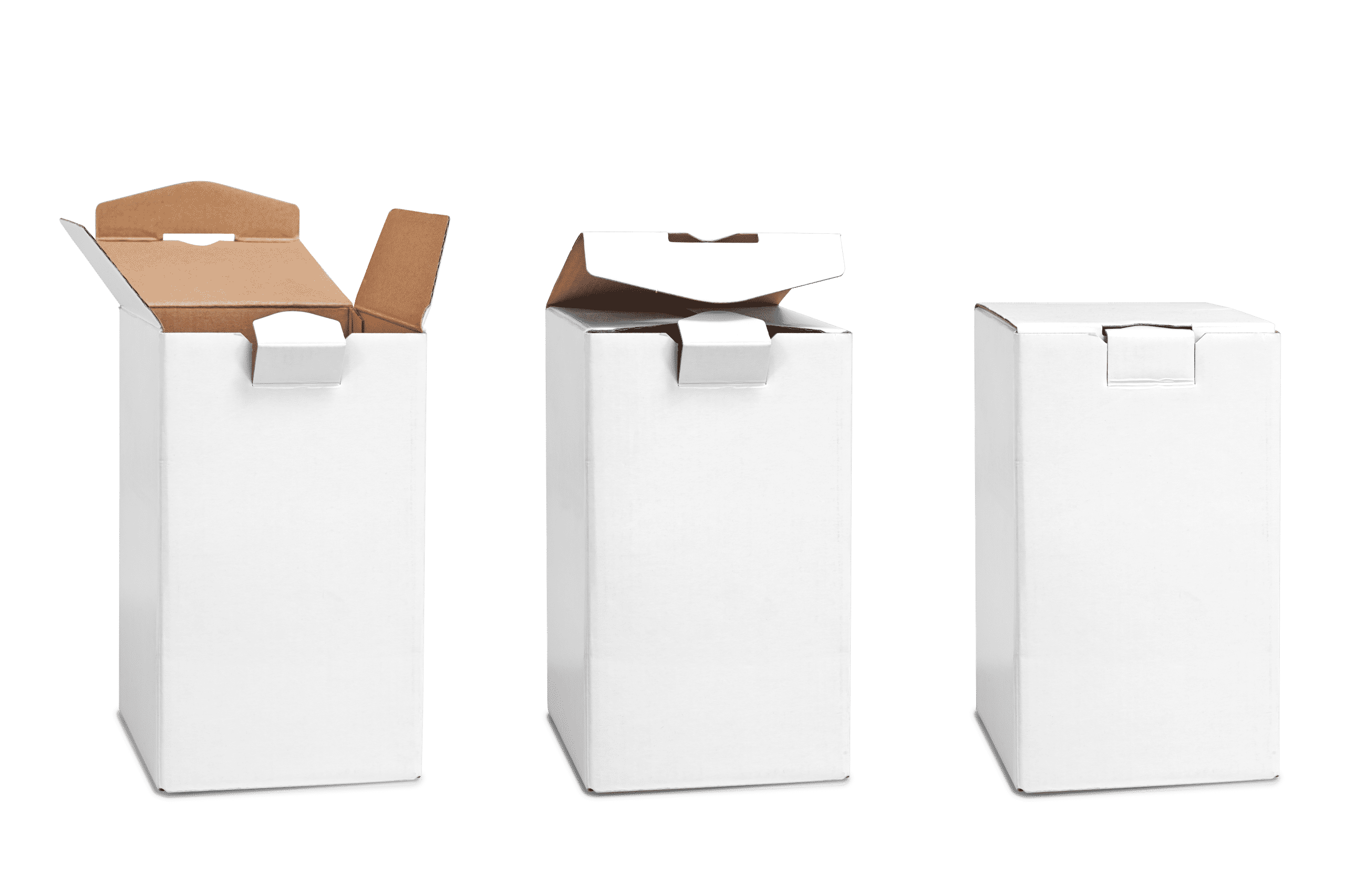
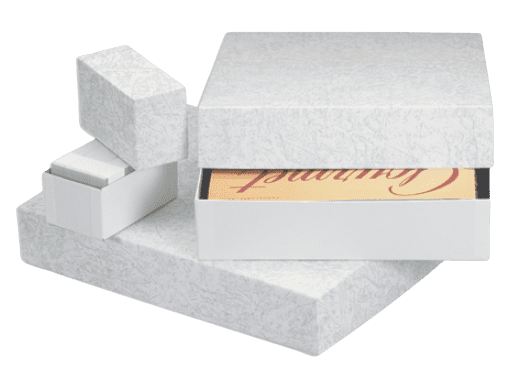
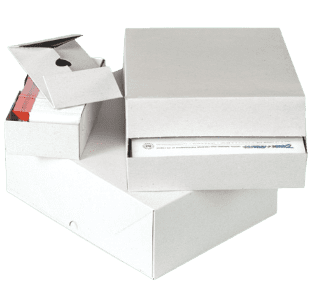
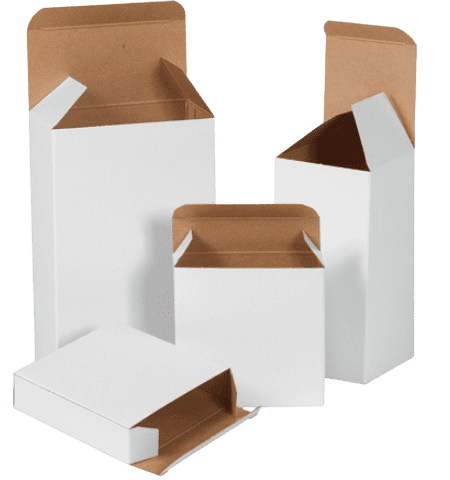
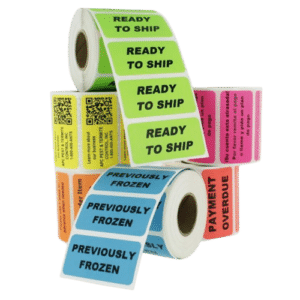
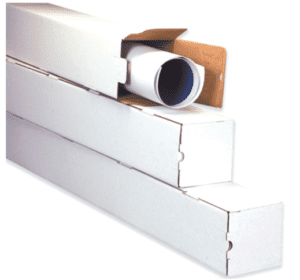
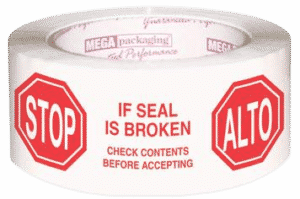
We supply businesses with a wide selection of essential packaging, shipping, and warehouse supplies. Get any standard packaging product by dimension or style from boxes, tubes, tapes, labels, and more. If you are unsure on what type of packaging you will need, then contact us for an expert consultation.


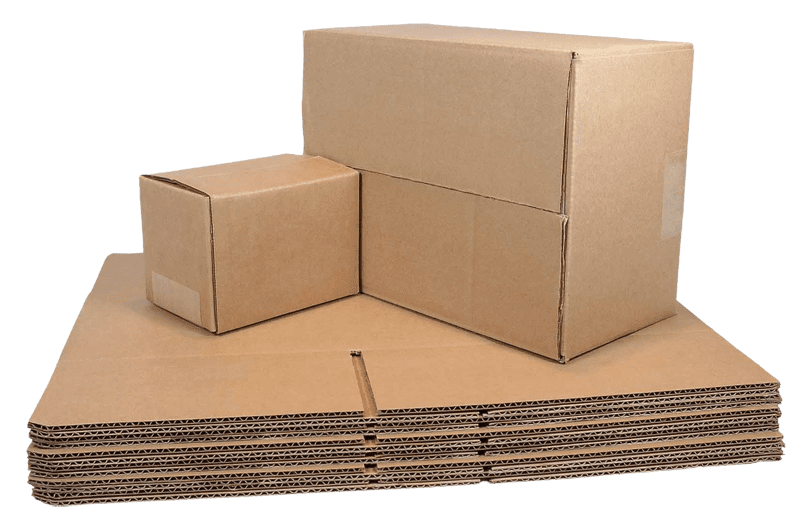
Stock packaging refers to pre-made, ready-to-ship packaging solutions like corrugated boxes, mailers, and protective materials that are designed to meet a wide range of standard needs across shipping, retail, and storage. Unlike custom packaging, stock options offer quick availability and reliable protection without the need for extensive design or production time, making them ideal for businesses needing efficient, high-quality solutions with fast lead times.
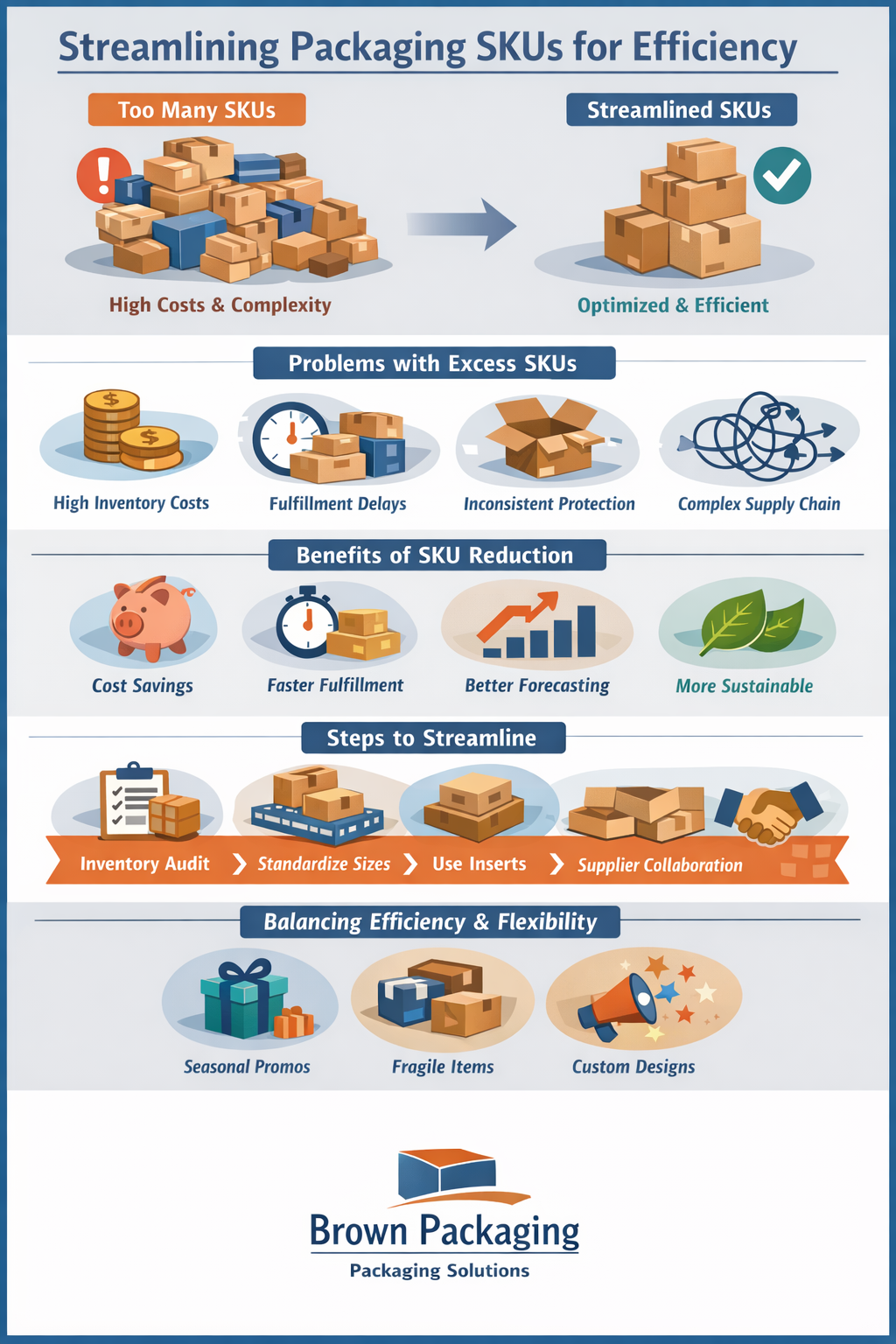
At Brown Packaging, we focus on providing durable, performance-driven stock packaging that supports our clients’ operational needs. Our stock products are sourced to ensure consistent quality and cost-effectiveness, offering a practical solution to keep operations running smoothly and on schedule. With an emphasis on reliability, we help our clients quickly access packaging solutions that meet their specific needs while maintaining quality across every order.
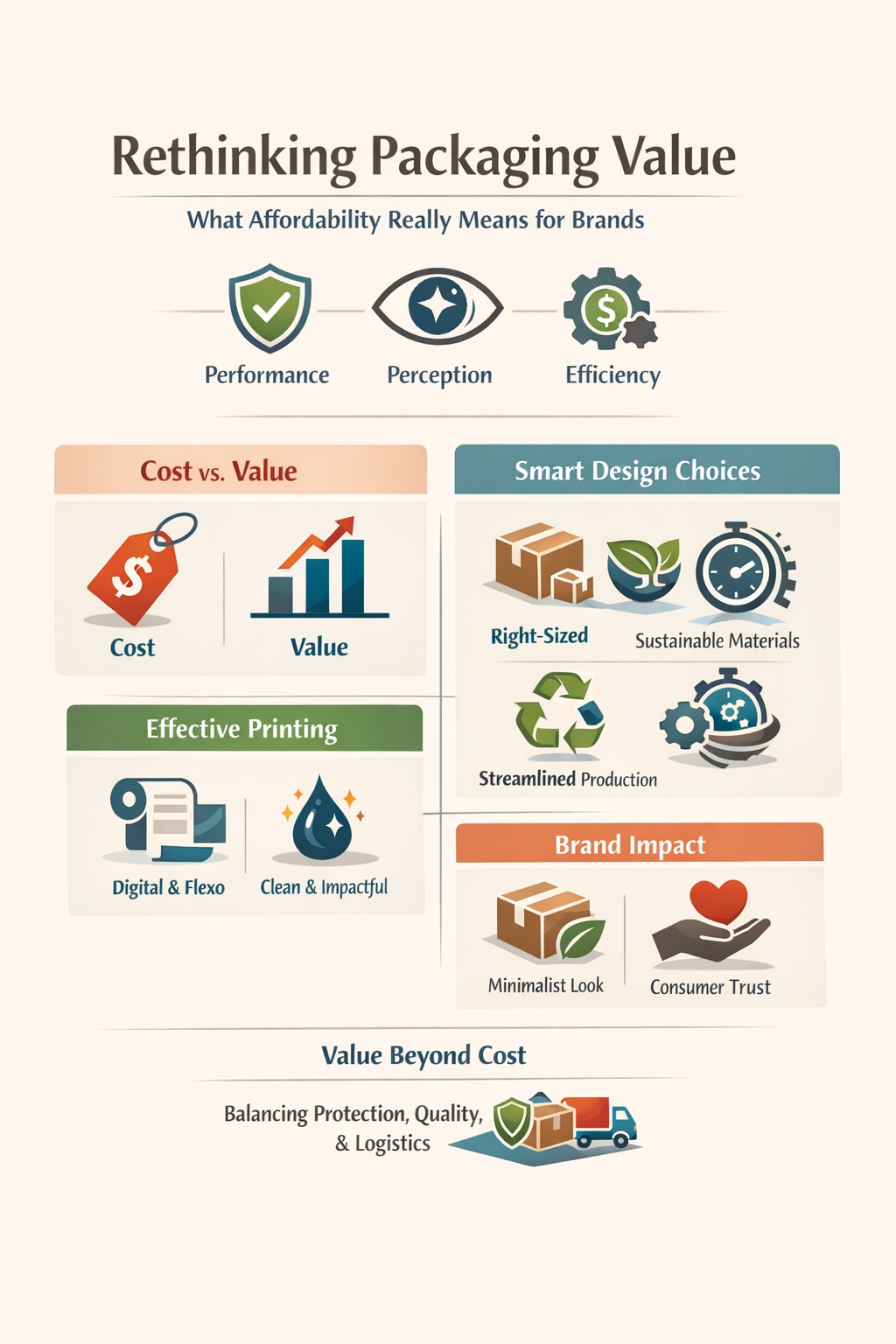
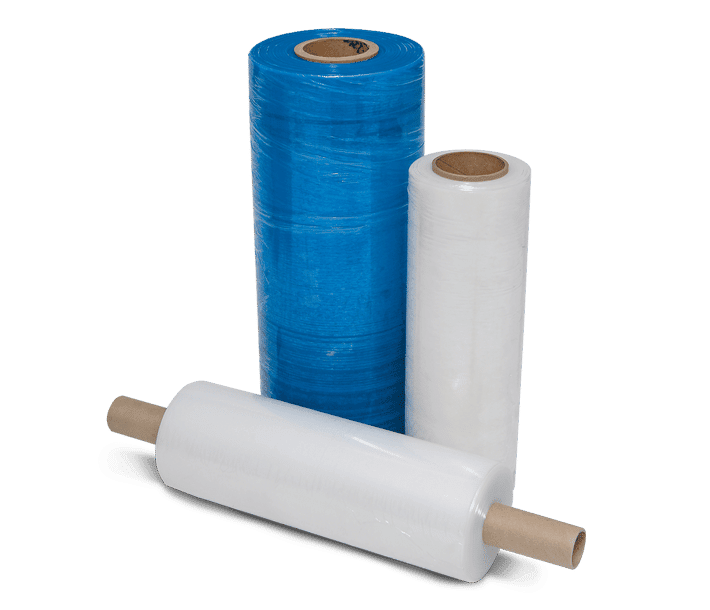
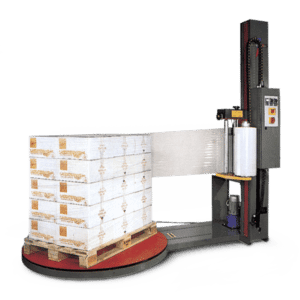
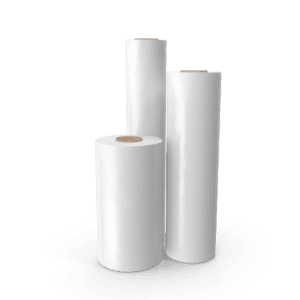
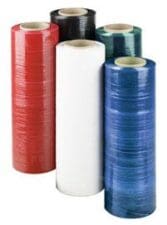
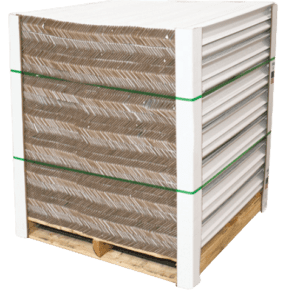
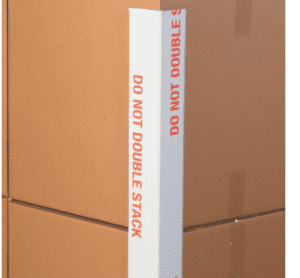
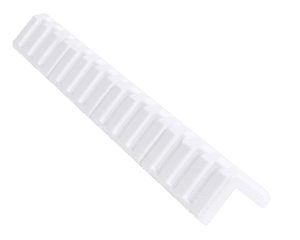
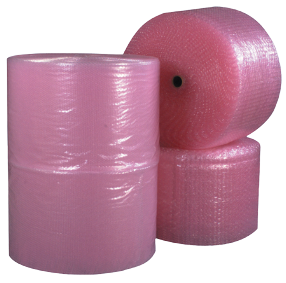
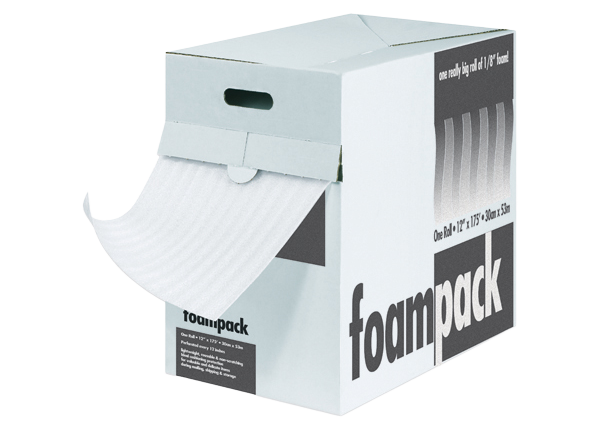
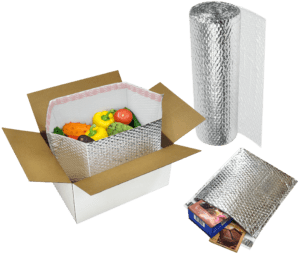
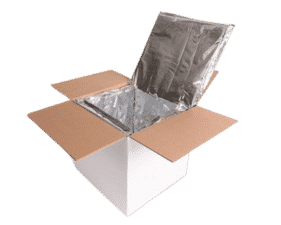
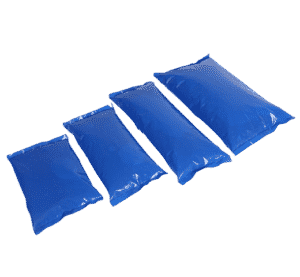
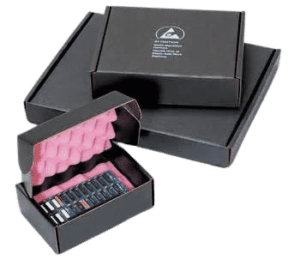
Our stock packaging products, from corrugated boxes to stretch film, offer a wide selection, including essentials like tape, edge protectors, labels, and more, with quick turnaround times to meet your packaging needs efficiently.


If you need any assistance with your packaging or have a question, then contact us directly at request@brownpackaging.com or (714)300-0650. Learn more about custom packaging by reading our blog posts on new and trending topics.

In packaging, foam isn’t just about initial protection — it’s about maintaining performance over the entire shipping or storage cycle. Compression set and recovery characteristics determine whether foam continues to provide shock absorption after being loaded, stacked, or stored for long periods. What Is Compression Set? Definition: The permanent deformation a foam retains after being compressed for a defined time and temperature. Why It Matters: A foam that takes a high compression set loses thickness and cushioning capability, leaving products more vulnerable to impact damage. Typical Measurement: Reported as a percentage loss of original thickness after the load is removed. Recovery Rate and Load Retention Recovery Rate: How quickly foam returns to its original dimensions after load removal. Load Retention: The ability to maintain performance over repeated load cycles — crucial for returnable and reusable packaging. High recovery and load retention mean the foam can be used multiple times without replacement. Factors Affecting Compression Set Foam Chemistry: Crosslinked PE typically offers lower compression set than non-crosslinked. PU foams may be softer but often exhibit higher permanent deformation under load. Density: Higher-density foams resist deformation better but may be heavier and costlier. Environmental Conditions: Heat and humidity accelerate compression set in most foam materials. Testing and Standards ASTM D3574 Test D: Measures compression set under specified load and temperature. ASTM D3574 Test B1/B2: Evaluates indentation force deflection for load-bearing properties. ASTM D1055: For rubber-like cellular materials, often applicable to certain elastomeric foams. Design Strategies Load Distribution: Use ribbed or contoured inserts to spread weight across more surface area. Material Blends: Combining foams with different recovery characteristics can balance softness and durability. Replace on Schedule: In closed-loop systems, track cycle counts and replace foam before performance degradation risks product safety. References ASTM International. (2021). ASTM D3574-21: Standard test methods for flexible cellular materials—Slab, bonded, and molded urethane foams. ASTM International. https://www.astm.org/d3574-21.htmlASTM International. (2014). ASTM D1055-14: Standard specification for rubber cellular sheeting—Closed cell. ASTM International. https://www.astm.org/d1055-14.html (714)300-0650 request@brownpackaging.com Most Recent Posts: Subscribe To Our Newsletter By submitting your information, you agree to our terms and conditions and privacy policy. Custom Foam Facebook Twitter LinkedIn Pinterest Relevant Posts

Pouches are a go-to for flexibility and convenience, but they can fail in critical ways—from poor seals to punctures and delamination—that hurt performance and brand reputation. Understanding these failure points helps packaging teams design for real-world reliability. Seal Failures Improper Seal Parameters: Inadequate temperature, pressure, or dwell time can lead to seal weakness or gaps. Contamination in Seal Area: Oils, powders, or debris interrupt adhesive bonding. Technology-Specific Issues: For example, cold-seal adhesives may struggle with migration in warm environments. Key Tests: Seal Strength – ASTM F88/F88M-23: Measures the force needed to peel a seal. Dye Penetration – ASTM F1929-23: Reveals micro-channel leaks with colored dye application. Punctures & Tears Thin Films: Save on cost but vulnerable to rough handling. Product Content: Granular or sharp-edged items can degrade film integrity. Transit Damage: Handling, stacking, or abrasion increases vulnerability. Tip: For rougher applications, consider reinforced films or nylon layers. Delamination Poor Adhesion Between Layers: Causes separation and weakened barrier performance. Environmental Stress: High humidity or heat can undermine lamination. Material Mismatch: Some layers simply don’t bond well together. Tip: Match adhesives to substrate properties and test under realistic conditions. Barrier Degradation OTR and WVTR Drift: EVOH’s oxygen barrier weakens under humidity, while metallized films can develop pinholes over time. Inconsistent PCR Film Quality: While desirable for sustainability, PCR variants may introduce variability in barrier integrity. Tip: Define target OTR and WVTR values and validate using ASTM F1249 (WVTR) and ASTM D3985 (OTR). Why This Matters For food, compromised seals mean spoilage and recalls. In pharma, even small leaks can breach sterility and regulatory compliance. Pet products can lose freshness and consumer trust fast. Preventing these failures starts with engineered material selection, precise sealing validation, and in-line quality testing—not guesswork. References ASTM International. (2023). ASTM F88/F88M‑23: Standard Test Method for Seal Strength of Flexible Barrier Materials. https://www.astm.org/f0088_f0088m-23.html Keystone Compliance+11ASTM International | ASTM+11ASTM International | ASTM+11The ANSI Blog ASTM International. (2023). ASTM F1929‑23: Standard Test Method for Detecting Seal Leaks in Porous Medical Packaging by Dye Penetration. https://www.astm.org/f1929-15.html Elsmar Cove Quality Forum+8ASTM International | ASTM+8FDA Access Data+8 (714)300-0650 request@brownpackaging.com Most Recent Posts: Categories: Corrugated Ecommerce ESD Design Display Flexible Packaging Foam Folding Carton Packaging Plastic Packaging Pouch Printing Protection Retail Rigid Box Thermoform Sustainability Subscribe To Our Newsletter By submitting your information, you agree to our terms and conditions and privacy policy. Custom Pouches Facebook Twitter LinkedIn Pinterest Relevant Posts

In the retail environment, the placement of Point of Purchase (POP) displays is just as critical as their design and content. Strategic positioning can significantly influence consumer behavior, increase product visibility, and drive sales. This blog explores the importance of strategic placement for POP displays and provides insights on how to maximize their effectiveness through optimal positioning. Understanding Consumer Traffic Flow The effectiveness of a POP display largely depends on its ability to catch the consumer’s eye. To achieve this, retailers must first understand the natural traffic flow within their store. This involves analyzing which areas receive the most foot traffic and where customers pause, browse, or make decisions. Placing POP displays in these high-traffic or high-engagement zones can increase the likelihood of interaction and purchase. Prime Locations for POP Displays Near the Entrance Placing POP displays near the entrance captures the attention of customers as soon as they enter the store. This position can be used to promote new arrivals, seasonal items, or special offers, setting the tone for the shopping experience. At the End of Aisles The end of an aisle, or endcap, is a premium spot for POP displays. As customers navigate the aisles, endcaps serve as focal points that draw their gaze. These locations are ideal for showcasing bestsellers, promotional items, or products that benefit from high visibility. Checkout Areas The checkout area is a hotspot for impulse buys. While customers wait in line, they are more likely to browse and pick up additional items. POP displays placed near or around the checkout can capitalize on this by featuring small, easy-to-decide-on products. Transition Zones Areas where customers transition from one part of the store to another, such as the entrance to a specialty section, are strategic for placement. These locations can be leveraged to introduce customers to products or deals that relate to their shopping journey. Integrating Placement with Store Layout Effective POP display placement should feel organic and integrate seamlessly with the overall store layout. Displays should not obstruct the flow of traffic or overwhelm customers but should enhance the shopping experience by being both informative and persuasive. The Role of Visibility and Accessibility Visibility is paramount in effective POP display placement. Displays should be positioned at eye level or in direct line of sight to ensure they are not overlooked. Additionally, products on the display should be easily accessible; customers should be able to interact with the products without any hindrance. Using Data-Driven Insights for Placement Decisions Leveraging sales data and customer behavior analytics can provide valuable insights into where POP displays would be most effective. A/B testing different placements can also help determine the most impactful locations based on actual customer interaction and sales conversion rates. Conclusion The strategic placement of POP displays is a critical component in maximizing their effectiveness. By understanding customer behavior, leveraging high-traffic locations, and ensuring visibility and accessibility, retailers can significantly enhance the impact of their POP displays. Thoughtful placement, combined with compelling design and relevant content, ensures that POP displays are not just seen but are also effective in driving purchases. If you are interested in POP displays, then partner with Brown Packaging today to get started. (714)300-0650 request@brownpackaging.com Most Recent Posts: Categories: Corrugated Ecommerce ESD Design Display Flexible Packaging Foam Folding Carton Packaging Plastic Packaging Pouch Printing Protection Retail Rigid Box Thermoform Sustainability Subscribe To Our Newsletter By submitting your information, you agree to our terms and conditions and privacy policy. POP Display Facebook Twitter LinkedIn Pinterest Relevant Posts