





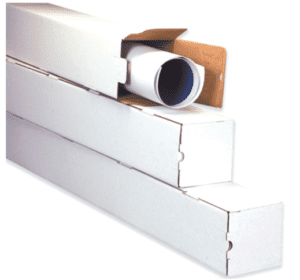
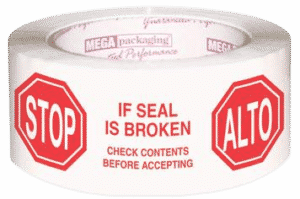

Stock Packaging
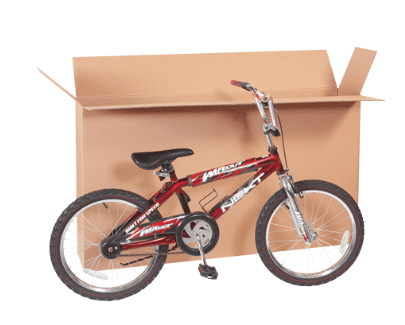
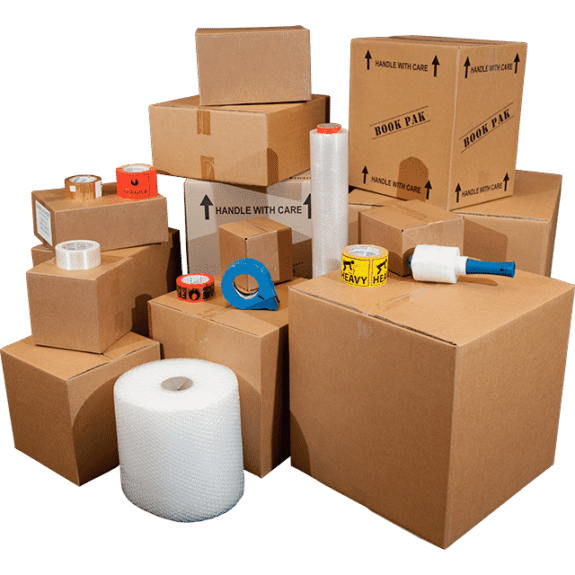
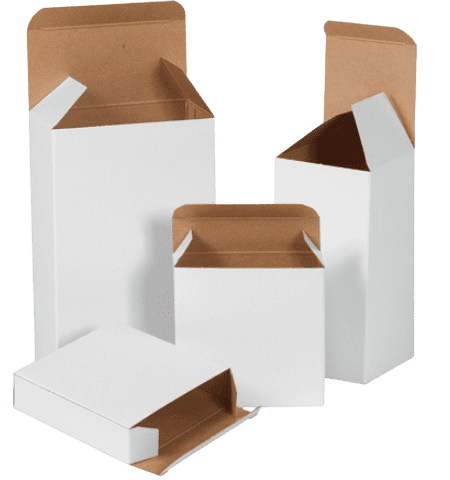
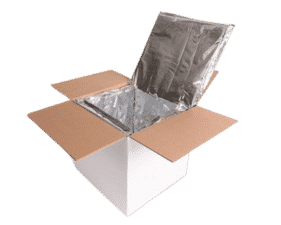
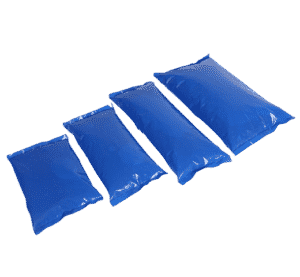
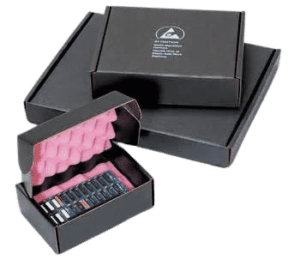
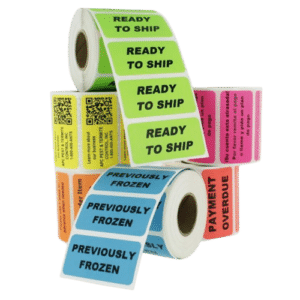
We supply businesses with a wide selection of essential packaging, shipping, and warehouse supplies. Get any standard packaging product by dimension or style from boxes, tubes, tapes, labels, and more. If you are unsure on what type of packaging you will need, then contact us for an expert consultation.


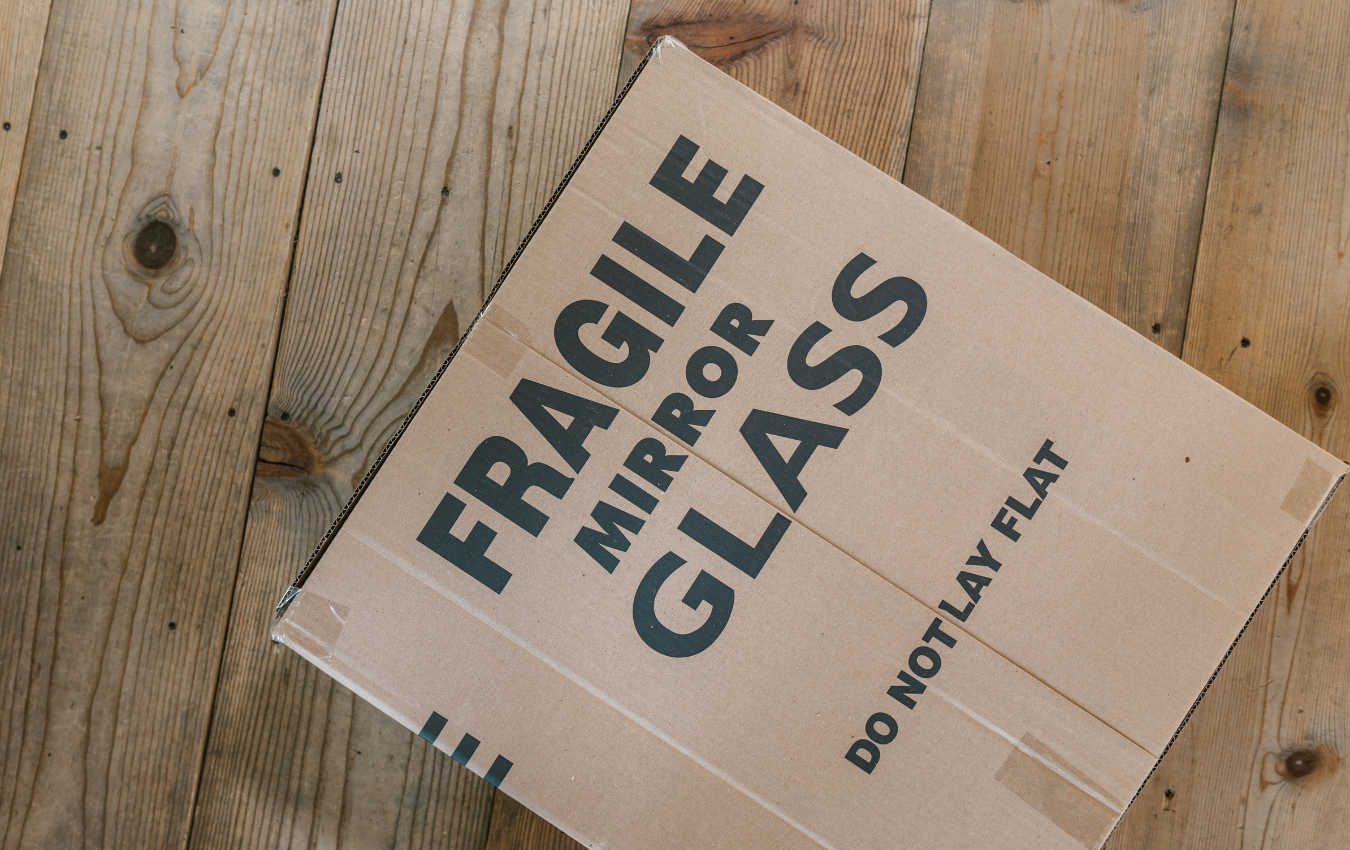
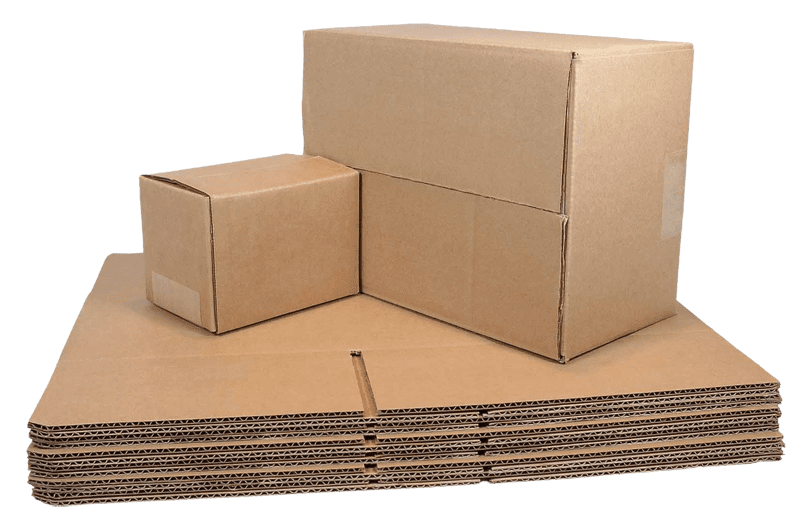
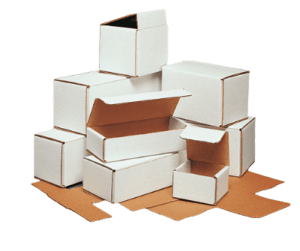
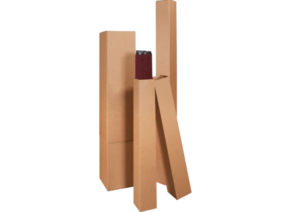
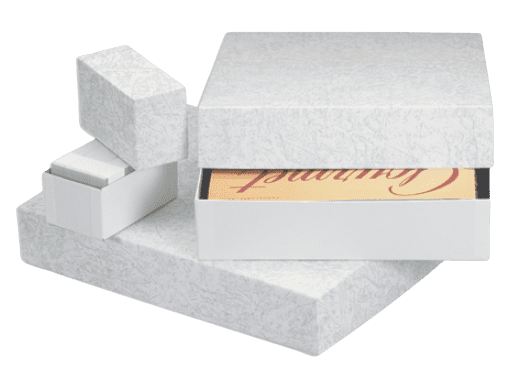
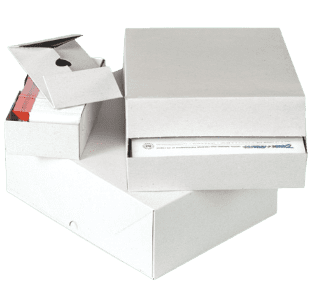
Stock packaging refers to pre-made, ready-to-ship packaging solutions like corrugated boxes, mailers, and protective materials that are designed to meet a wide range of standard needs across shipping, retail, and storage. Unlike custom packaging, stock options offer quick availability and reliable protection without the need for extensive design or production time, making them ideal for businesses needing efficient, high-quality solutions with fast lead times.
At Brown Packaging, we focus on providing durable, performance-driven stock packaging that supports our clients’ operational needs. Our stock products are sourced to ensure consistent quality and cost-effectiveness, offering a practical solution to keep operations running smoothly and on schedule. With an emphasis on reliability, we help our clients quickly access packaging solutions that meet their specific needs while maintaining quality across every order.
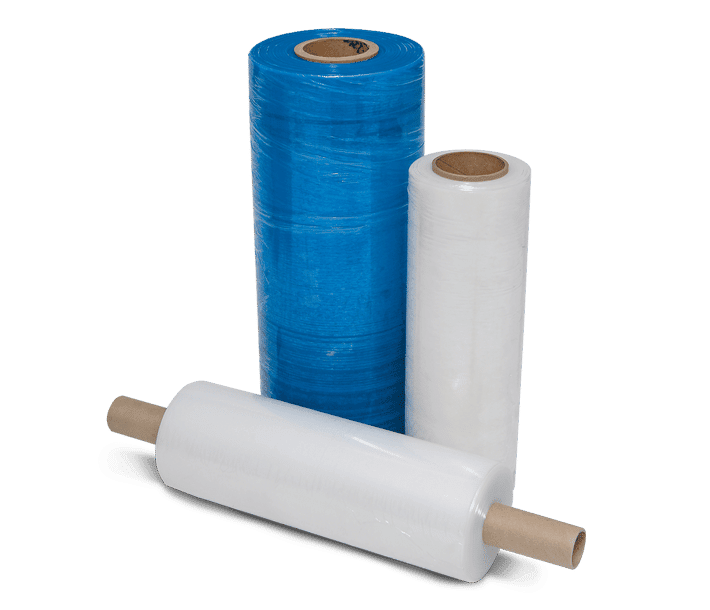
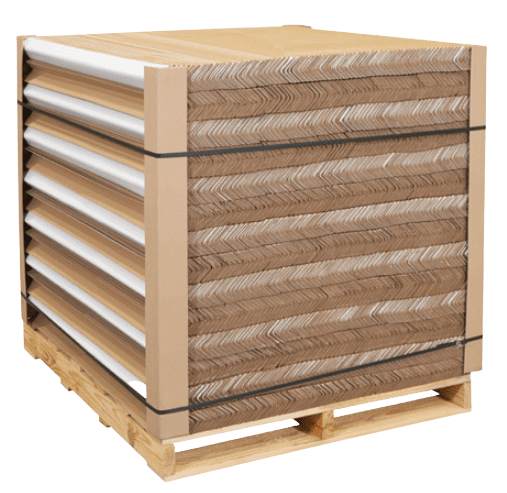
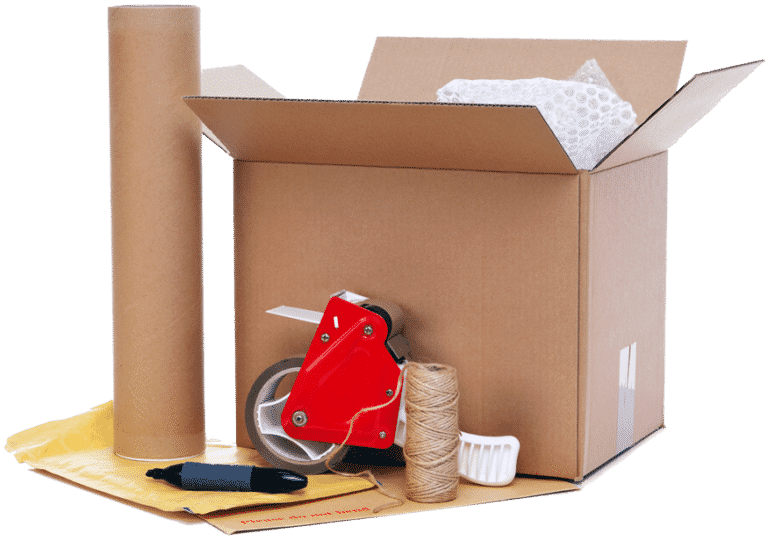
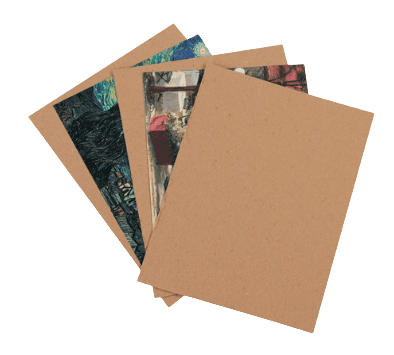
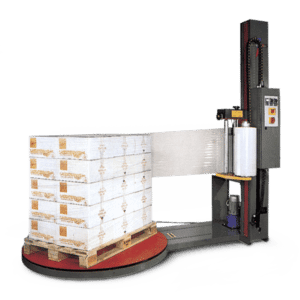
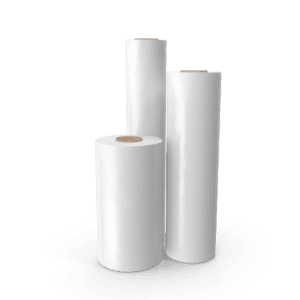
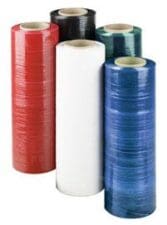
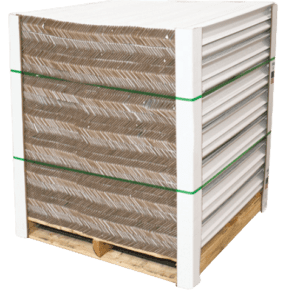
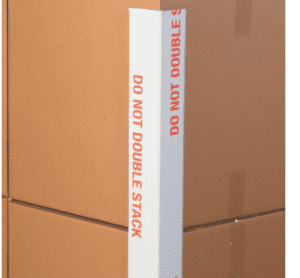
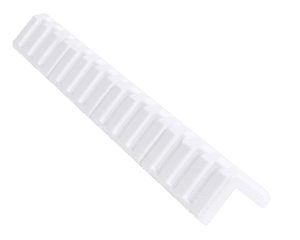
Our stock packaging products, from corrugated boxes to stretch film, offer a wide selection, including essentials like tape, edge protectors, labels, and more, with quick turnaround times to meet your packaging needs efficiently.


If you need any assistance with your packaging or have a question, then contact us directly at request@brownpackaging.com or (714)300-0650. Learn more about custom packaging by reading our blog posts on new and trending topics.

In shipping large quantities of goods, ensuring the safety and stability of pallet loads is paramount. Edge protectors play a vital role in protecting palletized shipments from damage during transportation and handling. This blog explores how edge protectors enhance the security of pallet loads, their types, and the benefits they bring to logistics and supply chains. What Are Edge Protectors? Edge protectors, also known as corner protectors, are sturdy materials placed along the edges of palletized loads to provide reinforcement and protection. Typically made from plastic, corrugated, or foam materials, edge protectors prevent damage to packaging and products during strapping, stacking, and transit. They come in various sizes, thicknesses, and shapes, such as L-shaped or flat, to suit different load configurations. Types of Edge Protectors Plastic Edge Protectors Material: High-density polyethylene (HDPE). Uses: Ideal for securing heavy pallet loads. Benefits: Strong and durable, resistant to moisture and impact, and reusable. Corrugated Edge Protectors Material: Sturdy corrugated board. Uses: Suitable for eco-conscious businesses or lighter palletized goods. Benefits: Lightweight, recyclable, and customizable in length and thickness. Foam Edge Protectors Material: Shock-absorbing foam. Uses: Best for fragile or sensitive products on pallets. Benefits: Provides superior cushioning against impacts and vibrations during transport. Benefits of Edge Protectors for Pallet Loads Enhanced Stability Edge protectors help secure straps tightly around palletized loads, reducing the risk of movement or shifting during transportation. This stability minimizes the likelihood of toppled pallets and damaged products. Prevents Strap Damage Tensioned straps can dig into packaging, causing tears or deformation. Edge protectors distribute the pressure evenly across the load, safeguarding both the packaging and the products inside. Improved Load Integrity By reinforcing the corners and edges of a pallet load, edge protectors prevent crushing and damage, particularly for cartons stacked at the bottom of the pallet. Reduced Shipping Costs Minimizing damage to goods lowers the risk of returns and replacements, reducing overall shipping expenses and improving profit margins. Streamlined Stacking and Storage Edge protectors maintain the structural integrity of stacked pallets, allowing for safe and efficient storage in warehouses or during transit. Enhanced Sustainability Corrugated edge protectors are biodegradable and recyclable, making them an eco-friendly choice for businesses aiming to reduce their environmental impact. Protection Against Legal Liability Properly secured pallet loads with edge protectors demonstrate due diligence in product safety, reducing the risk of legal disputes over damaged goods during transportation. Customization for Pallet Loads Edge protectors can be customized to fit the unique requirements of palletized shipments: Length and Thickness: Tailor edge protectors to match pallet dimensions and load weight. Materials: Choose foam for fragile products or plastic for heavier loads. Branding: Add logos or company branding for enhanced visibility and professional presentation. Conclusion Edge protectors are indispensable for protecting palletized goods during shipping, ensuring stability, reducing damage, and lowering costs. They provide a cost-effective solution to safeguard products, maintain load integrity, and enhance overall operational efficiency. Interested in stock or custom edge protectors for palletized loads? Contact Brown Packaging today to explore options tailored to your business needs. (714)300-0650 request@brownpackaging.com Most Recent Posts: Categories: Corrugated Ecommerce ESD Design Display Flexible Packaging Foam Folding Carton Packaging Plastic Packaging Pouch Printing Protection Retail Rigid Box Thermoform Sustainability Subscribe To Our Newsletter By submitting your information, you agree to our terms and conditions and privacy policy. Custom Edge Protectors Facebook Twitter LinkedIn Pinterest Relevant Posts

A study published in September 2024 in Frontiers in Toxicology has identified 189 chemicals present in food packaging materials that are potential or confirmed mammary carcinogens, with 76 of these detected in human populations worldwide. These chemicals, commonly found in plastics and paper used for food packaging, pose significant health risks, prompting calls for regulatory action to eliminate them from packaging materials. Study Overview Researchers from the Food Packaging Forum conducted a comprehensive review of chemicals used in food contact materials (FCMs). They cross-referenced a list of 921 chemicals associated with breast cancer with substances known to migrate from FCMs. The study revealed that 189 potential breast carcinogens are present in food packaging, including: Per- and Polyfluoroalkyl Substances (PFAS): Used for their grease-resistant properties in paper and cardboard packaging (source). Bisphenols (e.g., BPA): Found in plastic containers and linings of metal cans (source). Phthalates: Added to plastics to increase flexibility (source). The study also highlighted that 76 of these chemicals have been detected in human biomonitoring studies, indicating widespread exposure (study details). Implications for Packaging Buyers The presence of carcinogenic chemicals in food packaging materials has significant implications for packaging buyers: Regulatory Compliance: Anticipate stricter regulations limiting or banning the use of certain chemicals in food packaging. Consumer Safety: Growing consumer awareness of health risks associated with packaging materials may influence purchasing decisions. Supply Chain Adjustments: Sourcing safer alternative materials may require changes in suppliers and manufacturing processes. Recommendations for Packaging Buyers To mitigate health risks and align with potential regulatory changes, packaging buyers should consider the following actions: Evaluate Current Materials: Conduct a thorough assessment of the chemicals present in existing packaging materials. Source Safer Alternatives: Explore and adopt materials free from identified carcinogens, such as PFAS-free paper (more info) or BPA-free plastics (learn more). Collaborate with Suppliers: Work closely with suppliers to ensure compliance with safety standards and to develop innovative, safer packaging solutions. Stay Informed on Regulations: Monitor legislative developments related to food packaging materials to ensure ongoing compliance. Conclusion The identification of nearly 200 chemicals in food packaging linked to breast cancer underscores the urgent need for the packaging industry to prioritize consumer health. By proactively adopting safer materials and staying abreast of regulatory changes, packaging buyers can play a crucial role in reducing health risks and fostering consumer trust. For more information, consult the Frontiers in Toxicology study (full study) or reach out to industry resources like the Food Packaging Forum (resource center). If you are interested in safe food packaging and are looking to become compliant with current regulations, then partner with Brown Packaging today to get started. References Food Packaging Forum. (2024). Comprehensive review of chemicals in food contact materials associated with breast cancer. Retrieved from Food Packaging Forum Frontiers in Toxicology. (2024). Identification of mammary carcinogens in food packaging materials. Retrieved from Frontiers in Toxicology U.S. Food and Drug Administration (FDA). (n.d.). Bisphenol A (BPA): Use in food contact application. Retrieved from FDA World Health Organization (WHO). (n.d.). Per- and polyfluoroalkyl substances (PFAS): Key facts. Retrieved from WHO Centers for Disease Control and Prevention (CDC). (n.d.). Phthalates and human health. Retrieved from CDC (714)300-0650 request@brownpackaging.com Most Recent Posts: Categories: Corrugated Ecommerce ESD Design Display Flexible Packaging Foam Folding Carton Packaging Plastic Packaging Pouch Printing Protection Retail Rigid Box Thermoform Sustainability Subscribe To Our Newsletter By submitting your information, you agree to our terms and conditions and privacy policy. Food Packaging Facebook Twitter LinkedIn Pinterest Relevant Posts

When working with thick foam materials in the packaging industry, it’s important to be aware of the natural outcomes of the die-cutting process—one of the most common being concavity. This phenomenon occurs when thick foam is cut into specific shapes, resulting in the sides of the die-cut parts appearing concave rather than perfectly straight. Understanding why this happens and how it impacts the final product is essential for anyone involved in packaging design and production. What is Concavity in Die-Cut Foam? Concavity refers to the inward curvature of the sides of a thick foam part after it has been die-cut. During the cutting process, the knife penetrates the foam, applying pressure unevenly across the material’s thickness. The top layer of foam experiences minimal compression as the knife begins its cut, while the middle and bottom layers undergo greater compression as the knife moves downward. This difference in compression causes the sides of the foam part to curve inward, creating a concave effect. Why Does Concavity Occur? The occurrence of concavity is directly related to the mechanics of the die-cutting process, particularly when dealing with thicker foam materials. As the die-cutting knife enters the foam, the pressure applied is not uniform across the entire thickness of the material. The initial entry of the knife into the top layer results in less compression, while the subsequent layers experience increasing levels of compression as the knife cuts deeper. This uneven pressure distribution is what leads to the concave sides. It’s crucial to recognize that concavity is not a flaw but rather a natural characteristic of die-cutting thick foam. Understanding this aspect of the process allows for better planning and consideration when designing and producing packaging solutions that utilize thick foam materials. Considerations for Packaging Design When designing packaging that involves thick foam die-cut parts, it’s important to account for the potential concavity of the sides. This feature should be factored into the overall design to ensure that it does not interfere with the functionality or appearance of the packaging. In most cases, concavity does not impact the performance of the foam part, but it’s essential to be aware of its presence during the design phase. For applications where the appearance or specific fit of the foam is critical, additional measures may need to be taken to address or minimize concavity. However, for many packaging solutions, the concave sides of die-cut foam parts will not affect their ability to provide cushioning, protection, or support. Conclusion Concavity in thick foam die-cut parts is a natural and expected outcome of the die-cutting process. Understanding this phenomenon is key to making informed decisions during the packaging design and production process. By accounting for concavity in your designs and recognizing its impact—or lack thereof—on the final product, you can ensure that your packaging solutions are both effective and reliable. As with any aspect of packaging production, being informed and prepared is essential to achieving the best possible results. (714)300-0650 request@brownpackaging.com Most Recent Posts: Categories: Corrugated Ecommerce ESD Design Display Flexible Packaging Foam Folding Carton Packaging Plastic Packaging Pouch Printing Protection Retail Rigid Box Thermoform Sustainability Subscribe To Our Newsletter By submitting your information, you agree to our terms and conditions and privacy policy. Foam Packaging Facebook Twitter LinkedIn Pinterest Relevant Posts