


Stock Packaging
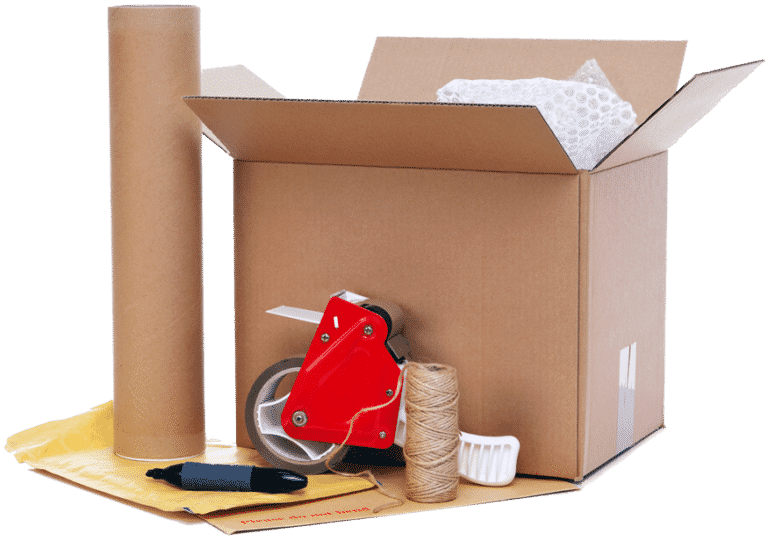
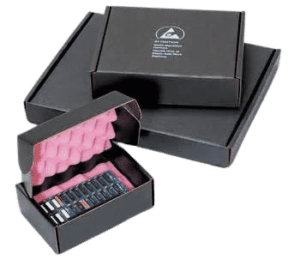
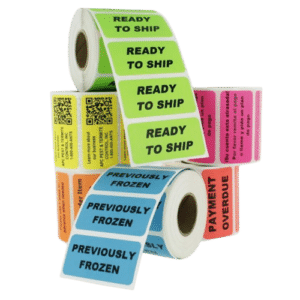
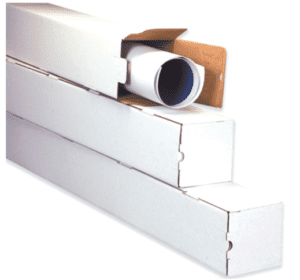
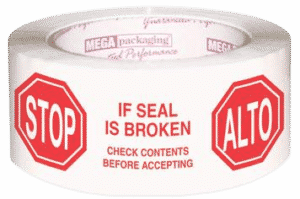
We supply businesses with a wide selection of essential packaging, shipping, and warehouse supplies. Get any standard packaging product by dimension or style from boxes, tubes, tapes, labels, and more. If you are unsure on what type of packaging you will need, then contact us for an expert consultation.


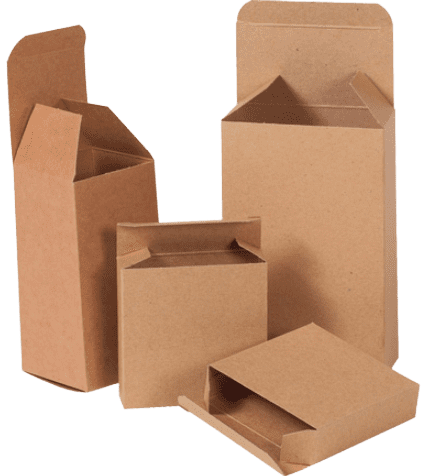
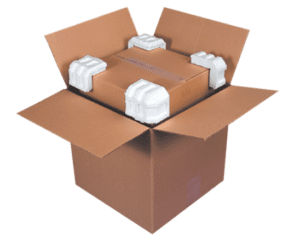
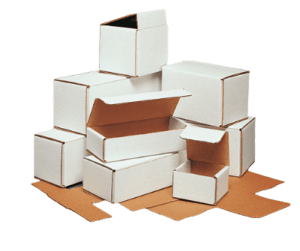
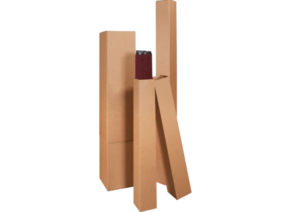
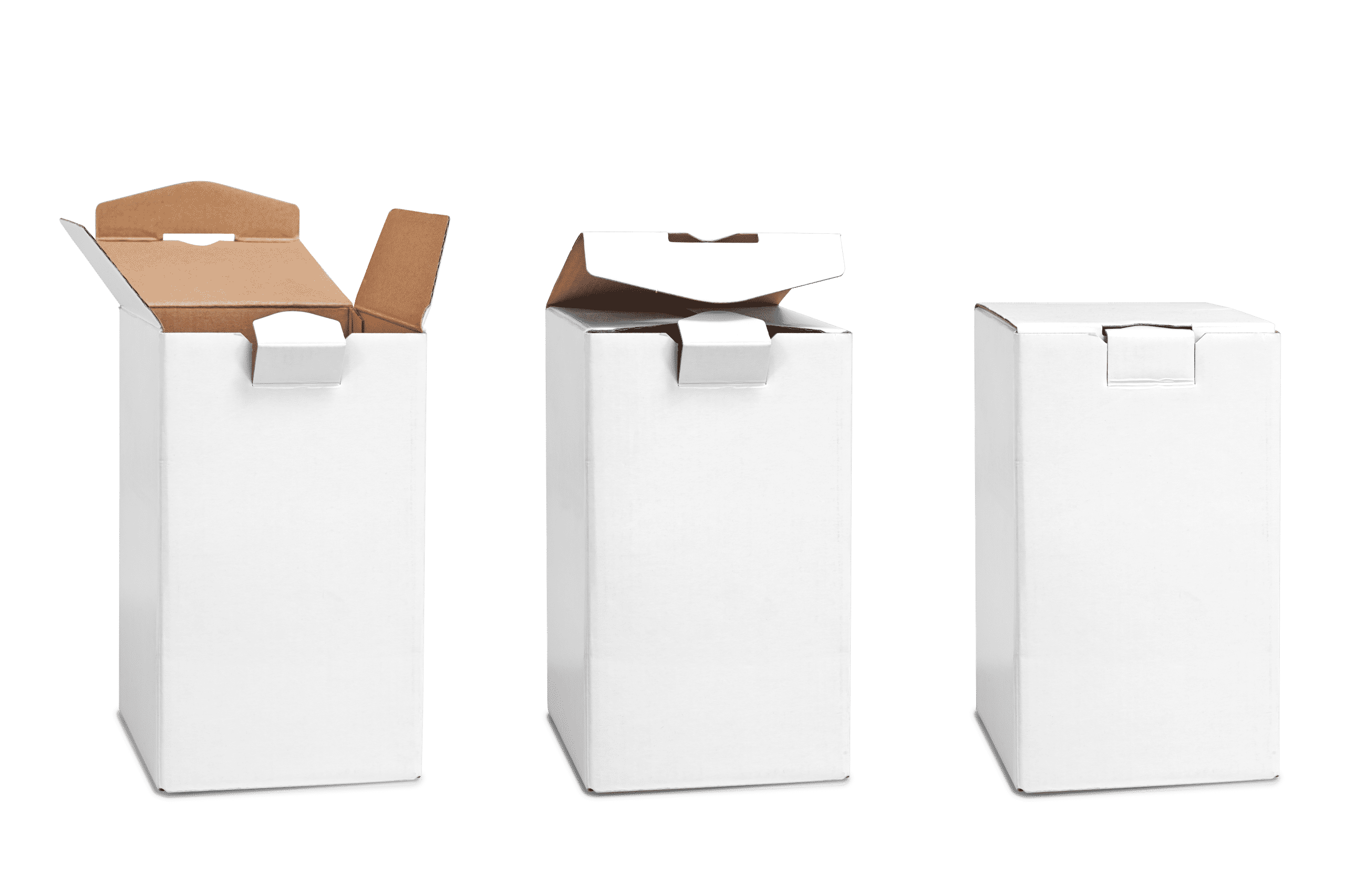
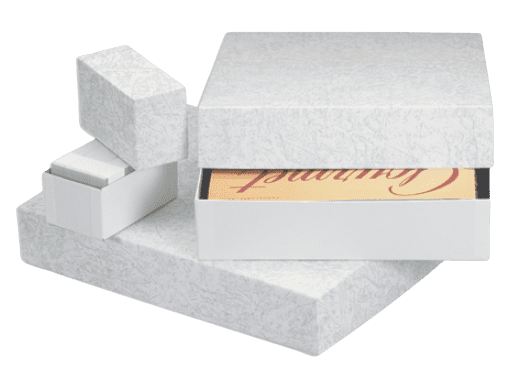
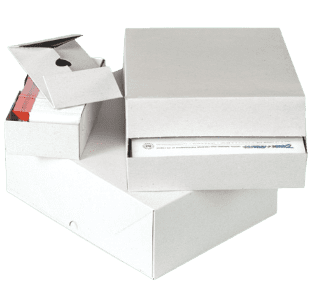
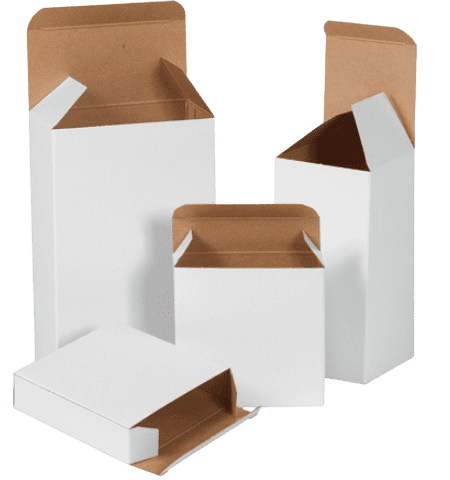
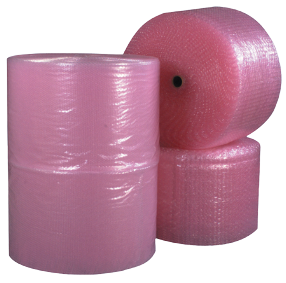
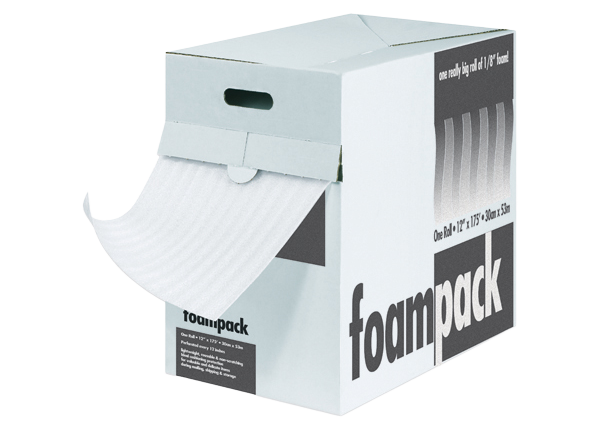
Stock packaging refers to pre-made, ready-to-ship packaging solutions like corrugated boxes, mailers, and protective materials that are designed to meet a wide range of standard needs across shipping, retail, and storage. Unlike custom packaging, stock options offer quick availability and reliable protection without the need for extensive design or production time, making them ideal for businesses needing efficient, high-quality solutions with fast lead times.
At Brown Packaging, we focus on providing durable, performance-driven stock packaging that supports our clients’ operational needs. Our stock products are sourced to ensure consistent quality and cost-effectiveness, offering a practical solution to keep operations running smoothly and on schedule. With an emphasis on reliability, we help our clients quickly access packaging solutions that meet their specific needs while maintaining quality across every order.
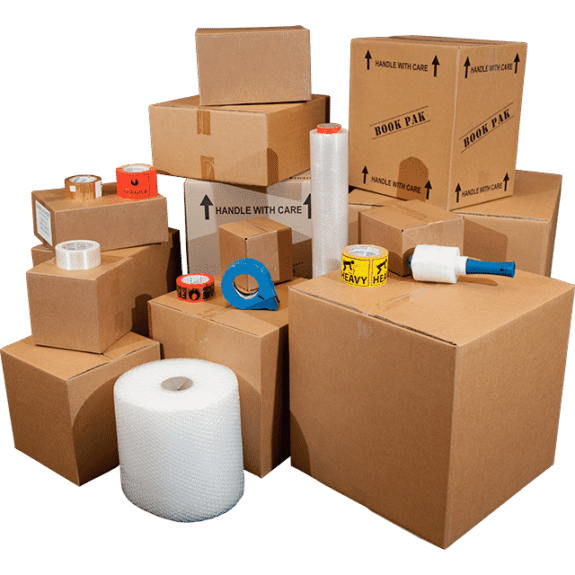
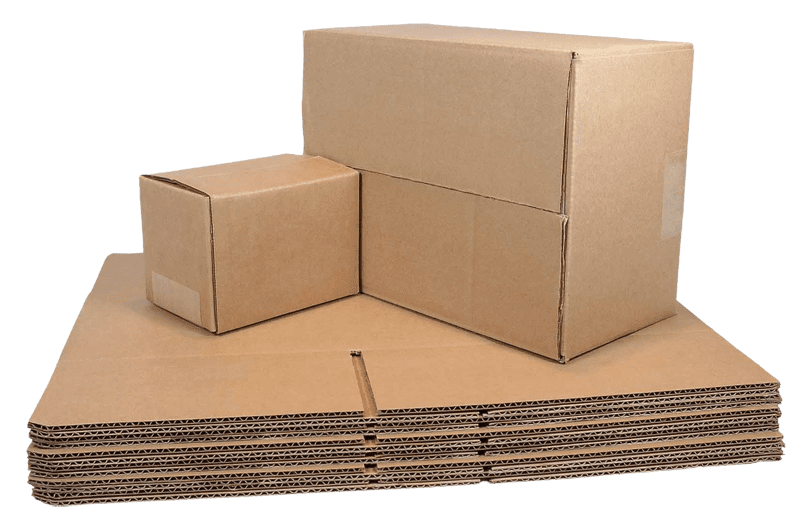
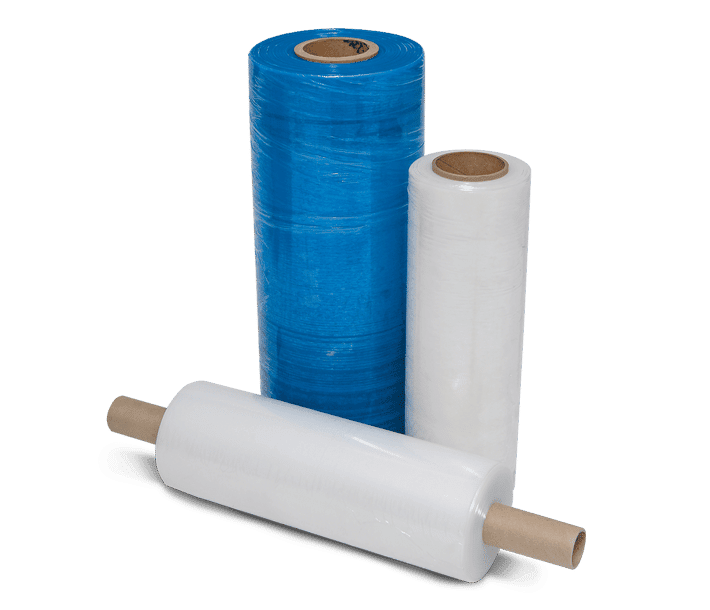
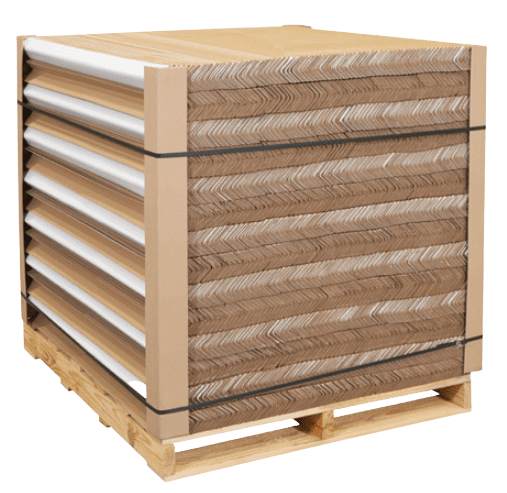
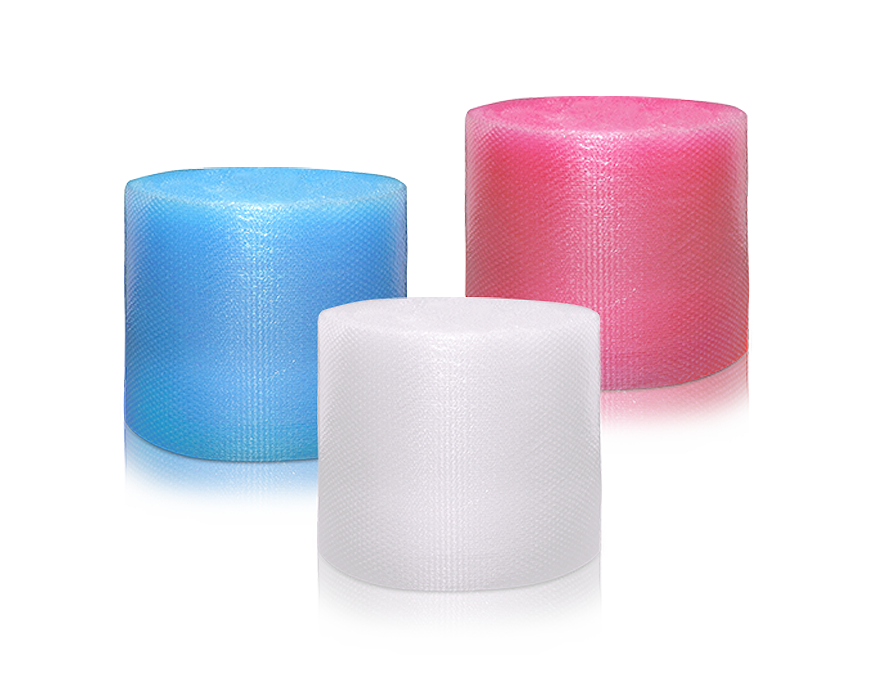
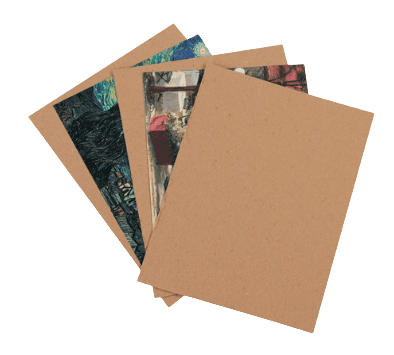
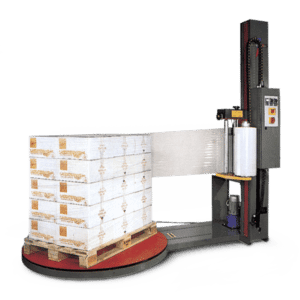
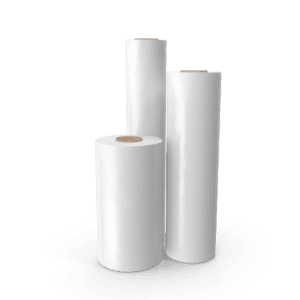
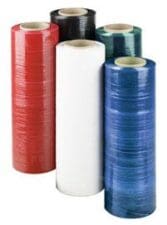
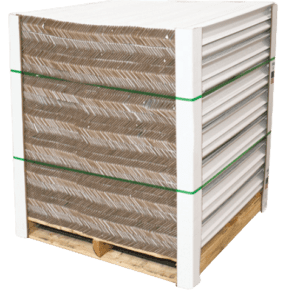
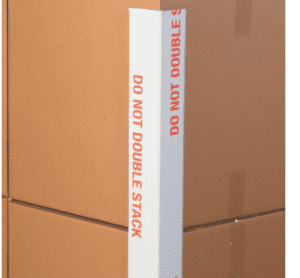
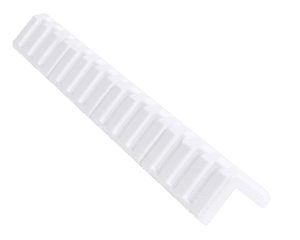
Our stock packaging products, from corrugated boxes to stretch film, offer a wide selection, including essentials like tape, edge protectors, labels, and more, with quick turnaround times to meet your packaging needs efficiently.


If you need any assistance with your packaging or have a question, then contact us directly at request@brownpackaging.com or (714)300-0650. Learn more about custom packaging by reading our blog posts on new and trending topics.

Launching a product or redesigning packaging can be a significant investment. To minimize risk and gather actionable insights, small packaging runs are a smart way to test the market. This approach allows businesses to gauge consumer reactions, refine designs, and optimize functionality before committing to large-scale production. Here’s how small packaging runs can drive success and why digital production is often the ideal method for this purpose. Why Test with Small Packaging Runs? Minimized RiskBy starting with a small batch, businesses can test packaging concepts without a large financial commitment. This ensures that only well-received designs move forward to full-scale production. Market ValidationTesting in the real world—through focus groups, pop-up shops, or limited releases—provides valuable feedback on packaging design, labeling, and usability. This helps identify what resonates with your audience. Iterative DesignSmall runs allow for adjustments and multiple rounds of testing. Based on feedback, businesses can tweak designs, materials, or messaging to create a more polished final product. Cost-Effective ExperimentationCompared to mass production, small runs are significantly less expensive. This makes it possible to try out multiple designs or features without incurring substantial costs. Why Digital Production is Ideal for Small Runs No Setup CostsTraditional printing methods, like offset printing, require expensive setup processes such as plate creation. Digital printing eliminates these costs, making it cost-efficient for small batches. Faster TurnaroundDigital production enables quick printing and delivery, perfect for tight deadlines or rapid testing cycles. High-Quality OutputModern digital printing delivers sharp, vibrant results, ensuring test packaging looks professional and consistent with final production runs. Flexibility With digital production, you can easily modify designs between runs to test different elements like colors, layouts, or messaging. Key Considerations for Effective Testing Sample Size: Ensure your test batch is large enough to yield statistically significant results. Data Collection: Use multiple methods like online surveys, in-person interviews, or sales performance data to gather insights. Adaptability: Be prepared to adjust your design based on feedback to ensure your packaging aligns with customer expectations. Benefits of Testing with Small Runs Advantage Explanation Cost Savings Avoid overproduction and reduce the risk of investing in a design that doesn’t work. Customer Insights Direct feedback helps identify strengths and weaknesses in your packaging design. Agility Quickly implement changes without the delay or expense of large-scale production. Reduced Environmental Impact Produce only what you need, minimizing waste and resources. Real-World Application: Split Testing for Packaging Split testing, or A/B testing, is a powerful strategy for packaging design. By creating two or more versions of your packaging, you can compare their performance in the marketplace. Examples include: Testing different color schemes or logos. Comparing headline copy or product descriptions. Experimenting with eco-friendly materials versus traditional ones. This iterative process ensures your packaging is always optimized for customer appeal and performance. Conclusion Testing the market with small packaging runs is a low-risk, high-reward strategy for businesses looking to launch new products or redesign packaging. By leveraging digital production for these runs, you gain the flexibility to experiment, refine, and validate designs before committing to large-scale production. Ready to test your packaging? Contact us today to explore digital production solutions tailored to your small-run needs! (714)300-0650 request@brownpackaging.com Most Recent Posts: Categories: Corrugated Ecommerce ESD Design Display Flexible Packaging Foam Folding Carton Packaging Plastic Packaging Pouch Printing Protection Retail Rigid Box Thermoform Sustainability Subscribe To Our Newsletter By submitting your information, you agree to our terms and conditions and privacy policy. Custom Packaging Facebook Twitter LinkedIn Pinterest Relevant Posts

Gaylord containers are large, sturdy boxes used primarily for shipping, storing, and handling bulk materials. Often utilized in industries like manufacturing, agriculture, and retail, these versatile containers are designed to accommodate large volumes of products while providing robust protection. Depending on the specific application, Gaylord containers are available in single, double, and triple wall options, each offering varying degrees of strength and durability. In this blog, we will explore the differences between these options and their practical applications. What Are Gaylord Containers? Gaylord containers, also known as bulk bins or pallet boxes, are large corrugated boxes designed for storing and transporting bulk goods. They are typically mounted on pallets for easy handling with forklifts and other equipment. These containers are highly versatile, accommodating a wide range of materials, including powders, granules, parts, and even irregularly shaped items. Single Wall Gaylord Containers Construction: Single wall Gaylord containers consist of one layer of corrugated cardboard. This layer typically includes a fluted sheet sandwiched between two flat linerboards. Applications: Single wall containers are suitable for lighter materials or products that do not require extensive protection during shipping. They are commonly used for: Lightweight products like plastic parts or textiles Non-fragile items that are not prone to damage Short-distance shipping where minimal handling occurs Benefits: Cost-effective solution for bulk packaging Lightweight and easy to handle Efficient for low-risk, high-volume shipping Double Wall Gaylord Containers Construction: Double wall Gaylord containers feature two layers of corrugated cardboard, providing increased strength and durability compared to single wall options. Applications: Double wall containers are ideal for heavier or more delicate items that require extra protection. Common uses include: Metal parts, automotive components, or hardware Products requiring additional cushioning and support Moderate to long-distance shipping with multiple handling points Benefits: Enhanced strength and durability for heavier loads Better protection against impact and compression Suitable for stacking and efficient space utilization Triple Wall Gaylord Containers Construction: Triple wall Gaylord containers are constructed with three layers of corrugated cardboard, offering maximum strength and resistance to external pressures. Applications: These containers are best suited for the heaviest and most fragile items, providing superior protection during transit and storage. They are often used for: Heavy industrial components or machinery parts Fragile items like glassware or electronics Export shipping, where containers face prolonged handling and rough conditions Benefits: Maximum protection for heavy and fragile goods Optimal for international shipping and storage in harsh environments High resistance to punctures, compression, and impact Choosing the Right Gaylord Container Selecting the appropriate Gaylord container depends on several factors: Weight of Contents: Heavier items require double or triple wall containers for adequate support. Fragility: Fragile products benefit from the added protection of multiple wall layers. Distance and Handling: Longer shipping distances and frequent handling call for stronger container options. Budget Considerations: Single wall containers offer cost savings for less demanding applications, while double and triple wall containers are investments in product safety. Customization and Additional Features Gaylord containers can be customized to meet specific needs, including: Printing and branding for enhanced visibility Coating for moisture resistance Lids and liners for additional protection Dividers and inserts for organized storage Conclusion Gaylord containers are essential for industries requiring efficient and secure bulk packaging solutions. By understanding the differences between single, double, and triple wall options, businesses can choose the right container to protect their products, optimize shipping efficiency, and reduce costs. Whether you need basic packaging for lightweight items or robust protection for heavy machinery, Gaylord containers offer a versatile and reliable solution for all your bulk packaging needs. (714)300-0650 request@brownpackaging.com Most Recent Posts: Categories: Corrugated Ecommerce ESD Design Display Flexible Packaging Foam Folding Carton Packaging Plastic Packaging Pouch Printing Protection Retail Rigid Box Thermoform Sustainability Subscribe To Our Newsletter By submitting your information, you agree to our terms and conditions and privacy policy. Custom Gaylord Boxes Facebook Twitter LinkedIn Pinterest Relevant Posts

When choosing corrugated board for packaging, print quality is often a critical consideration. Two common board types—ECT (Edge Crush Test) board and Bursting Test board, also called Mullen Test board—have distinct surface characteristics that impact the final print results, especially when using flexographic (flexo) printing. While both boards serve their structural purposes, their composition affects ink absorption, print clarity, and overall aesthetics. Why Does ECT Board Struggle With Print Quality? ECT board is designed primarily for stacking strength rather than printing quality. It is rougher and more porous compared to Test board, which results in the following print challenges: Ink Absorption Issues: The more porous nature of ECT board allows ink to spread unevenly, leading to a muddy, less defined print. Uneven Surface Texture: Rough fibers on ECT board prevent fine details and crisp lines from transferring properly, resulting in a blurry or inconsistent appearance. Reduced Ink Holdout: Because the ink penetrates deeper into the material, colors may appear duller and less vibrant compared to smoother boards. Can You Improve Print Quality on ECT Board? For brands requiring higher-quality graphics on an ECT board, one option is to order virgin kraft liners instead of standard recycled liners. Virgin kraft liners: Have a smoother, more uniform surface, allowing for better ink adhesion and sharper details. Reduce ink absorption, leading to brighter, more vibrant prints. Are stronger and cleaner-looking, improving the overall aesthetic of the packaging. When to Use Bursting Test Board Instead Test board, made from a mix of virgin and recycled fibers, tends to be smoother than ECT board, allowing for better ink retention and detail clarity. If print quality is a priority, a Test board with a higher-quality white or coated liner can significantly improve the final result. Final Considerations If your primary concern is cost and stacking strength, ECT board is a solid choice, but expect compromises in print quality when using flexo. For higher-quality branding and graphics, consider upgrading to a Test board or requesting virgin kraft liners to enhance your print results. Need help selecting the right corrugated board for your packaging? Contact Brown Packaging today to find the best option for your needs! (714)300-0650 request@brownpackaging.com Most Recent Posts: Categories: Corrugated Ecommerce ESD Design Display Flexible Packaging Foam Folding Carton Packaging Plastic Packaging Pouch Printing Protection Retail Rigid Box Thermoform Sustainability Subscribe To Our Newsletter By submitting your information, you agree to our terms and conditions and privacy policy. Custom Corrugated Boxes Facebook Twitter LinkedIn Pinterest Relevant Posts