





window.uetq = window.uetq || []; window.uetq.push(‘event’, ‘submit_lead_form’,{ event_label:‘SUBMIT MESSAGE’ }); window.lintrk('track', { conversion_id: 10271009 }); window.lintrk('track', { conversion_id: 10271017 });

Stock Packaging

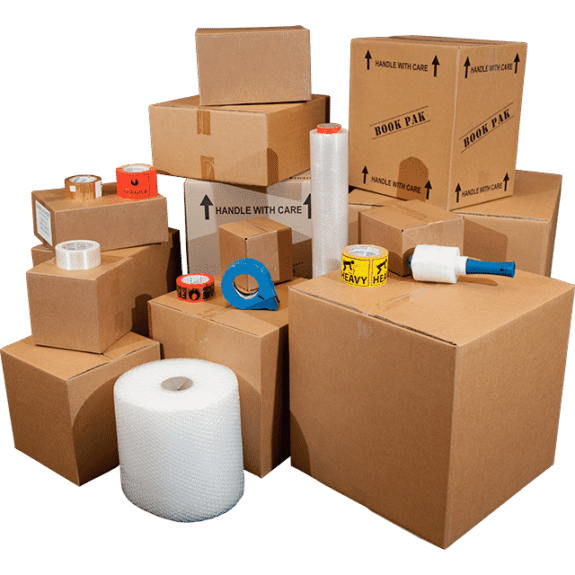
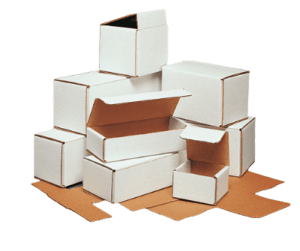
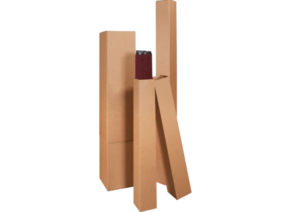
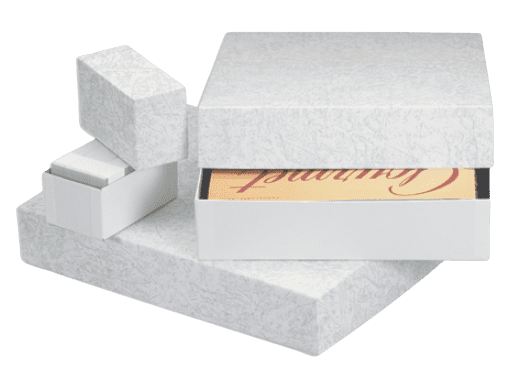
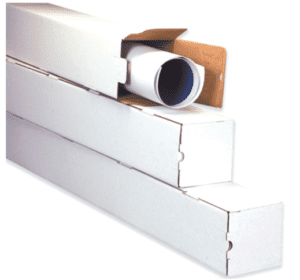
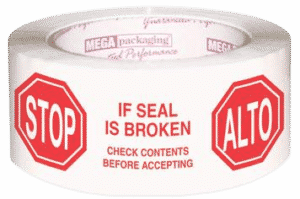
We supply businesses with a wide selection of essential packaging, shipping, and warehouse supplies. Get any standard packaging product by dimension or style from boxes, tubes, tapes, labels, and more. If you are unsure on what type of packaging you will need, then contact us for an expert consultation.


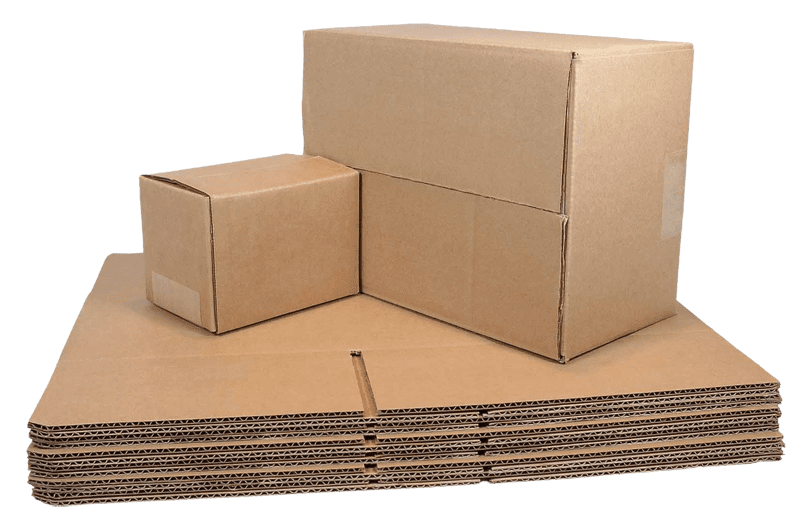
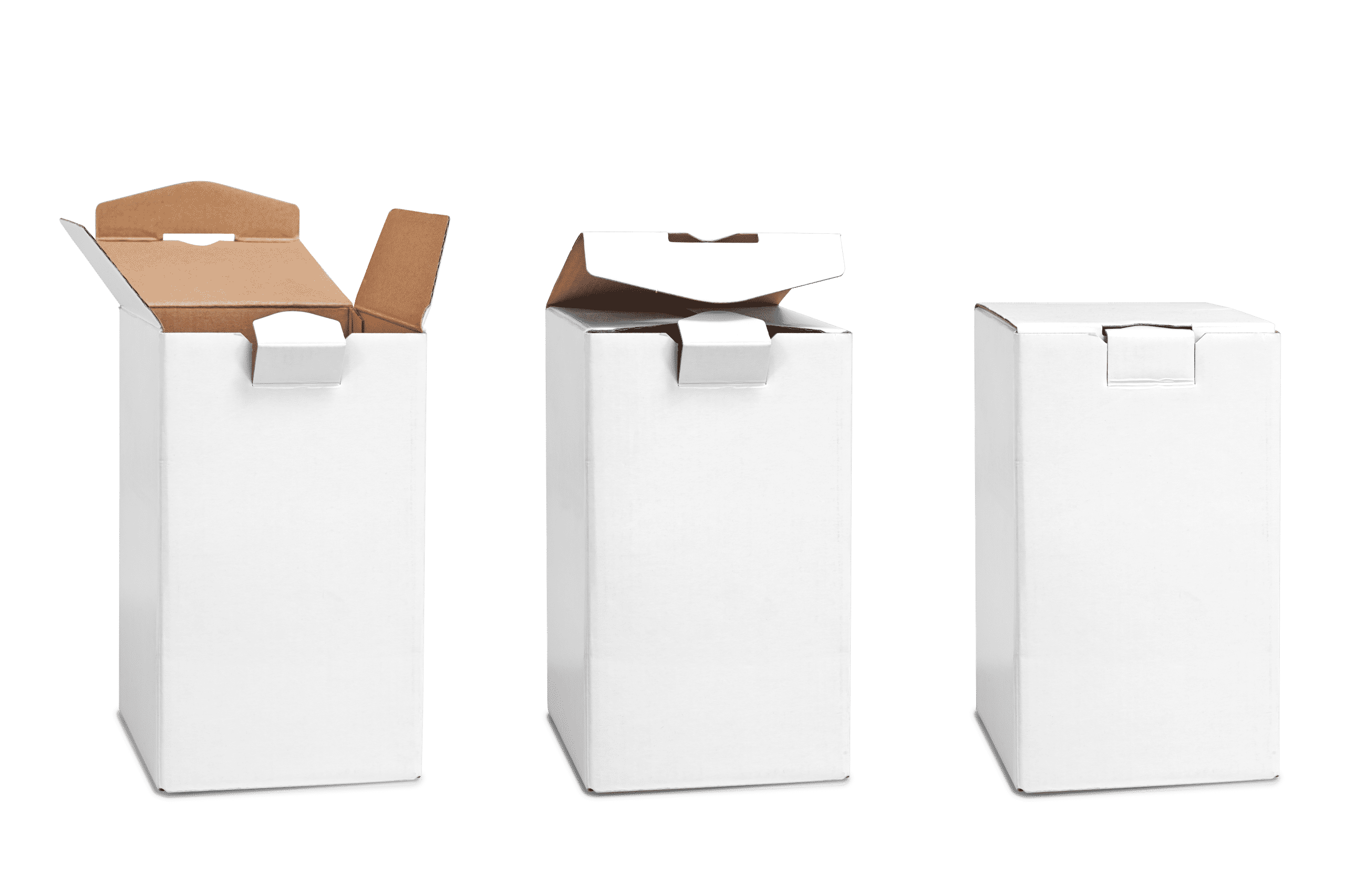
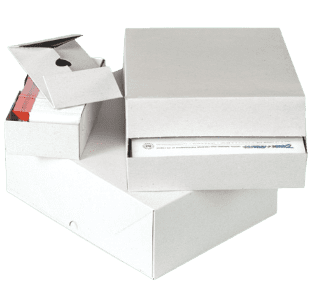
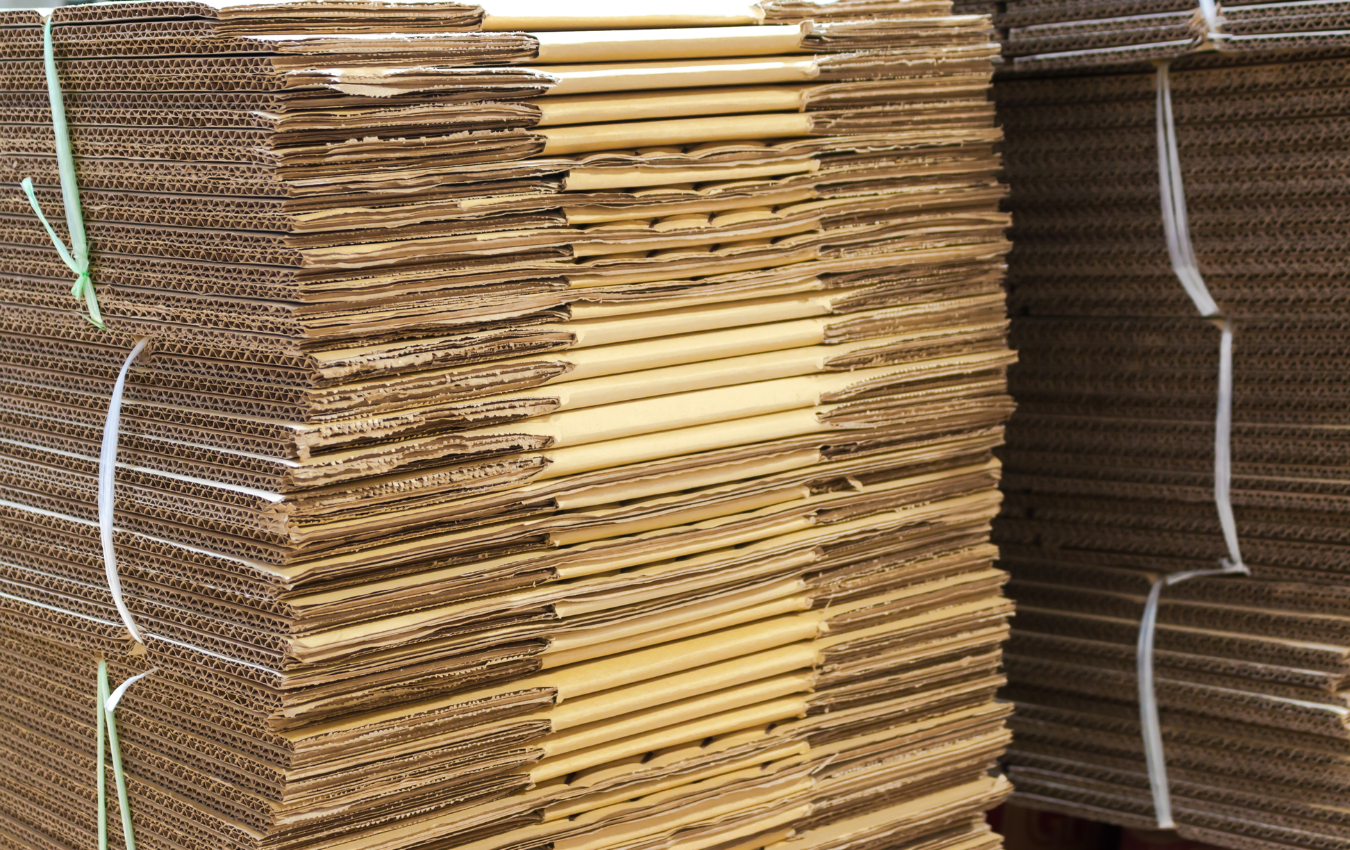
Stock packaging refers to pre-made, ready-to-ship packaging solutions like corrugated boxes, mailers, and protective materials that are designed to meet a wide range of standard needs across shipping, retail, and storage. Unlike custom packaging, stock options offer quick availability and reliable protection without the need for extensive design or production time, making them ideal for businesses needing efficient, high-quality solutions with fast lead times.

At Brown Packaging, we focus on providing durable, performance-driven stock packaging that supports our clients’ operational needs. Our stock products are sourced to ensure consistent quality and cost-effectiveness, offering a practical solution to keep operations running smoothly and on schedule. With an emphasis on reliability, we help our clients quickly access packaging solutions that meet their specific needs while maintaining quality across every order.

stock packaging products

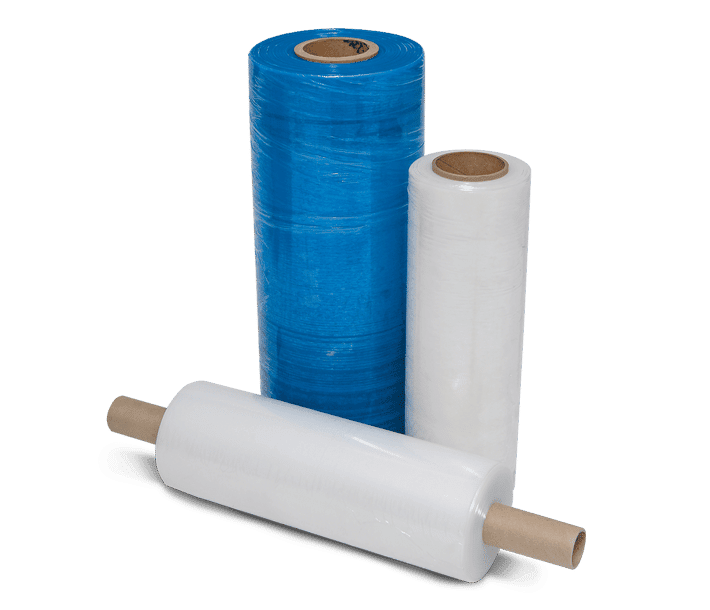
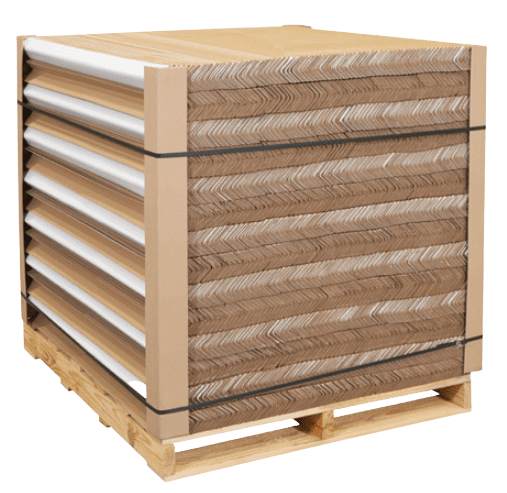
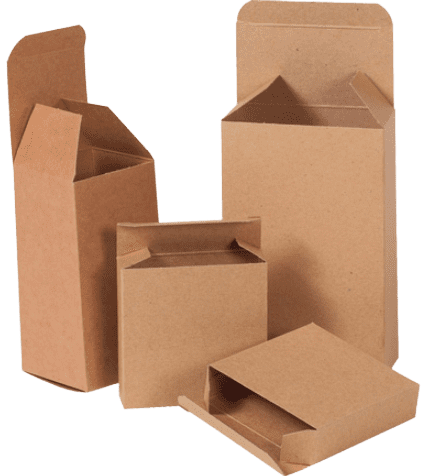
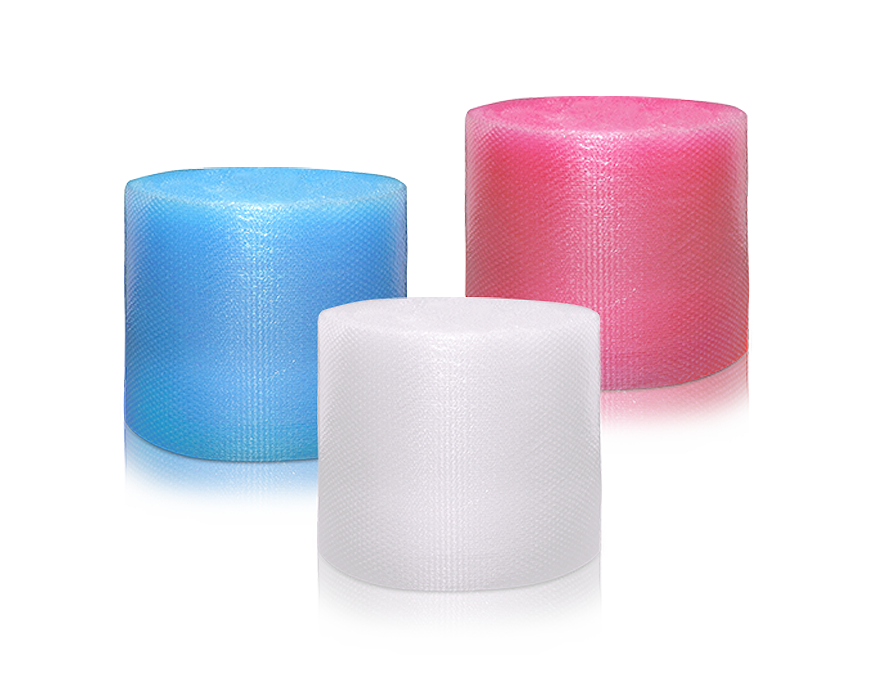
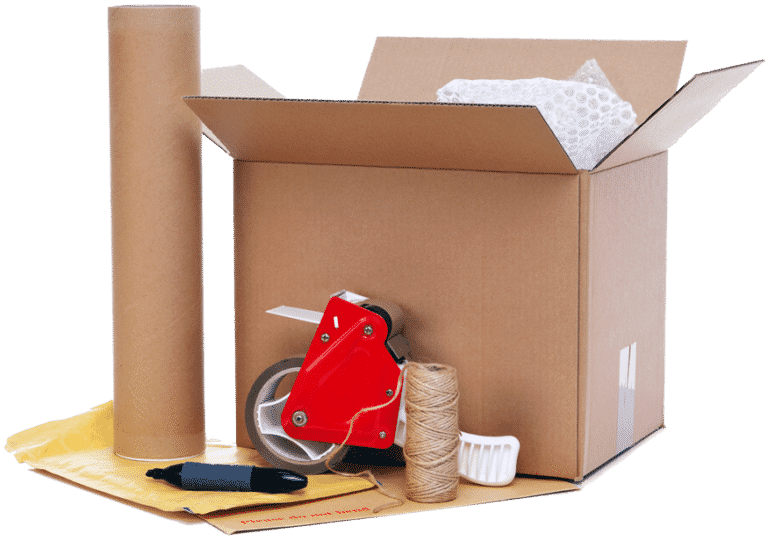
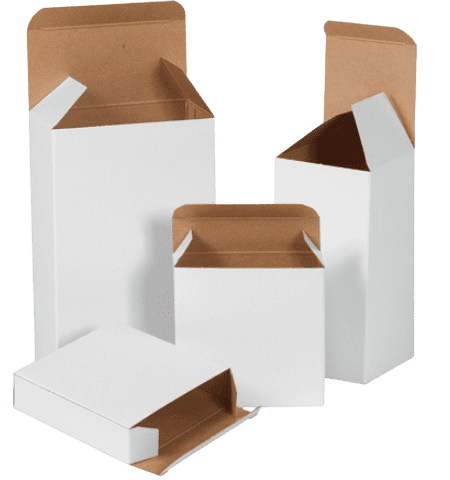
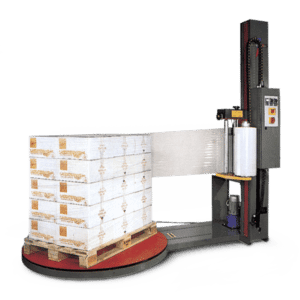
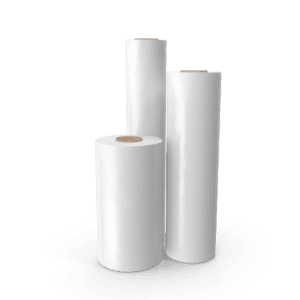
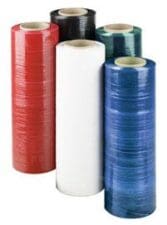
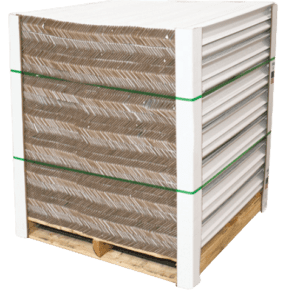
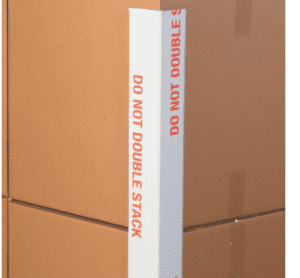
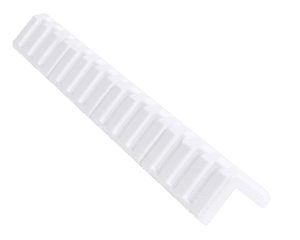
Our stock packaging products, from corrugated boxes to stretch film, offer a wide selection, including essentials like tape, edge protectors, labels, and more, with quick turnaround times to meet your packaging needs efficiently.

Edit Content
Edit Content
Folding Cartons
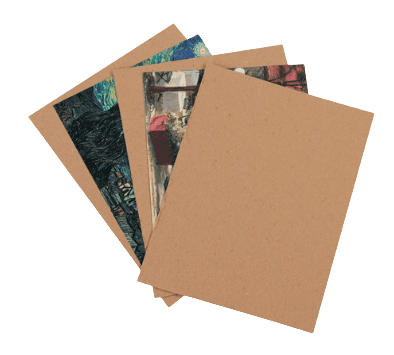
Pads
Apparel Boxes
Jewelry Boxes
Setup Cartons
Stationary Cartons
Edit Content
Cast Film
Blown Film
Conventional Film
Engineered Film
Pre-Stretched Film
Hand Film
Machine Film
Edit Content
Light Duty
Medium Duty
Heavy Duty
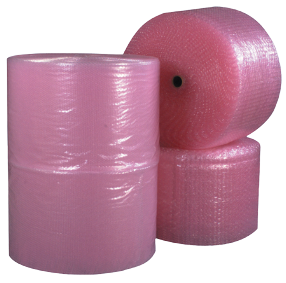
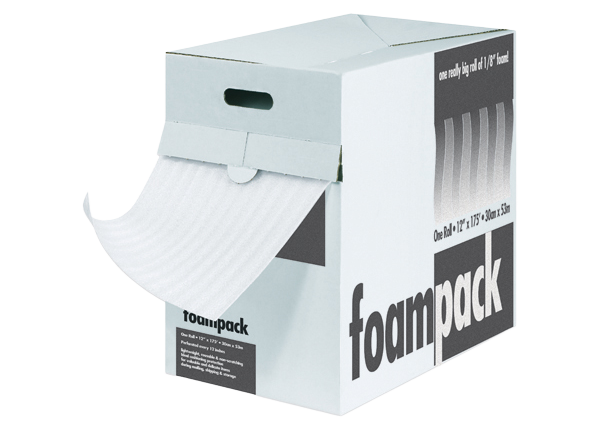
Foam
Strapping
Frame Protectors
Edit Content
Edit Content
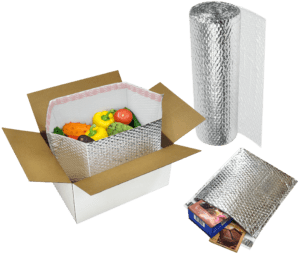
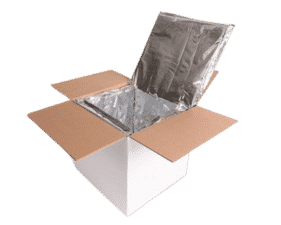
Box Liner
Metalized Pouch
Foam Cooler
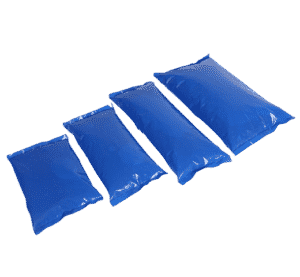
Ice Pack
Gel Pack
Edit Content
Edit Content
Edit Content
Folding Cartons
Pads
Apparel Boxes
Jewelry Boxes
Setup Cartons
Stationary Cartons
Edit Content
Cast Film
Blown Film
Conventional Film
Engineered Film
Pre-Stretched Film
Hand Film
Machine Film
Edit Content
Click on the Edit Content button to edit/add the content.
Edit Content
Edit Content
Box Liner
Metalized Pouch
Foam Cooler
Ice Pack
Gel Pack
Edit Content

If you need any assistance with your packaging or have a question, then contact us directly at request@brownpackaging.com  or  (714)300-0650. Learn more about custom packaging by reading our blog posts on new and trending topics.

protein bar packaging
Packaging
brownpackaging
What Packaging is Used for Protein Bars?

Protein bars are a popular on-the-go snack, requiring durable, protective, and visually appealing packaging to ensure freshness and convenience. The right packaging helps extend shelf life, maintain texture, and protect against contamination, making it essential for both retail and eCommerce sales. Businesses must carefully select the best materials and formats for their protein bars to optimize product protection and brand visibility. Types of Packaging for Protein Bars Protein bars can be packaged in various materials and formats depending on brand preference, shelf life requirements, and distribution channels. The most common types include: Flexible Film Packaging (Flow Wraps & Roll Stock) Flow wrap packaging, often produced from roll stock, is the most widely used solution for protein bars due to its lightweight, cost-effectiveness, and superior protection. It consists of a plastic or foil-based flexible film, heat-sealed to create an air-tight package. Benefits: Provides moisture and oxygen barrier to extend shelf life. Offers high-speed packaging efficiency for mass production. Allows for vibrant branding and print customization. Stand-Up Pouches and Resealable Bags Ideal for multi-pack protein bars, stand-up pouches provide convenience and branding appeal while protecting bars from crushing and environmental factors. Benefits: Resealable options improve freshness and portion control. Provides a premium look for retail shelves and club store formats. Customizable with clear windows, matte or gloss finishes, and tear notches. Folding Cartons Many protein bars are sold in multi-bar packs housed in folding cartons. These secondary packaging solutions enhance shelf presence and provide additional protection. Benefits: Ideal for bulk packaging and organized retail display. Supports branding with high-quality printing and embossing options. Adds structural protection to prevent crushing. Corrugated Boxes for Shipping For wholesale distribution and eCommerce fulfillment, protein bars are often packed in corrugated shipping boxes to ensure safe transit and bulk handling. Benefits: Provides durability for long-distance shipping and warehouse storage. Can be designed with custom inserts for product security. Custom printing allows for branded unboxing experiences. POP and Countertop Displays Retailers often use point-of-purchase (POP) and countertop displays to showcase protein bars in high-traffic areas. These displays help drive impulse purchases and enhance brand visibility. Benefits: Designed for maximum visibility in checkout lanes and retail aisles. Can be customized for seasonal promotions or new product launches. Available in corrugated or folding carton formats for easy setup. Key Packaging Considerations for Protein Bars Choosing the right protein bar packaging requires evaluating several factors: Shelf Life Protection: Packaging must offer barrier properties against moisture, air, and light to prevent spoilage. Consumer Convenience: Features like resealable closures, easy-open tear notches, and portability enhance the user experience. Branding & Marketing Appeal: High-quality printing, embossing, or matte/gloss finishes make a product stand out on retail shelves. Shipping & Retail Optimization: Bulk packaging and display solutions improve storage, handling, and in-store presentation. Final Thoughts: Selecting the Best Protein Bar Packaging Protein bar packaging should be protective, convenient, and visually appealing while aligning with industry requirements. Whether using flow wraps and roll stock for single bars, folding cartons for multi-packs, corrugated boxes for shipping, or POP displays for retail, businesses should evaluate their packaging based on functionality, branding, and distribution needs. Looking for custom protein bar packaging solutions? Contact Brown Packaging today to explore innovative packaging options that meet your brand’s needs! (714)300-0650 request@brownpackaging.com Most Recent Posts: Categories: Corrugated Ecommerce ESD Design Display Flexible Packaging Foam Folding Carton Packaging Plastic Packaging Pouch Printing Protection Retail Rigid Box Thermoform Sustainability Subscribe To Our Newsletter By submitting your information, you agree to our terms and conditions and privacy policy. Protein Packaging Facebook Twitter LinkedIn Pinterest Relevant Posts

Read More »
Packaging Strategies for Mid-Sized Businesses in 2025
Packaging
brownpackaging
Packaging Strategies for Mid-Sized Businesses in 2025

For mid-sized businesses, packaging is a crucial element that impacts brand identity, operational efficiency, and customer experience. Unlike small businesses, which focus on cost-effectiveness, and large corporations, which prioritize mass production, mid-sized companies need a balance of scalability, flexibility, and affordability. With growing competition and shifting market demands in 2025, a strong packaging strategy can help mid-sized businesses improve efficiency, maintain brand consistency, and optimize costs. Key Packaging Considerations for Mid-Sized Businesses Cost-Effective Scaling Without Overproduction Mid-sized businesses must carefully scale their packaging production without overspending. This requires: Right-sizing packaging to eliminate wasted materials and reduce shipping costs. Flexible minimum order quantities (MOQs) to avoid excessive inventory storage. Leveraging hybrid production models, combining stock packaging for standard products and custom packaging for premium lines. Streamlining Supply Chain and Inventory Management Efficient supply chain management ensures consistent packaging availability while preventing overstocking or shortages. Strategies include: Partnering with reliable domestic suppliers to minimize lead times and supply disruptions. Using just-in-time (JIT) inventory models to reduce storage costs. Implementing digital inventory tracking systems to monitor stock levels and order packaging efficiently. Balancing Customization with Production Efficiency Mid-sized businesses need packaging that reflects their brand identity while remaining cost-effective. Best practices include: Using digital printing for small batch orders and frequent design changes. Standardizing core packaging elements (box styles, materials) to reduce production costs. Exploring modular packaging designs that allow for brand differentiation without excessive SKU variations. Enhancing Brand Presentation and Consumer Experience Well-designed packaging helps mid-sized businesses stand out and build brand loyalty. Key considerations include: High-quality print finishes to enhance shelf appeal. Custom inserts and protective elements to improve product security and customer experience. Easy-to-open designs that simplify unboxing while reducing damage rates. Sustainability Without Excessive Costs Sustainable packaging is becoming increasingly important, but cost remains a concern for mid-sized companies. Practical solutions include: Choosing lightweight, recyclable materials to lower shipping costs and meet sustainability goals. Using minimalist packaging designs to reduce material waste. Exploring compostable or biodegradable options without drastically increasing production costs. Adapting to Omnichannel Distribution Needs Many mid-sized businesses sell both in-store and online, requiring packaging that works for multiple channels. Strategies include: Designing packaging for both eCommerce and retail to streamline production. Using protective yet lightweight packaging to reduce return rates and shipping fees. Incorporating QR codes and digital touchpoints for customer engagement across platforms. Final Thoughts: The Mid-Sized Business Packaging Strategy for 2025 For mid-sized businesses, packaging must strike a balance between cost-efficiency, brand appeal, and operational flexibility. By optimizing supply chains, leveraging smart printing methods, and focusing on scalable customization, companies can position themselves for growth in 2025. Looking for tailored packaging solutions for your mid-sized business? Contact Brown Packaging today to explore cost-effective and innovative options. (714)300-0650 request@brownpackaging.com Most Recent Posts: Categories: Corrugated Ecommerce ESD Design Display Flexible Packaging Foam Folding Carton Packaging Plastic Packaging Pouch Printing Protection Retail Rigid Box Thermoform Sustainability Subscribe To Our Newsletter By submitting your information, you agree to our terms and conditions and privacy policy. Custom Packaging Facebook Twitter LinkedIn Pinterest Relevant Posts

Read More »
Packaging
brownpackaging
How Much Does Custom Packaging Really Cost?

Custom packaging isn’t just an expense—it’s an investment that plays a pivotal role in brand identity, customer satisfaction, and even revenue growth. While many businesses shy away from custom packaging due to cost concerns, understanding its value and the factors influencing pricing can help you make informed decisions. In this blog, we’ll uncover the real cost of custom packaging, explore its benefits, and provide actionable tips to maximize your ROI. Why Custom Packaging Matters Custom packaging is more than a box or wrapper; it’s a brand statement and a customer experience enhancer. Brand Identity: High-quality custom packaging reinforces your brand’s image, making your product instantly recognizable. Customer Experience: A memorable unboxing experience can create lasting customer loyalty and boost word-of-mouth marketing. Perceived Value: Premium packaging elevates the perceived value of your product, making it stand out from competitors. Key Factors Influencing Custom Packaging Costs Material Choices The type of material used significantly affects cost and functionality. Corrugated Boxes: Durable and cost-effective, ideal for shipping. Rigid Boxes: Luxurious but pricier, often used for high-end products. Eco-Friendly Options: Sustainable materials like kraft paper or biodegradable plastics, which appeal to eco-conscious consumers, can increase initial costs but offer long-term brand value. Printing Techniques Digital Printing: Great for small orders; cost-effective but with limited precision. Offset Printing: Best for bulk orders; higher upfront costs but offers superior quality. Special Effects: Add-ons like embossing, foil stamping, or spot UV can enhance your design but also increase expenses. Design Complexity Intricate designs, custom shapes, and multi-component packaging raise production costs. Partnering with experienced designers can optimize the balance between creativity and cost. Order Quantity Bulk ordering reduces the per-unit cost due to economies of scale. Smaller orders may result in higher per-unit pricing. Features For Common Packaging Types Packaging Type Key Features Corrugated Boxes Durable, recyclable, cost-effective. Rigid Boxes Luxurious feel, used for premium products. Folding Cartons Lightweight, customizable for retail. Custom Mailer Boxes Branding-focused, ideal for e-commerce. Eco-Friendly Options Sustainable, aligns with green initiatives. How to Optimize Custom Packaging Costs Prioritize Materials WiselyChoose materials that balance quality and cost. For example, opt for kraft paper for eco-friendly yet affordable packaging or corrugated boxes for high durability. Leverage Bulk OrdersOrder in bulk to take advantage of volume discounts. This strategy significantly reduces per-unit costs. Simplify DesignA clean, minimalist design can be cost-effective and still make a bold statement. Complex designs often require more resources and time to produce. Use Technology for EfficiencyAutomation and advanced design software can streamline the production process, saving time and reducing errors. Enhancing the Unboxing Experience on a Budget You don’t need to overspend to impress your customers. Here’s how: Add personalized notes or custom stickers. Use branded tissue paper to add elegance without breaking the bank. Include QR codes linking to exclusive content or promotions. FAQs About Custom Packaging Costs How much does custom packaging design cost?Design services typically range from $300 to $5,000, depending on the complexity and expertise involved. What percentage of my product price should packaging cost?Aim to allocate 8-10% of your product’s retail price to packaging costs. Is custom packaging worth the investment?Yes. Custom packaging enhances brand recognition, improves customer satisfaction, and can even justify premium pricing for your products. Conclusion Custom packaging is an essential tool for businesses looking to elevate their brand and enhance customer loyalty. By understanding the factors that influence cost and employing smart strategies to optimize expenses, you can create packaging that delivers both aesthetic and functional value without overextending your budget. Ready to take your packaging to the next level? Partner with us to create customized solutions tailored to your brand and budget. Contact us today! (714)300-0650 request@brownpackaging.com Most Recent Posts: Categories: Corrugated Ecommerce ESD Design Display Flexible Packaging Foam Folding Carton Packaging Plastic Packaging Pouch Printing Protection Retail Rigid Box Thermoform Sustainability Subscribe To Our Newsletter By submitting your information, you agree to our terms and conditions and privacy policy. Custom Packaging Facebook Twitter LinkedIn Pinterest Relevant Posts

Read More »