








window.uetq = window.uetq || []; window.uetq.push(‘event’, ‘submit_lead_form’,{ event_label:‘SUBMIT MESSAGE’ }); window.lintrk('track', { conversion_id: 10271009 }); window.lintrk('track', { conversion_id: 10271017 });

Stock Packaging

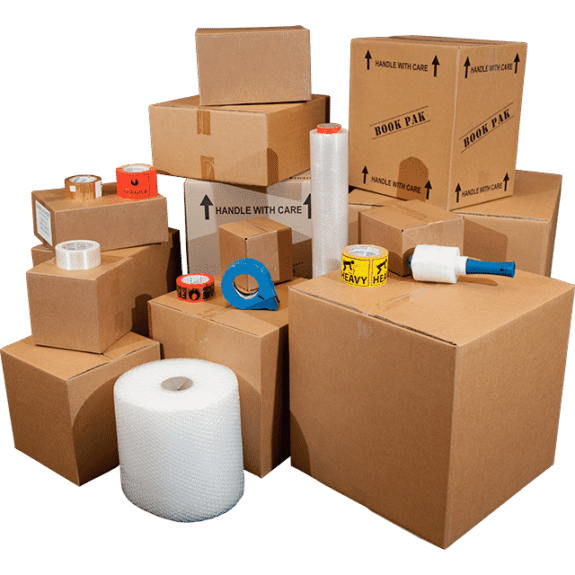
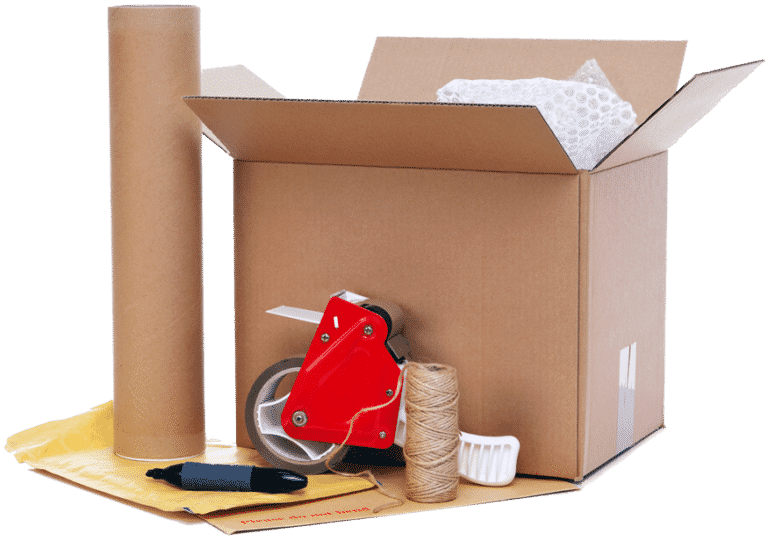
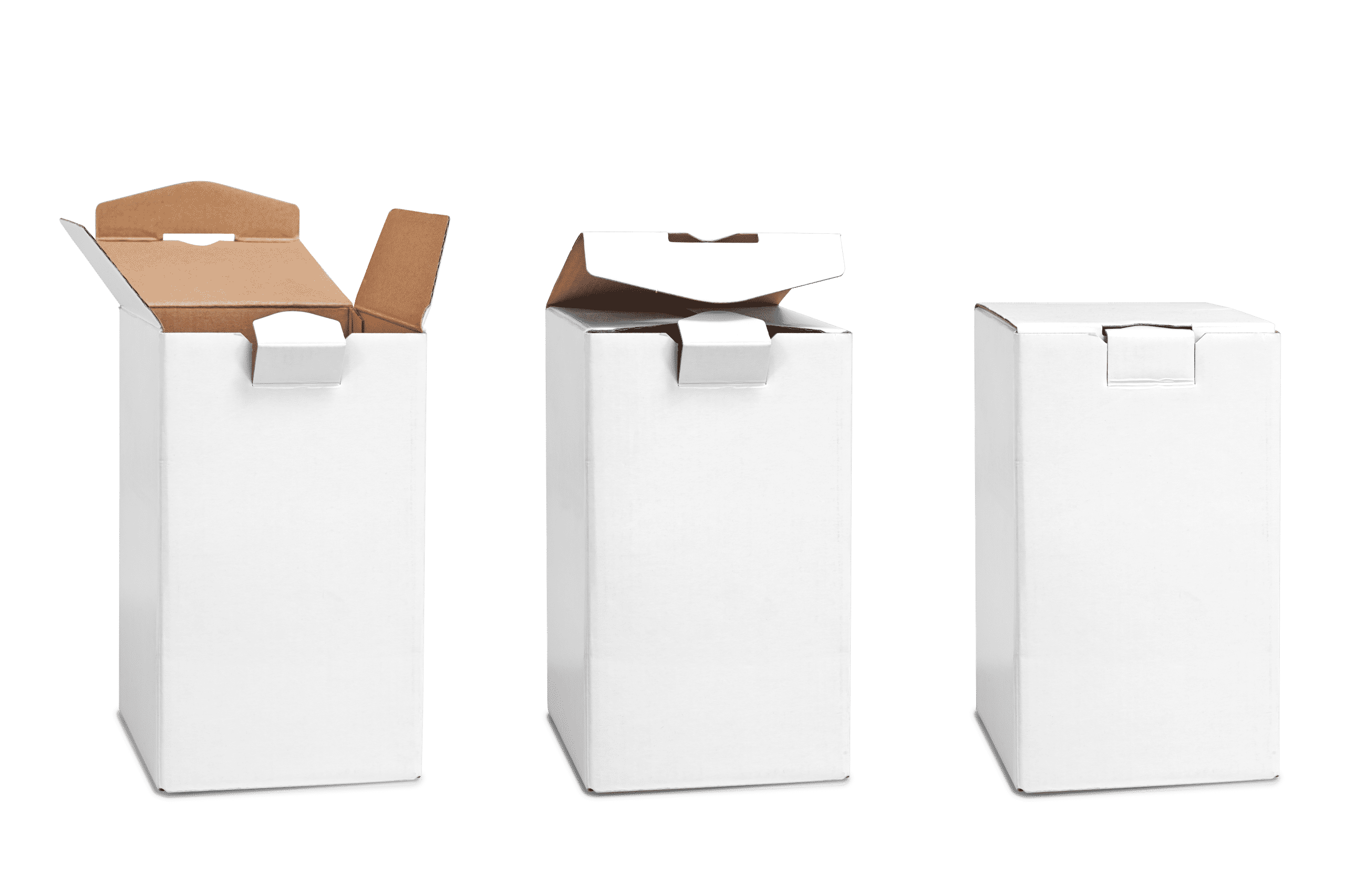
We supply businesses with a wide selection of essential packaging, shipping, and warehouse supplies. Get any standard packaging product by dimension or style from boxes, tubes, tapes, labels, and more. If you are unsure on what type of packaging you will need, then contact us for an expert consultation.


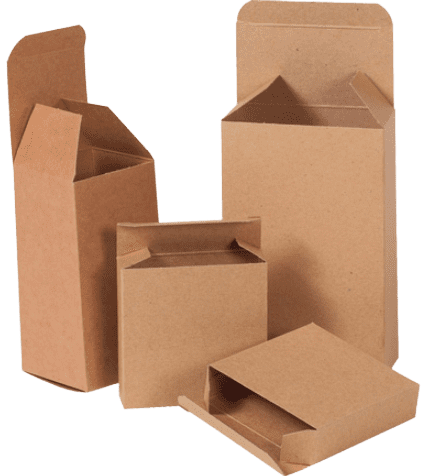
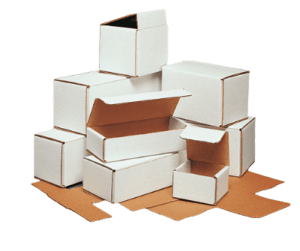
Stock packaging refers to pre-made, ready-to-ship packaging solutions like corrugated boxes, mailers, and protective materials that are designed to meet a wide range of standard needs across shipping, retail, and storage. Unlike custom packaging, stock options offer quick availability and reliable protection without the need for extensive design or production time, making them ideal for businesses needing efficient, high-quality solutions with fast lead times.

At Brown Packaging, we focus on providing durable, performance-driven stock packaging that supports our clients’ operational needs. Our stock products are sourced to ensure consistent quality and cost-effectiveness, offering a practical solution to keep operations running smoothly and on schedule. With an emphasis on reliability, we help our clients quickly access packaging solutions that meet their specific needs while maintaining quality across every order.

stock packaging products

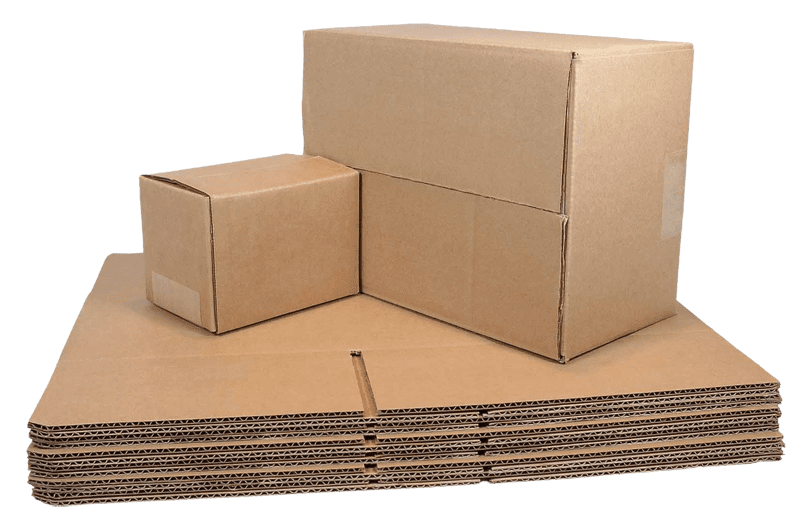
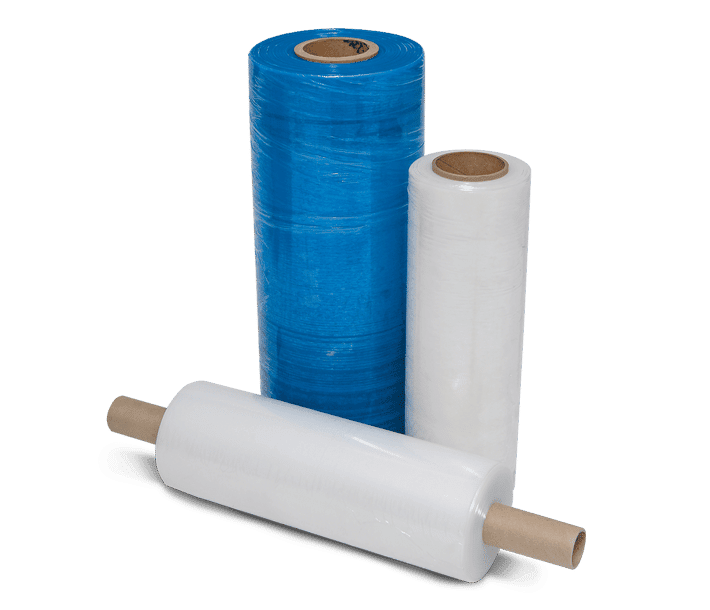
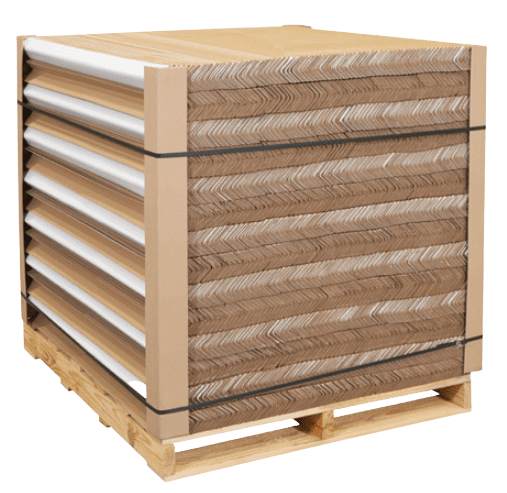
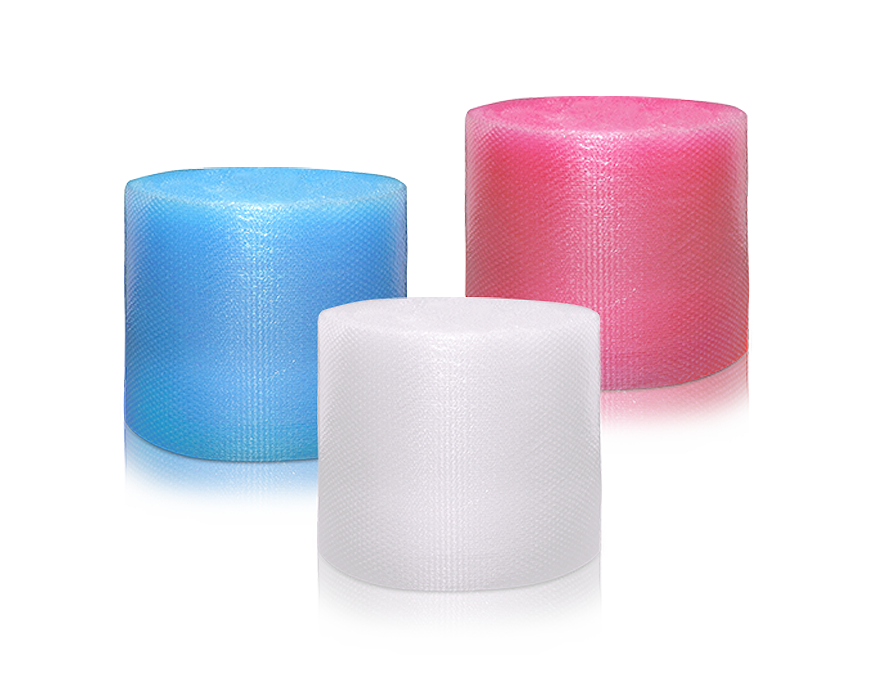
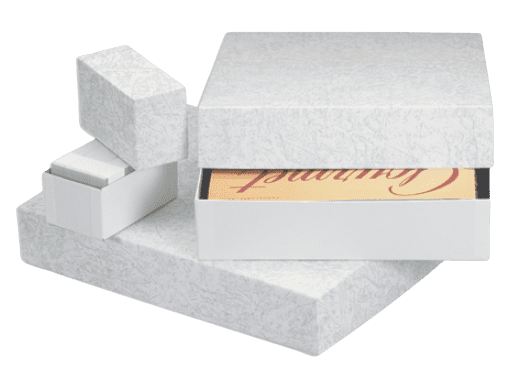
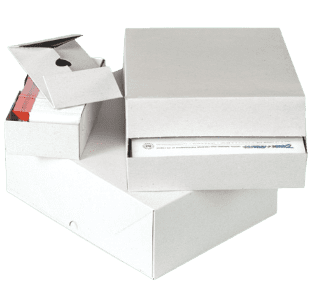
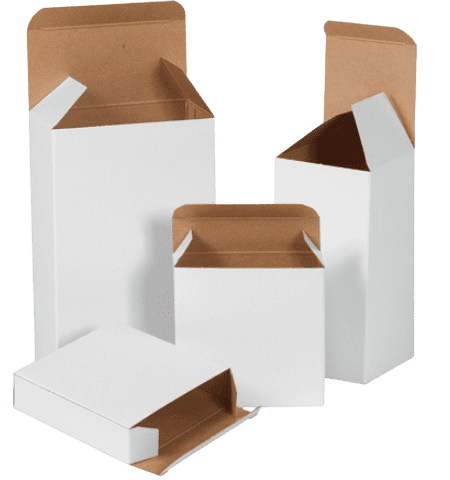
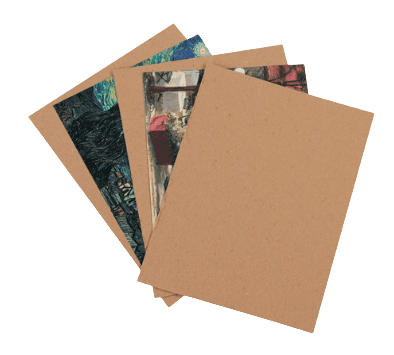
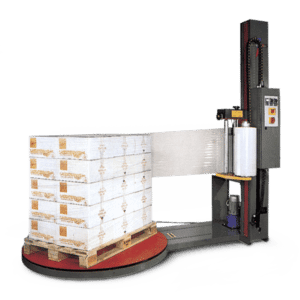
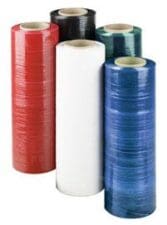
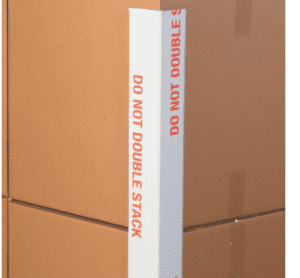
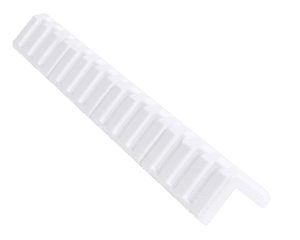
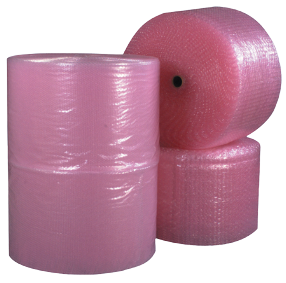
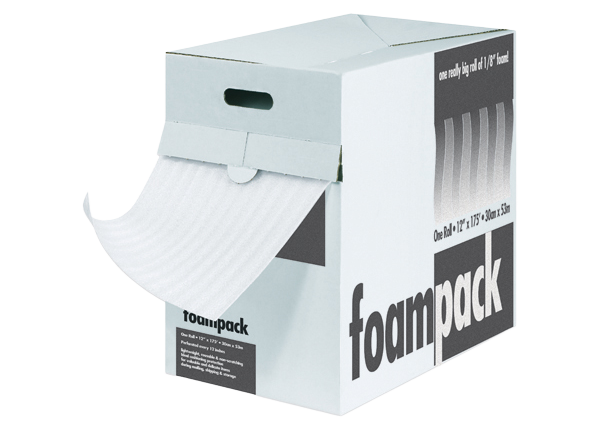
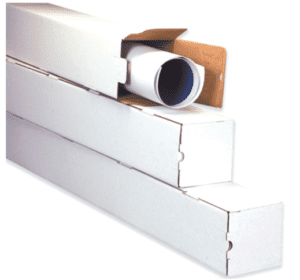
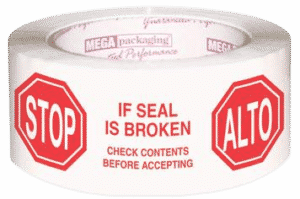
Our stock packaging products, from corrugated boxes to stretch film, offer a wide selection, including essentials like tape, edge protectors, labels, and more, with quick turnaround times to meet your packaging needs efficiently.

Edit Content
Edit Content
Folding Cartons
Pads
Apparel Boxes
Jewelry Boxes
Setup Cartons
Stationary Cartons
Edit Content
Cast Film
Blown Film
Conventional Film
Engineered Film
Pre-Stretched Film
Hand Film
Machine Film
Edit Content
Light Duty
Medium Duty
Heavy Duty
Foam
Strapping
Frame Protectors
Edit Content
Edit Content
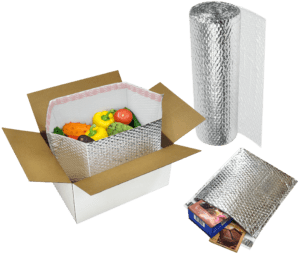
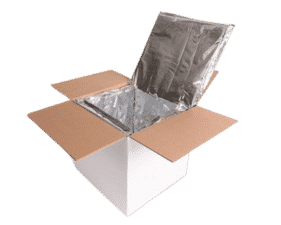
Box Liner
Metalized Pouch
Foam Cooler
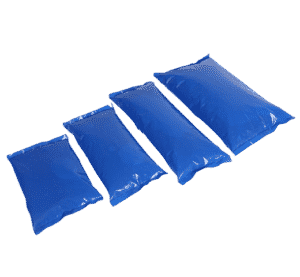
Ice Pack
Gel Pack
Edit Content
Edit Content
Edit Content
Folding Cartons
Pads
Apparel Boxes
Jewelry Boxes
Setup Cartons
Stationary Cartons
Edit Content
Cast Film
Blown Film
Conventional Film
Engineered Film
Pre-Stretched Film
Hand Film
Machine Film
Edit Content
Click on the Edit Content button to edit/add the content.
Edit Content
Edit Content
Box Liner
Metalized Pouch
Foam Cooler
Ice Pack
Gel Pack
Edit Content

If you need any assistance with your packaging or have a question, then contact us directly at request@brownpackaging.com  or  (714)300-0650. Learn more about custom packaging by reading our blog posts on new and trending topics.

Packaging
brownpackaging
How to Lower Packaging Costs Without Sacrificing Quality

Cost pressure is real—but downgrading your packaging isn’t the answer. Smart brands know that the real savings come from strategy, not shortcuts. The key is to identify areas where you’re overspending or overdesigning, and then apply targeted fixes that maintain product protection, streamline operations, and preserve your brand’s appearance. Here are six proven ways to lower packaging costs without compromising what matters. Rethink Your Materials, Not Your Message You don’t need premium substrates or specialty coatings for every box. Often, a switch in material spec delivers the same structural integrity at a better price. How to do it: Downgrade from double-wall to single-wall corrugated (if damage rates are low) Replace foam inserts with chipboard or corrugated partitions Use kraft instead of white board for internal packaging where branding isn’t visible Swap soft-touch coatings or laminates for matte aqueous or simpler finishes This preserves your customer experience while reducing waste and cost at the source. Right-Size Every SKU Oversized packaging isn’t just wasteful—it costs more in materials, freight, and void fill. Right-sizing your packaging is one of the fastest ways to cut cost across the board. How to do it: Audit your most frequently shipped SKUs and measure internal void space Consolidate sizes where possible to simplify inventory Switch to smaller mailers or die-cut cartons for low-weight products Use inserts or dividers to stabilize smaller products within tighter boxes This reduces dimensional weight and improves pallet or parcel density. Simplify Your Print Approach You can still brand your packaging without maxing out your budget. Print costs add up when you increase colors, coverage, or setup complexity. How to do it: Use 1-color or 2-color flexographic printing for basic branding Minimize print to one or two sides of the box Print inside the box instead of full exterior coverage for an affordable “wow” moment Skip unnecessary coatings, varnishes, or plate changes Simple, clean branding often looks more professional and is far more cost-effective. Reduce Labor Through Smarter Structures Packaging costs aren’t just in the materials—they’re in the assembly. If your packaging slows down fulfillment, you’re paying for it in time and wages. How to do it: Switch to auto bottom boxes, also called auto-lock, or pre-glued cartons Avoid tray-lid combinations that require excessive folding or taping Use adhesive peel-and-seal mailers to eliminate the need for tape Consider shelf-ready packaging that doubles as display This speeds up your operations and makes training packers easier—especially at scale. Increase Order Efficiency Ordering smarter often reduces cost more than ordering cheaper. How to do it: Increase volume to hit price breaks (especially on custom runs) Bundle packaging components (e.g., boxes + inserts + tape) Set up a stock-and-release program with your supplier Avoid rush jobs by forecasting further ahead A stable order flow lets suppliers optimize production—saving you money on every run. Redesign for Function First Many packaging programs are inherited, not designed. Revisiting your structure with fresh eyes can eliminate unnecessary features and uncover major savings. How to do it: Ask your packaging partner for a design review Remove features that add cost but don’t serve the product Test shipping protection levels—don’t overbuild Design for stackability, shelf fit, or automation to reduce damage and downtime Final Thoughts Lowering packaging costs doesn’t mean watering down your brand or risking product safety. It means being more intentional—about materials, size, structure, and operations. By refining your packaging setup, you can cut cost and improve performance at the same time. Need help lowering your packaging spend?We’ll help you identify where you’re overspending—and design a more efficient, better-performing solution that doesn’t cut corners. (714)300-0650 request@brownpackaging.com Most Recent Posts: Categories: Corrugated Ecommerce ESD Design Display Flexible Packaging Foam Folding Carton Packaging Plastic Packaging Pouch Printing Protection Retail Rigid Box Thermoform Sustainability Subscribe To Our Newsletter By submitting your information, you agree to our terms and conditions and privacy policy. Custom Packaging Facebook Twitter LinkedIn Pinterest Relevant Posts

Read More »
Packaging
brownpackaging
Generic vs. Custom Packaging: When to Choose Each

Packaging is more than just protection—it plays a critical role in branding, marketing, and customer perception. One of the key decisions businesses must make is whether to use generic packaging, designed for general use, or custom packaging, built for a specific product or market. Each option brings different strengths depending on your goals, budget, and buyer expectations. What is Generic Packaging? Generic packaging refers to standardized packaging formats with minimal customization. It’s typically unbranded or lightly branded, available in common sizes, and made with cost-effective materials. This makes it ideal for businesses prioritizing speed, scale, and affordability. When to Use Generic Packaging Mass-market products – Items with broad appeal like household goods or value-focused consumer products Private label and contract manufacturing – When packaging must suit multiple retailers or brand identities Cost-sensitive SKUs – Helps reduce packaging spend by avoiding custom printing, tooling, or structure eCommerce fulfillment – Generic mailers and boxes that streamline order processing and reduce shipping costs ✅ Best for: Bulk products, subscription boxes, third-party logistics, and high-volume distribution🚨 Limitations: Lacks strong branding and doesn’t enhance the customer experience What is Custom Packaging? Custom packaging is designed specifically for a product, brand, or audience. It often includes custom dimensions, structural features, branded print, premium finishes, or regulatory labeling. This approach strengthens visual identity and creates a more immersive customer experience. When to Use Custom Packaging Luxury or premium products – Elevate your brand with foil stamping, embossing, or rigid box designs Niche markets – Address the values or expectations of specific audiences (e.g., eco-conscious buyers, tech consumers) Brand-building initiatives – Create packaging that reinforces your position in the market and stands out Unboxing experiences – For direct-to-consumer brands, first impressions matter—custom packaging creates memorable moments Compliance and protection – Certain industries require labeling, tamper resistance, or special inserts to meet regulatory standards ✅ Best for: Luxury goods, health & beauty, electronics, small-batch foods, and medical packaging🚨 Limitations: Higher upfront costs, longer lead times, and greater inventory complexity How to Decide Between Generic and Custom Packaging Factor Generic Packaging Custom Packaging Cost Lower – ideal for scaling Higher – due to design, print, or tooling Branding Minimal or neutral Strong visual identity, high customization Customer Experience Functional, unremarkable Engaging and aligned with brand image Production Time Faster – uses standard templates Longer – requires design and setup Target Audience General market Specific niche or premium segment Logistics Easier storage, standardized SKUs More SKUs, variable dimensions, more planning Final Thoughts: Choosing the Right Packaging Strategy Your packaging strategy should align with your product positioning, customer expectations, and business goals. Generic packaging offers speed and cost-efficiency, while custom packaging supports differentiation, compliance, and brand value. Both can be effective—when applied strategically. Looking to create the right packaging solution for your business? Brown Packaging can help you design and source packaging that aligns with your product, brand, and market. (714)300-0650 request@brownpackaging.com Most Recent Posts: Categories: Corrugated Ecommerce ESD Design Display Flexible Packaging Foam Folding Carton Packaging Plastic Packaging Pouch Printing Protection Retail Rigid Box Thermoform Sustainability Subscribe To Our Newsletter By submitting your information, you agree to our terms and conditions and privacy policy. Custom Packaging Facebook Twitter LinkedIn Pinterest Relevant Posts

Read More »
Folding Carton
brownpackaging
Why SBS is the Preferred Material for Folding Carton Packaging

Solid Bleached Sulfate (SBS) is a premium paperboard material known for its high brightness, smooth surface, and superior printability. Made from bleached virgin wood pulp, SBS is widely used in folding carton packaging across industries such as cosmetics, pharmaceuticals, food, and luxury goods. Its clean, white appearance and structural integrity make it the preferred choice for brands that prioritize aesthetics, durability, and versatility. Key Advantages of SBS for Folding Carton Packaging Superior Print Quality and Brand Appeal SBS offers a smooth, bright white surface that enables high-quality printing, embossing, foil stamping, and other finishing effects. This makes it ideal for brands that require: Crisp graphics and sharp text for premium branding. Consistent color reproduction for high-end product packaging. Luxurious finishes that enhance shelf appeal, such as gloss, matte, and soft-touch coatings. Excellent Structural Integrity and Durability Despite being a lightweight material, SBS has excellent rigidity and strength, ensuring that cartons maintain their shape and protect products effectively. Its advantages include: Resistant to bending and tearing, making it suitable for intricate packaging designs. Ideal for die-cutting and creasing, allowing for precision in box construction. Can support various coatings and laminations for added protection. Food-Grade and FDA-Compliant SBS is widely used in food and beverage packaging due to its FDA approval for direct food contact. Its benefits for food-grade packaging include: Non-toxic and odor-free, ensuring product integrity. Compatible with moisture-resistant coatings for frozen and refrigerated products. Commonly used in bakery boxes, frozen food cartons, and beverage carriers. Versatile for Multiple Industries and Applications SBS is used across various industries due to its adaptability to different printing, finishing, and structural requirements. Common applications include: Cosmetic and personal care packaging (perfume boxes, skincare cartons). Pharmaceutical packaging (medicine cartons, blister pack sleeves). Luxury packaging (premium gift boxes, chocolate cartons). Retail and consumer goods packaging (electronics, toys, and apparel boxes). How SBS Compares to Other Paperboard Materials Feature SBS (Solid Bleached Sulfate) Coated Unbleached Kraft Coated Recycled Board Appearance Bright white, smooth surface Natural brown, rustic look Grayish tone, rougher texture Printability Excellent for high-end graphics Less vibrant than SBS Limited due to uneven surface Strength & Rigidity Strong, holds shape well More durable for heavier products Moderate strength, less rigid Sustainability Virgin pulp, recyclable Recyclable, higher sustainability Recycled content, eco-friendly Best For Cosmetics, pharmaceuticals, luxury goods Beverage carriers, durable boxes Budget-friendly, mass-market packaging When to Choose SBS for Folding Cartons SBS is the best choice when premium branding, structural integrity, and high-quality printing are essential. Consider SBS if: You require sharp graphics and high-end finishing options. Your product needs rigid, reliable protection. You’re in an industry where appearance and consumer perception are critical (luxury goods, cosmetics, pharmaceuticals, specialty food). Final Thoughts: SBS as the Top Folding Carton Material SBS is the preferred material for brands looking for premium printability, durability, and versatility in folding carton packaging. Its bright white appearance, superior printing capabilities, and adaptability make it the ideal solution for businesses prioritizing brand image and high-quality packaging. Need high-quality folding carton packaging? Contact Brown Packaging today to explore the best SBS solutions for your business! (714)300-0650 request@brownpackaging.com Most Recent Posts: Categories: Corrugated Ecommerce ESD Design Display Flexible Packaging Foam Folding Carton Packaging Plastic Packaging Pouch Printing Protection Retail Rigid Box Thermoform Sustainability Subscribe To Our Newsletter By submitting your information, you agree to our terms and conditions and privacy policy. Folding Carton Facebook Twitter LinkedIn Pinterest Relevant Posts

Read More »