




Stock Packaging
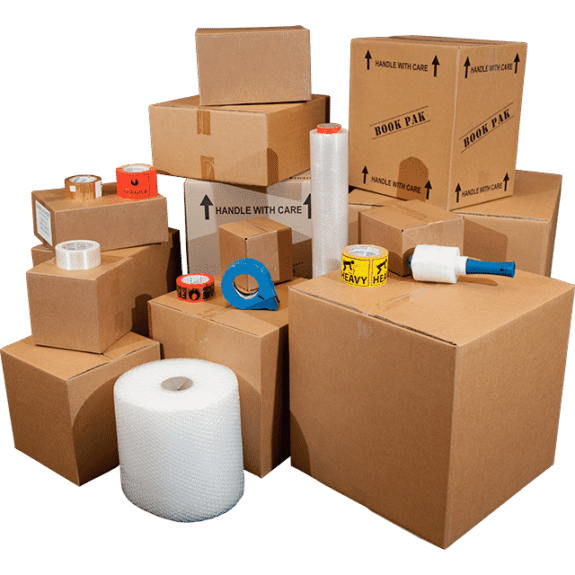
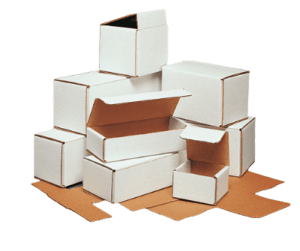
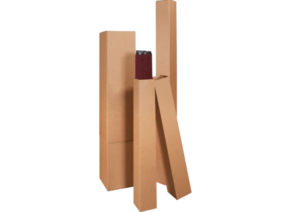
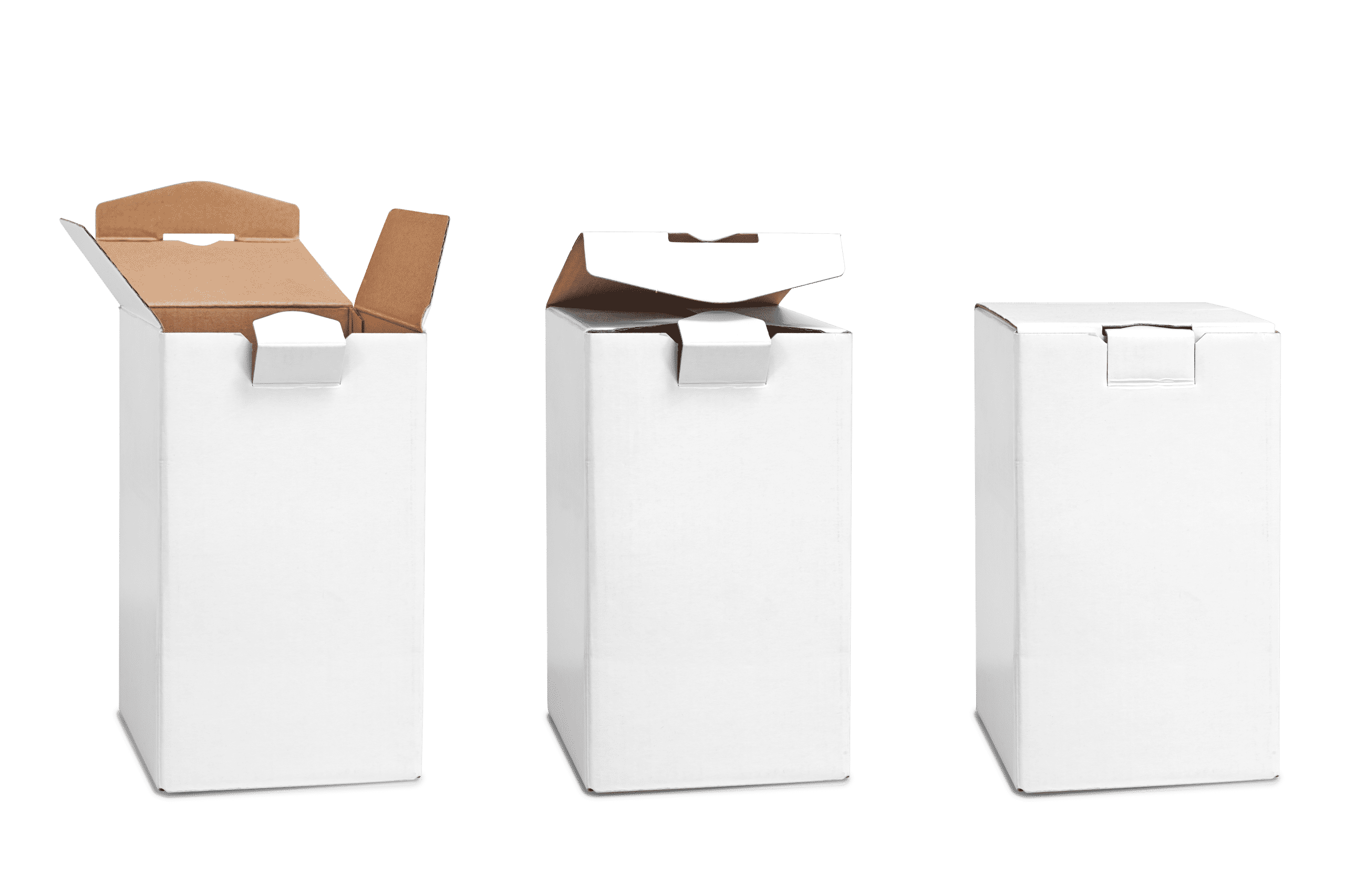
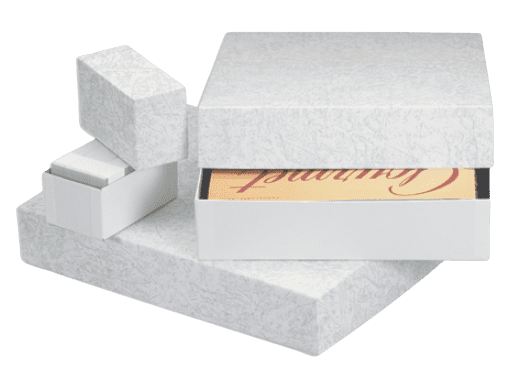
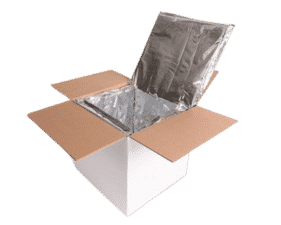
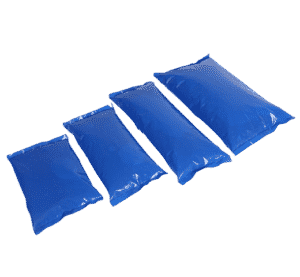
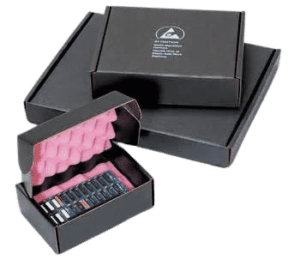
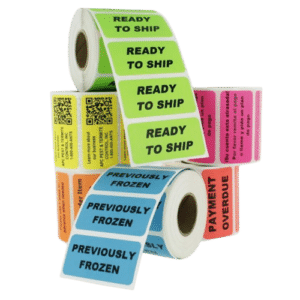
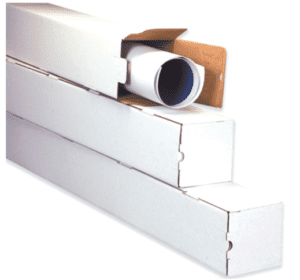
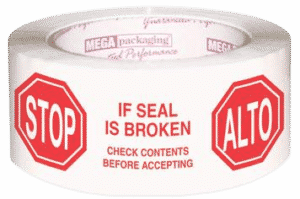
We supply businesses with a wide selection of essential packaging, shipping, and warehouse supplies. Get any standard packaging product by dimension or style from boxes, tubes, tapes, labels, and more. If you are unsure on what type of packaging you will need, then contact us for an expert consultation.


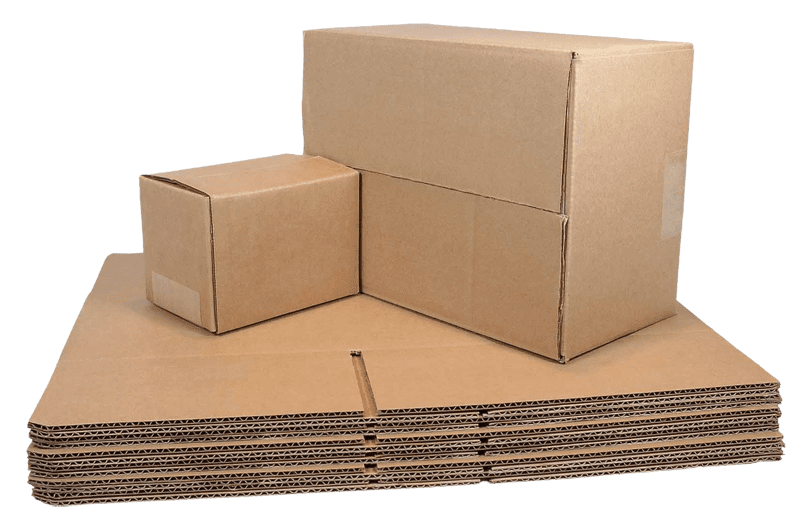
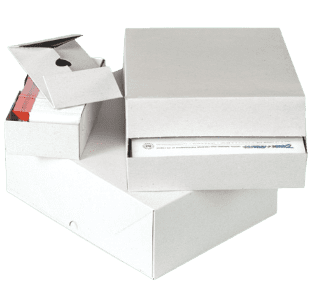
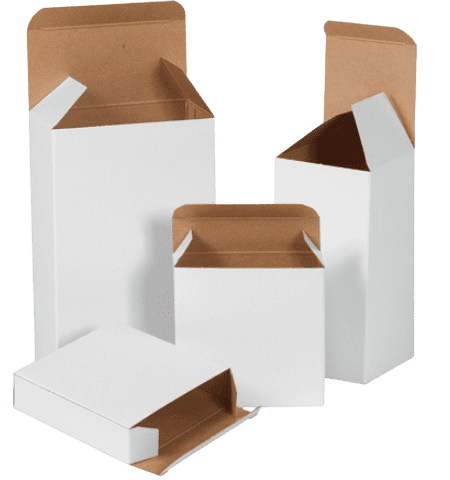
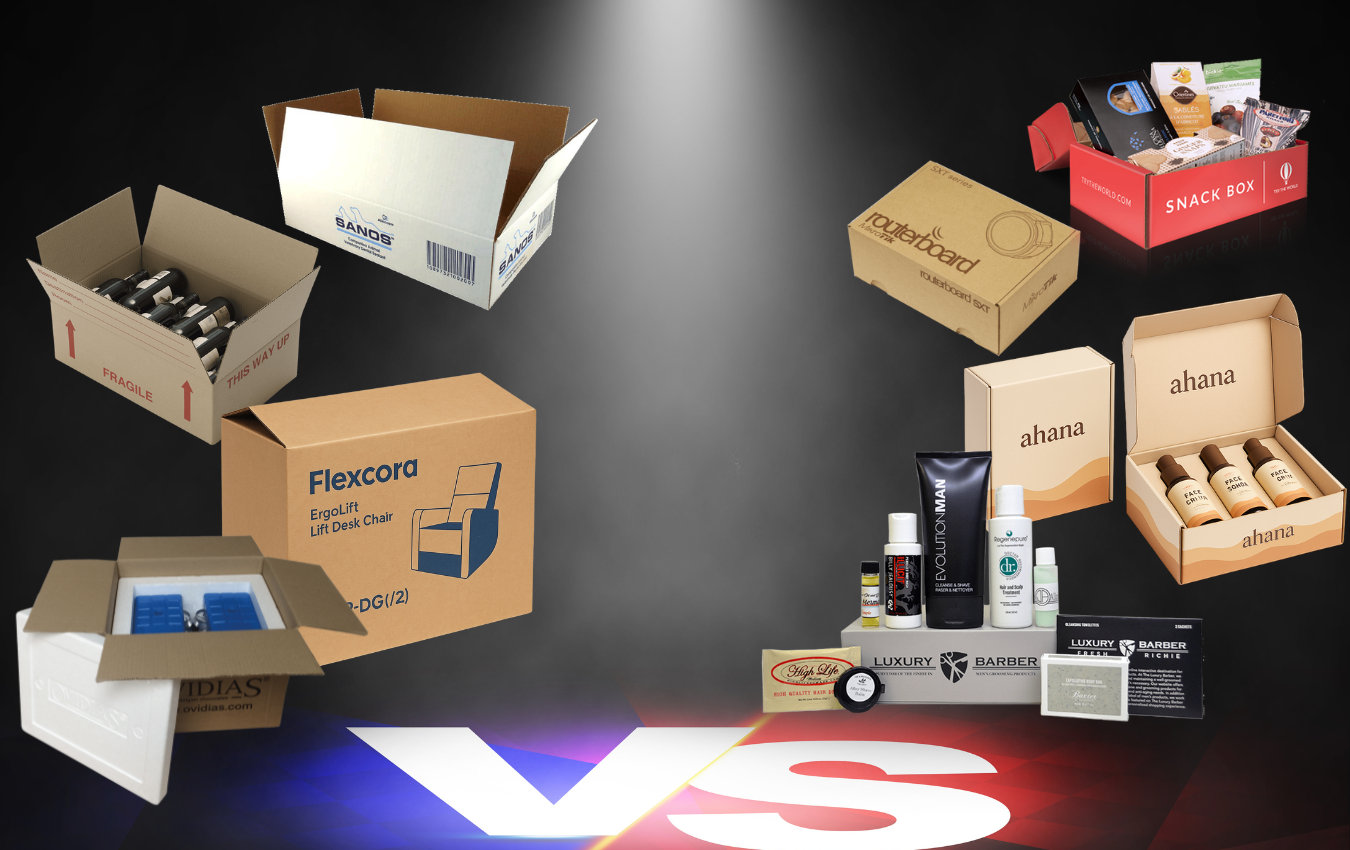
Stock packaging refers to pre-made, ready-to-ship packaging solutions like corrugated boxes, mailers, and protective materials that are designed to meet a wide range of standard needs across shipping, retail, and storage. Unlike custom packaging, stock options offer quick availability and reliable protection without the need for extensive design or production time, making them ideal for businesses needing efficient, high-quality solutions with fast lead times.
At Brown Packaging, we focus on providing durable, performance-driven stock packaging that supports our clients’ operational needs. Our stock products are sourced to ensure consistent quality and cost-effectiveness, offering a practical solution to keep operations running smoothly and on schedule. With an emphasis on reliability, we help our clients quickly access packaging solutions that meet their specific needs while maintaining quality across every order.
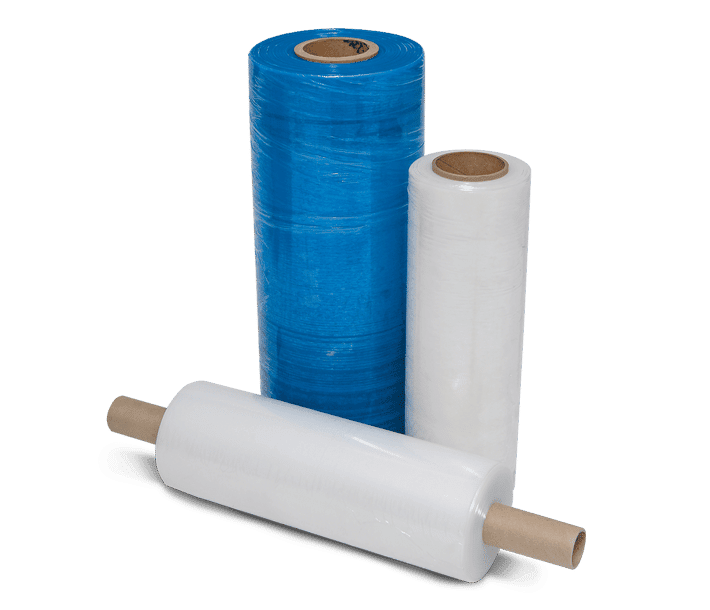
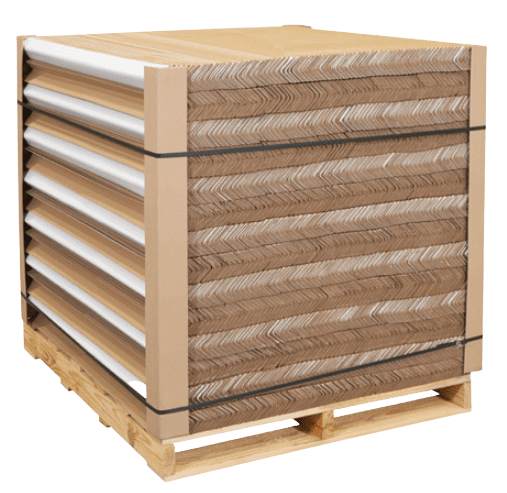
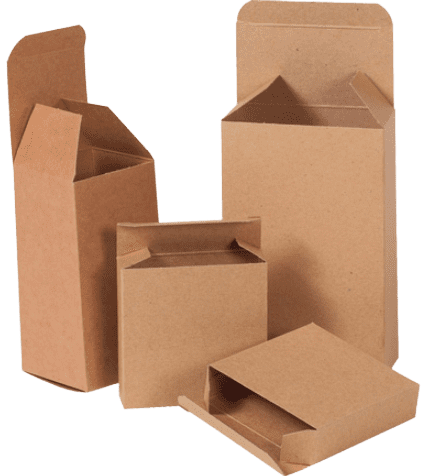
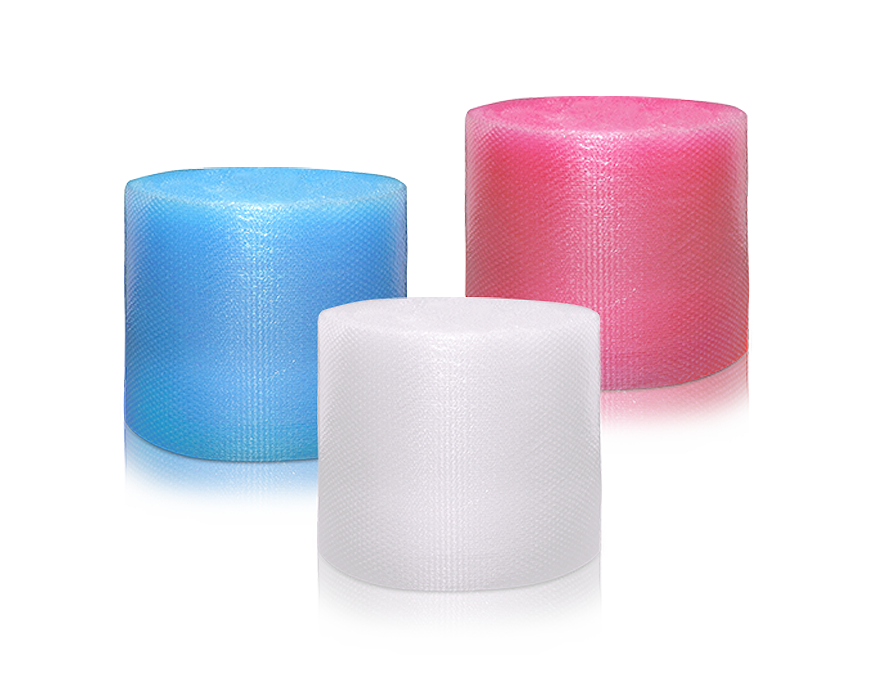
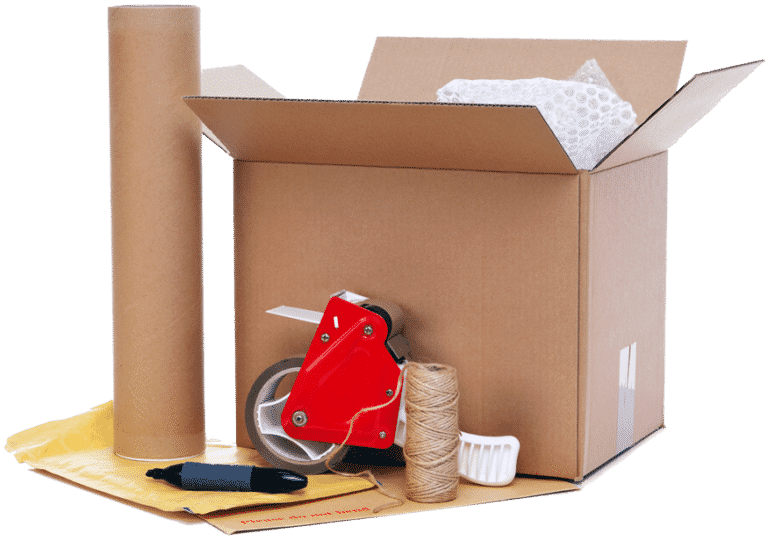
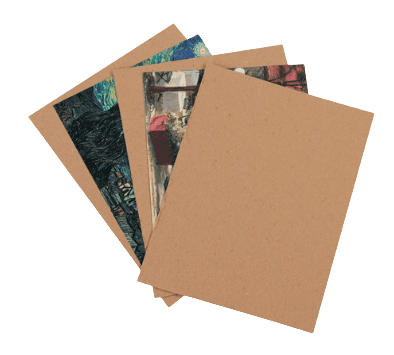
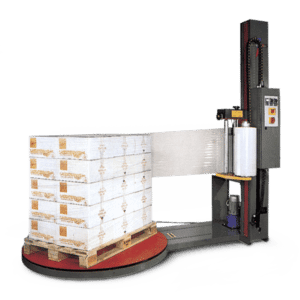
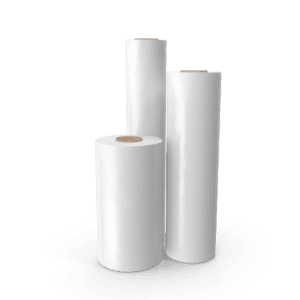
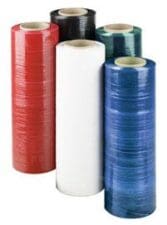
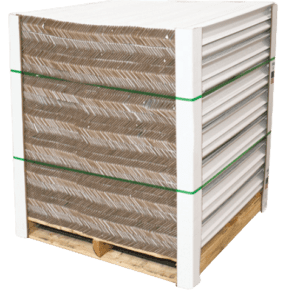
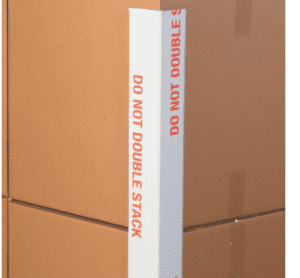
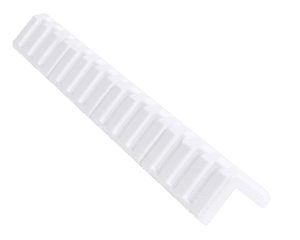
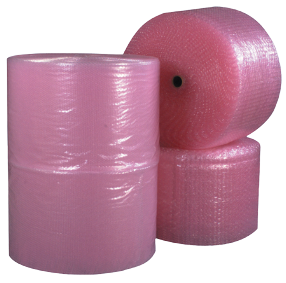
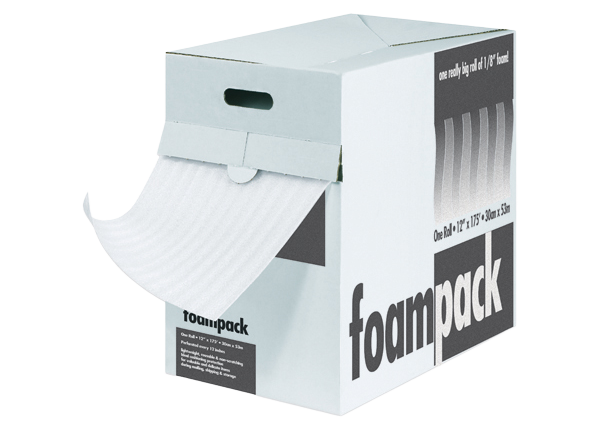
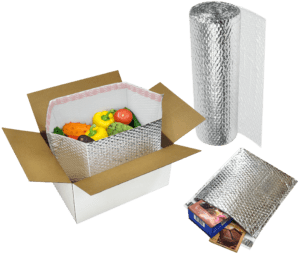
Our stock packaging products, from corrugated boxes to stretch film, offer a wide selection, including essentials like tape, edge protectors, labels, and more, with quick turnaround times to meet your packaging needs efficiently.


If you need any assistance with your packaging or have a question, then contact us directly at request@brownpackaging.com or (714)300-0650. Learn more about custom packaging by reading our blog posts on new and trending topics.

Managing packaging for your business is more than just ordering boxes and labels—it’s about sourcing the right materials, coordinating timelines, ensuring quality, and staying aligned with branding and compliance standards. For many buyers, this means juggling relationships with multiple manufacturers for items like corrugated boxes, folding cartons, mailers, tapes, pouches, and displays. But there’s a smarter, more efficient way: working with a single, full-service packaging distributor. Here’s why consolidating your packaging supply chain under one expert partner isn’t just more convenient—it can seriously improve your results. Simplified Project Management Dealing with multiple vendors often means repeating conversations, managing disconnected timelines, and trying to align different production capabilities. A packaging distributor serves as your central point of contact, coordinating every component of your project—from sampling and quoting to delivery and fulfillment. ✔ One contact for all packaging products ✔ Less back-and-forth communication ✔ No gaps between structural design and production ✔ Clear accountability from start to finish Faster Timelines and Better Coordination When you work with multiple manufacturers, each one operates on their own schedule. If your folding cartons are delayed, but your rigid boxes ship early, your entire packaging launch suffers. A distributor ensures that everything is timed to arrive together, preventing slowdowns and misalignment. ✔ Synchronized production timelines ✔ Coordinated delivery and inventory planning ✔ Streamlined launches for multi-component packaging ✔ Improved speed to market Greater Flexibility Across Packaging Types Manufacturers typically specialize in one category—like corrugated, folding cartons, or flexible packaging. But your brand needs more than that. A distributor gives you access to a wide range of packaging formats and materials without having to build separate relationships for each one. ✔ Corrugated boxes, pouches, mailers, displays, and more ✔ One partner for stock and custom packaging ✔ Flexibility to scale or adjust based on product changes ✔ Support across retail, e-commerce, and promotional needs Cost and Volume Optimization Distributors work across hundreds of vendors and manufacturers, which means they can leverage volume buying, negotiate better pricing, and combine orders to keep your costs down. You’re not locked into one manufacturer’s pricing or volume limitations—your distributor finds the best fit. ✔ Access to competitive pricing through volume ✔ Lower MOQs through consolidated buying ✔ Cost savings on bundled services (design, testing, fulfillment) ✔ Custom sourcing based on your budget and goals Customization with Consistency When you’re managing structural design through one vendor, printing with another, and labeling elsewhere, it’s easy to lose brand consistency. A distributor helps ensure that every element of your packaging is aligned—visually and structurally—because it’s all being managed under one roof. ✔ Unified branding across all packaging types ✔ Color-matching and layout alignment ✔ Accurate sizing across inserts, boxes, and displays ✔ One design file applied across multiple formats Support with Compliance, Sustainability, and Retail Requirements Retailers, distributors, and regulators all have packaging requirements—and those can be hard to manage when you’re dealing with multiple suppliers who may not understand your industry. A packaging distributor understands the bigger picture and helps ensure all products meet the same standards. ✔ Knowledge of FDA, USDA, and retailer-specific requirements ✔ Recommendations for recyclable, compostable, and eco-friendly options ✔ Retail-ready display coordination (Target, Costco, Walmart, etc.) ✔ Accurate barcoding, labeling, and structural compliance Scalability and Long-Term Partnership As your business grows, your packaging needs evolve. A manufacturer may only serve one niche, but a distributor can scale with you—offering more product options, faster turnarounds, and additional services like fulfillment, packout, and logistics. ✔ Easy to add new SKUs or packaging formats ✔ Long-term consistency across growing product lines ✔ Ongoing optimization of cost, materials, and design ✔ Built-in support for larger retail rollouts or DTC expansion Final Thoughts Working with multiple packaging manufacturers might seem like a way to shop around—but in reality, it adds unnecessary complexity and cost to your process. A trusted packaging distributor gives you efficiency, control, and scalability, all while helping you get better results with fewer headaches. Looking to simplify your packaging supply chain? We’ll help you manage every detail—from sourcing and design to delivery—so you can focus on growing your business. (714)300-0650 request@brownpackaging.com Most Recent Posts: Categories: Corrugated Ecommerce ESD Design Display Flexible Packaging Foam Folding Carton Packaging Plastic Packaging Pouch Printing Protection Retail Rigid Box Thermoform Sustainability Subscribe To Our Newsletter By submitting your information, you agree to our terms and conditions and privacy policy. Custom Packaging Facebook Twitter LinkedIn Pinterest Relevant Posts

When it comes to packaging, cutting costs doesn’t mean cutting corners. The most cost-effective packaging solutions are those that balance performance, simplicity, and scalability. Whether you’re shipping direct-to-consumer, distributing through retail, or moving industrial product in bulk, your packaging should protect your product, support your brand, and save you money at scale. Here are some of the most cost-effective packaging products—and why they’re worth considering. Corrugated Boxes Why it’s cost-effective:Corrugated boxes are one of the most affordable and versatile options for shipping and storage. They’re lightweight, recyclable, and available in a wide range of sizes and strengths. Standard box styles like RSC (Regular Slotted Containers) keep production costs low and lead times fast. Best for: E-commerce shipping Industrial parts Retail master packs Folding Cartons Why it’s cost-effective:Folding cartons use less material than rigid boxes, collapse flat for efficient shipping, and run easily through automated packing lines. They’re ideal for low to mid-weight items and are highly customizable for retail. Best for: Food, beverage, and supplements Cosmetics and personal care Pharmaceuticals Poly Mailers Why it’s cost-effective:For soft goods or items that don’t require structural protection, poly mailers are inexpensive and lightweight. They also help reduce dimensional shipping weight, saving money in both materials and freight. Best for: Apparel and textiles Accessories DTC shipping Roll Stock (Flexible Film) Why it’s cost-effective:Roll stock is efficient for high-volume production and automated packaging environments. It’s commonly used for pouches, snack packs, and sachets. By forming packaging on demand, it reduces waste and speeds up fulfillment. Best for: Snacks and dry goods Single-serve products Promotional sample packs Kraft Paper and Fill Why it’s cost-effective:Kraft paper and void fill are low-cost ways to protect products inside a box without using foam or molded inserts. Paper-based solutions are recyclable and easy to source. Best for: Light cushioning and bracing Eco-conscious shipping Variable product sizes Die-Cut Inserts (Chipboard or Corrugated) Why it’s cost-effective:Custom inserts made from chipboard or corrugated reduce product movement in transit and eliminate the need for bubble wrap or expensive molded foam. They also improve unboxing and reduce returns from damage. Best for: Multipacks Fragile or breakable items E-commerce kits Bulk Packaging & Pallet Solutions Why it’s cost-effective:For large or industrial products, bulk corrugated bins, Gaylord boxes, and edge protectors reduce labor and material use. These solutions are reusable and help consolidate shipments. Best for: Industrial and automotive parts Warehouse-to-warehouse movement Heavy or oversized loads Final Thoughts Cost-effective packaging isn’t about going cheap—it’s about using the right material, structure, and design for your product and distribution channel. With smart packaging choices, you can reduce freight, simplify fulfillment, and protect your margins without sacrificing quality. Want help building a cost-effective packaging solution?We’ll help you identify the most efficient products for your needs—whether it’s simple shippers, optimized inserts, or custom print-on-demand solutions. (714)300-0650 request@brownpackaging.com Most Recent Posts: Categories: Corrugated Ecommerce ESD Design Display Flexible Packaging Foam Folding Carton Packaging Plastic Packaging Pouch Printing Protection Retail Rigid Box Thermoform Sustainability Subscribe To Our Newsletter By submitting your information, you agree to our terms and conditions and privacy policy. Custom Packaging Facebook Twitter LinkedIn Pinterest Relevant Posts

Your customers are constantly giving you clues—through reviews, support tickets, returns, and even social media posts. If you’re listening closely, you’ll find that consumer feedback offers some of the most valuable insight for improving your packaging. Whether it’s complaints about difficult openings, praise for branding, or confusion over labeling, feedback gives you a roadmap to refine how your packaging looks, feels, and performs. Here’s how to take that feedback and translate it into smart, impactful packaging upgrades. Identify the Right Feedback Channels Start by gathering feedback from multiple sources, not just one review site. Look at: Product reviews on your website or marketplaces Customer service complaints or return reasons Social media comments and tagged posts Survey responses or post-purchase follow-ups Unboxing content (YouTube, TikTok, Instagram) Patterns will emerge—maybe people love your branding but hate the tape, or maybe they’re confused about what’s recyclable. The most common themes are often the most urgent opportunities. Categorize Feedback Into Packaging Functions Group comments into categories to make analysis easier: Structural Issues (box damage, hard to open, poor fit) Protection (product arrives broken, loose in box, no cushioning) Aesthetics (boring design, unclear branding, inconsistent colors) Sustainability (too much material, non-recyclable, greenwashing concerns) Informational (unclear labels, missing instructions, confusing claims) This helps you prioritize: for example, protection and functionality should be addressed before aesthetics. Use Insights to Guide Design Improvements Once you know what needs work, here’s how to apply it: If products are shifting in transit → consider custom inserts or right-sized boxes If boxes are getting crushed → upgrade to stronger board grades or better fluting If customers struggle to open boxes → rethink the closure mechanism or add easy-tear strips If labels are unclear → work with your designer on cleaner hierarchy and compliant information If you’re getting sustainability pushback → explore recyclable, paper-based alternatives These changes don’t have to be dramatic. Even small updates based on customer input can make a major impact on satisfaction and repeat purchase. Test Improvements With Your Audience If you’re considering a new structure, insert, or material, roll it out to a test group or limited SKU first. Then follow up with: Direct surveys asking what they noticed A/B testing packaging variants in e-commerce Tracking returns, complaints, or shipping damage before and after the update This helps you verify whether the changes are actually solving the problems—before applying them at scale. Close the Loop With Your Customers When you improve packaging based on feedback, tell people. It builds loyalty and shows your brand listens. Examples: “New easy-open design based on your reviews.” “Now 100% recyclable thanks to your input.” “Improved protection to prevent transit damage—just like you asked.” Customers love knowing their voice matters—and packaging updates are a great way to prove it. Final Thoughts Great packaging isn’t just designed—it’s refined through experience and feedback. By paying attention to what your customers say (and don’t say), you can build packaging that performs better, tells your brand story more clearly, and keeps customers coming back. Need help turning your customer feedback into better packaging?We’ll help you review real comments, audit your current packaging, and deliver a solution that checks all the boxes—yours and theirs. (714)300-0650 request@brownpackaging.com Most Recent Posts: Categories: Corrugated Ecommerce ESD Design Display Flexible Packaging Foam Folding Carton Packaging Plastic Packaging Pouch Printing Protection Retail Rigid Box Thermoform Sustainability Subscribe To Our Newsletter By submitting your information, you agree to our terms and conditions and privacy policy. Custom Packaging Facebook Twitter LinkedIn Pinterest Relevant Posts