





window.uetq = window.uetq || []; window.uetq.push(‘event’, ‘submit_lead_form’,{ event_label:‘SUBMIT MESSAGE’ }); window.lintrk('track', { conversion_id: 10271009 }); window.lintrk('track', { conversion_id: 10271017 });

Stock Packaging

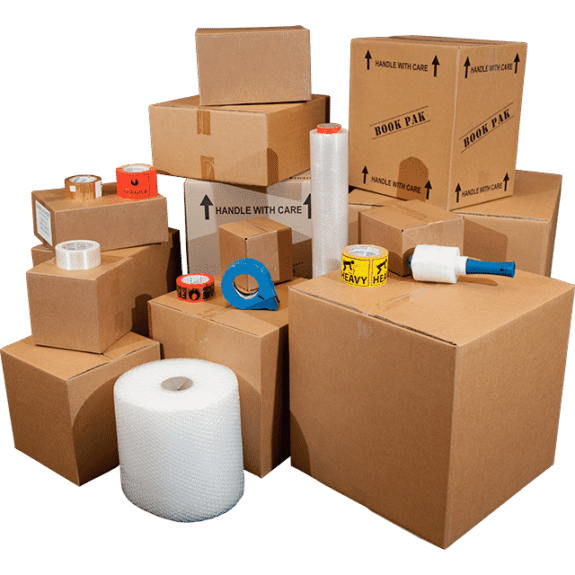
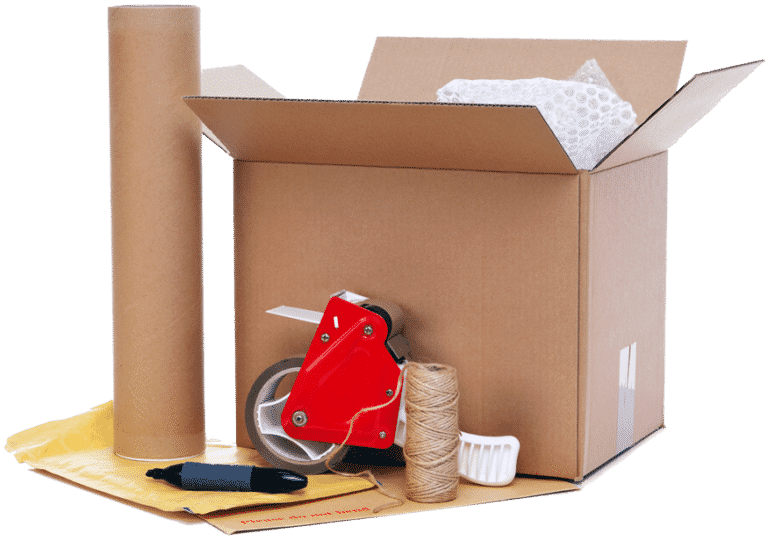
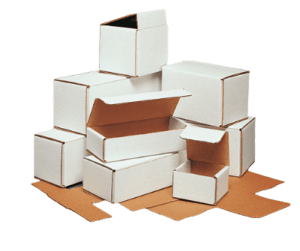
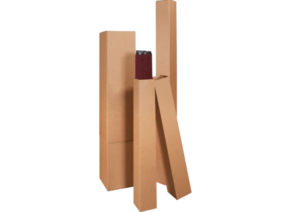
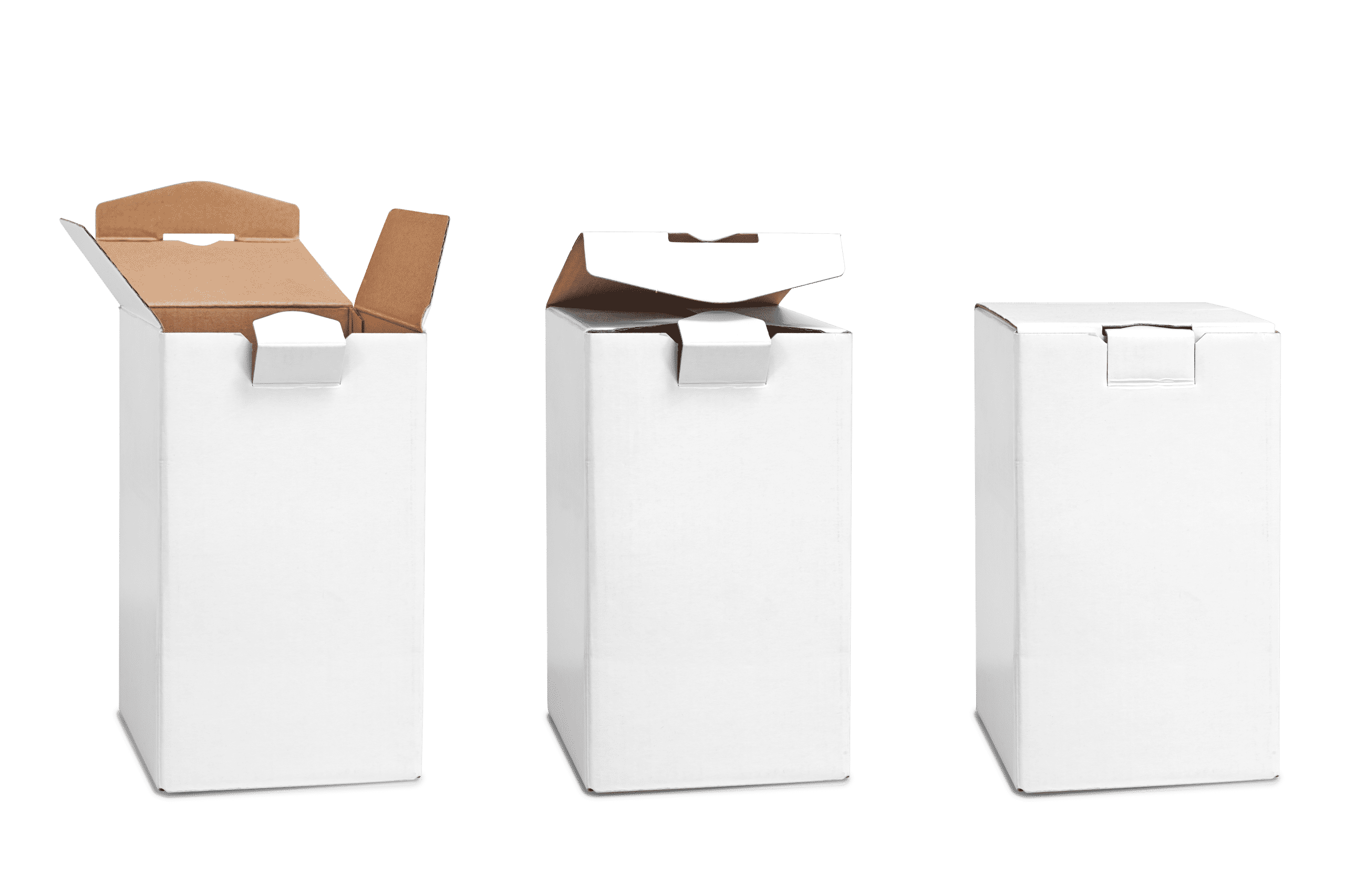
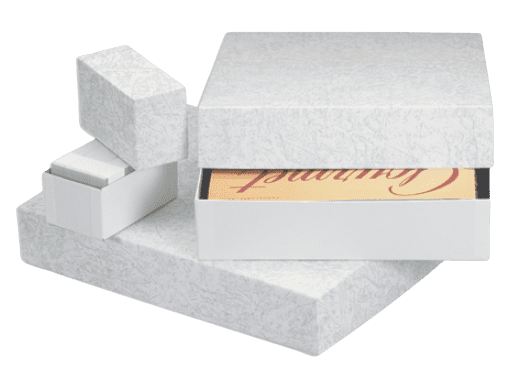
We supply businesses with a wide selection of essential packaging, shipping, and warehouse supplies. Get any standard packaging product by dimension or style from boxes, tubes, tapes, labels, and more. If you are unsure on what type of packaging you will need, then contact us for an expert consultation.


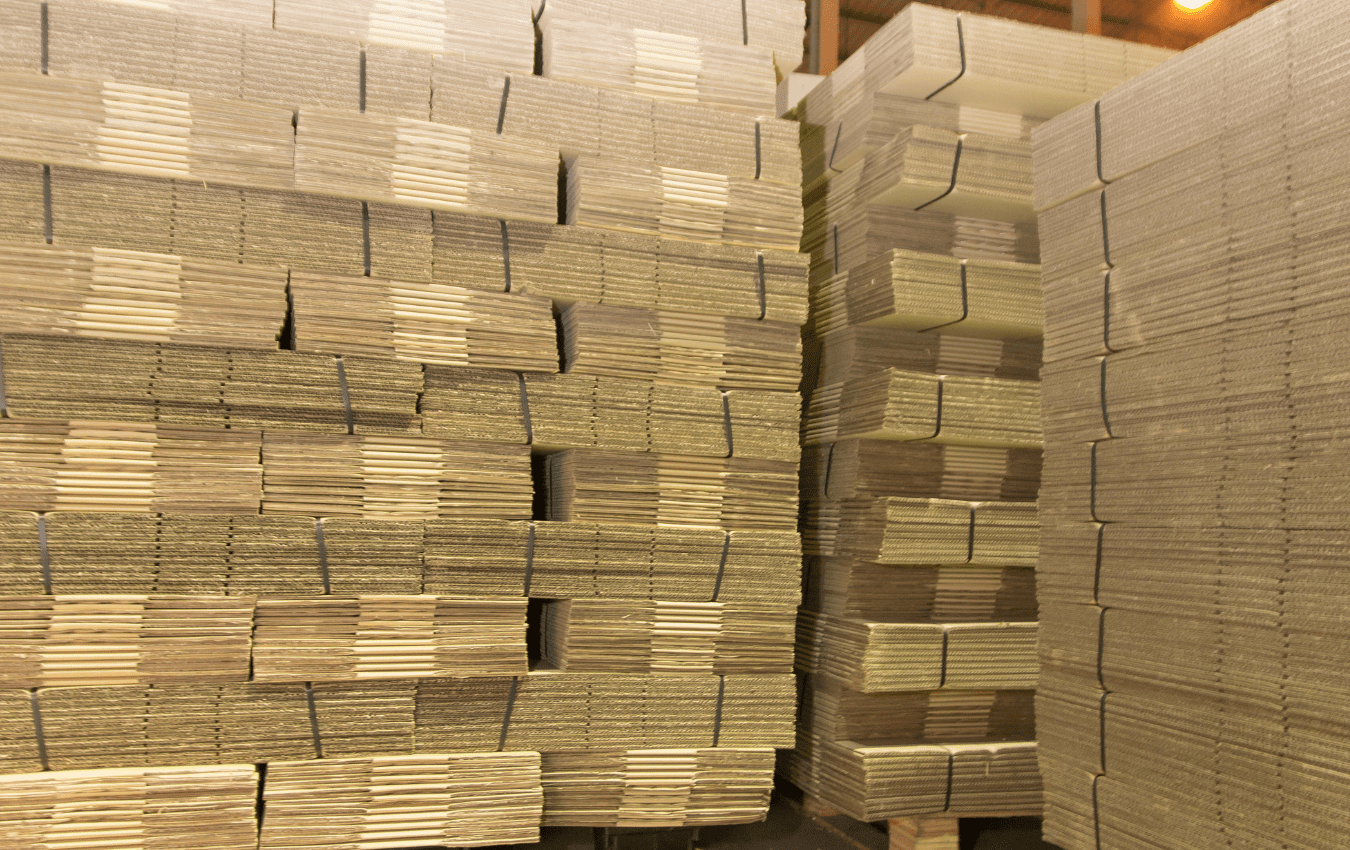
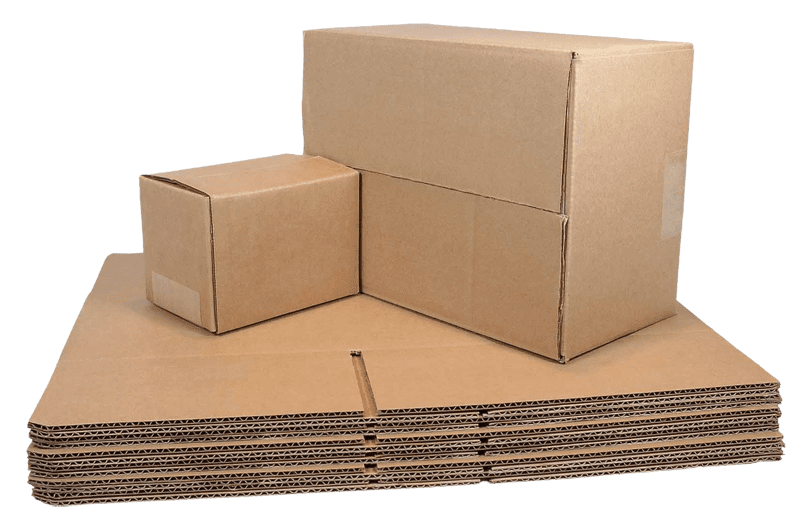
Stock packaging refers to pre-made, ready-to-ship packaging solutions like corrugated boxes, mailers, and protective materials that are designed to meet a wide range of standard needs across shipping, retail, and storage. Unlike custom packaging, stock options offer quick availability and reliable protection without the need for extensive design or production time, making them ideal for businesses needing efficient, high-quality solutions with fast lead times.

At Brown Packaging, we focus on providing durable, performance-driven stock packaging that supports our clients’ operational needs. Our stock products are sourced to ensure consistent quality and cost-effectiveness, offering a practical solution to keep operations running smoothly and on schedule. With an emphasis on reliability, we help our clients quickly access packaging solutions that meet their specific needs while maintaining quality across every order.

stock packaging products

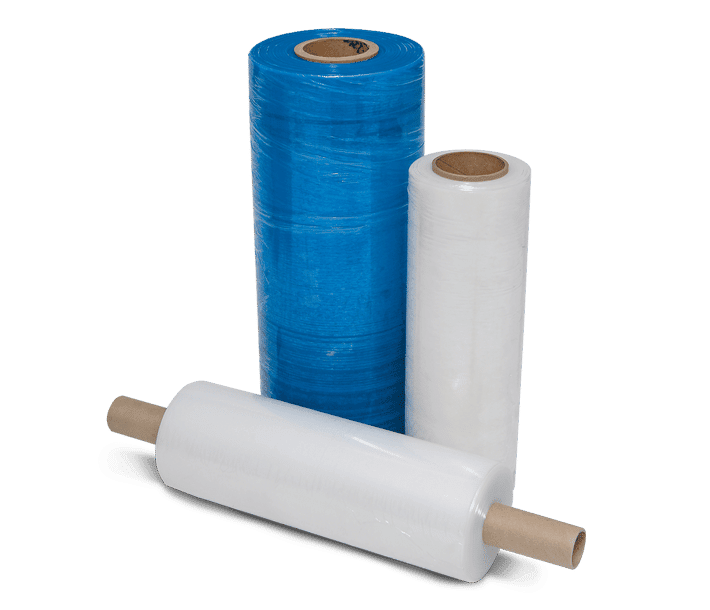
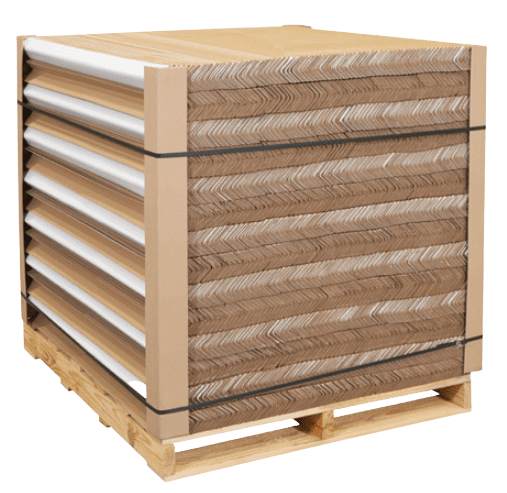
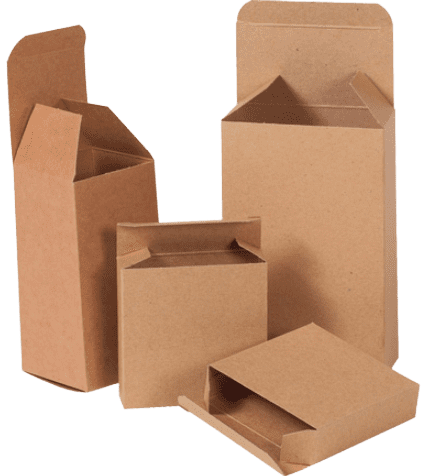
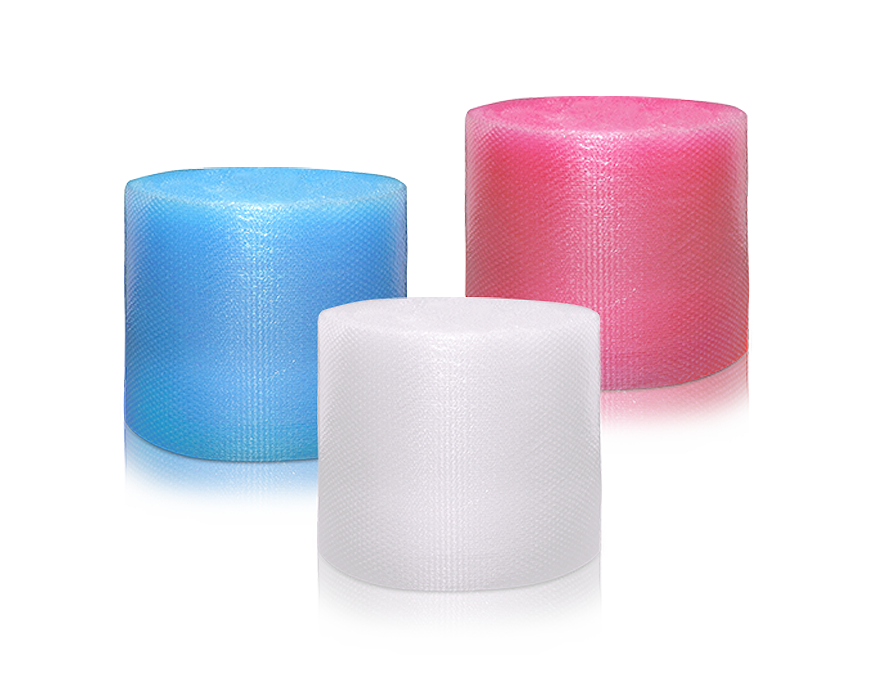
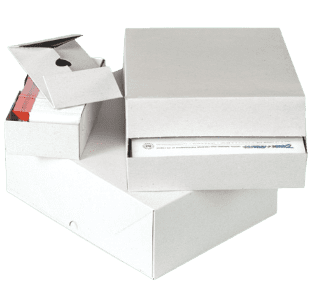
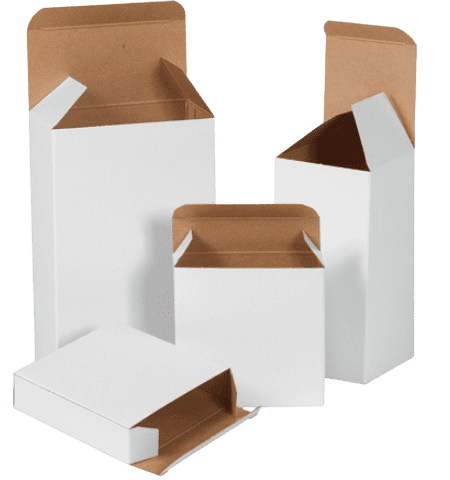
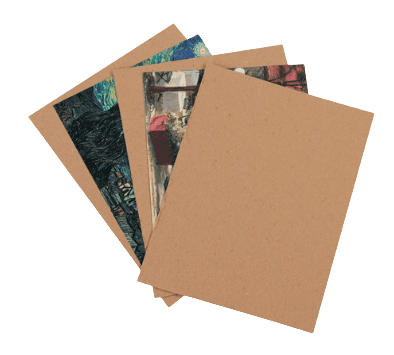
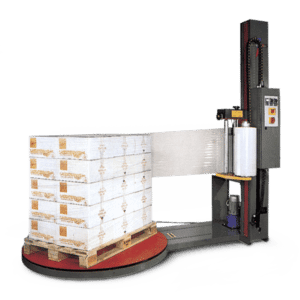
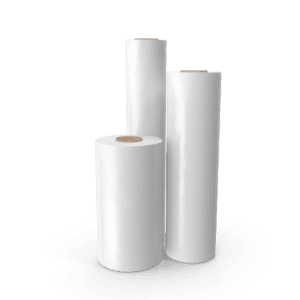
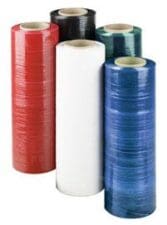
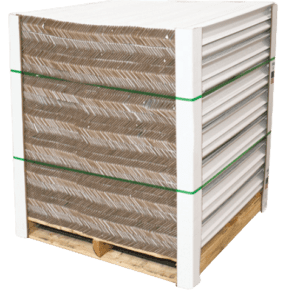
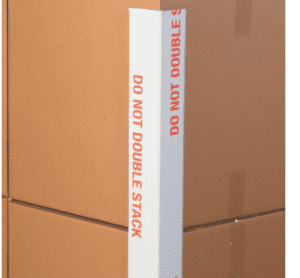
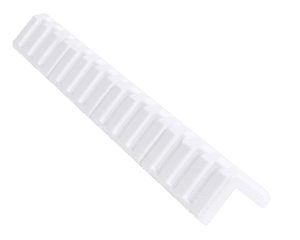
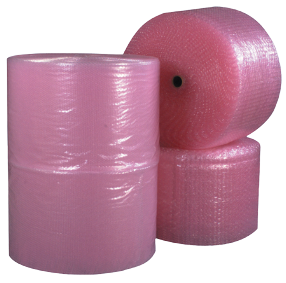
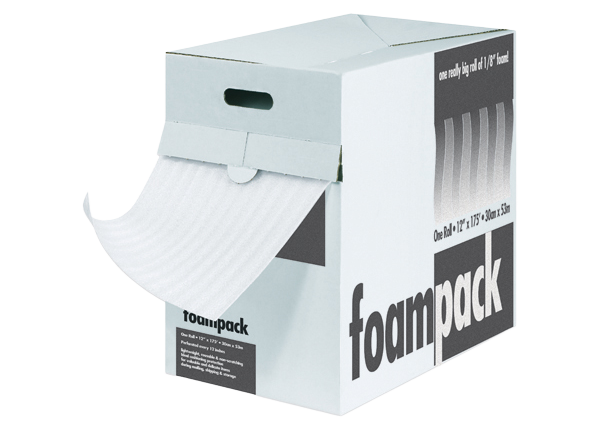
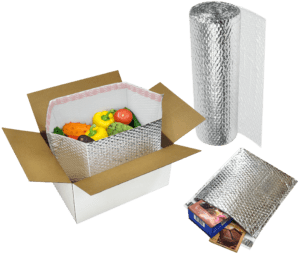
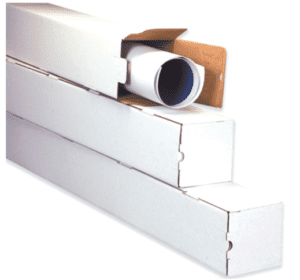
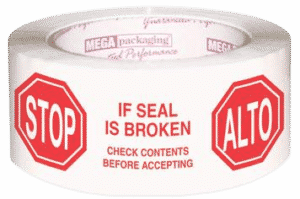
Our stock packaging products, from corrugated boxes to stretch film, offer a wide selection, including essentials like tape, edge protectors, labels, and more, with quick turnaround times to meet your packaging needs efficiently.

Edit Content
Edit Content
Folding Cartons
Pads
Apparel Boxes
Jewelry Boxes
Setup Cartons
Stationary Cartons
Edit Content
Cast Film
Blown Film
Conventional Film
Engineered Film
Pre-Stretched Film
Hand Film
Machine Film
Edit Content
Light Duty
Medium Duty
Heavy Duty
Foam
Strapping
Frame Protectors
Edit Content
Edit Content
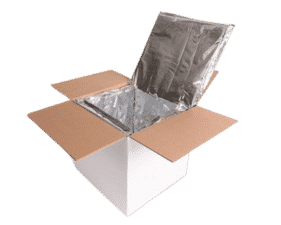
Box Liner
Metalized Pouch
Foam Cooler
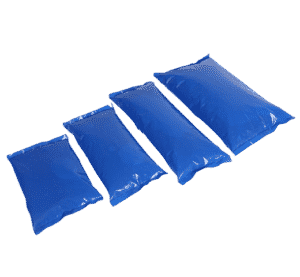
Ice Pack
Gel Pack
Edit Content
Edit Content
Edit Content
Folding Cartons
Pads
Apparel Boxes
Jewelry Boxes
Setup Cartons
Stationary Cartons
Edit Content
Cast Film
Blown Film
Conventional Film
Engineered Film
Pre-Stretched Film
Hand Film
Machine Film
Edit Content
Click on the Edit Content button to edit/add the content.
Edit Content
Edit Content
Box Liner
Metalized Pouch
Foam Cooler
Ice Pack
Gel Pack
Edit Content

If you need any assistance with your packaging or have a question, then contact us directly at request@brownpackaging.com  or  (714)300-0650. Learn more about custom packaging by reading our blog posts on new and trending topics.

medical corrugated tuck top mailer box
Printing
brownpackaging
Digital vs. Flexo Print: Which Should You Choose?

When customizing packaging with logos, brand colors, or designs to enhance product appeal and branding, choosing the right printing technique is crucial. Today’s technology offers several options, each suited to different needs based on budget, volume, and quality requirements. In this guide, we will delve into two popular printing methods—digital and flexographic printing—to help you determine the best option for your packaging needs. Understanding the Complexity of Custom Packaging Custom packaging, which can include boxes, pouches, labels, and cartons, is tailored specifically with unique structures, graphics, materials, and features. Unlike standard products, custom packages require considerable time, planning, effort, and investment, providing significant advantages in product protection, efficiency, and marketability. Digital Printing: Efficiency and Flexibility Digital printing is a modern technique that transfers a digital-based image directly onto the packaging material using advanced printers. This method is ideal for quick turnaround projects due to its minimal setup requirements. Advantages of Digital Printing: Quick Setup: No need for plates or prolonged setup times, making it perfect for tight deadlines. Cost-Effectiveness for Short Runs: Although the cost per unit is higher, the low initial investment makes digital printing cost-effective for small, customized orders. High-Quality Prints: Digital printers can produce detailed, vibrant prints suitable for complex designs and small text. Flexibility: Changes to the artwork or design can be made quickly and inexpensively, allowing for frequent updates and iterations. Ideal Use Cases for Digital Printing: Short runs or low volume orders. Projects requiring high detail and print quality. Customization for limited editions or personalized packaging. Prototypes and samples where frequent modifications are expected. Flexographic Printing: Traditional and Economical Flexographic printing, or flexo, is a more traditional form of printing that involves the use of rubber or plastic plates to apply ink to the packaging material. This method is favored for its efficiency in high-volume production runs. Advantages of Flexographic Printing: Economical for Large Volumes: High initial setup costs are offset by lower costs per unit, making flexo printing cost-effective for large runs. Speed: Once the setup is complete, flexo printing can produce large quantities rapidly. Color Accuracy: Flexo is excellent for projects requiring precise color matching, using GCMI or PMS colors to ensure brand consistency. Ideal Use Cases for Flexographic Printing: High-volume printing where the design does not change frequently. Projects that require exact color specifications. Long-term printing needs where the initial investment in plates can be amortized over time. Making the Right Choice The decision between digital and flexo printing depends on several factors: Volume: Digital printing is more suitable for smaller quantities, while flexo printing is cost-effective for larger runs. Complexity of Design: Digital printing handles complex images and variable data printing more efficiently. Color Accuracy: If exact color matching is critical, flexo printing is the preferred choice. Budget Constraints: Consider the upfront costs associated with flexo printing versus the potentially higher per-unit costs of digital printing for small runs. Choosing between digital and flexo printing for your packaging needs involves weighing the specifics of your project against the strengths of each printing method. For rapid, highly customizable small runs, digital printing offers flexibility and speed. For larger, consistent runs where color accuracy and cost efficiency are paramount, flexo printing provides an effective solution. By carefully considering your project’s requirements, you can select the printing technology that best aligns with your operational goals and budget. If you are interested in flexo or digital print custom packaging, then contact Brown Packaging today to get started. (714)300-0650 request@brownpackaging.com Most Recent Posts: Categories: Corrugated Folding Carton Display Packaging Rigid Box Subscribe To Our Newsletter By submitting your information, you agree to our terms and conditions and privacy policy. Custom Packaging Facebook Twitter LinkedIn Pinterest Relevant Posts

Read More »
Custom-Floor-Display With Packaged Bottles and labels
Corrugated
brownpackaging
9 Different Types of Corrugated Retail POP Displays

Retail point of purchase (POP) displays are essential tools for marketing products directly to consumers within retail environments. These displays vary widely in shape, size, and design, each tailored to specific marketing and placement needs. Corrugated POP displays, known for their versatility and durability, offer an array of options to suit various retail settings. Here, we explore nine popular types of corrugated POP displays, detailing their applications and benefits to help you choose the right one for your products. What is a Corrugated Retail POP Display? Corrugated retail POP displays are made from corrugated fiberboard, which is notable for its structural sturdiness yet lightweight properties. These displays are customized with unique structures, sizes, shapes, and folds, and are often enhanced with vibrant graphic designs, various print options, and finishes. Designed to be temporarily installed, from a day to several months, they provide a flexible and cost-effective solution for seasonal marketing or promotional campaigns. Detailed Overview of Corrugated Retail POP Displays Floor Displays Full Pallet Display Half Pallet Display Quarter Pallet Display Power Wing/Sidekick Dump Bin Pallet Skirt/Wrap Counter Tops PDQ Trays Floor Display Floor displays, or floor stands, are the quintessential type of POP display used in retail. Positioned in prominent store aisles, they provide access from multiple sides, maximizing consumer interaction. Applications: Ideal for new product launches or special promotions. Benefits: High visibility and easy accessibility increase consumer engagement and potential sales. Full Pallet Display These displays are built directly on a shipping pallet and are commonly seen in wholesale and bulk retail environments. Applications: Best for large-volume promotions or wholesale club stores. Benefits: They facilitate bulk selling and are easy to set up directly from the shipping pallet, reducing setup time and effort. Half Pallet Display Smaller than full pallet displays, these are versatile for both product showcasing and promotional uses in retail environments. Applications: Effective in retail settings where space is more limited but product visibility is still a priority. Benefits: Offers a balance between the bulk promotion of a full pallet and the space-saving design of smaller displays. Quarter Pallet Display Designed for small spaces, quarter pallet displays optimize retail areas by accommodating compact display needs. Applications: Suitable for checkout areas or in narrow aisle endcaps. Benefits: Maximizes retail space efficiency and is ideal for highlighting smaller product quantities. Full Pallet Display Half Pallet Display Power Wing/Sidekick These are secondary displays attached to existing shelving or at the end of aisles using hooks or adhesives. Applications: Perfect for promoting small, impulse-buy items next to related products. Benefits: Enhances product visibility and encourages impulse purchases; easy to install and move. Dump Bin An open container for bulk or loose items, placed strategically to attract customers through ease of access and the allure of rummaging. Applications: Great for clearance items, seasonal goods, or promotional products. Benefits: Encourages spontaneous purchasing by making items easily accessible and visibly appealing. Pallet Skirt/Wrap A decorative and informative wrap around the base of a pallet, this display type is often used in warehouse-style retail environments. Applications: Enhances the aesthetic of bulk product displays on pallets. Benefits: Provides significant branding space to communicate marketing messages effectively; quick to install. Counter Tops Small displays designed to sit on counters or other surfaces where space is at a premium. Applications: Ideal for checkout areas to promote small, last-minute purchase items. Benefits: Utilizes otherwise wasted counter space and captures customer attention during the checkout process. PDQ Trays Pre-packed display trays that are easy to set up and can be placed on shelves, counters, or alongside larger displays. Applications: Suitable for quick setup in retail environments, offering versatility for product placement. Benefits: Streamlines the merchandising process, reducing labor costs and enhancing product turnover. Dump Bin Countertop Display Summary: Different Types of Corrugated POP Displays Choosing the right type of corrugated POP display can significantly impact the effectiveness of your in-store marketing efforts. By understanding the specific features and benefits of each display type, you can tailor your approach to better meet your promotional goals and engage more effectively with your target customers. If you are interested in POP displays, then partner with Brown Packaging today to get started. (714)300-0650 request@brownpackaging.com Most Recent Posts: Categories: Corrugated Folding Carton Display Packaging Rigid Box Subscribe To Our Newsletter By submitting your information, you agree to our terms and conditions and privacy policy. POP Displays Facebook Twitter LinkedIn Pinterest Relevant Posts

Read More »
Packaging Supplier
Packaging
brownpackaging
Why You Should Choose A Hybrid Packaging Supplier?

Selecting the right packaging supplier can be a daunting task, especially for newcomers in the market. The challenge often lies in balancing cost, value, product selection, order minimums, and design capabilities. While manufacturers offer direct access to production, they typically lack flexibility in product variety and additional services. On the other hand, distributors provide more options and flexibility but may lack direct control over production specifics. This is where hybrid packaging suppliers come into play, offering the best of both worlds. Understanding the Options: Manufacturer vs. Distributor vs. Hybrid Packaging Manufacturer Manufacturers are the primary source for packages, offering a direct line to the production process without a middleman. This direct relationship can lead to a more streamlined process and potentially lower costs. However, manufacturers often specialize in specific types of packaging and may not offer the breadth of services or customization that some businesses require. Advantages Streamlined production process In-house structural design team In-house product and material sampling Potentially lower costs due to direct sourcing. Specialized production capabilities. Disadvantages • Only offers 1 or a few products• Has specific order minimums (can be high or can be low)• Lack of flexibility in combining designs, materials, and other products (inserts, graphics, print options, finishes, and more)• No inventory management or just in time delivery (JIT)• No graphic design capabilities.• Global sourcing: cannot offer prices offered overseas Traditional Packaging Distributor Distributors act as intermediaries who source from various manufacturers, providing a broader range of products and greater flexibility. They can cater to clients who need diverse materials and design options under one roof, often with lower minimums than direct manufacturers. Advantages • Wide product selection• Flexible quantity minimums• Product, material, and design combination• Flexibility of machine capabilities (size, print, speed, and more)• JIT/Inventory Management Services Disadvantages • No in-house graphic design team• No in-house product and material sampling• Does not globally source • No project management from concept to completion The Hybrid Packaging Supplier Advantage Hybrid packaging suppliers combine the strengths of both manufacturers and distributors. They maintain control over the manufacturing process while offering the flexibility and variety typically associated with distributors. This model allows for a more tailored approach to packaging solutions, addressing specific needs without the typical trade-offs associated with other supply routes. Benefits of Choosing a Hybrid Supplier: Comprehensive Solutions: Hybrid suppliers manage the entire process from design through production, ensuring that all aspects of packaging are harmonized. Customization and Flexibility: They offer the customization capabilities of manufacturers with the product variety and flexibility of distributors. Cost-Effectiveness: By managing both production and supply, hybrid suppliers can optimize costs across the supply chain, potentially offering more competitive pricing. Reduced Lead Times: Integrating services under one roof can reduce the time from design to delivery. Quality Control: With direct involvement in manufacturing and design, hybrid suppliers can ensure higher standards of quality control. Ideal for Complex Projects Hybrid suppliers are particularly beneficial for clients with complex packaging needs. They are equipped to handle intricate designs that require a blend of different materials and technologies. Additionally, they can provide valuable input during the design phase to ensure that the packaging is not only visually appealing but also functional and compliant with any necessary regulations. Conclusion For businesses looking to streamline their packaging procurement process without sacrificing quality or flexibility, hybrid packaging suppliers represent an optimal choice. They eliminate the inefficiencies commonly encountered when dealing with separate manufacturers and distributors, providing a seamless, cost-effective, and highly adaptable packaging solution. In today’s market, where efficiency and adaptability are paramount, partnering with a hybrid packaging supplier can give businesses a significant competitive edge. By offering tailored solutions that meet specific packaging needs, hybrid suppliers ensure that their clients can focus on their core products without worrying about the complexities of the packaging process. If you are interested in working with a hybrid packaging supplier, then partner with Brown Packaging today to get started. (714)300-0650 request@brownpackaging.com Most Recent Posts: Categories: Corrugated Folding Carton Display Packaging Rigid Box Subscribe To Our Newsletter By submitting your information, you agree to our terms and conditions and privacy policy. Custom Packaging Facebook Twitter LinkedIn Pinterest Relevant Posts

Read More »