




window.uetq = window.uetq || []; window.uetq.push(‘event’, ‘submit_lead_form’,{ event_label:‘SUBMIT MESSAGE’ }); window.lintrk('track', { conversion_id: 10271009 }); window.lintrk('track', { conversion_id: 10271017 });

Stock Packaging

We supply businesses with a wide selection of essential packaging, shipping, and warehouse supplies. Get any standard packaging product by dimension or style from boxes, tubes, tapes, labels, and more. If you are unsure on what type of packaging you will need, then contact us for an expert consultation.


Stock packaging refers to pre-made, ready-to-ship packaging solutions like corrugated boxes, mailers, and protective materials that are designed to meet a wide range of standard needs across shipping, retail, and storage. Unlike custom packaging, stock options offer quick availability and reliable protection without the need for extensive design or production time, making them ideal for businesses needing efficient, high-quality solutions with fast lead times.

At Brown Packaging, we focus on providing durable, performance-driven stock packaging that supports our clients’ operational needs. Our stock products are sourced to ensure consistent quality and cost-effectiveness, offering a practical solution to keep operations running smoothly and on schedule. With an emphasis on reliability, we help our clients quickly access packaging solutions that meet their specific needs while maintaining quality across every order.

stock packaging products

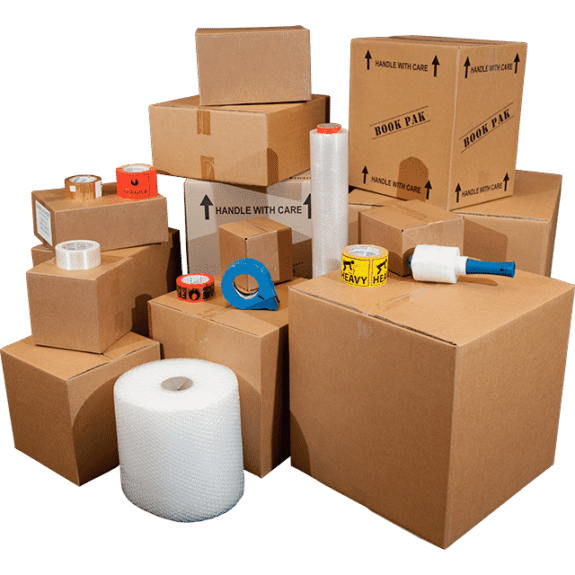
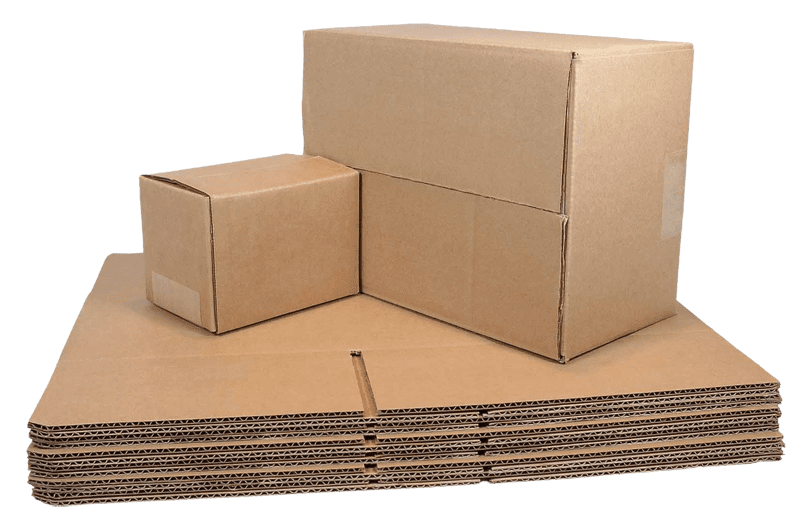
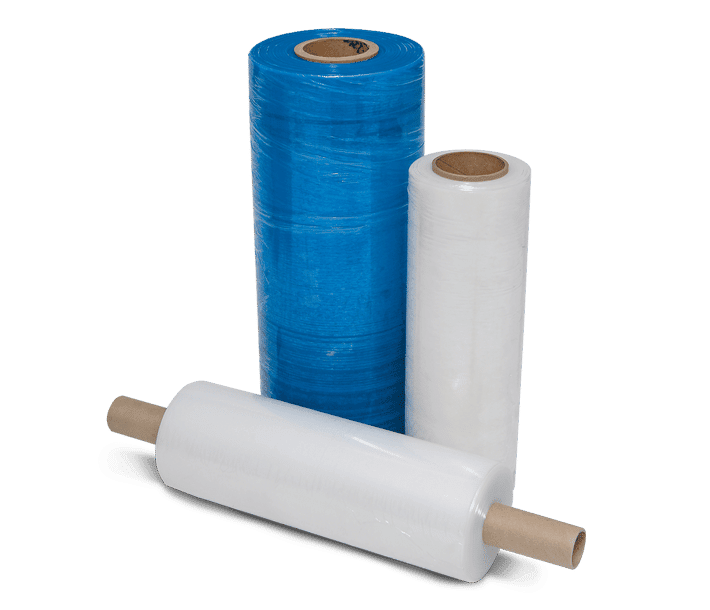
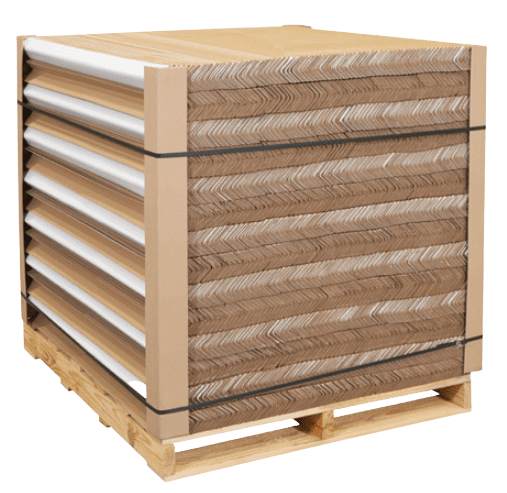
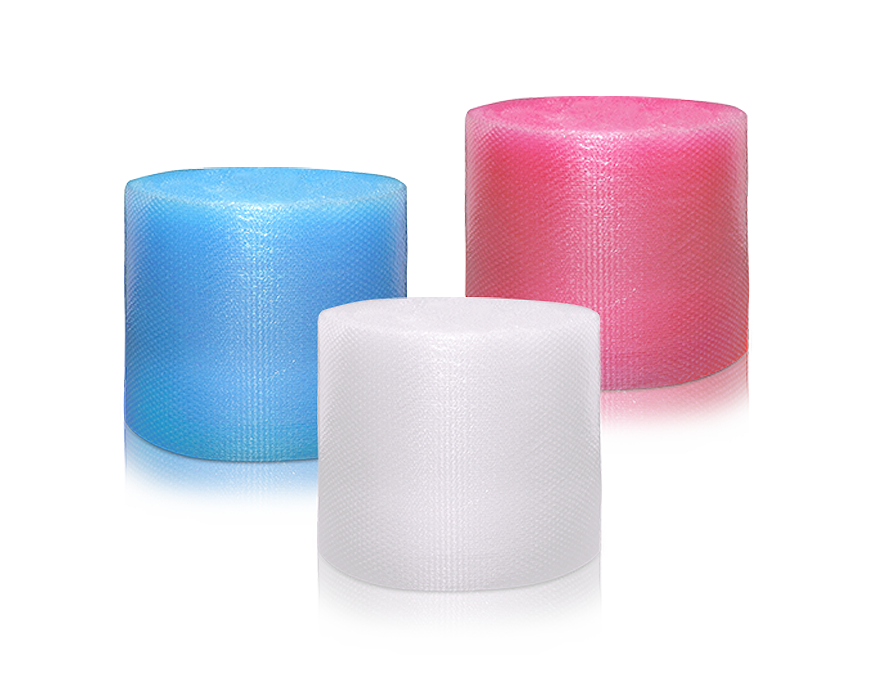
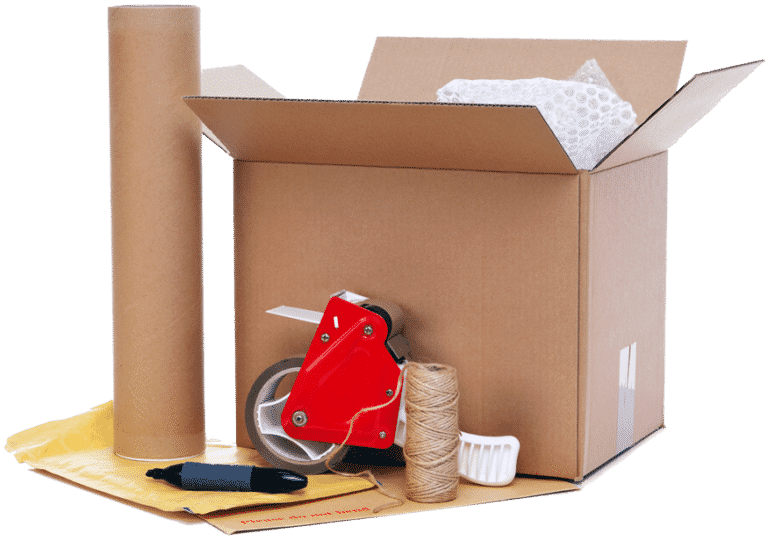
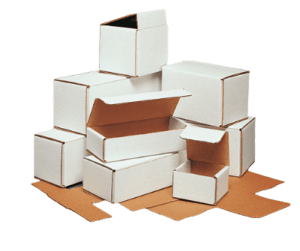
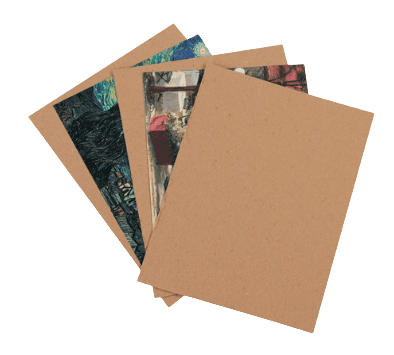
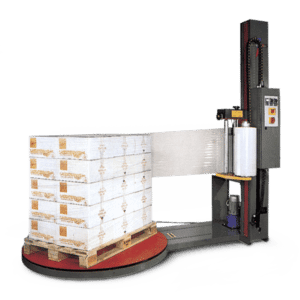
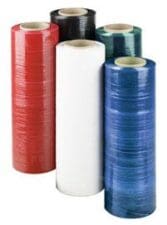
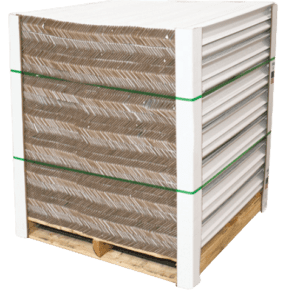
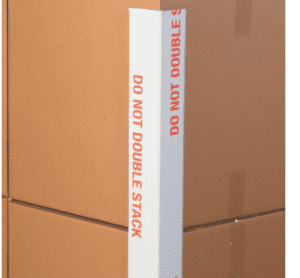
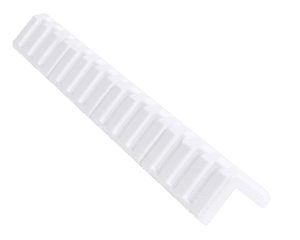
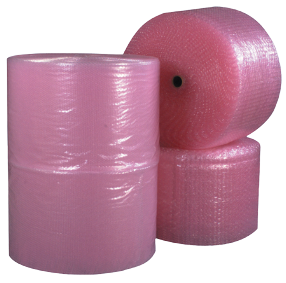
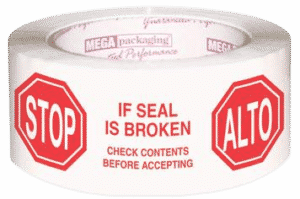
Our stock packaging products, from corrugated boxes to stretch film, offer a wide selection, including essentials like tape, edge protectors, labels, and more, with quick turnaround times to meet your packaging needs efficiently.

Edit Content
Edit Content
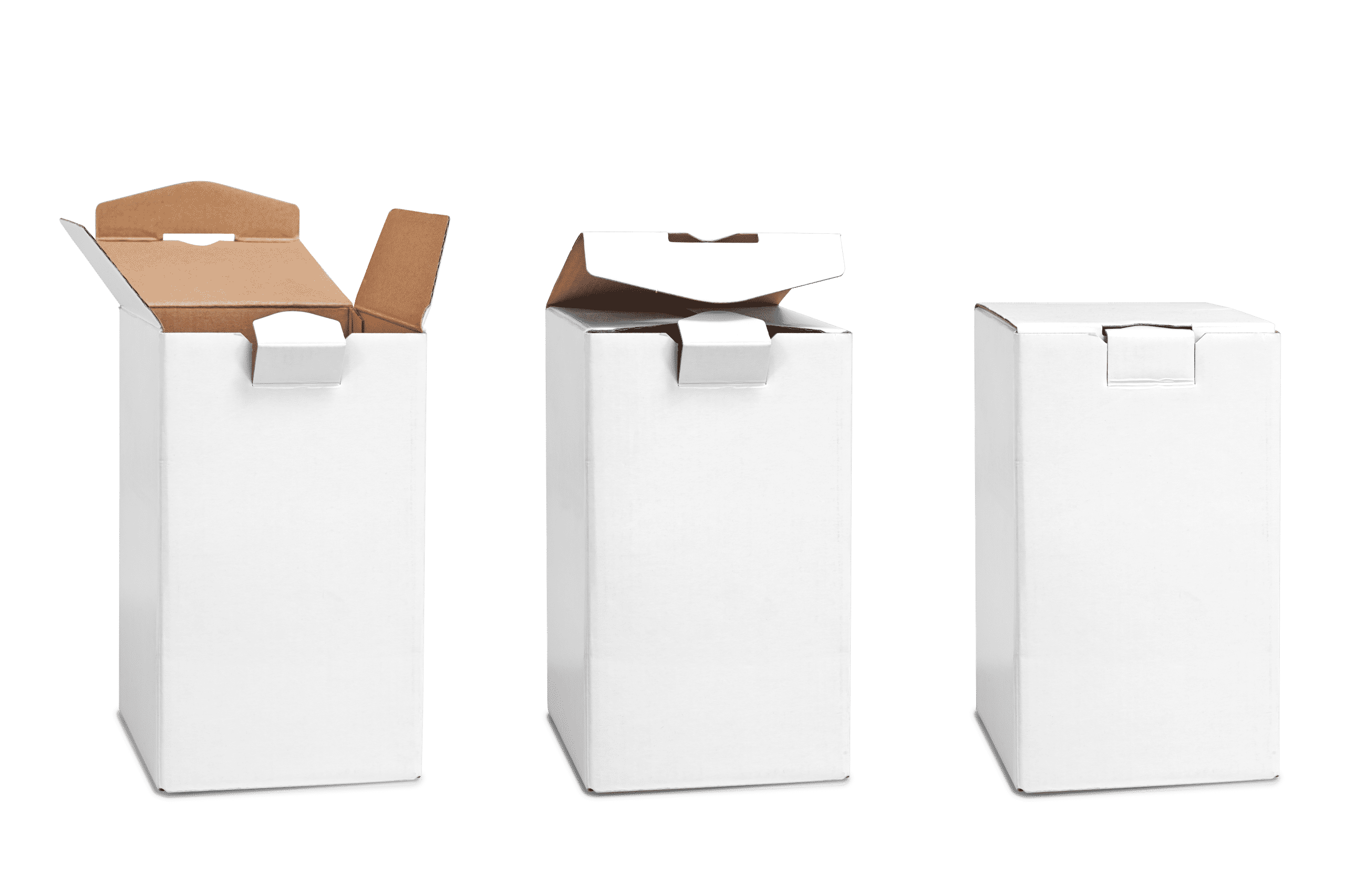
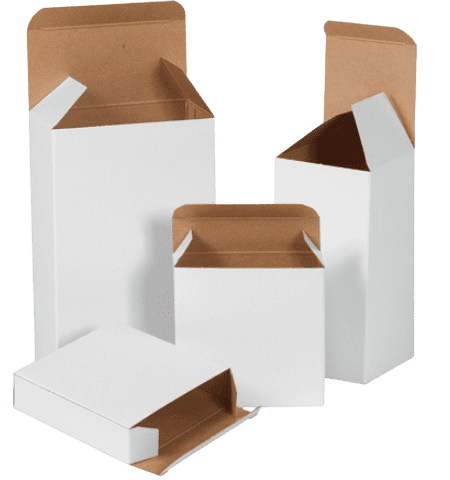
Folding Cartons
Pads
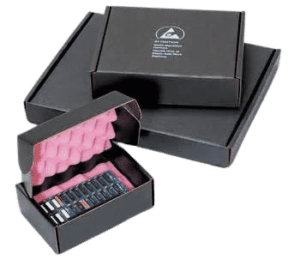
Apparel Boxes
Jewelry Boxes
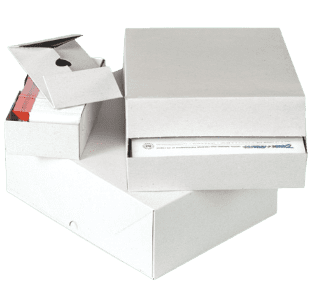
Setup Cartons
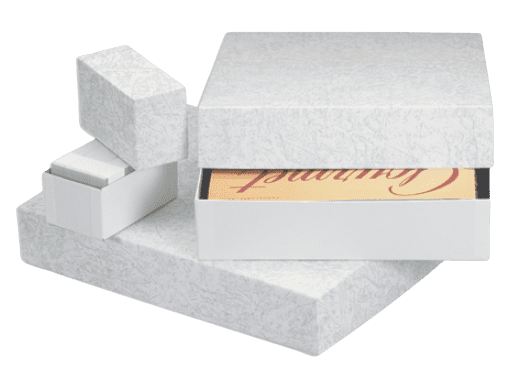
Stationary Cartons
Edit Content
Cast Film
Blown Film
Conventional Film
Engineered Film
Pre-Stretched Film
Hand Film
Machine Film
Edit Content
Light Duty
Medium Duty
Heavy Duty
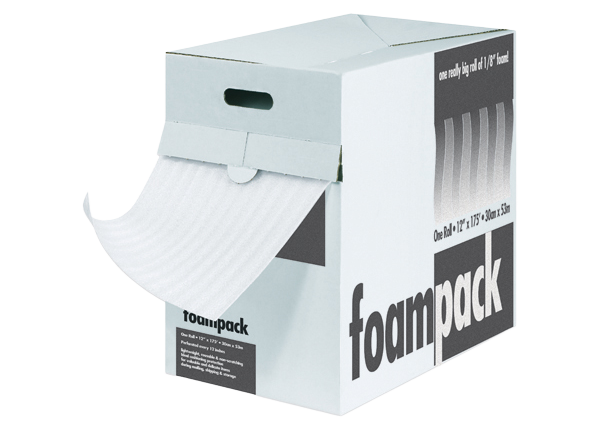
Foam
Strapping
Frame Protectors
Edit Content
Edit Content
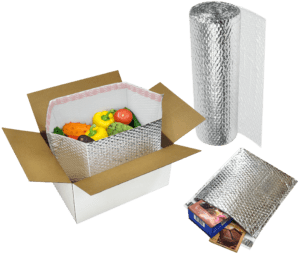
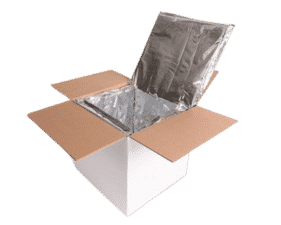
Box Liner
Metalized Pouch
Foam Cooler
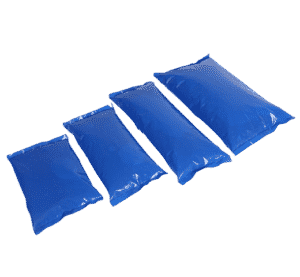
Ice Pack
Gel Pack
Edit Content
Edit Content
Edit Content
Folding Cartons
Pads
Apparel Boxes
Jewelry Boxes
Setup Cartons
Stationary Cartons
Edit Content
Cast Film
Blown Film
Conventional Film
Engineered Film
Pre-Stretched Film
Hand Film
Machine Film
Edit Content
Click on the Edit Content button to edit/add the content.
Edit Content
Edit Content
Box Liner
Metalized Pouch
Foam Cooler
Ice Pack
Gel Pack
Edit Content

If you need any assistance with your packaging or have a question, then contact us directly at request@brownpackaging.com  or  (714)300-0650. Learn more about custom packaging by reading our blog posts on new and trending topics.

How to Protect Your Packages in a Supply Chain Environment
Protection
brownpackaging
How To Protect Your Packages In a Supply Chain Environment

In a supply chain, your packaging is subjected to various stresses, including being pushed, pulled, dropped, and compressed against other packages. Proper packaging techniques are crucial for minimizing product loss, ensuring successful product launches, and avoiding shortages due to damages incurred during shipment. Overview: Effective Strategies to Enhance Packaging Protection Packaging not only needs to be attractive but also robust enough to protect the contents from the rigorous conditions of the supply chain. Here are comprehensive strategies to ensure your packaging holds up under stress and delivers your products safely to their destinations. Consider Packaging Inserts, Partitions, and Dividers Using packaging inserts, partitions, and dividers can greatly enhance the stability of your products within their boxes. These elements are crucial for preventing movement that can lead to damage: Inserts: These are molded or cut to fit the contours of your product, holding it snugly in place. Partitions and Dividers: These help organize the package and add an additional layer of separation and protection, especially useful for packages containing multiple items or products that must not touch each other. Optimize the Structural Design of Your Packaging The shape and size (structural design) of your packaging play a critical role in how well your products are protected: Custom Fit: Design your packaging to precisely fit your product with enough room for protective materials but not so much that items can shift around. Material Selection: Use the appropriate materials that provide enough strength and cushioning to protect your products from shocks and impacts. Don’t Cut Corners on Quality Selecting high-quality packaging materials can prevent a lot of issues down the line: Material Durability: Choose materials that can withstand the pressures of shipping and handling without degrading or failing. Quality vs. Cost: While it’s tempting to go for the cheapest options, investing in higher quality materials can reduce the need for costly replacements and avoid damage to your products. Learn more about cost vs protection.  Utilize Edge Protectors for Extra Support Edge protectors can reinforce the corners and edges of your packages, which are often the first to suffer damage: Protection and Stability: Edge protectors keep the package shape intact and protect against impacts and crushing forces. Material Options: Common materials for edge protectors include paperboard and plastic, each offering different levels of protection and recyclability. Use the Right Tape for Your Application Choosing the appropriate tape is crucial for ensuring that your packages remain sealed and intact throughout their journey: Tape Quality: High-quality tape will secure your packages without peeling off or tearing easily. Application Specifics: Consider the environment your packages will be exposed to, such as cold or humid conditions, and choose tape that can handle these environments effectively. Select and Use the Right Stretch Film Stretch film wraps help hold your packages together on a pallet, providing stability and protection against dust, moisture, and movement: Film Type: Choose between cast and blown stretch films depending on your needs—blown film is typically more resistant to puncture and tear. Additives: Consider films with UV protection or anti-static properties if your products require these features. Label Your Packaging Clearly Proper labeling not only helps with handling and shipping but can also reduce the risk of mishandling: Informational Labels: Include handling instructions, product descriptions, and any necessary warnings to ensure proper treatment during transit. Consider Cushioning Products Cushioning materials can absorb shocks and protect your products from impacts and vibrations: Types of Cushioning: Options include bubble wrap, foam inserts, air pillows, and packing peanuts, each suitable for different types of products and levels of protection. Test Your Packaging Material and Products Conducting tests according to standards set by organizations like the International Safe Transit Association (ISTA) ensures your packaging can withstand typical handling and shipping conditions: Testing Standards: Follow established testing protocols to simulate shipping and handling stresses on your packaging to see if they meet the required durability standards. Conclusion: Ensuring Optimal Package Protection By implementing these strategies, you can significantly enhance the protection of your products throughout the supply chain. From choosing the right materials and designs to employing protective inserts and rigorous testing, each step plays a vital role in safeguarding your items against potential damage. Collaborate with packaging experts like Brown Packaging to tailor solutions that meet your specific needs and improve the resilience of your packaging systems. (714)300-0650 request@brownpackaging.com Most Recent Posts: Categories: Corrugated Folding Carton Display Packaging Rigid Box Subscribe To Our Newsletter By submitting your information, you agree to our terms and conditions and privacy policy. Custom Packaging Facebook Twitter LinkedIn Pinterest Relevant Posts

Read More »
How to Choose The Right Stretch Film for Your Application
Protection
brownpackaging
How To Choose The Right Stretch Film for Your Application

Selecting the right stretch film is essential for ensuring the stability, safety, and integrity of your products during storage and transit. Stretch film plays a crucial role in protecting products on pallets, minimizing damage, and reducing losses. Understanding the basics of stretch film and the specific needs of your application is key to making the right choice. To select the right stretch film for your application, you must consider the following factors: Load Type The Type of Product You Are Shipping Application Methods Cost Detailed Considerations When Selecting Stretch Film Load Type Understanding the type of load you are securing is crucial in selecting the appropriate stretch film. Loads can be categorized into three main types: Type A Loads: Uniform loads with straight edges that are similar in shape to the pallet. These loads are easier to wrap and are less prone to puncturing the film. Type B Loads: Loads with some irregular shapes or slightly overhanging edges which can challenge the film’s integrity and require more durable film to prevent tears. Type C Loads: Highly irregular loads with sharp edges or unstable stacking that pose the highest risk for puncturing and tearing. These require the strongest, most resilient films. Product Type and Weight The type of product and its weight influence the choice of stretch film: Light Loads: For products like tissues or paper goods, a lighter gauge film can suffice. Medium Loads: Products such as canned goods that weigh more but aren’t excessively heavy might need a medium gauge film for better performance. Heavy Loads: For items like bricks or chemicals, a heavy-duty film is necessary to accommodate the increased weight and potential shifting within the load. Application Methods The method of application significantly affects the type of stretch film needed: Hand Rolls: Best for low-volume packaging operations or where machinery is not feasible. Hand rolls are lighter and more manageable for manual application. Machine Rolls: Ideal for high-volume environments where machines can apply the film much faster and more consistently than manual applications. Cost Considerations Budget is always a concern, but balancing cost with quality is key: Economic Films: Typically thinner and less durable, suitable for light, uniform loads that require basic containment. Premium Films: More expensive, these films offer better stretch, durability, and puncture resistance for challenging load types. Special Product Requirements and Additives Depending on the specific needs of the products being shipped, different additives in stretch films can provide necessary protection: UV Protection: Essential for products exposed to sunlight during storage or transit to prevent degradation. Anti-Static Films: Crucial for electronic products to prevent static discharge during handling. Colored Films: Useful for coding shipments by destination or product type, enhancing organization and handling efficiency. Sustainability Options Consider environmentally friendly films that reduce the impact on the environment without compromising on quality or performance: Recycled Content Films: Made from post-consumer or post-industrial recycled materials. Biodegradable Films: Designed to break down more quickly than traditional plastics, reducing waste in landfills. Summary: Making the Right Stretch Film Choice To effectively select the right stretch film, you must analyze the load type and product characteristics to determine the film’s required strength and resistance. Consider the operational context, such as the volume of wrapping needed and whether it will be done manually or with machines. Balance your budget with the need for film performance to avoid over-spending or under-protecting your products. Evaluate any special requirements such as UV protection, anti-static properties, or color coding. Opt for sustainable options where possible to align with environmental goals. By thoroughly assessing these factors, you can choose a stretch film that not only meets your logistical requirements but also enhances the security and integrity of your shipments. For tailored solutions that match your specific needs, consulting with a professional packaging supplier like Brown Packaging can provide you with the expertise and product range to ensure optimal protection and performance. (714)300-0650 request@brownpackaging.com Most Recent Posts: Categories: Corrugated Folding Carton Display Packaging Rigid Box Subscribe To Our Newsletter By submitting your information, you agree to our terms and conditions and privacy policy. Stretch Film Facebook Twitter LinkedIn Pinterest Relevant Posts

Read More »
structural design concepts
Protection
brownpackaging
What are Packaging Inserts and Why are They Important?

Packaging inserts, also known as inlays or box partitions, play a critical role in the packaging industry by enhancing product protection, presentation, and customer experience. They are designed to stabilize and secure products within a package, ensuring items are well-protected during transit and impeccably presented upon unboxing. Here’s an in-depth look at packaging inserts, their types, customization options, and why they are crucial for effective packaging solutions. Understanding Packaging Inserts Functionality of Packaging Inserts Inserts are specifically crafted to limit and restrict the movement of one or multiple items within a package. They can be made from various materials, including foam, corrugated, paperboard, and thermoform plastics, each offering different levels of protection and aesthetic appeal. Whether in the form of trays or wall dividers, these inserts are essential for preventing product damage and enhancing the unboxing experience. Types of Packaging Inserts Paperboard Inserts: Ideal for lightweight items such as cosmetics and electronic accessories. They provide basic protection and organization within the packaging. Corrugated Inserts: Offer enhanced durability and are suitable for small to medium weight products like light bulbs and small appliances. Foam Inserts: Provide superior protection and are commonly used for fragile items, electronics, and sensitive instruments. Thermoform Inserts: Sturdy and rigid, these inserts are versatile for packaging a diverse range of products including food, medical supplies, and electronics. Chipboard/Paperboard Insert Thermoform Insert Foam Insert Corrugated Insert Importance of Packaging Inserts Protection and Security The primary function of packaging inserts is to secure the packaged items robustly, ensuring they remain immobile and thus less susceptible to damage during shipping and handling. This is particularly important for fragile products or items with several components that need to be kept separate. Enhanced Presentation Custom inserts not only protect but also significantly enhance the presentation of products. They can be designed to fit the contours of specific items, displaying them in an appealing and organized manner that can elevate the customer’s perception of the brand. Improved Customer Experience Inserts contribute to a positive unboxing experience by presenting products in an organized and accessible way. They make unpacking simpler and more enjoyable, which can leave a lasting impression on consumers. Customizing Packaging Inserts Structural Design Custom inserts can be tailored to the specific size and shape of the products they hold. Structural design ensures each product fits snugly within its compartment, providing optimal protection and a professional appearance. Graphic Design Inserts offer an additional surface for branding and communication. Custom graphics such as logos, product information, and brand colors can be added to inserts, furthering brand recognition and enhancing the aesthetic appeal of the packaging. When Do You Need Packaging Inserts? You should consider using packaging inserts if: You have fragile products that require additional protection. Your products have multiple components that need to be organized within the packaging. You are looking to improve the aesthetic presentation of your packaged products. Enhancing the customer unboxing experience is a priority for your brand. Summary Packaging inserts are vital components that help maintain the integrity and presentation of products during shipping and retail display. They not only protect items from physical damage but also play a significant role in brand perception and customer satisfaction. With various materials and customization options available, packaging inserts can be tailored to meet the specific needs of any product, making them a versatile and essential element in modern packaging strategies. If you’re looking to develop customized packaging solutions that include high-quality inserts, consider partnering with a packaging expert like Brown Packaging. They can provide tailored advice and products designed to protect your goods effectively while promoting your brand effectively. (714)300-0650 request@brownpackaging.com Most Recent Posts: Categories: Corrugated Folding Carton Display Packaging Rigid Box Subscribe To Our Newsletter By submitting your information, you agree to our terms and conditions and privacy policy. Packaging Inserts Facebook Twitter LinkedIn Pinterest Relevant Posts

Read More »