






window.uetq = window.uetq || []; window.uetq.push(‘event’, ‘submit_lead_form’,{ event_label:‘SUBMIT MESSAGE’ }); window.lintrk('track', { conversion_id: 10271009 }); window.lintrk('track', { conversion_id: 10271017 });

Stock Packaging

We supply businesses with a wide selection of essential packaging, shipping, and warehouse supplies. Get any standard packaging product by dimension or style from boxes, tubes, tapes, labels, and more. If you are unsure on what type of packaging you will need, then contact us for an expert consultation.


Stock packaging refers to pre-made, ready-to-ship packaging solutions like corrugated boxes, mailers, and protective materials that are designed to meet a wide range of standard needs across shipping, retail, and storage. Unlike custom packaging, stock options offer quick availability and reliable protection without the need for extensive design or production time, making them ideal for businesses needing efficient, high-quality solutions with fast lead times.

At Brown Packaging, we focus on providing durable, performance-driven stock packaging that supports our clients’ operational needs. Our stock products are sourced to ensure consistent quality and cost-effectiveness, offering a practical solution to keep operations running smoothly and on schedule. With an emphasis on reliability, we help our clients quickly access packaging solutions that meet their specific needs while maintaining quality across every order.

stock packaging products

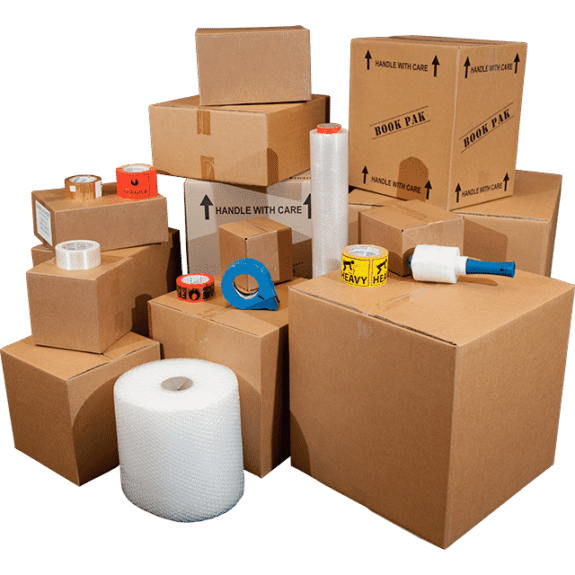
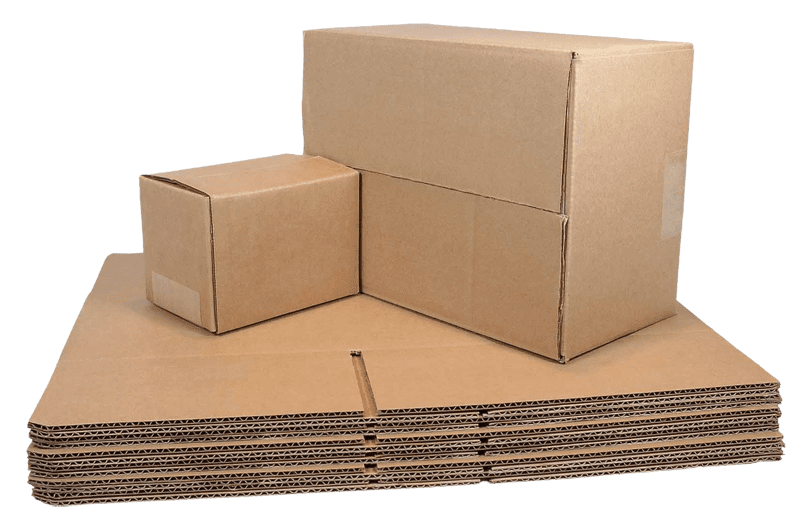
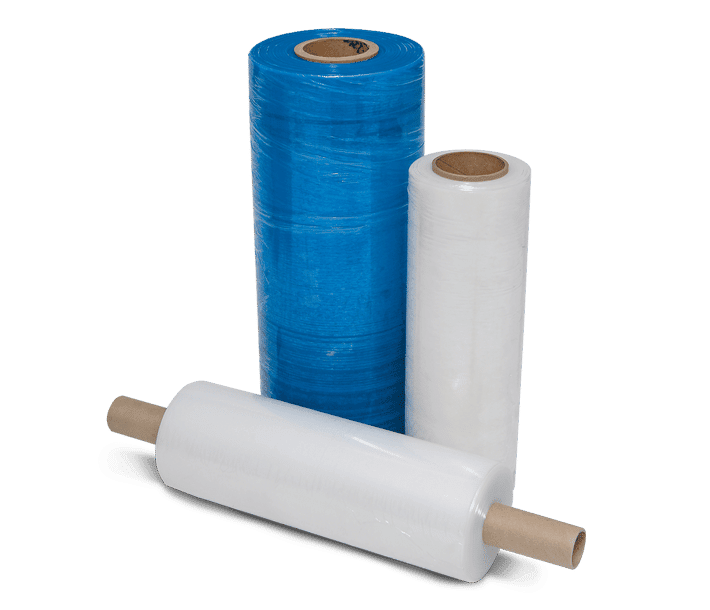
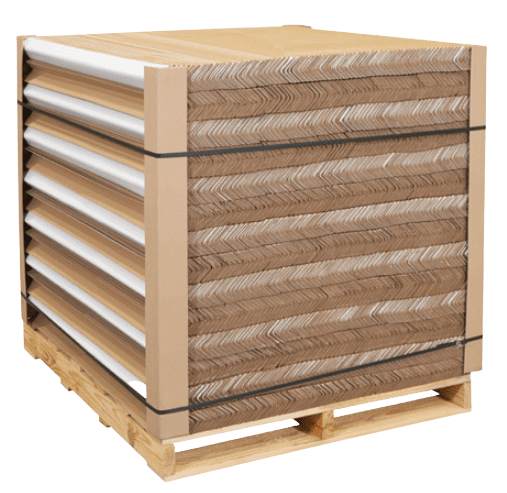
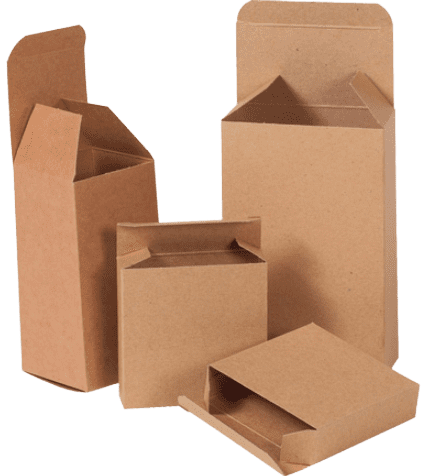
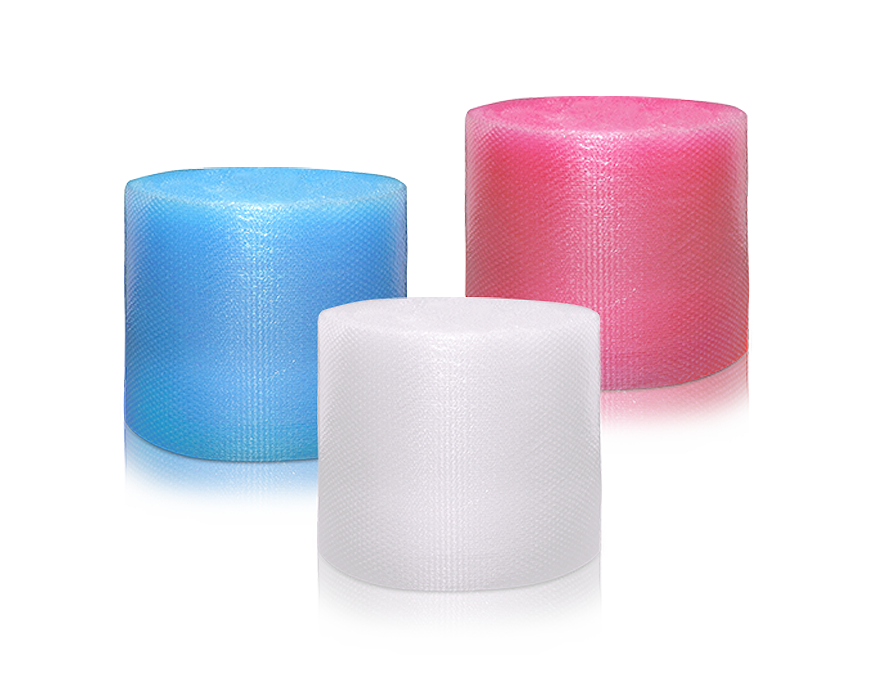
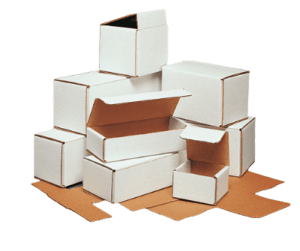
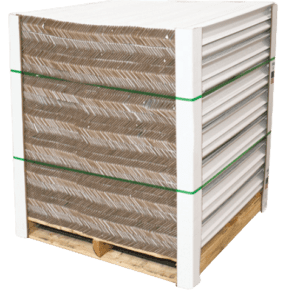
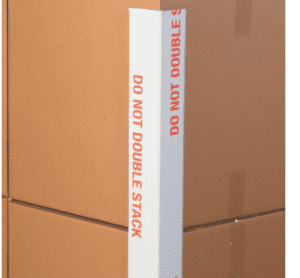
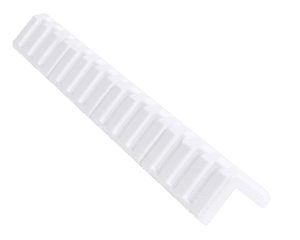
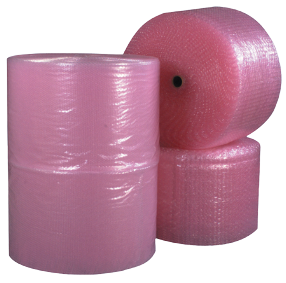
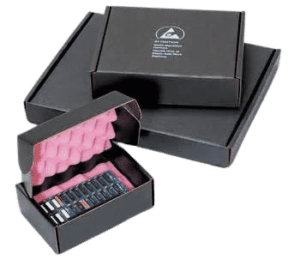
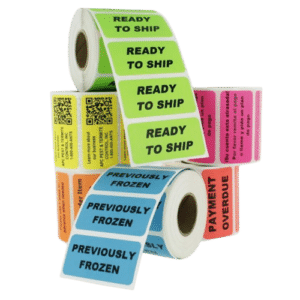
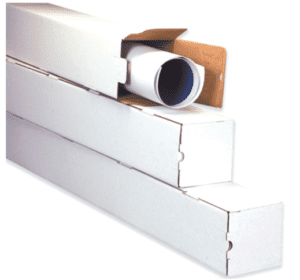
Our stock packaging products, from corrugated boxes to stretch film, offer a wide selection, including essentials like tape, edge protectors, labels, and more, with quick turnaround times to meet your packaging needs efficiently.

Edit Content
Edit Content
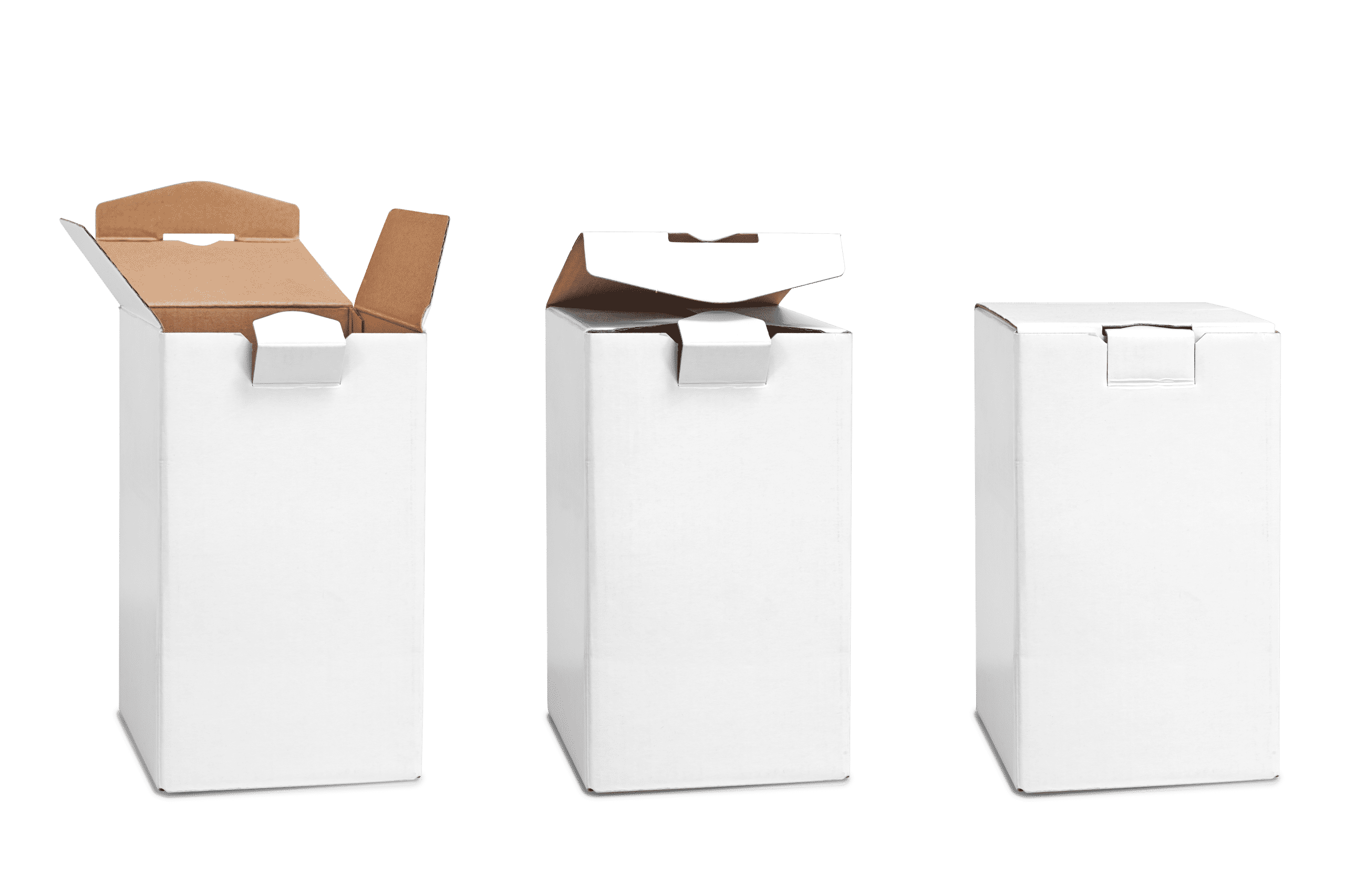
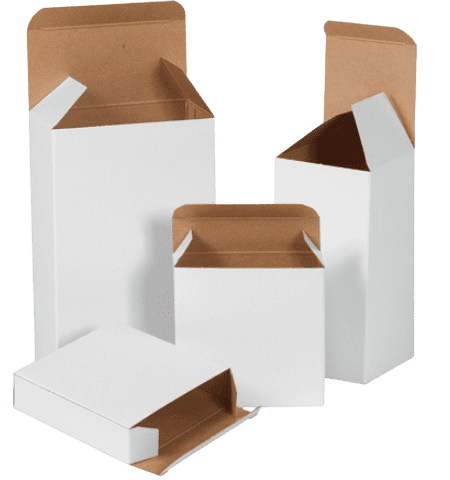
Folding Cartons
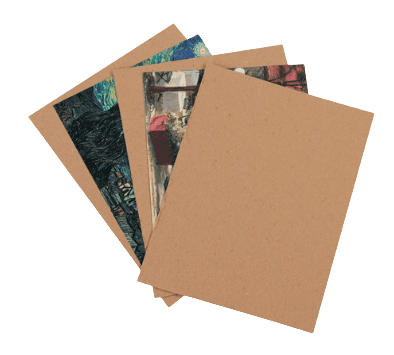
Pads
Apparel Boxes
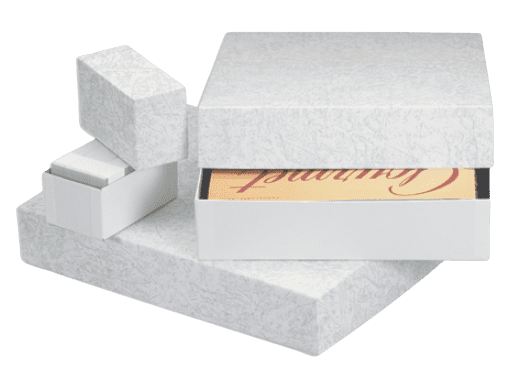
Jewelry Boxes
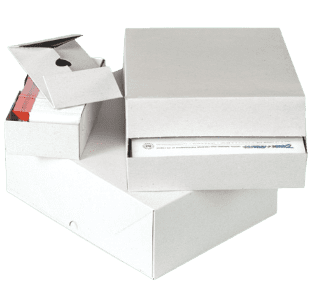
Setup Cartons
Stationary Cartons
Edit Content
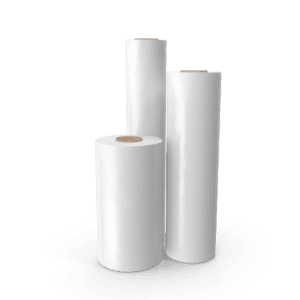
Cast Film
Blown Film
Conventional Film
Engineered Film
Pre-Stretched Film
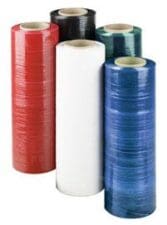
Hand Film
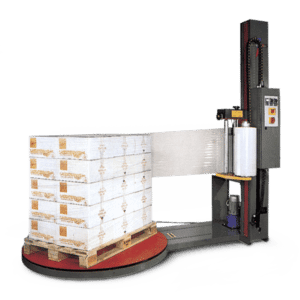
Machine Film
Edit Content
Light Duty
Medium Duty
Heavy Duty
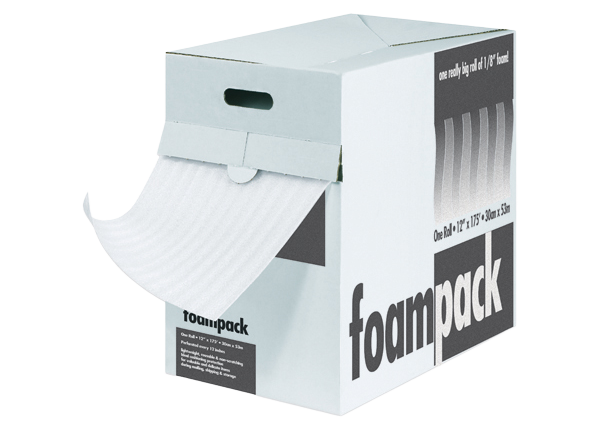
Foam
Strapping
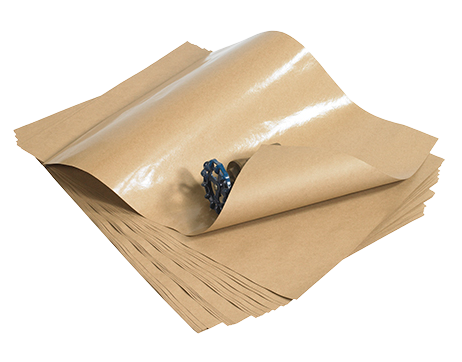
Frame Protectors
Edit Content
Edit Content
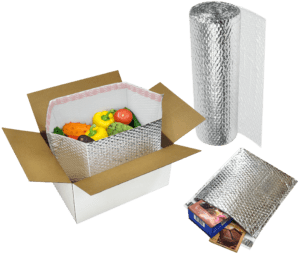
Box Liner
Metalized Pouch
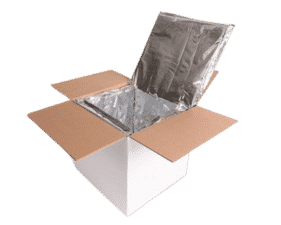
Foam Cooler
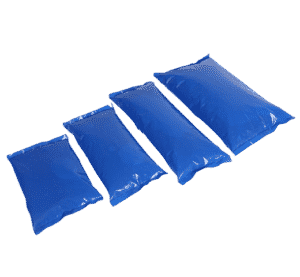
Ice Pack
Gel Pack
Edit Content
Edit Content
Edit Content
Folding Cartons
Pads
Apparel Boxes
Jewelry Boxes
Setup Cartons
Stationary Cartons
Edit Content
Cast Film
Blown Film
Conventional Film
Engineered Film
Pre-Stretched Film
Hand Film
Machine Film
Edit Content
Click on the Edit Content button to edit/add the content.
Edit Content
Edit Content
Box Liner
Metalized Pouch
Foam Cooler
Ice Pack
Gel Pack
Edit Content

If you need any assistance with your packaging or have a question, then contact us directly at request@brownpackaging.com  or  (714)300-0650. Learn more about custom packaging by reading our blog posts on new and trending topics.

Plastic vs paper packaging tape
Packaging
brownpackaging
Plastic vs Paper Packaging Tape: Which to use?

Plastic and paper packaging tapes both serve the same core purpose — sealing, wrapping, and bundling packages — but their performance differs depending on application. Each has unique properties that affect strength, cost, recyclability, and security. Choosing the right tape ensures your packaging remains efficient, secure, and cost-effective. Plastic Packaging Tape Plastic tape, often called clear tape, is a pressure-sensitive tape designed for lightweight and general-purpose packaging. It is popular for being durable, dust-resistant, inexpensive, and easy to apply with hand or machine dispensers. Common Types Polypropylene (BOPP): Thin, cost-effective, customizable; best for light to medium-duty use. Polyvinyl Chloride (PVC): Thicker, quieter, and more durable; better for heavier packages but more expensive. Adhesives Used Acrylic: Performs in hot and cold environments; good for long-term storage. Hot Melt: Aggressive initial tack; best for shipping and storage but less reliable under temperature extremes. Rubber-Based: Premium adhesive with strong bonds in all conditions; higher cost. Advantages Readily available and inexpensive Easy to apply, even on the go Highly customizable for branding Disadvantages Less secure than paper tape Often requires multiple layers for strength Lower recyclability compared to paper tape Best Applications Plastic tape is best for lightweight, everyday shipping and situations where cost efficiency and branding flexibility matter. BOPP Tape PVC Tape Paper Packaging Tape Paper tape, often called Kraft tape, uses a starch-based adhesive and is valued for its strength, tamper resistance, and sustainability. It is ideal for heavy-duty or high-security packaging. Common Types Water Activated Tape (WAT): Creates a permanent bond when moistened. Available in reinforced (fiberglass strands) or non-reinforced grades. Flatback Tape: Pressure-sensitive version suitable for heavy packaging and weather-resistant sealing. Available in multiple colors. Advantages Strong and tamper-proof Requires less tape per seal Recyclable and eco-friendly Performs well in extreme environments Disadvantages Requires a dispenser (less portable) Slower to apply in fast-paced operations Best Applications Paper tape is best for heavier, high-value shipments where strength, security, and sustainability are priorities. Common in food, pharmaceuticals, healthcare, electronics, and e-commerce. Water Activated Tape Flatback Tape Plastic vs. Paper: Key Differences Feature Plastic Tape Paper Tape Material Polypropylene or PVC Kraft paper with starch adhesive Application Lightweight, general use Heavy-duty, tamper-proof Ease of Use Portable, quick to apply Requires dispenser Sustainability Less recyclable Fully recyclable Security Lower Higher (tamper evident) Cost Lower upfront cost Higher upfront, less used per seal Work With Brown Packaging At Brown Packaging, we help businesses select the right tape for their specific shipping and operational needs. Whether you need cost-effective plastic tape for high-volume shipments or secure paper tape for heavy-duty applications, our team can guide you toward the best choice. Contact Brown Packaging today to get started. References Pressure Sensitive Tape Council (PSTC). (2023). Packaging Tape Standards and Applications. Retrieved from https://www.pstc.org Flexible Packaging Association. (2023). Adhesives and Packaging Performance. Retrieved from https://www.flexpack.org Robertson, G. L. (2016). Food Packaging: Principles and Practice (3rd ed.). CRC Press. (714)300-0650 request@brownpackaging.com Most Recent Posts: Categories: Corrugated Folding Carton Display Packaging Rigid Box Subscribe To Our Newsletter By submitting your information, you agree to our terms and conditions and privacy policy. Custom Tape Facebook Twitter LinkedIn Pinterest Relevant Posts

Read More »
ISO 9000 Certification Logo
Packaging
brownpackaging
ISO 9001:2015 Certified Packaging Company: What Does This Mean For You?

SO 9001:2015 is a globally recognized certification for quality management systems (QMS). To earn certification, companies must demonstrate the ability to consistently provide products and services that meet customer and regulatory requirements. For packaging buyers, working with an ISO-certified supplier ensures higher quality, reliability, and reduced risk across the supply chain. What ISO Certification Means in Packaging An ISO 9001:2015 certified packaging company follows structured processes that guarantee consistent product performance and service quality. This standard is especially important in industries such as medical, electronics, and food, where compliance and reliability are critical. At Brown Packaging, our ISO certification reinforces our commitment to: Delivering consistent, high-quality packaging solutions. Ensuring a positive and repeatable customer experience. Driving continuous improvement in service, products, and operations. Why ISO Certification Matters for Customers Limiting Risk and Maximizing Opportunities ISO 9001:2015 requires a proactive approach to risk management. We identify risks in operations, projects, and vendor relationships, then implement structured controls. This reduces unexpected issues and allows for better planning, decision-making, and collaboration. Preventing Repeated Mistakes ISO standards require record-keeping and root-cause analysis of issues. Instead of recurring problems, corrective actions are communicated across the company to ensure solutions are lasting. This saves customers time, money, and frustration. Operational Effectiveness Certified companies must monitor, measure, and analyze their QMS for effectiveness. At Brown Packaging, this translates to: Improved transparency in projects Stronger communication between stakeholders Continuous performance improvements that directly benefit customers Work With Brown Packaging Choosing an ISO 9001:2015 certified packaging partner gives you confidence that your packaging will be produced under a proven quality framework. At Brown Packaging, we combine industry expertise with certified systems to deliver solutions you can rely on. Contact Brown Packaging today to learn how our certification benefits your packaging program. References International Organization for Standardization (ISO). (2015). ISO 9001:2015 Quality Management Systems. Retrieved from https://www.iso.org/standard/62085.html American Society for Quality (ASQ). (2023). ISO 9001 Quality Management Systems. Retrieved from https://asq.org/quality-resources/iso-9001 BSI Group. (2023). Benefits of ISO 9001 Certification. Retrieved from https://www.bsigroup.com (714)300-0650 request@brownpackaging.com Most Recent Posts: Categories: Corrugated Folding Carton Display Packaging Rigid Box Subscribe To Our Newsletter By submitting your information, you agree to our terms and conditions and privacy policy. Custom Packaging Facebook Twitter LinkedIn Pinterest Relevant Posts

Read More »
corrugated mailer
Corrugated
brownpackaging
It’s Not Cardboard, It’s Corrugated

The terms cardboard and corrugated are often used interchangeably, but in packaging, they mean very different things. Cardboard is a catch-all term used by consumers, while corrugated and chipboard each have specific material definitions and applications. Knowing the difference helps buyers choose the right packaging solution and avoid costly mistakes. Corrugated: Material and Products Corrugated material is built from at least three layers: an inside liner, an outside liner, and a fluted medium in between. Additional layers can be added to improve compression and stacking strength. This structure makes corrugated ideal for protective and high-strength packaging. Products Made with Corrugated Boxes (RSC, FOL, die-cut mailers, etc.) POP displays Dividers and partitions Edge protectors Sheets and inserts Corrugated is available in natural kraft brown or bleached white. The brown color often leads consumers to mistakenly call it “cardboard.” Chipboard: Material and Products Chipboard (sometimes called paperboard) is manufactured by pressing small wood particles with resin under heat and pressure to form a smooth, rigid sheet. While it is lightweight and inexpensive, it does not provide the same compression or stacking strength as corrugated. Products Made with Chipboard Folding cartons for small, lightweight goods Dividers and partitions Inserts and sleeves Chipboard is commonly used in retail-ready cartons for cereal, cosmetics, and lightweight consumer goods. Like corrugated, it typically appears in white or brown, reinforcing the consumer misuse of the word “cardboard.” Why the Difference Matters Using the wrong material for packaging can affect cost, product safety, and supply chain efficiency. For example: Corrugated is essential when structural strength and stacking are required (shipping boxes, displays, bulk distribution). Chipboard works when lightweight retail packaging is sufficient (folding cartons, retail sleeves). Referring to corrugated as “cardboard” may cause confusion when sourcing from suppliers who distinguish between the two. Selecting the right supplier also matters — not all packaging providers manufacture or stock both corrugated and chipboard. Working with one that does ensures consistent quality, efficiency, and fewer inventory issues. Corrugated Box Folding Carton (Chipboard) Work With Brown Packaging At Brown Packaging, we help businesses choose between corrugated, chipboard, and other packaging materials based on product needs, cost goals, and supply chain requirements. Whether you need protective shipping boxes or retail-ready cartons, our team can guide you through every step. Contact Brown Packaging today to get started. References Fibre Box Association. (2023). Corrugated Material Basics. Retrieved from https://www.fibrebox.org Paperboard Packaging Council. (2023). Chipboard and Folding Carton Applications. Retrieved from https://paperbox.org Soroka, W. (2016). Fundamentals of Packaging Technology (5th ed.). Institute of Packaging Professionals. (714)300-0650 request@brownpackaging.com Most Recent Posts: Categories: Corrugated Folding Carton Display Packaging Rigid Box Subscribe To Our Newsletter By submitting your information, you agree to our terms and conditions and privacy policy. Custom Corrugated Boxes Facebook Twitter LinkedIn Pinterest Relevant Posts

Read More »