





window.uetq = window.uetq || []; window.uetq.push(‘event’, ‘submit_lead_form’,{ event_label:‘SUBMIT MESSAGE’ }); window.lintrk('track', { conversion_id: 10271009 }); window.lintrk('track', { conversion_id: 10271017 });

Stock Packaging

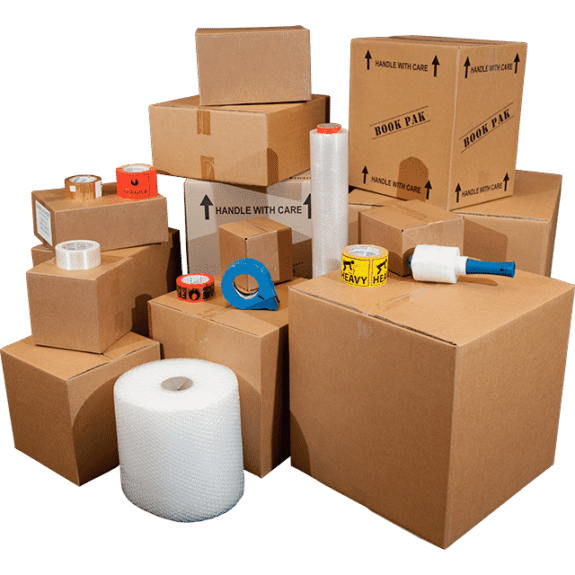
We supply businesses with a wide selection of essential packaging, shipping, and warehouse supplies. Get any standard packaging product by dimension or style from boxes, tubes, tapes, labels, and more. If you are unsure on what type of packaging you will need, then contact us for an expert consultation.


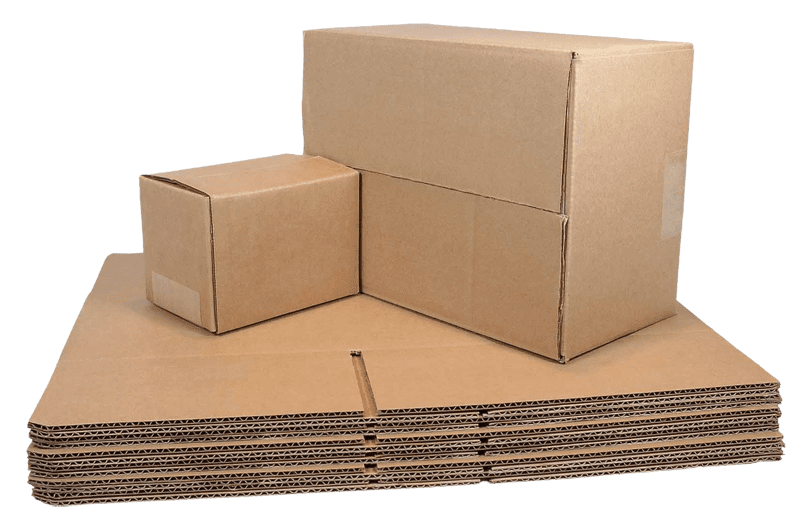
Stock packaging refers to pre-made, ready-to-ship packaging solutions like corrugated boxes, mailers, and protective materials that are designed to meet a wide range of standard needs across shipping, retail, and storage. Unlike custom packaging, stock options offer quick availability and reliable protection without the need for extensive design or production time, making them ideal for businesses needing efficient, high-quality solutions with fast lead times.

At Brown Packaging, we focus on providing durable, performance-driven stock packaging that supports our clients’ operational needs. Our stock products are sourced to ensure consistent quality and cost-effectiveness, offering a practical solution to keep operations running smoothly and on schedule. With an emphasis on reliability, we help our clients quickly access packaging solutions that meet their specific needs while maintaining quality across every order.

stock packaging products

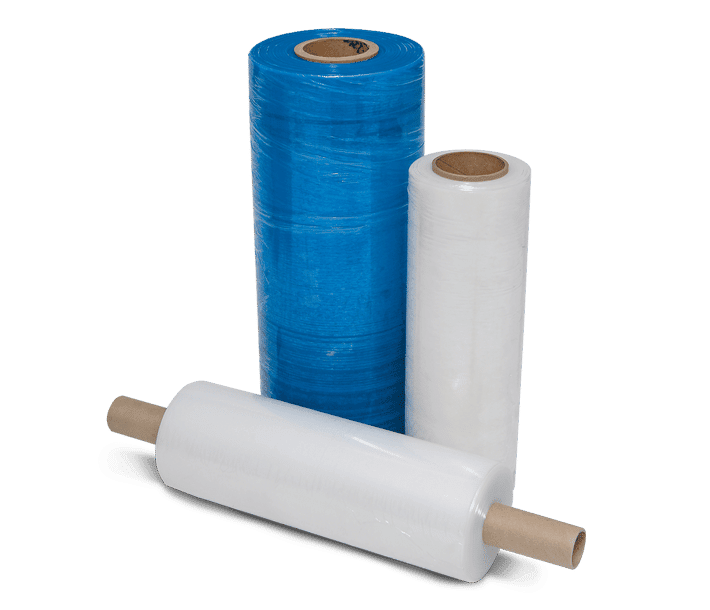
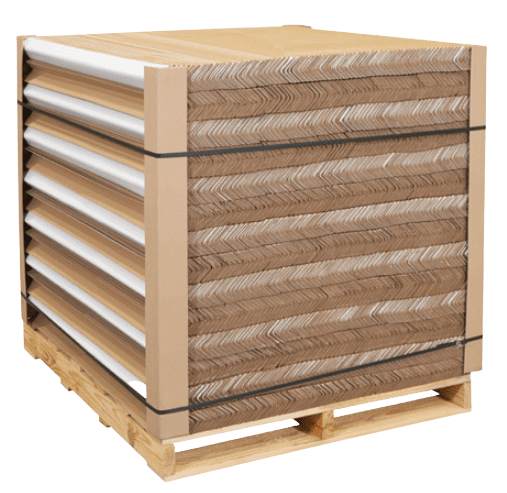
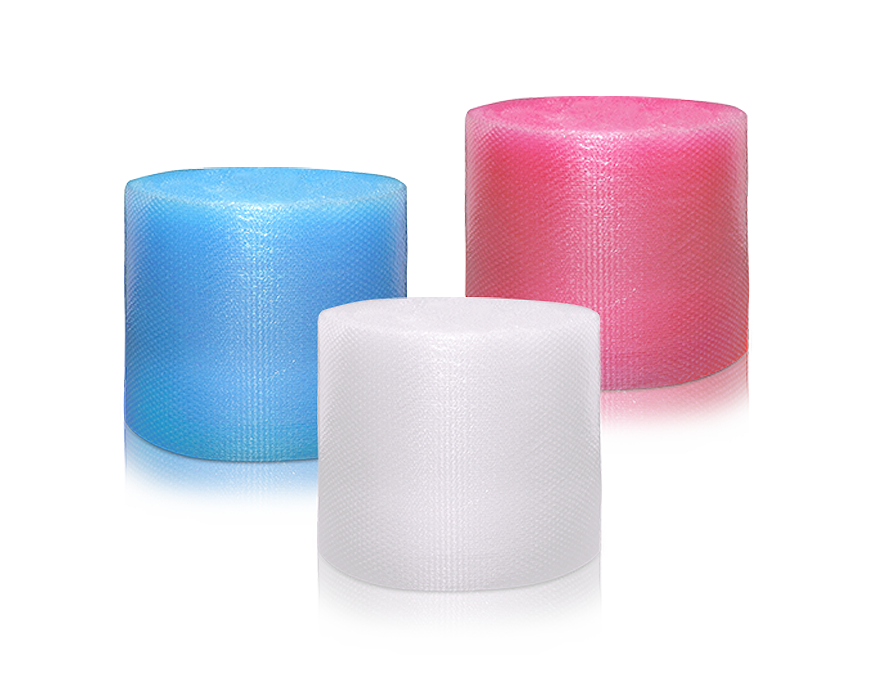
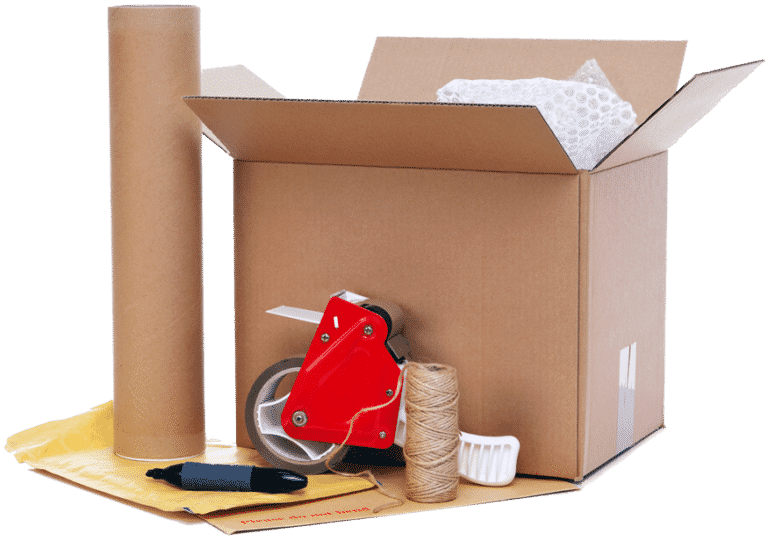
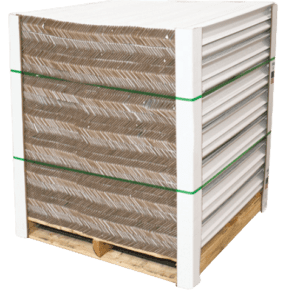
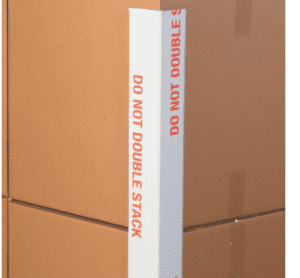
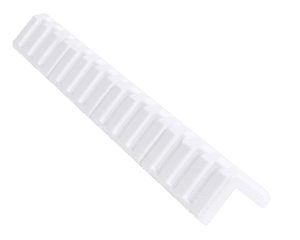
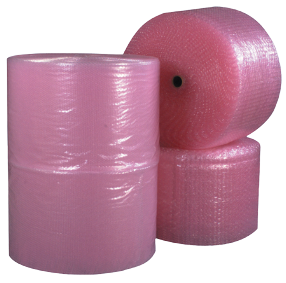
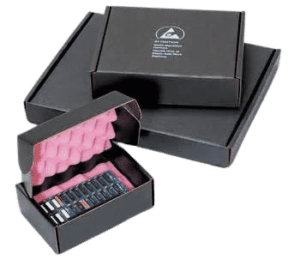
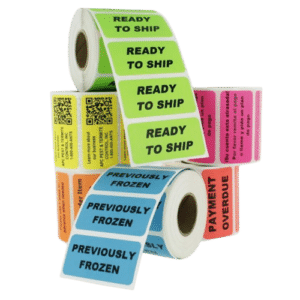
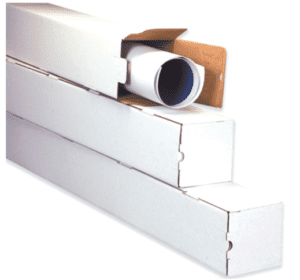
Our stock packaging products, from corrugated boxes to stretch film, offer a wide selection, including essentials like tape, edge protectors, labels, and more, with quick turnaround times to meet your packaging needs efficiently.

Edit Content
Edit Content
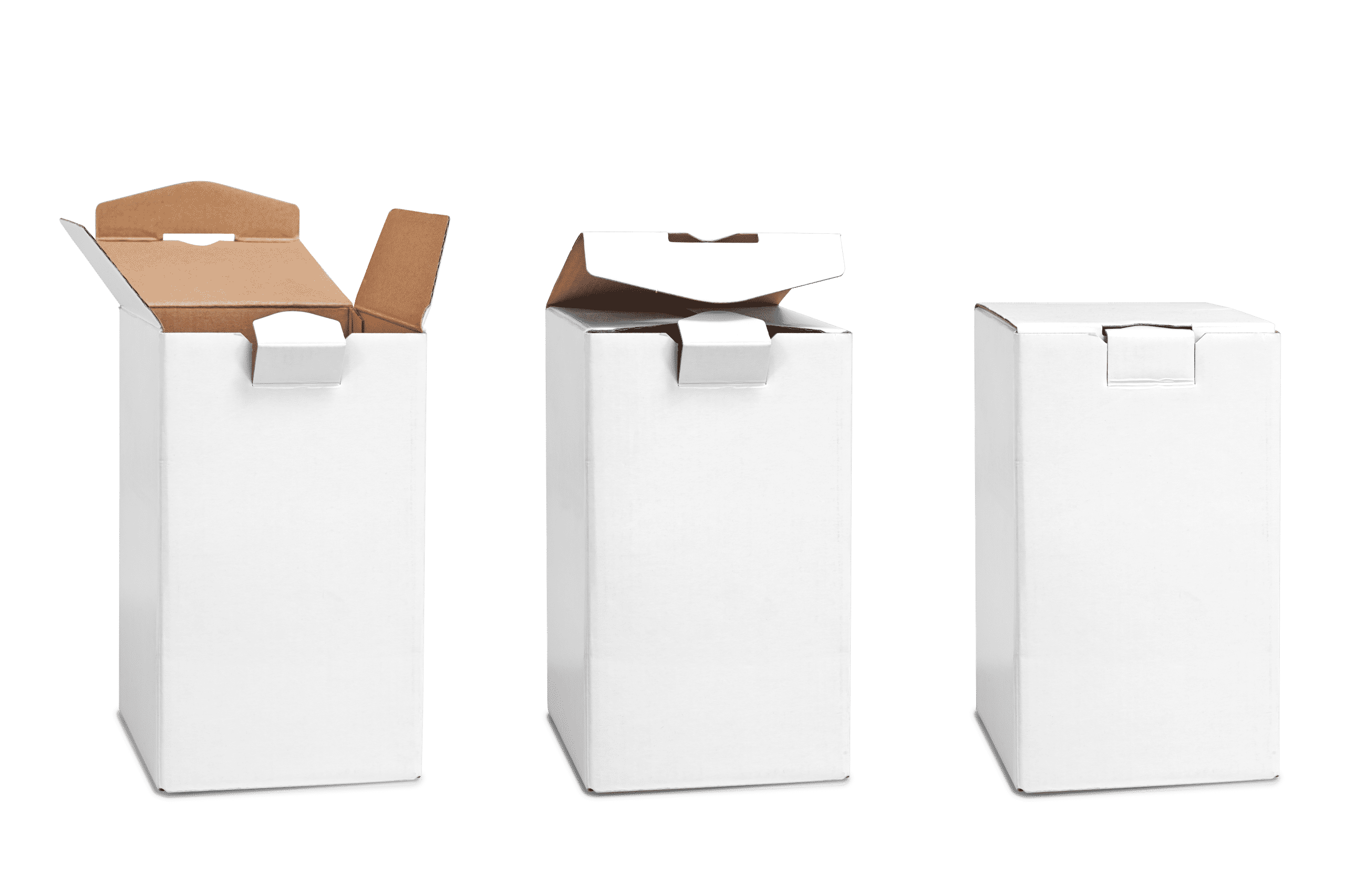
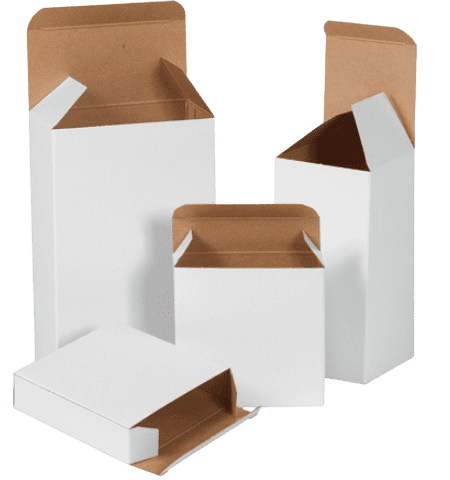
Folding Cartons
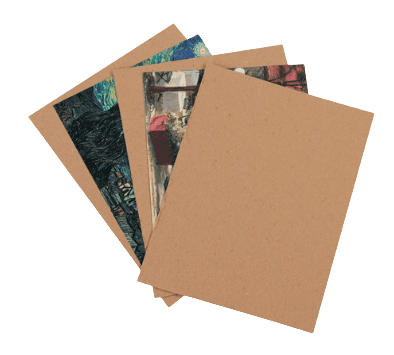
Pads
Apparel Boxes
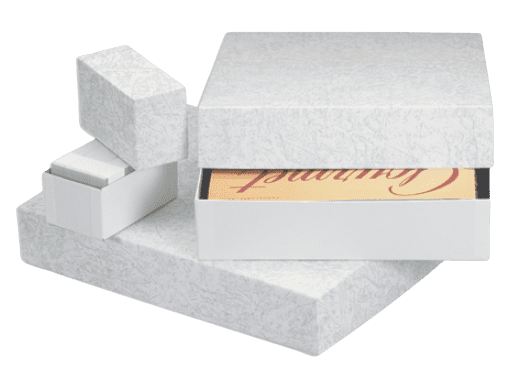
Jewelry Boxes
Setup Cartons
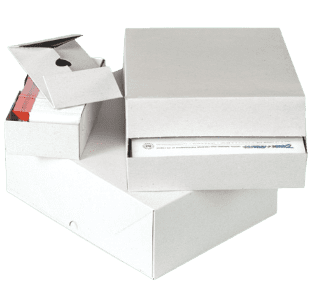
Stationary Cartons
Edit Content
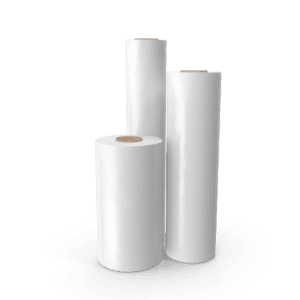
Cast Film
Blown Film
Conventional Film
Engineered Film
Pre-Stretched Film
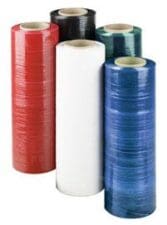
Hand Film
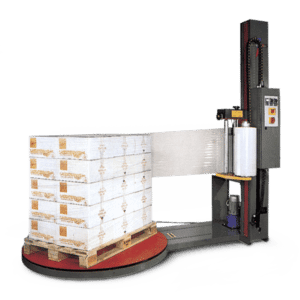
Machine Film
Edit Content
Light Duty
Medium Duty
Heavy Duty
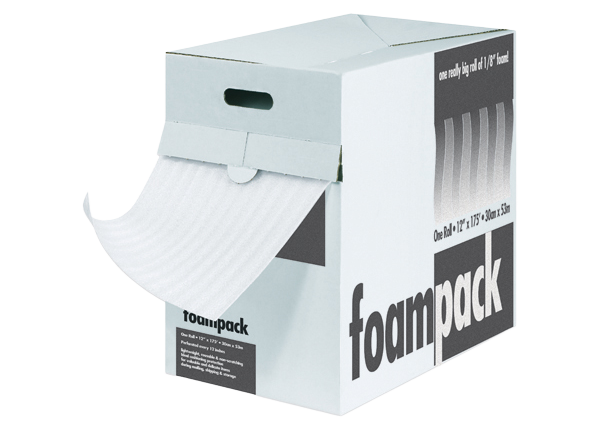
Foam
Strapping
Frame Protectors
Edit Content
Edit Content
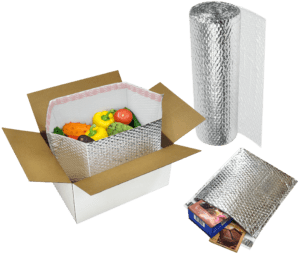
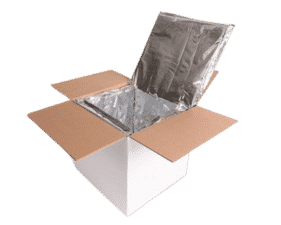
Box Liner
Metalized Pouch
Foam Cooler
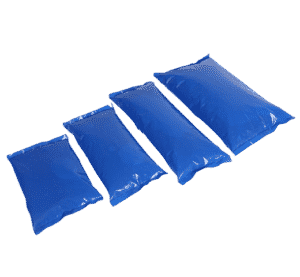
Ice Pack
Gel Pack
Edit Content
Edit Content
Edit Content
Folding Cartons
Pads
Apparel Boxes
Jewelry Boxes
Setup Cartons
Stationary Cartons
Edit Content
Cast Film
Blown Film
Conventional Film
Engineered Film
Pre-Stretched Film
Hand Film
Machine Film
Edit Content
Click on the Edit Content button to edit/add the content.
Edit Content
Edit Content
Box Liner
Metalized Pouch
Foam Cooler
Ice Pack
Gel Pack
Edit Content

If you need any assistance with your packaging or have a question, then contact us directly at request@brownpackaging.com  or  (714)300-0650. Learn more about custom packaging by reading our blog posts on new and trending topics.

rett box with dieline
Corrugated
brownpackaging
Roll End Tuck Top (RETT) Box Explained: Uses & Benefits

RETT boxes are a popular type of corrugated mailer used by the retail and ecommerce industry to ship and display products. These boxes are designed to open and close by tucking the top piece inside of the box, kind of like opening a treasure chest. Many businesses decide to package their products in RETT boxes because of its excellent unboxing experience, structural strength, branding and product protection. You will learn that roll end tuck top boxes are used in a variety of applications and can bring plenty of benefits and added value to your product. Roll End Tuck Top Applications Many retail and ecommerce businesses that sell medical, electronic, industrial, cosmetic and consumer good products tend to use RETT boxes. Even though these boxes are typically used for shipping, they can be used inside a store. To help you get a better understanding of RETT boxes here are a list of everyday applications: Subscription Boxes Sales Kits Containers Product Box Shipping Box Pastry Boxes Shelf Storage Containers These boxes are generally used to package small and medium sized products by themselves or together with other products/pieces. Depending on your product may warrant you to seek custom options such as the boxes’ shape and size. Inserts and trays can be used to hold objects in place to improve product protection and accessibility of the product for end users. Inserts available for RETT boxes include chipboard, corrugated, thermoform and foam materials. Roll End Tuck Top Customization and Options RETT boxes are highly customizable and versatile, which is why they are used to package many different products. For example, graphics and finishes can be added to your packaging to help enhance your branding, message, product information, images, and other content. In addition, there are many different print options for corrugated boxes such as flexo, litho and digital print that can be applied to both the inside and/or outside. Graphics and finishes can be added. RETT boxes can be customized with features such as: Dust Flaps: blocks dust from entering. Lift Tab: A tab cut on the edge of the box, which helps users access the boxes content. Catalog Lock: an insert tab that holds the box close. Tear Strip: prevents product tampering and helps users open the box. Adhesive Strip: double sided tape that is commonly used to seal the box. Thumb Notch: enables easier access and opening of the box. Other ways to customize your RETT box can be based on the strength required to support and protect your product effectively. Sustainable options are available depending on your package supplier, if you are interested in sustainable options, then contact Brown Packaging. Roll End Tuck Top Benefits There are many advantages to package your product in a roll end tuck top mailer such as: Made with strong and durable materials Easy for fulfilment (kitting) Easy for consumers to open Versatile in applications Flexibility in printing and customization options Material and cost efficient compared to alternative mailers such as roll end tuck top with dust flap (RETTDF) and roll end cherry lock (RECL), also known as roll end front tuck (REFT) Re-closable Two-sided print or single sided print available Sustainable – recyclable and reusable Roll End Tuck Top Variations & Alternatives RETT boxes may not always be the best option for you despite all these benefits. However, there are variations of RETT that you might be interested in if you are looking for additional packaging security. For example, you might want to consider RECL, RETTDF, roll end cherry locks and dust flaps (RECLDF) also known as REFT with dust flaps for extra security. RECLDF RETTDF Cheaper alternatives that may work with your application include pouches, folding cartons and poly mailers. For large products: you may want to consider regular slotted containers (RSC) or full overlap (FOL). If you want a more luxury approach, then we recommend rigid boxes. Gusseted Pouch Rigid Box Where Can You Purchase RETT Boxes? Not all packaging suppliers can provide you with custom RETT boxes. You may want to consider whether you want a custom or stock roll end tuck top box, as availability will vary from supplier to supplier. In addition, stock RETT boxes are not available in any size, as they are limited to the most common sizes. If you are interested in either custom or stock mailer boxes, then contact Brown Packaging today to get started. (714)300-0650 request@brownpackaging.com Most Recent Posts: Categories: Corrugated Folding Carton Display Packaging Rigid Box Subscribe To Our Newsletter By submitting your information, you agree to our terms and conditions and privacy policy. Custom Corrugated Boxes Facebook Twitter LinkedIn Pinterest Relevant Posts

Read More »
Cold Seal Machine with Cold Seal Blister pack medical
Packaging
brownpackaging
Heat Seal Vs Cold Seal Packaging: Which Should You Choose?

Choosing the right sealing method impacts product quality, cost, durability, and speed to market. The two most common options—heat seal and cold seal—each have distinct strengths and limitations. By understanding how these methods differ, buyers can select the most effective solution for food, medical, industrial, and consumer products. What is Heat Seal? Heat seal packaging uses heated surfaces to melt the sides of a film or a sealant coating together. This creates a tight, durable closure that resists outside elements. Because it supports multi-layered films with barrier properties, heat seal remains one of the most widely used sealing methods. Applications Heat seal is often used for snacks, dry goods, frozen foods, and pasta. In addition, medical devices, electronic components, and industrial items such as screws or fittings are frequently packaged this way. These products are typically sealed in pouches, sachets, plastic bags, or blister packs. Advantages Provides strong seals resistant to chemicals, moisture, and harsh environments. Creates a tamper-evident closure. Works without adhesives. Disadvantages However, high temperatures can damage products such as chocolate or ice cream. Production requires precise monitoring of time, temperature, and pressure. Sealing speed is up to 10 times slower than cold seal. Heated machinery increases the risk of burns and workplace injuries. What is Cold Seal? Cold seal packaging bonds film surfaces by applying a cohesive coating that sticks only to itself when pressure is added. Since heat is not required, this process is faster and well suited for products sensitive to high temperatures. Applications Cold seal is common for chocolates, ice cream, pharmaceuticals, baked goods, flammable items, and other temperature-sensitive products. Packaging formats include pouches, roll stock, chipboard cartons, clamshells, and blister packs. Advantages Much faster than heat seal because no warm-up is needed. Protects heat-sensitive products. Easier to open, enhancing consumer convenience. Disadvantages However, seal strength is lower than heat seal. Requires cohesive material, adding cost. Not chemical resistant, limiting use in some food and beverage applications. Which Method Should You Choose? Heat seal provides maximum strength, durability, and tamper resistance, making it ideal for applications that demand barrier protection. In contrast, cold seal offers higher production speed and protects heat-sensitive products, though with reduced strength. Ultimately, the choice depends on your product type, performance requirements, and fulfillment environment. Sealing Solutions with Brown Packaging Whether you need the superior durability of heat seal or the speed and temperature protection of cold seal, Brown Packaging delivers customized solutions to match your application. Contact us today to get started. References Soroka, W. (2009). Fundamentals of Packaging Technology (4th ed.). Institute of Packaging Professionals.FDA. (2023). Food Contact Substances and Packaging Materials Guidance. U.S. Food and Drug Administration.Fibre Box Association. (2022). Sealing and Packaging Methods Overview. Retrieved from https://www.fibrebox.org (714)300-0650 request@brownpackaging.com Most Recent Posts: Categories: Corrugated Folding Carton Display Packaging Rigid Box Subscribe To Our Newsletter By submitting your information, you agree to our terms and conditions and privacy policy. Custom Packaging Facebook Twitter LinkedIn Pinterest Relevant Posts

Read More »
Packaging Labels
Packaging
brownpackaging
Direct Thermal vs Thermal Transfer Printing: What is the Difference?

Direct Thermal Printing Direct thermal printing uses heat-sensitive media that darkens as it passes under a printhead. Because it does not require ink, toner, or ribbons, the process is both simple and low-maintenance. Advantages: Produces sharp, scannable barcodes and text. Easy to operate with no consumables. Offers sustainable options and low upkeep. In addition, it requires no setup time. Disadvantages: However, labels are sensitive to light, abrasion, and heat. They are not ideal for long-term use, often fading in 6–12 months. As a result, protective coatings are sometimes needed. Applications: Direct thermal is best for short- to medium-term labels. For example, it is often used for shipping labels, visitor passes, meat carton tags, and receipts. On the other hand, it is not recommended for product barcodes that must endure a complex supply chain. Direct Thermal Mobile Printer Direct Thermal Printed Label Thermal Transfer Printing Thermal transfer printing uses a ribbon heated by the printhead, transferring ink directly into the label substrate. This process delivers long-lasting and durable labels that resist environmental stress. Advantages: Crisp, high-definition prints, long shelf life, supports 1D/2D barcodes, withstands moisture, UV, chemicals, and sterilization. Disadvantages: Higher cost, requires ribbons and setup, less sustainable, potential ribbon wrinkles. Applications: Product identification, inventory management, certification labels, circuit boards, laboratory specimens, cold storage, outdoor labeling, and industrial hazard identification. Thermal transfer is ideal for long-term or critical labeling, where durability and resistance are essential. Thermal Transfer Labels Thermal Transfer Label Printer Choosing the Right Labeling Method Use direct thermal for simplicity, cost efficiency, and short-life labels. Use thermal transfer for durability, compliance, and high-performance labeling in demanding environments. Label Solutions with Brown Packaging From direct thermal shipping labels to long-lasting thermal transfer identification, Brown Packaging provides tailored labeling solutions for industrial, retail, and ecommerce operations. Contact us to find the right label system for your supply chain. References Soroka, W. (2009). Fundamentals of Packaging Technology (4th ed.). Institute of Packaging Professionals.GS1. (2023). Barcode Standards and Printing Guidelines. Retrieved from https://www.gs1.orgFSC. (2023). Responsible Labeling in Packaging. Forest Stewardship Council. Meta description: (714)300-0650 request@brownpackaging.com Most Recent Posts: Categories: Corrugated Folding Carton Display Packaging Rigid Box Subscribe To Our Newsletter By submitting your information, you agree to our terms and conditions and privacy policy. Custom Labels Facebook Twitter LinkedIn Pinterest Relevant Posts

Read More »